Wildlife appeal · Indonesia & Malaysia
Save Borneo's Orangutans
All three orangutan species are Critically Endangered. Palm oil, mining, and the illegal pet trade are erasing them. Help us grow the rescue network they need.
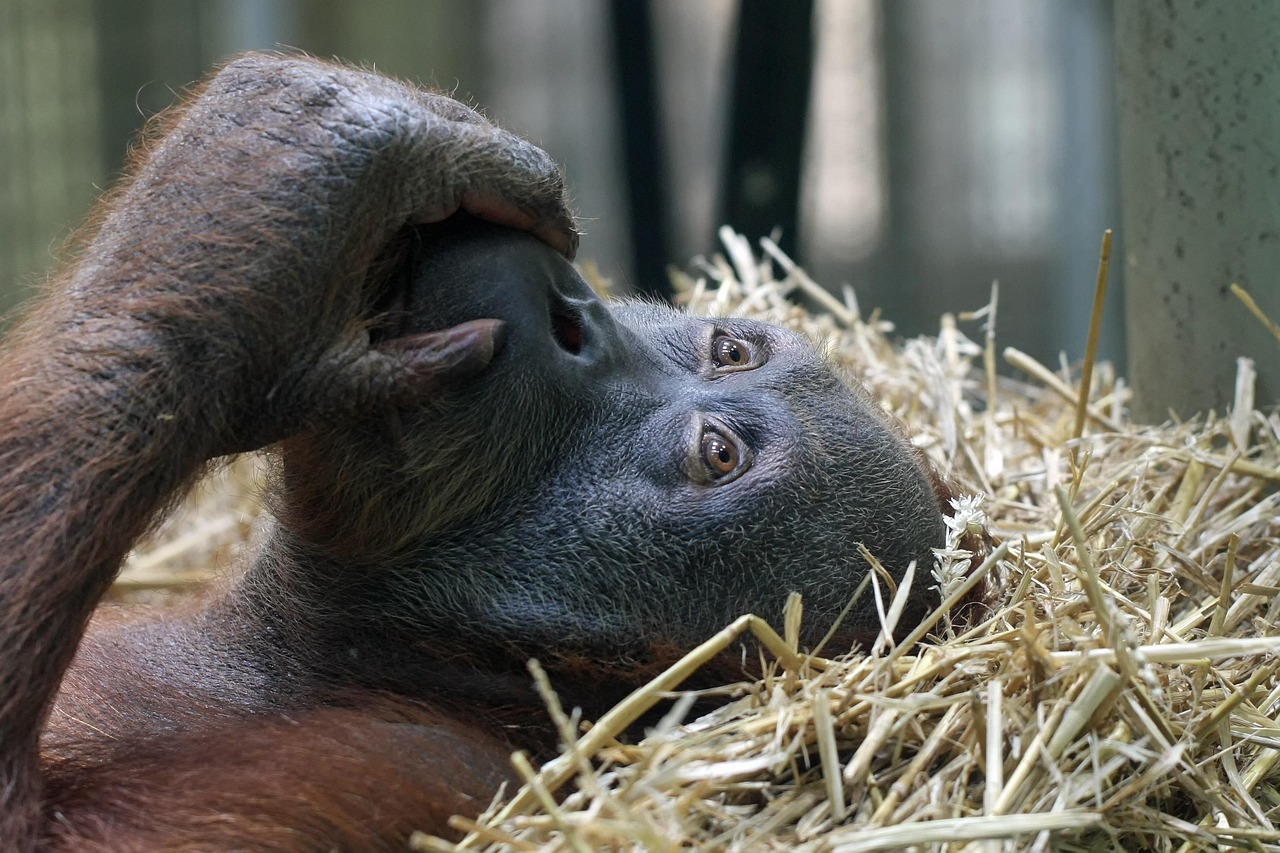
~800
Tapanuli orangutans remaining
3
Critically Endangered species
8 yrs
Between births — slow recovery
80%
Habitat lost in 20 years
Why Orangutans Need WARN
Orangutans are the only great apes found in Asia, and they are disappearing fast. Their habitat — the lowland rainforests of Borneo and Sumatra — is being cleared for palm oil, pulpwood, and mining at a rate that existing rescue infrastructure cannot absorb.
When a mother is killed, her infant survives briefly clinging to the body. Those who are rescued arrive at centres severely malnourished, traumatised, and with no skills for forest life. Rehabilitation takes five to ten years. There are not enough sanctuaries.
WARN is working with vetted local partners to expand rescue centre capacity, fund rehabilitation infrastructure, and establish soft-release programmes in protected forest areas. Your gift directly funds this work.
£20
Infant care — 1 day
Feeds, hydrates and provides medical support to one orphaned infant for 24 hours.
£75
Forest school session
Funds one enrichment session teaching orphaned juveniles to climb, forage and build nests.
£250
Post-release monitoring
Covers one month of ranger monitoring after a soft-released juvenile re-enters the forest.