Where We Work
Ten countries. Six programmes. One mission: reach the animals that need us most.
Southeast Asia
Indonesia
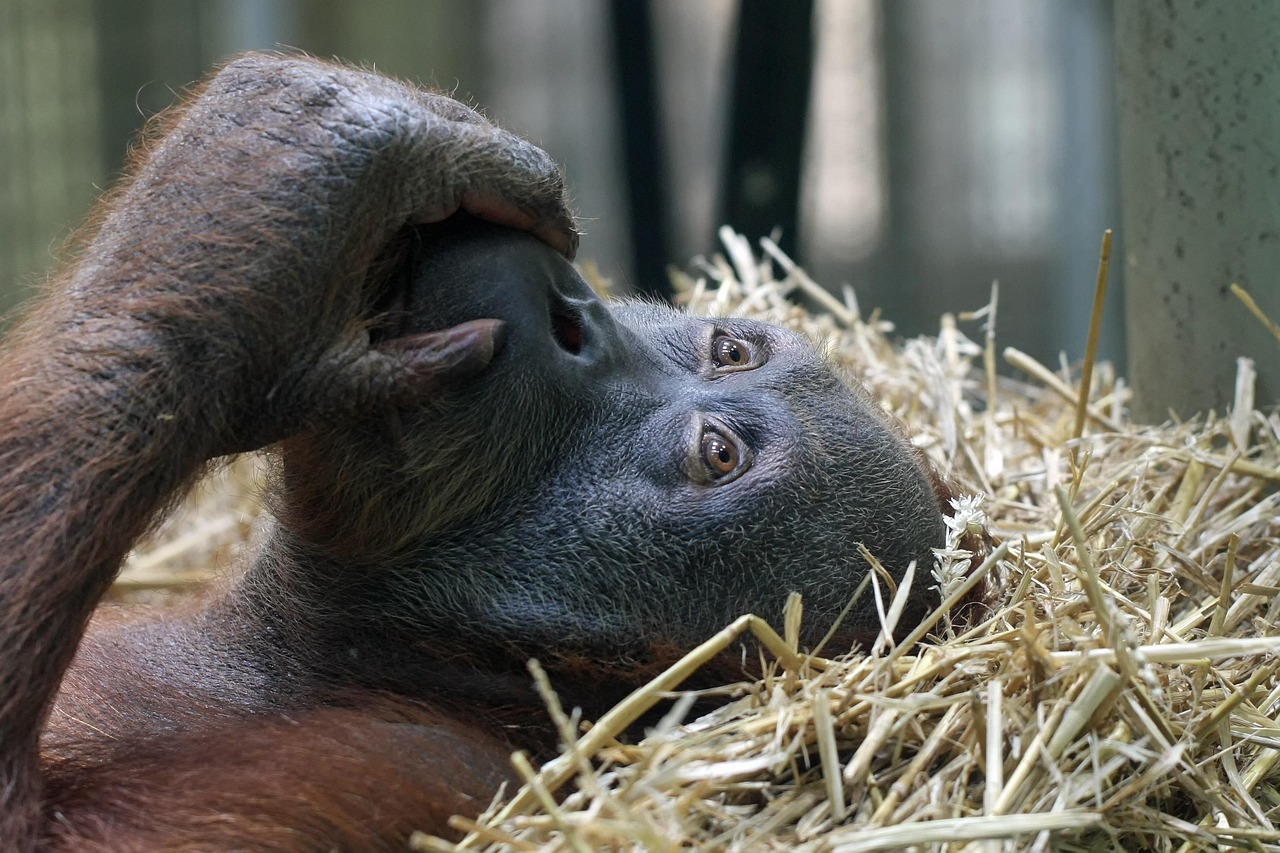
Indonesia is the largest of WARN's ten operating countries and one of the most biodiverse nations on earth. It is also one of the most heavily impacted by deforestation, the illegal wildlife trade, and marine plastic pollution.

Southeast Asia
Malaysia
Malaysia is both a source and a transit country for trafficked wildlife. The Bornean state of Sabah and Peninsular Malaysia each face distinct rescue challenges — orangutans, sun bears and pangolins on Borneo, and trafficking interdiction at Kuala Lumpur International Airport.
Southeast Asia
Vietnam
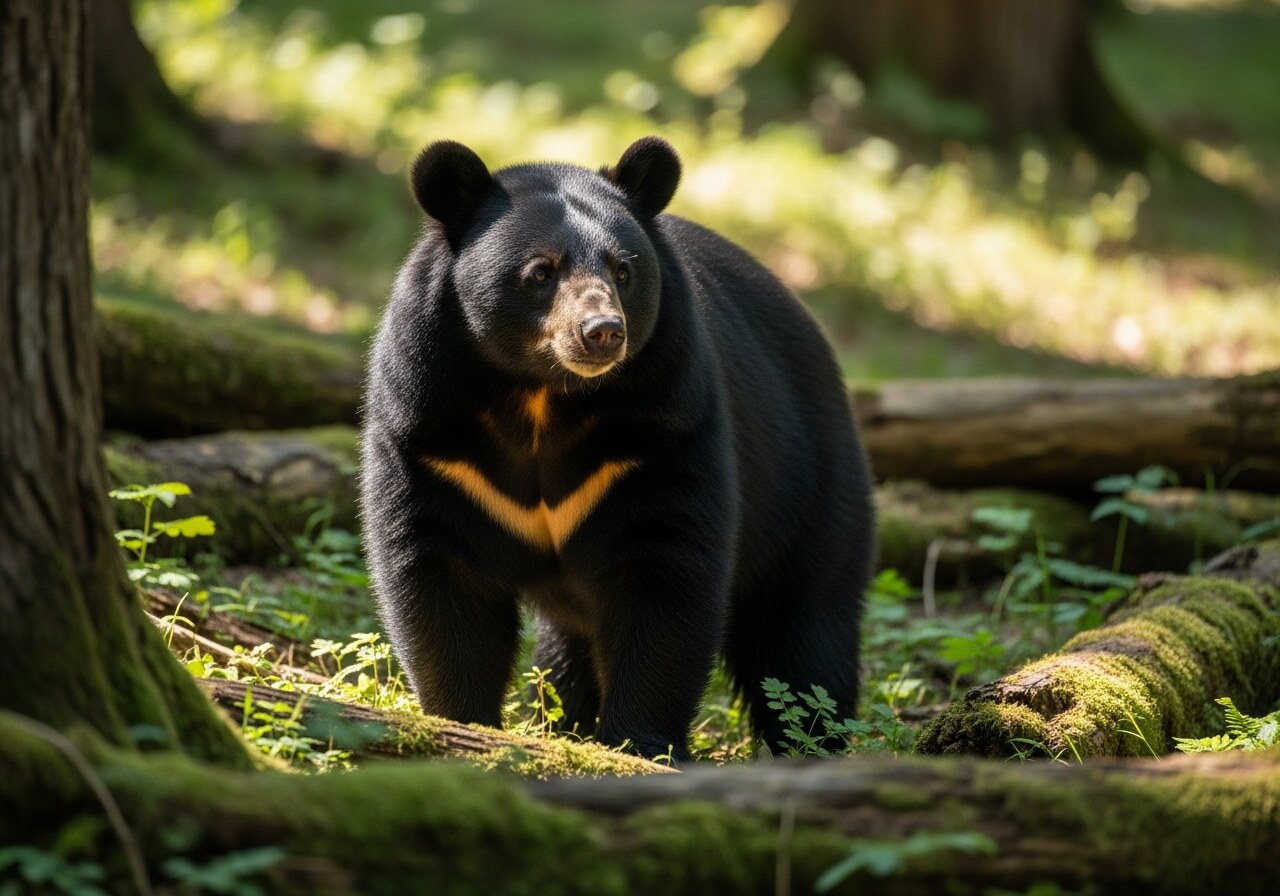
Vietnam is the country at the centre of three of WARN's most urgent appeals: moon-bear bile-farming retirement, the cat meat trade, and pangolin trafficking interdiction.
Southeast Asia
Thailand
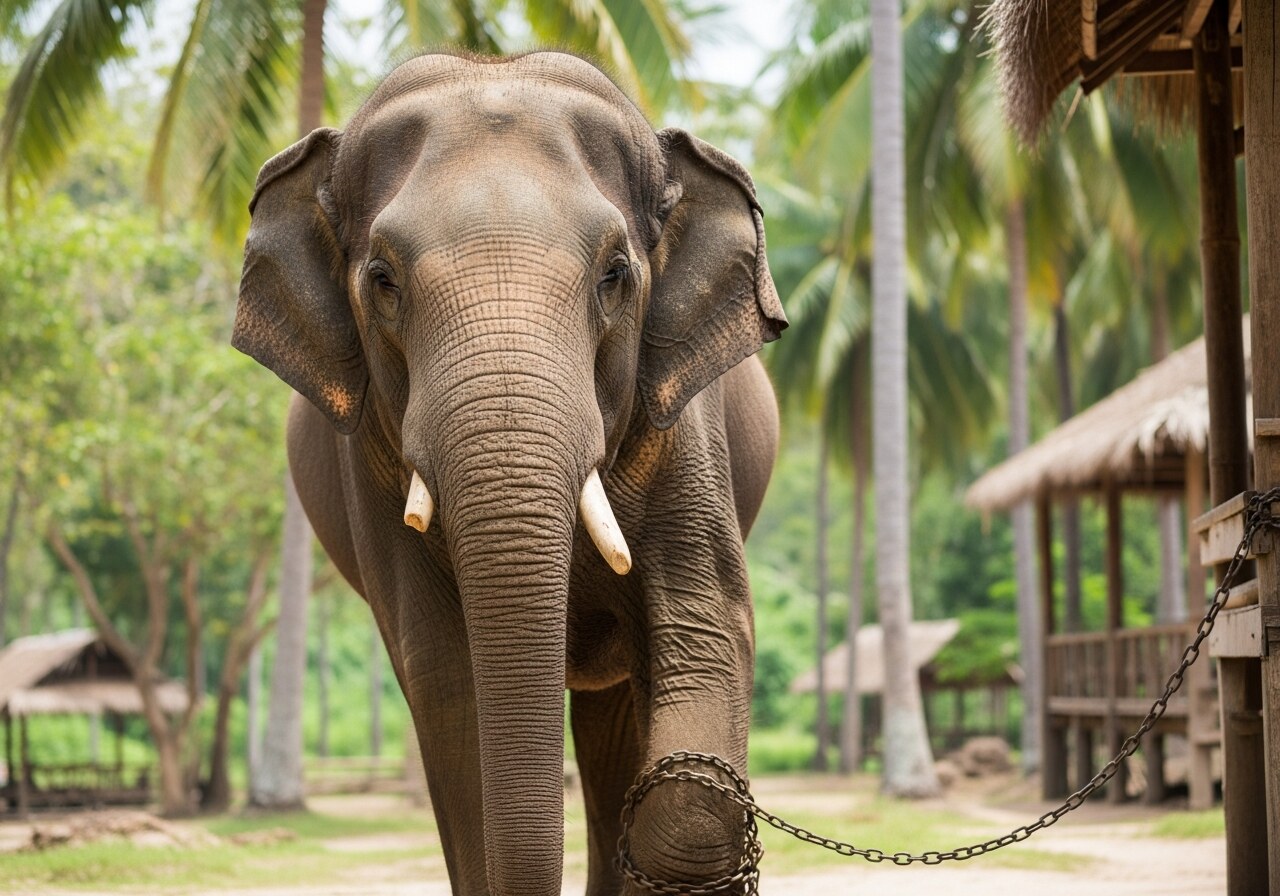
Thailand sits at the centre of the global captive-wildlife tourism debate. Roughly 3,000-4,000 captive elephants live in Thai tourism, alongside tiger photo-ops, monkey shows and slow-loris selfie stalls.

Southeast Asia
Cambodia
Cambodia's eastern forests are at the centre of the Southeast Asian snare crisis. Researchers describe much of the remaining Lower Mekong forest as suffering from 'empty forest syndrome' — habitat that looks intact but holds almost no wildlife.
South Asia
Pakistan
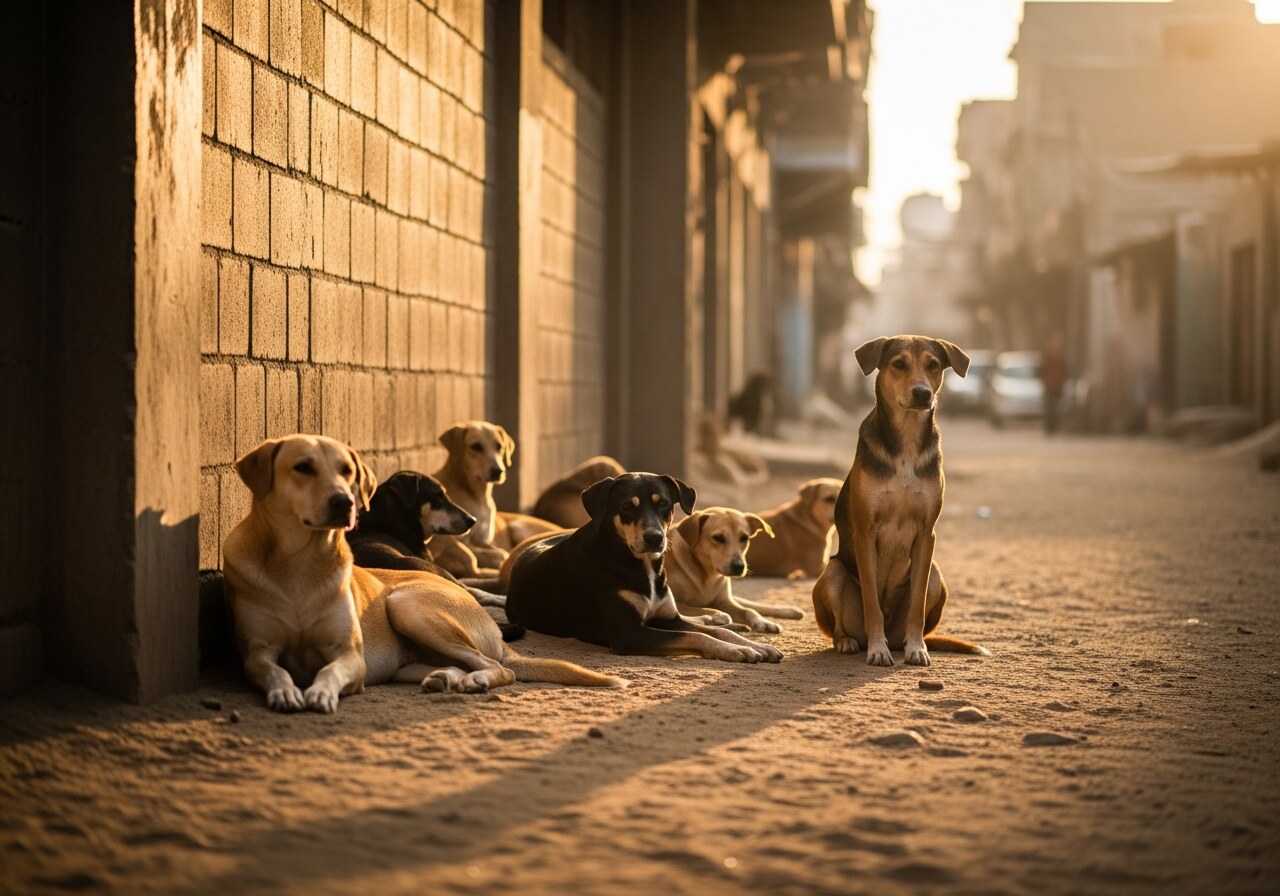
Pakistan is WARN's flagship street-dog welfare country. It is also home to the snow leopard, the markhor and a significant working-equine population. Our launch programme in Karachi is one of the most concrete pieces of WARN's first year.

South America
Colombia
Colombia is the most biodiverse country in the world by species per square kilometre — and one of the most active source countries for trafficked parrots, primates and reptiles bound for Europe and the United States.
South America
Peru
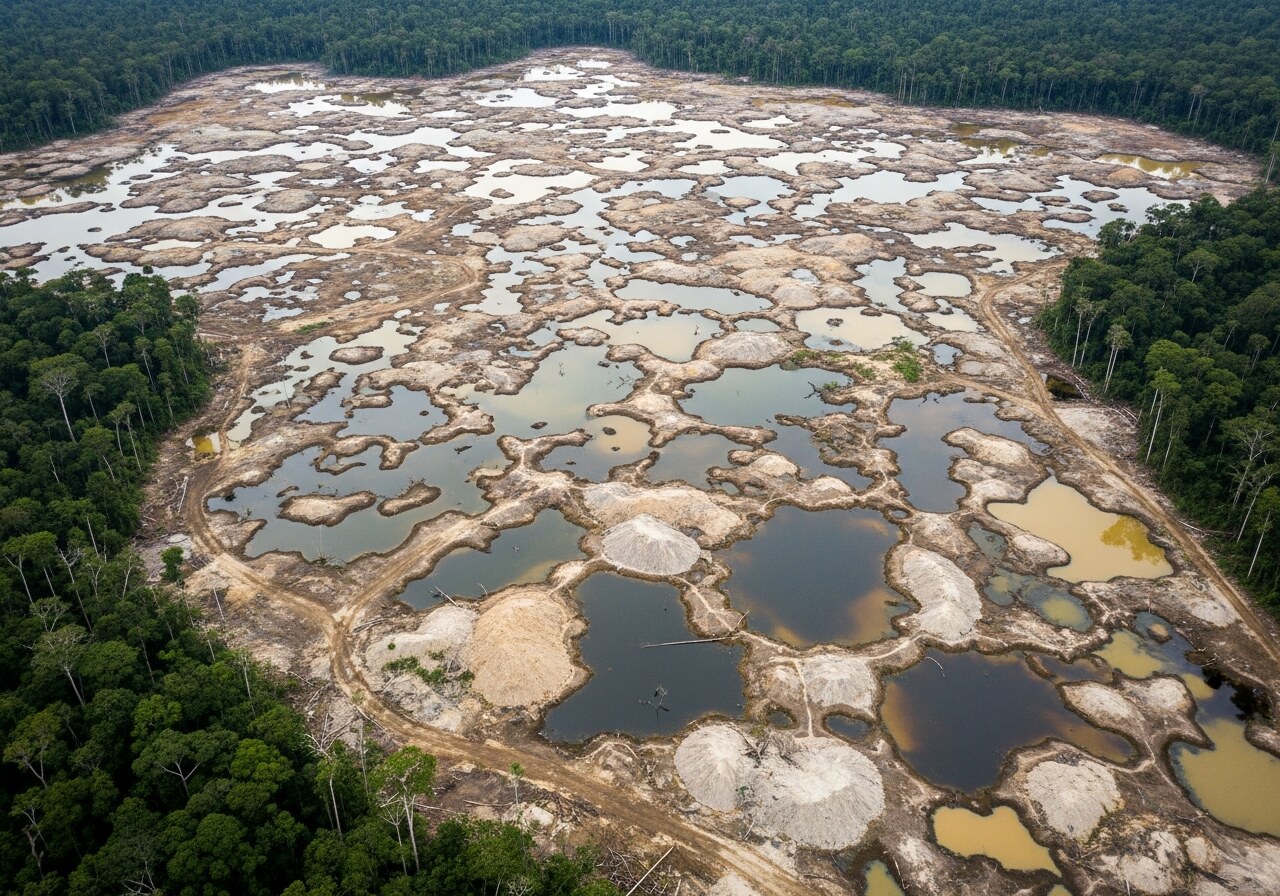
Peru's Madre de Dios region faces aggressive deforestation from illegal gold mining. Mercury contamination poisons the rivers, and clear-cuts displace primates and macaws into shrinking forest islands.
East Africa
Kenya
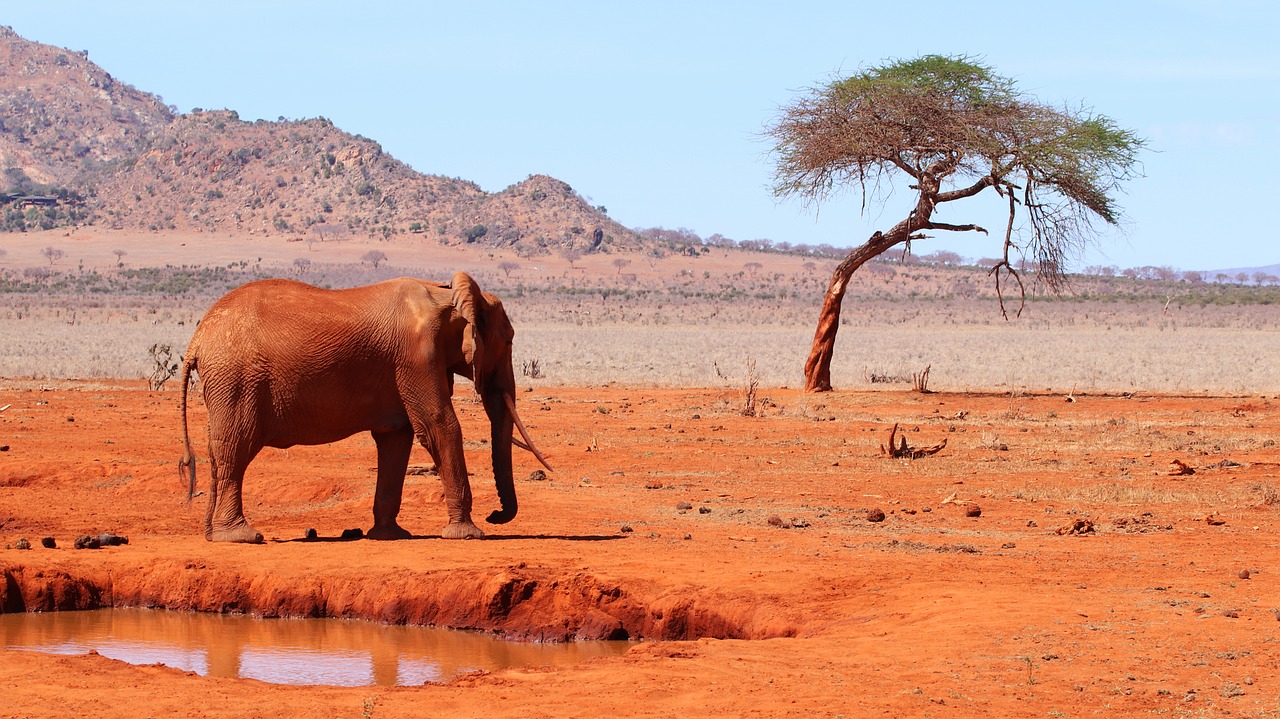
Kenya is one of WARN's two East African operating countries and one of the most important wildlife-rescue countries in the world. The Tsavo ecosystem alone protects an estimated 13,000 elephants, and snaring is one of the largest non-poaching threats to large mammals.
East Africa
Tanzania
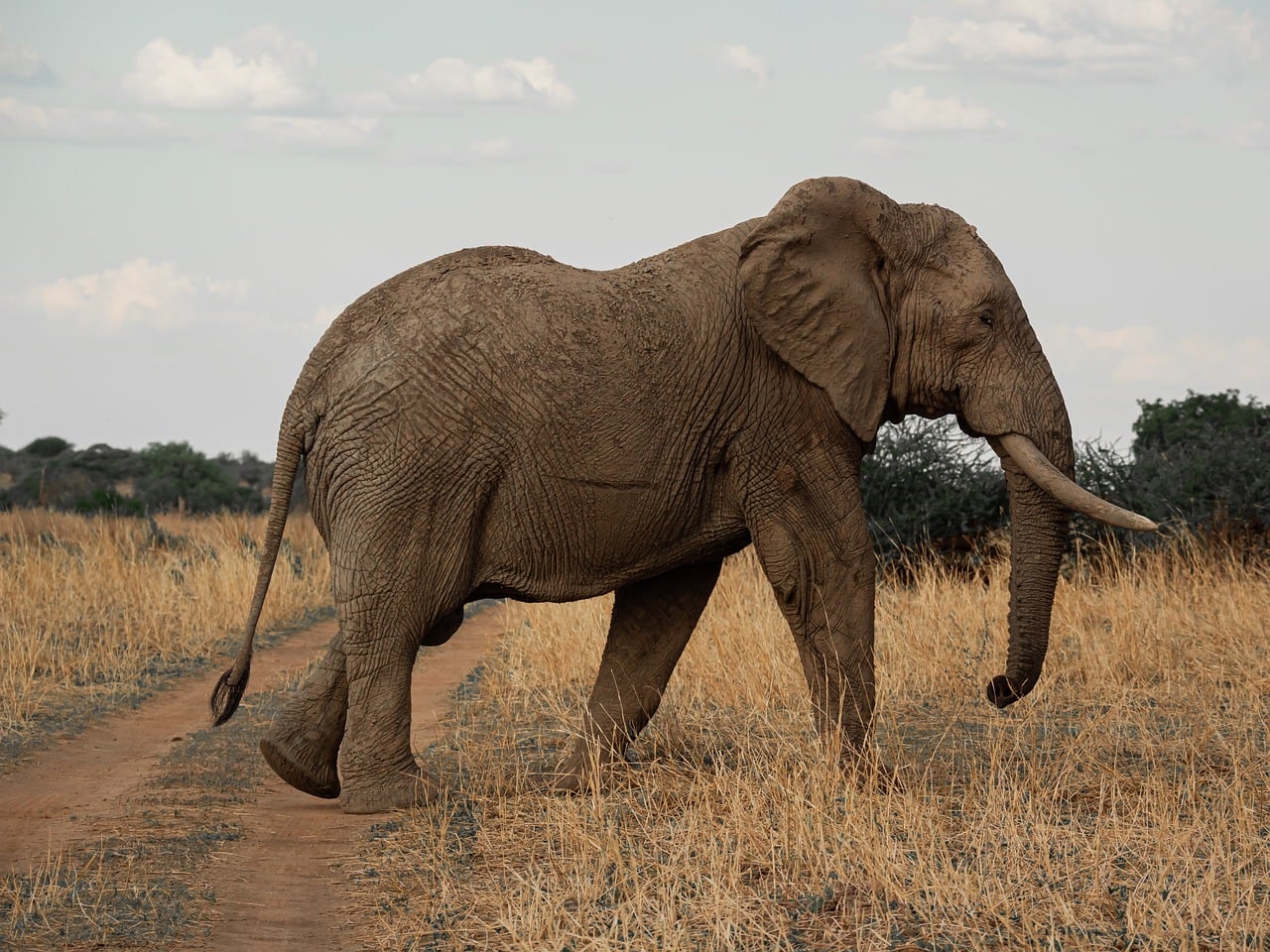
Tanzania holds one of the largest contiguous protected wildlife landscapes in Africa — the Selous-Niassa corridor that links southern Tanzania with Mozambique. It is also home to one of Africa's largest remaining elephant and lion populations.
Support the Work
Every country programme runs on supporter funding. Choose a specific appeal or make a general donation and we'll direct it to wherever it's needed most.