Southeast Asia
Indonesia
Indonesia is the largest of WARN's ten operating countries and one of the most biodiverse nations on earth. It is also one of the most heavily impacted by deforestation, the illega
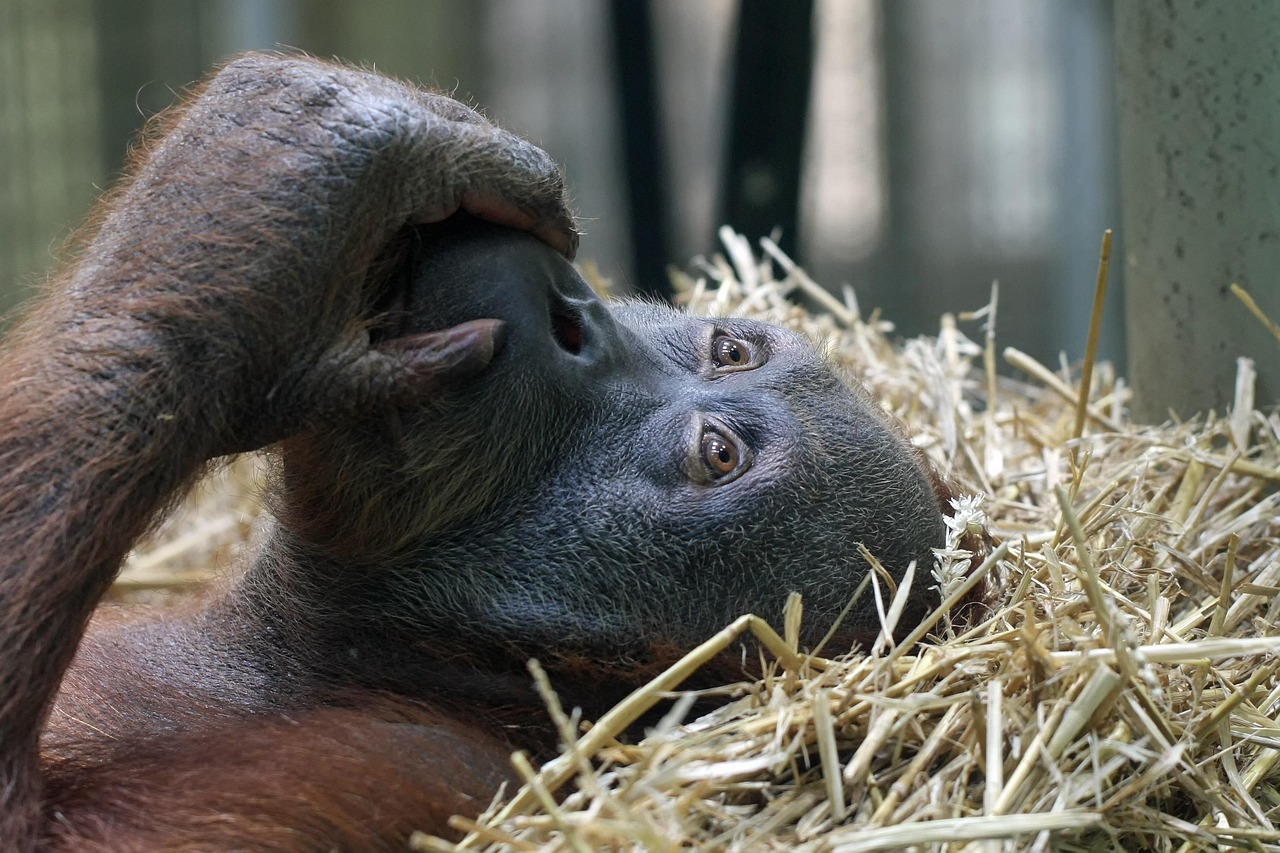
Indonesia is a Southeast Asian archipelago of more than 17,000 islands, home to Bornean and Sumatran orangutans, Sumatran tigers, Javan and Sumatran rhinos, the Komodo dragon and the sun bear; its wildlife is under sustained pressure from palm-oil and pulpwood deforestation, the illegal pet trade, and one of the world's largest contributions to marine plastic.
Key Facts About Indonesia
- WARN's largest planned launch country, with operations focused initially in Kalimantan (Borneo).
- Home to two orangutan species, the Sumatran tiger, the Javan rhino, the Sumatran rhino and the Komodo dragon — all listed Endangered or Critically Endangered.
- Indonesia loses an estimated 270,000 hectares of primary rainforest each year.
- Indonesia is consistently ranked among the top three marine-plastic-contributing countries globally.
- Our planned Borneo programme will focus on orangutans stranded inside active palm-oil concessions.
What is the wildlife situation in Indonesia?
Indonesia is home to roughly 17% of the world's mammal species, more than any other country. It is also one of the most rapidly deforesting nations — UNEP-WCMC data shows sustained primary-forest loss across Sumatra, Kalimantan and Papua. Wildlife trafficking through Jakarta, Surabaya and Medan remains a major UNODC concern.
What is WARN preparing to do in Indonesia?
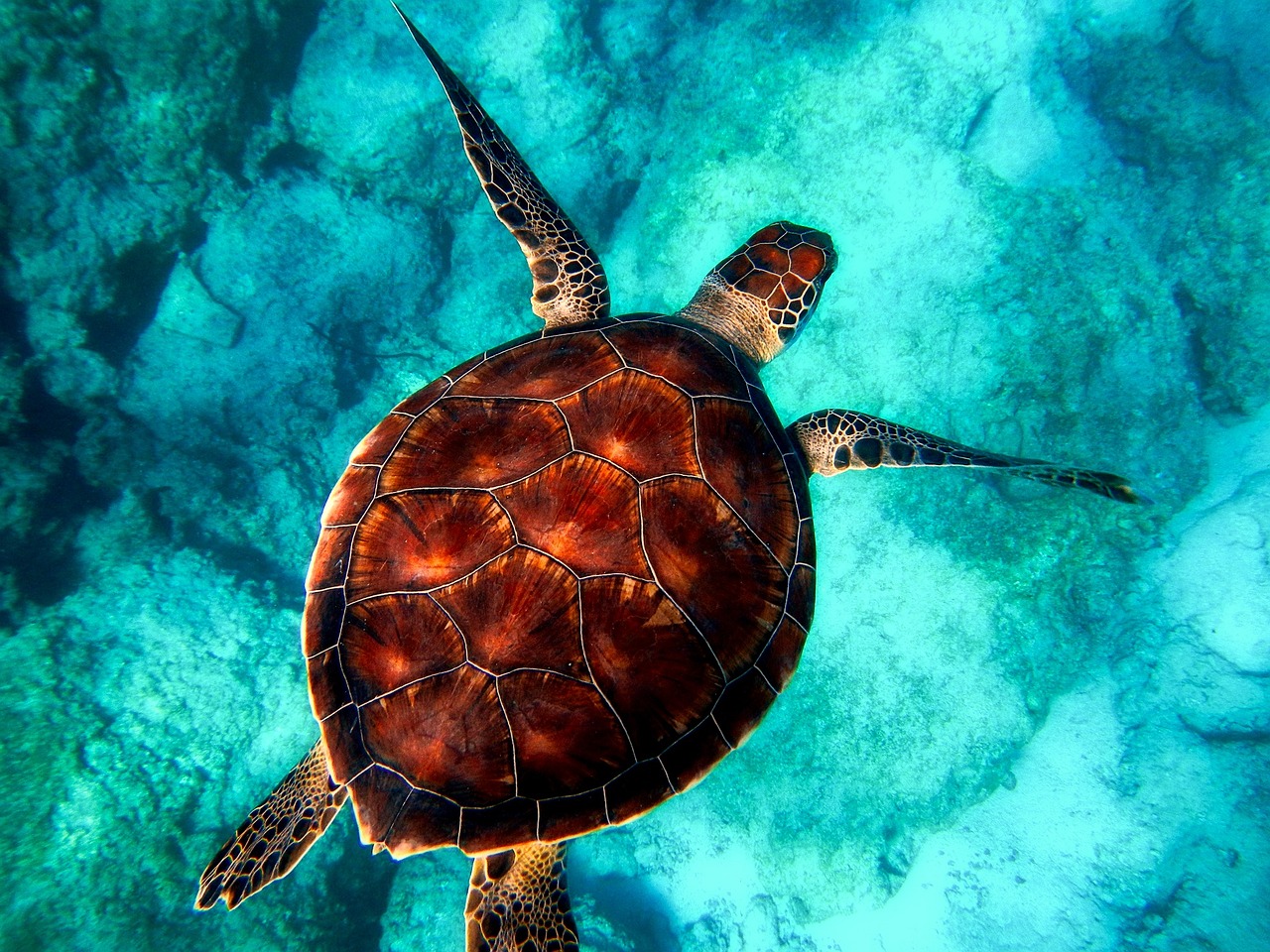
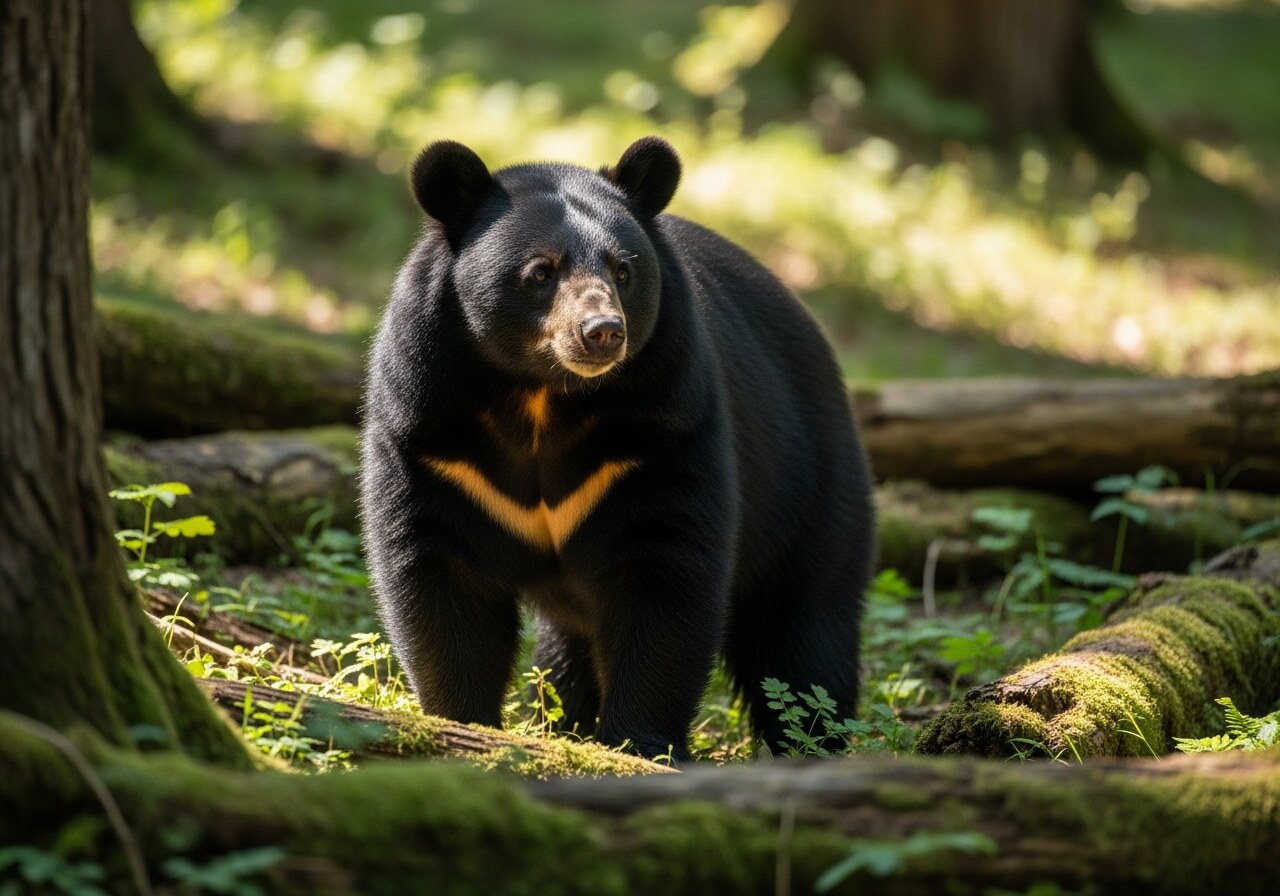
Our planned launch focus is Kalimantan (Indonesian Borneo). The orangutan appeal funds locating and extracting orangutans stranded inside active palm-oil concessions, supporting a long-term forest rehabilitation sanctuary, and contributing to in-country veterinary capacity. We are also preparing supporting work on sun bears, sea-turtle plastic-rescue, and trafficked-wildlife sanctuary support.
Why Indonesia and not elsewhere?
Three factors: scale (the number of Critically Endangered species concentrated in one country), trafficking exposure (Indonesia is both a major source and a transit point), and welfare gap (in-country rescue and sanctuary capacity has not kept pace with deforestation rates).
Key Species in Indonesia
Critically Endangered
Sumatran orangutan
Indonesia FAQ
Why is Indonesia such an important country for wildlife rescue?
What is the main threat to Indonesian orangutans?
Help the Animals of Indonesia
Your donation funds the rescue teams, sanctuaries, and programmes protecting wildlife and street animals across Indonesia.
Donate Now