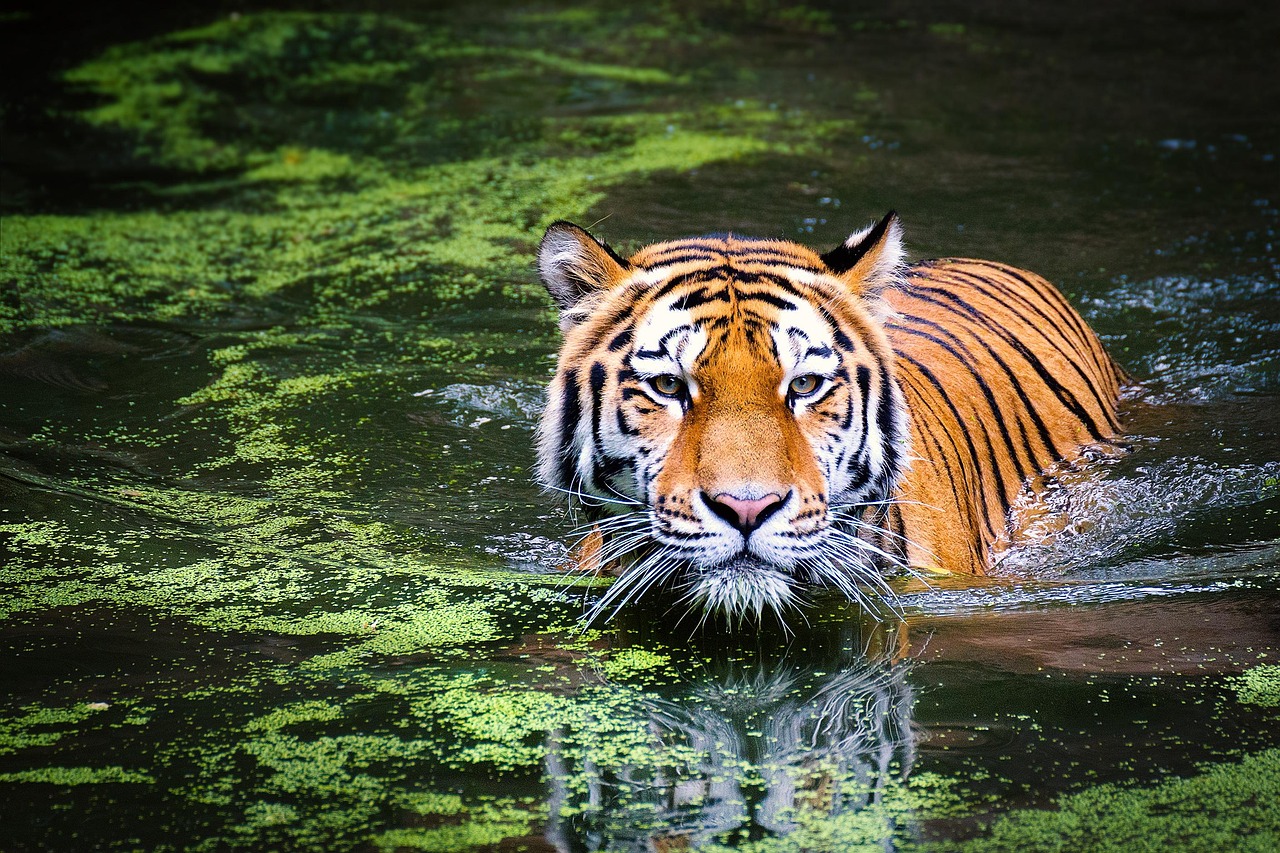
The Sumatran tiger (Panthera tigris sondaica) is the only tiger population still alive in Indonesia. The Javan tiger was declared extinct in the 1970s; the Bali tiger was lost decades earlier. The Sumatran tiger is the smallest of the surviving tigers and one of the most genetically distinct.
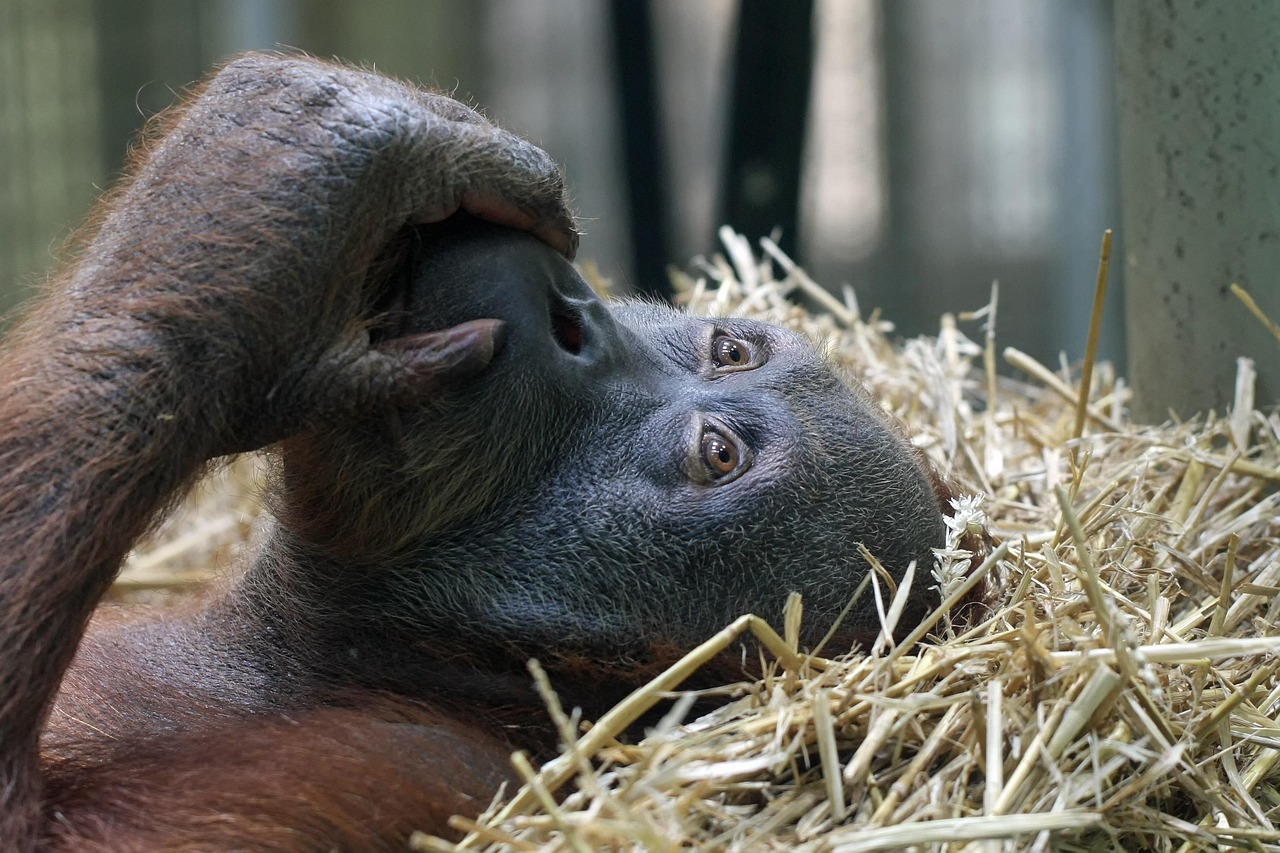
WARN's planned Indonesia programme — best known so far for our orangutan appeal in Kalimantan — operates in the same country, against the same drivers of forest loss, and through the same kinds of partner relationships that any tiger work in Sumatra requires.
How many Sumatran tigers are left?
Reliable camera-trap and DNA-survey estimates place the wild population at under 400 individuals, fragmented across protected areas on Sumatra including Gunung Leuser, Kerinci Seblat, Bukit Barisan Selatan and Way Kambas national parks. The IUCN Red List lists the population as Critically Endangered.
The threats
- Poaching for the illegal wildlife trade. Tiger skins, bones, teeth and claws move through the same trafficking networks that the UNODC has repeatedly identified as transnational organised crime. Sumatran tiger parts have been seized in markets in Sumatra itself, in Java, and onwards in Vietnam and China.
- Deforestation. Sumatra has lost an estimated half of its remaining lowland rainforest in the last three decades to palm-oil, pulp-wood and small-holder agriculture. Tiger ranges are being reduced to disconnected fragments.
- Snaring. Wire snares set for bushmeat regularly catch tigers as bycatch. A snared tiger that escapes often dies later of infected limb wounds.
- Human-tiger conflict. Tigers displaced from cleared forest enter villages and plantations, where retaliatory killing is common.
Rescue and sanctuary realities
Almost no rescued Sumatran tiger can be returned to the wild. Confiscated cubs are usually too habituated; adults rescued from market or conflict situations frequently have injuries that disqualify release. Lifetime sanctuary care, with the genetic-value option of a managed conservation-breeding programme, is the standard outcome.
How WARN fits in
Our tiger appeal describes our ambition to fund partner-led tiger rescue work in Asia as our Indonesia operations mature. We are not running our own Sumatran tiger sanctuary and we are not asking supporters to fund work we have not yet built. We are asking supporters to back the country-level capacity — Indonesian veterinary teams, snare-removal patrols, anti-trafficking intelligence — that any future Sumatran tiger work depends on.
Sources: IUCN Red List, CITES Appendix I, UNEP-WCMC, UNODC World Wildlife Crime Report.
We need your support to make this happen
World Animal Rescue Network is at the launch stage of this work. We do not yet have rescue numbers to share — and that is exactly why your support matters now. Every donation helps us put trained teams on the ground, secure veterinary supplies and equipment, and reach the first animals before they are lost.
Donate today to fund our first deployments, or sponsor an animal to back a specific species through rehabilitation. You can also join the network as a volunteer, fundraiser, or monthly supporter.