Urgent appeal · Active now
Save the world's most trafficked birds
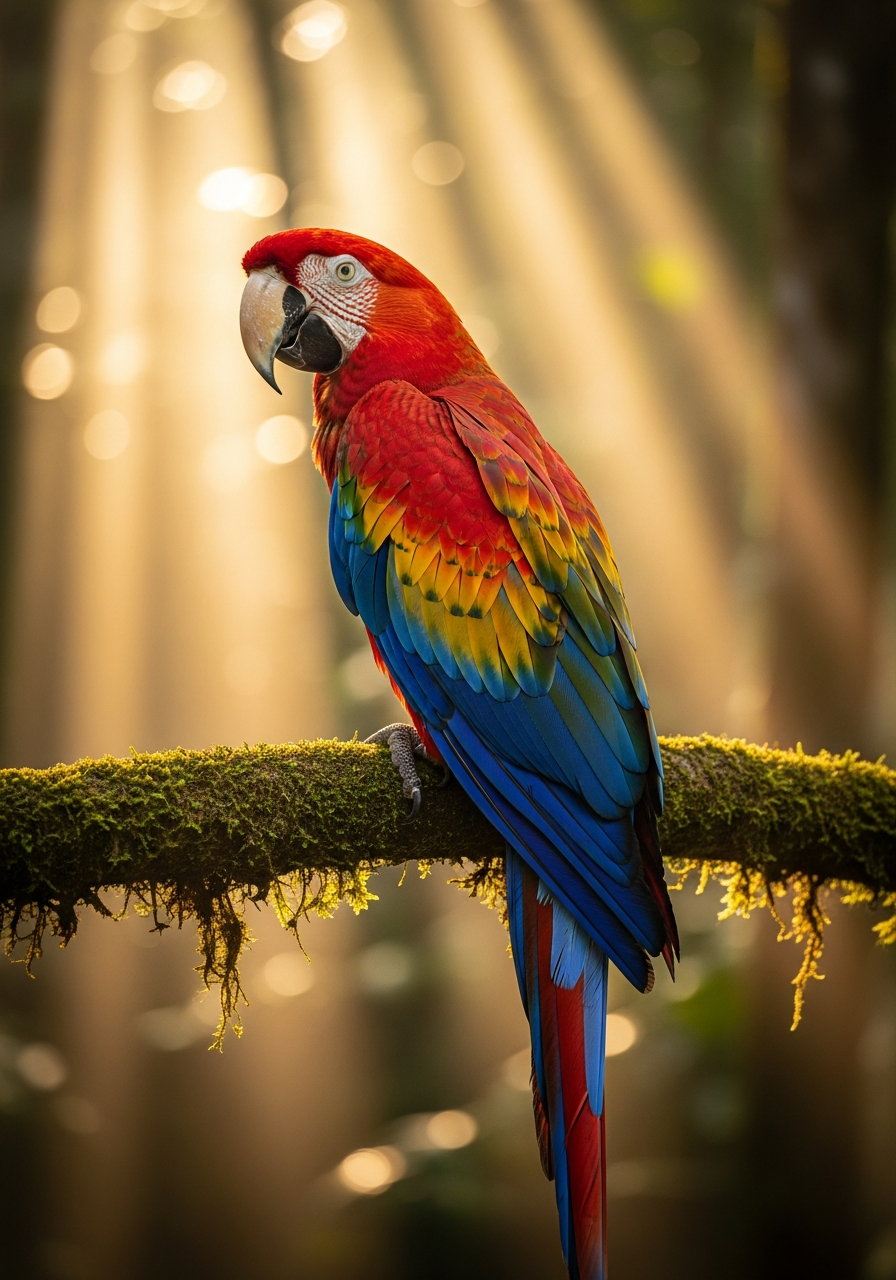
Every year, tens of thousands of macaws, parakeets, and Amazon parrots are torn from the wild for the illegal pet trade. Help us grow the rescue network they desperately need.
75,000+
Parrots trafficked annually
3
Planned programme countries
26%
Species threatened with extinction
50%
Die before reaching buyers
The Parrot Crisis
Parrots and macaws are among the most intelligent, long-lived, and socially complex creatures on earth. They are also among the most mercilessly exploited. The wild parrot trade drives capture, transport and sale of tens of thousands of birds per year across Colombia, Peru, Venezuela, Bolivia, Brazil and Indonesia.
Most birds die in transit. Those that survive are sold into private hands, often in terrible conditions, or seized by customs at ports and airports — only to discover there is nowhere suitable to take them.
WARN is building the infrastructure gap: triage centres, soft-release aviaries, species-appropriate sanctuary care, and rapid-response veterinary deployment at the point of seizure.
Step 1
Triage & Intake
First response when birds are seized. Fluids, antibiotics, quiet recovery boxes, veterinary assessment.
Step 2
Rehabilitation
Flight conditioning, natural foraging, social housing with conspecifics, preparation for soft release.
Step 3
Soft Release
Graduated reintroduction to protected wild habitat. Monitoring for 6–12 months post-release.
Step 4
Lifetime Sanctuary
For birds unable to return to the wild due to imprinting, injury, or species misidentification.
What Your Gift Does
£15
Triage Kit
Funds a single intake kit — fluids, antibiotics, and a quiet recovery box for a trafficked parrot arriving in shock.
£40
Soft-Release Aviary Day
Covers a day of food, enrichment, and aviary maintenance for parrots learning to fly and forage again.
£120
Customs Response
Helps fund a rapid-response veterinary deployment when a wildlife seizure happens at a regional airport or port.