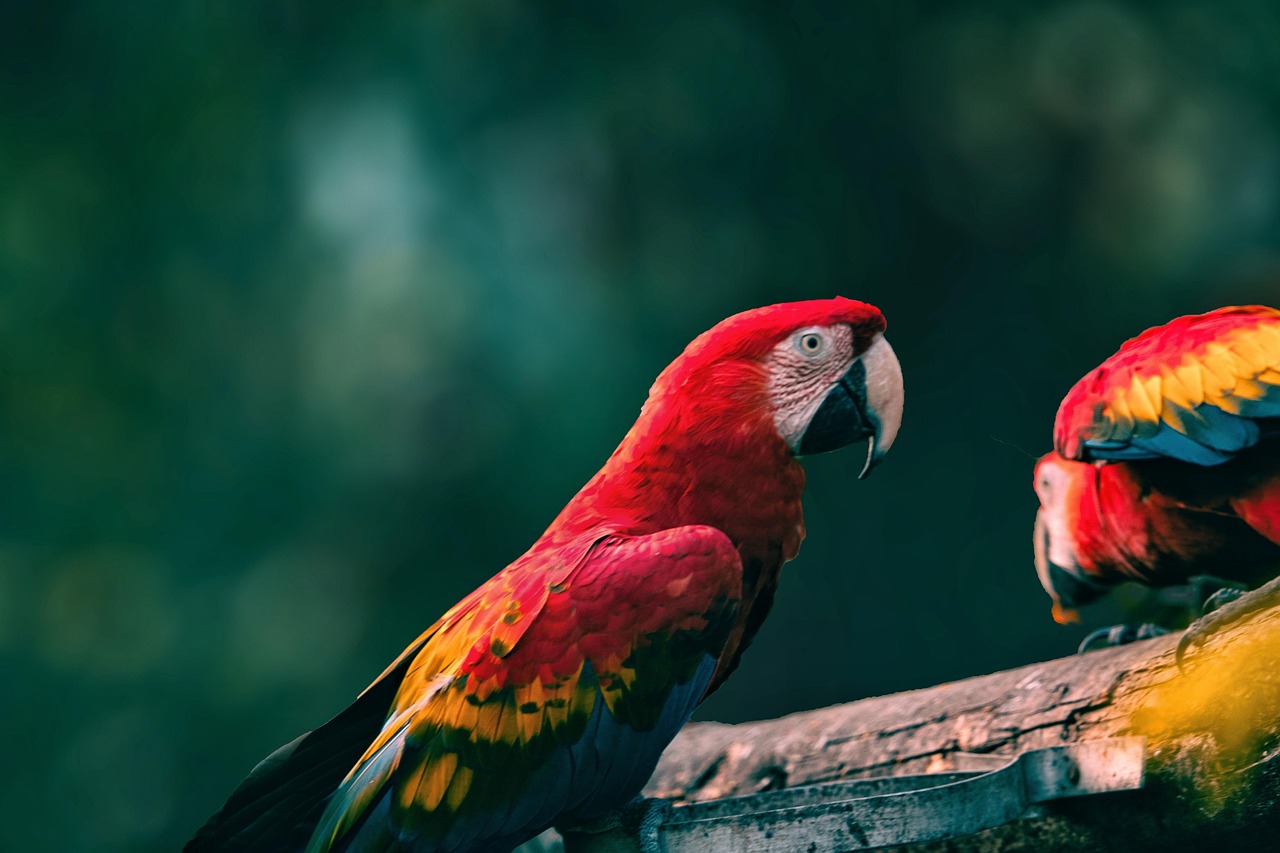
Search demand for parrot rescue and macaw rescue has climbed steadily in the past five years — driven both by the growing popularity of pet parrots in the US and UK, and by a new generation of buyers waking up to where those birds actually come from. This guide answers the most common questions people ask before they look for ways to help.
What is parrot rescue?
Parrot rescue refers to two related activities. The first is field rescue — intercepting parrots and macaws taken from the wild before they enter the international pet pipeline. The second is captive rehoming — providing sanctuary to pet parrots whose owners can no longer care for them, often because the birds have outlived their human family or developed severe behavioural problems from solitary captivity.
Why parrots and macaws are uniquely vulnerable
- Long lifespans. Macaws can live 50–60 years in captivity. Most owners cannot commit to a 60-year companion.
- Extreme sociality. Wild parrots live in flocks of dozens. A solitary pet parrot is the equivalent of solitary confinement for a primate.
- High mortality in trafficking. A large share of trafficked chicks die before reaching a buyer.
- Slow reproduction. Large macaws raise only one or two chicks every two to three years.
How to support real parrot and macaw rescue
If you already care for a captive parrot, find a reputable avian veterinarian and consider a same-species partner. If you are thinking about adding a parrot to your family, look for an accredited captive-parrot rescue rather than a breeder or pet store. If you want to fight the trade at its source, fund organisations doing field rescue in the Amazon basin — including WARN, which is building exactly this capacity in Colombia and Peru.
We need your support to make this happen
World Animal Rescue Network is at the launch stage of this work. We do not yet have rescue numbers to share — and that is exactly why your support matters now. Every donation helps us put trained teams on the ground, secure veterinary supplies and equipment, and reach the first animals before they are lost.
Donate today to fund our first deployments, or sponsor an animal to back a specific species through rehabilitation. You can also join the network as a volunteer, fundraiser, or monthly supporter.