Appeal · Indonesia and Malaysia
How to Help Elephants
An injured elephant needs skilled care. A herd also needs space to move safely. Help build support for both through this elephant appeal.
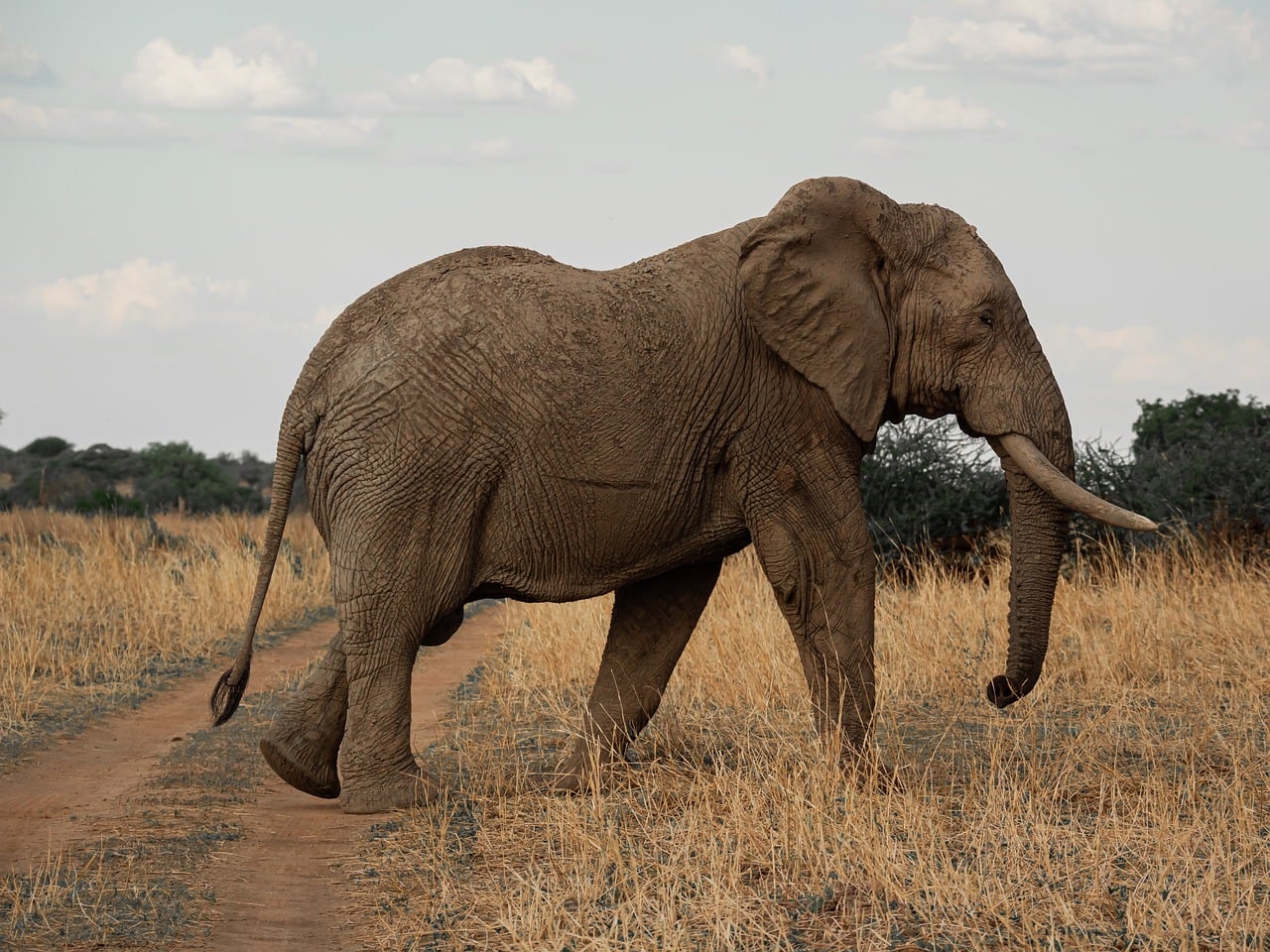
Asian elephant photographed in Bardiya National Park, Nepal on 12 April 2025. This species photograph does not document a WARN-funded rescue or a current incident in Indonesia.
Photo: Shadow Ayush / Wikimedia Commons. Resized; display may be cropped. Source CC BY-SA 4.0
- Support intended grants for elephant veterinary care, snare prevention and humane coexistence in Indonesia and Malaysia.
- Choose one-off or monthly support
- Read the grant status and how funds are allocated
In brief
Support intended grants for elephant veterinary care, snare prevention and humane coexistence in Indonesia and Malaysia. WARN is developing its grant-making work. Grant records have not yet been published; read the purpose, terms and reporting status before giving.
By WARN Research & Conservation TeamLast updated
Choose informed support
Support elephants
An injured elephant needs skilled care. A herd also needs space to move safely. Help build support for both through this elephant appeal.
Before you give
Your gift supports this appeal’s stated purpose. Activities described on this page are eligible or proposed support; published grant records show what has been agreed, paid or reported.
Choose an amount and frequency you can afford. No donation amount guarantees a particular rescue, treatment or release.
WARN is a UK community interest company, number 17298990. Gift Aid is unavailable.
Give now
Appeal · Indonesia and Malaysia · one-off or monthly
How often
Choose an amount
Your gift supports this appeal’s purpose. Grants depend on assessed needs, agreed budgets and available funds.
Where should it go?
Secure payment · You'll be directed to a secure checkout.
Secure donation · accepted methods
Secure card checkout powered by Stripe. Card details are entered on Stripe; available wallets depend on your device and browser.
Endangered
Asian elephant conservation status
Care + prevention
Two complementary funding needs
Indonesia & Malaysia
Intended appeal focus
The appeal focus describes intended support. Independent conservation and welfare sources are linked below.
How to Help Elephants
Support intended grants for elephant veterinary care, snare prevention and humane coexistence in Indonesia and Malaysia.
- 1
Read the appeal purpose and current funding status
Support intended grants for elephant veterinary care, snare prevention and humane coexistence in Indonesia and Malaysia. The grant register and allocation policy explain how to distinguish proposed support from published results.
- 2
Choose an affordable gift
Select an amount, currency and one-off or monthly frequency. Check this appeal is selected before continuing to Stripe checkout. Available wallets depend on your device and browser.
- 3
Consider regular support
Choose a frequency and amount that suit you. Recurring gifts support planning under this appeal’s terms; they do not guarantee a specific animal outcome.
- 4
Follow decisions and published results
Your receipt records the gift. Check /about/where-your-money-goes/#grant-register for published recipient decisions and payments, and manage for help with future monthly donations.
Why do elephants need help?
Asian elephants live in increasingly divided landscapes. Forest clearance and roads can separate feeding areas and bring elephants close to farms. The consequences include lost crops, danger to people and injuries or retaliatory killing of elephants.
A useful response combines care for individual animals with work that reduces the next conflict. This appeal’s intended focus is Sumatran and Bornean elephants in Indonesia and Malaysia: skilled care when an animal is injured and practical protection for herds sharing a landscape with people.
What needs a practical response?
An elephant caught in a snare may need an authorised wildlife veterinarian, equipment, transport access and follow-up care. Wildlife handling requires specialist competence and permission; a photograph of an injury alone cannot establish the appropriate treatment.
Alongside rescue, a proposal could address dangerous snares, habitat connections or locally suitable ways to protect crops. Each intervention needs to fit the landscape and the people who live there. A fence or deterrent that works at one site is not automatically suitable everywhere.
How should we read elephant population figures?
The Asian elephant is classified as Endangered. Population estimates have wide uncertainty because animals are difficult to survey across remote habitats. A dated estimate should not be presented as a live counter or used to imply that every local herd is shrinking at the same rate.
African savanna and African forest elephants are different species. Their conservation needs matter, but their population totals cannot show progress for this appeal’s proposed work in Indonesia and Malaysia.
How would an elephant grant be assessed?
For veterinary work, a responsible proposal should identify the treating organisation, relevant permissions, clinical oversight and a realistic budget for follow-up. For snare prevention, it should explain patrol responsibility, incident recording and coordination with the wildlife authority.
For coexistence work, assessment should include the community’s priorities, maintenance costs, potential harm to other wildlife and how success will be checked. Fewer repeat incidents and better welfare are more meaningful outcomes than simply counting equipment purchased.
A few elephant facts that explain the need
Asian elephants have one finger-like projection at the trunk tip. Females live in social family groups, and a pregnancy lasts about 22 months. Slow reproduction and long dependence on the herd make avoidable losses especially consequential.
The Smithsonian’s Asian elephant profile explains these biological details and the pressures caused by fragmentation. Its work is cited as evidence; this does not imply a WARN partnership.
What could this appeal support?
Eligible proposals could include authorised field veterinary services, humane snare-response capacity, locally appropriate coexistence measures and welfare-led care for animals that need it. The final scope and reporting requirements would belong in the grant agreement.
WARN is developing its grant-making work and does not operate an elephant sanctuary. Grant records have not yet been published. Read the allocation policy and grant register to distinguish the appeal’s intentions from documented payments and results.
How to choose your next step
Give an amount that is comfortable for you after reading the appeal terms. The suggested amounts are contributions to the purpose; they do not purchase a guaranteed elephant treatment or patrol day.
You can also share this appeal and its sources. When travelling, choose observation-based elephant experiences and ask how an operator manages animal welfare. Your choices can encourage greater attention to the wellbeing of the animals you encounter.
From your gift to accountable support
WARN intends to support eligible organisations through assessed grants. The recipient, scope, budget and reporting requirements need to be documented before a grant is treated as an approved commitment.
Grant records have not yet been published. Use the register and reporting pages for evidence of approved grants, transfers and results.
The appeal terms explain the funding purpose and allocation policy. Suggested gift amounts are contributions; they do not promise a fixed treatment, item or animal outcome.
How responsible support works
From a gift to a grant
This is WARN’s grant-making process. Check the published records below for this appeal’s actual progress.
Assess the need
Review an organisation’s identity, local capacity, welfare practices, current request and proposed budget.
Agree the support
Choose a suitable purpose within the appeal, agree the budget and set proportionate reporting requirements.
Record the payment
Publish the recipient, amount, purpose and payment status when a grant record is available.
Follow the results
Report what the recipient can evidence, with dates and limitations. An approved grant and a completed outcome are different stages.
Grant register
Approved commitments and completed payments are different stages. Public records identify recipients and purposes without exposing donor details, banking information or sensitive wildlife locations.
Records not yet published
A reconciled financial summary and individual grant records have not yet been published here. This is a reporting status, not a statement that income, expenditure or grants are zero. Contact WARN for information about your gift.
Ask about a donation or grantLearn more and explore other ways to help
Explore the evidence, practical animal-welfare information and other relevant ways to support the cause.
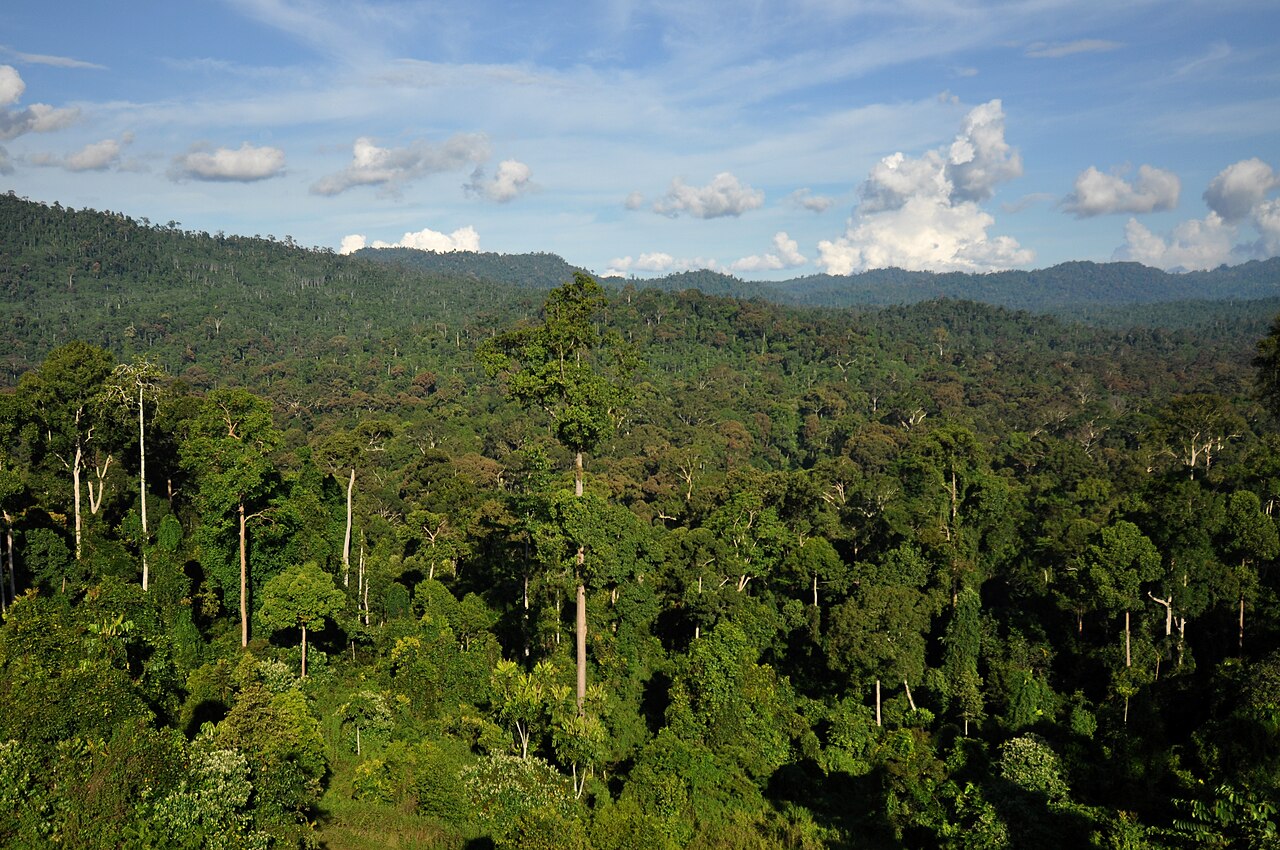
Protect Critical Habitats
Explore proposed habitat protection and restoration support.
Open this page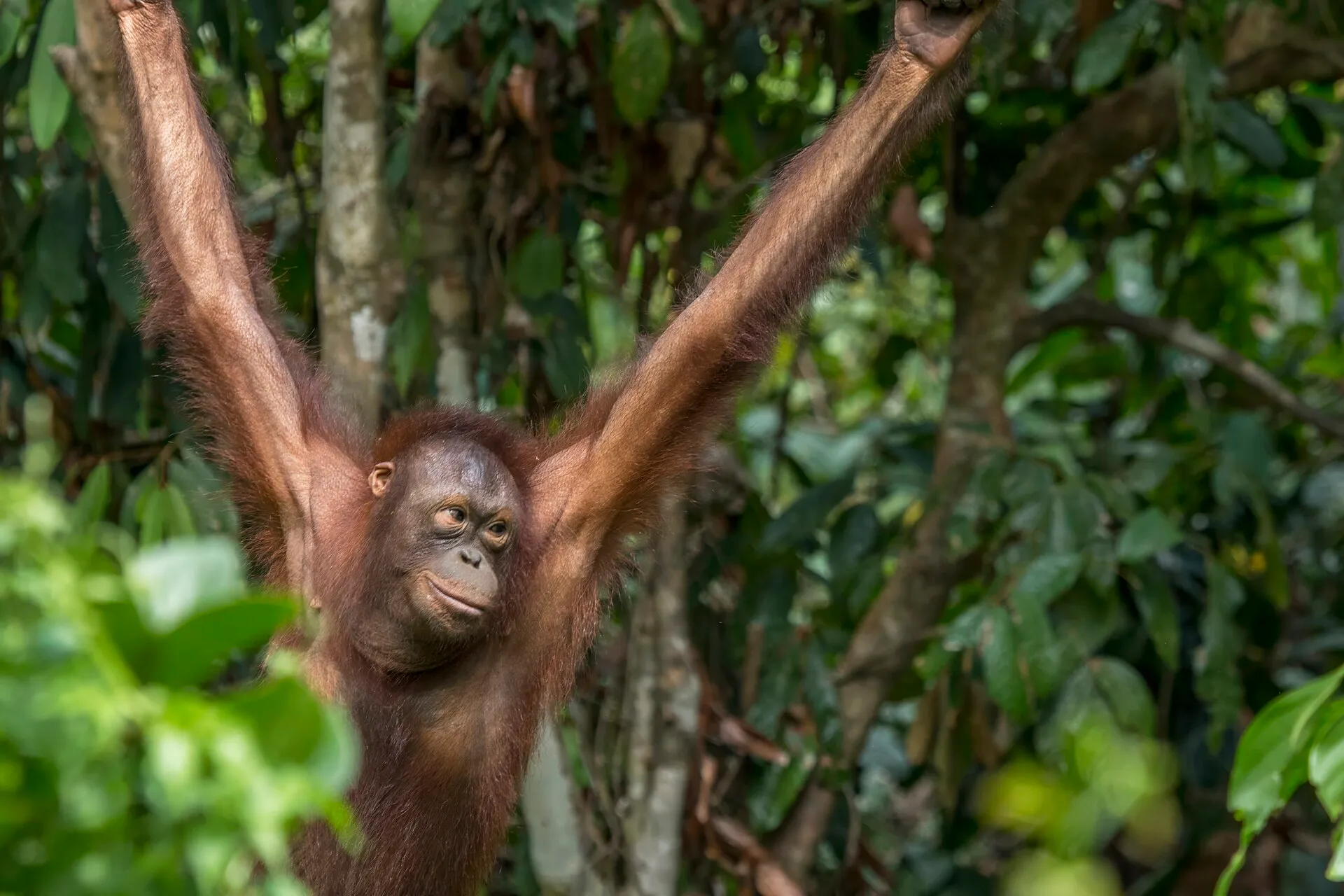
Help Orangutans
Understand the wider needs of animals in Borneo and Sumatra.
Open this pageAlso: Elephant guide · Symbolic elephant adoption · How funds are allocated · How grants are assessed · All appeals
Your questions answered
Elephants: frequently asked questions
How can I donate to help elephants?
Does WARN have elephant rescue teams?
Can my donation help an individual injured elephant?
Why support coexistence as well as rescue?
What proof should I look for after a grant?
Can I help without donating?
How do I donate to help elephants?
How can I help elephants from the UK?
Can I give monthly to help elephants?
How does my donation reach elephants?
Is this Gift Aid eligible or US tax-deductible?
Help build support for elephants
Choose an affordable contribution to the purpose described here. Sharing this appeal can also help others learn about the need and decide how to support it.
Support elephants