
Wildlife Guides · WARN
Animal &
Wildlife Guides
A sourced animal reference library covering endangered wildlife, companion animals, animal facts, conservation status, threats and how WARN's partners help. Use the filters to explore by animal group, region, IUCN status or threat.
Sourced reference library
WARN wildlife guides are written as public education pages and checked against sources such as the IUCN Red List, CITES, BirdLife International, WWF, Smithsonian and peer-reviewed research where available. Population figures and conservation statuses are cited on individual guides.
How to use this hub
Start with a reference page below, filter the full guide library, or use the quick-answer links for concise AI-friendly explanations.
Popular reference guides
High-intent pages for readers searching animal facts, endangered species, conservation status, animal names and wildlife threats.
Most endangered animals
Ranked guide to the most at-risk animals in the WARN library.
Open guide →Critically endangered animals
A crawlable collection of the species closest to extinction.
Open guide →Animals threatened by wildlife trafficking
Species affected by poaching, illegal trade and exotic-pet demand.
Open guide →Animals in Asia
Orangutans, elephants, pangolins, slow lorises and more Asian species.
Open guide →Animals in South America
Amazon and Neotropical species from jaguars to macaws.
Open guide →Baby animal names
A-Z reference table for baby animal names and related guides.
Open guide →Animal group names
Collective nouns for animals, from prides to parliaments.
Open guide →Animal myth busters
Fast, sourced corrections for popular animal myths.
Open guide →Animal groups
Curated collections linking species guides to searchable quick answers — optimised for animal groups, myths and conservation questions.
Mammals
Species guides plus type pages — big cats, primates, marine mammals and more.
Explore →Mammal facts
What makes a mammal, egg-layers, primates and big cats.
Explore →Myth busters
Bats blind? Whales sleep? Sourced myth corrections.
Explore →Animal lists
Fastest, longest-lived and more — each ranked with its measurement basis stated.
Explore →Extinct animals
25 species we have lost, why each one went, and what can still be saved.
Explore →Extinct in the Wild
Species surviving only in captivity and reintroduction.
Explore →What is an animal?
The definition, the seven defining traits and the major animal groups.
Explore →Marine animals
Sharks, dolphins, sea turtles and ocean welfare.
Explore →Rainforest animals
Orangutans, pangolins, parrots and forest loss.
Explore →Birds
Owls, penguins, eagles, corvids and bird quick answers.
Explore →Reptiles & amphibians
Type pages for snakes, lizards, turtles, crocodilians and amphibians plus the full A–Z.
Explore →Savanna animals
Lions, cheetahs, elephants and African grassland species.
Explore →Fish
Type pages for sharks & rays, reef, freshwater and deep-sea fish — 36 guides.
Explore →Invertebrates
Type pages for insects, arachnids, molluscs, crustaceans and cnidarians — 77 guides.
Explore →Endangered animals
Species assessed as Endangered on the IUCN Red List.
Explore →Vulnerable animals
Species assessed as Vulnerable — the first threatened category.
Explore →Critically endangered
Species facing an extremely high risk of extinction in the wild.
Explore →Classification
Browse by class, order and family — 123 orders across 22 classes.
Explore →Glossary
76 wildlife, conservation and rescue terms defined in plain English.
Explore →Animal answers
Search 195 quick answers across all topics.
Explore →Popular animal questions
Fast answers for wildlife searches
Concise, sourced answers connected to the deeper WARN species guides and conservation explainers.
Donating
How can I help endangered animals?
Effective help includes donating to vetted field programmes (anti-poaching, habitat protection, rescue triage), avoiding products linked to wildlife trade, choosing certified sustainable commodities and advocating for stronger enforcement — not sharing viral content alone.
Conservation
What is the IUCN Red List?
The IUCN Red List is the global standard for assessing extinction risk. Expert groups assign each species a category from Least Concern to Extinct based on population size, decline rate and range.
Conservation
What is CITES?
CITES (the Convention on International Trade in Endangered Species) regulates cross-border trade in wild plants and animals. Appendix I species cannot be commercially traded; Appendix II species need legal-origin permits.
Trafficking
What are the most trafficked animals?
Pangolins are widely cited as the most trafficked mammal. Parrots, elephants (for ivory), big cats, turtles, reptiles and primates are also among the highest-volume illegal wildlife trades.
Habitat
What is habitat loss?
Habitat loss is the destruction, fragmentation or degradation of the places where wild species live, feed and breed — through deforestation, urban sprawl, agriculture, dams and pollution. It is a leading driver of extinction worldwide.
Habitat
Why are rainforests important?
Rainforests store carbon, regulate regional rainfall, harbour roughly half of known terrestrial species and support indigenous communities. Tropical deforestation releases greenhouse gases and drives orangutan, tiger and pangolin declines.
Conservation
Why are tigers endangered?
Tigers are Endangered on the IUCN Red List — fewer than 4,000 remain in the wild. Habitat loss, poaching for skins and body parts, and conflict with people as forests shrink are the main drivers. All surviving subspecies are threatened.
Wildlife
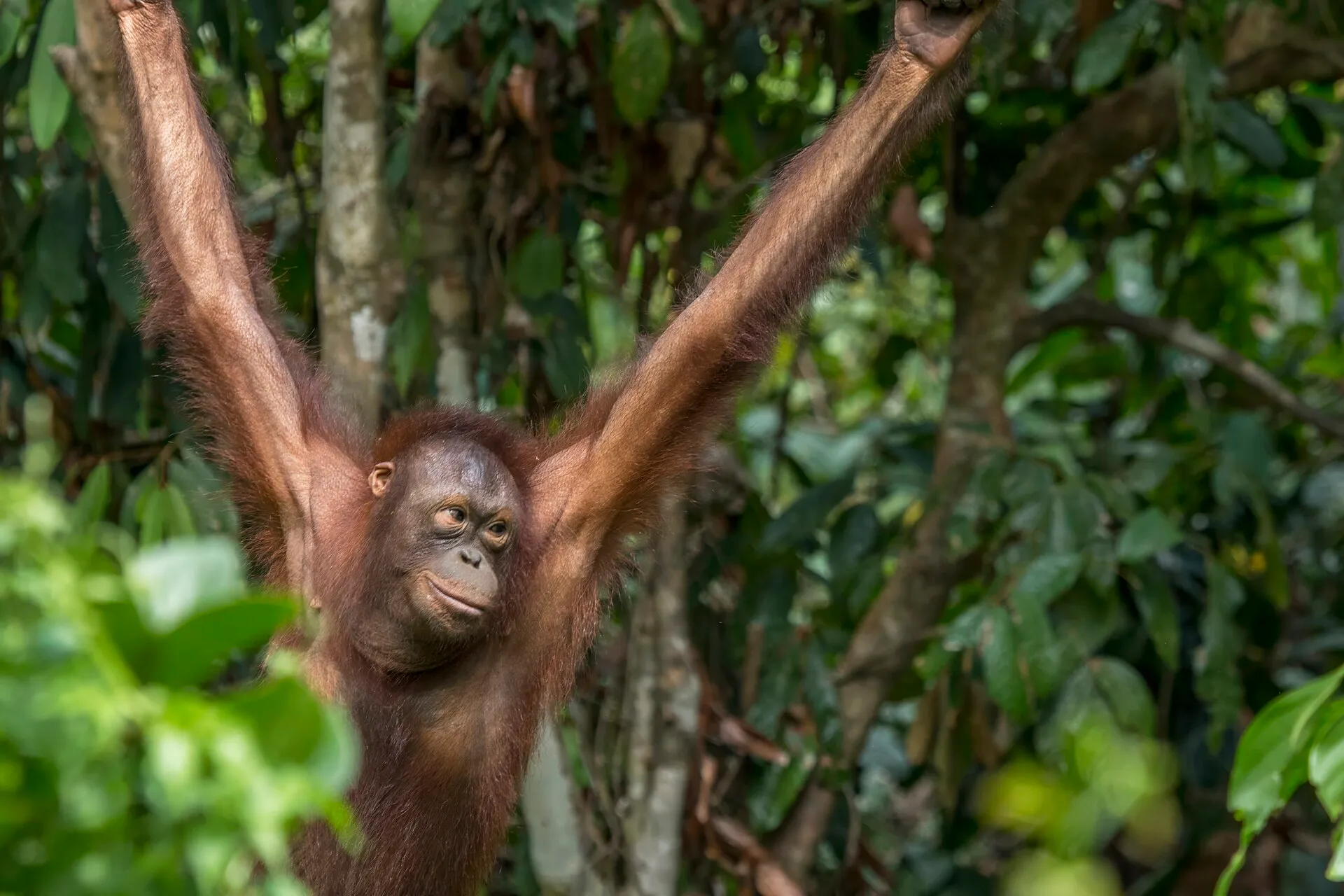
Why are orangutans endangered?
All three orangutan species are Critically Endangered, mainly because of palm-oil-driven deforestation, illegal logging and the pet trade, which kills mothers to capture infants.
All Wildlife Guides
Showing 1–20 of 486 guides

Africa
African Wild Dog
Lycaon pictus
Africa's cooperative pack hunter

Pakistan · Indonesia
Dog
Canis lupus familiaris (Linnaeus, 1758)
The first animal we ever tamed — and still the world's most popular companion.

Great Plains of North America · Short-grass and mixed-grass prairie from Canada to Mexico
Prairie Dog
Genus Cynomys — five species of North American ground squirrel
Keystone burrowers of the Great Plains — eaten, plague-hit and shot as pests.

Pakistan · Vietnam
Street Dog
Canis lupus familiaris (Linnaeus, 1758)
An estimated 200 million street dogs live worldwide — and mass culling kills them without ever controlling their numbers.

Pakistan · Indonesia
Cat
Felis catus (Linnaeus, 1758)
The domestic cat is one of the world's most popular companion animals — and the same biology that makes it a beloved pet also makes free-roaming community cats breed fast and need humane care.

South Asia · Southeast Asia — wetlands, mangroves and marsh
Fishing Cat
Prionailurus viverrinus (Bennett, 1833) — family Felidae
A cat that swims on purpose, hooks fish with its claws, and is losing its habitat faster than surveys can track.

Central Asian steppe and semi-desert · From the Caspian region through Mongolia to western China
Pallas's Cat
Otocolobus manul (Pallas, 1776) — family Felidae
A house-cat-sized feline with the face of a stuffed toy and a life spent low to the ground.

Sahara Desert · Arabian Peninsula
Sand Cat
Felis margarita (Harrison, 1968) — family Felidae
A cat that does not need to drink, burrows to escape heat, and leaves almost no trace on the dunes.

Kenya · Tanzania
Lion
Panthera leo
The world's only social big cat, and one of Africa's most threatened icons.

Pacific coasts of Americas · Australia
Sea Lion
Family Otariidae — ~16 species of eared seals (sea lions and fur seals)
Agile eared seals of rocky coasts — vocal, social and quick on land.

Indonesia · Malaysia
Tiger
Panthera tigris (subspecies P. t. sondaica, P. t. jacksoni)
Asia's largest cat, clinging on in the rainforests of Sumatra and the Malay Peninsula.

Tropical and warm-temperate oceans worldwide · Coastal shelves, reefs and open ocean
Tiger Shark
Galeocerdo cuvier (Péron & Lesueur, 1822) — family Galeocerdonidae
The ocean's least fussy large predator — and a serrated tooth that cuts turtle shell.

North America · South America
Bear
Family Ursidae — 8 living species across North America, South America, Europe and Asia
The eight bears of the world — from polar ice to Andean cloud forest, all under pressure.

North America · Canada
Black Bear
Ursus americanus (Pallas, 1780)
North America's most common bear — adaptable, omnivorous and widely misunderstood.

North America · Europe
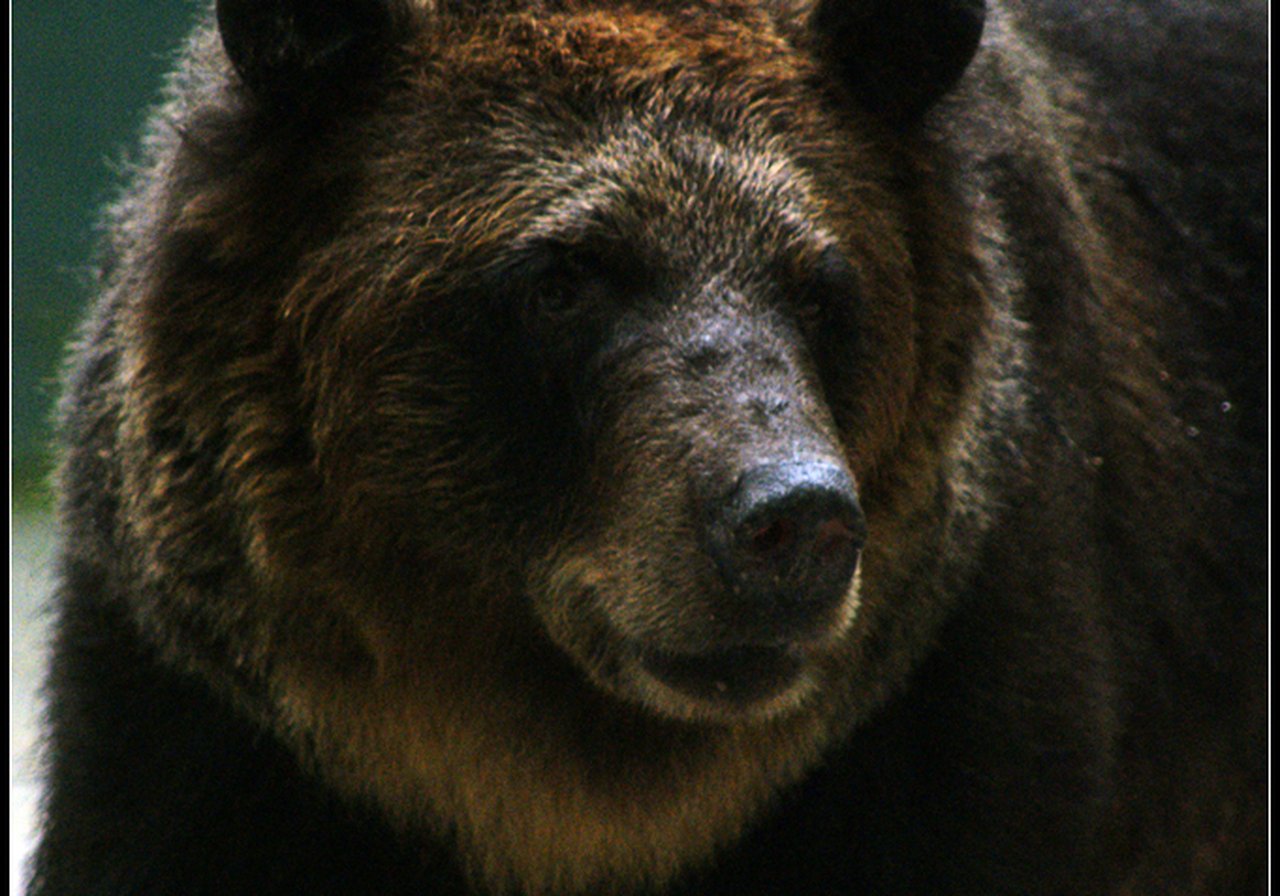
Brown Bear
Ursus arctos
The widespread bear of the Northern Hemisphere

Western Canada · Alaska
Grizzly Bear
Ursus arctos horribilis (Ord, 1815)
North America's iconic brown bear — powerful, omnivorous and fiercely protected.

Pakistan
Himalayan Brown Bear
Ursus arctos isabellinus
The vanishing giant of Pakistan's roof-of-the-world plateaus.

South and Southeast Asia · East Asia
Moon Bear
Ursus thibetanus (G. Cuvier, 1823) — family Ursidae
The bear kept in crush cages for decades so bile can be drained from its gallbladder — and the species WARN exists to help retire.

Arctic Canada · Greenland
Polar Bear
Ursus maritimus (Popham, 1774)
The Arctic's apex predator — built for ice that is disappearing.

India · Nepal
Sloth Bear
Melursus ursinus (Cuvier, 1793)
India's shaggy insect-eater — long-clawed, termite-loving and increasingly squeezed.

Colombia · Peru
Spectacled Bear
Tremarctos ornatus (F. Cuvier, 1825)
South America's only bear — losing its cloud forest to coca, cattle, and roads.

Indonesia · Malaysia
Sun Bear
Helarctos malayanus (Raffles, 1821)
The smallest bear on earth — kept in cages for bile, or taken as cubs for pets.

Malaysia · Indonesia
Borneo Pygmy Elephant
Elephas maximus borneensis
The world's smallest elephant, cornered between rainforest and oil palm.

Indonesia · Malaysia
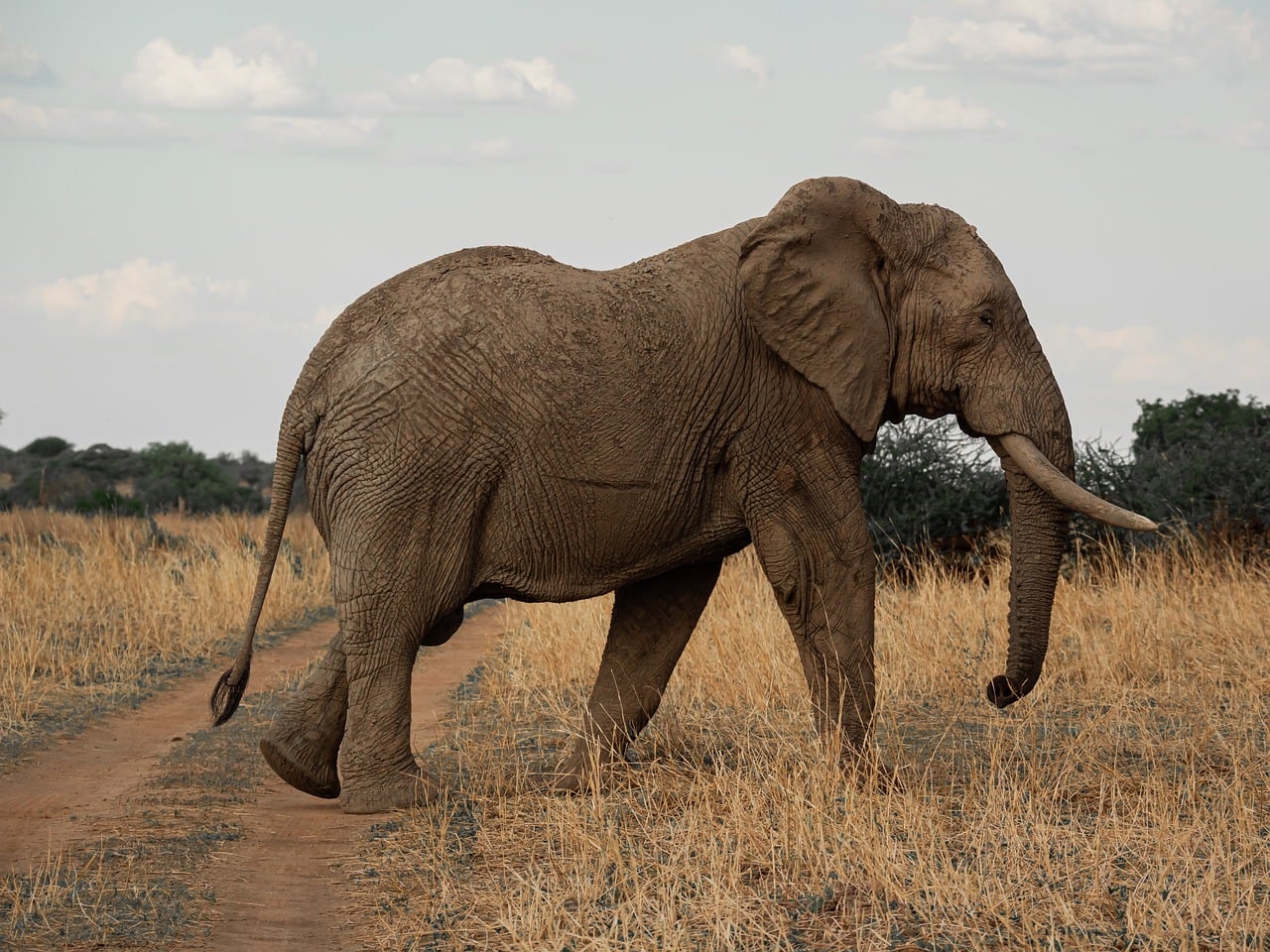
Elephant
Elephas maximus (Linnaeus, 1758)
Endangered and declining — snared, poisoned, and shot where shrinking forests push elephants onto farmland.

North America · Oceans
Northern Elephant Seal
Mirounga angustirostris
The deep-diving seal giant

All oceans · some rivers (separate WARN river-dolphin guides)
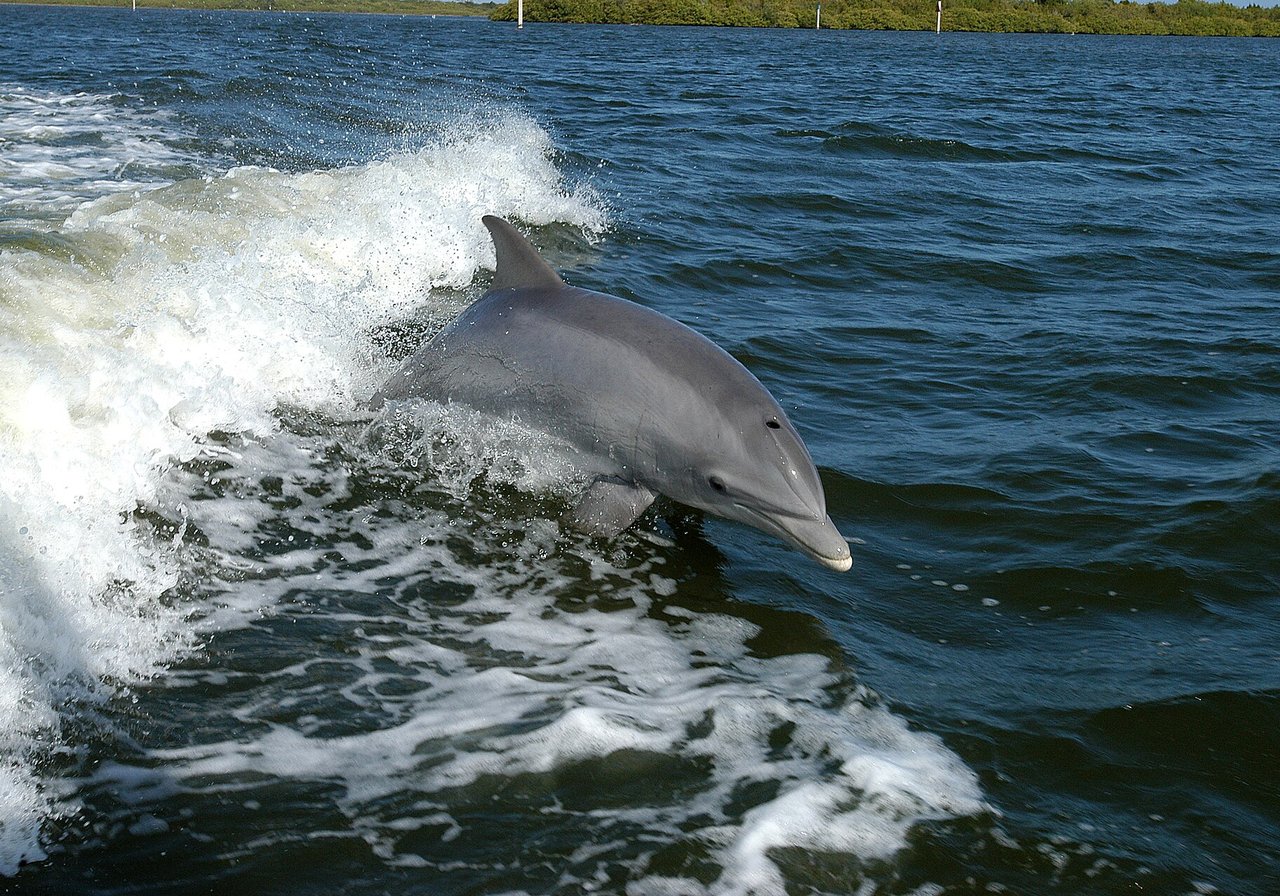
Dolphin
Family Delphinidae — oceanic dolphins including Tursiops truncatus (common bottlenose) and Delphinus delphis (common dolphin)
Oceanic dolphins of the open sea — social, echolocating and not river specialists.

Pakistan
Indus River Dolphin
Platanista minor
A nearly blind freshwater dolphin that swims on its side through the murk of the Indus.

Brazil · Colombia
Pink River Dolphin
Inia geoffrensis
The blushing ghost of the flooded forest — and one of the world's most imperilled freshwater dolphins.

Temperate coastal waters worldwide · Summer surface feeding off Britain, Ireland and the north-east Atlantic
Basking Shark
Cetorhinus maximus (Gunnerus, 1765) — family Cetorhinidae
The second-largest fish on Earth, filtering an Olympic pool of water every couple of hours.

Oceans
Bull Shark
Carcharhinus leucas
The shark that swims into freshwater

Oceans
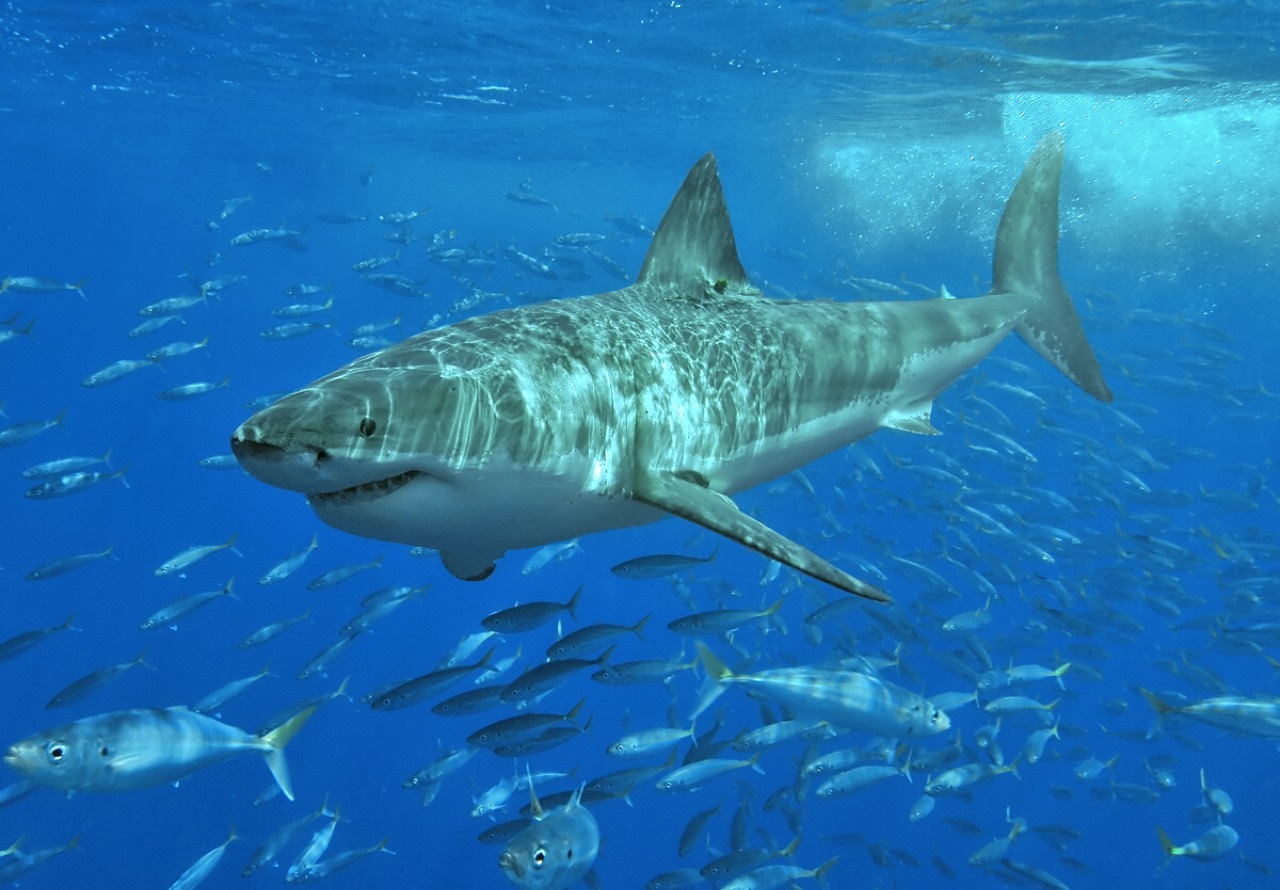
Great White Shark
Carcharodon carcharias
The ocean's most famous apex predator

Oceans
Hammerhead Shark
Sphyrnidae
The shark with a head like a hammer

Global oceans
Shark
Selachimorpha (superorder); e.g. great white shark, Carcharodon carcharias (Linnaeus, 1758)
Apex predators of every ocean — and now among the most threatened animals on Earth.

Tropical and warm-temperate oceans worldwide · Seasonal aggregation sites off Mexico, the Philippines, Australia and East Africa
Whale Shark
Rhincodon typus (Smith, 1828) — family Rhincodontidae
The largest fish on Earth, and it eats some of the smallest things in the sea.

All oceans — Arctic to Antarctic; migratory between feeding and breeding grounds
Blue Whale
Balaenoptera musculus (Linnaeus, 1758)
The largest animal ever known — a colossal filter-feeder recovering from the whaling era.

Africa · Asia
Fin Whale
Balaenoptera physalus
The sleek greyhound of the seas

North Pacific — eastern population from Mexico to the Arctic · Small, severely depleted western population off Russia
Gray Whale
Eschrichtius robustus (Lilljeborg, 1861) — family Eschrichtiidae
One of the longest migrations of any mammal, and a whale that feeds by rolling on the seabed.

Brazil
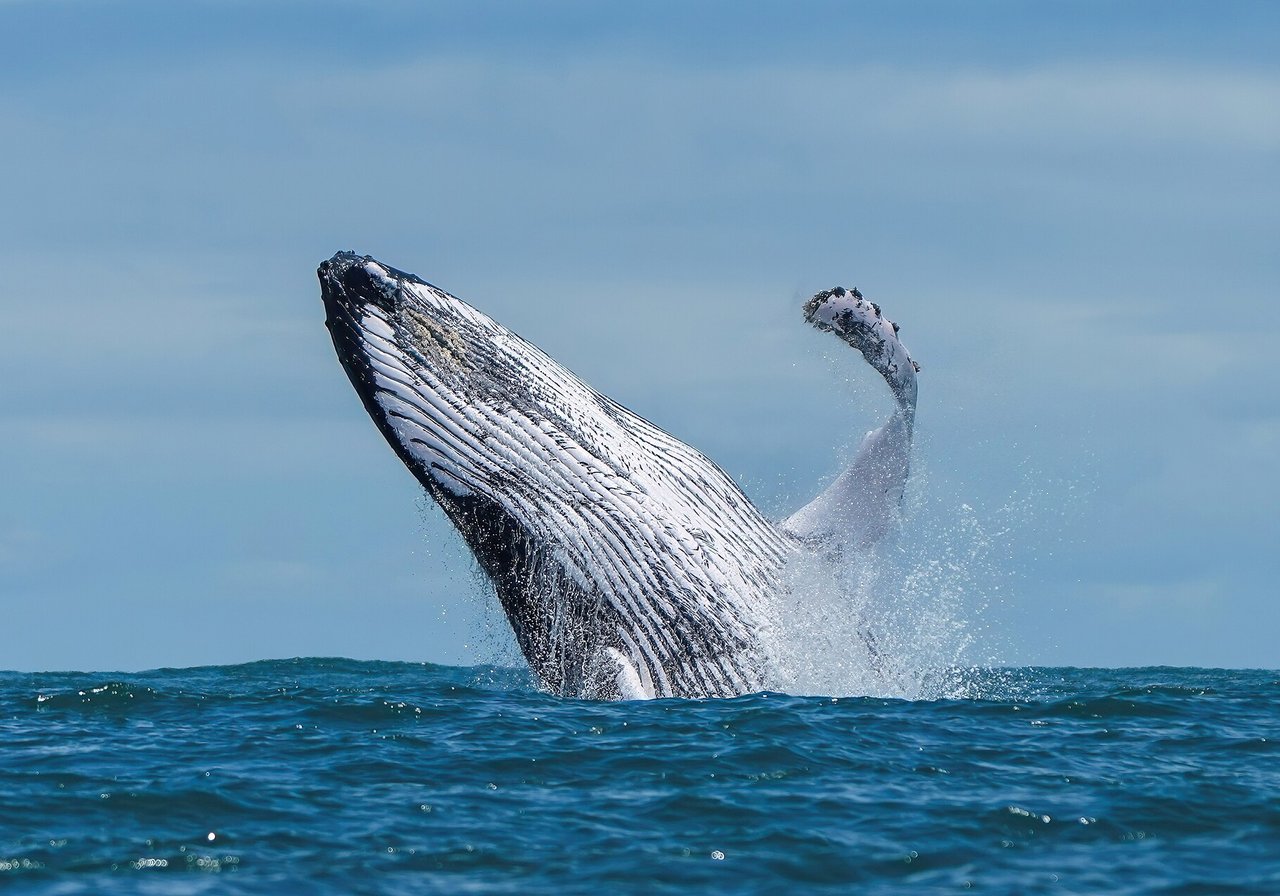
Humpback Whale
Megaptera novaeangliae
The ocean's great singer, leaping back from the brink of whaling.

All deep oceans — from poles to equator
Sperm Whale
Physeter macrocephalus (Linnaeus, 1758)
Deep-sea hunters with the largest brain on Earth — masters of the abyss.

All oceans from Arctic to Antarctic
Whale
Infraorder Cetacea — ~90 species of baleen and toothed whales
Giants of the deep — baleen filter-feeders and toothed hunters of every ocean.

China (Sichuan, Gansu, Shaanxi, Hubei)
Golden Snub-Nosed Monkey
Rhinopithecus roxellana (Milne-Edwards, 1870)
China's blue-faced mountain ghost — a cold-hardy monkey that survives where snow covers the forest floor.

North America · South America
Howler Monkey
Alouatta spp.
The loudest land animal in the Americas

Central America · South America
Monkey
Infraorder Simiiformes — ~260+ species in families Cebidae, Callitrichidae, Cercopithecidae and others
Tailed primates of forest, savanna and city — intelligent, social and overwhelmingly wild.

Indonesia · Malaysia
Proboscis Monkey
Nasalis larvatus
Borneo's big-nosed mangrove swimmer, found nowhere else on Earth.

Global
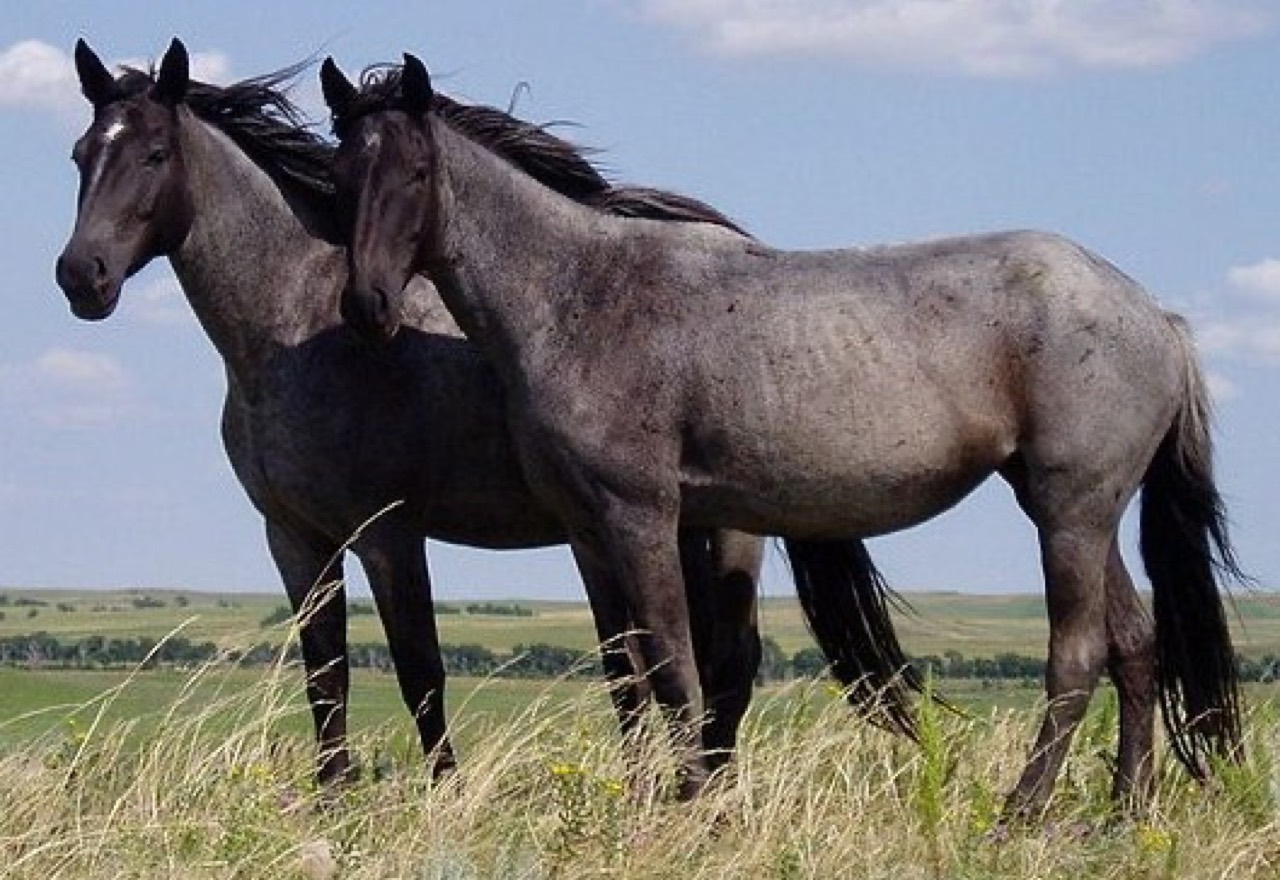
Horse
Equus ferus caballus
A domesticated partner to humankind for over 5,000 years, and still a working animal for millions of families today.

Arctic tundra of Eurasia, North America, Greenland, Iceland and Svalbard · Sea ice in winter
Arctic Fox
Vulpes lagopus (Linnaeus, 1758) — family Canidae
The warmest coat of any mammal, a coat that changes colour, and a species being pushed north by its bigger cousin.

Sahara Desert and the Sinai and Arabian peninsulas · Sand-dune and arid scrub habitat
Fennec Fox
Vulpes zerda (Zimmermann, 1780) — family Canidae
The smallest fox on Earth, with ears built as radiators and kidneys built to skip water.

Northern Hemisphere
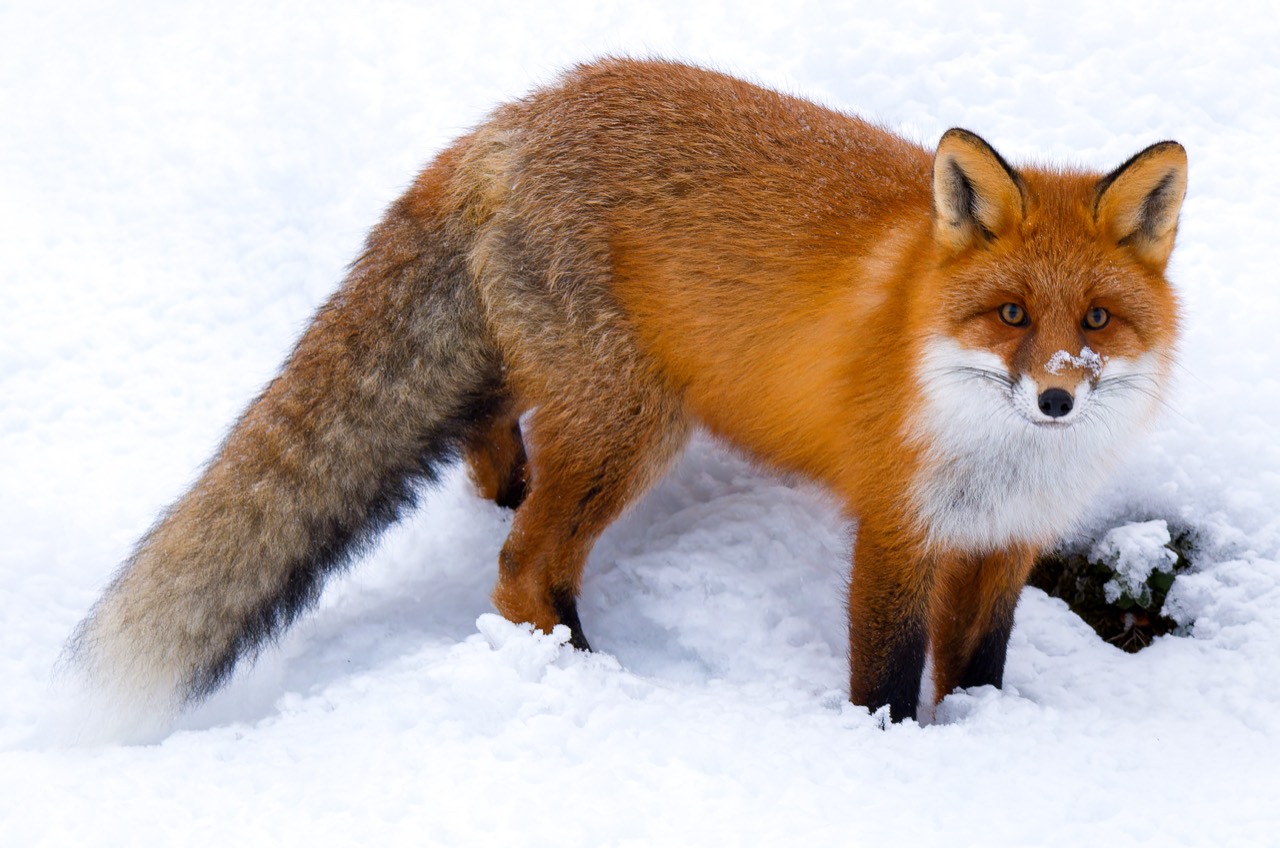
Red Fox
Vulpes vulpes
The world's most widespread wild carnivore — equally at home in forests, farmland and city streets.

North America · Europe
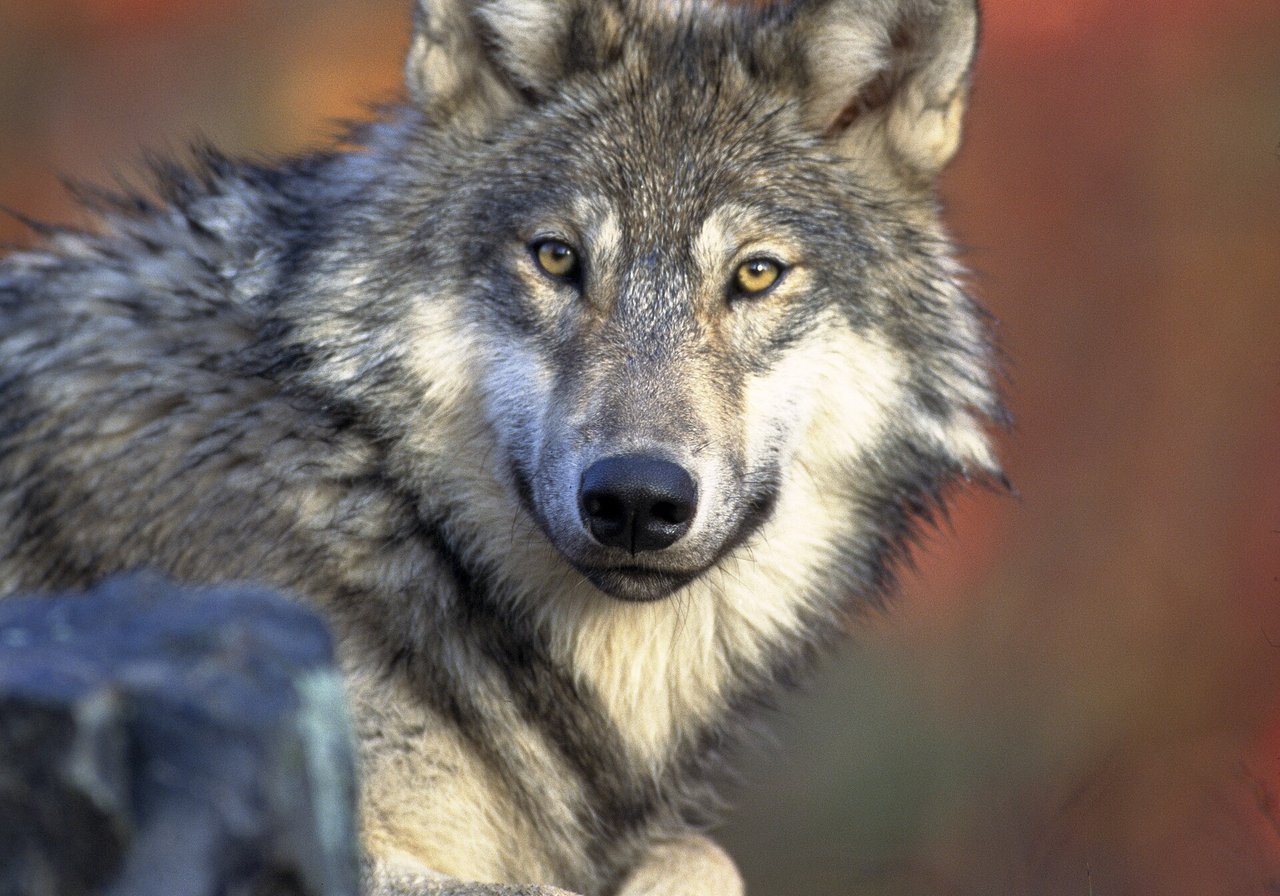
Grey Wolf
Canis lupus
The original wolf, ancestor of every dog, persecuted to the brink and slowly clawing its way back.

Brazil
Maned Wolf
Chrysocyon brachyurus
The tallest wild dog on Earth — a fox-faced ghost of the Brazilian grasslands.

North America · Europe
Wolf
Canis lupus (Linnaeus, 1758) and related subspecies
The wild ancestor of dogs — pack hunters restored to Yellowstone and still persecuted.

Worldwide except Antarctica · Lawns, heath, coast, deserts and forest floors
Wolf Spider
Family Lycosidae — over 2,900 described species worldwide
The spider that carries its egg sac on the spinnerets — then carries the spiderlings on its back.

North America — Alaska, Canada, the contiguous United States and northern Mexico · Coasts, large lakes and major rivers
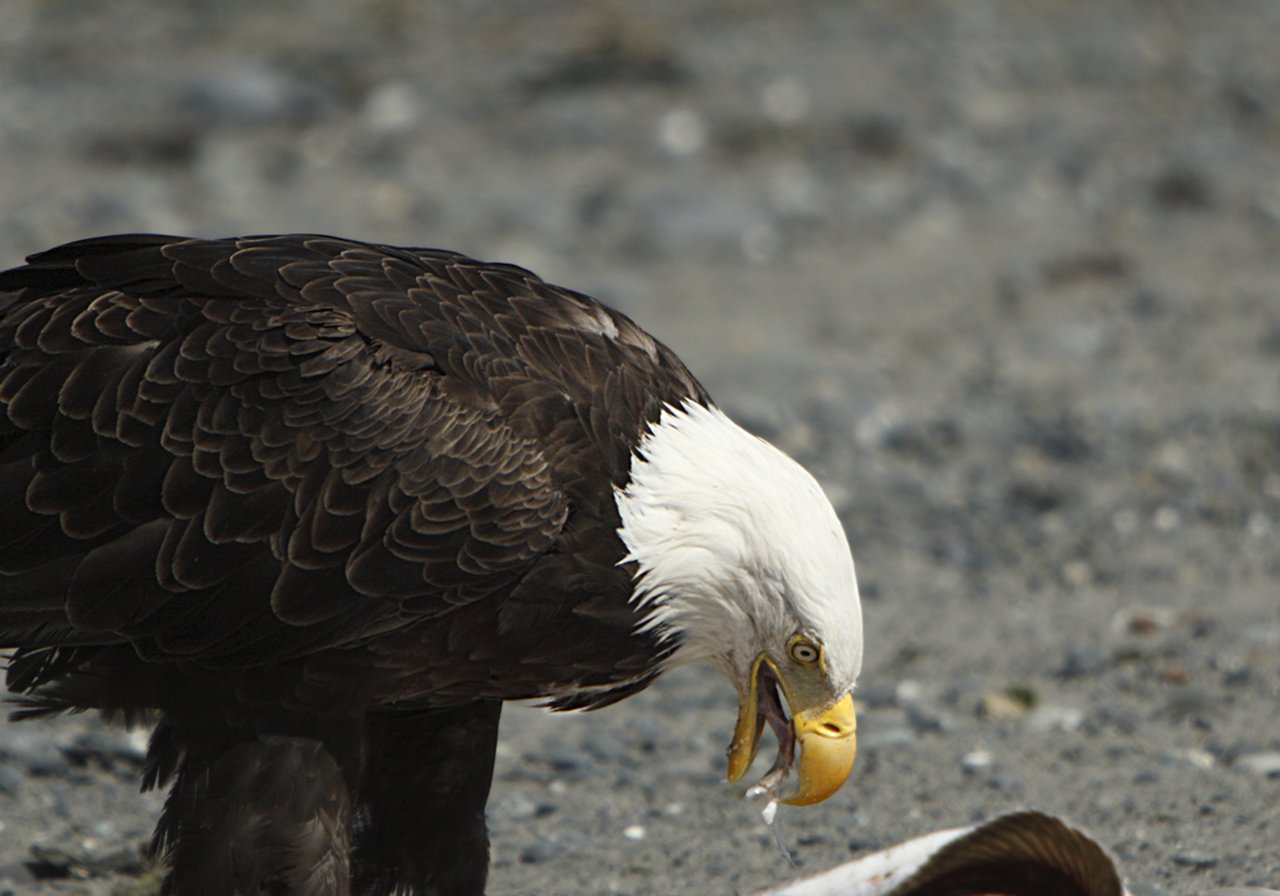
Bald Eagle
Haliaeetus leucocephalus (Linnaeus, 1766) — family Accipitridae
A fish eagle that came back from about 400 pairs — and one of conservation's clearest wins.

Worldwide except Antarctica
Eagle
Family Accipitridae — ~60 eagle species in genera Aquila, Haliaeetus, Harpia, Pithecophaga and others
The apex raptors of sky and forest — power, vision and cultural reverence on every continent.

North America · Europe
Golden Eagle
Aquila chrysaetos
One of the largest and fastest birds of prey

Brazil · Colombia
Harpy Eagle
Harpia harpyja
The rainforest's apex raptor, armed with talons longer than a grizzly bear's claws.

Antarctica · Southern Hemisphere
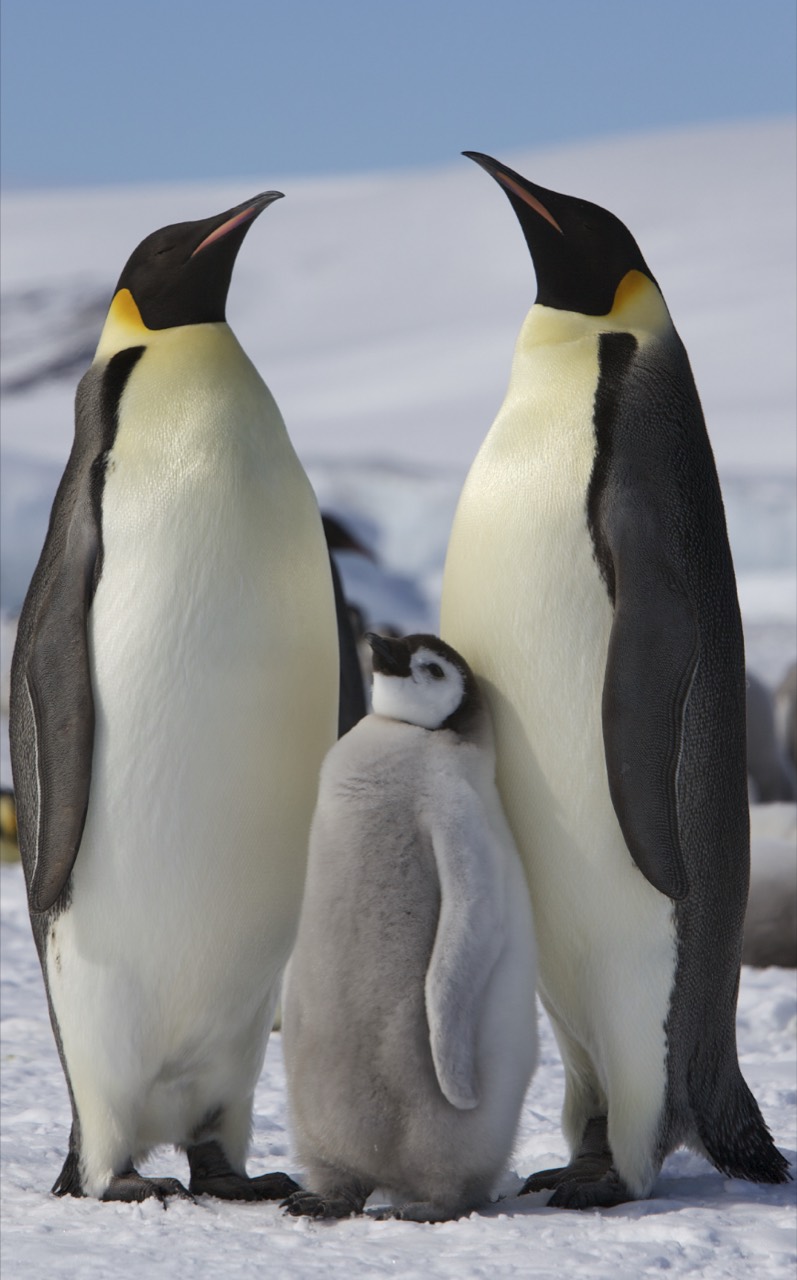
Penguin
Spheniscidae
Flightless seabirds of the southern seas, now squeezed by warming oceans and vanishing ice.

Every continent except Antarctica · Farmland, grassland, marsh edge and rough grass margins
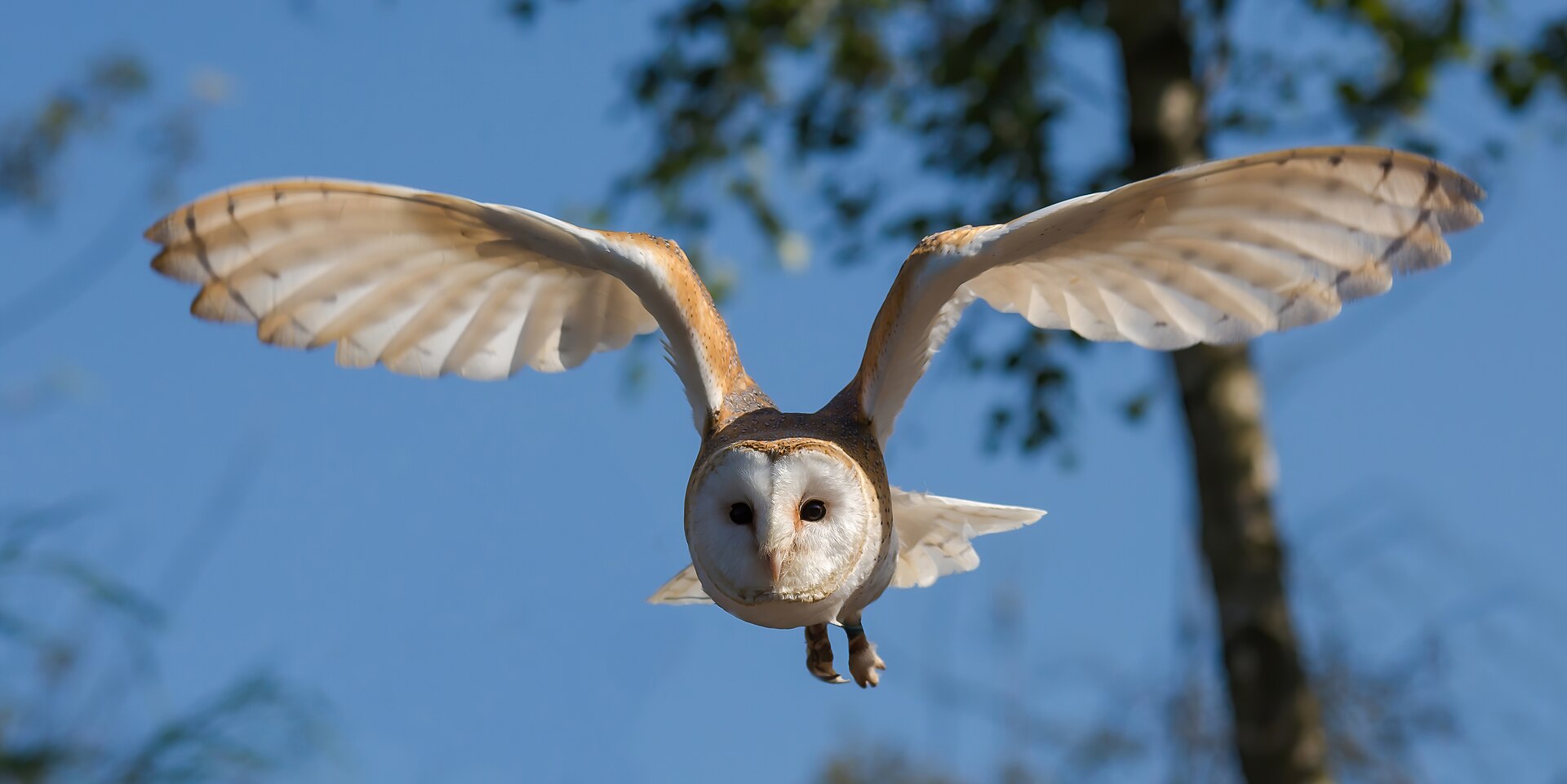
Barn Owl
Tyto alba (Scopoli, 1769) — family Tytonidae
The most widely distributed land bird on Earth — and it hunts almost entirely by ear.

North America · South America
Great Horned Owl
Bubo virginianus
The powerful nocturnal hunter with feathered tufts

Worldwide
Owl
Strigiformes
Silent-winged night hunters found on almost every continent.

Arctic tundra of North America, Greenland, Scandinavia and Russia · Irregular winter movements far south of the breeding range
Snowy Owl
Bubo scandiacus (Linnaeus, 1758) — family Strigidae
A day-hunting Arctic owl whose breeding success rises and falls with the lemming cycle.

Worldwide
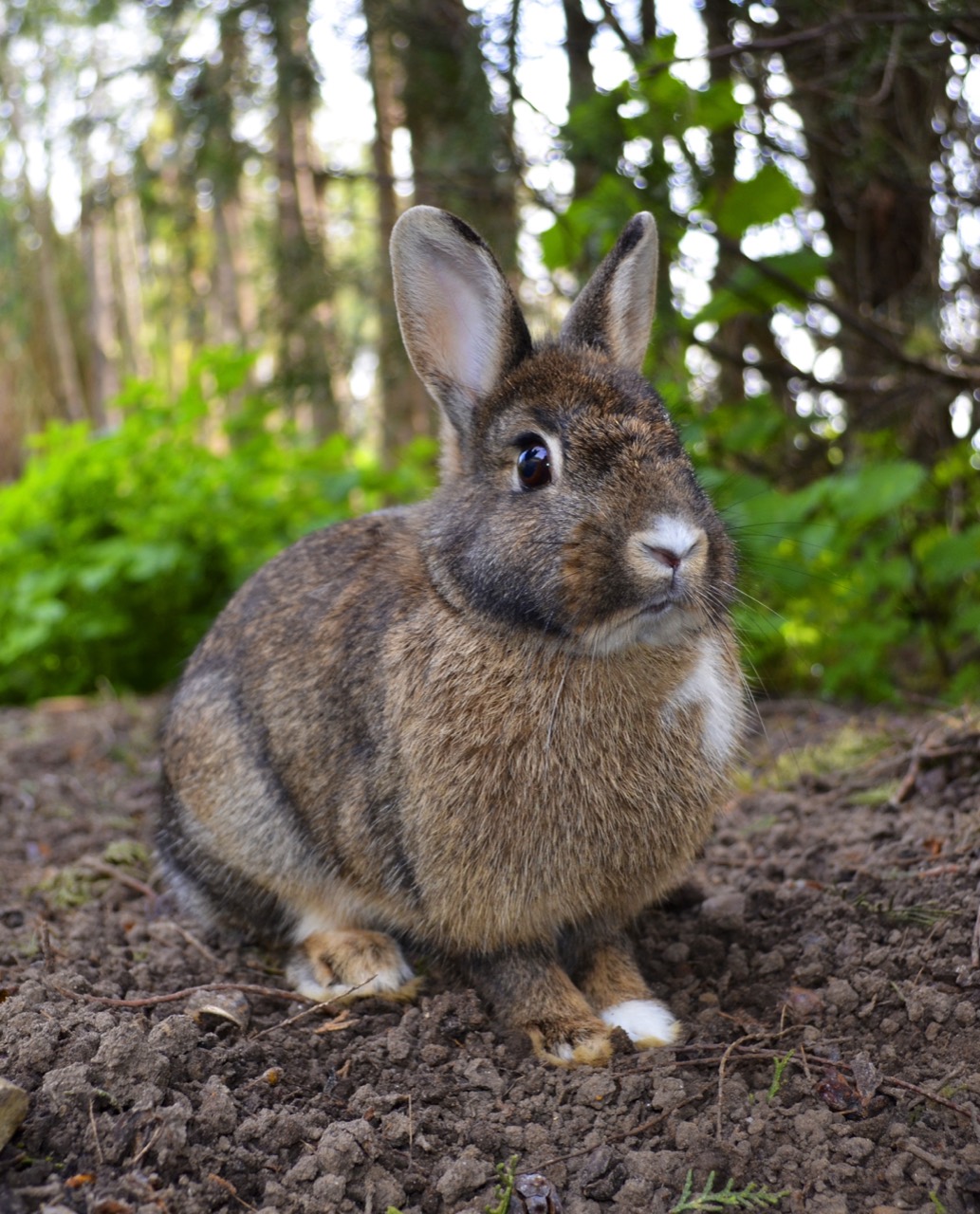
Rabbit
Leporidae (incl. Oryctolagus cuniculus)
The world's most familiar small herbivore, from backyard hutches to threatened wild burrowers.

Worldwide
Deer
Cervidae
The world's antlered ruminants, from common woodland deer to species that survive only in captivity.

Europe, western Asia and North Africa · Introduced in New Zealand, Argentina, Chile and elsewhere; North American elk/wapiti closely related or conspecific
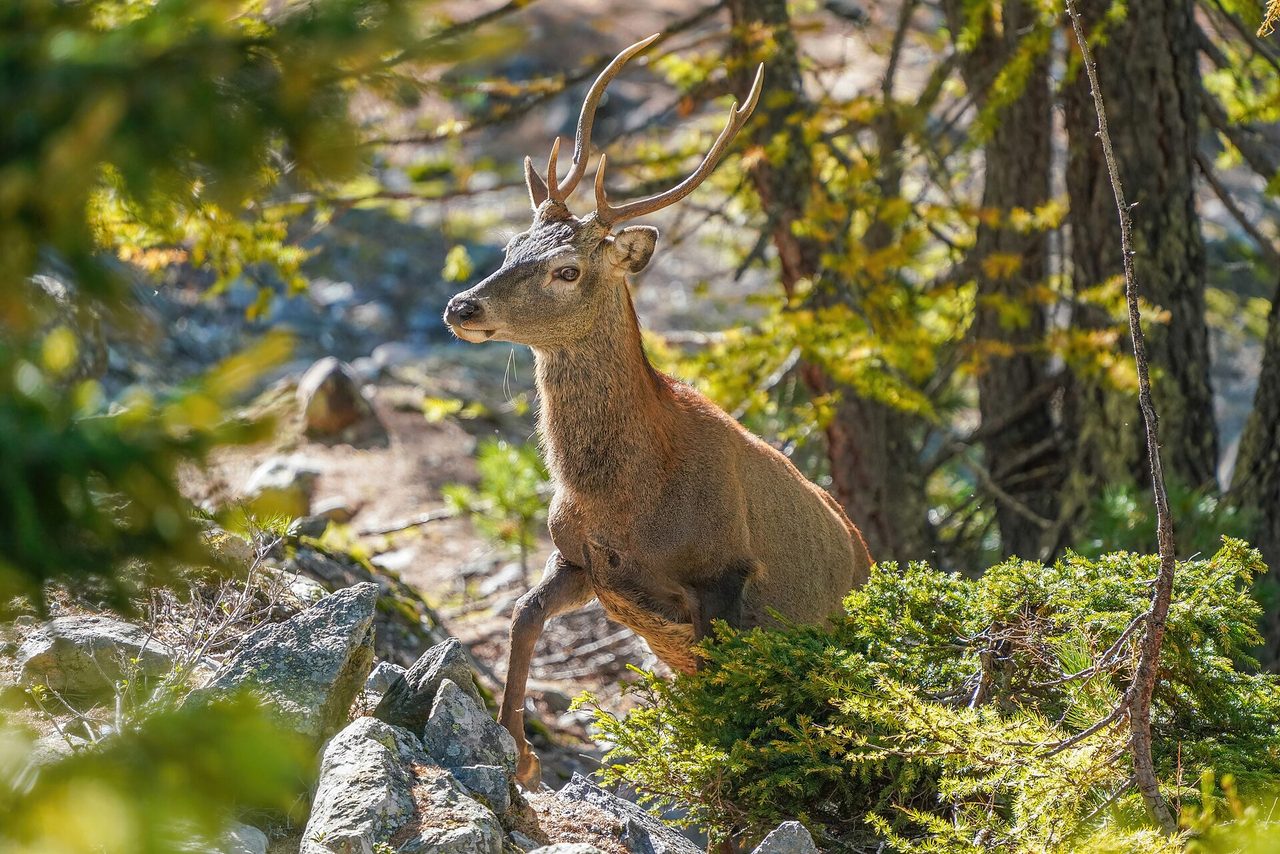
Red Deer
Cervus elaphus (Linnaeus, 1758) — family Cervidae
The stag on the hillside — Europe's largest native land mammal in many regions, and a global introduction story.

Europe and western Asia · From Spain and Britain east to Iran; introduced in Argentina and Chile
Roe Deer
Capreolus capreolus (Linnaeus, 1758) — family Cervidae
Europe's small native deer — antlers in velvet by spring, fawns hidden alone while mothers feed.

Brazil · Colombia
Giant Otter
Pteronura brasiliensis
The Amazon's "river wolf" — the longest otter on Earth and one of its most endangered.

Every continent except Australia and Antarctica
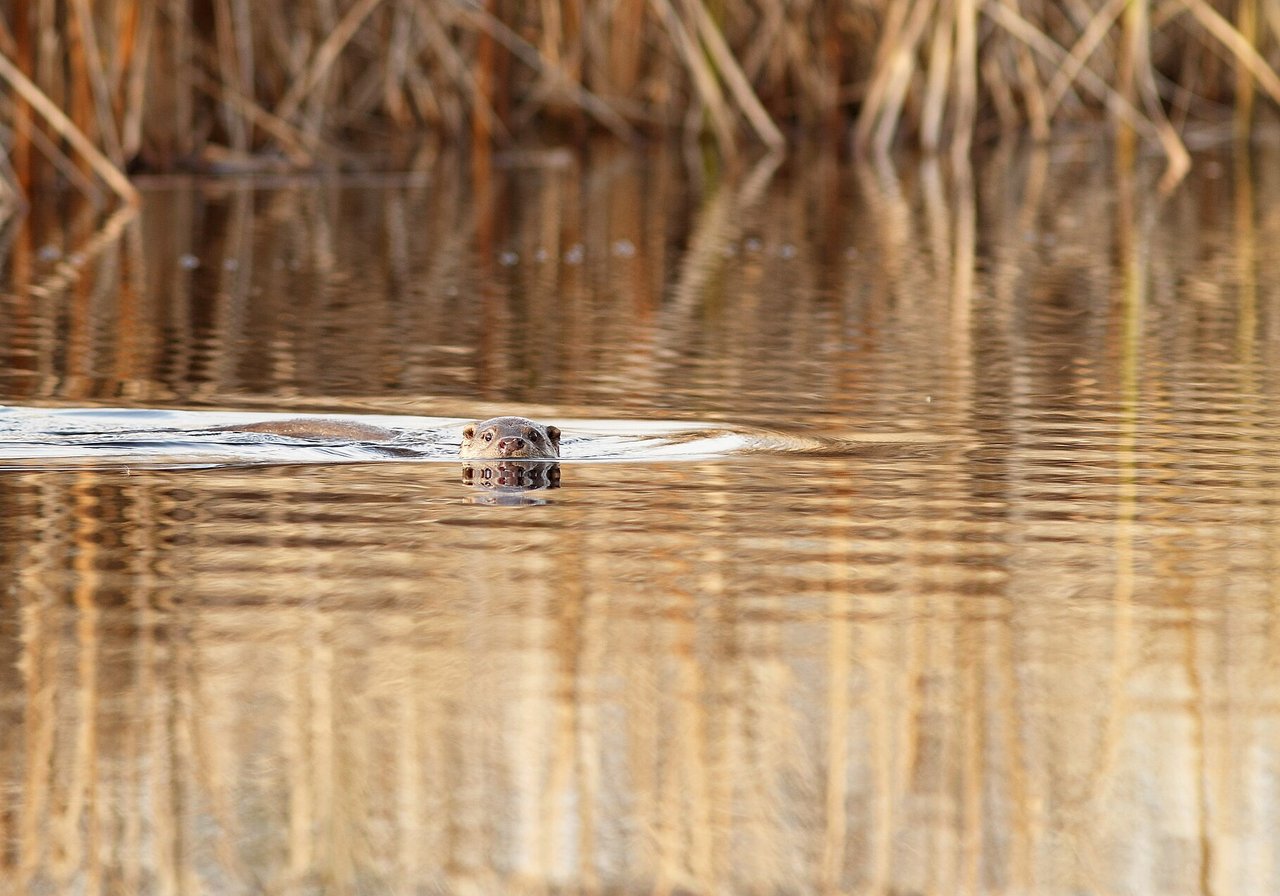
Otter
Subfamily Lutrinae — 13 species of aquatic mustelids worldwide
River acrobats and kelp-forest hunters — mustelids built for water on every continent.

North Pacific — California, Alaska, British Columbia, Russia, Japan
Sea Otter
Enhydra lutris (Linnaeus, 1758)
Kelp-forest gardeners with the densest fur on Earth — Endangered keystone predators.

Indonesia · Malaysia
Clouded Leopard
Neofelis nebulosa & Neofelis diardi
The forest ghost with a sabre-tooth's smile and an acrobat's ankles.

Africa · Middle East
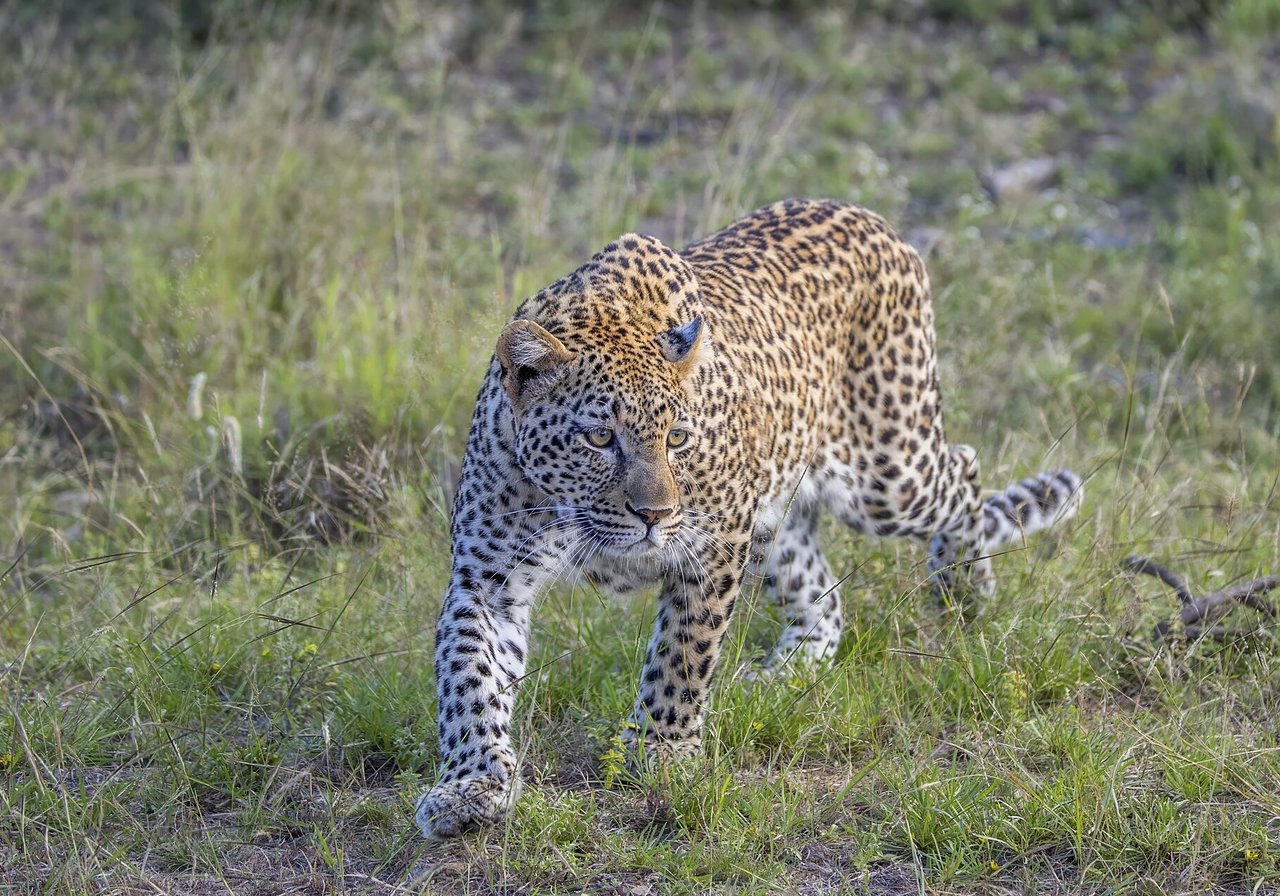
Leopard
Panthera pardus (Linnaeus, 1758) and clouded-leopard lineage (Neofelis)
The most adaptable big cat — rosetted hunters from African savanna to Himalayan forest.

South Asia — Afghanistan, Pakistan, north-west India, Iran (wild); kept worldwide
Leopard Gecko
Eublepharis macularius (Blyth, 1854)
The hardy beginner's lizard — a ground-dwelling gecko bred into hundreds of colour morphs.

Pakistan
Snow Leopard
Panthera uncia
The pale ghost of the high mountains, hunting where the air runs thin.

Borneo · Sumatra
Sunda Clouded Leopard
Neofelis diardi (Cuvier, 1823) — family Felidae
A separate species since 2006 — clouded spots and sabre-like teeth in forests cleared for plantations.

Democratic Republic of the Congo · Gabon
Gorilla
Gorilla gorilla (Savage, 1847) — Western Gorilla; Gorilla beringei (Matschie, 1903) — Eastern Gorilla
The largest primate alive — and our close cousin, now fighting for survival.

China
Giant Panda
Ailuropoda melanoleuca
The bamboo-eating bear whose recovery became a conservation symbol.

North America
Corn Snake
Pantherophis guttatus
The gentle, colorful beginner's pet snake

North America
Garter Snake
Thamnophis sirtalis
One of North America's most common and widespread snakes

United Kingdom · Continental Europe
Grass Snake
Natrix helvetica / Natrix natrix
Britain's largest snake — a harmless, water-loving hunter of frogs and toads.

Thailand, Malaysia, Singapore, Indonesia including Borneo and Sumatra
Paradise Flying Snake
Chrysopelea paradisi (Boie & Boie, 1827) — family Colubridae
A snake that glides by flattening its body into a concave wing and undulating in mid-air.

Indian Ocean and Pacific Ocean · Tropical and subtropical coastal waters; absent from the Atlantic
Sea Snake
Subfamily Hydrophiinae — roughly 70 species of fully marine elapid snakes
Elapids that never come ashore — paddle tails, salt glands and venom more potent than most cobras.

Worldwide except Antarctica, Iceland, Ireland and New Zealand
Snake
Suborder Serpentes — ~3,900 species across most continents except Antarctica
Legless reptiles of land and water — diverse, often misunderstood and ecologically vital.

Africa
African Clawed Frog
Xenopus laevis
The fully aquatic lab and pet frog

Worldwide
Frog
Anura
More than 7,700 species, and one of the planet's clearest warning signs.

North America · South America
Glass Frog
Hyalinobatrachium valerioi
The frog with see-through skin

Africa
Goliath Frog
Conraua goliath
The largest frog on Earth

Central America · Northern South America
Poison Dart Frog
Family Dendrobatidae (Cope, 1865) — around 200 species
The colours are a warning label — and the poison is borrowed from lunch.

Madagascar · North-eastern Madagascar — Antongil Bay area and surrounding forest
Tomato Frog
Dyscophus antongilii (Grandidier, 1877) — family Microhylidae
Bright red, round and sticky — a frog that glues predators' mouths shut.

The Americas · Europe
Tree Frog
Family Hylidae (Rafinesque, 1815) and related arboreal families — over 800 species
Frogs that climb glass, and a pair of red eyes that exist to buy half a second.

North America
Eastern Box Turtle
Terrapene carolina
North America's hinged turtle

Africa · Asia
Hawksbill Sea Turtle
Eretmochelys imbricata
The tortoiseshell turtle

All tropical and temperate oceans · Feeds as far north as Norway and Alaska
Leatherback Turtle
Dermochelys coriacea (Vandelli, 1761) — family Dermochelyidae
A reptile that dives to 1,200 metres, swims into Arctic water, and eats almost nothing but jellyfish.

Indonesia · Malaysia
Sea Turtle
Cheloniidae and Dermochelyidae (superfamily Chelonioidea)
Seven ancient ocean wanderers navigating a sea of modern threats.

North America — eastern and central United States, southern Canada
Snapping Turtle
Chelydra serpentina (Linnaeus, 1758) and Macrochelys temminckii (Troost, 1835)
One of them fishes with a worm-shaped tongue. Neither can bite through a broom handle.

Worldwide — oceans, rivers, lakes and land on every continent except Antarctica
Turtle
Order Testudines — ~360 species of turtles, tortoises and terrapins
Armoured reptiles of land and water — ancient survivors under modern pressure.

Worldwide — domestic; wild ancestor in South America
Guinea Pig
Cavia porcellus (Linnaeus, 1758)
The gentle cavy of the Andes — a social companion that needs company, space and daily vitamin C.

Worldwide — domestic; wild species in Europe and Central Asia
Hamster
Multiple species — Mesocricetus auratus (Syrian), Phodopus spp. (dwarf) and others
Nocturnal burrowers of the steppe — solitary Syrians and sociable dwarfs with species-specific rules.

Europe · Asia
Duck
Family Anatidae (e.g. Anas platyrhynchos)
Waterbirds of pond, marsh and coast — and the wild ancestors of the farmyard duck.

Worldwide — domestic; wild ancestor in South and South-east Asia
Chicken
Gallus gallus domesticus — descended from red junglefowl (Gallus gallus)
The world's commonest bird — junglefowl turned livestock, companion and welfare challenge at industrial scale.

Borneo · Sumatra, Malay Peninsula and smaller islands
Bornean Bearded Pig
Sus barbatus (Müller, 1838) — family Suidae
Famous for mass migrations — populations crashed after African swine fever arrived around 2020.

Tropics and subtropics worldwide
Crocodile
Order Crocodilia — crocodiles, alligators, caimans and gharials
Living dinosaurs of river and coast — apex reptiles unchanged for millions of years.

Indonesia · Malaysia
Saltwater Crocodile
Crocodylus porosus
The largest living reptile, ruling the tidal rivers and estuaries of Southeast Asia and Australasia.

United States · China
Alligator
Alligator mississippiensis (Daudin, 1802) and Alligator sinensis (Fauvel, 1879)
Armoured survivors of ancient wetlands — powerful, patient and ecologically vital.

Brazil · Colombia
Jaguar
Panthera onca
The Americas' largest cat — and the hardest bite of any big cat on Earth.

Kenya · Tanzania
Cheetah
Acinonyx jubatus
The fastest land animal on Earth, racing toward a fragile future.

Europe · North America
Grey Seal
Halichoerus grypus
The horse-faced seal of the Atlantic

Arctic · North Atlantic
Seal
Family Phocidae — ~19 species of true (earless) seals worldwide
Streamlined mammals of ice and ocean — adapted for deep dives and harsh shores.

North America · Central America
Raccoon
Procyon lotor (Linnaeus, 1758)
The masked omnivore of the Americas — clever, adaptable and increasingly urban.

Kenya · Tanzania
Giraffe
Giraffa
The tallest animal on Earth — vanishing in plain sight, in what scientists call a silent extinction.

Madagascar · Eastern humid forest
Giraffe Weevil
Trachelophorus giraffa (Pascoe, 1860) — family Attelabidae
The beetle whose male neck is three times the female's — and who builds a leaf-roll nest.

Africa
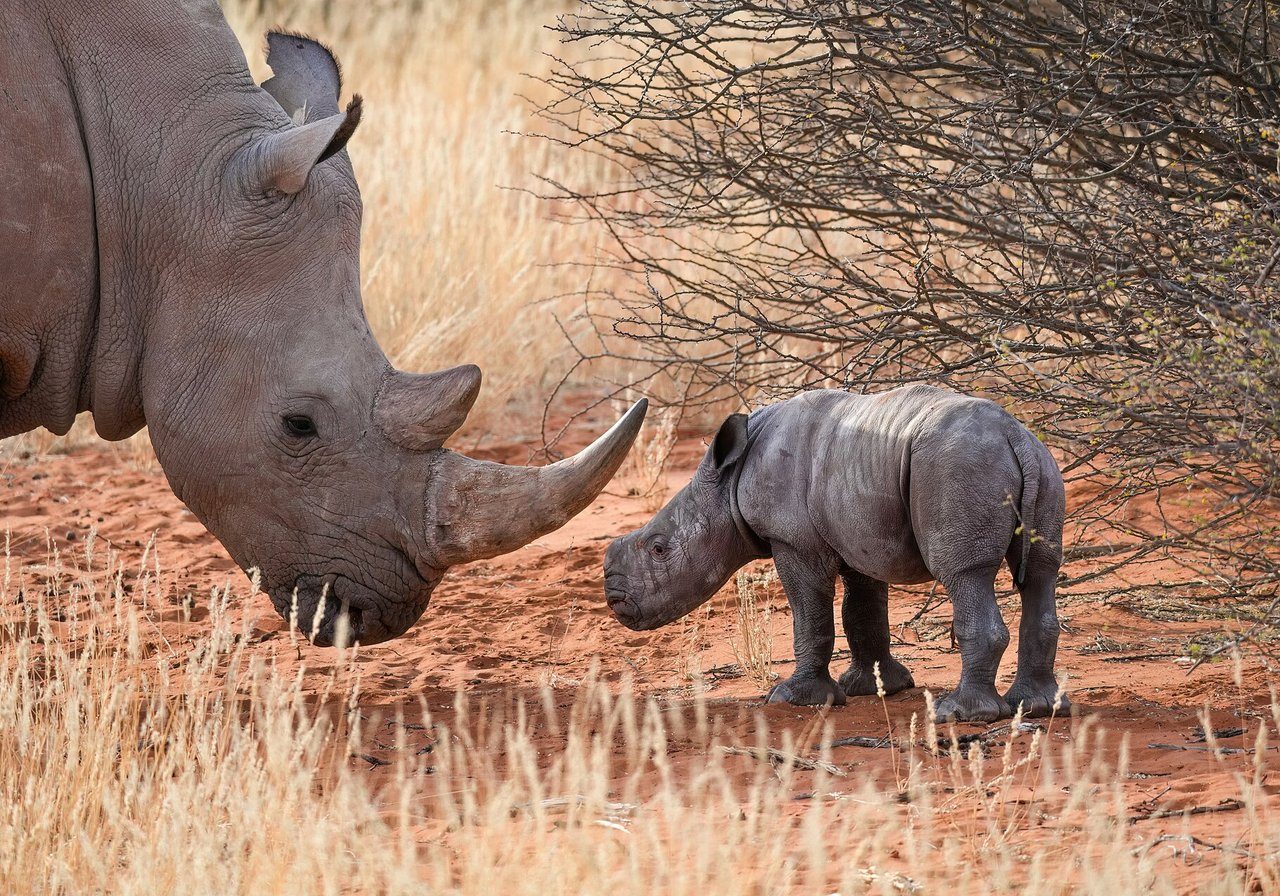
Black Rhinoceros
Diceros bicornis
Africa's hook-lipped browser in crisis

Asia
Javan Rhino
Rhinoceros sondaicus
The rarest rhino on Earth

Africa · India
Rhino
Family Rhinocerotidae — 5 living species in Africa and Asia
The armoured giants of Africa and Asia — five species, one horn trade, racing against extinction.

Indonesia
Sumatran Rhino
Dicerorhinus sumatrensis
The smallest, hairiest rhino on Earth — and the last whisper of an Ice Age lineage.

Worldwide
Bat
Chiroptera
The only mammals that truly fly, and quiet guardians of farms and forests.

Europe · Asia
Swan
Cygnus
The largest of the waterfowl, famed for grace, devotion and lifelong pair bonds.

Brazil · Colombia
Sloth
Bradypus & Choloepus spp.
The slowest mammal on Earth, moving so little that algae grows in its fur.

Europe · North America
Beaver
Castor fiber (Linnaeus, 1758) and Castor canadensis (Kuhl, 1820)
Nature's engineers — dam builders whose wetlands sustain entire ecosystems.

Central America · South America
Parrot
Order Psittaciformes — ~400 species in families Psittacidae, Psittaculidae and Cacatuidae
Intelligent, vocal birds of the tropics — among the most traded and most threatened.

Brazil
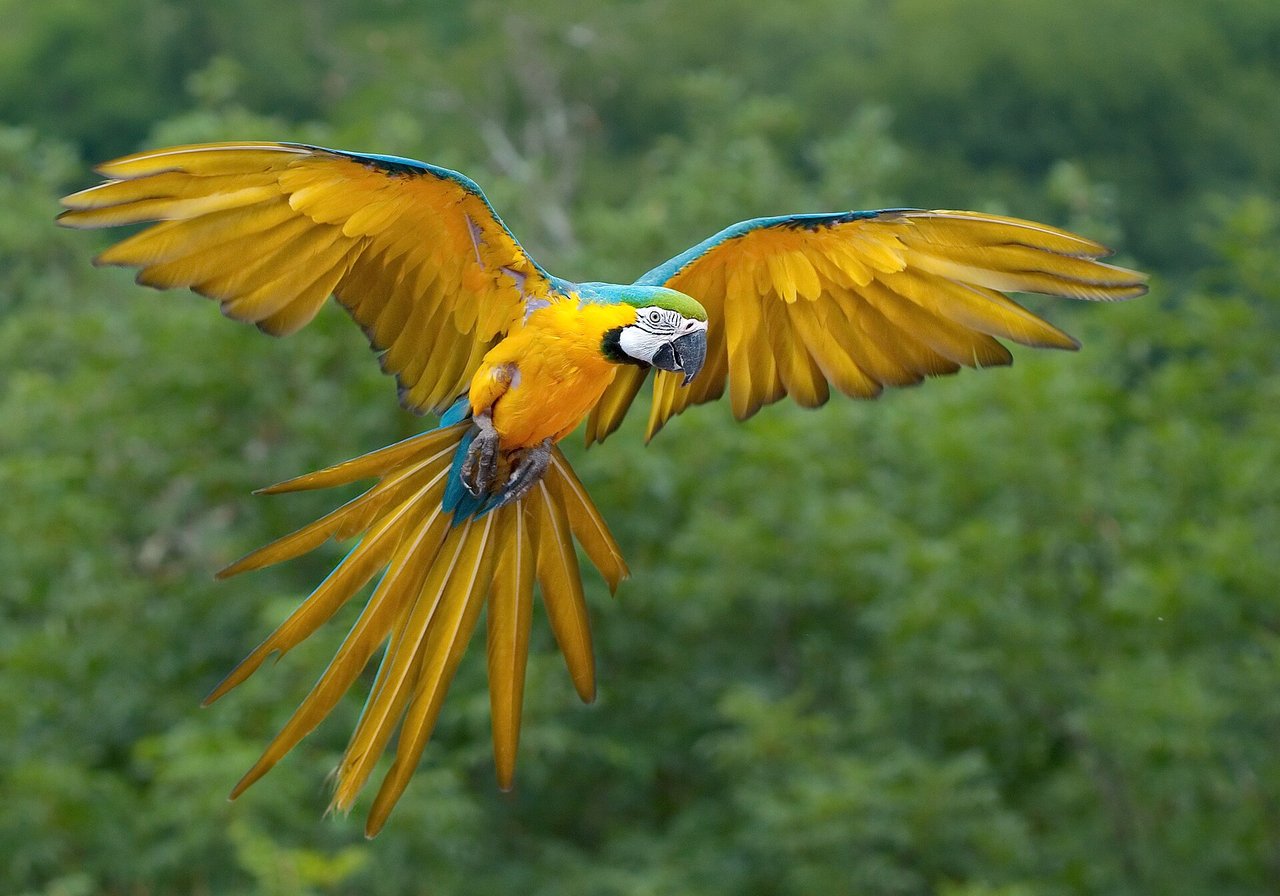
Hyacinth Macaw
Anodorhynchus hyacinthinus
The cobalt giant of the Pantanal — the largest flying parrot on Earth.

Colombia · Brazil
Macaw
Tribe Arini (true macaws) — ~18 species across 6 genera: Ara, Anodorhynchus, Cyanopsitta, Primolius, Orthopsittaca, Diopsittaca (family Psittacidae)
Among the most trafficked birds on earth — taken by the tens of thousands every year.

Southern Africa · Kalahari Desert
Meerkat
Suricata suricatta
The Kalahari's cooperative sentinel, where every member takes a turn standing guard.

Australia
Koala
Phascolarctos cinereus
Australia's eucalyptus specialist, a tree-dwelling marsupial under pressure from habitat loss and bushfire.

Kenya · Tanzania
Zebra
Equus (subgenus Hippotigris) — Equus quagga, Equus zebra, Equus grevyi
Three striped species, one icon of the African plains — and one of them is sliding toward extinction.

North America (United States, Mexico, southern Canada)
Wild Turkey
Meleagris gallopavo
North America's big, iridescent ground bird and the wild ancestor of the farmyard turkey.

North America · United States
Virginia Opossum
Didelphis virginiana
North America's only marsupial — the unflappable, tick-munching survivor that 'plays dead' when life gets too scary.

North America · Eastern United States
Groundhog
Marmota monax
North America's burrowing marmot and the star of Groundhog Day.

Australia
Kangaroo
Macropus and Osphranter spp.
The world's largest marsupial, hopping across Australia with a joey in the pouch.

New Guinea · Far north Queensland, Australia
Tree Kangaroo
Genus Dendrolagus (Müller, 1840) — around 14 species
Kangaroos whose ancestors left the trees for the ground, then went back up again.

Central America · South America
Iguana
Iguana iguana
The big, leaf-eating tree lizard of the Americas — and a surprising invader far from home.

North Africa & the Sahel · Arabian Peninsula & Middle East
Camel
Camelus dromedarius, C. bactrianus & C. ferus
The desert's living water-tank, fuelled by fat-filled humps.

Deserts and arid regions worldwide · South-western United States, Middle East, North Africa and Central Asia
Camel Spider
Order Solifugae — over 1,000 described species; not spiders and not camels
Neither camel nor spider — and almost everything the internet says about it is wrong.

North America · Europe
Crow
Corvus
Among the cleverest birds on Earth — tool-users, problem-solvers and faces in the crowd.

The Americas · Europe
Pelican
Pelecanus (family Pelecanidae)
The big-billed fishers of the world's waters

Africa · Asia
Vulture
Old World vultures (family Accipitridae) and New World vultures (family Cathartidae)
Nature's clean-up crew, vanishing fast in parts of Asia and Africa

Central America · South America
Armadillo
Dasypus novemcinctus and relatives (order Cingulata)
The Americas' armour-plated insect hunters

Africa · Asia
Porcupine
Hystricidae (Old World) & Erethizontidae (New World)
The world's prickliest rodents, armoured head to tail in detachable quills.

Arctic Ocean · Bering and Chukchi Seas
Walrus
Odobenus rosmarus
The tusked giant of the Arctic ice.

Europe · North America
Seagull (Gull)
Family Laridae
The clever, adaptable coastal birds we all call seagulls.

Europe · Asia
Woodpecker
Picidae
The forest's carpenters: built to hammer, climb and probe.

Kenya · Tanzania
Hippopotamus
Hippopotamus amphibius
Africa's deadliest large herbivore, a semi-aquatic giant facing habitat loss and tooth-ivory trade.

Eastern Australia · Tasmania
Platypus
Ornithorhynchus anatinus
The egg-laying, venomous, electro-sensing mammal that defies every rule

Madagascar
Lemur
Infraorder Lemuriformes
Madagascar's primate dynasty — and the most endangered mammals on Earth.

Madagascar · Sub-Saharan Africa
Chameleon
Chamaeleonidae
Independently swivelling eyes, a tongue faster than a blink, and colour change that talks rather than hides.

Northern and eastern Madagascar · Introduced to Réunion and Mauritius
Panther Chameleon
Furcifer pardalis (Cuvier, 1829) — family Chamaeleonidae
The chameleon whose colour change is about mood, not camouflage — and whose skin uses nanocrystals.

Worldwide (as a domestic pet and working animal) · Europe
Ferret
Mustela furo
The long, playful, domesticated polecat that has shared human homes and warrens for over two thousand years.

South America · Andes
Chinchilla
Chinchilla (genus)
The Andes' velvet-furred rodent — endangered in the wild, beloved as a pet.

Europe · Asia
Hedgehog
Erinaceinae
Spiny night-foragers, 17 species strong and quietly disappearing from the countryside.

Central America · South America (Amazon Basin)
Toucan
Family Ramphastidae
The rainforest's gardeners, carrying a bill that is part feeding tool, part radiator.

Sub-Saharan Africa · East Africa
Ostrich
Struthio camelus
The world's largest bird — flightless, fast, and built for the open savanna.

Australia
Emu
Dromaius novaehollandiae
Australia's largest bird — a flightless wanderer where doting fathers raise the chicks.

Southern Ocean · North Pacific
Albatross
Diomedeidae
The ocean's greatest gliders — and the world's most threatened bird family.

Tropical and subtropical oceans worldwide · Temperate coastal seas
Stingray
Order Myliobatiformes
The ocean's gliding pancakes — gentle bottom-dwellers armed with a venomous tail spine for defence.

Oceans · North America
Atlantic Horseshoe Crab
Limulus polyphemus
The ancient living fossil with blue blood

Oceans · North America
Blue Crab
Callinectes sapidus
The swift swimming crab of Atlantic estuaries

Asia · Oceans
Coconut Crab
Birgus latro
The world's largest land arthropod and tree-climbing island giant

Oceans worldwide · Coastlines and estuaries
Crab
Infraorder Brachyura
Ten-legged, sideways-walking crustaceans found in nearly every watery habitat on Earth.

Oceans
Hermit Crab
Paguroidea
The crustacean that wears borrowed shells

North Atlantic Ocean · Eastern North America
Lobster
Family Nephropidae
The armoured, blue-blooded crustacean that moults to grow, regrows lost claws and can live for decades.

Atlantic Ocean · Pacific Ocean
Squid
Order Teuthida
Jet-propelled cephalopods with colour-changing skin and the largest eyes on Earth.

Global oceans
Octopus
Octopoda
Eight arms, three hearts, blue blood, and one of the sharpest minds in the sea.

Worldwide — native to Europe, North Africa and western Asia; feral populations on every continent except Antarctica
Pigeon
Columba livia (Linnaeus, 1758)
The world's most familiar bird — wild cliff-dweller turned urban survivor.

Northern New Guinea · Yapen, Biak and Supiori islands
Victoria Crowned Pigeon
Goura victoria (Fraser, 1844) — family Columbidae
The largest pigeon on Earth, and one of the dodo's closest surviving relatives.

Europe · western Asia
Dove
Streptopelia turtur (Linnaeus, 1758)
A summer voice of European woodland — vanishing on its migration to Africa.

Worldwide — native to Europe, Asia and North Africa; introduced to Americas, Australasia and elsewhere
Sparrow
Passer domesticus (Linnaeus, 1758)
The garden companion — globally abundant yet vanishing from British towns.

Europe · North Africa
Common Starling
Sturnus vulgaris
The speckled mimic behind winter's swirling murmurations

United Kingdom and Ireland · Western and Central Europe
European Mole
Talpa europaea
The velvet-furred earthworm hunter that engineers the soil beneath our feet.

North America · South America
Cane Toad
Rhinella marina
A large, toxic toad turned invasive pest

United Kingdom and Ireland · Mainland Europe
Common Toad
Bufo bufo
The warty wanderer of European ponds and gardens.

Asia
Oriental Fire-bellied Toad
Bombina orientalis
The green toad with a warning-red belly

Europe · North America
Newt
Subfamily Pleurodelinae
The pond-dwelling salamanders that regrow their own limbs.

Europe — from Portugal to Ukraine; introduced locally elsewhere
Salamander
Salamandra salamandra (Linnaeus, 1758)
Living jewels of damp woodland — amphibians of myth, pet trade and emerging disease.

Mexico
Axolotl
Ambystoma mexicanum
The eternal baby salamander that regrows its own limbs

Tropical and subtropical worldwide · some temperate regions
Gecko
Infraorder Gekkota — ~1,500 species across six families worldwide
Nocturnal lizards of walls and forests — adhesive toes and unmistakable calls.

Madagascar · Eastern humid forest — several species with restricted ranges
Leaf-Tailed Gecko
Uroplatus phantasticus (Boulenger, 1888) — genus Uroplatus, around 20 species
The gecko shaped like a dead leaf — with a fringe that eliminates its shadow.

Indonesia
Komodo Dragon
Varanus komodoensis
The world's largest living lizard, cornered onto a handful of Indonesian islands.

West & Central Africa (wild); kept worldwide
Ball Python
Python regius (Shaw, 1802)
Africa's gentle 'royal' python — the world's most popular pet snake, bred into thousands of morphs.

Africa · Asia
Python
Family Pythonidae — ~40 species native to Africa, Asia and Australia
Non-venomous constrictors of three continents — powerful, slow and heavily traded.

Africa · Asia
Cobra
Multiple elapid genera — Naja (true cobras), Ophiophagus (king cobra) and related hooded species
Hooded elapids of Africa and Asia — iconic, venomous and widely misunderstood.

Brazil · Colombia
Green Anaconda
Eunectes murinus
The heaviest snake on Earth, a silent giant of South America's flooded forests.

Americas — United States, Mexico, Central and South America
Rattlesnake
Genera Crotalus and Sistrurus — ~36 species in the Americas
Pit vipers of the Americas — rattling warning before the strike.

Australia · Indonesia
Cockatoo
Family Cacatuidae — 21 species in 4 genera (Cacatua, Calyptorhynchus, Callocephalon, Nymphicus)
Crested parrots of Australasia — loud, long-lived and deeply threatened by trade.

New Guinea and nearby islands · Cape York Peninsula, Australia
Palm Cockatoo
Probosciger aterrimus (Gmelin, 1788) — family Cacatuidae
The only animal besides us known to manufacture a tool in order to make music.

Australia
Budgerigar
Melopsittacus undulatus (Shaw, 1805)
Australia's tiny parrot — a wild flocking bird, not just a cage pet.

Worldwide
Flamingo
Phoenicopteridae
The pink filter-feeders of the world's saline lakes

South Asia
Peacock
Pavo cristatus
The dazzling display bird whose males turn courtship into a living work of art.

Australia · New Guinea and nearby islands
Peacock Spider
Genus Maratus — family Salticidae (jumping spiders); roughly 100 described species, mostly Australian
Five millimetres of iridescent fan and leg-waving — the spider that went viral and still lacks a proper field guide.

United Kingdom · Europe
Grey Heron
Ardea cinerea
The patient grey angler of Britain's rivers, canals and garden ponds.

Iceland · Norway and the Faroe Islands
Atlantic Puffin
Fratercula arctica
The North Atlantic's beloved "sea parrot" — a burrow-nesting seabird whose famous bill fades each winter at sea.

Europe · Asia
Common Kingfisher
Alcedo atthis
A jewel of the riverbank that hunts by diving headfirst for fish.

North America · Central America
Hummingbird
Family Trochilidae
The tiny, hovering jewels of the Americas — and the only birds that fly backwards.

Borneo · Sumatra
Helmeted Hornbill
Rhinoplax vigil (Forster, 1781) — family Bucerotidae
The only hornbill whose casque is solid keratin — carved and sold as 'red ivory'.

Tropical forests of Africa and Asia · Not native to Britain — flagship tropical forest birds
Hornbill
Bucerotidae — family of tropical birds including Buceros, Anthracoceros and related genera
The casqued giants of tropical forest — nothing like a British garden bird.

Indonesia · Malaysia
Rhinoceros Hornbill
Buceros rhinoceros
The forest's flying icon of Borneo and Sumatra, crowned by a casque shaped like a rhino's horn.

United Kingdom and Ireland · Continental Europe
European Robin
Erithacus rubecula
Britain's red-breasted garden favourite, the bird that sings through winter.

North America
Blue Jay
Cyanocitta cristata
The bold, blue-crested corvid that mimics hawks and plants oak forests one acorn at a time.

Europe · Asia
Magpie
Pica pica
The brilliant black-and-white corvid that recognises itself in a mirror.

Northern Hemisphere — North America, Europe, Asia, North Africa
Raven
Corvus corax (Linnaeus, 1758)
The largest passerine — myth, intelligence and wilderness in black feathers.

Worldwide except Antarctica
Hawk
Family Accipitridae — ~250 species including buzzards, kites and true hawks (genus Accipiter)
The versatile raptors of field and forest — sharp-eyed hunters on every continent.

Worldwide except Antarctica
Falcon
Family Falconidae — ~65 species in genus Falco and related genera
The fastest animals on Earth — precision hunters of sky and cliff.

North America · South America
Peregrine Falcon
Falco peregrinus
The fastest animal on the planet

Europe · Asia
Common Kestrel
Falco tinnunculus
The hovering falcon that hunts by the glow of vole urine.

Worldwide — all continents except Antarctica
Osprey
Pandion haliaetus (Linnaeus, 1758)
The fish hawk — a global raptor built for one prey, recovered from near extinction.

United Kingdom · Europe
Common Buzzard
Buteo buteo
The broad-winged, mewing raptor that became Britain's commonest bird of prey.

Africa · Asia
Panther
Colloquial term — melanistic leopards/jaguars; also used for cougar and jaguar
A name, not a species — melanistic cats and American big cats behind the panther label.

Western North America · Central America
Cougar
Puma concolor (Linnaeus, 1771)
The Americas' silent stalker — more widespread than any other wild cat.

United States · Southern Canada
Bobcat
Lynx rufus (Schreber, 1777)
North America's adaptable mid-sized cat — tufted ears, bobbed tail, widespread success.

Northern Europe · Russia
Lynx
Lynx lynx (Linnaeus, 1758)
Europe's largest cat — tufted, secretive and recovering across the north.

Mexico · Central America
Ocelot
Leopardus pardalis (Linnaeus, 1758)
The spotted cat of the Neotropics — once common as a fur coat, now fighting habitat loss.

Nepal · India
Red Panda
Ailurus fulgens (F. Cuvier, 1825)
The 'firefox' of the Himalayas — a bamboo specialist on the edge of survival.

West Africa · Central Africa
Chimpanzee
Pan troglodytes
Our closest living relatives, sharing tools, culture and roughly 98-99% of our DNA.

Indonesia · Malaysia
Orangutan
Pongo pygmaeus (Linnaeus, 1760), Pongo abelii (Lesson, 1827), Pongo tapanuliensis (Nurcahyo, Meijaard et al., 2017)
The only great ape of Asia — disappearing faster than we can save them.

Sub-Saharan Africa · Arabian Peninsula (hamadryas baboon)
Baboon
Genus Papio — 6 species: hamadryas, olive, yellow, chacma, Guinea and Kinda baboon
Africa's largest monkey — powerful, social and adaptable across savanna and desert.

South-east Asia · China
Gibbon
Family Hylobatidae — ~20 species in 4 genera (Hylobates, Hoolock, Nomascus, Symphalangus)
The singing lesser apes of Asian rainforest — acrobats of the canopy, vanishing as forests fall.

Sulawesi, Indonesia · Wallacea — northeastern peninsula forests
Crested Black Macaque
Macaca nigra (Desmarest, 1822) — family Cercopithecidae
A Critically Endangered monkey that became famous for a selfie it did not benefit from.

Central and South America · Atlantic Forest and Amazon basin
Marmoset
Family Callitrichidae — marmosets and tamarins (genera Callithrix, Cebuella, Mico and others)
The pygmy marmoset is the smallest monkey on Earth — and one of the most heavily traded primate pets.

North America · South America
Capuchin Monkey
Cebus capucinus
The clever New World monkey

Brazil
Golden Lion Tamarin
Leontopithecus rosalia
A flame-coloured monkey pulled back from the edge of extinction by Brazil's forest corridors.

Indonesia · Malaysia
Slow Loris
Nycticebus spp. (and Xanthonycticebus pygmaeus, the pygmy slow loris, since 2022)
Viral pet videos are fuelling the extinction of the world's only venomous primate.

Sulawesi, Indonesia · Wallacea — primary and secondary forest
Spectral Tarsier
Tarsius tarsier (Erxleben, 1777) — family Tarsiidae
Each eye weighs more than its brain — and it sings in ultrasound humans cannot hear.

Philippines · Indonesia (Sulawesi and islands)
Tarsier
Infraorder Tarsiiformes — ~11 species in family Tarsiidae
The world's smallest primate — enormous eyes, silent hunter of the night.

Arctic · Antarctic
Orca
Orcinus orca (Linnaeus, 1758)
Apex predators of every ocean — culturally distinct pods with global reach.

Arctic — Canada, Greenland, Russia, Svalbard
Narwhal
Monodon monoceros (Linnaeus, 1758)
The unicorn of the Arctic — a deep-diving whale whose tusk is a sensory tooth.

Caribbean · Gulf of Mexico
Manatee
Trichechus manatus, T. inunguis and T. senegalensis — three living species
Gentle sirenians of warm shallows — slow, plant-eating and vulnerable to boats.

Indonesia · Malaysia
Dugong
Dugong dugon
The gentle sea cow that mowed the seagrass meadows long before sailors mistook it for a mermaid.

All oceans — surface to deep sea; some species in freshwater
Jellyfish
Subphylum Medusozoa — thousands of species across multiple classes
Ancient drifters of three-billion-year lineage — pulsing bells and stinging tentacles.

Tropical and temperate coastal waters worldwide
Seahorse
Genus Hippocampus — ~46 recognised species
Upright fish with prehensile tails — monogamous, slow and heavily over-exploited.

Tropical and subtropical oceans worldwide — coasts, reefs and open water
Manta Ray
Mobula birostris (giant) and Mobula alfredi (reef manta)
Ocean giants with wingspans rivalling small aircraft — filter-feeders under serious threat.

Europe · North Africa
Eel
Anguilla anguilla (Linnaeus, 1758)
A serpent of rivers and mystery — Critically Endangered after decades of decline.

South America
Electric Eel
Electrophorus electricus
The fish that generates powerful electric shocks

Tropical and temperate seas worldwide — coral reefs, estuaries and open coast
Pufferfish
Tetraodontidae (Bonaparte, 1831)
Inflated defence and lethal toxin — reef fish caught between cuisine and collapse.

Indo-Pacific — Andaman Sea to western Pacific; introduced to Caribbean in aquaria
Clownfish
Amphiprion ocellaris (Cuvier, 1830)
Anemone dwellers of the reef — beloved in aquaria, bound to vanishing coral.

North Atlantic — rivers of Europe and North America; ocean feeding grounds off Greenland
Salmon
Salmo salar (Linnaeus, 1758)
The leaping fish of Atlantic rivers — globally Least Concern, locally in crisis.

Atlantic Ocean and Mediterranean Sea — spawns in Gulf of Mexico and Mediterranean
Tuna
Thunnus thynnus (Linnaeus, 1758)
Warm-blooded ocean athletes — rebuilt Atlantic stocks, Southern bluefin still in peril.

Tropical and temperate oceans worldwide — Atlantic, Pacific and Indian
Swordfish
Xiphias gladius (Linnaeus, 1758)
Billfish of the open ocean — Least Concern globally, overfished regionally.

Tropical and subtropical oceans worldwide — Atlantic, Pacific and Indian
Marlin
Makaira nigricans (Lacepède, 1802)
Billfish giants of the tropics — Vulnerable to longlines, sport fishing and bycatch.

Trinidad and Tobago · Venezuela
Guppy
Poecilia reticulata (Peters, 1859)
The beginner's tropical fish that science knows best — Least Concern in the wild, mistreated in cups.

Worldwide — domestic and feral; native to East Asia
Goldfish
Carassius auratus (Linnaeus, 1758)
Centuries of selective breeding — not a bowl fish, and never for release into wild waterways.

Worldwide — ornamental ponds; wild carp native to Europe and Asia
Koi
Cyprinus carpio haematopterus — ornamental domestic carp (Cyprinus carpio)
Living jewels of the pond — centuries of Japanese artistry on a Vulnerable wild carp.

Thailand · Cambodia
Betta
Betta splendens (Regan, 1910)
The labyrinth fish of rice paddies — wild Vulnerable, pet trade flooded with fighting-fish myths.

Worldwide — domestic; domesticated from wild aurochs in Eurasia
Cow
Bos taurus (Linnaeus, 1758) — domestic cattle; wild aurochs extinct
The herd animal behind milk and meat — sentient, social and failed by industrial dairying.

Worldwide — domestic; wild ancestors in Middle East and Mediterranean
Sheep
Ovis aries (Linnaeus, 1758) — domestic sheep; wild mouflon ancestor
Flock animals of the hills — wool, meat and mulesing scars behind the pastoral idyll.

Worldwide — domestic; wild ancestors in Middle East and Central Asia
Goat
Capra hircus (Linnaeus, 1758) — domestic goat; wild bezoar ibex ancestor
Climbers, browsers and companions — smarter than their reputation, failed by tethering and neglect.

Pakistan
Markhor
Capra falconeri
The wild mountain goat with corkscrew horns — and one of conservation's rare success stories.

Alps · Central Asia
Ibex
Capra ibex (Linnaeus, 1758)
The cliff kings of the mountains — horns, gravity and thin air.

Worldwide — domestic; wild ancestor in North-east Africa
Donkey
Equus asinus (Linnaeus, 1758)
The patient backbone of rural transport — domestic companions and wild ancestors under pressure.

Pakistan
Working Donkey
Equus africanus asinus (Linnaeus, 1758)
The quiet engine of the developing world — carrying loads no one else will.

Peru · Bolivia
Alpaca
Vicugna pacos (Linnaeus, 1758)
The Andes' woolly camelid — domesticated for millennia, prized for its fleece.

Peru · Bolivia
Llama
Lama glama (Linnaeus, 1758)
The Andes' pack animal — strong, sure-footed and central to highland life for millennia.

Sub-Saharan Africa
Buffalo
Syncerus caffer (Sparrman, 1779)
Africa's formidable bovid — herd power, horn boss and savanna dominance.

Tibet · China
Yak
Bos mutus (Przewalski, 1883)
The shaggy giant of the Himalayas — wild herds on the roof of the world.

Africa · Asia
Antelope
Family Bovidae, subfamilies Antilopinae, Alcelaphinae, Hippotraginae and others — ~90 species
The hoofed heart of the savanna — ninety species, one extraordinary family.

Kazakhstan · Russia
Saiga Antelope
Saiga tatarica (Linnaeus, 1766) — family Bovidae
A prehistoric face, a nose that filters desert dust, and a population that can halve in a week.

Kenya · Tanzania
Gazelle
Eudorcas thomsonii (Barchell, 1833)
The small antelope of the plains — swift, abundant and central to the predator's menu.

East Africa · Southern Africa
Wildebeest
Connochaetes taurinus (Burchell, 1823)
The gnu of the Great Migration — a million hooves shaping the savanna.

East Africa · Southern Africa
Impala
Aepyceros melampus (Lichtenstein, 1812)
The savanna's most abundant antelope — graceful, athletic and everywhere lions look first.

Sub-Saharan Africa
Warthog
Phacochoerus africanus (Gmelin, 1788)
The kneeling grazer of the savanna — warts, tusks and surprising speed.

Europe · Asia
Wild Boar
Sus scrofa (Linnaeus, 1758)
The ancestor of the domestic pig — rooting, wallowing and reshaping landscapes worldwide.

Sub-Saharan Africa
Hyena
Crocuta crocuta (Erxleben, 1777)
Africa's misunderstood predator — matriarchal, vocal and far more successful than lions at hunting.

Africa · Middle East
Jackal
Canis aureus (Linnaeus, 1758)
The adaptable wild canid — from African savanna to Pakistani scrubland.

South Asia · South-east Asia
Mongoose
Herpestes javanicus (É. Geoffroy Saint-Hilaire, 1818)
Swift snake hunters of the tropics — from Pakistani scrub to Malaysian rainforest edge.

Sub-Saharan Africa
Civet
Civettictis civetta (Schreber, 1776)
Africa's masked night wanderer — famous for musk, misunderstood as a species.

South-east Asia · India
Binturong
Arctictis binturong (Raffles, 1821)
The bearcat of the canopy — shaggy, prehensile-tailed and vanishing with the forest.

Sub-Saharan Africa
Aardvark
Orycteropus afer (Pallas, 1766)
Africa's solitary digger — one species, an entire order, built for termites.

Brazil · Colombia
Capybara
Hydrochoerus hydrochaeris
The world's largest rodent — a gentle, water-loving giant of South America's wetlands.

Europe · Western Asia
Badger
Meles meles (Linnaeus, 1758)
The burrow architect of Old World woodlands — social underground and solitary above ground.

Sub-Saharan Africa · Arabian Peninsula
Honey Badger
Mellivora capensis (Schreber, 1776) — family Mustelidae
Loose skin, a venom tolerance and a reputation that is mostly, awkwardly, deserved.

Indonesia · Malaysia
Pangolin
Order Pholidota, family Manidae — eight living species across three genera (Manis, Smutsia, Phataginus)
The world's most trafficked wild mammal — more than a million taken in a single decade.

Indonesia · Malaysia
Malayan Tapir
Tapirus indicus
The biggest tapir on Earth, and the only one in Asia, wearing black-and-white camouflage into a shrinking rainforest.

Central America · South America
Tapir
Family Tapiridae — 4 living species in Asia and the Americas
Forest gardeners with trunk-like snouts — ancient odd-toed ungulates under siege.

India · Nepal
Gaur
Bos gaurus (Hamilton, 1827)
The largest wild cattle on Earth — forest bison of India and South-east Asia.

India · Nepal
Gharial
Gavialis gangeticus (Gmelin, 1789)
The fish-eater of the Ganges — a crocodilian unlike any other, down to its last rivers.

Africa · Asia
Monitor Lizard
Genus Varanus — ~80 species including Komodo dragon (V. komodoensis)
Intelligent apex lizards — from garden goannas to the Komodo dragon.

United Kingdom · Scandinavia and northern Europe
Adder
Vipera berus
Britain's only venomous snake — a shy, cold-tolerant viper marked by an unmistakable zigzag.

North America · United States
American Bison
Bison bison
Once numbering 60 million, the mighty American bison now depends on careful management to survive — a cautionary tale and a conservation triumph.

North America
American Bullfrog
Lithobates catesbeianus
North America's largest and loudest frog

South America — Amazon basin (wild type); aquariums worldwide
Angelfish
Pterophyllum scalare (Lichtenstein, 1823) — freshwater angelfish, family Cichlidae
Tall, graceful Amazon cichlids — community-tank icons bred into many colour and fin varieties.

Oceans
Anglerfish
Lophiiformes
The deep-sea hunter with a glowing lure

Sulawesi, Indonesia · Endemic — lowland and mountain forests
Anoa
Bubalus depressicornis and B. quarlesi — dwarf buffalo of Sulawesi
The smallest wild cattle on Earth — endemic to Sulawesi and declining in both forest types.

Africa · Asia
Ant
Formicidae
The tireless team-working insect

Arabian Peninsula — desert and gravel plains of Oman, Saudi Arabia, UAE and Jordan
Arabian Oryx
Oryx leucoryx (Pallas, 1777) — family Bovidae
The antelope that went extinct in the wild and came back — a case study in what captive breeding can achieve.

Indo-Pacific mangroves and estuaries · From India to northern Australia and Melanesia
Archerfish
Toxotes jaculatrix (Pallas, 1767) — family Toxotidae
A fish that shoots insects off leaves with a jet of water — and corrects for refraction.

Asia
Asian Giant Hornet
Vespa mandarinia
The world's largest hornet

Worldwide in temperate and tropical regions · Gardens, woodland and scrub
Assassin Bug
Family Reduviidae — over 7,000 described species worldwide
A predatory bug that stabs prey with a needle rostrum — and some species wear their victims as camouflage.

Europe · North America
Atlantic Cod
Gadus morhua
The fish that built Atlantic nations

Southeast Asia · Borneo, Sumatra, Malay Peninsula and tropical Asia
Atlas Moth
Attacus atlas (Linnaeus, 1758) — family Saturniidae
One of the largest moths on Earth — no mouthparts, living on larval fat for a week or two as an adult.

Africa
Aye-aye
Daubentonia madagascariensis
Madagascar's nocturnal oddity

Sulawesi and nearby Indonesian islands · Wallacea — forest and wetland
Babirusa
Babyrousa babyrussa and related species — family Suidae
The pig whose upper tusks grow through the roof of its own snout.

Australia · New Guinea and nearby islands
Bandicoot
Order Peramelemorphia — bandicoots and bilbies (family Peramelidae and others)
Marsupials with the shortest pregnancies on Earth — and a placenta more like a placental mammal than most pouched animals.

Borneo · Java
Banteng
Bos javanicus (Hardwicke, 1825) — family Bovidae
The wild cattle whose clone made headlines in 2003 — while the species itself kept declining.

Australia · Eastern Australia
Bearded Dragon
Pogona vitticeps
Australia's sociable desert lizard, famous for its spiky beard, arm waves, and one of science's most remarkable sex secrets

Africa · Asia
Bed Bug
Cimex lectularius
The blood-feeding pest of mattresses worldwide

Worldwide except Antarctica · Most diverse in temperate and arid regions; critical in both wild and farmed landscapes
Bee
Superfamily Apoidea — roughly 20,000 species; family Apidae includes honey bees, bumblebees and stingless bees
Twenty thousand species, one famous hive — and most of them live alone.

Every habitat on Earth except the open ocean · From arctic tundra to tropical rainforest canopies and desert dunes
Beetle
Order Coleoptera — more than 400,000 described species; roughly one in four of all known animals
One in four known animal species wears hardened wing-cases — and that is a low estimate.

Arctic Ocean · Subarctic seas
Beluga Whale
Delphinapterus leucas
The Arctic's Singing Ghost — A White Whale That Talks, Mimics and Rules the Ice

Arid and semi-arid central and western Australia · Reintroduced populations in fenced sanctuaries
Bilby
Macrotis lagotis (Reid, 1837) — family Thylacomyidae
Australia's Easter Bilby — a rabbit-eared marsupial that burrows through the desert while the real rabbits eat it out of house and home.

Sub-Saharan Africa · Southern Africa
Black Mamba
Dendroaspis polylepis
Africa's fastest and most feared snake — yet a vital guardian of the savanna.

North America
Black Widow Spider
Latrodectus mactans
The glossy black spider with the red hourglass

Europe, North Africa and western Asia · Introduced to Australia and New Zealand
Blackbird
Turdus merula (Linnaeus, 1758) — family Turdidae
The song that starts before dawn — and the bird most likely to nest in your hedge.

Deep waters off south-eastern Australia and Tasmania · New Zealand
Blobfish
Psychrolutes marcidus (McCulloch, 1926) — family Psychrolutidae
The famous photograph is not what a blobfish looks like. It is what one looks like after being killed.

Oceans
Blue Tang
Paracanthurus hepatus
The bright blue reef fish from Finding Nemo

United Kingdom and Ireland · Mainland Europe
Blue Tit
Cyanistes caeruleus
The acrobatic blue-and-yellow regular of European gardens.

North America · South America
Boa Constrictor
Boa constrictor
The powerful constricting snake of the Americas

Worldwide except Antarctica · Most diverse in temperate and tropical regions
Bombardier Beetle
Brachinus spp. and related genera — family Carabidae
A beetle that fires a near-boiling chemical spray from its abdomen — by mixing two reactants at the moment of attack.

Africa
Bonobo
Pan paniscus
The peaceful ape of the Congo Basin

Worldwide (all continents except Antarctica) · Europe
Brown Rat
Rattus norvegicus
One of the planet's most successful mammals, living quietly alongside us almost everywhere people do.

North America
Brown Recluse Spider
Loxosceles reclusa
The violin-marked spider of the American South

Deciduous woodland and scrub across Europe and temperate Asia · Local in British gardens near scrub and orchards
Bullfinch
Pyrrhula pyrrhula (Linnaeus, 1758) — family Fringillidae
Pink, shy and broad-billed — the finch fruit growers watch in winter.

Europe · Asia
Bumblebee
Bombus terrestris
The fuzzy, hard-working pollinator of meadows and gardens

Sub-Saharan Africa · Savanna woodland, forest edge and riverine bush
Bushbaby
Galago senegalensis (É. Geoffroy, 1796) — family Galagidae
A primate the size of a squirrel with eyes too big for its face and legs that can leap six metres.

Every continent except Antarctica · Richest in tropical forests
Butterfly
Superfamily Papilionoidea — order Lepidoptera; roughly 19,000 described species
Around 19,000 species, four life stages, and one of the best early-warning systems ecologists have.

Africa · Asia
Caecilian
Gymnophiona
The limbless, burrowing amphibians

Central America · South America
Caiman
Caiman crocodilus and relatives (subfamily Caimaninae)
Ancient architects of South America's wetlands

Africa · Europe
Canary
Serinus canaria
The singing island finch of parlours worldwide

Africa · Middle East
Caracal
Caracal caracal
The acrobatic desert lynx with satellite-dish ears

Papua New Guinea · Indonesia (West Papua, Maluku Islands)
Cassowary
Casuarius spp.
The rainforest's living gardener — a flightless giant that reshapes forests one seed at a time

Africa · Asia
Centipede
Chilopoda
The fast, venomous predator with many legs

Woodland, farmland and gardens across Europe and western Asia · Widespread throughout Britain and Ireland
Chaffinch
Fringilla coelebs (Linnaeus, 1758) — family Fringillidae
Britain's commonest finch — pink-breasted in spring, picking seed beneath your feeders.

North America
Channel Catfish
Ictalurus punctatus
North America's whiskered bottom feeder

Southeast Asia · Vietnam, Laos, Borneo and Sundaland forests
Chevrotain
Tragulus spp.; silver-backed form Tragulus versicolor (Thomas, 1910) — family Tragulidae
Mouse-deer that are not deer — and one species filmed again in Vietnam after nearly thirty years unseen.

North America · Asia
Chipmunk
Tamias striatus (eastern); Neotamias spp. (western); Eutamias sibiricus (Siberian)
Nature's underground seed-banker — tiny, tireless, and essential to forest renewal

Africa · Asia
Cicada
Cicadidae
The loud summer singer with a long underground youth

Australia (wild); kept worldwide
Cockatiel
Nymphicus hollandicus (Kerr, 1792) — the smallest member of the cockatoo family
Australia's pocket cockatoo — a gentle, whistling parrot bred into many colour mutations.

Africa · Asia
Cockroach
Blattodea
The hardy survivor that lives almost anywhere

Western Indian Ocean · Indonesia
Coelacanth
Latimeria spp. — coelacanthiform lobe-finned fishes (two living species)
Assumed extinct for tens of millions of years until a fisherman landed one off South Africa on 22 December 1938.

Borneo · Sumatra
Colugo
Galeopterus variegatus (Audebert, 1799) — order Dermoptera
The flying lemur that neither flies nor is a lemur — and has the most extensive gliding membrane of any mammal.

Madagascar · Eastern humid forest — very restricted range
Comet Moth
Argema mittrei (Guérin-Méneville, 1847) — family Saturniidae
Madagascar's largest silk moth — tails up to 15 cm, and it cannot eat as an adult.

South America · Andes Mountains
Condor
Vultur gryphus (Andean) / Gymnogyps californianus (California)
The largest flying land birds in the Western Hemisphere — ancient scavengers whose fate hangs on the choices humanity makes

Oceans
Coral
Anthozoa
The tiny reef-building animals of tropical seas

Coasts, estuaries, lakes and rivers worldwide · Widespread breeder and winter visitor in Britain
Cormorant
Phalacrocorax carbo (Linnaeus, 1758) — family Phalacrocoracidae
The black diver that spreads its wings to dry — and eats fish for a living.

North America · Central America
Coyote
Canis latrans
North America's most adaptable wild canid — thriving from Arctic tundra to city parks

Europe · Asia
Crane
Family Gruidae
Ancient dancers of the sky — cranes have soared across every continent bar two for tens of millions of years

Africa · Asia
Cricket
Gryllidae
The chirping insect of warm evenings

Breeds across Europe and Asia to Mongolia · Winters in sub-Saharan Africa; summer visitor to Britain
Cuckoo
Cuculus canorus (Linnaeus, 1758) — family Cuculidae
The call of spring — and a brood parasite that fooled a continent.

Breeds on moorland, grassland and wet meadows across Europe and Asia · Winters on coasts and estuaries; steeply declining British breeder
Curlew
Numenius arquata (Linnaeus, 1758) — family Scolopacidae
The moorland bugle — and one of Britain's steepest breeding bird declines.

Oceans
Cuttlefish
Sepia officinalis
The color-changing master of camouflage

Worldwide in temperate and tropical regions · Cellars, sheds and vegetation in Britain and Europe
Daddy Longlegs
Name shared by Pholcidae (cellar spiders), Opiliones (harvestmen) and sometimes Tipulidae (crane flies)
Three different animals share the name — and none of them is the world's most venomous spider.

South Asia · Southeast Asia
Dhole
Cuon alpinus (Pallas, 1811) — family Canidae
Asia's forgotten wild dog — hunts in packs, whistles instead of barks, and is disappearing without most people noticing.

Australia · Southeast Asia (Thailand, Borneo, Indonesia, Papua New Guinea — ancient and relict range)
Dingo
Canis lupus dingo
Australia's ancient wild canid — apex predator, ecosystem architect, and living link to human prehistory

Africa · Asia
Dragonfly
Anisoptera
The agile aerial hunter of ponds and streams

Africa · Europe
Dung Beetle
Scarabaeus sacer
The strong beetle that rolls balls of dung

Hedges, scrub and woodland edge across Europe and western Asia · Widespread in British gardens with dense cover
Dunnock
Prunella modularis (Linnaeus, 1758) — family Prunellidae
The little brown bird under the hedge — shy, streaked and more complicated than it looks.

Europe · Asia
Earthworm
Lumbricina
The soil engineer that enriches the earth

Australia · Tasmania
Echidna
Tachyglossus aculeatus
Australia's ancient egg-laying mammal — armed with spines, wired with electric senses, and unlike anything else on Earth.

North America · East Asia
Elk (Wapiti)
Cervus canadensis
The bugling giant of North America's wild mountains

Poland, Belarus, Russia, Romania, Ukraine and reintroduced populations across Europe
European Bison
Bison bonasus (Linnaeus, 1758) — family Bovidae
Europe's largest land mammal, hunted to extinction in the wild and rebuilt from fifty-four survivors.

Worldwide except Australasia and Antarctica · British garden finches include chaffinch, goldfinch, greenfinch, bullfinch and linnet
Finch
Fringillidae — family of seed-eating passerines including Fringilla, Carduelis, Pyrrhula and related genera
The seed specialists at your feeder — a family built for cracking husks.

Africa · Asia
Firefly
Lampyridae
The glowing beetle of warm summer nights

Africa · Asia
Flea
Siphonaptera
The wingless parasite famous for jumping

North America, Europe and Asia · Tropical and temperate forests
Flying Squirrel
Tribe Pteromyini — over 50 species in the squirrel family Sciuridae
They do not fly — they glide. And under ultraviolet light, North American species glow pink.

Madagascar · Remaining forest across the island
Fossa
Cryptoprocta ferox (Bennett, 1833) — family Eupleridae
Madagascar's top predator — looks like a cat, related to mongooses, and eats lemurs.

Tropical Atlantic and Pacific coasts · Caribbean and Galápagos islands
Frigatebird
Fregata magnificens Mathews, 1914 — family Fregatidae
A seabird that can stay airborne for weeks — and steals most of its meals on the wing.

Oceania
Frilled Lizard
Chlamydosaurus kingii
The lizard that flares a dramatic neck frill

Galápagos Islands, Ecuador
Galápagos Tortoise
Chelonoidis niger species complex (Quoy & Gaimard, 1824) — 12 surviving species
Hunted to 3,000 animals, brought back to 60,000 — the clearest recovery story in conservation.

North Atlantic coasts — breeds on cliffs in Britain, Ireland, Iceland and Canada · Winters at sea across the Atlantic
Gannet
Morus bassanus (Linnaeus, 1758) — family Sulidae
White torpedo from the cliff — the loudest seabird colony in Britain.

Central America · South America
Giant Anteater
Myrmecophaga tridactyla
The world's most extraordinary insect-eating machine — now fighting for survival

Oceans · Oceania
Giant Clam
Tridacna gigas
The reef-dwelling giant of the mollusks

Europe
Giant House Spider
Eratigena atrica
Britain's large but harmless funnel-weaving house spider

Southwestern United States · Northwestern Mexico
Gila Monster
Heloderma suspectum
America's only venomous lizard — and an unlikely lifesaver for millions with diabetes.

Britain and Europe — Lampyris noctiluca · New Zealand — Arachnocampa luminosa in caves and ravines
Glow-worm
Lampyris noctiluca (Linnaeus, 1767) in Britain; Arachnocampa luminosa (Skuse, 1890) in New Zealand — unrelated animals sharing one name
Not a worm. In Britain a beetle larva and larviform female; in New Zealand a fungus gnat larva fishing with silk.

Europe, North Africa and western Asia · Introduced to Australia, New Zealand and Uruguay
Goldfinch
Carduelis carduelis (Linnaeus, 1758) — family Fringillidae
The brightest finch on the feeder — and a bill built for thistle seeds.

Tropical Africa · Rainforest belt from Cameroon to Congo and Tanzania
Goliath Beetle
Goliathus goliatus (Drury, 1770) — family Scarabaeidae
Among the heaviest insects on Earth — and most of that weight is spent underground as a grub.

New Guinea lowland rainforest · Aru and Salawati islands
Goliath Birdwing
Ornithoptera goliath (Deslisle, 1989) — family Papilionidae
The second-largest butterfly on Earth — and one that sequesters toxins like a poison-dart frog.

Europe · Asia
Goose
Family Anatidae (Anser and Branta)
Large, social grazing waterfowl famous for V-formation migrations

Africa · Asia
Grasshopper
Caelifera
The jumping insect of fields and meadows

Southwestern New Guinea · Aru Islands
Greater Bird-of-Paradise
Paradisaea apoda (Linnaeus, 1758) — family Paradisaeidae
The species whose name means 'footless' — because traders cut the feet off before export.

New Guinea · Moluccas, Timor and the Solomon Islands
Grey Cuscus
Phalanger orientalis (Pallas, 1766) — family Phalangeridae
A marsupial that people keep mistaking for a monkey, a sloth and a possum — and it is the third of those.

Northern moorland, tundra and boreal forest worldwide · British species include red grouse, black grouse and capercaillie
Grouse
Tetraoninae — subfamily of Phasianidae including Lagopus, Tetrao and Lyrurus
Birds of the moor — heather, lek and long decline for some.

Coasts, estuaries, inland lakes and urban rooftops worldwide · British species include herring, lesser black-backed, black-headed, great black-backed and kittiwake
Gull
Laridae — family of gulls, terns and skimmers including Larus, Chroicocephalus and related genera
There is no species called seagull — and several gulls are in real trouble.

Europe · Asia
Hare
Lepus spp. (European hare: Lepus europaeus)
Born ready, built for speed — the hare is one of nature's most agile survivors

Britain and Ireland · Western Europe
Hazel Dormouse
Muscardinus avellanarius
The sleepy golden rodent of Europe's hedgerows, asleep for half the year.

North America
Hellbender
Cryptobranchus alleganiensis
North America's giant, fully aquatic salamander

Amazon and Orinoco basins · Guiana Shield wetlands
Hoatzin
Opisthocomus hoazin (Müller, 1776) — family Opisthocomidae
The only bird that ferments leaves in its crop — and the chicks have claws on their wings.

Native to Europe, Africa and western Asia · Introduced and managed on every continent except Antarctica
Honey Bee
Apis mellifera (Linnaeus, 1758) — family Apidae; genus Apis holds 7–11 honey bee species
The most-kept insect on Earth — and the reason 'save the bees' is usually aimed at the wrong bee.

Worldwide (alongside humans) · Europe
House Mouse
Mus musculus
The small, adaptable rodent that lives wherever people do — and ancestor of every pet and laboratory mouse.

Africa · Asia
Housefly
Musca domestica
The familiar fly found wherever people live

Tropical and subtropical regions worldwide · Australia, Asia, the Americas and Mediterranean Europe
Huntsman Spider
Family Sparassidae — e.g. Heteropoda venatoria (Linnaeus, 1767) and related genera; over 1,300 described species
The spider in most viral photographs — large, fast, flat, and near-harmless to people.

Africa · Asia
Ibis
Threskiornis aethiopicus
The long-billed wading bird of marsh and river

Temperate woodlands across Europe, North Africa and western Asia · Deciduous and mixed forest with oak in Britain
Jay
Garrulus glandarius (Linnaeus, 1758) — family Corvidae
The pink corvid that screams from cover — and plants oakwoods one acorn at a time.

Africa · Asia
Jumping Spider
Salticidae
The big-eyed spider that pounces on its prey

New Zealand — predator-free offshore islands only · Extinct across the mainland
Kakapo
Strigops habroptilus (Gray, 1845) — family Strigopidae
The world's only flightless parrot: nocturnal, booming, and managed bird by bird.

New Zealand — South Island alpine and subalpine zones
Kea
Nestor notabilis (Gould, 1856) — family Strigopidae
The world's only alpine parrot, and one of the few birds that solves problems it has never seen before.

New Guinea · Aru Islands and nearby offshore islands
King Bird-of-Paradise
Cicinnurus regius (Scopoli, 1783) — family Paradisaeidae
The smallest bird-of-paradise, and the one that displays hanging upside down.

Central and South America — southern Mexico to Brazil and Bolivia · Tropical rainforest canopy
Kinkajou
Potos flavus (Schreber, 1774) — family Procyonidae
A raccoon relative with a prehensile tail and a tongue built for flowers — and an accidental pollinator.

New Zealand
Kiwi
Apteryx spp.
New Zealand's ancient, flightless icon — a bird that evolved to live like a mammal

Australia · Tasmania (introduced)
Kookaburra
Dacelo novaeguineae
Australia's loudest alarm clock — and one of nature's most effective snake hunters

Southern Ocean around Antarctica · Krill orders also occur in all other oceans
Krill
Order Euphausiacea — Antarctic krill Euphausia superba dominates Southern Ocean biomass
The crustacean swarm that feeds the whale — and the fishery that watches the same stock.

Worldwide except polar regions · Gardens, farmland, hedgerows, woodland and grassland
Ladybird
Family Coccinellidae — roughly 6,000 described species
Small, spotted, and one of the most effective aphid predators a garden can have.

Farmland, wet meadows and moorland across Eurasia · Steeply declining British breeder; winter visitor flocks on lowland fields
Lapwing
Vanellus vanellus (Linnaeus, 1758) — family Charadriidae
Peewit over the wet meadow — and a farmland collapse still unfolding.

Africa · Asia
Largemouth Bass
Micropterus salmoides
America's favourite freshwater game fish

Europe · Freshwater wetlands, grazing marshes and ponds
Leech
Hirudo medicinalis Linnaeus, 1758 and related hirudinid species
A blood-feeding worm still prescribed in hospitals — and rarer in the wild than most people assume.

Arctic and alpine tundra of Fennoscandia · Related species across the circumpolar north
Lemming
Lemmus lemmus (Linnaeus, 1758) and related Arctic genera — family Cricetidae
Lemmings do not commit mass suicide — that story was staged for a 1958 film.

Native: Indo-Pacific coral reefs · Invasive: Western Atlantic, Caribbean and Gulf of Mexico since the 1980s
Lionfish
Genus Pterois — red lionfish P. volitans and devil firefish P. miles invasive in the Atlantic
A spectacular Indo-Pacific predator that became the textbook Atlantic invasive — venomous, fertile and unchecked.

Africa, the Middle East and southern Asia for desert locust · Other locust species on every inhabited continent
Locust
Grasshoppers (Acrididae) in the gregarious phase — e.g. Schistocerca gregaria (Forskål, 1775), the desert locust
A grasshopper that physically transforms when crowding triggers the gregarious phase.

New Guinea — Indonesian provinces and Papua New Guinea highlands
Long-beaked Echidna
Genus Zaglossus — three species; Attenborough's long-beaked echidna Z. attenboroughi
One of five egg-laying mammals on Earth — and one species went unseen for roughly sixty years.

Eastern Australia · Tasmania (introduced superb lyrebird)
Lyrebird
Menura spp. — family Menuridae
The bird that copies chainsaws, camera shutters and car alarms with unsettling accuracy.

Madagascar · Eastern lowland forest floor
Madagascar Hissing Cockroach
Gromphadorhina portentosa (Schaum, 1853) — family Blaberidae
The cockroach that hisses through its spiracles — and gives birth to live young.

Sulawesi, Indonesia · Banggai and Sula islands
Maleo
Macrocephalon maleo (Müller, 1840) — family Megapodiidae
The megapode that buries its eggs in volcanic sand and never sees its chicks.

Sub-Saharan Africa · From Senegal and Eritrea south to Namibia and South Africa
Mamba
Genus Dendroaspis — four species of African elapid; black mamba D. polylepis is the largest venomous snake in Africa
Not black — fast, long and elapid; the mamba name covers four species, one legend.

Tropical and temperate regions worldwide · Most diverse in rainforests; several species widespread in gardens
Mantis
Family Mantidae — largest mantis family; roughly 2,300 species in order Mantodea worldwide
The family that named the order — ambush predators with forelegs built as spring-loaded traps.

Tropical and subtropical shallow seas worldwide · Reefs, rubble and burrows in soft sediment
Mantis Shrimp
Order Stomatopoda — around 500 species, including Odontodactylus scyllarus
A punch that boils water, and eyes that see in ways nothing else does.

North America · Europe
Marmot
Marmota (genus)
The whistling sentinels of the high peaks

Freshwater worldwide · Rivers and lakes with clean, well-oxygenated water
Mayfly
Order Ephemeroptera — about 3,000 described species worldwide
The insect whose adult life can be measured in hours — and the only one that moults after growing wings.

Worldwide except Antarctica · Forest litter, caves and soil — greatest diversity in tropics
Millipede
Class Diplopoda — over 12,000 described species; Eumillipes persephone Marek, 2021 holds the leg record
Two pairs of legs per segment, detritivore not predator — and no species had 1,000 legs until 2021.

Native: North America · Invasive: Europe, Asia, South America and Iceland
Mink
Neogale vison (Schreber, 1777) — family Mustelidae
Secure in North America, devastating in Europe — fur farming turned a river predator into a continent-scale invasive.

North America · Central America — Mexican overwintering forests
Monarch Butterfly
Danaus plexippus (Linnaeus, 1758) — family Nymphalidae, subfamily Danainae
The insect that migrates further than most birds — and needs milkweed to exist at all.

North America · Northern Europe
Moose
Alces alces
The largest deer on Earth — a giant of the northern wilderness

Worldwide except Antarctica · From Arctic tundra to tropical rainforest and deserts
Moth
Order Lepidoptera excluding butterflies — roughly 160,000 described species
Ten moths for every butterfly, most of the night-shift pollination, and the main food that feeds young birds.

Indo-Pacific mangrove mudflats · Tropical west Africa for some species
Mudskipper
Periophthalmus spp. — family Oxudercidae (formerly Gobiidae)
A fish that walks on land, breathes through its skin and spends more time out of water than in it.

Arctic Canada and Greenland · Reintroduced in Alaska, Russia and Scandinavia
Muskox
Ovibos moschatus (Zimmermann, 1780) — family Bovidae
Ice-age survivor in a shaggy coat — circle the calves, point the horns outward.

Native: North America · Introduced: Europe, Asia, South America
Muskrat
Ondatra zibethicus (Linnaeus, 1766) — family Cricetidae
A wetland engineer in North America — a burrowing pest in European dikes.

East Africa — Kenya, Somalia and Ethiopia · Semi-arid savanna and grassland
Naked Mole-Rat
Heterocephalus glaber (Rüppell, 1842) — family Heterocephalidae
A cold-blooded mammal that feels no acid pain, barely gets cancer, and lives like an ant.

Indo-Pacific coral reefs and slopes · Philippines, Papua New Guinea, Australia and neighbouring waters
Nautilus
Nautilus pompilius (Linnaeus, 1758) — family Nautilidae; genus Nautilus among six living nautiloid species
The only living cephalopod with an external shell — pinhole eyes, ancient lineage, modern trade pressure.

Europe and western Asia · Breeds to southern England and Mediterranean; winters in sub-Saharan Africa
Nightingale
Luscinia megarhynchos (Brehm, 1831) — family Muscicapidae
A plain brown bird whose song carries more cultural weight than almost any animal in Europe.

South-western Western Australia · Reintroduced sites in South Australia and New South Wales
Numbat
Myrmecobius fasciatus (Waterhouse, 1836) — family Myrmecobiidae
Western Australia's mammal emblem eats almost nothing but termites — and was down to roughly 300 animals before recovery work began.

Deciduous and mixed woodland across Europe and temperate Asia · England and Wales in Britain; absent from Ireland
Nuthatch
Sitta europaea (Linnaeus, 1758) — family Sittidae
The only British bird that walks down a tree trunk as easily as up.

Native: South America · Invasive: North America, Europe, Asia and Africa
Nutria
Myocastor coypus (Molina, 1782) — family Myocastoridae
Least Concern in the Pantanal — a wetland wrecking ball everywhere fur farmers released it.

Temperate and tropical oceans worldwide · Open ocean, often near the surface
Ocean Sunfish
Mola mola (Linnaeus, 1758) — family Molidae
A fish that looks like a head with fins, grows 60 million times its birth weight, and basks on its side.

Democratic Republic of the Congo — Ituri and adjacent rainforest only
Okapi
Okapia johnstoni (Sclater, 1901) — family Giraffidae
The giraffe's only living relative: striped legs, a purple tongue and a range of exactly one country.

Worldwide except polar extremes · Gardens and woodland across Britain and Europe
Orb-Weaver
Family Araneidae — over 3,000 described species worldwide
The spider that builds the classic wagon-wheel web — and rebuilds it every day.

Native to Asia from the Caucasus to China · Introduced and established across Europe, North America and New Zealand
Pheasant
Phasianus colchicus (Linnaeus, 1758) — family Phasianidae
The gamebird in your lane — introduced, abundant and rarely out of sight in rural Britain.

Central Asia · East Asia
Pika
Ochotona spp.
The mountain's tiny alarm system — a round-eared lagomorph racing against a warming world.

United Kingdom · Ireland
Pine Marten
Martes martes
The cat-sized tree-climber bringing red squirrels back to British woods.

Brazil · Colombia
Piranha
Pygocentrus nattereri (and relatives in subfamily Serrasalminae)
South America's most misunderstood fish — not the mindless killer of legend, but a vital cog in the Amazon's aquatic machine

Coastal temperate and cold waters of the Northern Hemisphere and South America · Shallow seas, estuaries and some rivers
Porpoise
Family Phocoenidae — seven species, including Phocoena phocoena
Not small dolphins — a separate family, with spade-shaped teeth and no beak.

Tropical and temperate regions worldwide · Richest in the tropics; several species widely traded as pets
Praying Mantis
Order Mantodea — roughly 2,400 described species in about 460 genera
An ambush predator with 3D vision, a head that turns 180°, and forelegs built as a trap.

Grassland and cropland across Eurasia and Africa · Common quail a rare summer visitor and breeder in Britain
Quail
Phasianidae — family including Coturnix quail and related small gamebirds
The gamebird you hear but rarely see — and the one on your plate is mostly domestic.

Northern Oro Province, Papua New Guinea · Lowland rainforest — very restricted range
Queen Alexandra's Birdwing
Ornithoptera alexandrae (Rothschild, 1907) — family Papilionidae
The largest butterfly on Earth — and the only one protected at the highest CITES level.

Central America · Cloud forest
Quetzal
Pharomachrus mocinno (de la Llave, 1832) — family Trogonidae
The cloud-forest bird whose tail streamers and captivity history became a symbol of liberty — though the biology is more nuanced than the legend.

Western Australia · Rottnest Island
Quokka
Setonix brachyurus
The world's "happiest" marsupial is quietly struggling to survive

Southern and eastern New Guinea · Papua New Guinea lowland forests
Raggiana Bird-of-Paradise
Paradisaea raggiana (Salvadori, 1877) — family Paradisaeidae
Papua New Guinea's national bird — and the one that displays in leks rather than alone on a perch.

Europe · United Kingdom
Red Kite
Milvus milvus
The forked-tailed raptor that came back from the brink in Britain.

Arctic and subarctic tundra of Eurasia and North America · Taiga forest in winter
Reindeer
Rangifer tarandus (Linnaeus, 1758) — family Cervidae
The only deer where both sexes grow antlers — and the same species whether you call it reindeer or caribou.

Southwestern United States · Mexico
Roadrunner
Geococcyx californianus
The Southwest's fastest runner — a ground-dwelling cuckoo clocked at 42 km/h that can outpace and even kill a rattlesnake

Tropical and subtropical coastal waters, estuaries and rivers · Once widespread; now reduced to a fraction of their historic range
Sawfish
Family Pristidae — five species, including Pristis pristis and Pristis pectinata
A ray with a chainsaw for a face, and one of the most endangered fish groups alive.

Every continent except Antarctica · Deserts, grassland, forest, caves and mountains
Scorpion
Order Scorpiones — roughly 2,500 described species in about 22 families
440 million years old, glows under UV, and only about 25 species can seriously harm a person.

World oceans · Shallow reefs and temperate coasts worldwide
Sea Slug
Clade Nudibranchia — over 3,000 described species in order Nudibranchia
A shell-less mollusc that can steal chloroplasts from algae — or weapons from jellyfish relatives.

All oceans from intertidal to deep sea · Rocky reefs, kelp forests and seagrass beds
Sea Urchin
Class Echinoidea — over 950 described species in regular and irregular forms
Spiny echinoderms that graze kelp forests — and some species barely seem to age at all.

Sub-Saharan Africa · Open savanna and grassland
Secretary Bird
Sagittarius serpentarius (Miller, 1779) — family Sagittariidae
A raptor that walks rather than soars — and kills snakes by stamping them at a speed the eye can barely follow.

Sub-Saharan Africa · East Africa
Serval
Leptailurus serval
Africa's radar-eared hunter with the highest strike rate of any wild cat

Uganda · South Sudan
Shoebill
Balaeniceps rex
The prehistoric swamp sentinel — Africa's shoe-billed giant that waits like a statue for lungfish

Europe · Asia
Shrew
Soricidae
The tiny, fast-burning insect hunter that is not a rodent.

Sumatra · Malay Peninsula and southern Thailand
Siamang
Symphalangus syndactylus (Illiger, 1811) — family Hylobatidae
The largest gibbon — paired duets amplified by an inflatable throat sac.

Madagascar · Dry deciduous and spiny forest in the west and south
Sifaka
Genus Propithecus — nine recognised species
The lemur that dances sideways on two legs — and several species are now Critically Endangered.

Domesticated worldwide — sericulture centres in China, India, Brazil and elsewhere · Wild ancestor native to northern China
Silkworm
Bombyx mori (Linnaeus, 1758) — family Bombycidae; domesticated from the wild silk moth Bombyx mandarina
Fully domesticated — flightless, dependent on people, and the other fully domesticated insect beside the honey bee.

Every continent except Antarctica · Highest diversity in Australia and Southeast Asia
Skink
Family Scincidae (Gray, 1825) — over 1,700 species
The second-largest lizard family on Earth, and a live demonstration of how snakes got their shape.

North America · Central America
Skunk
Mephitis mephitis (striped skunk); Family Mephitidae
Nature's chemical engineer — armed with one of the animal kingdom's most effective defences

United Kingdom · Western Europe
Slow Worm
Anguis fragilis
The legless lizard that blinks, sheds its tail, and quietly eats your garden slugs.

Worldwide in damp habitats · Greatest diversity in temperate and tropical forests
Slug
Shell-reduced gastropods — class Gastropoda; many families and independent origins
Snails that lost the shell — repeatedly, independently, and not always completely.

Worldwide — land, freshwater and marine · Greatest land-snail diversity on oceanic islands and limestone hills
Snail
Class Gastropoda (shelled members) — tens of thousands of land, freshwater and marine species
A single muscular foot, a tongue with thousands of teeth, and the group with more recorded extinctions than any other.

Every continent except Antarctica · From deep caves and mountaintops to coastlines and houses
Spider
Order Araneae — over 50,000 described species in more than 120 families
Silk, venom and patience — the most successful land predators you mostly notice by accident.

New Guinea · Cape York Peninsula, Australia
Spotted Cuscus
Spilocuscus maculatus (É. Geoffroy, 1803) — family Phalangeridae
A marsupial possum where only the male wears the spots — and both sexes are slower than they look.

Worldwide
Squirrel
Sciuridae
A worldwide family of more than 280 rodents, from familiar tree squirrels to ground squirrels and gliding flying squirrels.

Europe · Southern England and Wales for the best-known populations
Stag Beetle
Lucanus cervus (Linnaeus, 1758) — family Lucanidae
Britain's largest beetle — and entirely dependent on rotting wood nobody thinks to keep.

Pacific Ocean · Atlantic Ocean
Starfish (Sea Star)
Class Asteroidea
Spiny, five-armed echinoderms that regrow lost limbs and eat by turning their stomachs inside out.

Tropical and subtropical regions worldwide · Most diverse in Australasia and Southeast Asia; some temperate species
Stick Insect
Order Phasmatodea — over 3,000 described species; masters of plant mimicry
A twig that walks — and sometimes a leaf that bleeds.

Eurasia and North America · Tundra, moorland, farmland and woodland edge
Stoat
Mustela erminea (Linnaeus, 1758) — family Mustelidae
A weasel that turns white in winter, kills prey ten times its weight, and once trimmed royal robes.

Europe, Africa, Asia, the Americas and Australasia · Wetlands, floodplains, grassland and, increasingly, farmland and landfill
Stork
Family Ciconiidae — 19 species in 6 genera
Nineteen species of long-legged soaring birds — most of which have no voice at all.

Russia · Kazakhstan
Sturgeon
Family Acipenseridae
Living fossils of the deep — and the most endangered group of animals on Earth

Eastern and northern Australia · Southern New Guinea
Sugar Glider
Petaurus breviceps (Waterhouse, 1839) — family Petauridae
A possum that glides — membrane, big eyes, and a pet trade that exports trouble.

Western and central New Guinea · Lowland and hill rainforest
Superb Bird-of-Paradise
Lophorina superba (Pennant, 1781) — family Paradisaeidae; species complex
The bird that transforms into a black oval with a blue smile during display.

Breeds across Europe, Asia and North America · Winters in sub-Saharan Africa, South Asia and South America
Swallow
Hirundo rustica (Linnaeus, 1758) — family Hirundinidae
The bird that means summer — and the mud cup under your eaves that proves it.

Breeds across Europe and Asia · Winters in sub-Saharan Africa; summer visitor to British towns
Swift
Apus apus (Linnaeus, 1758) — family Apodidae
Screaming over the rooftops — a bird that never lands except to nest.

Americas · Africa
Tarantula
Family Theraphosidae
Ancient, gentle giants — the world's mightiest spiders are more at risk than most people realise.

Worldwide · Moss and freshwater films
Tardigrade
Phylum Tardigrada — water bears and moss piglets
A half-millimetre animal that shuts down its metabolism, dries out, and survives what would kill almost anything else — including the vacuum of space.

Tasmania · Australia
Tasmanian Devil
Sarcophilus harrisii
The world's largest carnivorous marsupial — fighting extinction one tumour at a time

Madagascar · Also the Comoros — but the radiation is overwhelmingly Malagasy
Tenrec
Order Tenrecidae — around 30 species in Madagascar and the Comoros
Madagascar's answer to everything — shrews, hedgehogs, otters and moles, all in one island family.

Tropical and subtropical regions worldwide · Temperate zones with limited native diversity
Termite
Infraorder Isoptera within order Blattodea (cockroaches) — roughly 3,000 described species
Not ants — closer to cockroaches — and mounds that ventilate like passive air-conditioning.

Coasts, estuaries, lakes and rivers worldwide · British breeders include common, Arctic, little, sandwich and roseate tern
Tern
Sterninae — subfamily of Laridae including Sterna, Thalasseus and related genera
Slender gulls that dive — and one species flies pole to pole.

Worldwide except polar regions · British garden species include blackbird, song thrush, mistle thrush, redwing and fieldfare
Thrush
Turdidae — family of passerine birds including Turdus, Catharus and related genera
The spotted singers of lawn and hedge — a family, not one bird.

Africa · Asia
Tortoise
Family Testudinidae
Ancient armoured wanderers — now among the world's most threatened reptiles

New Zealand — around 30 offshore islands and fenced mainland sanctuaries
Tuatara
Sphenodon punctatus (Gray, 1842) — family Sphenodontidae
Not a lizard. The last survivor of a reptile order that has been separate for 250 million years.

Brazil · Peru
Uakari
Cacajao calvus (bald uakari); genus Cacajao
The Amazon's scarlet-faced sentinel of flooded forests

Pakistan · Iran
Urial
Ovis vignei
Asia's ancient wild sheep — curved horns, rocky slopes, and a fight for survival

Mexico · Gulf of California
Vaquita
Phocoena sinus
The world's rarest marine mammal — fewer than ten survive in a single Mexican bay

Southern hemisphere forests · New Zealand, Australia, Chile and tropical montane forest
Velvet Worm
Phylum Onychophora — about 200 described species
An ancient lineage that hunts by squirting glue — neither worm nor insect, but its own phylum.

Americas, Africa, Europe and Asia · Absent from Australasia and oceanic islands except where introduced
Viper
Family Viperidae — pit vipers and true vipers; roughly 350 species worldwide
Solitary, heavy-bodied venomous snakes — from adders on British moors to fer-de-lance in Neotropical forest.

Open ground, water margins and rooftops worldwide · British species include pied, grey and yellow wagtails
Wagtail
Motacillidae — family including Motacilla wagtails and Anthus pipits
The tail that bobs on every lawn — three wagtails, one habit.

Australia · New Guinea
Wallaby
Notamacropus spp. (and allied genera)
Australia's iconic hoppers — pocket-sized marvels of marsupial evolution

Worldwide except polar regions · Every terrestrial habitat; some species introduced far outside their native range
Wasp
Order Hymenoptera, suborder Apocrita (excluding ants and bees) — over 100,000 described species
Over 100,000 species, almost all solitary and harmless — and the reason many crops are not eaten alive.

Europe · Russia
Water Vole
Arvicola amphibius
The riverbank's "Ratty" — a chubby, plop-diving vole, not a rat, and one of Britain's fastest-vanishing mammals.

Europe · Asia
Weasel
Mustela nivalis
The world's smallest carnivore, slim enough to chase a vole down its own burrow.

New Zealand · Offshore islands and mainland sanctuaries
Weta
Deinacrida spp. and related genera — family Anostostomatidae
New Zealand's giant flightless crickets — among the heaviest insects on Earth.

Canada · Alaska (USA)
Wolverine
Gulo gulo
The boreal giant — pound for pound one of the toughest predators on Earth

Australia · Tasmania
Wombat
Family Vombatidae (Vombatus ursinus, Lasiorhinus latifrons, Lasiorhinus krefftii)
Australia's underground architects — stocky, cube-pooping marsupials that reshape entire ecosystems from below.

Europe, North Africa and temperate Asia · Introduced to New Zealand
Wren
Troglodytes troglodytes (Linnaeus, 1758) — family Troglodytidae
Britain's loudest small bird — a brown ball of energy that fills a hedge with song.

Sub-Saharan Africa · Southern Africa
Xerus (African Ground Squirrel)
Xerus spp.
The sun-savvy squirrel that carries its own parasol
Looking for a specific animal? Browse all 486 animals A–Z →
Why These Animals?
WARN works where the need is greatest and the existing rescue infrastructure is weakest. The animals in these guides share a common pattern: they face well-documented crises, they are poorly served by the existing animal welfare sector, and interventions exist that are proven to work.
Our role is to fund those interventions at scale — through vetted local partners with deep in-country experience — and to make the case to supporters around the world that these animals are worth fighting for.
Evidence-based
Every programme we fund has a documented track record of impact.
Local partners
We fund teams on the ground — we do not parachute in.
Network reach
Funding rescue partners across South Asia, Southeast Asia and South America.
Wildlife Guides: FAQs
What is a WARN wildlife guide?
How many animals do the wildlife guides cover?
Are the facts in these guides reliable and sourced?
How does WARN choose which animals to feature?
Can I cite or use these wildlife guides for research?
Ready to Help?
Every guide represents a real programme with real animals. Your donation goes directly to the teams working on the ground.