Reptilia & Amphibia · Scales, shells & moist skin
Reptiles & Amphibians
Reptiles and amphibians span snakes, lizards, turtles, crocodilians, frogs and salamanders — cold-blooded vertebrates facing habitat loss, wildlife trade and wetland drainage. This is WARN's herpetology section: 59 sourced species guides plus 5 type pages covering snakes, lizards, turtles & tortoises, crocodilians and amphibians.
- ~11,000
- Living reptile species recognised worldwide
- Amphibians
- Most threatened vertebrate class on current IUCN assessments
- Snakes
- Vipers and elapids account for almost all serious bites
- Crocodilians
- Living archosaurs — closer to birds than to lizards
Types
The everyday groupings people search for. Each type has its own page with identification pointers, FAQs and the matching species guides.
- 15 guides
Snakes
Limbless reptiles with fangs or constriction — vipers, cobras, pythons and sea snakes.
Explore snakes → - 12 guides
Lizards
Scaled reptiles with legs — geckos, skinks, monitors, chameleons and iguanas.
Explore lizards → - 8 guides
Turtles & tortoises
Shelled reptiles of land, freshwater and sea — from box turtles to leatherbacks.
Explore turtles & tortoises → - 4 guides
Crocodilians
Alligators, crocodiles and gharials — archosaur reptiles of rivers and coasts.
Explore crocodilians → - 16 guides
Amphibians
Frogs, toads, salamanders and caecilians — moist-skinned vertebrates tied to water.
Explore amphibians →
All 59 guides
Search by name, or filter by type, conservation status, region and letter.
Common names, scientific names and places are searchable.
Showing 1–24 of 59 guides
Snakes
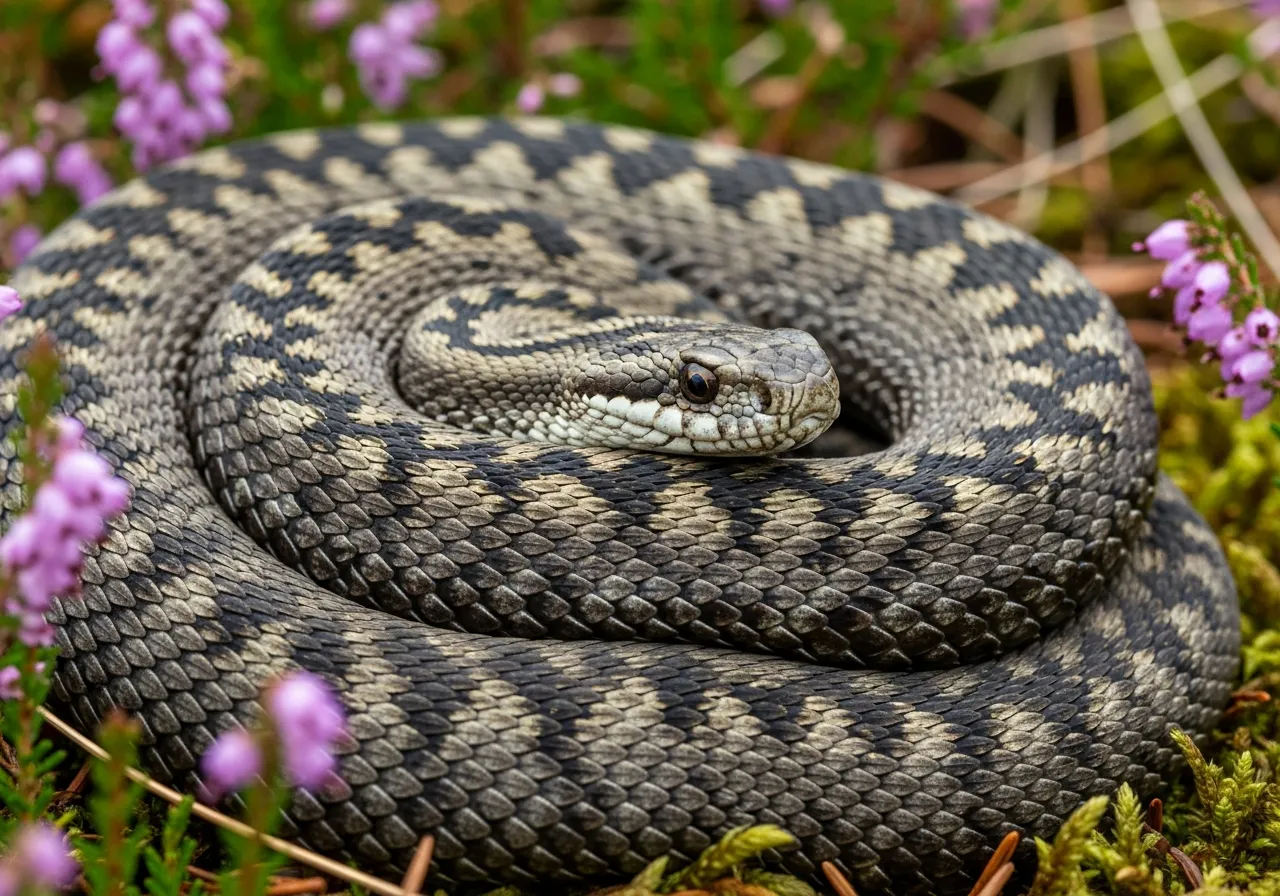
AAdder
Vipera berus
Britain's only venomous snake — a shy, cold-tolerant viper marked by an unmistakable zigzag.
United Kingdom · Scandinavia and northern Europe
Open guide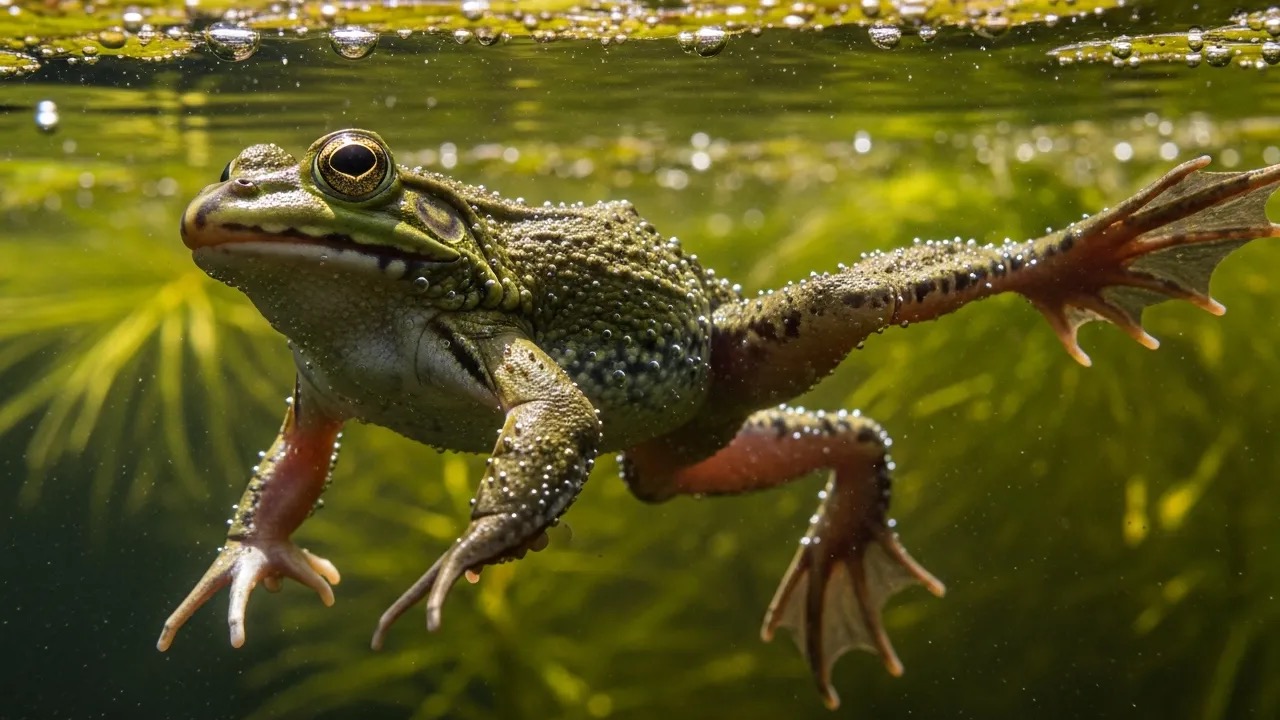
Amphibians
AAfrican Clawed Frog
Xenopus laevis
The fully aquatic lab and pet frog
Africa
Open guide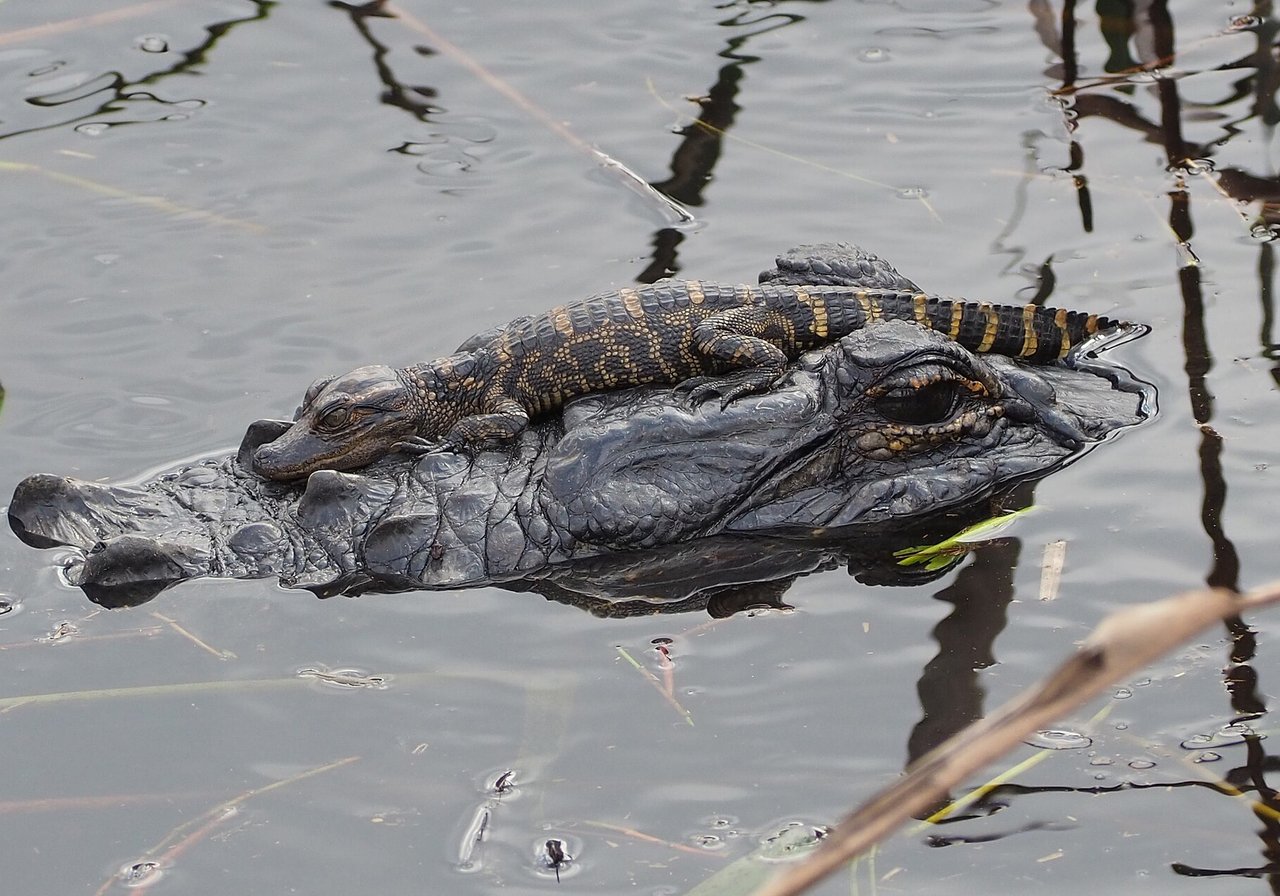
Crocodilians
AAlligator
Alligator mississippiensis (Daudin, 1802) and Alligator sinensis (Fauvel, 1879)
Armoured survivors of ancient wetlands — powerful, patient and ecologically vital.
United States · China
Open guide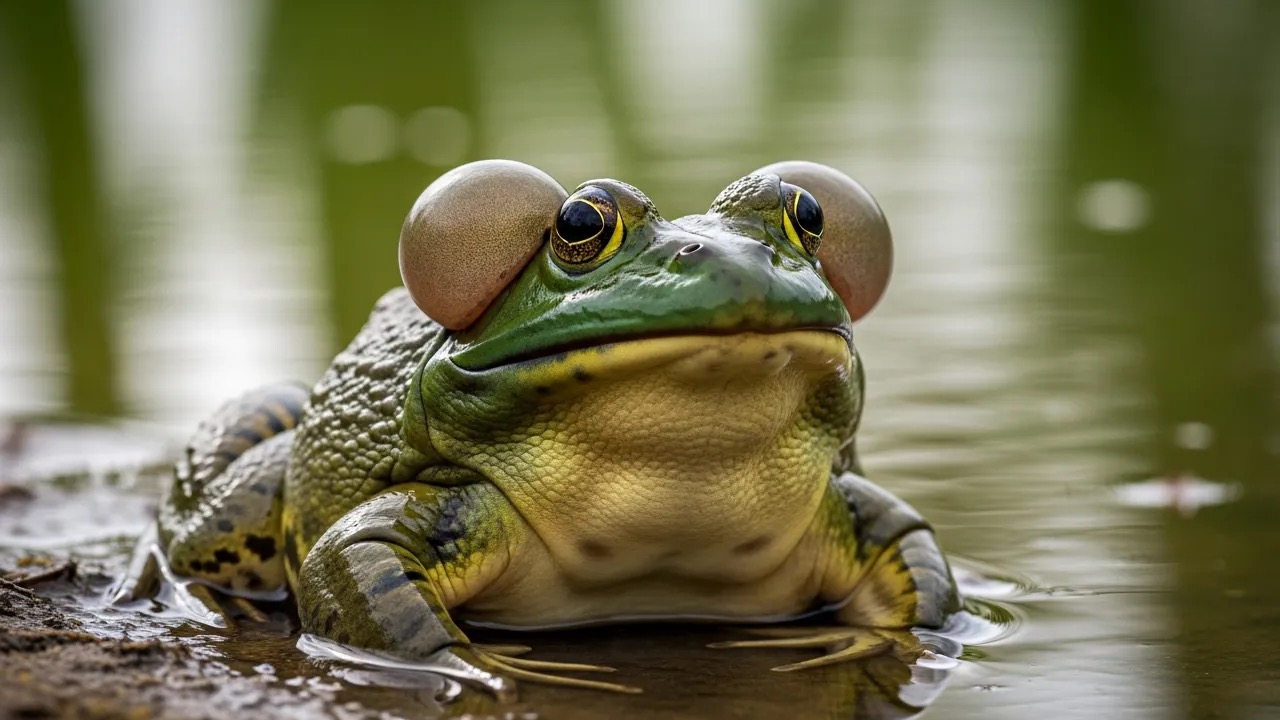
Amphibians
AAmerican Bullfrog
Lithobates catesbeianus
North America's largest and loudest frog
North America
Open guide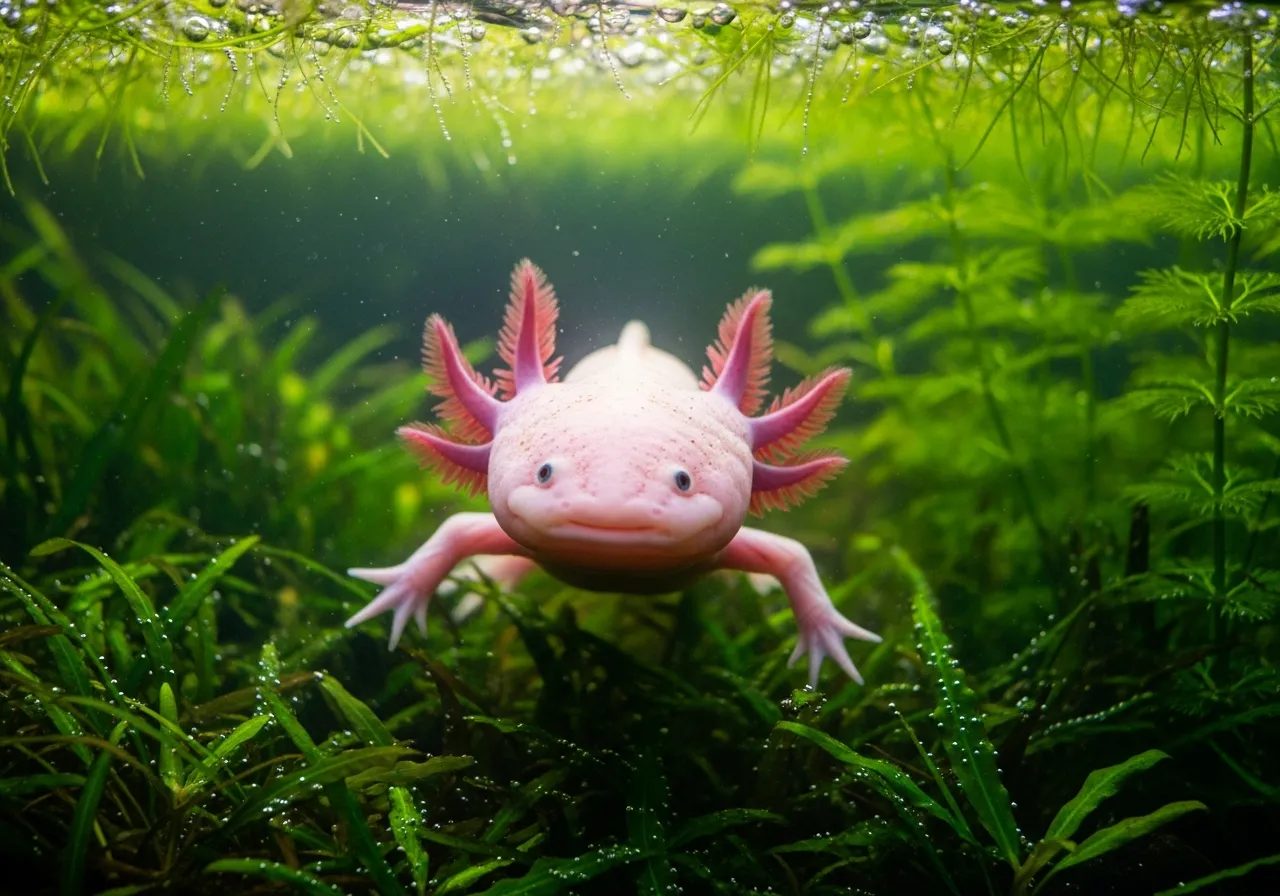
Amphibians
AAxolotl
Ambystoma mexicanum
The eternal baby salamander that regrows its own limbs
Mexico
Open guide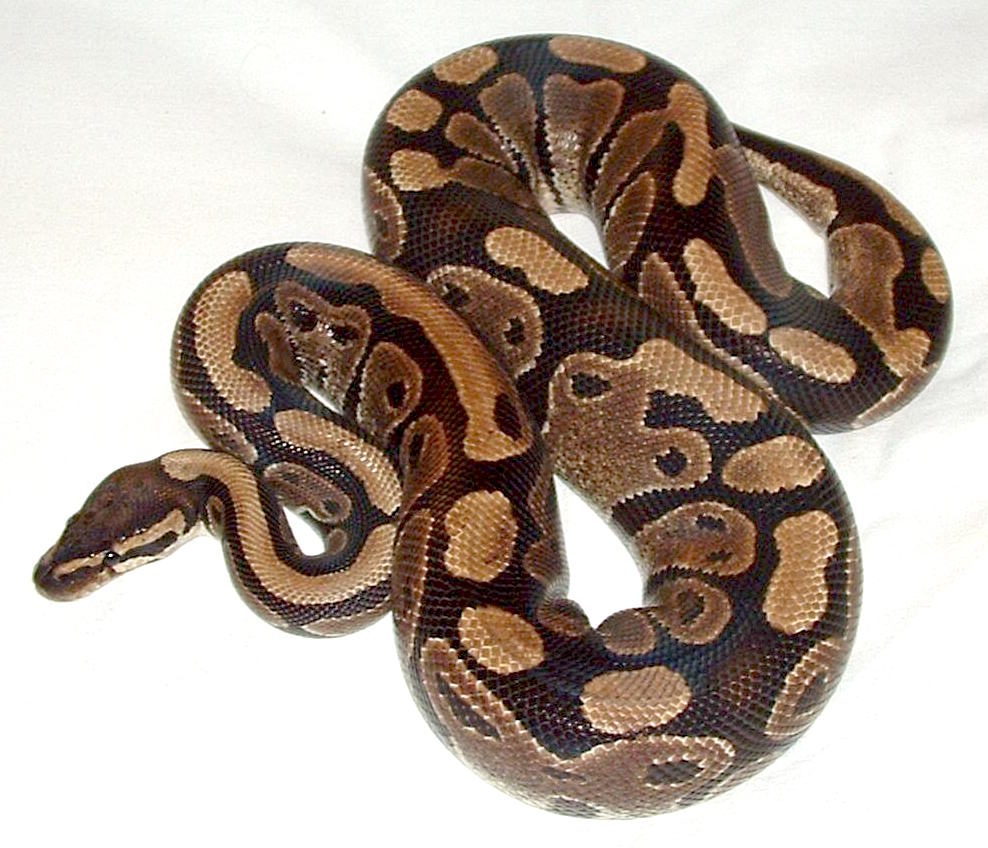
Snakes
BBall Python
Python regius (Shaw, 1802)
Africa's gentle 'royal' python — the world's most popular pet snake, bred into thousands of morphs.
West & Central Africa (wild); kept worldwide
Open guide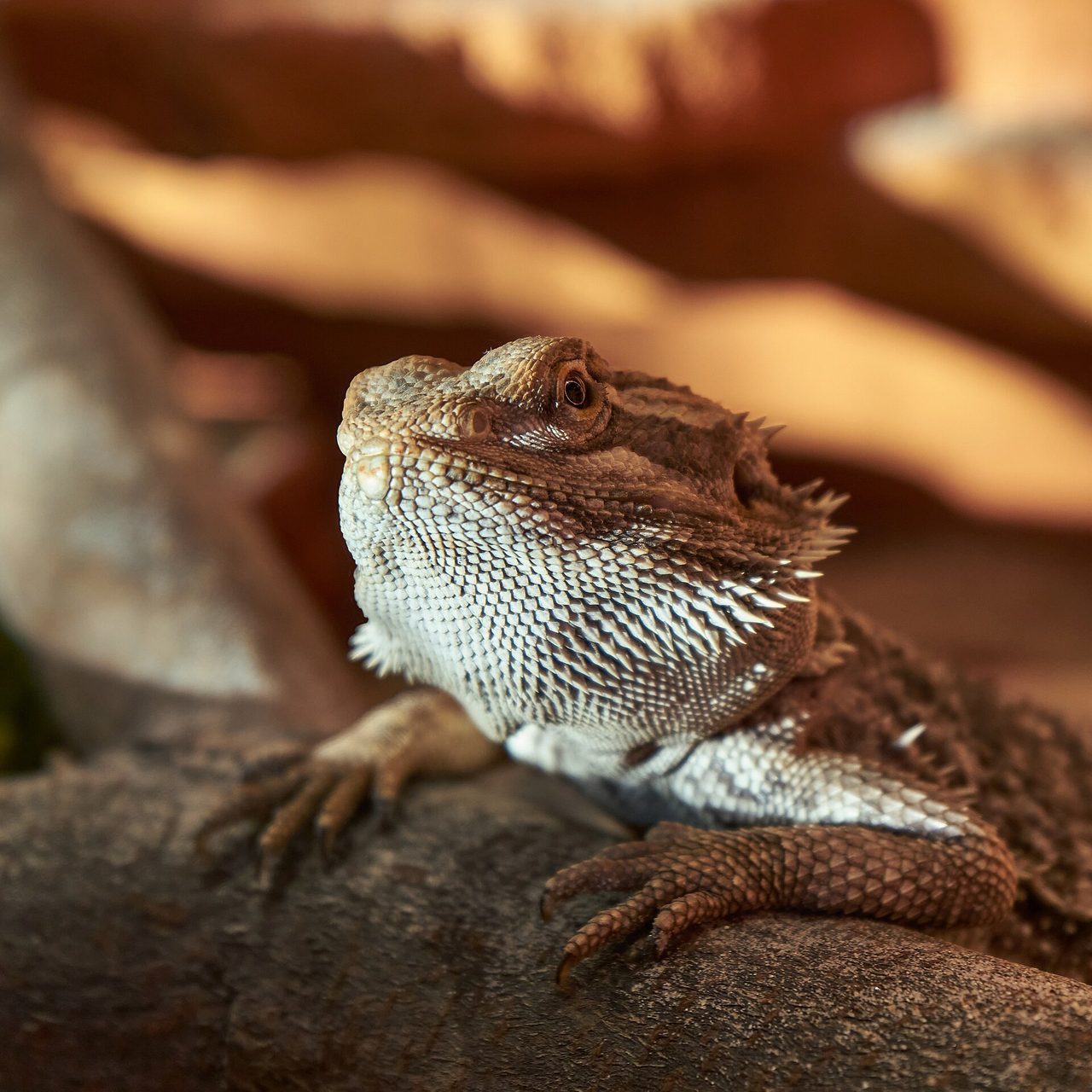
Other
BBearded Dragon
Pogona vitticeps
Australia's sociable desert lizard, famous for its spiky beard, arm waves, and one of science's most remarkable sex secrets
Australia · Eastern Australia
Open guide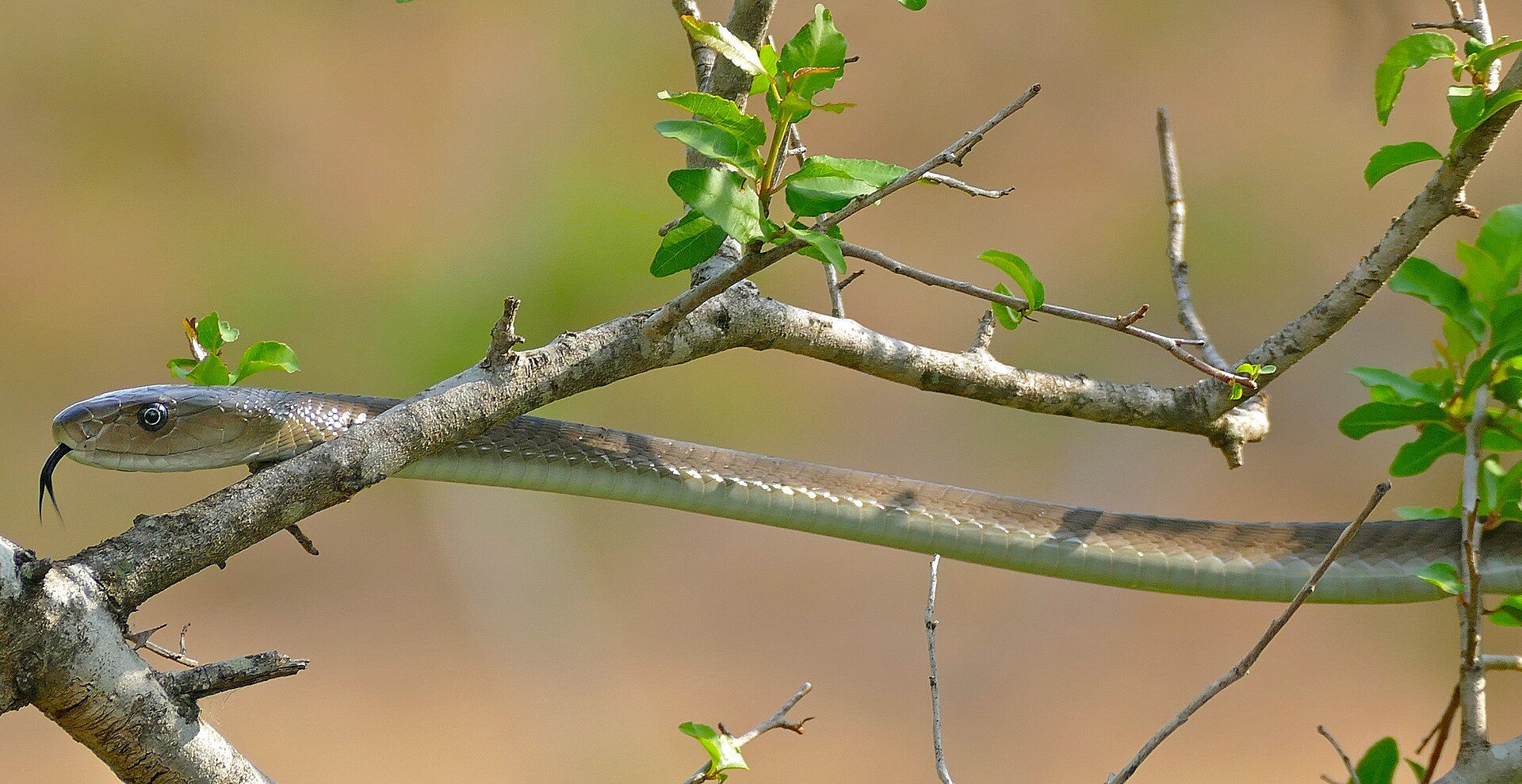
Other
BBlack Mamba
Dendroaspis polylepis
Africa's fastest and most feared snake — yet a vital guardian of the savanna.
Sub-Saharan Africa · Southern Africa
Open guide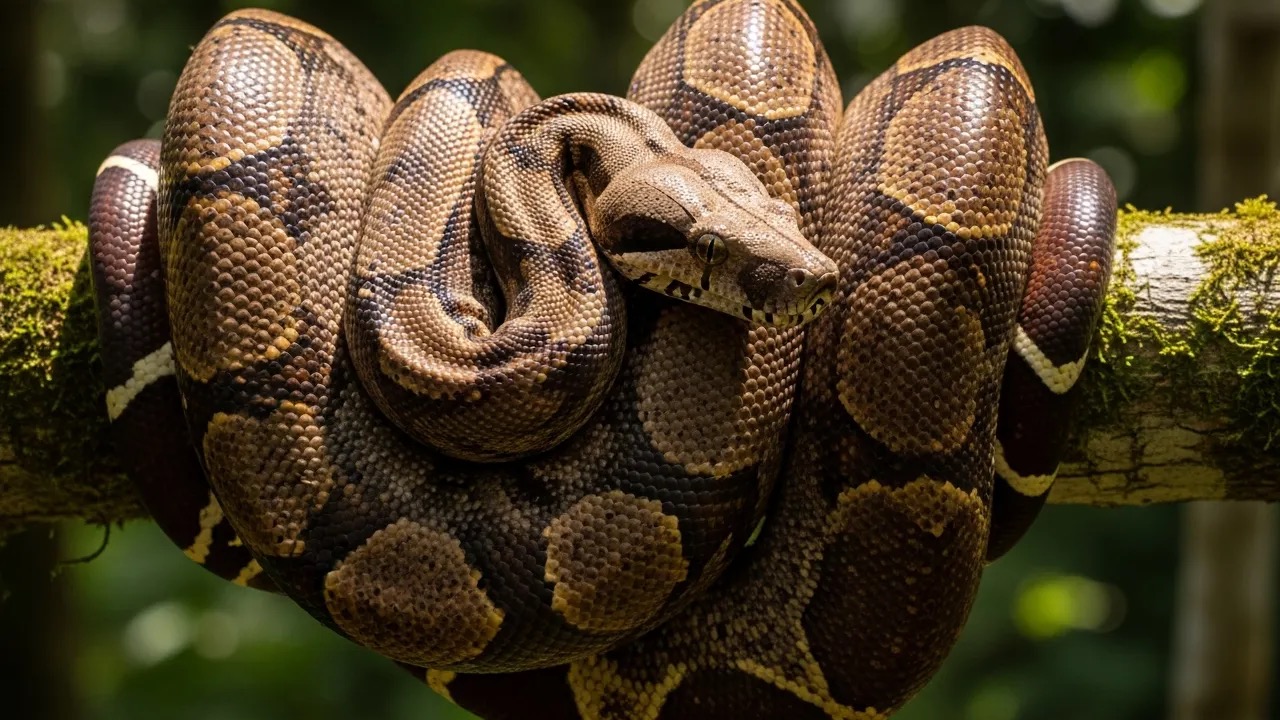
Snakes
BBoa Constrictor
Boa constrictor
The powerful constricting snake of the Americas
North America · South America
Open guide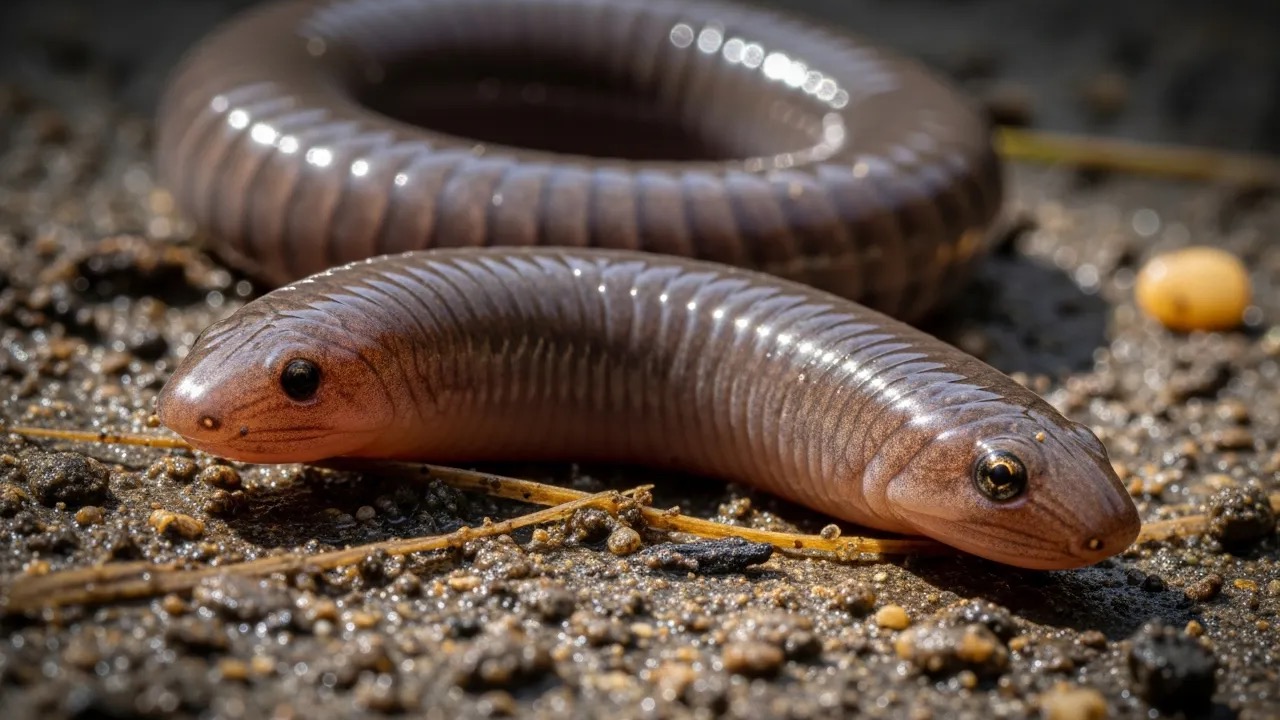
Amphibians
CCaecilian
Gymnophiona
The limbless, burrowing amphibians
Africa · Asia
Open guide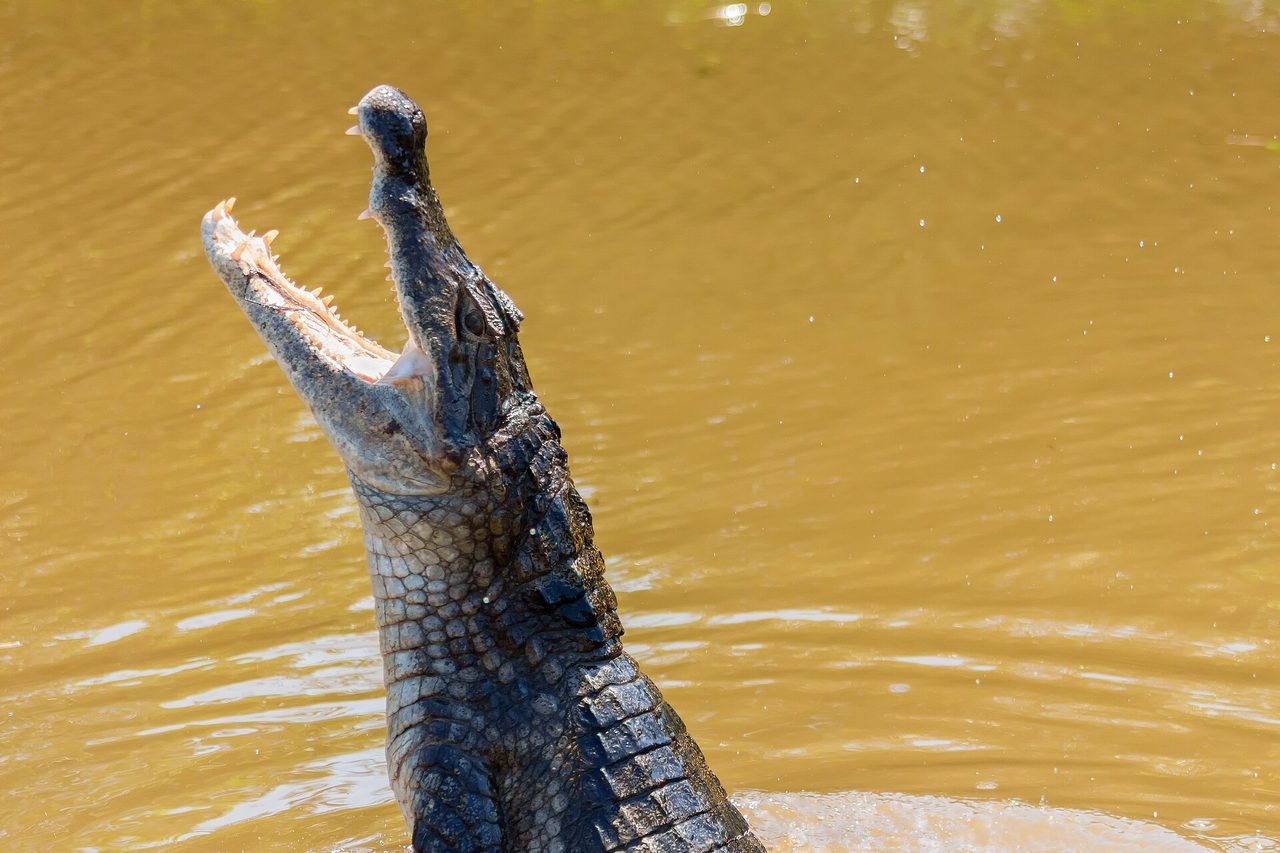
Other
CCaiman
Caiman crocodilus and relatives (subfamily Caimaninae)
Ancient architects of South America's wetlands
Central America · South America
Open guide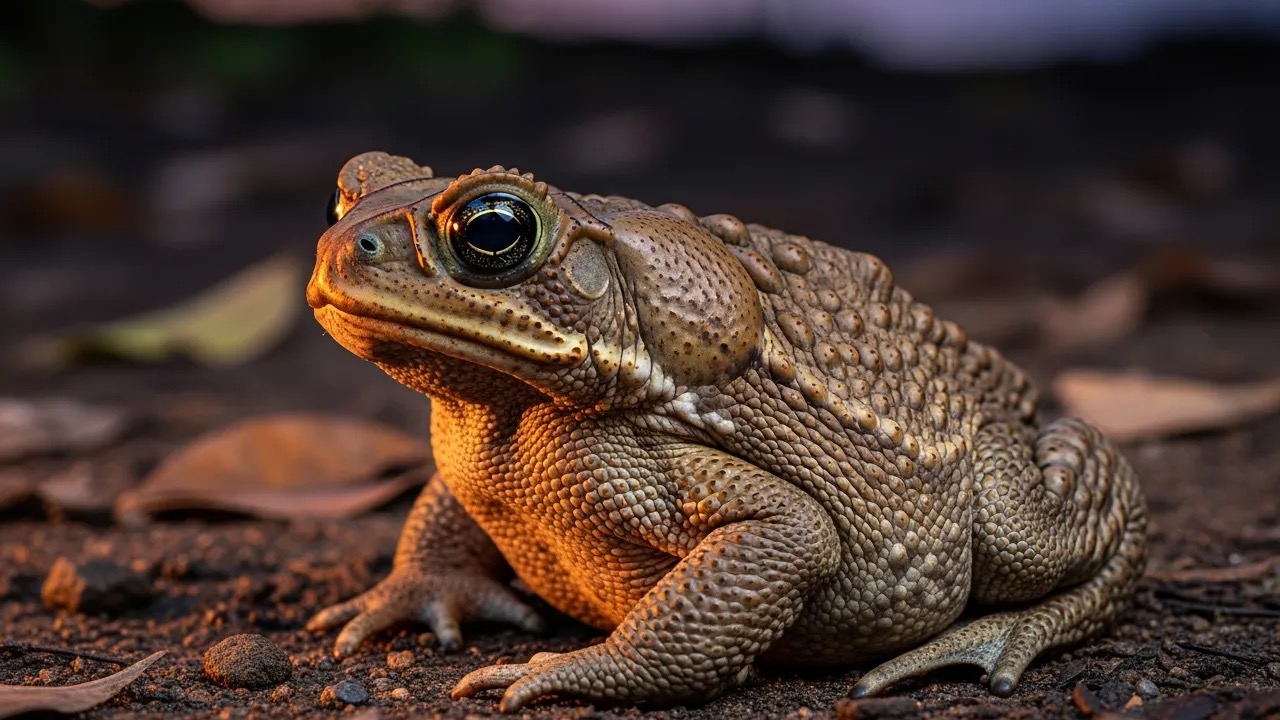
Amphibians
CCane Toad
Rhinella marina
A large, toxic toad turned invasive pest
North America · South America
Open guide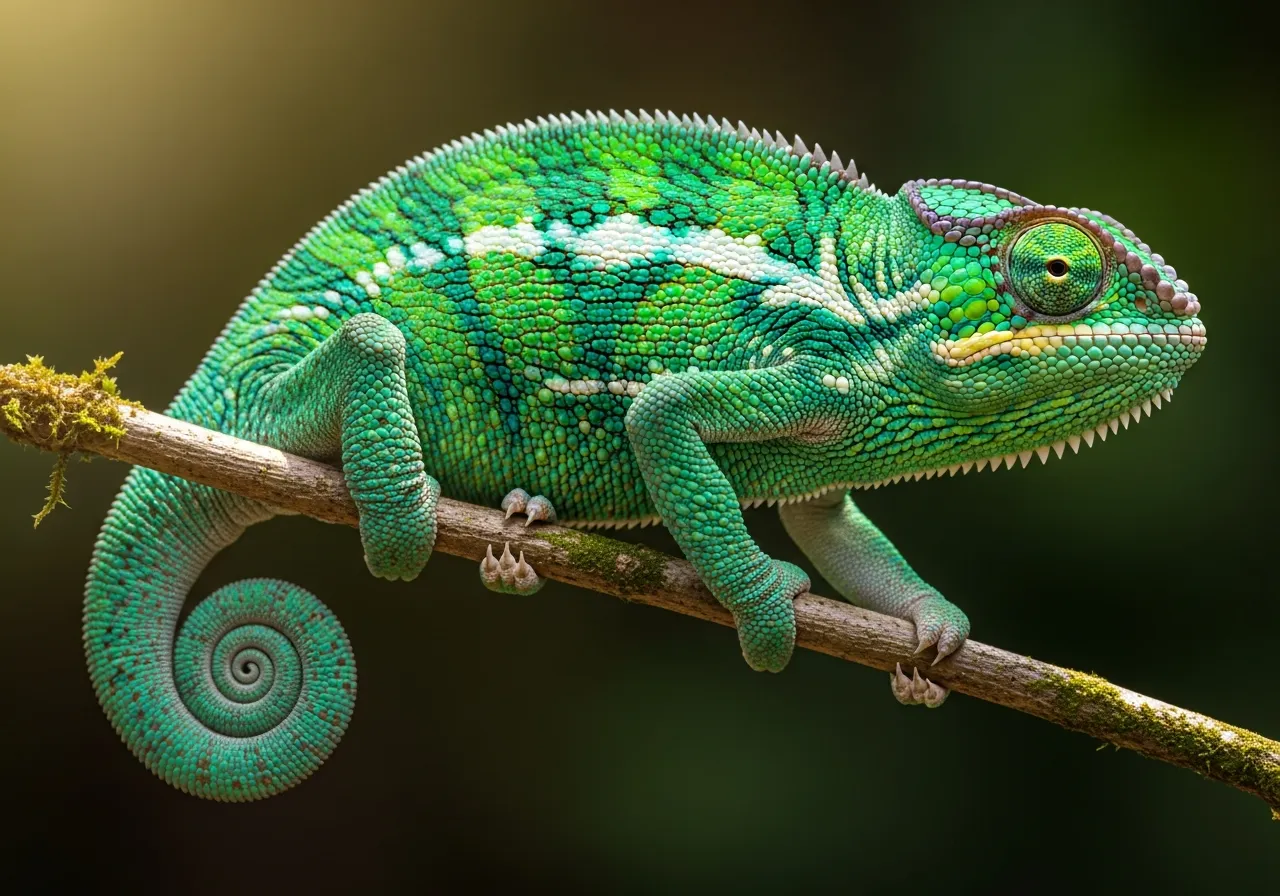
Lizards
CChameleon
Chamaeleonidae
Independently swivelling eyes, a tongue faster than a blink, and colour change that talks rather than hides.
Madagascar · Sub-Saharan Africa
Open guide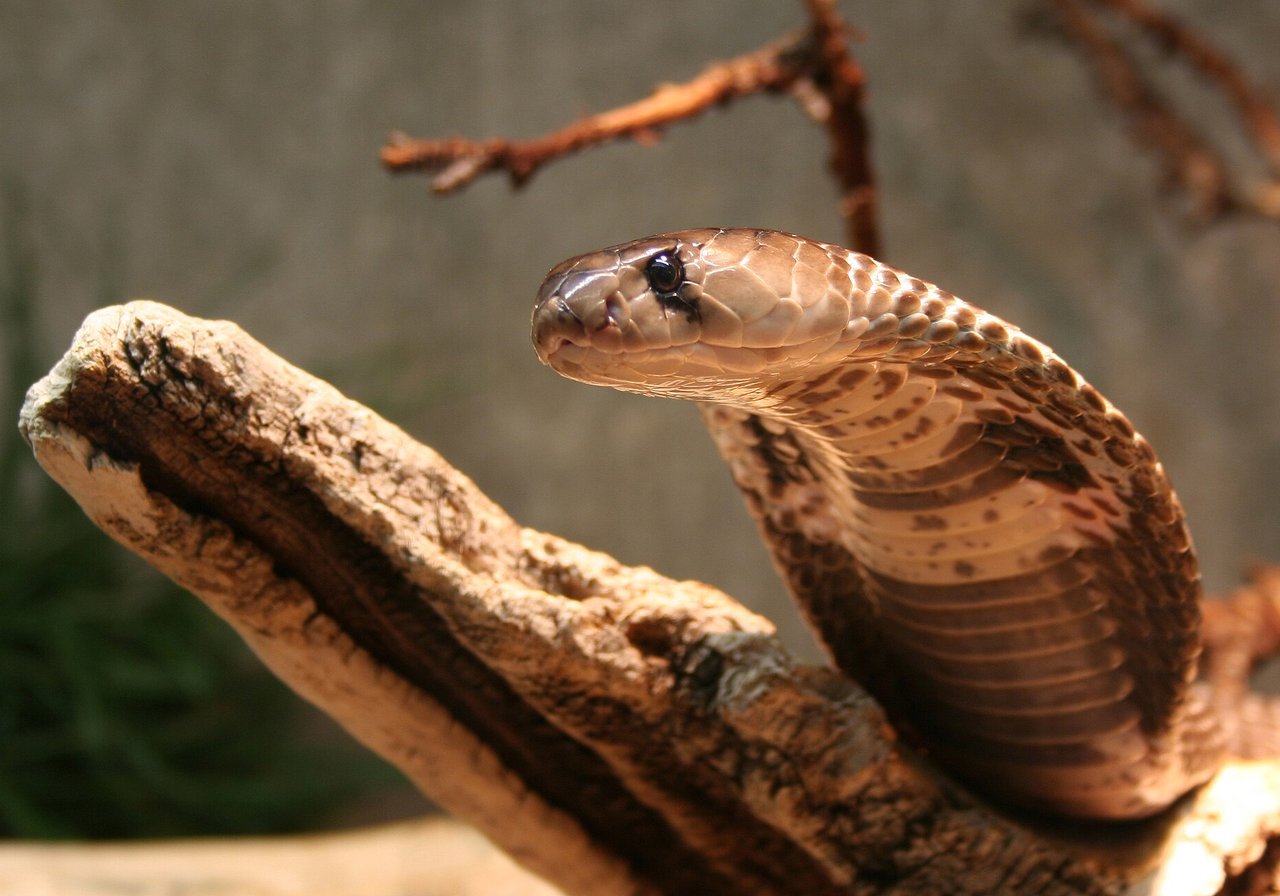
Snakes
CCobra
Multiple elapid genera — Naja (true cobras), Ophiophagus (king cobra) and related hooded species
Hooded elapids of Africa and Asia — iconic, venomous and widely misunderstood.
Africa · Asia
Open guide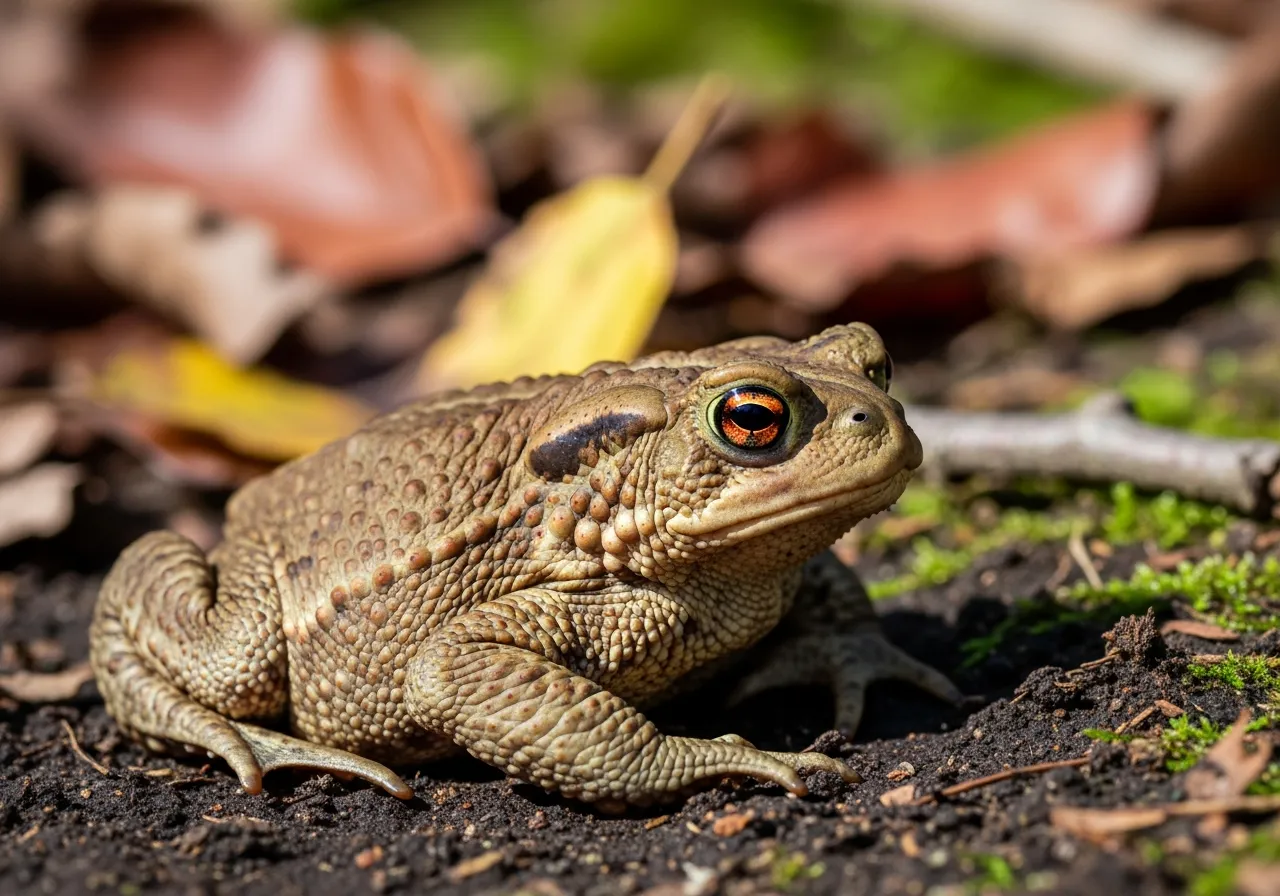
Amphibians
CCommon Toad
Bufo bufo
The warty wanderer of European ponds and gardens.
United Kingdom and Ireland · Mainland Europe
Open guide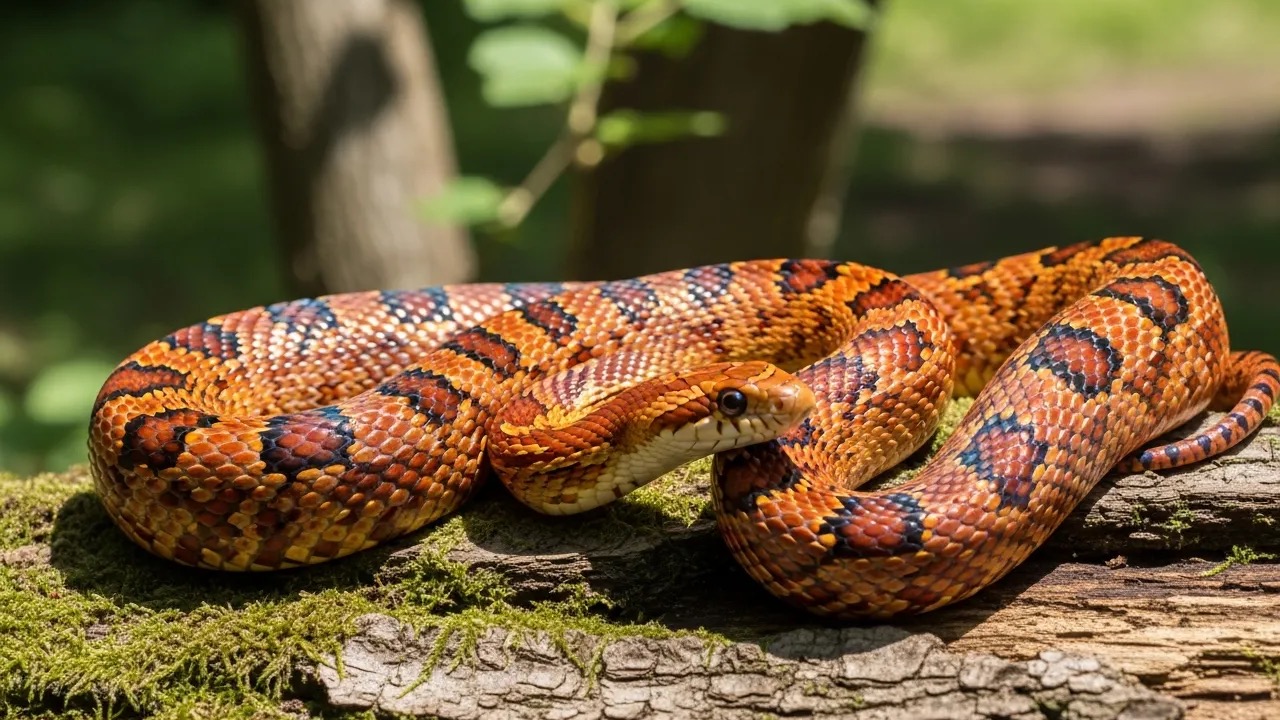
Snakes
CCorn Snake
Pantherophis guttatus
The gentle, colorful beginner's pet snake
North America
Open guide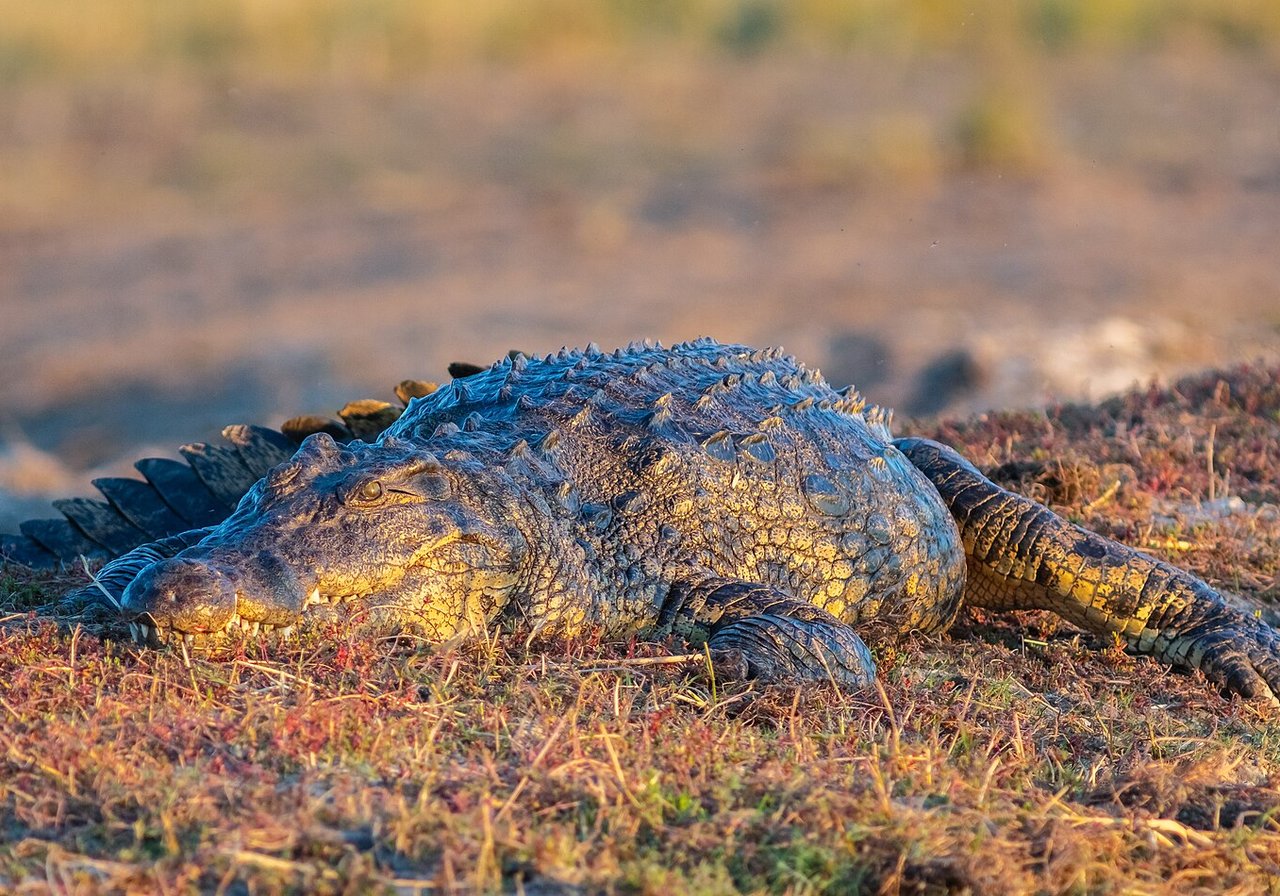
Crocodilians
CCrocodile
Order Crocodilia — crocodiles, alligators, caimans and gharials
Living dinosaurs of river and coast — apex reptiles unchanged for millions of years.
Tropics and subtropics worldwide
Open guide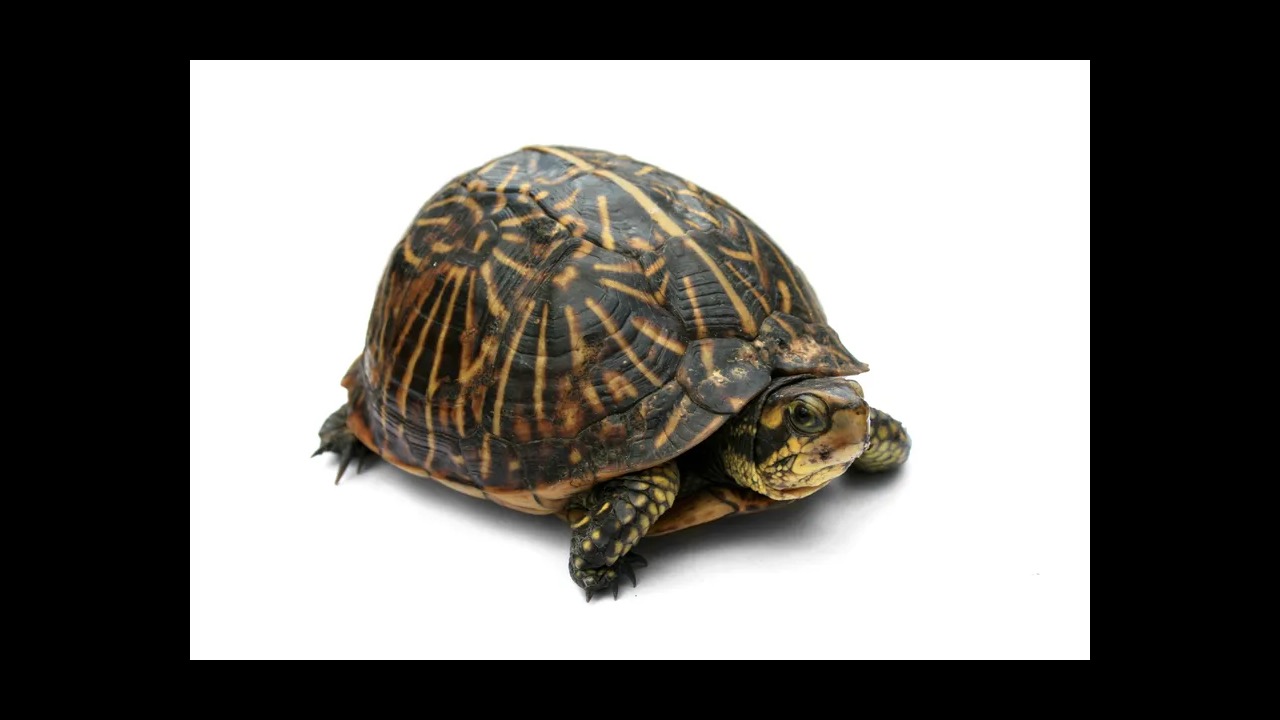
Turtles & tortoises
EEastern Box Turtle
Terrapene carolina
North America's hinged turtle
North America
Open guide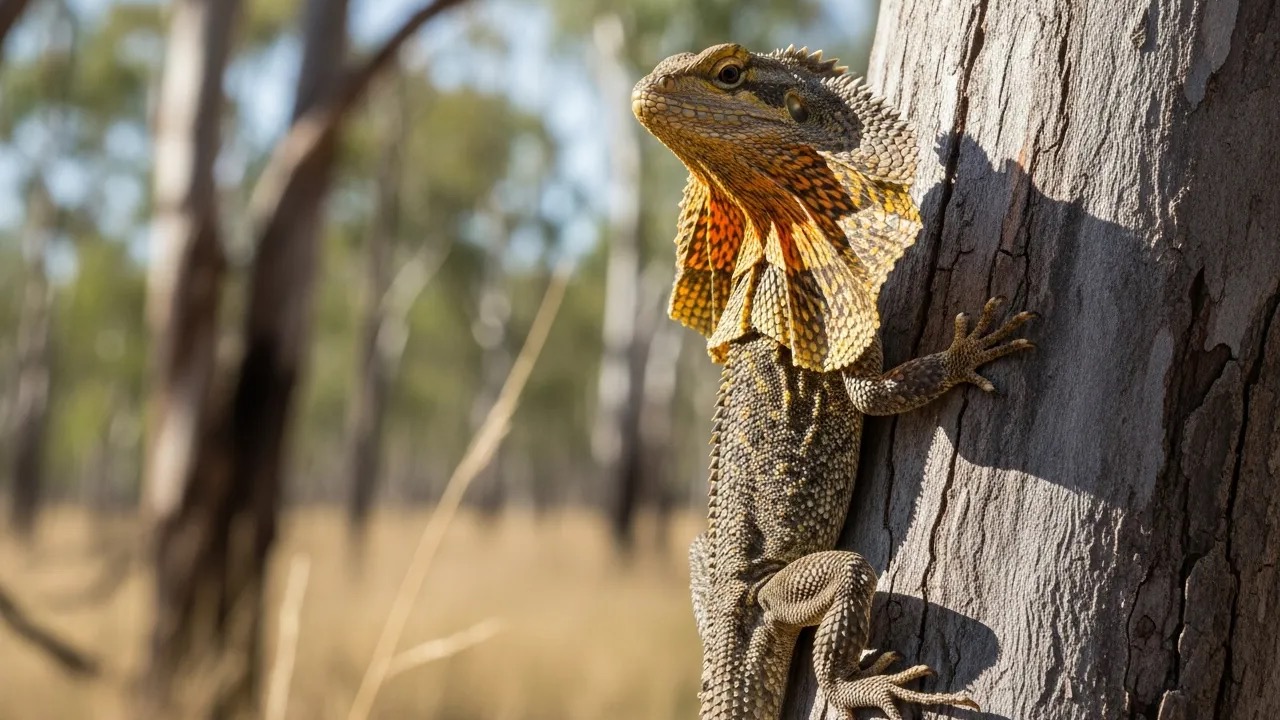
Lizards
FFrilled Lizard
Chlamydosaurus kingii
The lizard that flares a dramatic neck frill
Oceania
Open guide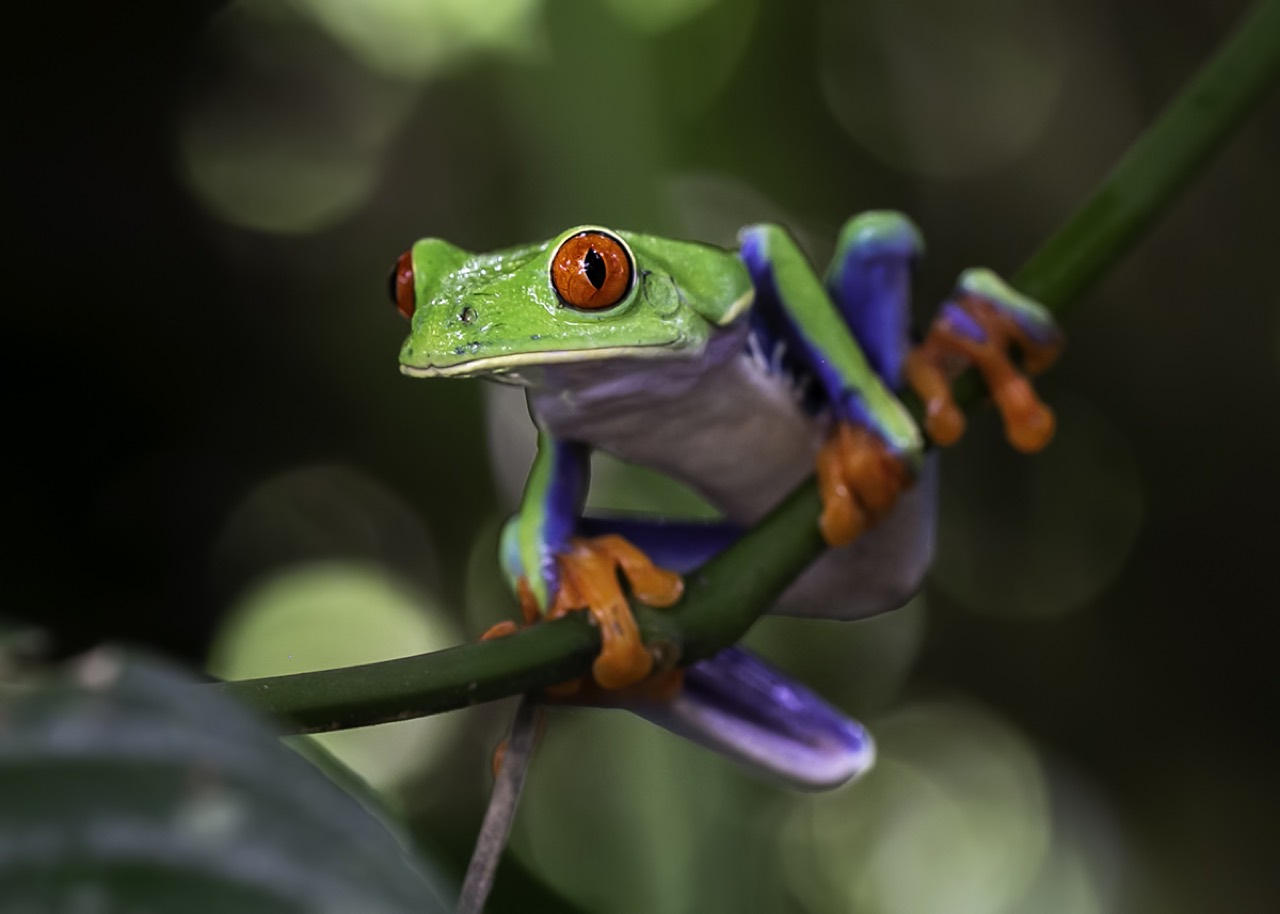
Amphibians
FFrog
Anura
More than 7,700 species, and one of the planet's clearest warning signs.
Worldwide
Open guide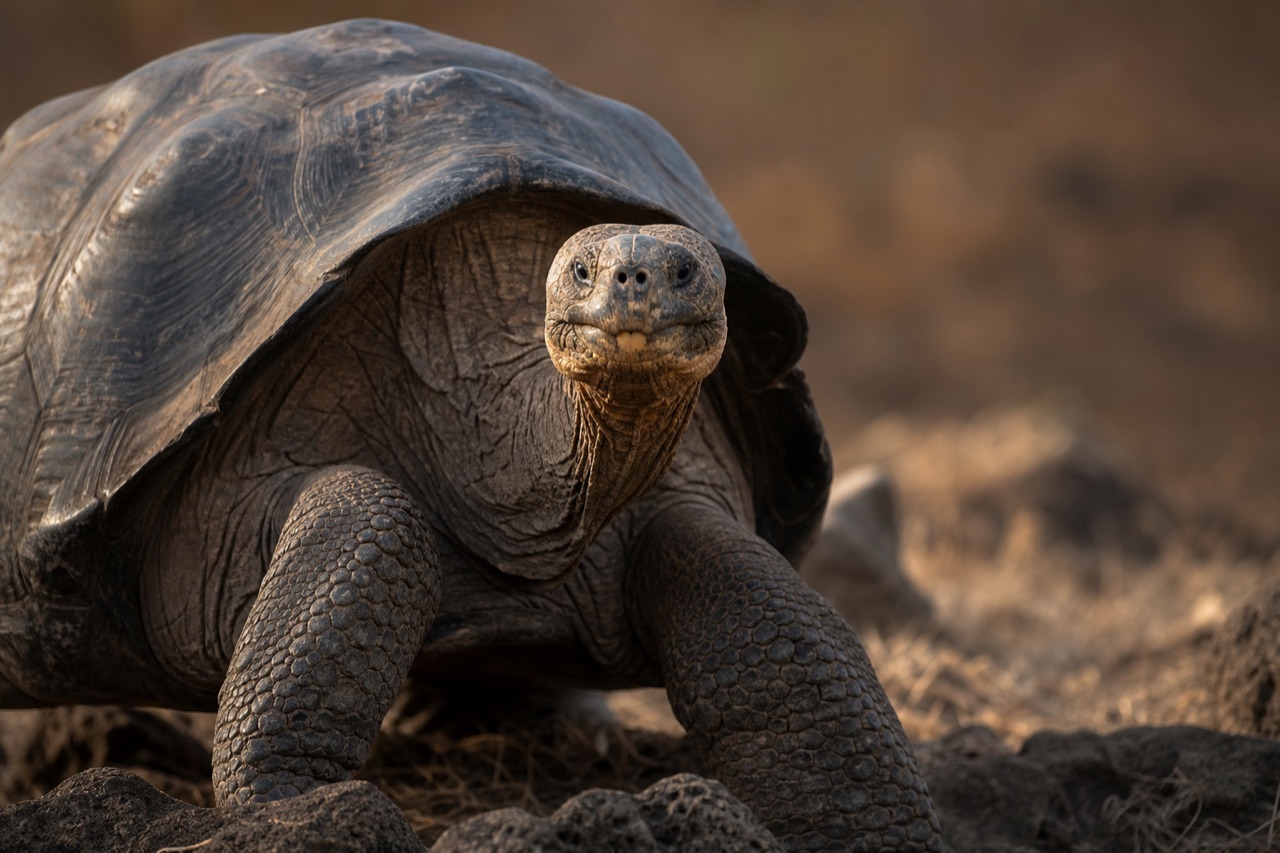
Turtles & tortoises
GGalápagos Tortoise
Chelonoidis niger species complex (Quoy & Gaimard, 1824) — 12 surviving species
Hunted to 3,000 animals, brought back to 60,000 — the clearest recovery story in conservation.
Galápagos Islands, Ecuador
Open guide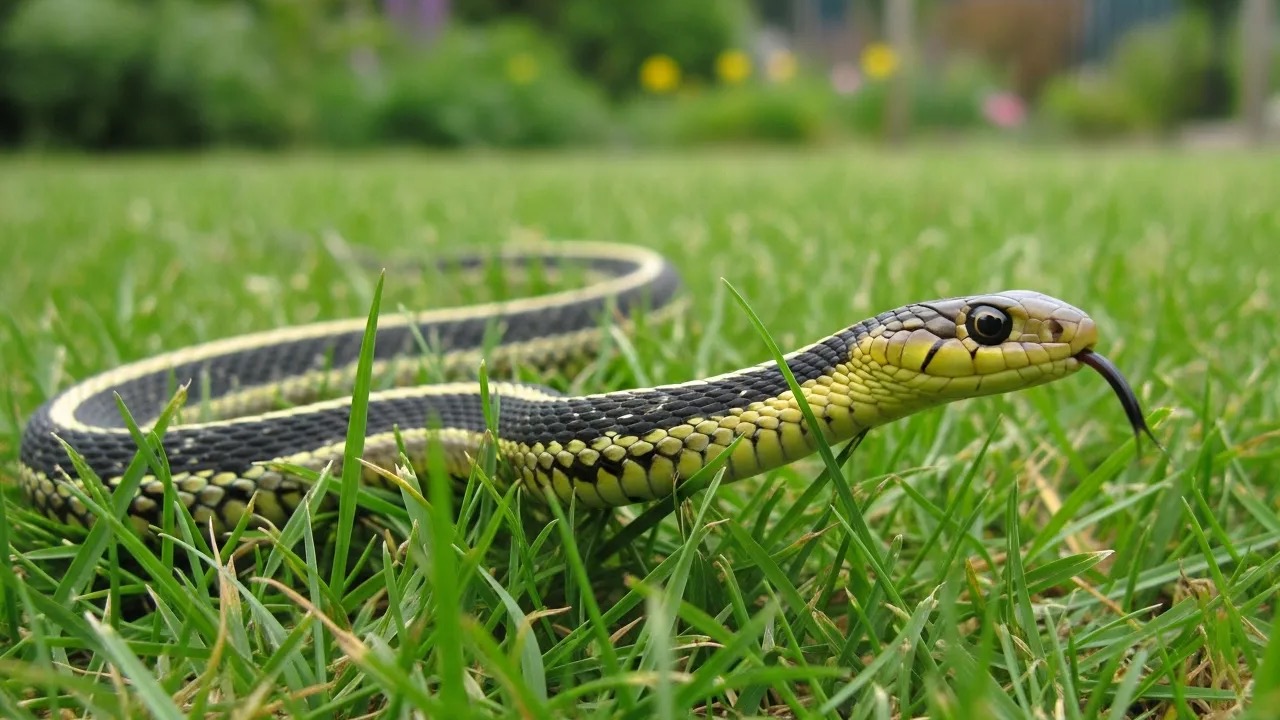
Snakes
GGarter Snake
Thamnophis sirtalis
One of North America's most common and widespread snakes
North America
Open guide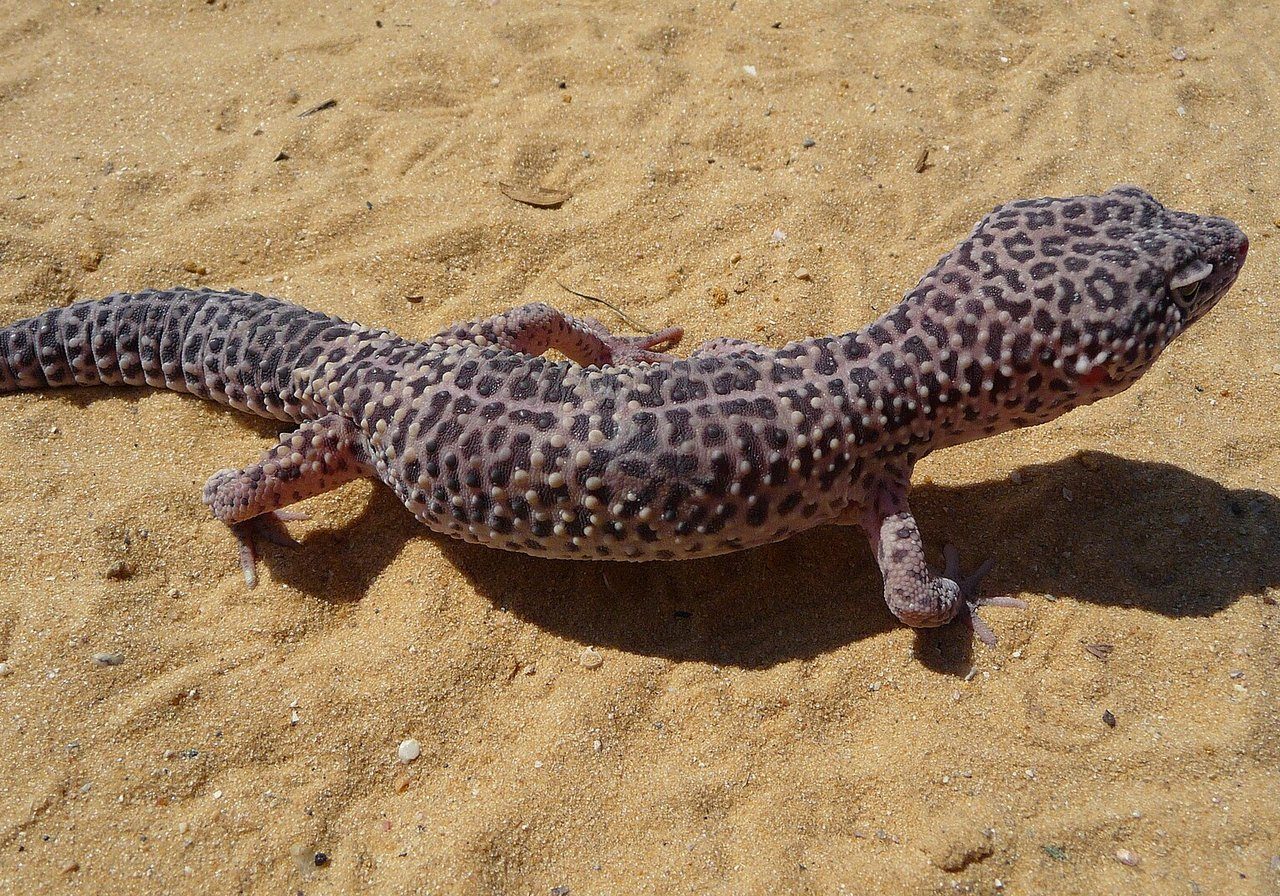
Lizards
GGecko
Infraorder Gekkota — ~1,500 species across six families worldwide
Nocturnal lizards of walls and forests — adhesive toes and unmistakable calls.
Tropical and subtropical worldwide · some temperate regions
Open guide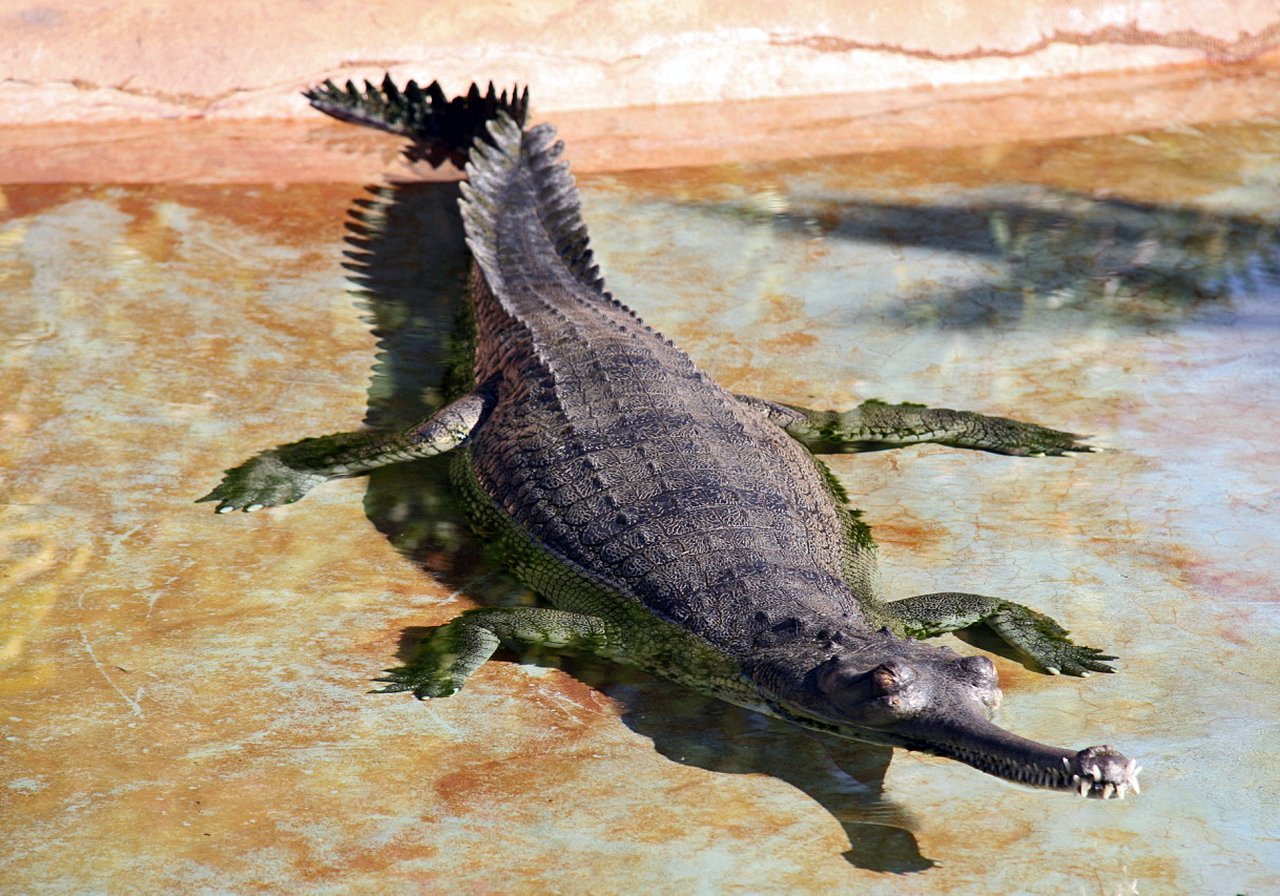
Crocodilians
GGharial
Gavialis gangeticus (Gmelin, 1789)
The fish-eater of the Ganges — a crocodilian unlike any other, down to its last rivers.
India · Nepal
Open guideQuick answers
- What is the difference between a frog and a toad? “Toad” usually means a frog in the family Bufonidae — typically drier, bumpier skin and shorter hops. “Frog” is the wider group; all toads are frogs, but not all frogs are toads. The distinction is informal, not a strict scientific split.
- What is the difference between a snake and a lizard? Snakes are legless reptiles in the suborder Serpentes; most lizards have four legs (though some legless lizards exist). Snakes lack eyelids and external ear openings; lizards usually have both. Jaw structure also differs — snakes can swallow prey much wider than their head.
- How do chameleons change color? Chameleons change colour by adjusting nanocrystals in skin cells called iridophores — not primarily by expanding pigment sacs as once taught. Shifts reflect mood, temperature and social signals more often than background matching. True camouflage is secondary to communication. Chameleons change colour by rearranging guanine nanocrystals in iridophore skin cells — lattice spacing selects wavelengths reflected.
- Are crocodiles dinosaurs? No — but crocodiles and dinosaurs share a common ancestor in the archosaur group. Crocodilians (crocodiles, alligators, gharials) are living relatives of dinosaurs, not dinosaurs themselves. Dinosauria excludes modern crocodilians though both share archosaur ancestry. Birds evolved from feathered theropod dinosaurs — only living dinosaur group.
Trade and wetland loss decide most herpetofauna futures
Collection for the pet trade, skin markets, wetland drainage and the chytrid fungus remove reptiles and amphibians faster than slow breeders and moisture-dependent larvae can replace themselves.
Free, sourced guides exist so readers can separate venomous from harmless, reptile from amphibian, and myth from mechanism — and so every page can still route toward habitat and rescue funding.
Reptiles & Amphibians: frequently asked questions
What belongs in this section?
How are types different from taxonomy?
Does every guide appear in a type?
Are the facts sourced?
How can I help threatened species in this group?
Where else should I look?
Keep exploring
-
Animals A–Z
Searchable encyclopaedia of every species guide, plus dedicated letter URLs such as animals that start with A and N.
-
Animals that start with A
Homework letter encyclopaedia: Aardvark, Axolotl, Aye-aye and the other A guides — not a census.
-
Animals that start with N
Homework letter encyclopaedia: Narwhal, Naked Mole-Rat, Nautilus and the other N guides.
Birds
The parallel type-page section for Aves.
Extinct animals
Finished stories with living parallels still on this site.
Glossary
Red List categories, CITES appendices and more.
All wildlife guides
Hubs for birds, mammals, fish and more.
Donate
Fund partner-led rescue and habitat work.