Wildlife Guide · West & Central Africa (wild); kept worldwide
Ball Python
Python regius (Shaw, 1802)
Africa's gentle 'royal' python — the world's most popular pet snake, bred into thousands of morphs.
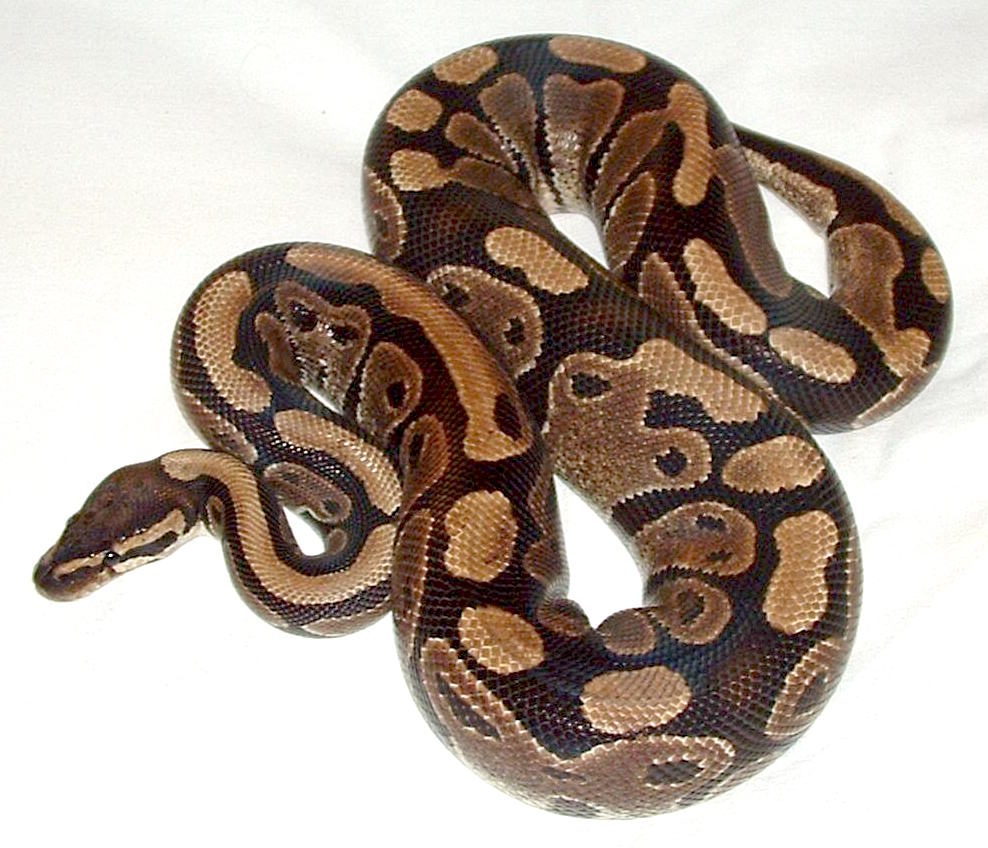
Photo: Wikimedia Commons (CC) — see scripts/pilot-image-credits.json
In brief
The ball python (Python regius) is a small, docile African snake — Least Concern but heavily traded (CITES Appendix II) — and the world's most popular pet snake; its thousands of 'morphs' are captive-bred colour and pattern forms of one species.
Also in Animals A to Z · Animals that start with B
By WARN Research & Conservation TeamLast updated
The ball python (Python regius), also called the royal python, is a small, stocky, docile snake from the grasslands and forest edges of West and Central Africa, and the most popular pet snake in the world. It earns its name from its habit of curling into a tight ball when stressed. Wild ball pythons are Least Concern but are very heavily traded — wild-collected, ranched and captive-bred — and listed on CITES Appendix II. Selective breeding has produced thousands of colour and pattern 'morphs', all the same species. Calm and long-lived, ball pythons are popular but exacting: they need correct heat, humidity and feeding, and some morphs carry serious welfare problems. WARN publishes this guide as free, honest reptile-care education.
90–150 cm
Adult length; females larger
20–30 yr
Lifespan (sometimes 40+) in captivity
CITES II
International trade regulated
1,000s
Captive-bred morphs of one species
Figures sourced from IUCN Red List — Python regius, CITES — Checklist of CITES Species, RSPCA — snake welfare .
Ball Python: Quick Facts
| Wild range | West & Central Africa |
|---|---|
| Adult size | 90–150 cm; females larger |
| IUCN status | Least Concern but heavily traded |
| CITES | Appendix II — trade regulated |
| Lifespan | 20–30 years (sometimes 40+) |
| Morphs | Thousands — colour/pattern forms of one species |
Scientific Classification
| Kingdom | Animalia |
|---|---|
| Phylum | Chordata |
| Class | Reptilia |
| Order | Squamata |
| Family | Pythonidae |
| Genus | Python |
| Species | Python regius |
Conservation Status
- IUCN Status
- Least Concern in the wild but among the most heavily traded reptiles; CITES Appendix II. Pet morphs are captive-bred forms of one species.
- Population
- Widespread in West/Central Africa; large numbers in trade
- Trend
- Wild populations pressured by collection and ranching in parts of the range
- Assessed
- 2021
- CITES
- Appendix II — international trade requires permits
Choose captive-bred snakes and never release pet reptiles into the wild.
Key Facts: Ball Python
- Ball pythons curl into a ball to protect the head — hence the name.
- They are the world's most popular pet snake and among the smallest African pythons.
- Wild ball pythons are Least Concern but very heavily traded; they are CITES Appendix II.
- Thousands of morphs are captive-bred colour and pattern forms of one species.
- The Spider morph carries a neurological 'wobble', and some 'super' forms are lethal.
- They are long-lived — 20–30 years or more — and need correct heat and humidity.
Wild ball pythons of West Africa
Python regius lives in the grasslands, savanna and forest edges of West and Central Africa, sheltering in rodent burrows and termite mounds and hunting small mammals largely by ambush. It is the smallest of the African pythons and famously shy — when threatened it hides its head in its coils and rolls into a tight ball rather than striking.
Wild ball pythons are listed Least Concern, but the species is among the most heavily traded reptiles on Earth. Large numbers are wild-collected and 'ranched' (eggs taken, hatched and exported) in West Africa, and the species is on CITES Appendix II to regulate that trade.
Morphs are line-bred, not separate species
The pet trade has produced thousands of ball python morphs by combining dominant, co-dominant and recessive colour and pattern genes — Pastel, Albino, Piebald, Banana, Clown, Mojave, Pinstripe and countless 'designer' combinations. They are all one species, Python regius, with identical husbandry needs.
Some morphs carry real welfare costs. The Spider morph is linked to a neurological 'wobble', and certain gene combinations and 'super' forms cause lethal defects or deformities. Responsible keepers research genetics and avoid pairings known to harm the animals.
Housing, heat and feeding
A ball python needs a secure, escape-proof enclosure with a warm end (around 31–32°C basking/hot spot) and a cooler end (around 25–26°C), measured with thermostats and thermometers, plus correct humidity (around 55–60%, raised during shedding) and a snug hide at each end. Heat sources must be guarded against thermal burns.
They eat appropriately sized rodents, best offered frozen-thawed rather than live to avoid injury to the snake. Ball pythons are famous for occasionally refusing food for weeks, especially in cooler months; healthy adults tolerate this, but ongoing weight loss needs a vet.
Welfare, trade and responsible keeping
Because so many ball pythons are wild-collected or ranched in Africa, buyers should choose captive-bred animals from reputable sources to reduce pressure on wild populations. Avoid welfare-linked morphs such as the Spider 'wobble' line and known lethal combinations.
Ball pythons live 20–30 years and sometimes beyond 40, so they are a multi-decade commitment. They must never be released — escaped or released pet snakes can harm ecosystems and are illegal to release in most places. A reptile vet should see any snake with breathing problems, retained shed or prolonged weight loss.
Explore ball python morphs on WARN
WARN's ball python morph library at ball python covers selectively bred colour and pattern lines — including the Normal wild type, the Albino, the Piebald and the Mojave, with further morphs added as suitable human-free photos are sourced — each with how the colour or pattern is inherited, adult size, husbandry and common health issues, plus honest welfare cautions about genes such as Spider.
The library helps keepers understand that every morph is the same species with the same needs — and which traits and pairings to avoid.
Ball Python Morphs Guide
From the Normal wild type to the Pastel, Albino, Piebald and Mojave — explore popular ball python morphs, how each colour and pattern is inherited, the welfare cautions around certain genes, and the heat, humidity and feeding this docile African snake needs.
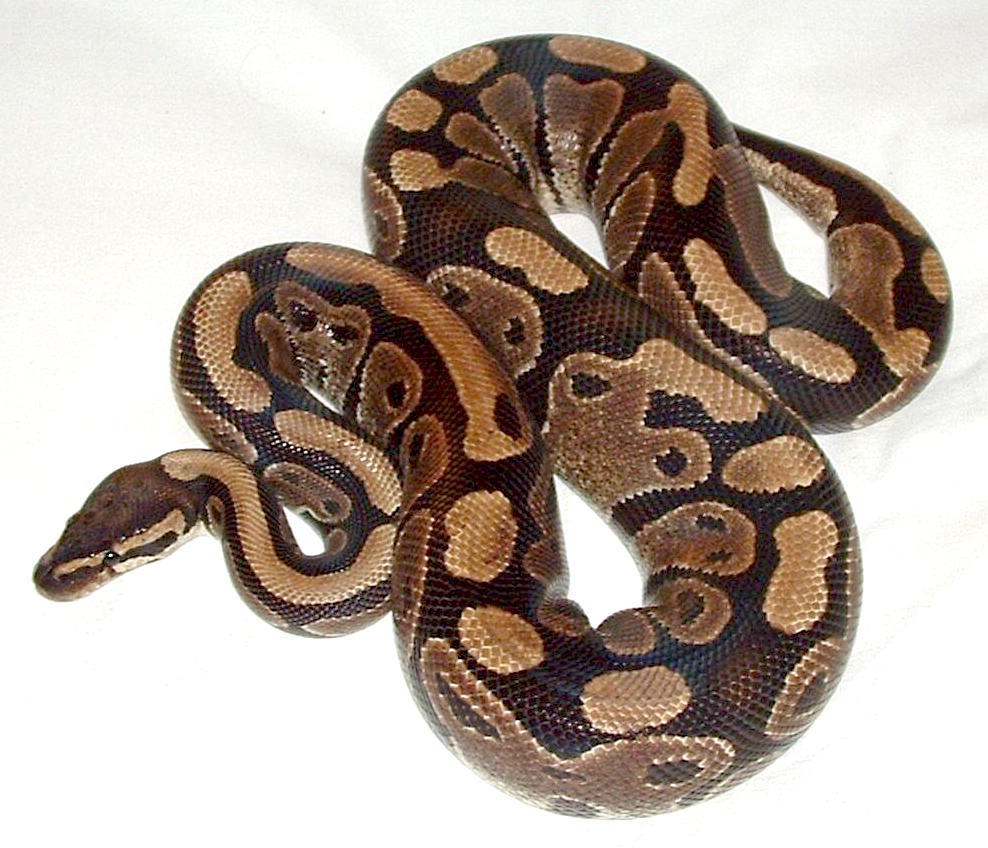
Normal (Wild Type)
Captive-bred morph (wild species native to West & Central Africa)
Docile, shy, slow-moving
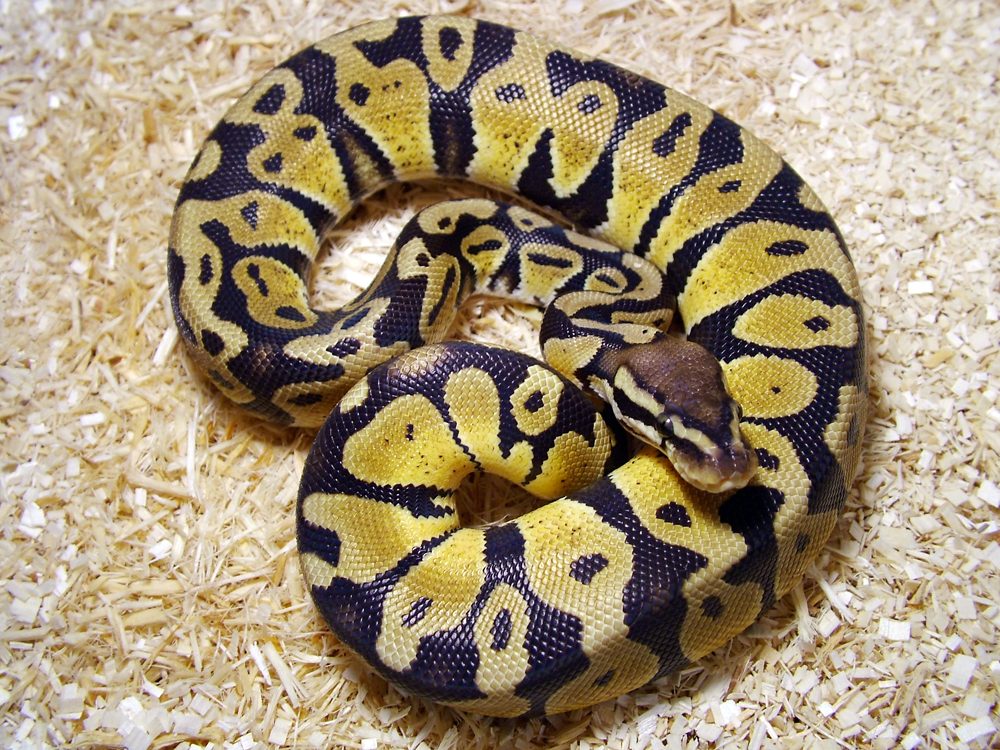
Pastel
Captive-bred morph (wild species native to West & Central Africa)
Docile, shy, calm
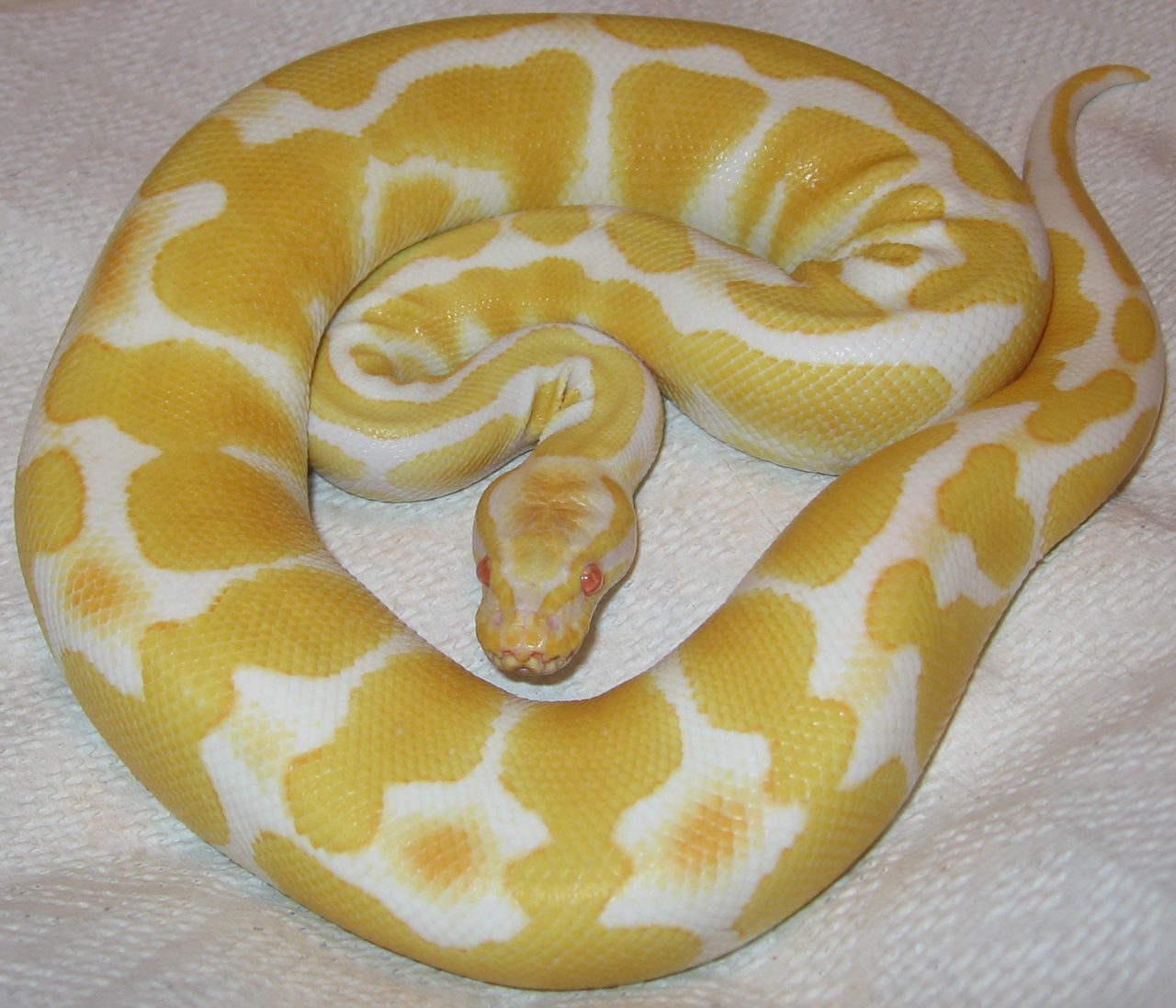
Albino
Captive-bred morph (wild species native to West & Central Africa)
Docile, shy, light-sensitive
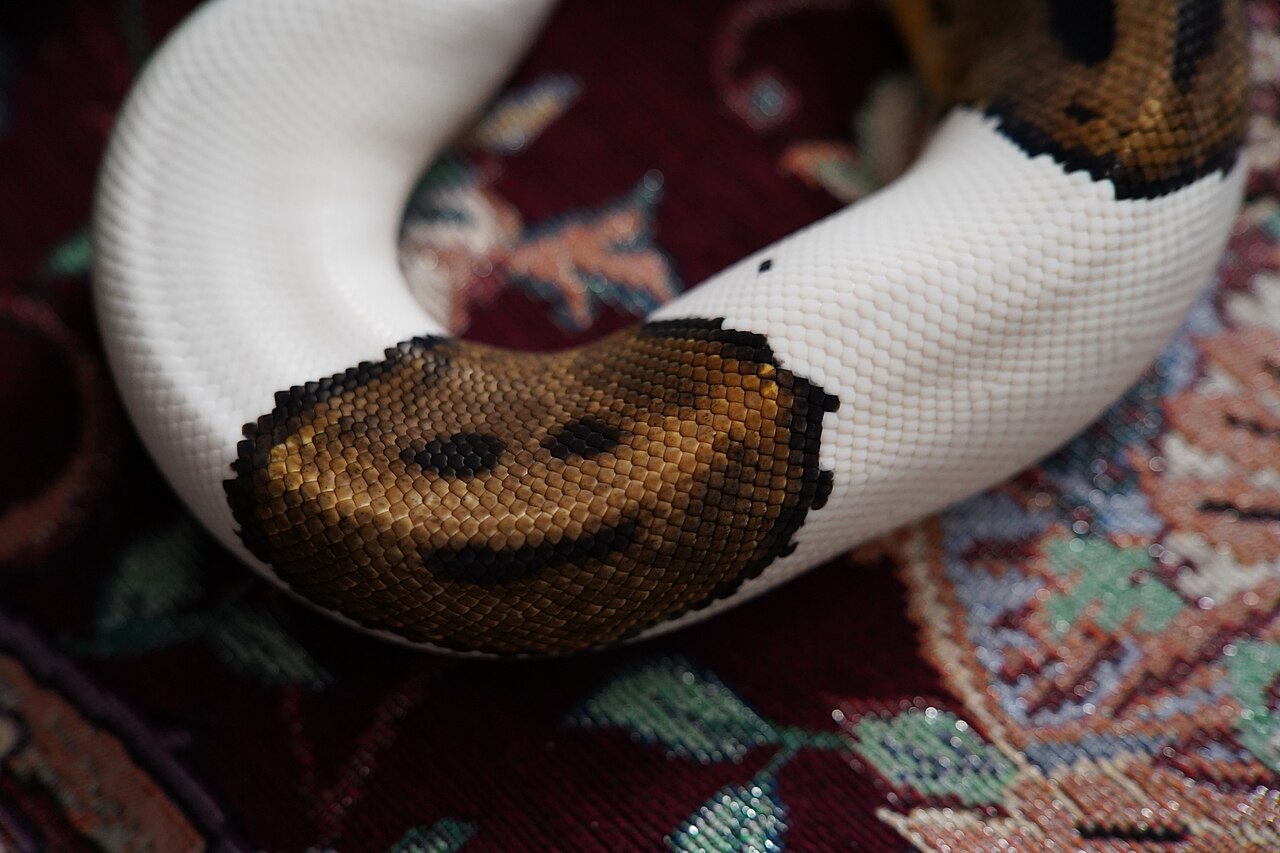
Piebald
Captive-bred morph (wild species native to West & Central Africa)
Docile, shy, calm
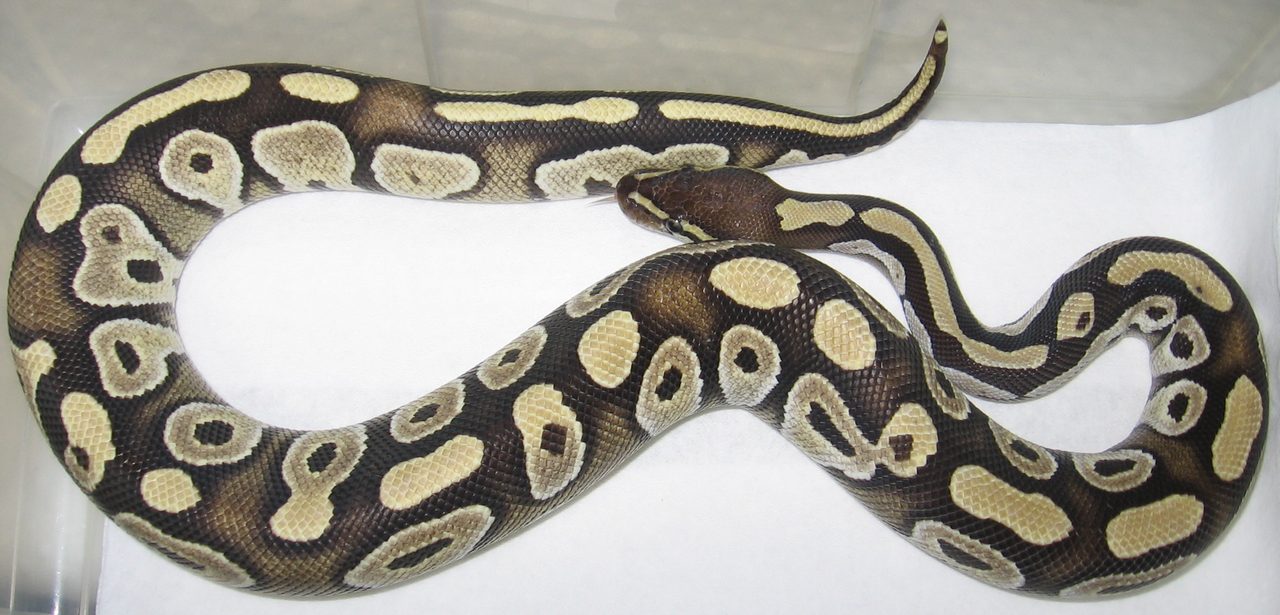
Mojave
Captive-bred morph (wild species native to West & Central Africa)
Docile, shy, calm
What WARN Does
WARN publishes free reptile-welfare education. The ball python is both the world's most popular pet snake and one of the most heavily traded reptiles, so honest guidance — choose captive-bred animals, avoid welfare-linked morphs, never release pets — matters for both individual animals and wild African populations.
If this guide helps you understand wildlife and the pressures it faces, a gift to WARN supports habitat protection and free public education in our partner countries.
Ball Python: Frequently Asked Questions
Why is it called a ball python?
Are ball python morphs different species?
Are ball pythons good for beginners?
What is the Spider morph 'wobble'?
What do ball pythons eat?
Where do ball pythons live?
How long do ball pythons live?
How big is a ball python?
Are ball pythons dangerous?
Sources & References
Population figures, conservation status and biological facts on this page are drawn from authoritative scientific and intergovernmental sources.
Terms used on this page
Plain-English definitions, from our wildlife and conservation glossary.
Explore more animals
Discover more animals, their habitats and their conservation status in the WARN wildlife-guide library.