Ball Python Morph · Captive-bred morph (wild species native to West & Central Africa)
Normal (Wild Type)
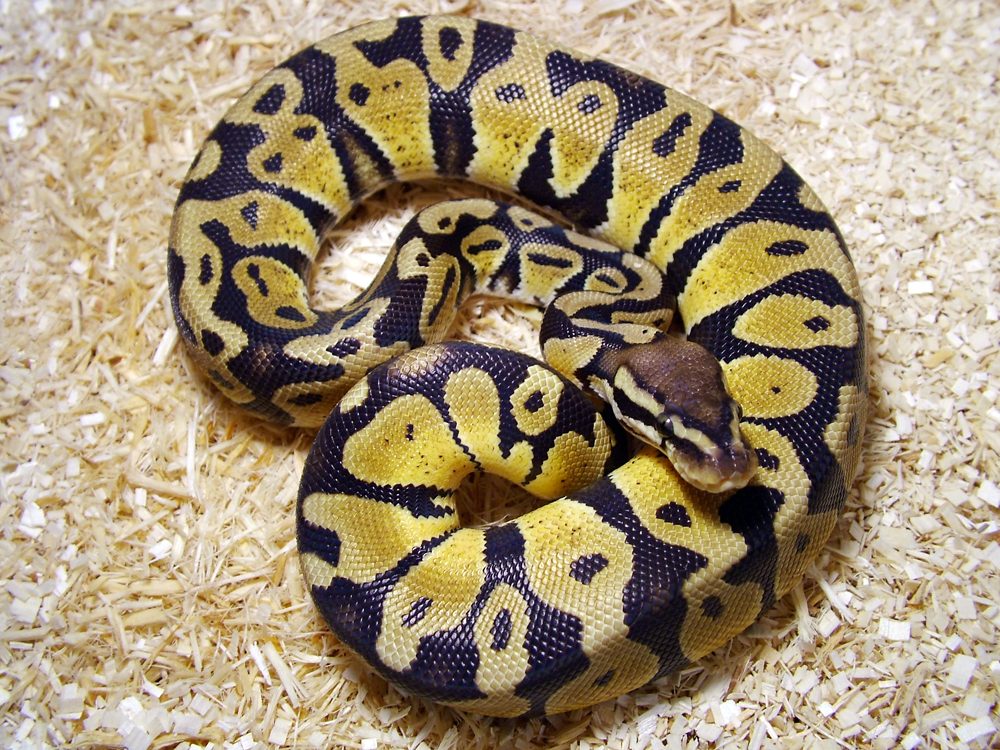
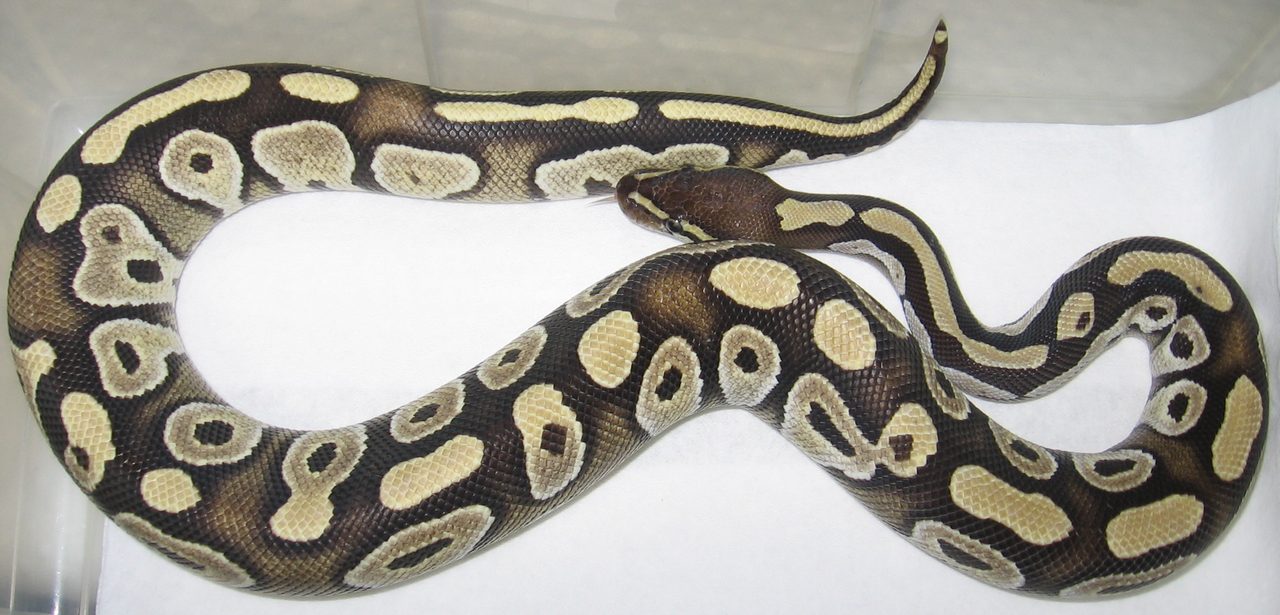
The natural form — brown and black with gold-tan blotches; curls into a 'ball'.
By WARN Research & Conservation TeamLast updated
In brief
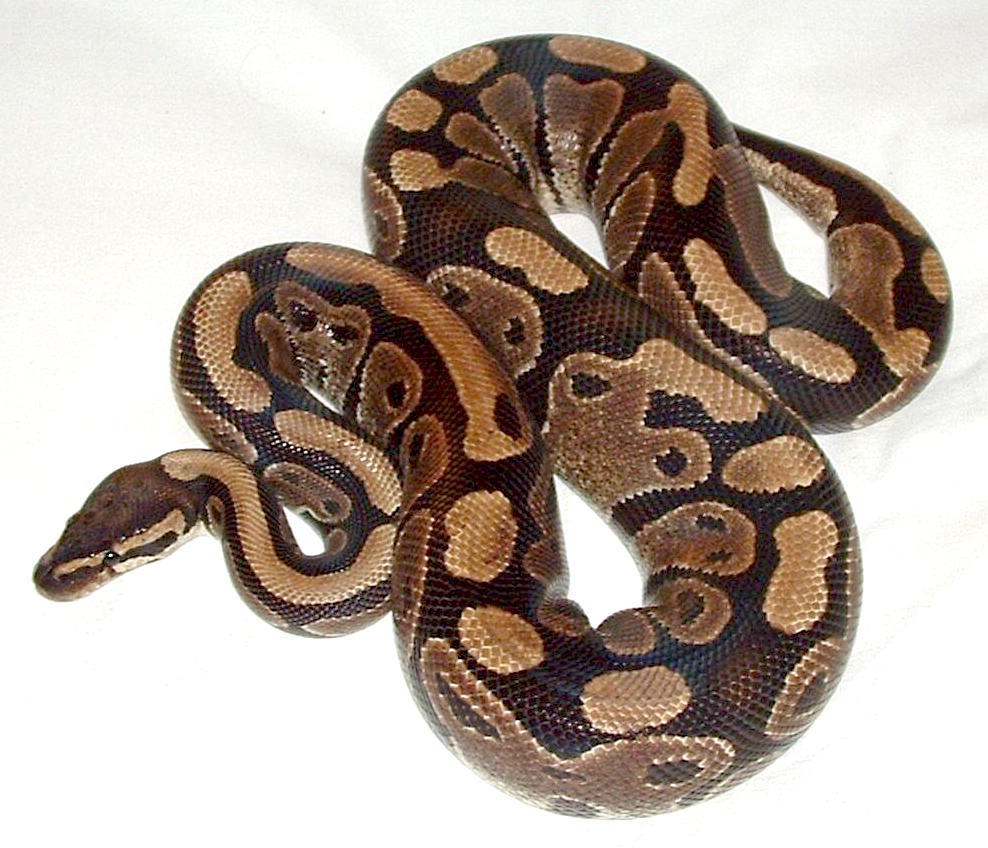
The Normal or wild-type ball python is the natural form of Python regius: a stocky African snake patterned in dark brown and black with gold-to-tan blotches. It is named for its habit of curling into a tight ball when stressed, and is the baseline for every morph.
What are the key facts about a Normal (Wild Type)?
The Normal (Wild Type) is a ball python morph from Captive-bred morph (wild species native to West & Central Africa): medium (90–150 cm; females larger than males), docile, shy, slow-moving. The natural form — brown and black with gold-tan blotches; curls into a 'ball'.
| Origin | Captive-bred morph (wild species native to West & Central Africa) |
|---|---|
| Size | Medium (90–150 cm; females larger than males) |
| Size & weight | Females 1.3–2.2 kg; males 0.9–1.6 kg |
| Lifespan | 20–30 years (sometimes 40+) in captivity |
| Colour & pattern | Brown-black body with gold/tan blotches and a pale belly |
| Temperament | Docile, shy, slow-moving |
| Best suited to | Calm, prepared keepers who can provide correct heat, humidity and frozen-thawed feeding |
Is a Normal (Wild Type) a good pet?
A Normal (Wild Type) is only a good pet if you will keep heat, humidity and diet correct for years. This Captive-bred morph (wild species native to West & Central Africa) type is medium (90–150 cm; females larger than males), docile, shy, slow-moving, and typically lives 20–30 years (sometimes 40+) in captivity.
Reptiles do not “ask” for attention the way a dog does, which is why they are impulse-bought and then neglected. A Normal (Wild Type) still needs a thermal gradient, hiding places, and a vet who actually sees reptiles. The ball python (Python regius) is native to the grasslands and forest edges of West and Central Africa, where it shelters in rodent burrows and termite mounds.
Skip wild-caught animals. Captive-bred, documented, and a setup that is ready before the animal arrives — or do not get one.
What is a Normal (Wild Type)?
The natural form — brown and black with gold-tan blotches; curls into a 'ball'. Origin is Captive-bred morph (wild species native to West & Central Africa); coat or markings are described as Brown-black body with gold/tan blotches and a pale belly.
Kennel and registry labels describe a type. Individual Normal (Wild Type)s still vary, and rescue animals may be mixes.
Where does the Normal (Wild Type) come from?
Normal (Wild Type)s come from Captive-bred morph (wild species native to West & Central Africa). The ball python (Python regius) is native to the grasslands and forest edges of West and Central Africa, where it shelters in rodent burrows and termite mounds.
Kept by enthusiasts since the 1970s, it became the world's most popular pet snake once breeders began isolating its naturally occurring colour and pattern mutations in the 1990s; thousands of 'morphs' are now line-bred worldwide. Its docile temperament and habit of curling into a tight ball when threatened — the source of its name — make it a mainstay of responsible reptile keeping.
How do you care for a Normal (Wild Type)?
Normal (Wild Type) care is heat, humidity, hiding places and prey size — for 20–30 years (sometimes 40+) in captivity. This Captive-bred morph (wild species native to West & Central Africa) animal is medium (90–150 cm; females larger than males) (Females 1.3–2.2 kg; males 0.9–1.6 kg) and docile, shy, slow-moving.
Set up the enclosure before you buy the animal. A Normal (Wild Type) cannot “make do” with a heat mat and a water bowl. Wrong temperatures cause respiratory disease, stuck shed and refusal to feed.
Handle little, weigh often, and find a reptile vet in advance. Coat or pattern (Brown-black body with gold/tan blotches and a pale belly) is not a care substitute.
What surprises people about the Normal (Wild Type)?
A few details about the breed, alongside the practical care information in this guide.
- Ball pythons curl into a tight ball to protect the head when threatened.
- They are the smallest of the African pythons.
- Wild ball pythons are Least Concern but very heavily collected for the pet trade.
- They are famous for occasionally fasting for weeks, especially in cooler months.
What health issues should you know about in a Normal (Wild Type)?
Health concerns to discuss with your vet, including changes to watch for and everyday care. This is general guidance, not veterinary advice — always speak to your vet.
Respiratory infections
Snakes with wheezing, open-mouth breathing or nasal discharge may have bacterial or fungal respiratory disease, often linked to incorrect humidity or temperature.
Care: Correct enclosure gradients immediately and consult a reptile vet; untreated infections can be fatal.
Mite infestations
Snake mites appear as tiny moving dots under scales and around eyes, causing irritation, anaemia and stress.
Care: Treat enclosure and snake with vet-approved products; quarantine new animals before introduction.
Scale rot
Damp, dirty conditions cause skin and scale infection on a snake's belly, with discoloured, blistered or ulcerated scales that can become serious if untreated.
Care: Keep the enclosure clean and correctly humid (not wet) with proper heat, and have a reptile vet treat blistering or ulcerated scales promptly.
Who should skip a Normal (Wild Type)?
Skip a Normal (Wild Type) if you are homes that cannot match a docile, shy, slow-moving medium (90–150 cm; females larger than males) ball python from Captive-bred morph (wild species native to West & Central Africa). This Captive-bred morph (wild species native to West & Central Africa) ball python is medium (90–150 cm; females larger than males) and docile, shy, slow-moving — the mismatch is usually lifestyle, not a missing accessory.
This page is allowed to say no. Skip if you are homes that cannot match a docile, shy, slow-moving medium (90–150 cm; females larger than males) ball python from Captive-bred morph (wild species native to West & Central Africa).
A different ball python morph on this site may fit. Wanting “a Normal (Wild Type)” after a film or a colour photo is not a reason to ignore the skip list.
What are the hidden catches with a Normal (Wild Type)?
The hidden cost of a Normal (Wild Type) is usually not the purchase price. It is years of care, the health list on this page, and the mismatch between a docile, shy, slow-moving animal and a busy home.
The impulse-buy catch
A Normal (Wild Type) from Captive-bred morph (wild species native to West & Central Africa) is often sold on looks. Coat, colour and size are not a temperament test. Meet the adult animal, ask about health screening, and walk away from pressure sales.
The setup-last catch
Buying the Normal (Wild Type) before the enclosure is how respiratory infections and stuck sheds start. Hardware first, animal second.
The respiratory infections catch
Snakes with wheezing, open-mouth breathing or nasal discharge may have bacterial or fungal respiratory disease, often linked to incorrect humidity or temperature. Correct enclosure gradients immediately and consult a reptile vet; untreated infections can be fatal.
The mite infestations catch
Snake mites appear as tiny moving dots under scales and around eyes, causing irritation, anaemia and stress. Treat enclosure and snake with vet-approved products; quarantine new animals before introduction.
How does a Normal (Wild Type) compare with Pastel and Albino?
A Normal (Wild Type) is not interchangeable with Pastel and Albino. Compare origin, size, lifespan and temperament before you choose — those four lines prevent most regret.
| Ball Python fact | Normal (Wild Type) | Pastel | Albino |
|---|---|---|---|
| Origin | Captive-bred morph (wild species native to West & Central Africa) | Captive-bred morph (wild species native to West & Central Africa) | Captive-bred morph (wild species native to West & Central Africa) |
| Size | Medium (90–150 cm; females larger than males) | Medium (90–150 cm; females larger than males) | Medium (90–150 cm; females larger than males) |
| Lifespan | 20–30 years (sometimes 40+) in captivity | 20–30 years (sometimes 40+) in captivity | 20–30 years (sometimes 40+) in captivity |
| Temperament | Docile, shy, slow-moving | Docile, shy, calm | Docile, shy, light-sensitive |
What is the verdict on the Normal (Wild Type)?
Choose a Normal (Wild Type) only if the care, skip-if and health sections still look like your life after a week of thinking. Otherwise pick a different ball python or wait. Rescue is usually the better first door than a waiting-list puppy or kitten.
If the match is real, budget for 20–30 years (sometimes 40+) in captivity of vet care and do not skip health screening. If it is not, walking away is the kind choice — for you and for the animal.
Help animals in need
World Animal Rescue Network funds partner-led rescue, veterinary care and protection programmes across South Asia, Southeast Asia and South America.