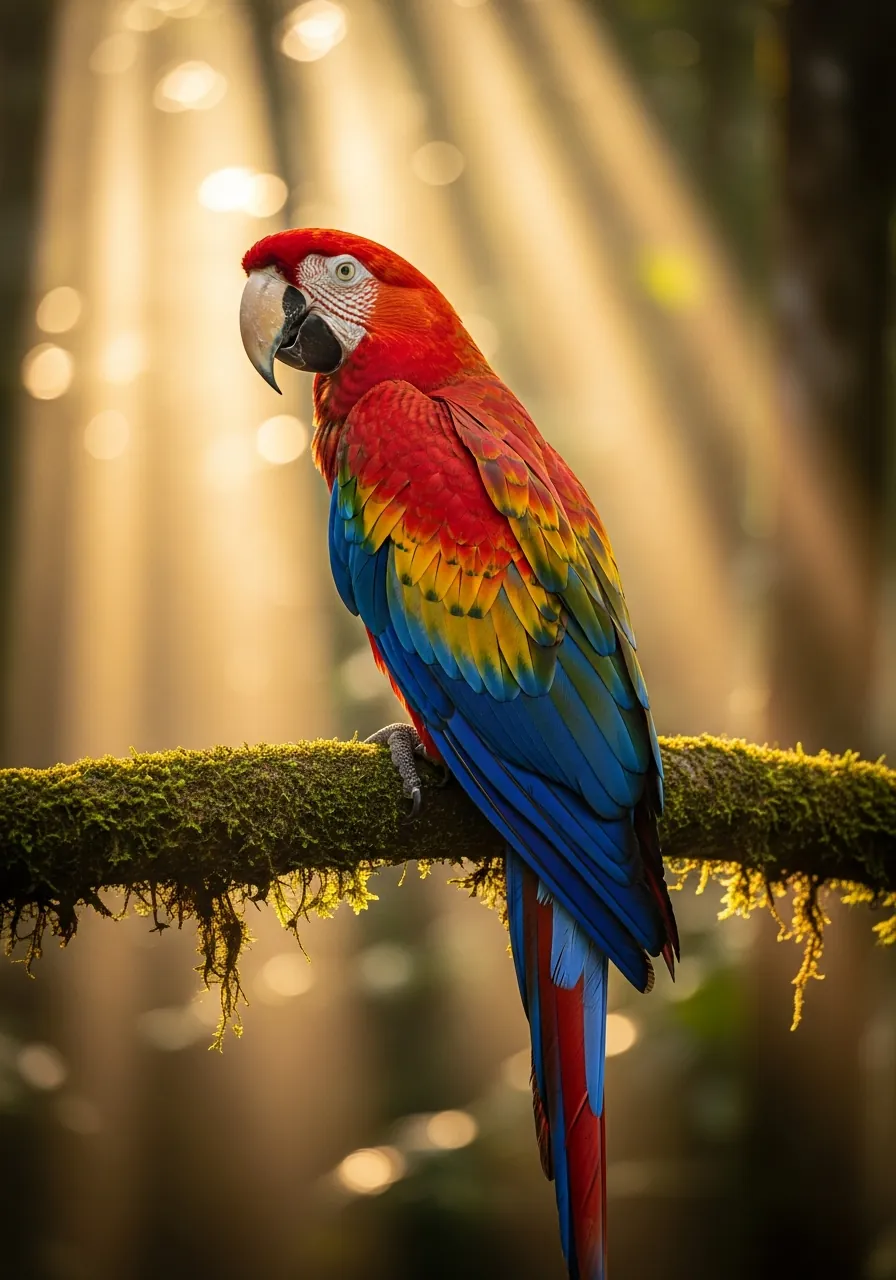
A brightly coloured parrot in tropical forest habitat

Animal Index · A to Z

A–Z Animals

Search every animal in the World Animal Rescue Network's free wildlife guides. Browse by letter, animal group, region or IUCN status, then open a sourced guide with facts, habitats, threats and FAQs.

486 animals A–Z 21 Critically Endangered 579 regions Updated 26 July 2026

In brief

The World Animal Rescue Network publishes free, sourced wildlife guides for 486 animals. This A–Z index links to every one — from the aardvark to the zebra — and each guide covers the species' facts, IUCN conservation status, habitat, behaviour and the threats it faces.

Sourced animal reference library

Each animal guide lists sources and gives a direct answer for quick research, then expands into conservation status, habitat, behaviour, threats and practical rescue context where WARN or its partners are relevant.

Best for

Animal facts, school research, endangered species checks, conservation explainers and internal links to deeper WARN wildlife guides.

Searchable A-Z index

Browse All Animal Guides

Use the filters to narrow the full WARN animal library. Results are paginated for easier browsing, and every card opens a full guide with facts, IUCN context and related questions.

Showing 1-24 of 486 animals

Animal group
A wild aardvark (Orycteropus afer) foraging at dusk among dry scrub in open savanna, its long ears, tubular snout and arched back clearly visible.
Least Concern

Mammals

A

Aardvark

Orycteropus afer (Pallas, 1766)

Africa's solitary digger — one species, an entire order, built for termites.

Sub-Saharan Africa

Open guide
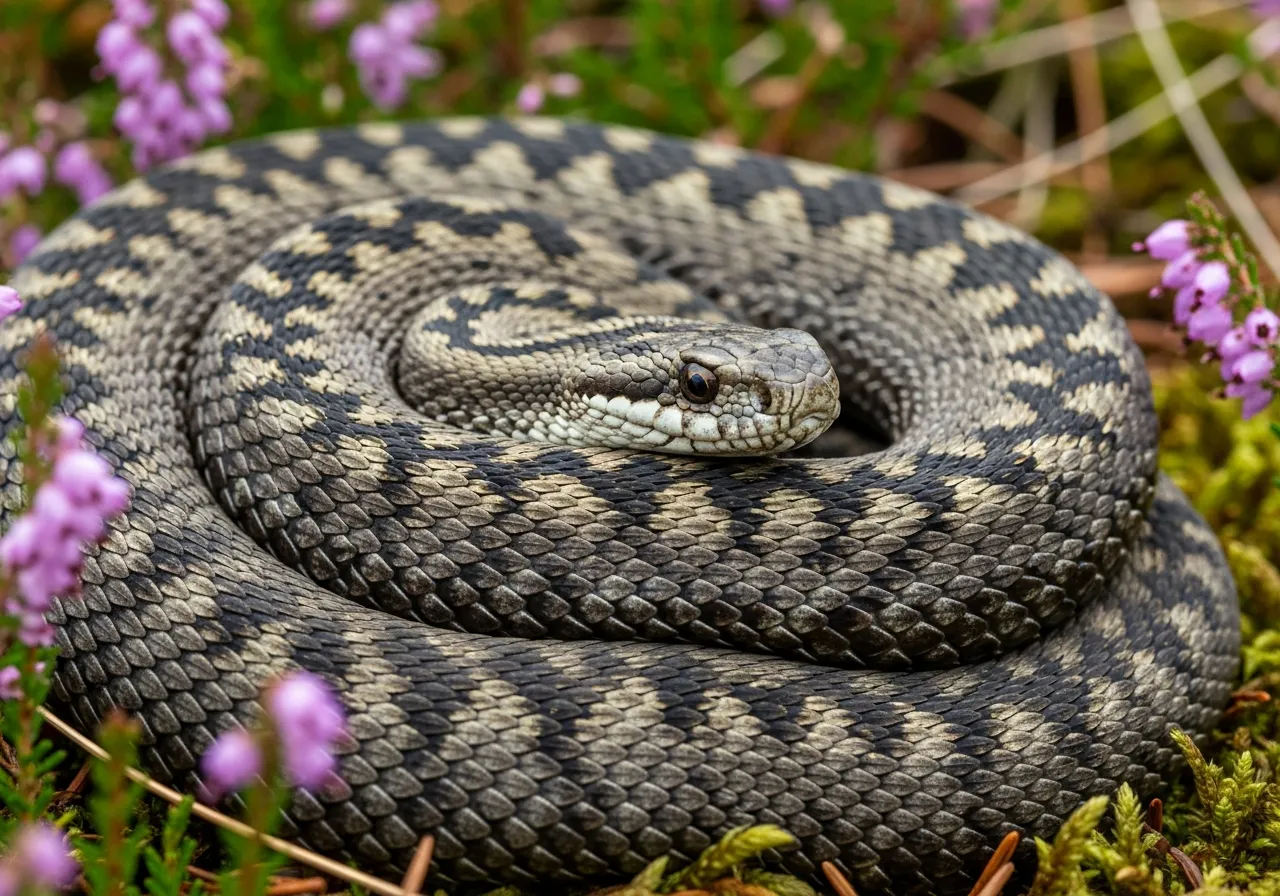
A coiled adder (Vipera berus) basking on heathland, its grey-brown body marked with the species' distinctive dark zigzag stripe running down the back and a V-shaped marking on the head.
Least Concern

Reptiles

A

Adder

Vipera berus

Britain's only venomous snake — a shy, cold-tolerant viper marked by an unmistakable zigzag.

United Kingdom · Scandinavia and northern Europe

Open guide
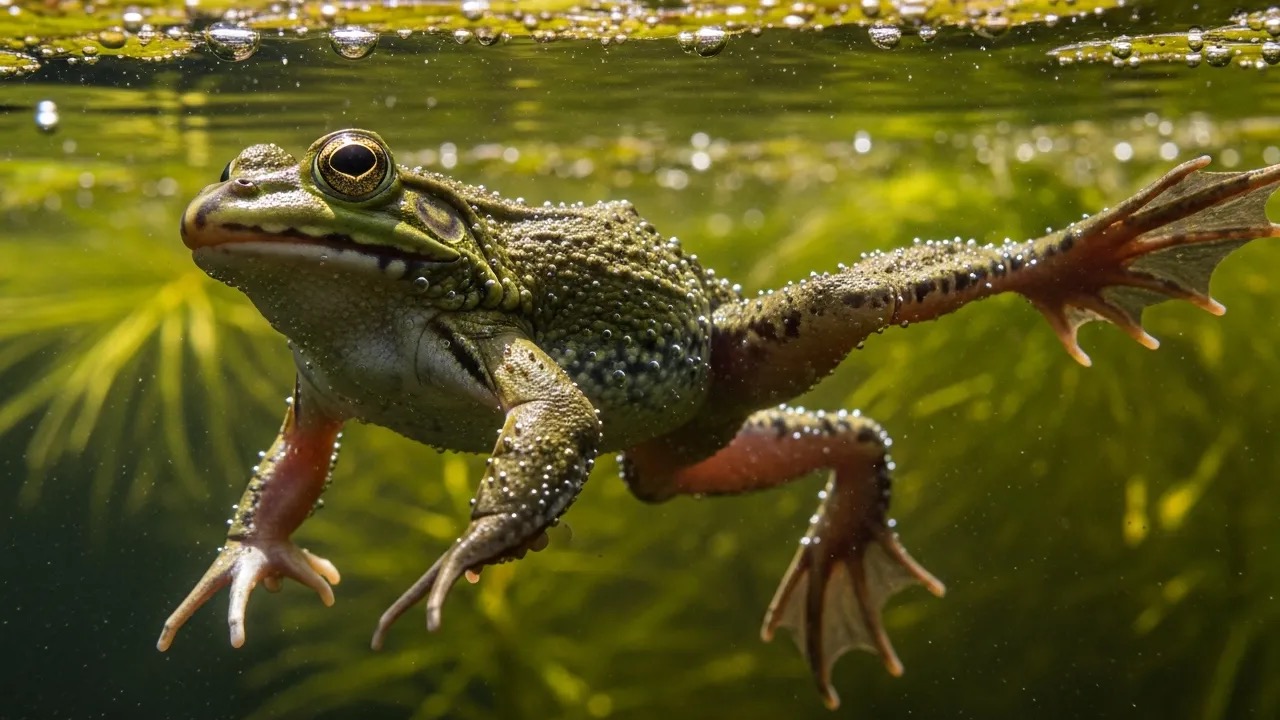
Smooth olive-gray African clawed frog floating in water with limbs splayed out
Least Concern

Amphibians

A

African Clawed Frog

Xenopus laevis

The fully aquatic lab and pet frog

Africa

Open guide
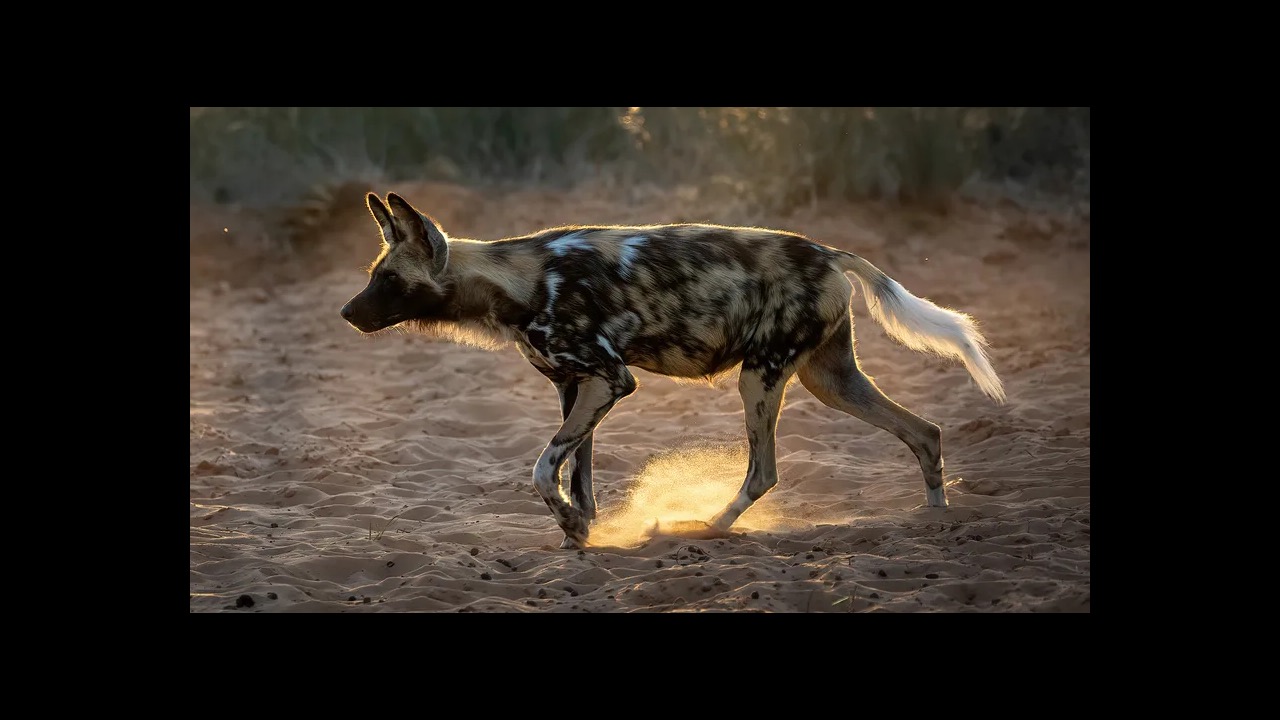
African wild dog with mottled coat in savanna
Endangered

Mammals

A

African Wild Dog

Lycaon pictus

Africa's cooperative pack hunter

Africa

Open guide
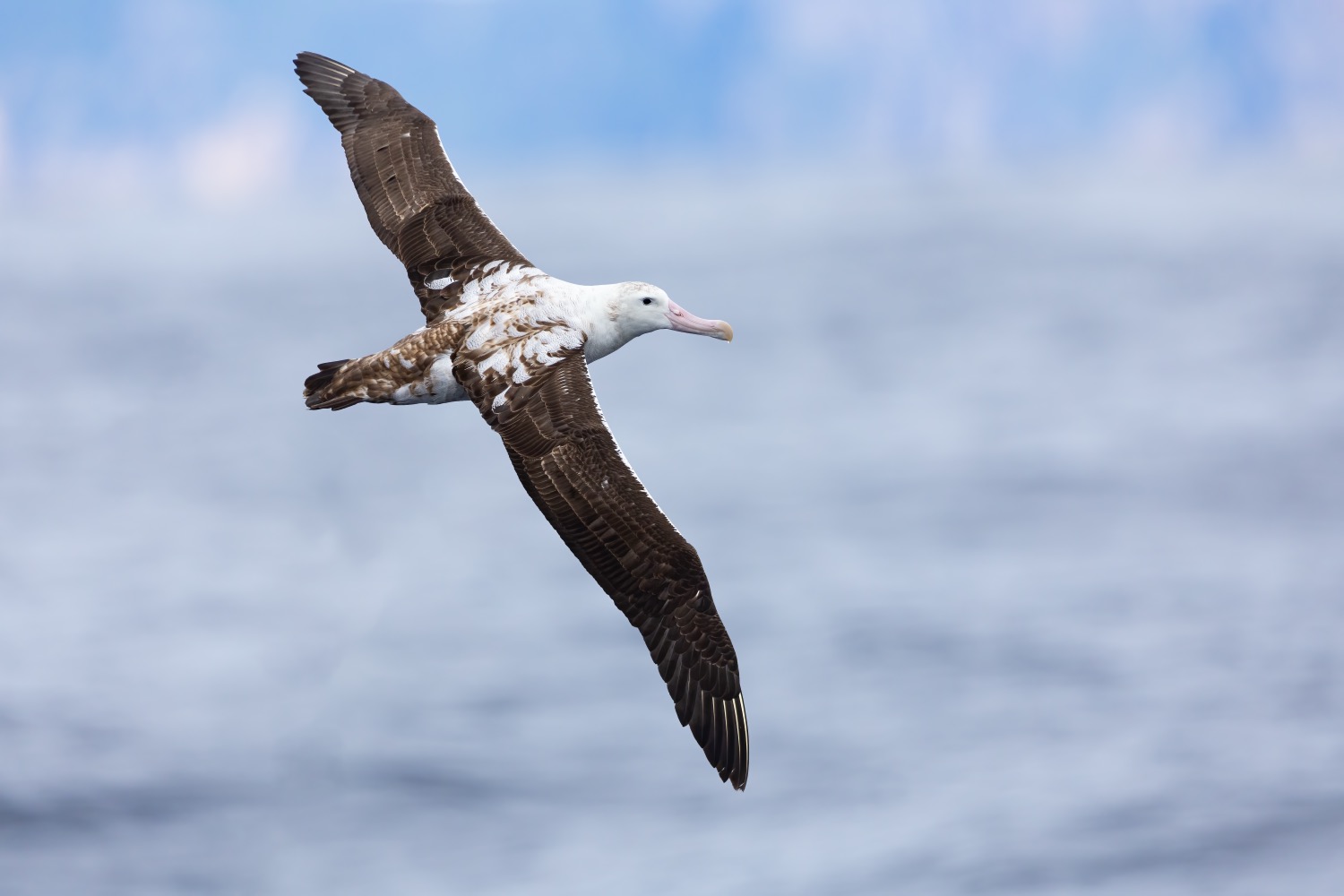
A wandering albatross gliding low over the open ocean on long, narrow outstretched wings, with a pale body, dark wingtips and a large pinkish bill.
Varies; most albatross species are threatened

Birds

A

Albatross

Diomedeidae

The ocean's greatest gliders — and the world's most threatened bird family.

Southern Ocean · North Pacific

Open guide
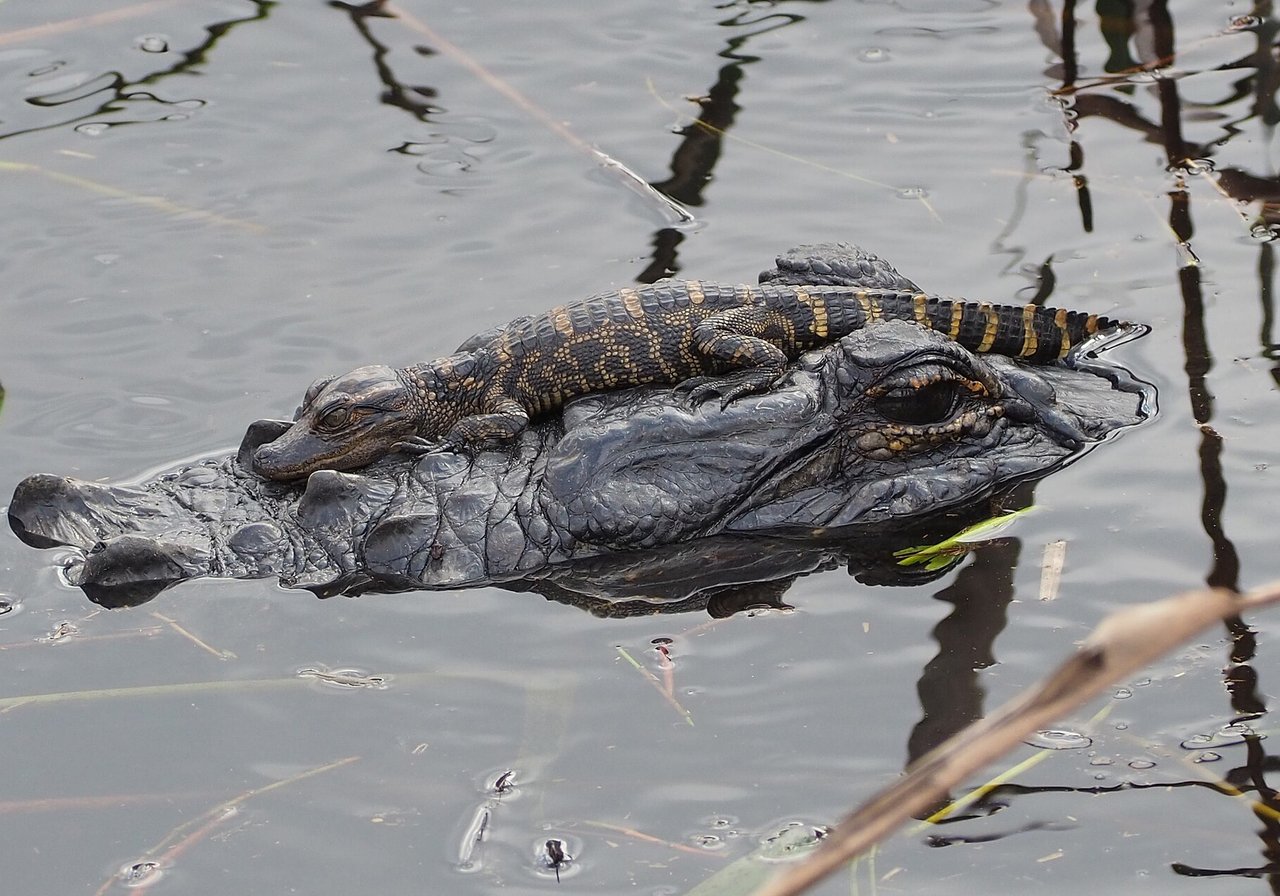
An American alligator resting at the water's edge with its armoured snout and eyes visible above the surface.
Varies by species

Reptiles

A

Alligator

Alligator mississippiensis (Daudin, 1802) and Alligator sinensis (Fauvel, 1879)

Armoured survivors of ancient wetlands — powerful, patient and ecologically vital.

United States · China

Open guide
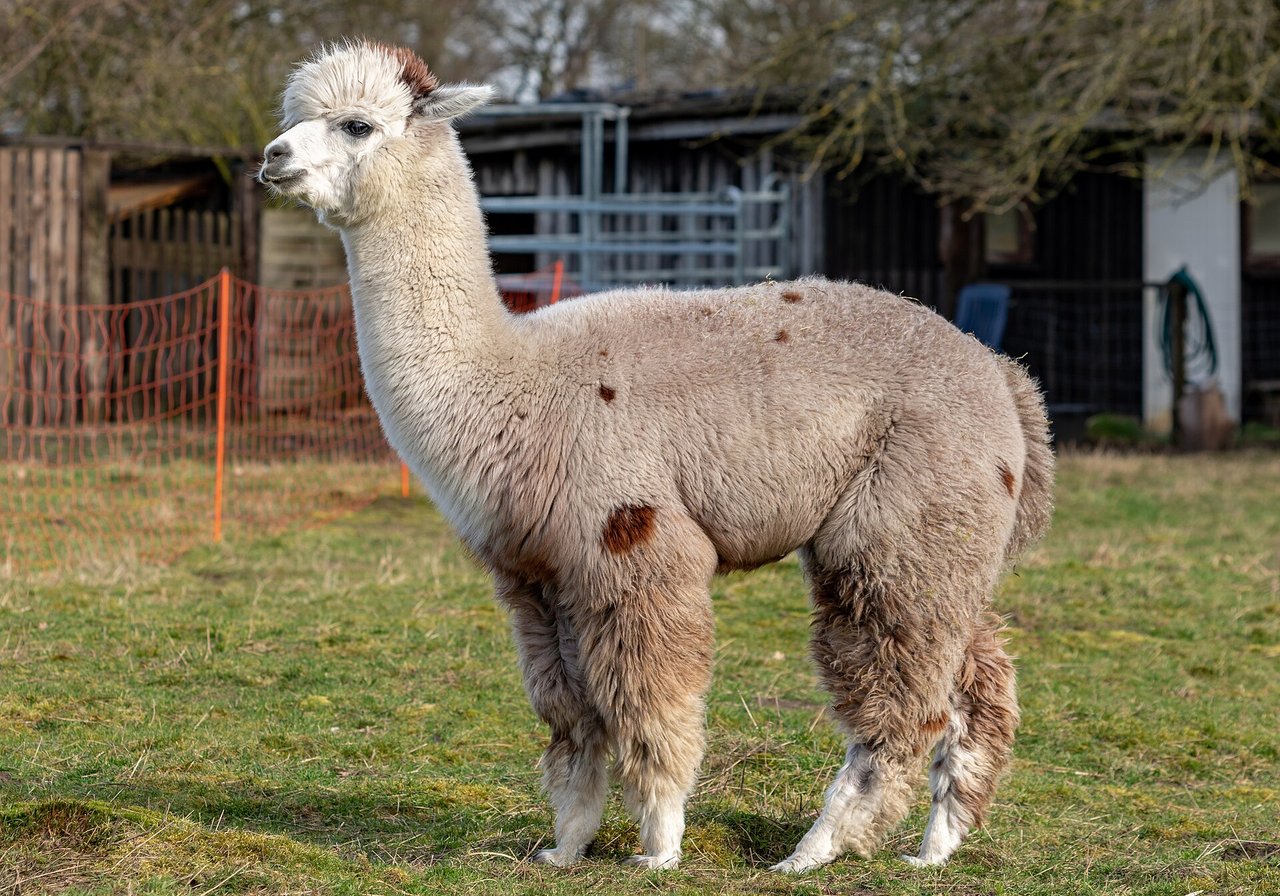
A domestic alpaca with dense fleece and upright ears standing in a high-altitude Andean pasture against a mountain backdrop.
Domesticated

Mammals

A

Alpaca

Vicugna pacos (Linnaeus, 1758)

The Andes' woolly camelid — domesticated for millennia, prized for its fleece.

Peru · Bolivia

Open guide
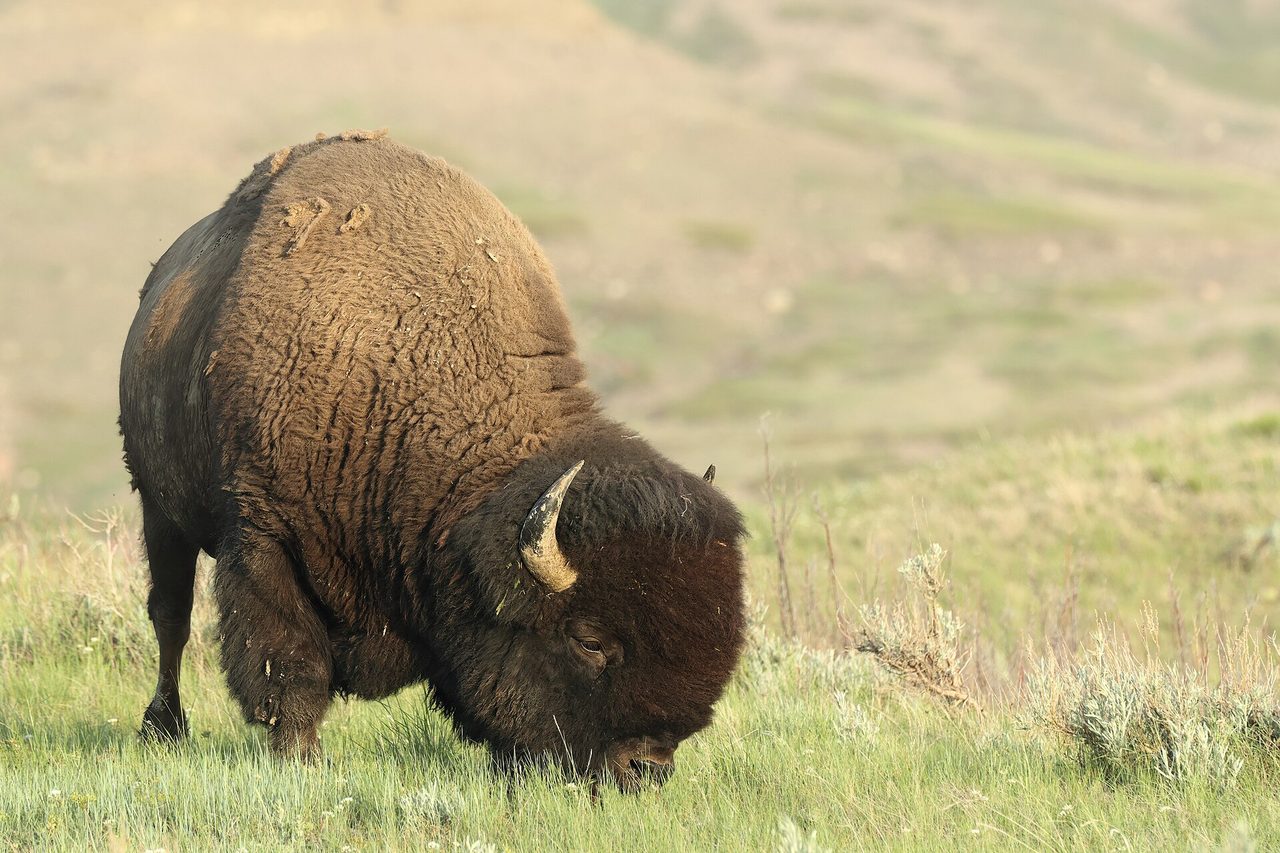
An American bison grazing on open prairie grassland, its massive dark-brown hump and thick woolly coat clearly visible as it lowers its head to feed on green grass and sagebrush
Near Threatened

Mammals

A

American Bison

Bison bison

Once numbering 60 million, the mighty American bison now depends on careful management to survive — a cautionary tale and a conservation triumph.

North America · United States

Open guide
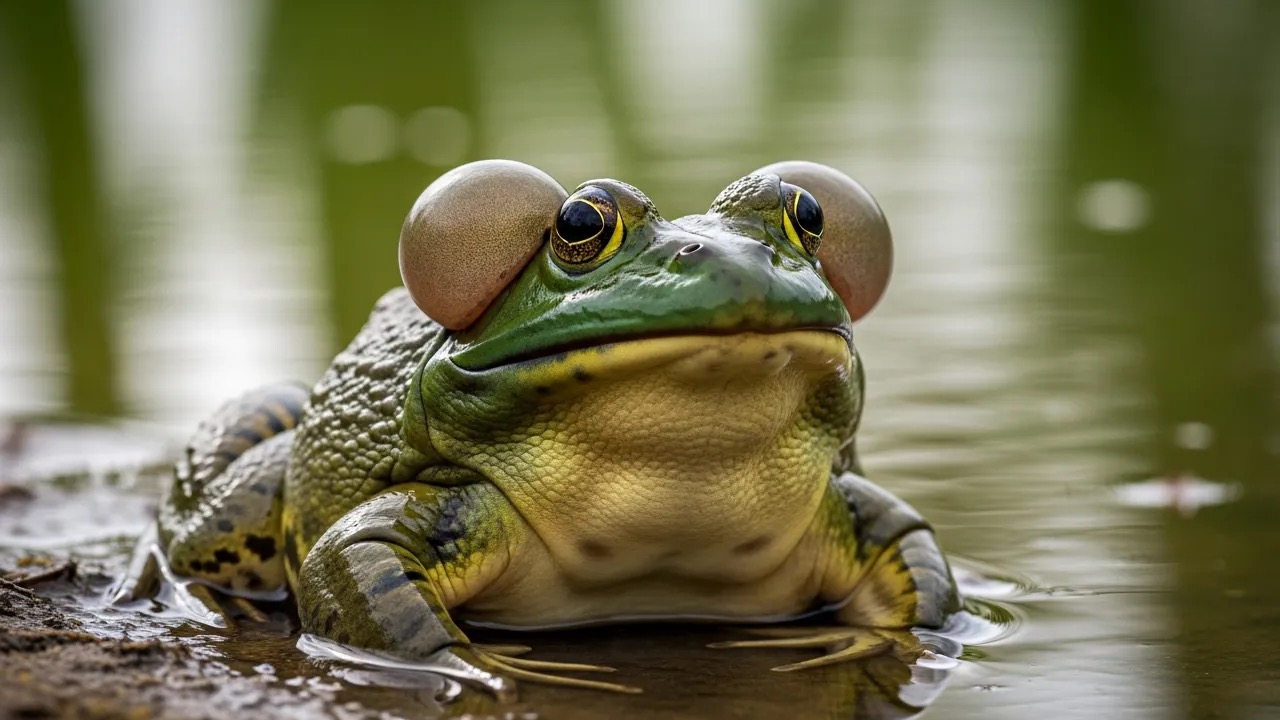
Large green American bullfrog sitting at the edge of a pond among reeds
Least Concern

Amphibians

A

American Bullfrog

Lithobates catesbeianus

North America's largest and loudest frog

North America

Open guide
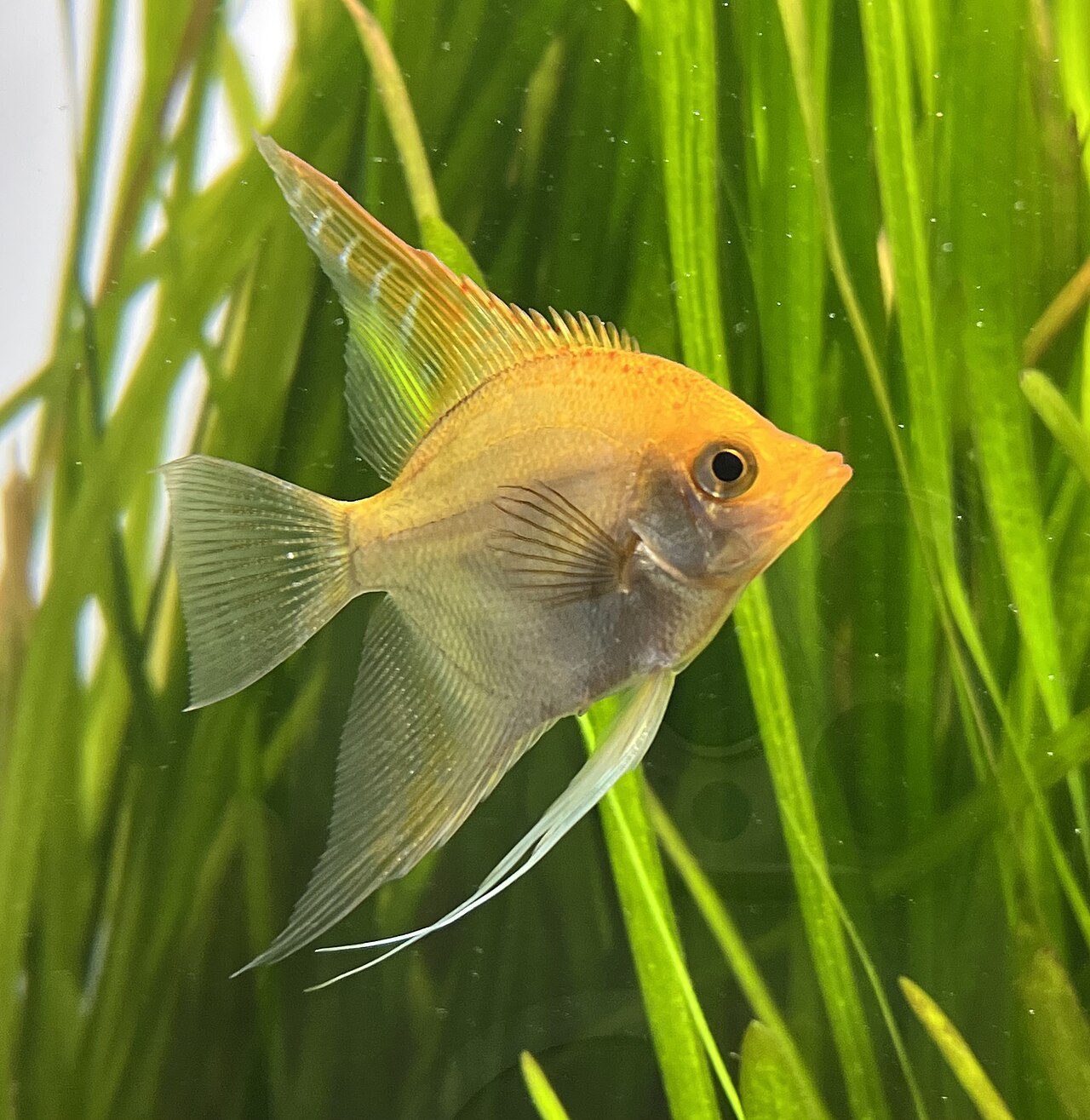
A silver freshwater angelfish with tall fins and dark vertical bars swimming among green aquarium plants.
Domesticated aquarium fish; wild type widespread in the Amazon basin

Fish

A

Angelfish

Pterophyllum scalare (Lichtenstein, 1823) — freshwater angelfish, family Cichlidae

Tall, graceful Amazon cichlids — community-tank icons bred into many colour and fin varieties.

South America — Amazon basin (wild type); aquariums worldwide

Open guide
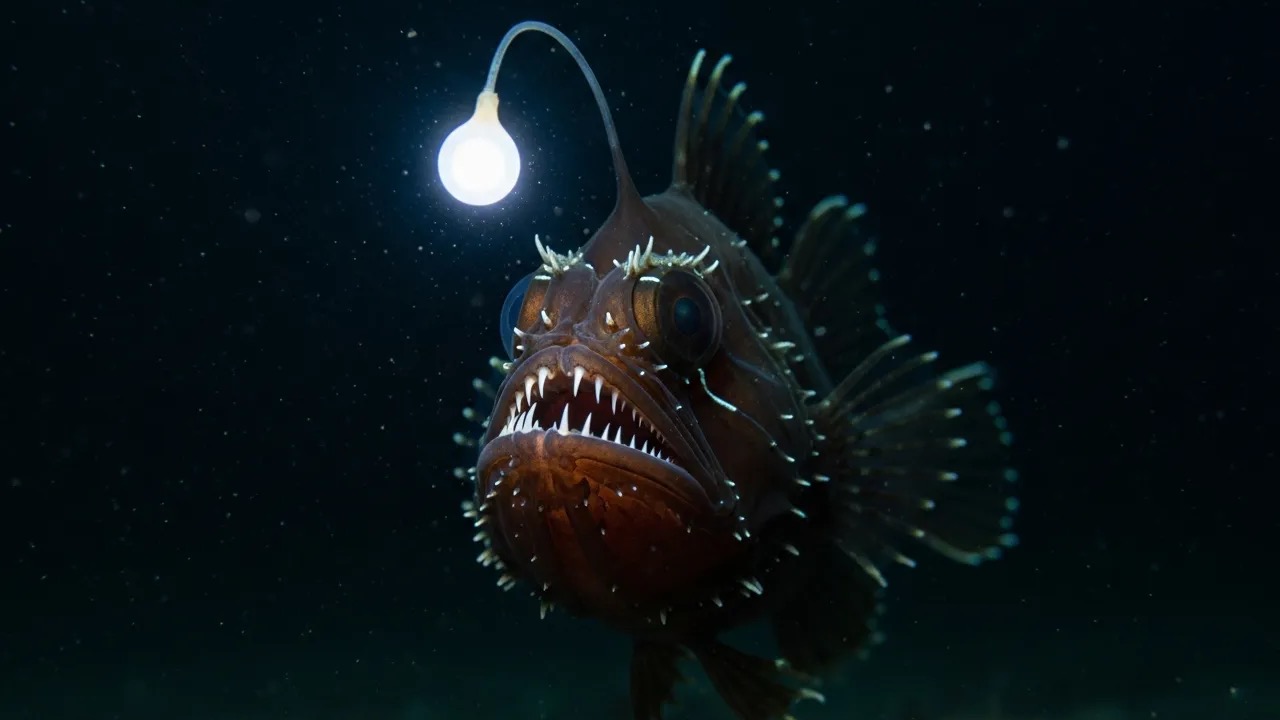
Dark deep-sea anglerfish with a glowing lure and large toothy mouth
Least Concern

Fish

A

Anglerfish

Lophiiformes

The deep-sea hunter with a glowing lure

Oceans

Open guide
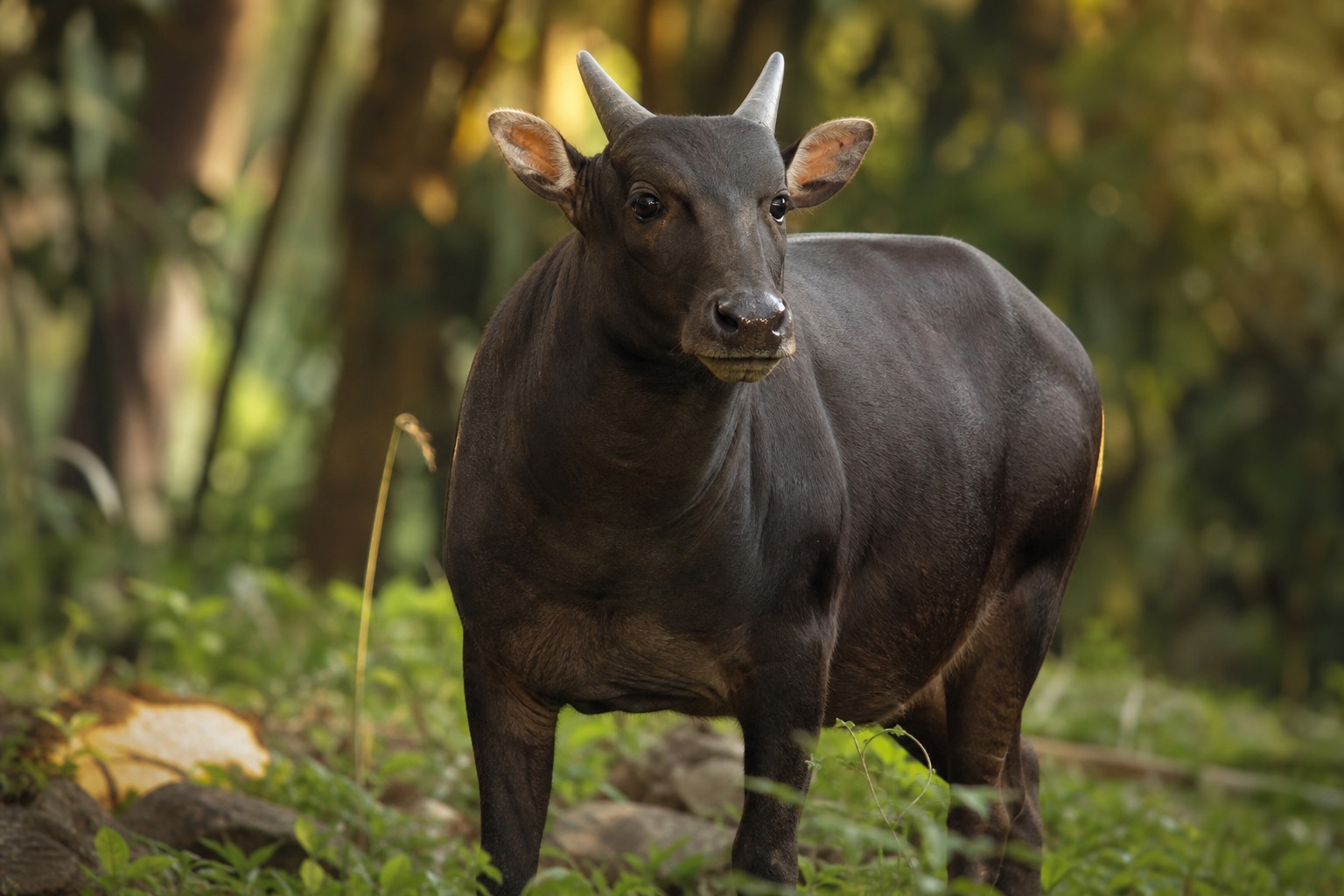
Lowland anoa, a small dark buffalo with short horns, standing in Sulawesi rainforest understorey
Endangered

Mammals

A

Anoa

Bubalus depressicornis and B. quarlesi — dwarf buffalo of Sulawesi

The smallest wild cattle on Earth — endemic to Sulawesi and declining in both forest types.

Sulawesi, Indonesia · Endemic — lowland and mountain forests

Open guide
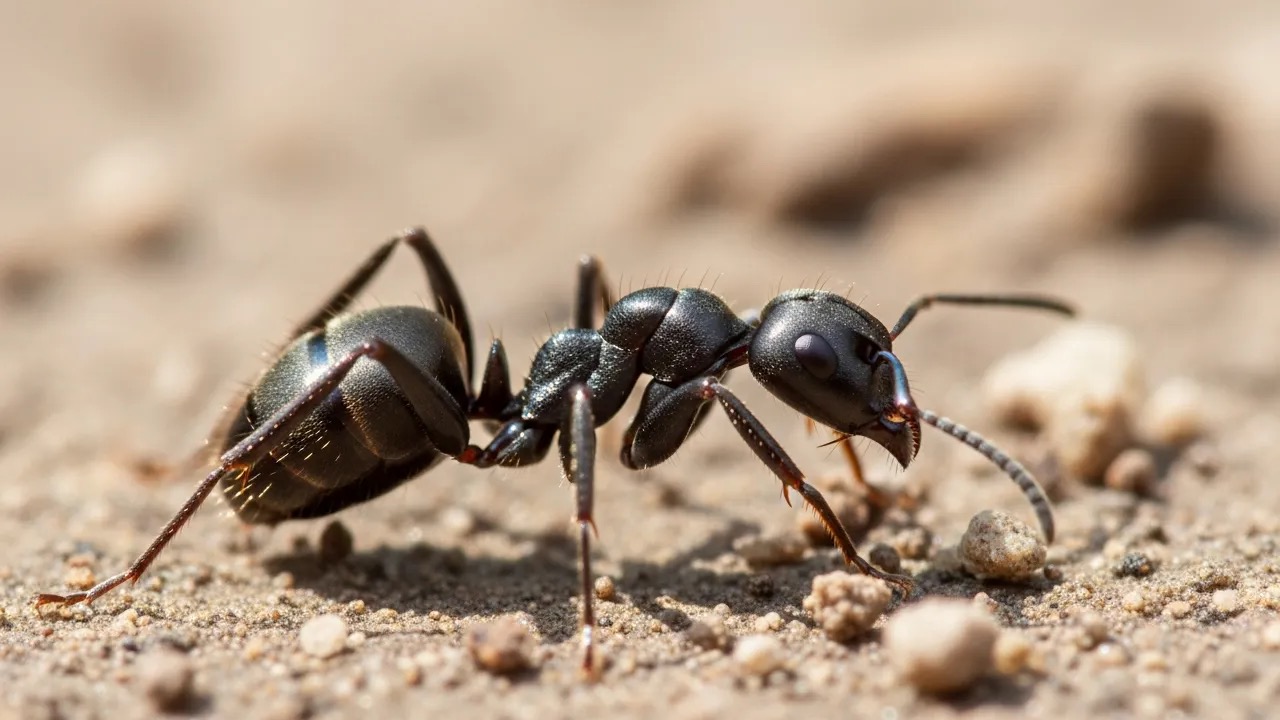
Close-up of a black ant standing on soil
Least Concern

Invertebrates

A

Ant

Formicidae

The tireless team-working insect

Africa · Asia

Open guide
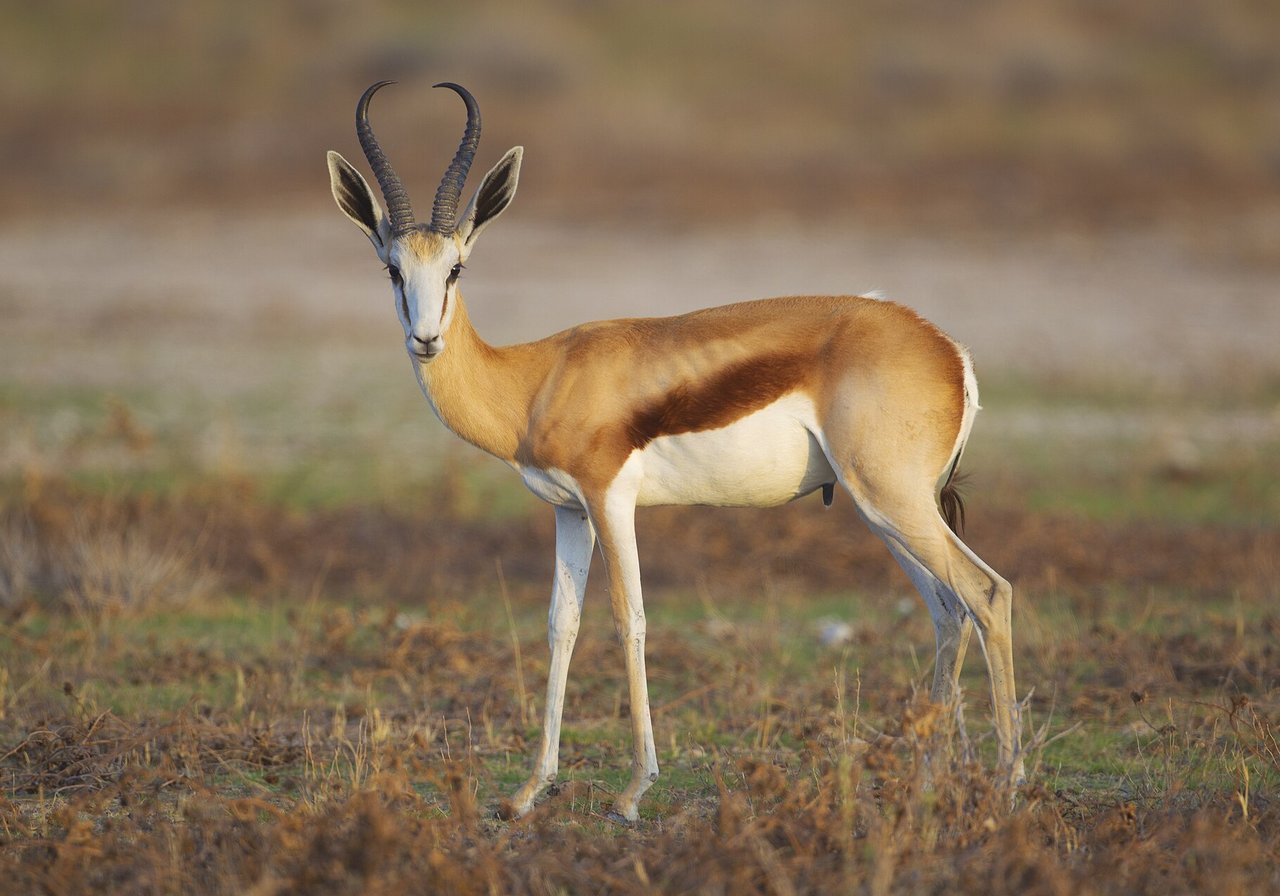
Mixed herd of African antelope species — impala, wildebeest and gazelle — grazing together on golden savanna plains at sunrise.
Varies by species

Mammals

A

Antelope

Family Bovidae, subfamilies Antilopinae, Alcelaphinae, Hippotraginae and others — ~90 species

The hoofed heart of the savanna — ninety species, one extraordinary family.

Africa · Asia

Open guide
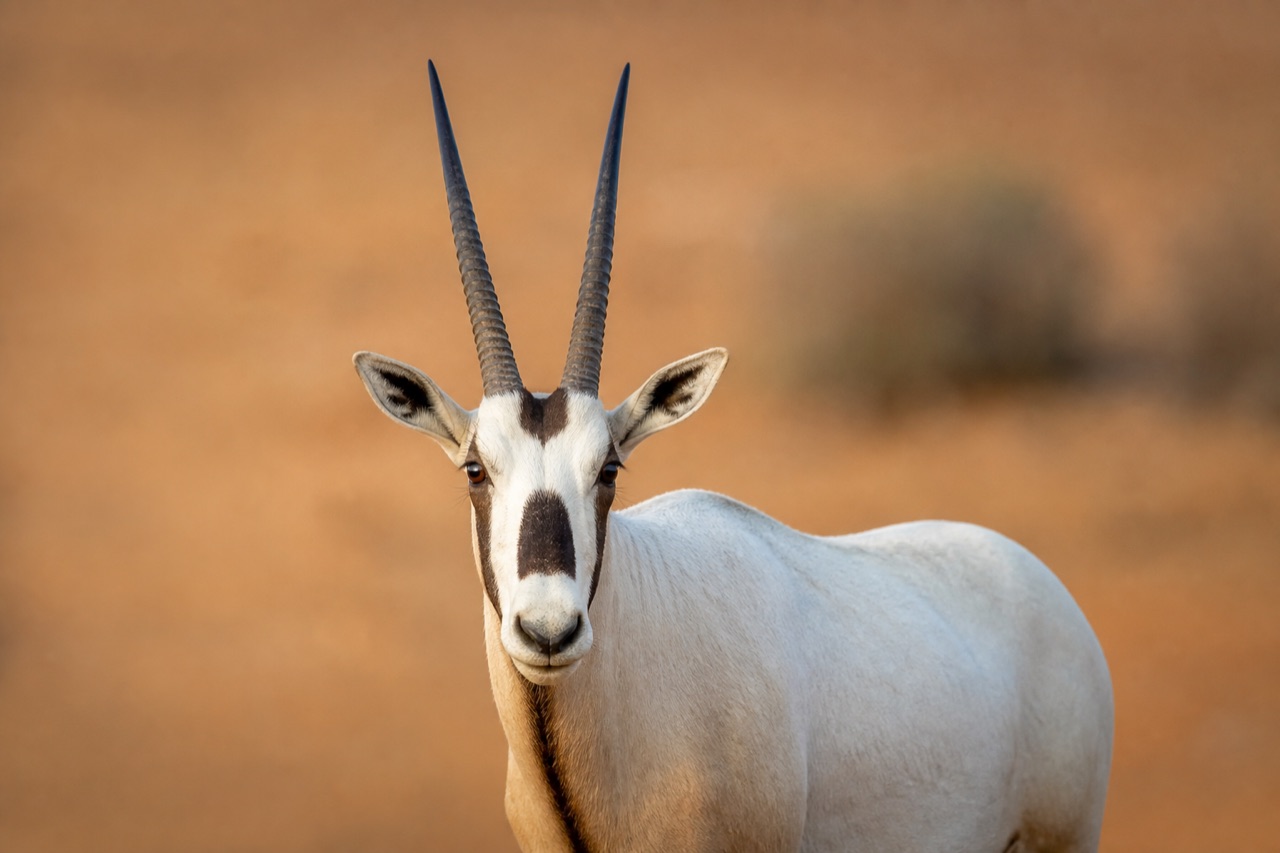
Arabian oryx with long straight white horns and pale coat standing on sandy desert plain under harsh midday sun
Vulnerable

Mammals

A

Arabian Oryx

Oryx leucoryx (Pallas, 1777) — family Bovidae

The antelope that went extinct in the wild and came back — a case study in what captive breeding can achieve.

Arabian Peninsula — desert and gravel plains of Oman, Saudi Arabia, UAE and Jordan

Open guide
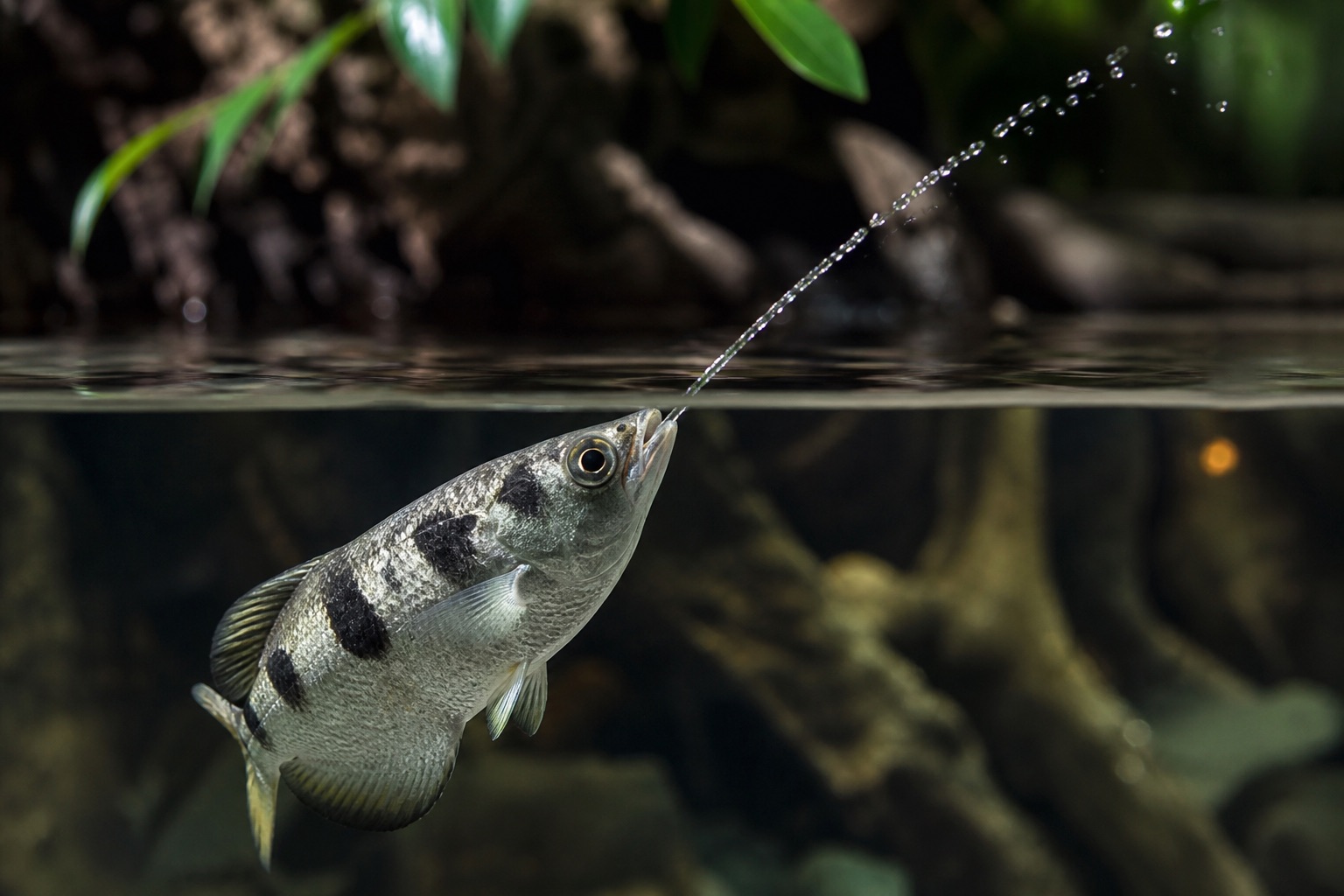
Banded archerfish with silver flank bands swimming just below the surface in a mangrove estuary
Least Concern

Fish

A

Archerfish

Toxotes jaculatrix (Pallas, 1767) — family Toxotidae

A fish that shoots insects off leaves with a jet of water — and corrects for refraction.

Indo-Pacific mangroves and estuaries · From India to northern Australia and Melanesia

Open guide
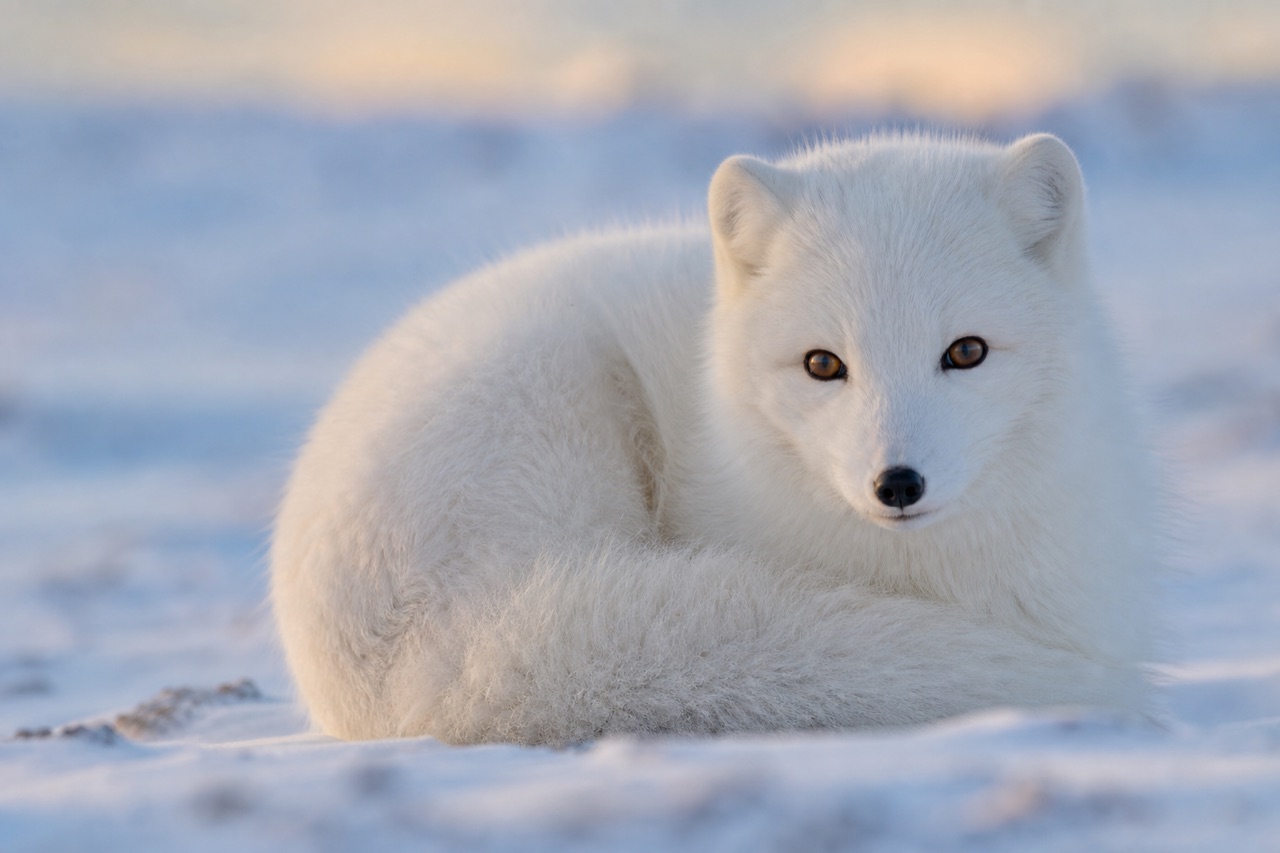
Arctic fox in thick white winter coat on tundra snow
Least Concern globally; the Scandinavian population remains critically small

Mammals

A

Arctic Fox

Vulpes lagopus (Linnaeus, 1758) — family Canidae

The warmest coat of any mammal, a coat that changes colour, and a species being pushed north by its bigger cousin.

Arctic tundra of Eurasia, North America, Greenland, Iceland and Svalbard · Sea ice in winter

Open guide
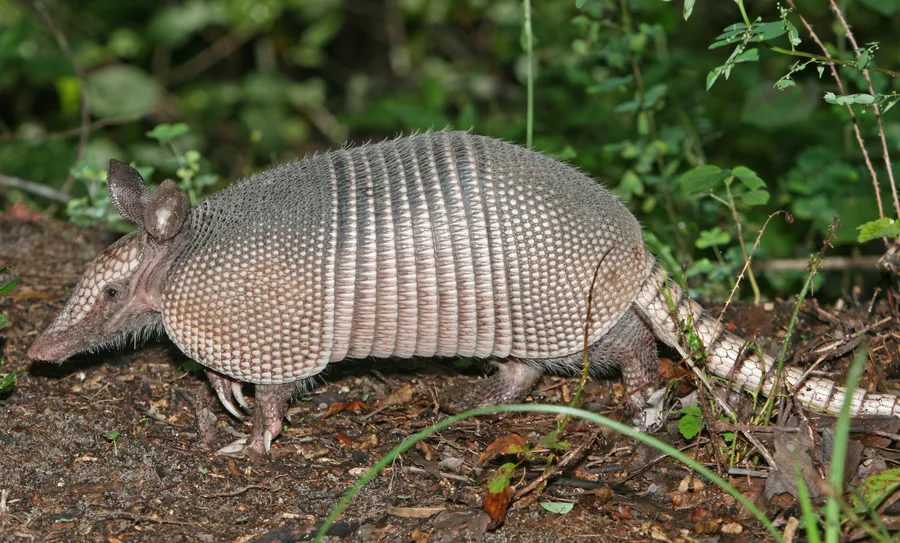
A nine-banded armadillo foraging on leaf-littered ground, showing its leathery banded bony shell, long pointed snout, sturdy digging claws and tapering armoured tail.
Varies; nine-banded armadillo Least Concern

Mammals

A

Armadillo

Dasypus novemcinctus and relatives (order Cingulata)

The Americas' armour-plated insect hunters

Central America · South America

Open guide
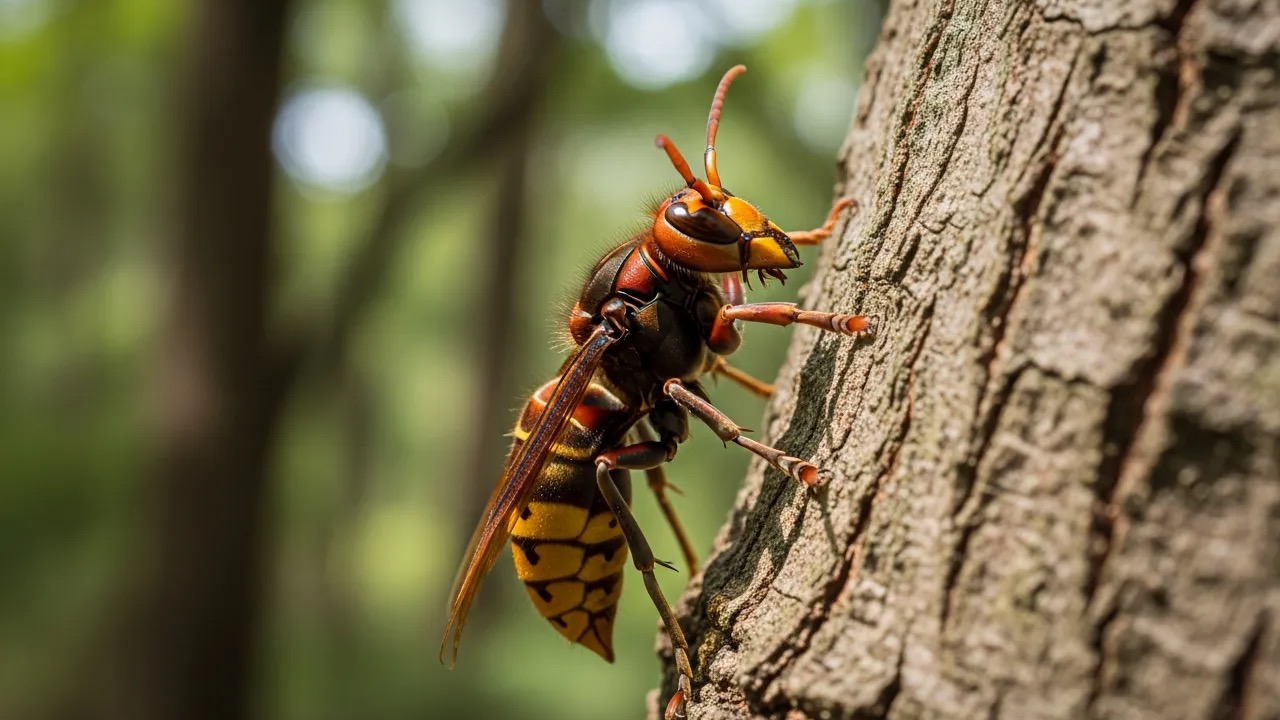
Large Asian giant hornet with orange head and striped body on a wooden surface
Least Concern

Invertebrates

A

Asian Giant Hornet

Vespa mandarinia

The world's largest hornet

Asia

Open guide
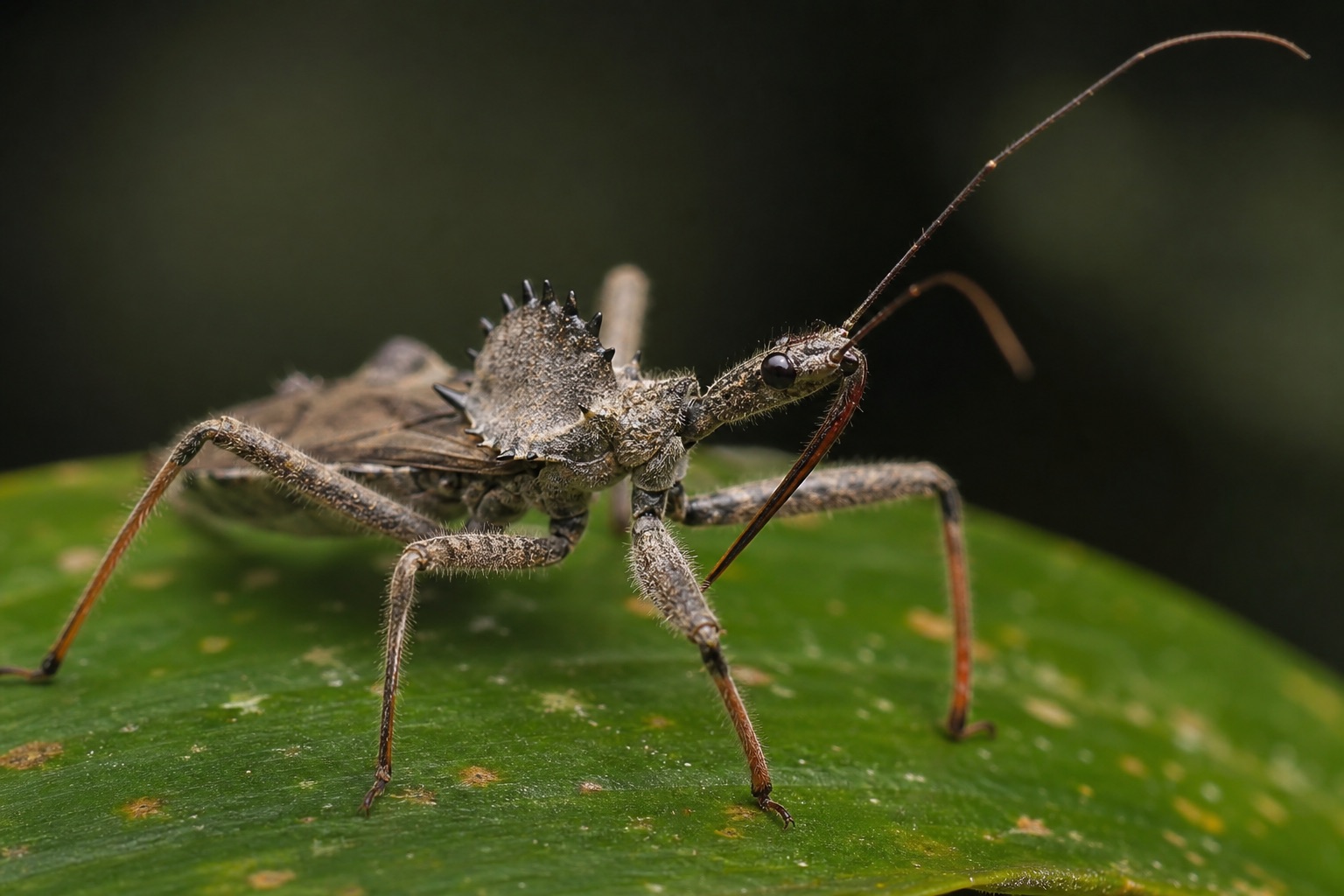
Assassin bug with curved rostrum and slender body on a leaf, forelegs adapted for grasping prey
Not Evaluated as a family

Invertebrates

A

Assassin Bug

Family Reduviidae — over 7,000 described species worldwide

A predatory bug that stabs prey with a needle rostrum — and some species wear their victims as camouflage.

Worldwide in temperate and tropical regions · Gardens, woodland and scrub

Open guide
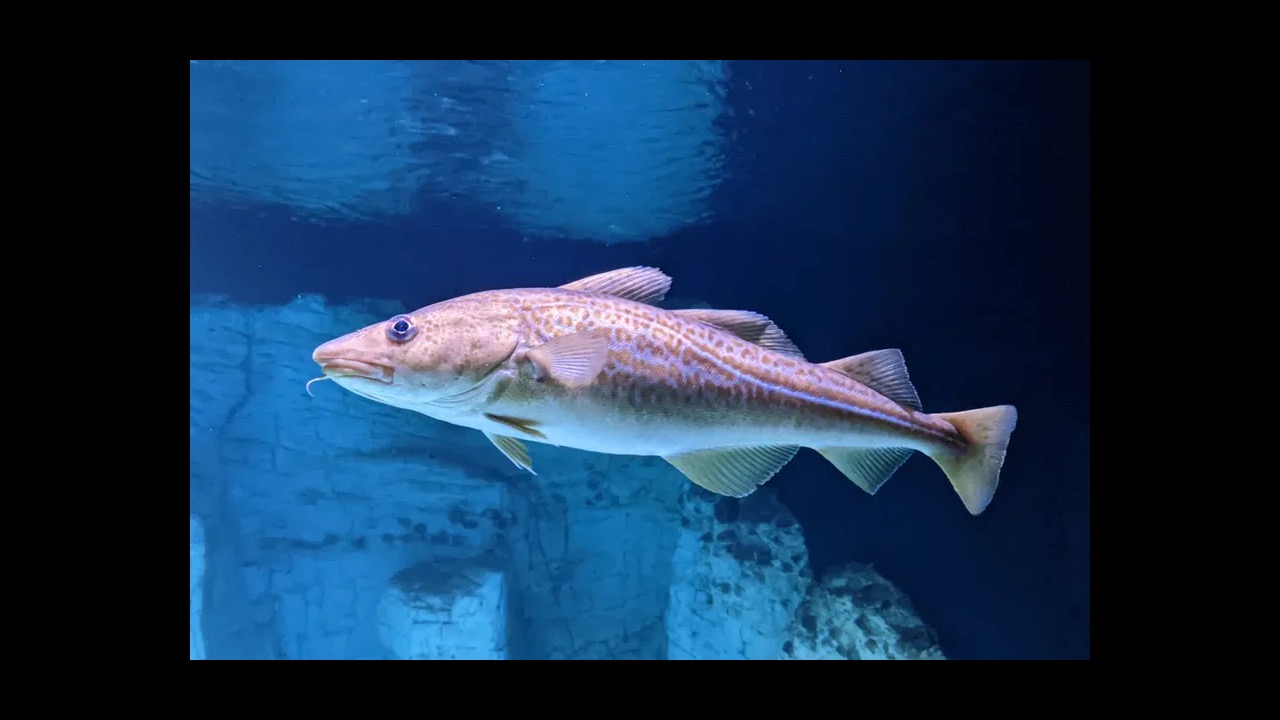
Atlantic cod with barbel on chin over sandy seabed
Vulnerable

Fish

A

Atlantic Cod

Gadus morhua

The fish that built Atlantic nations

Europe · North America

Open guide
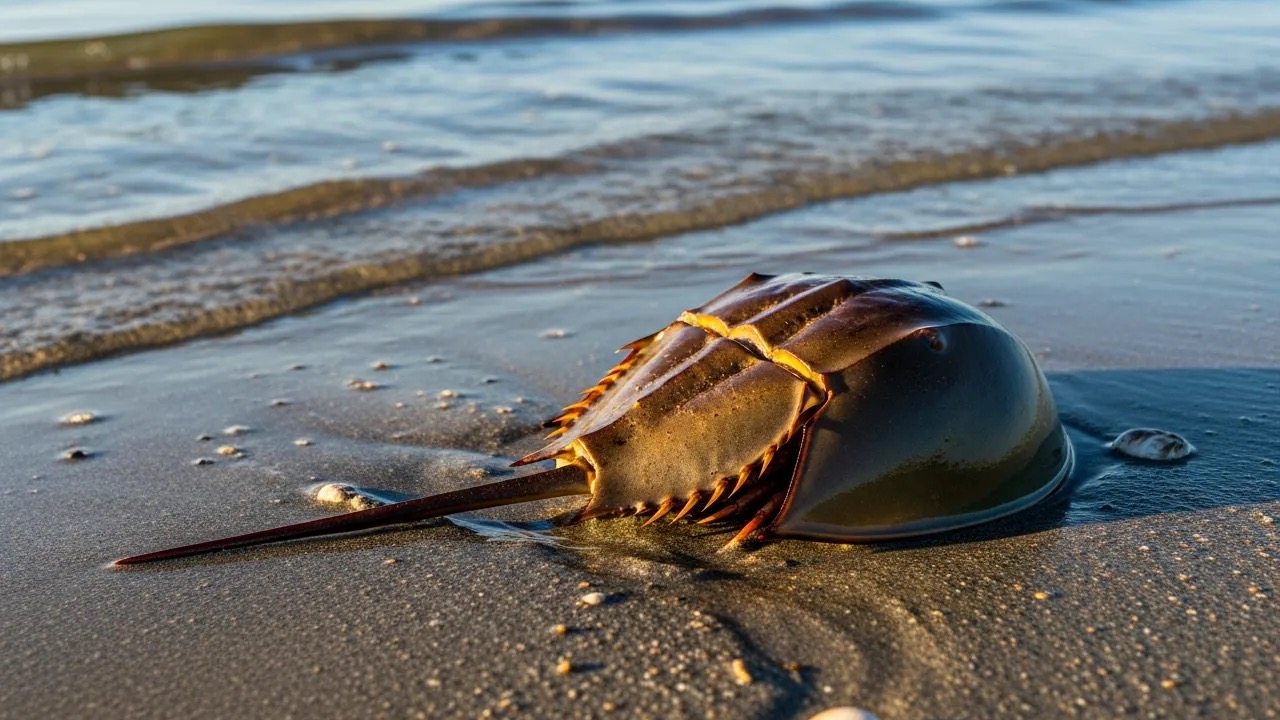
Atlantic horseshoe crab with a domed shell and long pointed tail on a sandy beach
Vulnerable

Invertebrates

A

Atlantic Horseshoe Crab

Limulus polyphemus

The ancient living fossil with blue blood

Oceans · North America

Open guide
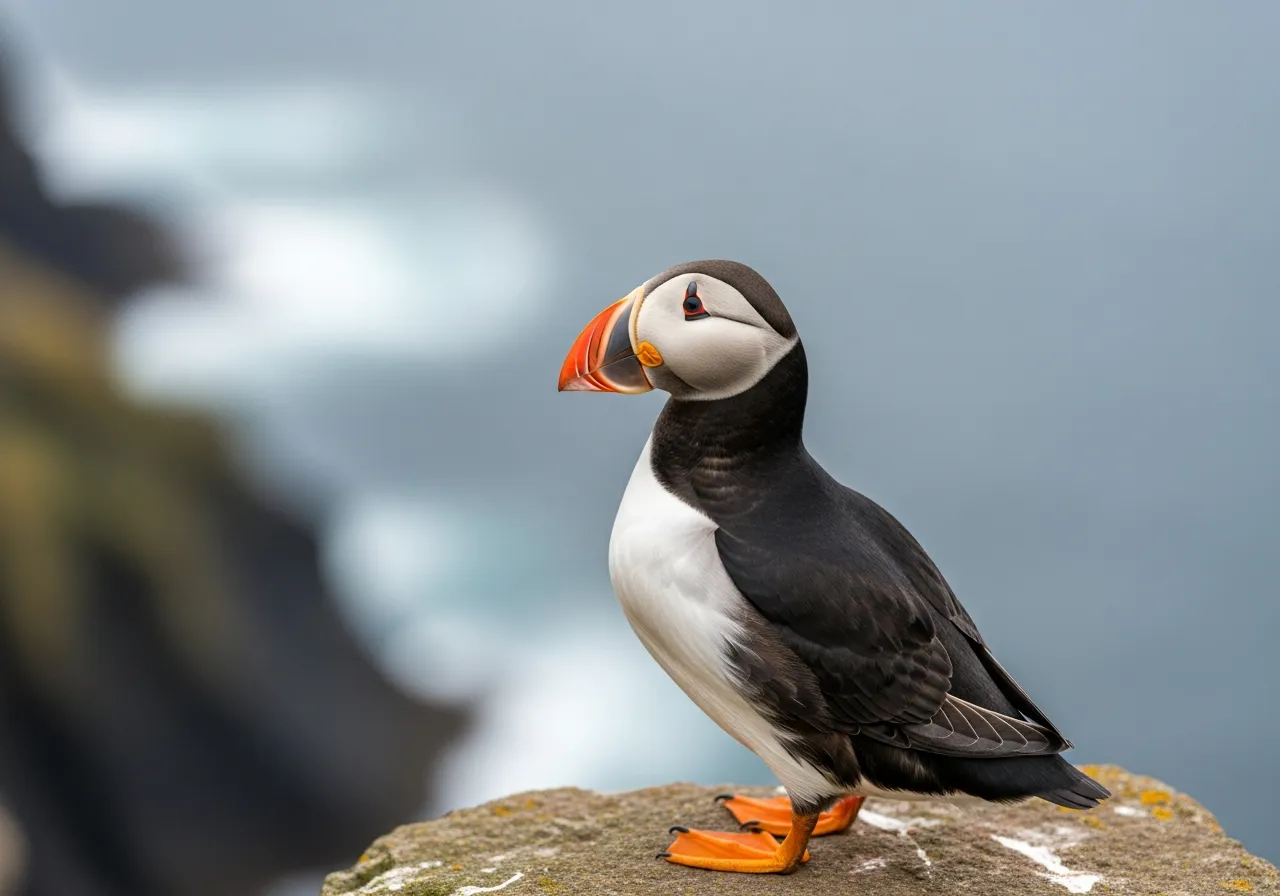
An Atlantic puffin standing on a grassy clifftop, showing its black-and-white plumage, orange legs and large triangular bill striped in red, orange-yellow and slate grey, with several silver sand eels held crosswise in its beak.
Vulnerable

Birds

A

Atlantic Puffin

Fratercula arctica

The North Atlantic's beloved "sea parrot" — a burrow-nesting seabird whose famous bill fades each winter at sea.

Iceland · Norway and the Faroe Islands

Open guide
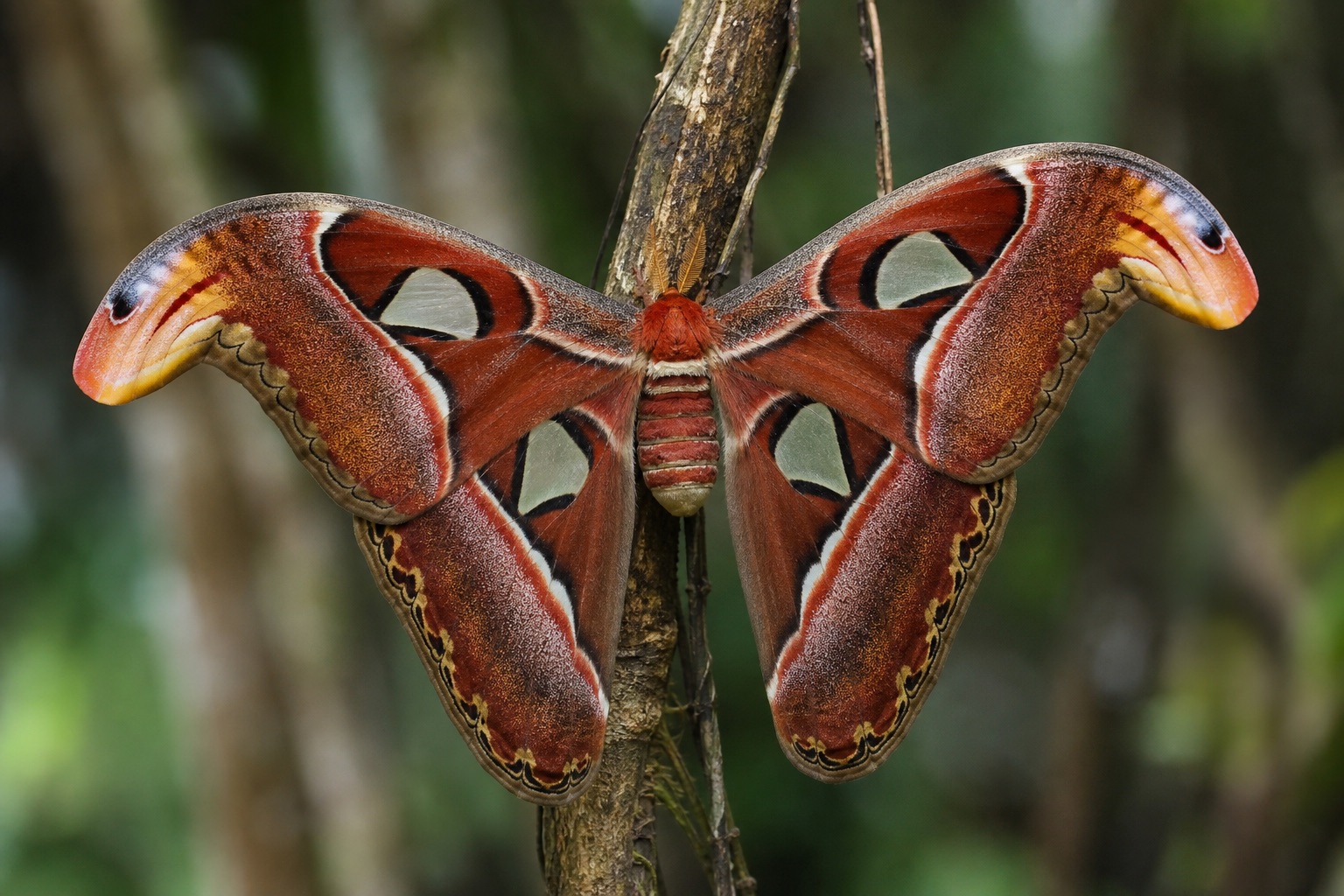
Atlas moth with vast patterned wings and snake-head wingtips resting on tropical vegetation
Not Evaluated

Invertebrates

A

Atlas Moth

Attacus atlas (Linnaeus, 1758) — family Saturniidae

One of the largest moths on Earth — no mouthparts, living on larval fat for a week or two as an adult.

Southeast Asia · Borneo, Sumatra, Malay Peninsula and tropical Asia

Open guide

Popular animal questions

Short, structured answers that connect high-volume animal searches back to WARN's wildlife guides and conservation explainers.

Browse all answers

Wildlife

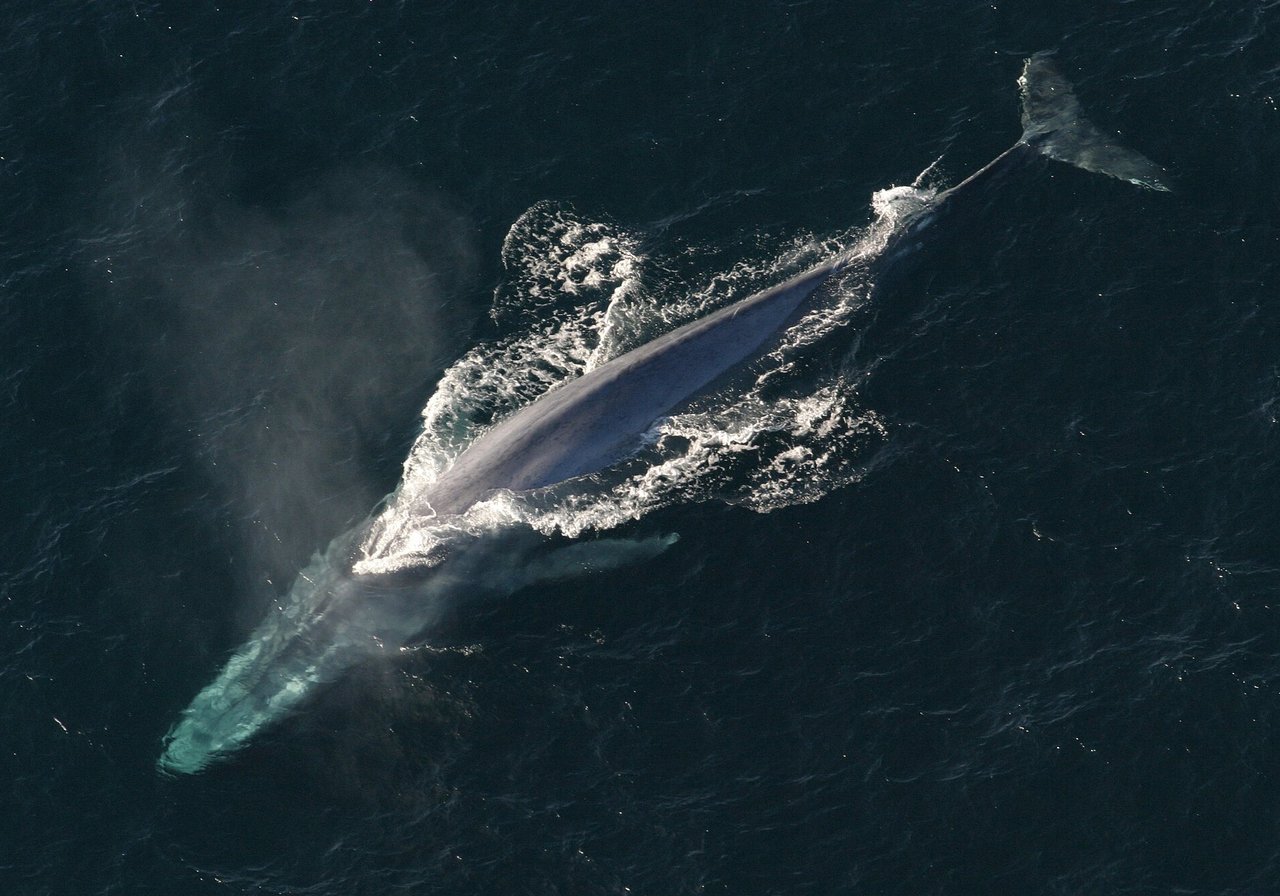
What is the largest animal on Earth?

The blue whale (Balaenoptera musculus) is the largest animal ever known — reaching about 30 metres and 180 tonnes. It is a marine mammal, not a fish.

Wildlife

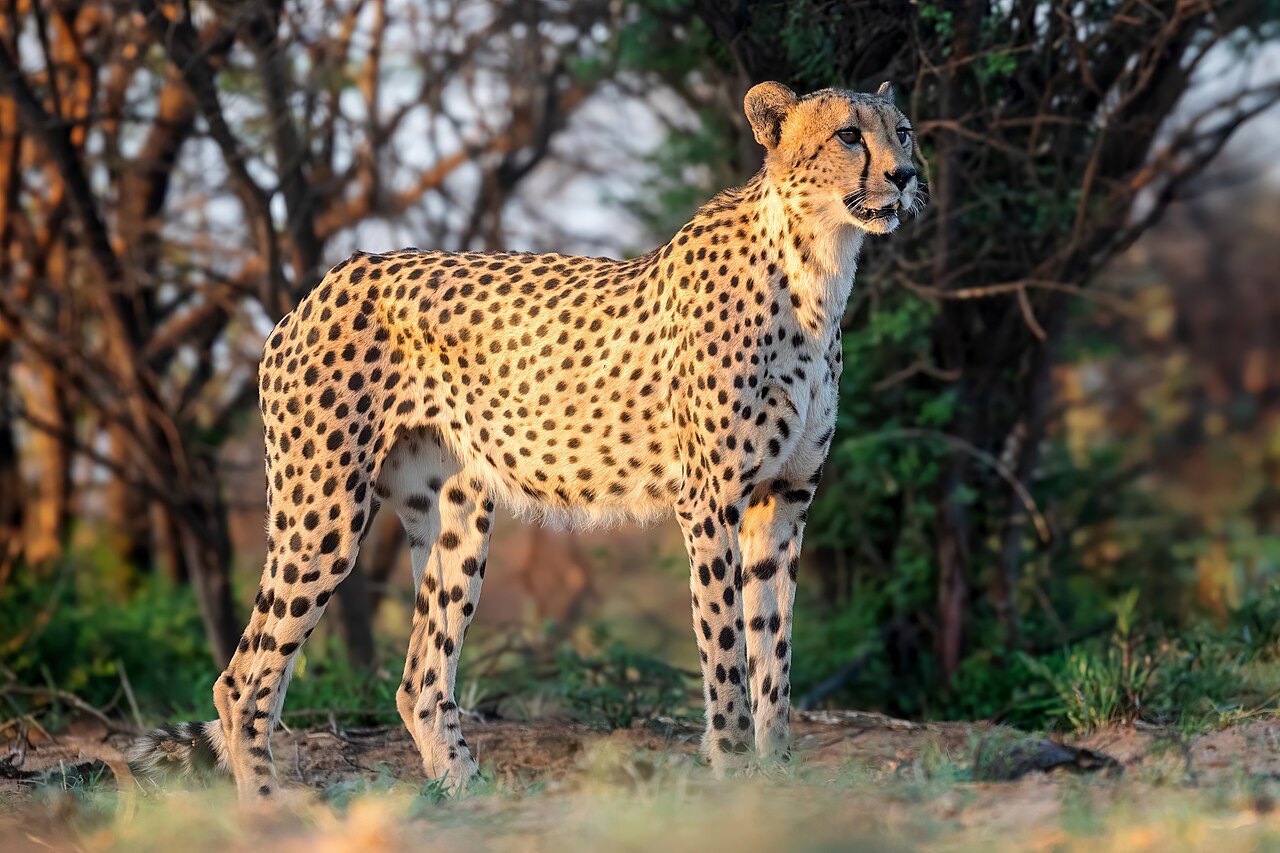
What is the fastest land animal?

The cheetah (Acinonyx jubatus) is the fastest land animal — reaching roughly 110 km/h (68 mph) in short bursts over flat ground. It accelerates faster than most sports cars but tires quickly.

Wildlife

What is a mammal?

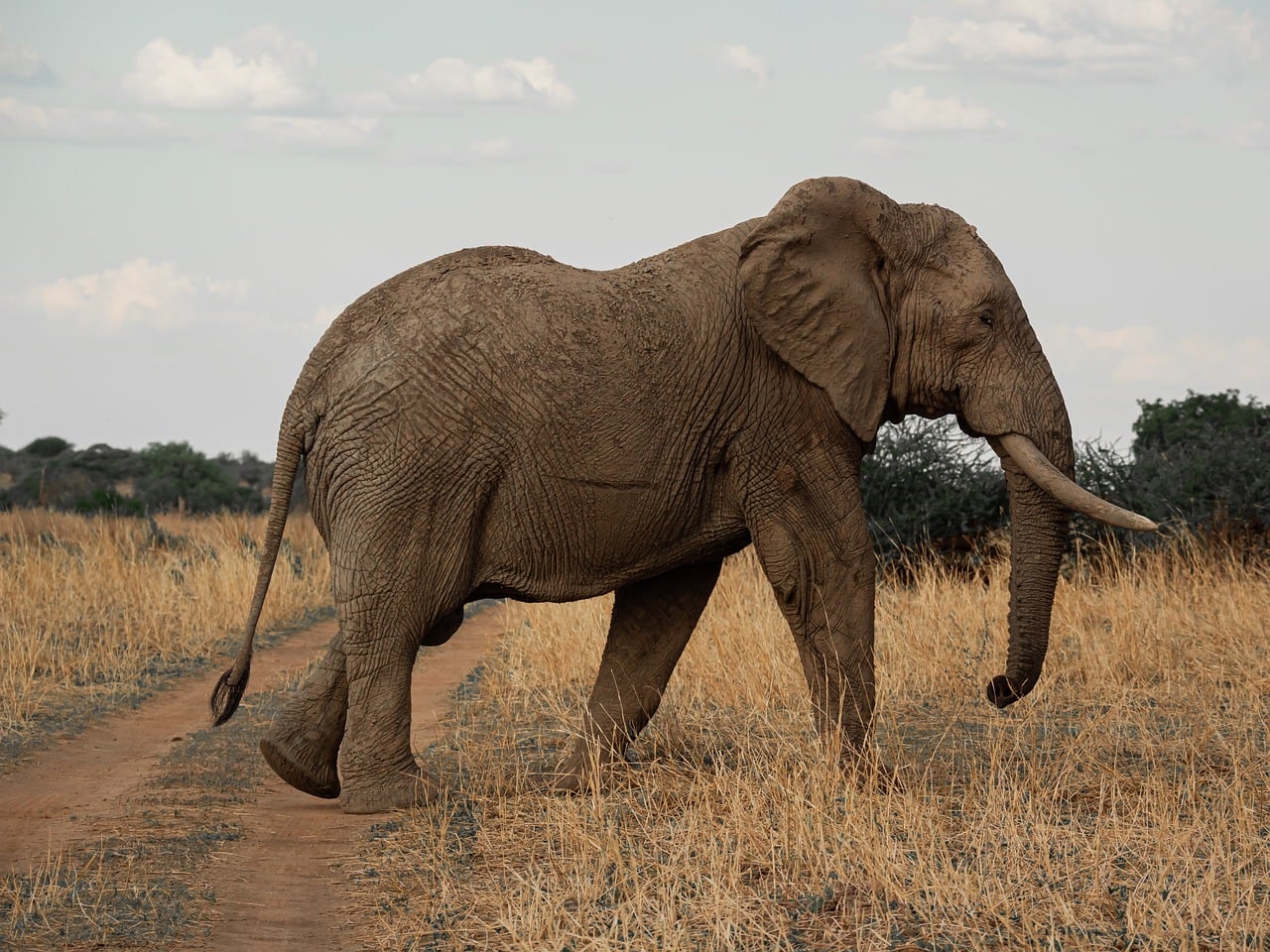
Mammals are warm-blooded vertebrates with hair or fur, three middle-ear bones, and females that produce milk to nurse young. Humans, dogs, whales, bats and elephants are all mammals.

Wildlife

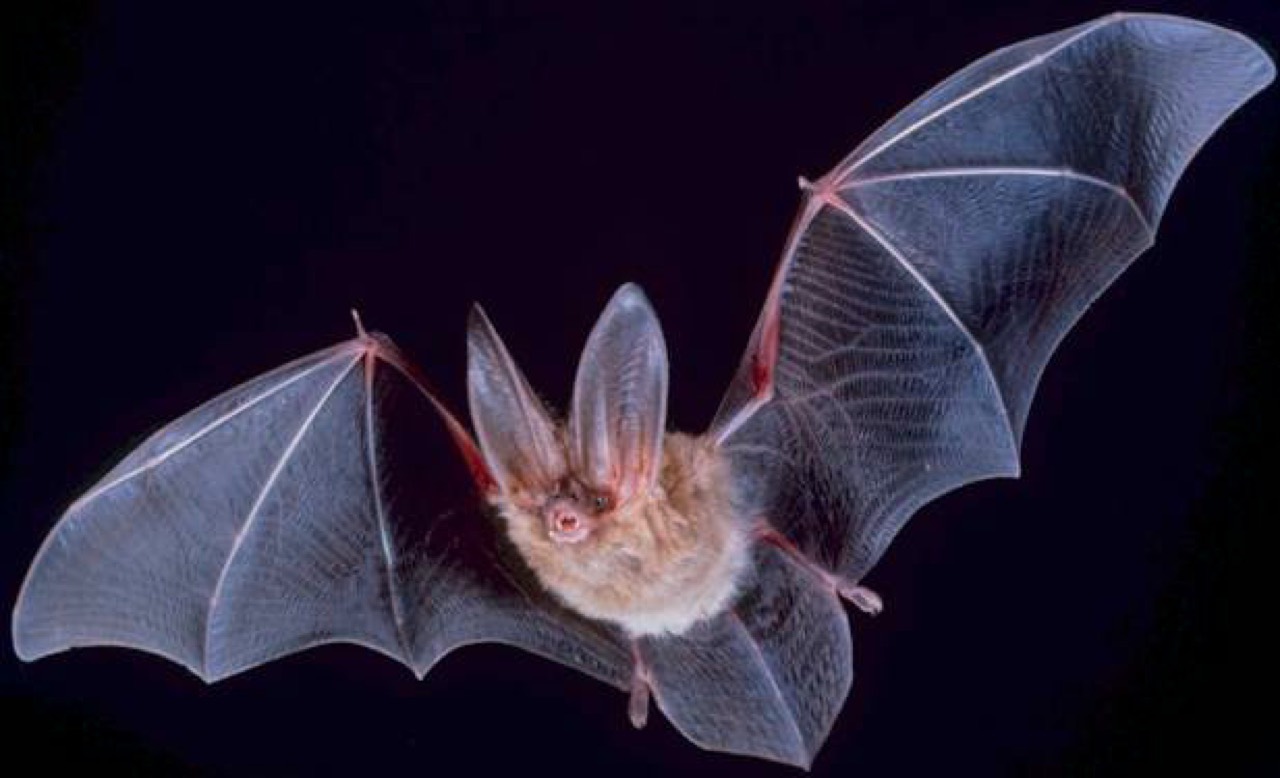
Are bats mammals?

Yes. Bats are mammals — the only mammals capable of true powered flight. They nurse pups with milk and are warm-blooded.

Wildlife

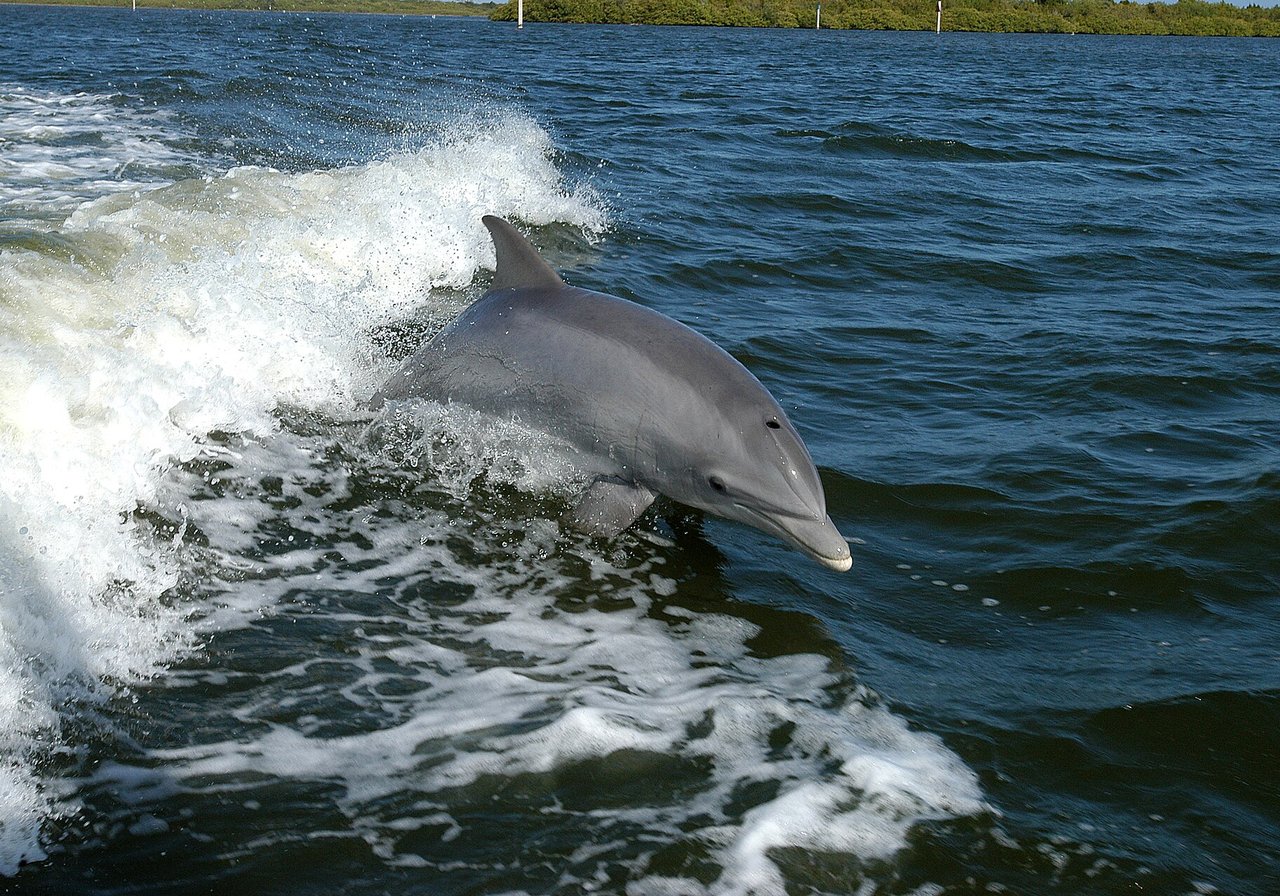
Are dolphins fish or mammals?

Dolphins are mammals. They breathe air through a blowhole, nurse their young with milk, and are warm-blooded — despite living in the sea.

Wildlife

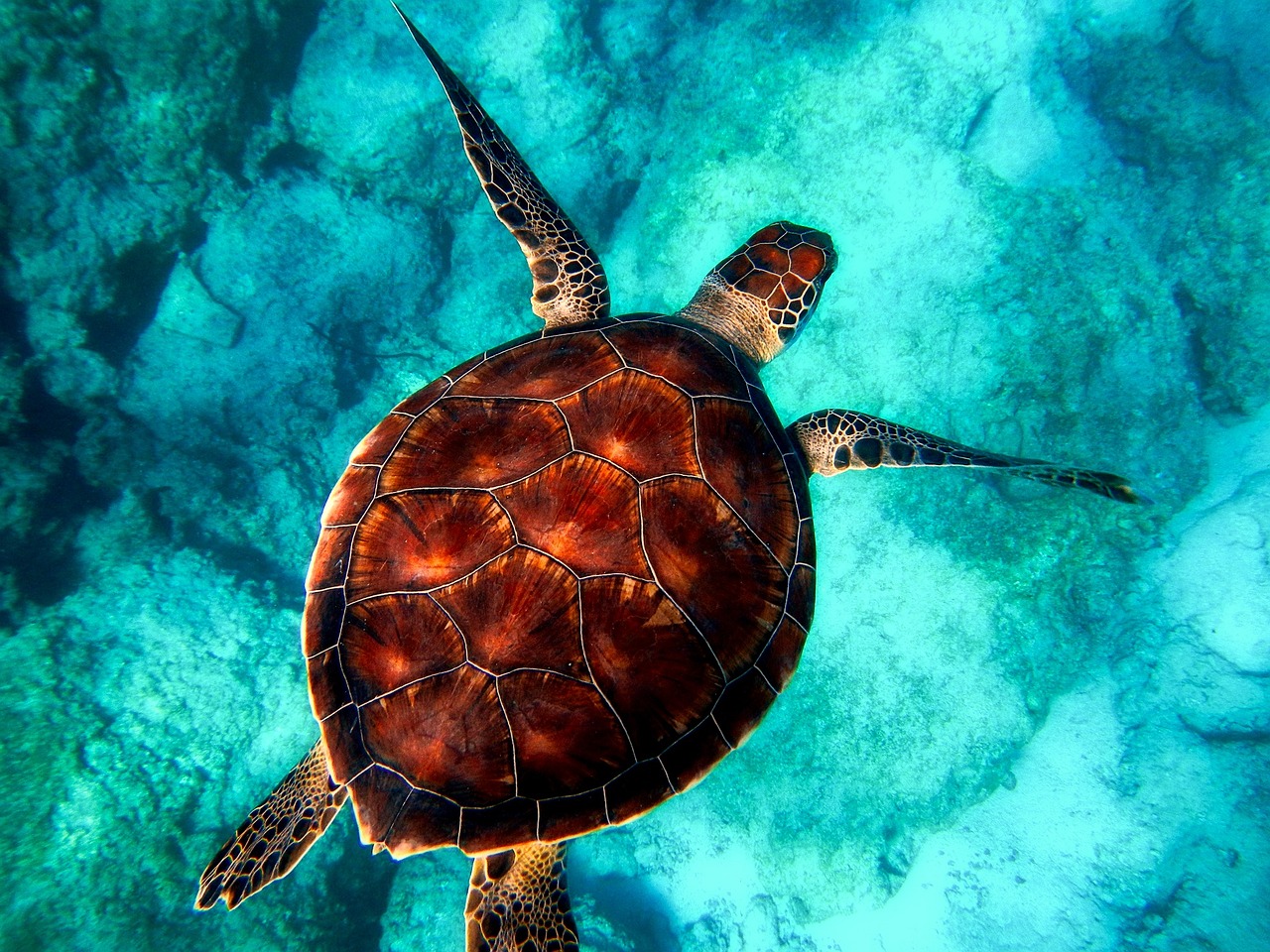
What is the difference between a turtle and a tortoise?

Tortoises live on land with sturdy, unwebbed feet and high-domed shells. Turtles live in water and have webbed feet or flippers and more streamlined shells.

Wildlife

What is the difference between an alligator and a crocodile?

Alligators have broad, U-shaped snouts and only upper teeth visible when the mouth is closed; crocodiles have narrower V-shaped snouts and a fourth tooth on each side of the lower jaw that shows when closed. Crocodiles tolerate salt water; alligators are mainly freshwater.

Conservation

What is the IUCN Red List?

The IUCN Red List is the global standard for assessing extinction risk. Expert groups assign each species a category from Least Concern to Extinct based on population size, decline rate and range.

A–Z Animals: FAQs

How many animals are in the A–Z index?

There are 486 animals in the World Animal Rescue Network's A–Z wildlife-guide index, spanning 26 letters from the aardvark to the zebra.

Are the wildlife guides free to read?

Yes. Every wildlife guide is free to read and is published for education. The World Animal Rescue Network is funded by donations, which pay for the rescue and conservation work behind the guides.

Does the WARN work with every animal listed?

No. Many of these guides are educational. WARN funds rescue and conservation partners across its 17-country network, and each guide notes where WARN is, and is not, currently active.

What does each animal guide include?

Each guide covers the species' common and scientific names, IUCN Red List status, range and habitat, behaviour and diet, the threats it faces, and answers to frequently asked questions.

Free to Read. Funded by Kindness.

These guides are free because we believe knowledge protects animals. The rescue work behind them is not — it runs on donations. With limited funding, every gift helps us reach more animals.