Wildlife Guide · Africa & Asia
Antelope
Family Bovidae, subfamilies Antilopinae, Alcelaphinae, Hippotraginae and others — ~90 species
The hoofed heart of the savanna — ninety species, one extraordinary family.
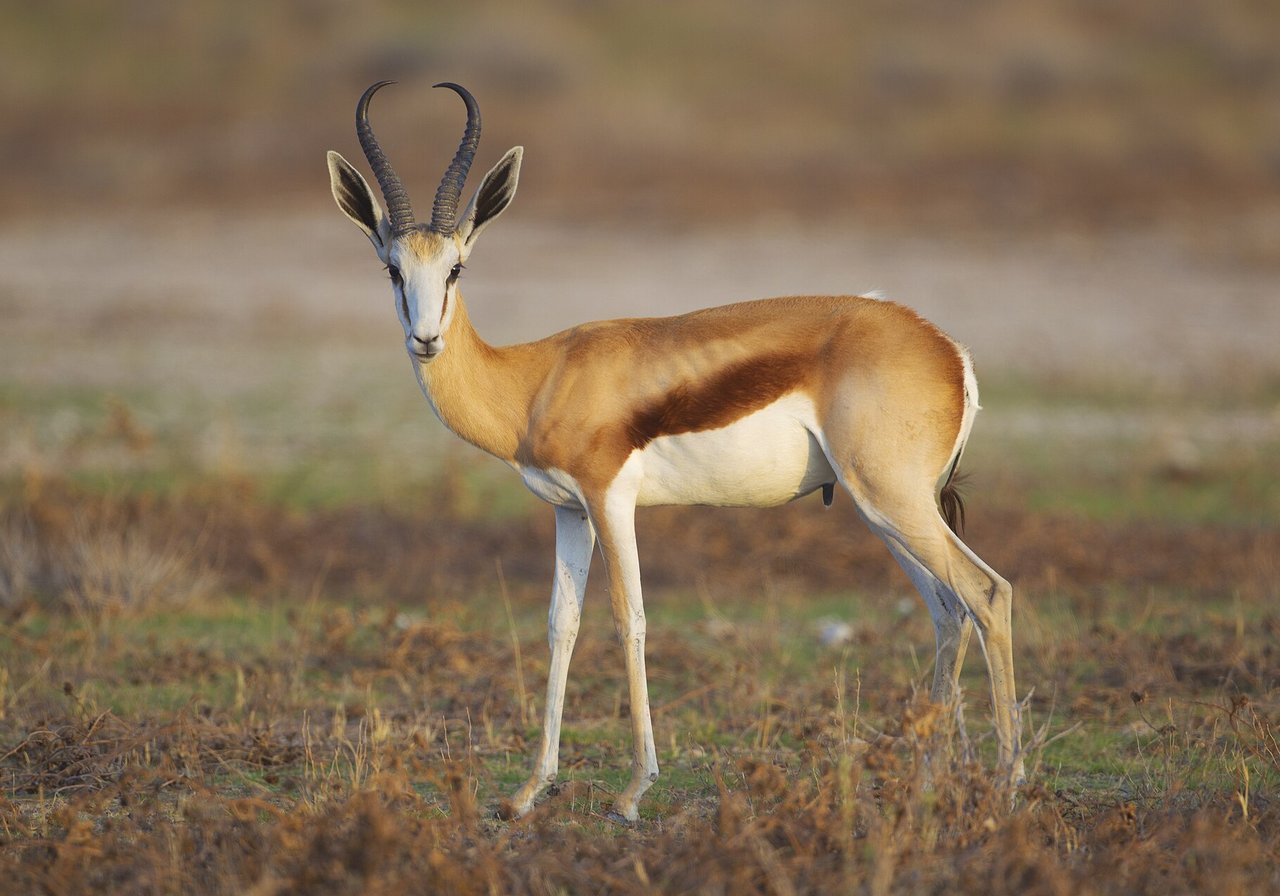
Source: Wikimedia Commons
In brief
Antelope are horned ruminants of the family Bovidae — roughly 90 species across Africa and Asia; African savanna antelope form the prey base for the continent's great predators, with conservation status ranging from abundant to Critically Endangered.
Also in Animals A to Z · Animals that start with A
By WARN Research & Conservation TeamLast updated
Antelope is the common name for roughly 90 species of ruminant mammals in the family Bovidae, found across Africa and Eurasia. Unlike deer, antelope have permanent horns — not antlers — and belong to a separate evolutionary lineage. African savanna antelope include wildebeest, impala, gazelles, eland, kudu, hartebeest and sable, forming the prey base that sustains lions, cheetahs, leopards and wild dogs. Conservation status varies enormously: springbok and impala remain abundant, while the scimitar-horned oryx is Extinct in the Wild and the saiga antelope has faced catastrophic declines. This guide introduces the antelope family as a whole, with focus on African savanna species.
~90
Recognised antelope species worldwide
Africa
Home to the greatest antelope diversity
Varies
IUCN status from Least Concern to Extinct in the Wild
CITES
Many species on Appendix I or II
Figures sourced from IUCN Red List — Bovidae assessments, CITES — Checklist of CITES Species, Encyclopaedia Britannica — antelope .
Antelope: Quick Facts
| Species | ~90 recognised antelope species |
|---|---|
| Horns | Permanent — not shed like deer antlers |
| Range | Africa and Eurasia |
| Size range | 2 kg (royal antelope) to 900 kg (giant eland) |
| Key role | Primary prey for African predators |
| CITES | Many species on Appendix I or II |
Scientific Classification
| Kingdom | Animalia |
|---|---|
| Phylum | Chordata |
| Class | Mammalia |
| Order | Artiodactyla |
| Family | Bovidae |
| Subfamilies | Antilopinae, Alcelaphinae, Hippotraginae and others |
Conservation Status
- IUCN Status
- Varies by species. Many African savanna antelope Least Concern; scimitar-horned oryx Extinct in the Wild; dama gazelle and addax Critically Endangered.
- Population
- Varies — from fewer than 100 (dama gazelle) to millions (springbok, impala)
- Trend
- Decreasing for many threatened species; stable for abundant savanna species
- Assessed
- Varies by species
- CITES
- Many species on CITES Appendix I or II
Key Facts: Antelope
- Antelope are horned bovids — not deer — with permanent horns, not antlers.
- Africa holds the greatest antelope diversity, especially on savanna and in rainforest.
- Savanna antelope — wildebeest, impala, gazelle — sustain Africa's predator communities.
- The scimitar-horned oryx is Extinct in the Wild; saiga antelope has crashed repeatedly.
- Snaring and bushmeat hunting threaten antelope across Central and West Africa.
- Springbok, impala and blue wildebeest remain among the most abundant wild ungulates.
What makes an antelope?
Antelope is a functional term, not a strict taxonomic group. It covers roughly 90 species in the family Bovidae — the same family that includes cattle, sheep and goats — spread across subfamilies Antilopinae, Alcelaphinae, Hippotraginae, Cephalophinae and others.
All antelope are cud-chewing ruminants with even-toed hooves and permanent horns (unlike deer, which shed antlers annually). African antelope range from the tiny royal antelope (2 kg) to the giant eland (900 kg). Asian antelope include blackbuck, nilgai and the critically threatened saiga of the steppes.
Savanna antelope and the predator web
African savanna antelope form the foundation of the continent's predator ecosystems. Wildebeest, zebra and gazelle drive the Great Migration; impala are the most commonly killed prey in many reserves; eland and buffalo test the strength of lion prides. Cheetahs specialise in small gazelles; wild dogs pursue medium-sized antelope in endurance chases; leopards ambush whatever they can catch. Antelope compensate through speed, vigilance, herd behaviour and synchronised calving. The health of antelope populations directly reflects the health of the savanna ecosystem.
Threats across the family
No single conservation status applies to all antelope. Generalist species such as impala, springbok and blue wildebeest remain Least Concern with large populations. At the other extreme, the scimitar-horned oryx (Oryx dammah) is Extinct in the Wild, surviving only in captive breeding programmes. The saiga antelope (Saiga tatarica) crashed from more than a million to fewer than 50,000 in the 1990s and again in 2015 from disease. Dama gazelle, addax and Arabian oryx are Critically Endangered. Snaring, bushmeat hunting, habitat loss and competition with livestock are the main threats.
Conservation successes and priorities
Antelope conservation has notable successes. The Arabian oryx was reintroduced to the wild after captive breeding saved it from extinction. Black rhino range overlaps with antelope habitat in many reserves. Community conservancies in Kenya and Namibia generate tourism revenue that protects antelope and predators together.
Priorities include maintaining migration corridors, reducing snaring in Central Africa, and supporting captive breeding for the most endangered species. WARN's educational guides help searchers understand individual antelope species — wildebeest, impala, gazelle — and the family they belong to.
What WARN Does
WARN publishes this antelope guide as free public education. African savanna antelope are the prey base for the continent's predators — protecting them means protecting the entire ecosystem.
If this guide helps you understand wildlife and the pressures it faces, a gift to WARN supports habitat protection and free public education in our partner countries.
Antelope: Frequently Asked Questions
How many antelope species are there?
What is the difference between antelope and deer?
Which antelope is most endangered?
What antelope are in the Great Migration?
What do antelope eat?
Where do antelopes live?
Are antelopes dangerous?
How long do antelopes live?
How big is an antelope?
Sources & References
Population figures, conservation status and biological facts on this page are drawn from authoritative scientific and intergovernmental sources.
Terms used on this page
Plain-English definitions, from our wildlife and conservation glossary.
Latest Antelope Stories
Quick, fact-checked reads on the antelope — amazing facts, key questions and the threats it faces.
Species
Slow Loris: Why the Internet's Favourite Pet Is a Conservation Disaster
The slow loris looks like a cartoon character — and that has nearly destroyed the species. Here is the truth behind the viral videos.
Read the storySpecies
The Snow Leopard: Why the Ghost of the Mountains Is Still Vulnerable
The snow leopard is one of the most elusive big cats on earth, with an estimated 4,000-6,500 individuals across twelve range states — including Pakistan, where WARN is preparing to operate. This briefing explains why the species was downlisted from Endangered to Vulnerable in 2017 and why that is not the success story it sounds like.
Read the storyGuides
Sun Bear vs Moon Bear: The Two Most Trafficked Asian Bears
The sun bear and the Asiatic black bear (moon bear) are the two most commonly trafficked bears in Asia — for the pet trade, for traditional medicine and for bear-bile farming. Here is how to tell them apart.
Read the storyExplore more animals
Discover more animals, their habitats and their conservation status in the WARN wildlife-guide library.