Region
Animals in South America
South America is home to extraordinary rainforest, wetland and mountain wildlife. This collection gathers 70 WARN guides to animals found in Brazil, Colombia, Peru, Ecuador and wider Neotropical ecosystems.
By WARN Research & Conservation TeamLast updated
This collection links to 70 sourced WARN guides with conservation status, key facts, threats, FAQs and references.
Least Concern
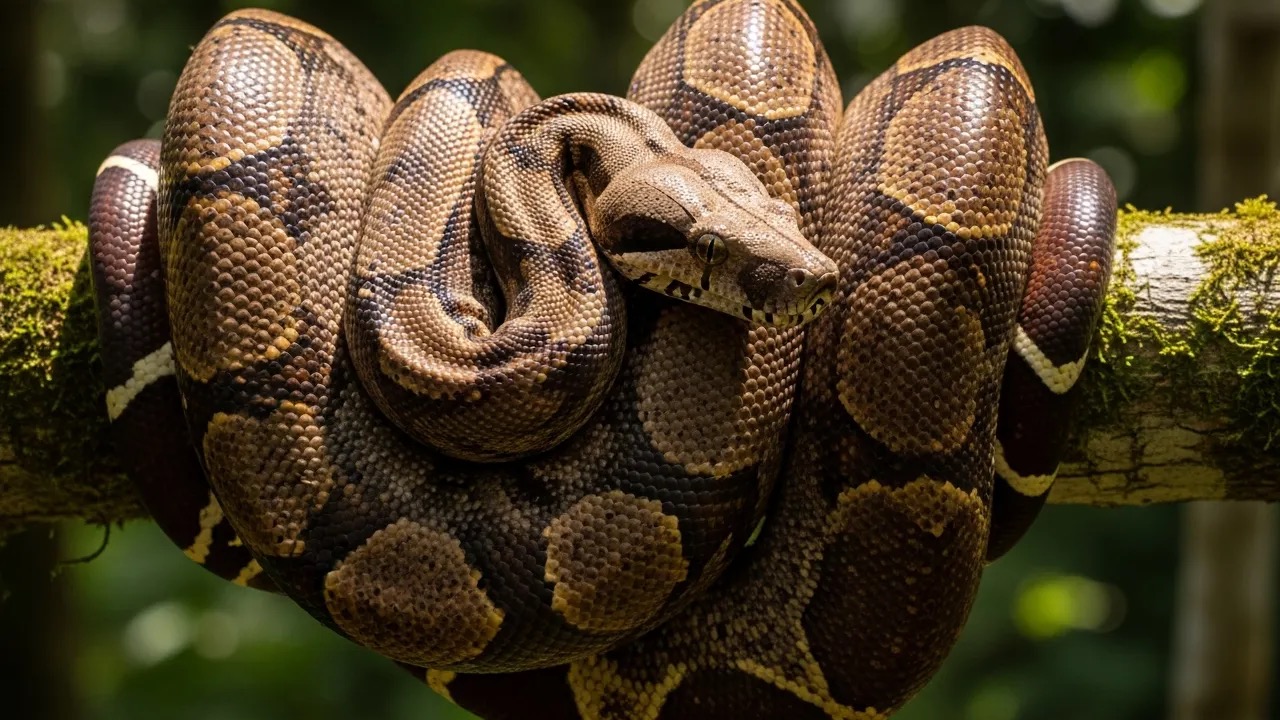
Boa Constrictor
Boa constrictor
The boa constrictor (Boa constrictor) is a large, heavy-bodied, non-venomous snake native to tropical forests, savannas, and deserts across Central and South America. It typically reaches 2 to 3 m and weighs around 10 to 15 kg, killing prey not with venom but by coiling around it and squeezing until it can no longer breathe.
Read the guide →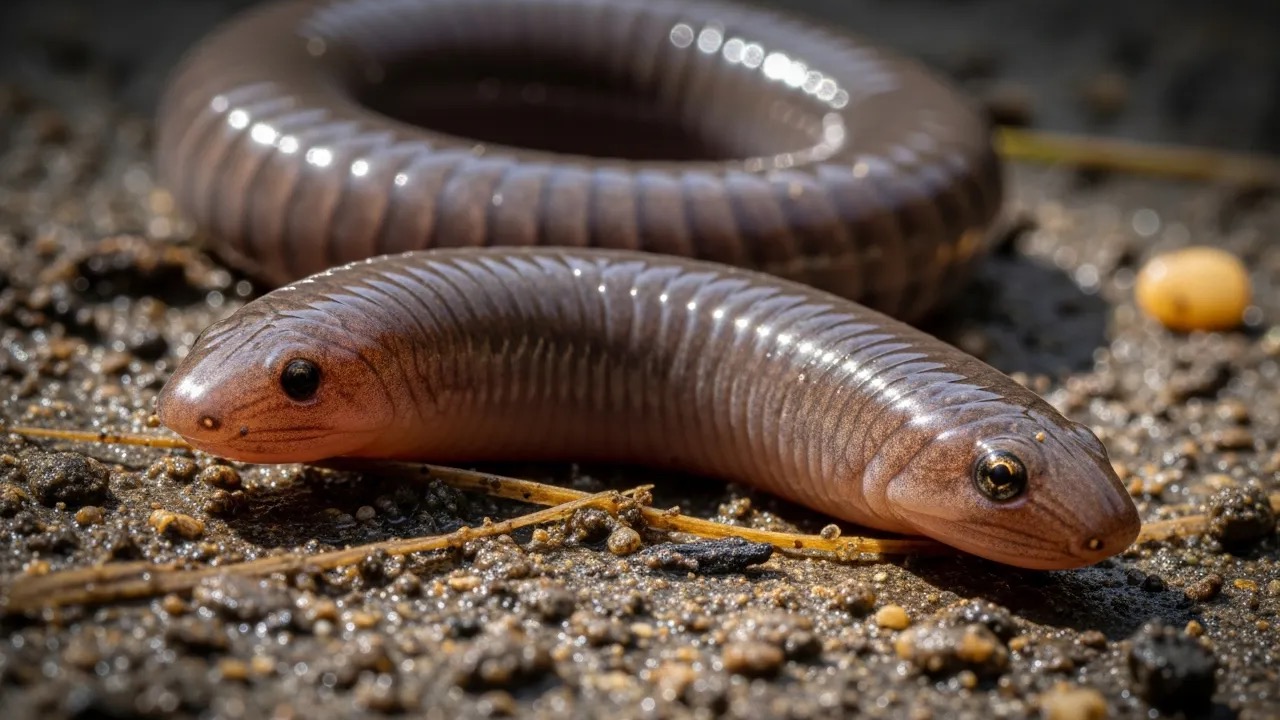
Least Concern
Caecilian
Gymnophiona
Caecilians are a group of limbless, worm-like amphibians that live mostly hidden in damp soil and leaf litter across the tropics of Africa, Asia, and the Americas. They range from a few centimeters to over 1.5 m (5 ft) long, have tiny or skin-covered eyes, and rely on a pair of sensory tentacles to find prey underground.
Read the guide →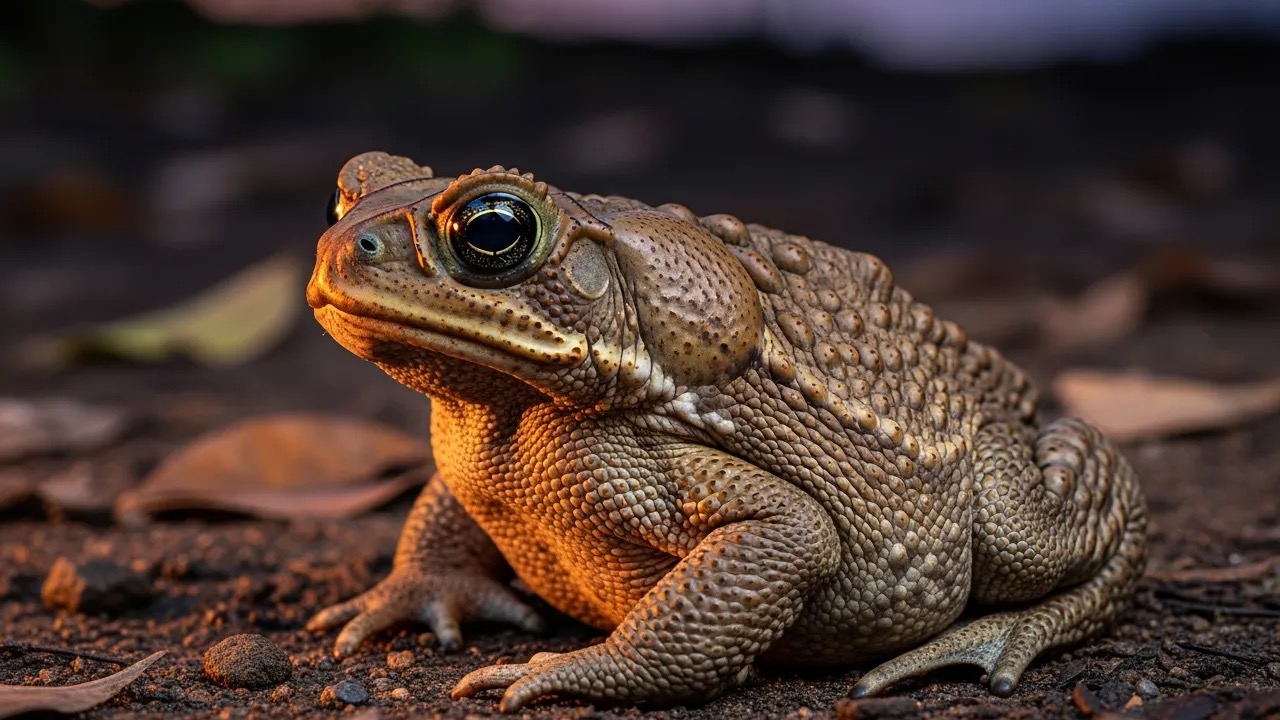
Least Concern
Cane Toad
Rhinella marina
The cane toad is a large, warty terrestrial toad native to the Americas, reaching up to 1 kg (2.2 lb). It secretes a powerful toxin from glands on its shoulders and is famous as a destructive invasive species in Australia, where it was introduced in 1935.
Read the guide →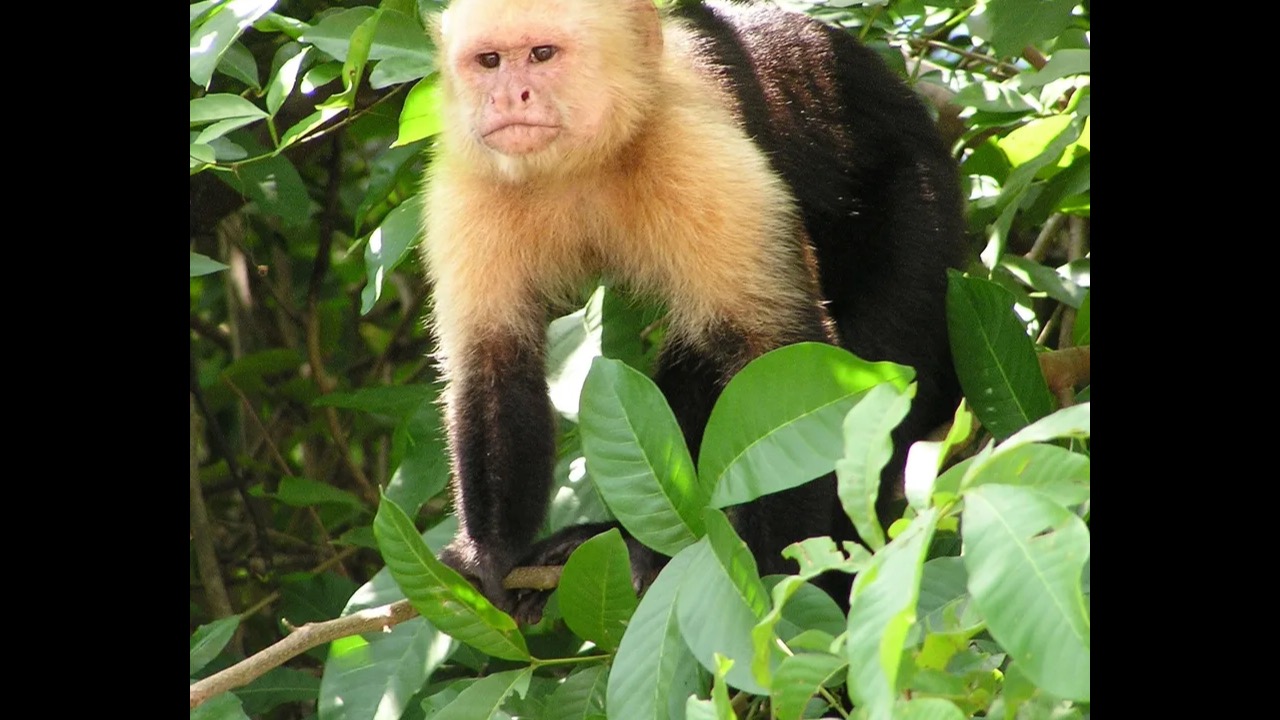
Least Concern
Capuchin Monkey
Cebus capucinus
The capuchin is a small, highly intelligent New World monkey found in the tropical forests of Central America and northwest South America. Weighing about 3 to 4 kg and measuring roughly half a metre in body length, it is an agile tree-dweller that uses its prehensile tail for balance.
Read the guide →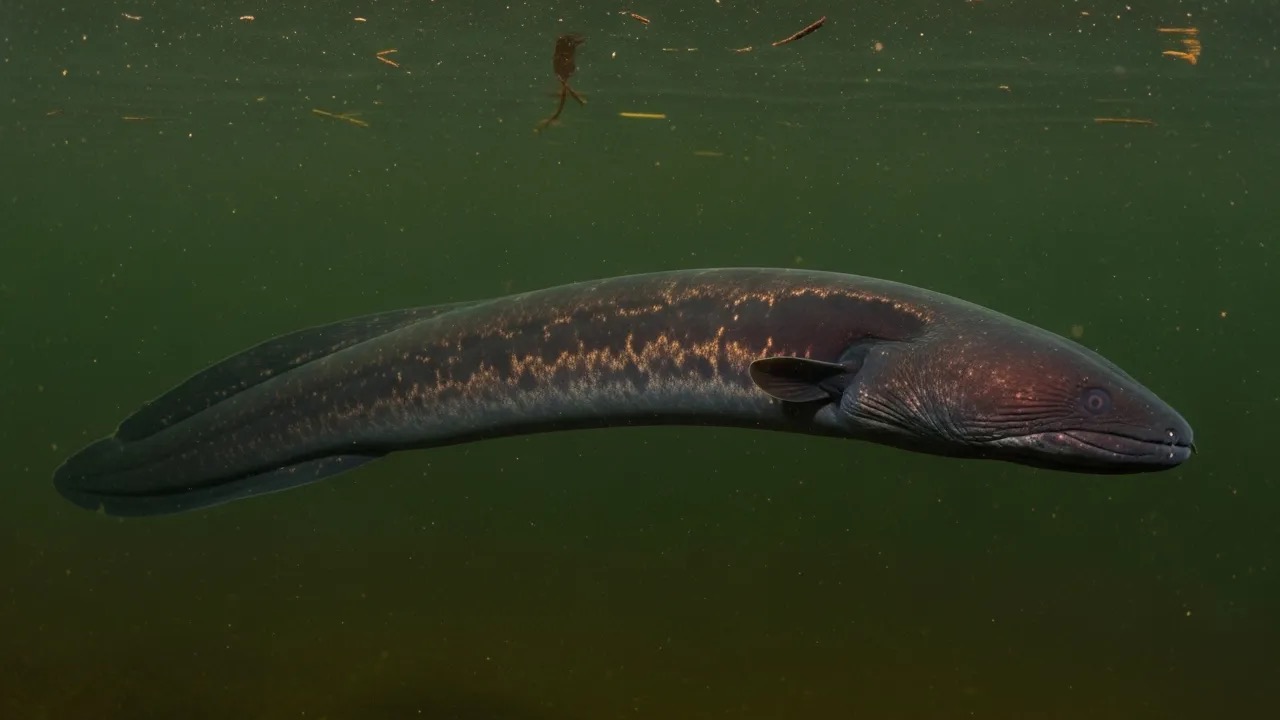
Least Concern
Electric Eel
Electrophorus electricus
The electric eel (Electrophorus electricus) is a freshwater fish of South America famous for generating powerful electric shocks to stun prey and defend itself. Despite the name it is not a true eel but a knifefish, growing up to 2.5 m long and weighing around 20 kg.
Read the guide →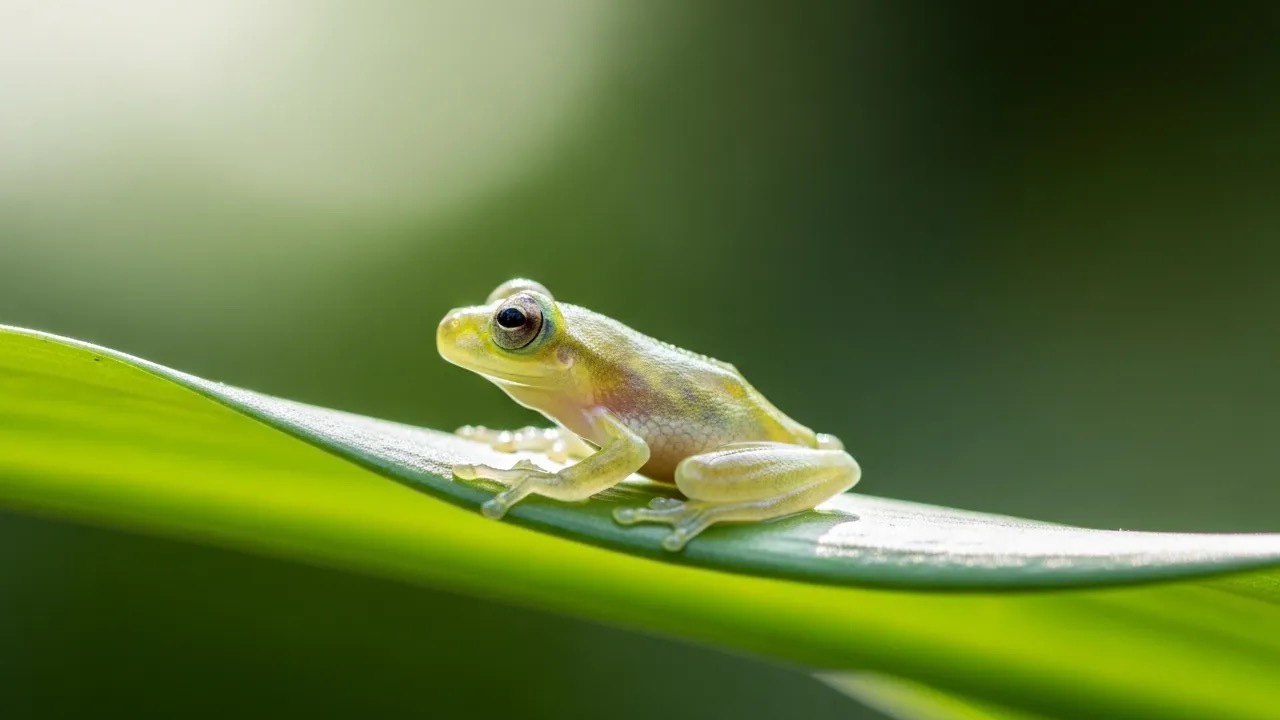
Least Concern
Glass Frog
Hyalinobatrachium valerioi
Glass frogs are small tree frogs of Central and South American rainforests, famous for the translucent skin on their bellies that reveals their internal organs and beating heart. They are nocturnal, arboreal, and care for their eggs on leaves above streams.
Read the guide →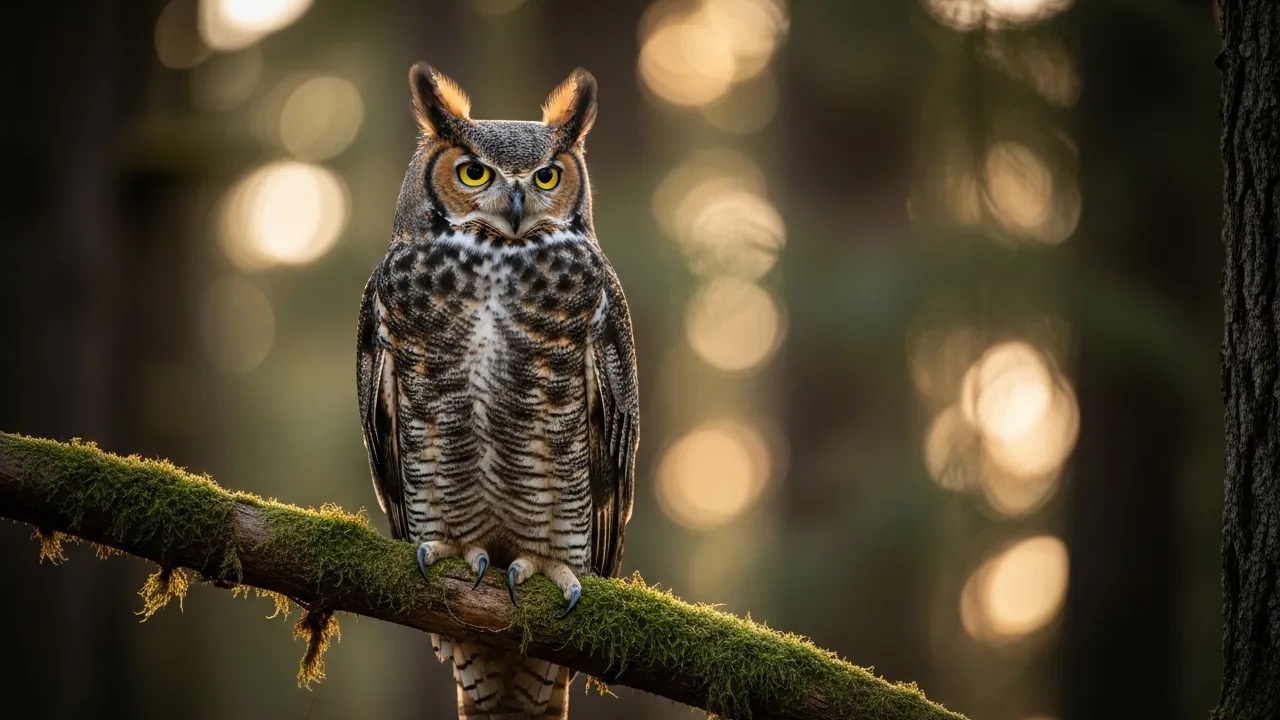
Least Concern
Great Horned Owl
Bubo virginianus
The great horned owl is a large, powerful owl found throughout the Americas, named for the tufts of feathers on its head that look like horns or ears. A fierce nocturnal predator with crushing talons, it hunts a wide range of prey, even skunks and other raptors.
Read the guide →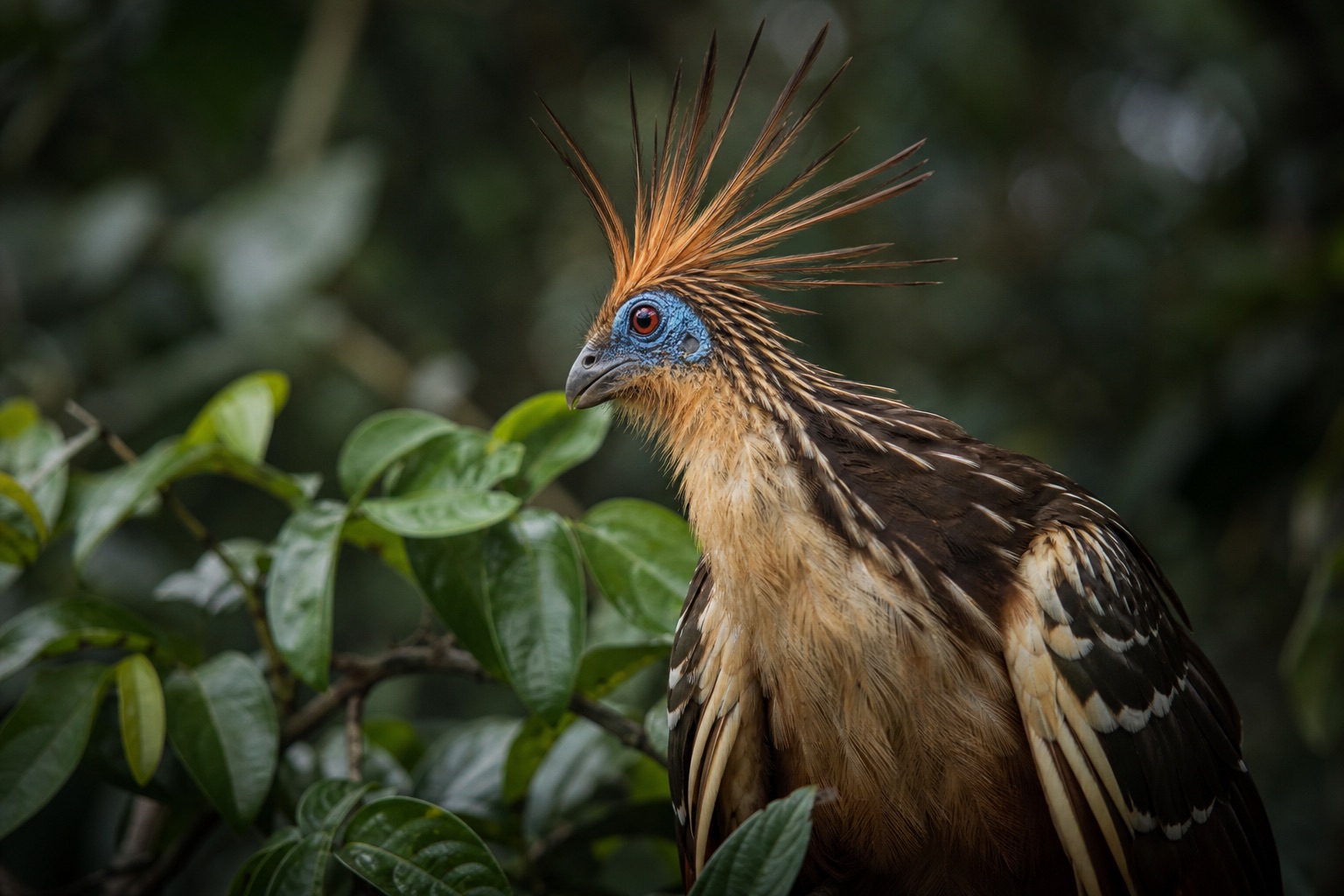
Least Concern — but confined to Amazon and Orinoco wetlands that are being cleared
Hoatzin
Opisthocomus hoazin (Müller, 1776) — family Opisthocomidae
The hoatzin (Opisthocomus hoazin) is a pheasant-sized bird of Amazon and Orinoco wetlands that digests leaves through foregut fermentation like a ruminant; chicks bear functional wing claws for climbing, and adults are weak fliers tied to riverside forest.
Read the guide →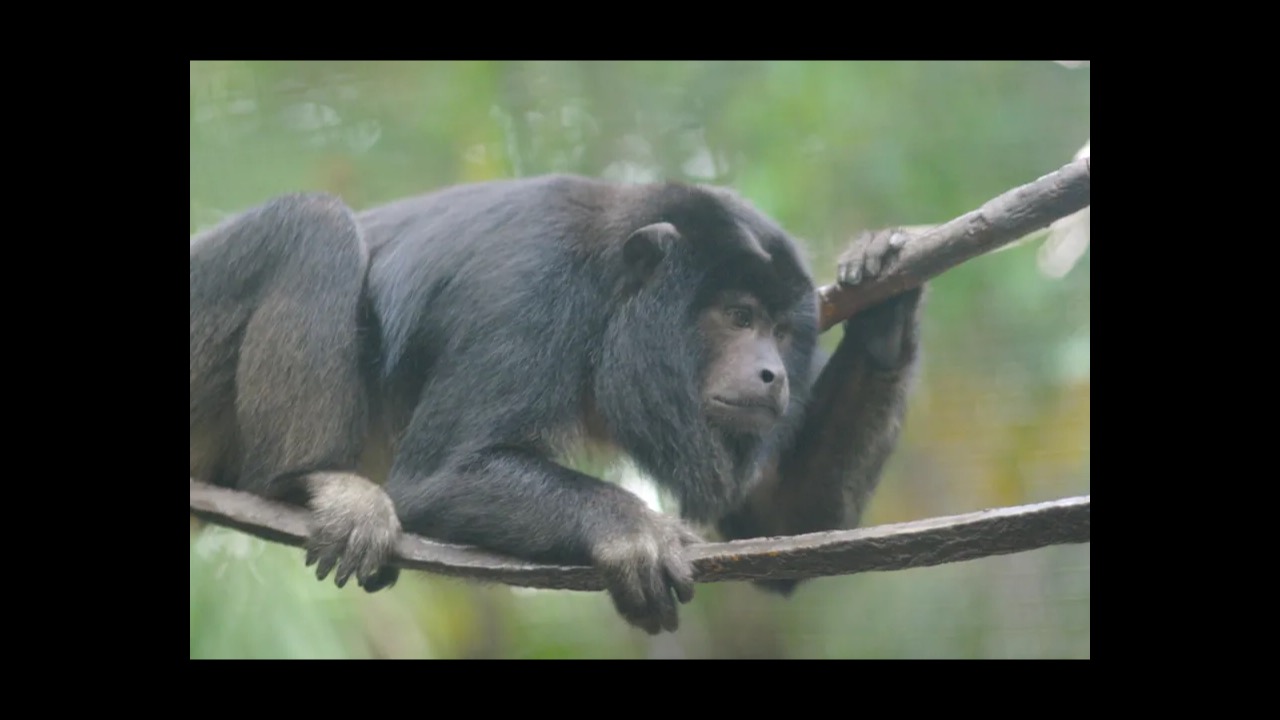
Least Concern
Howler Monkey
Alouatta spp.
The howler monkey is a large, leaf-eating New World primate famous for having one of the loudest calls of any land animal in the Americas. Living in the tropical forests of Central and South America, it weighs around 5 to 10 kg and spends almost its whole life high in the canopy.
Read the guide →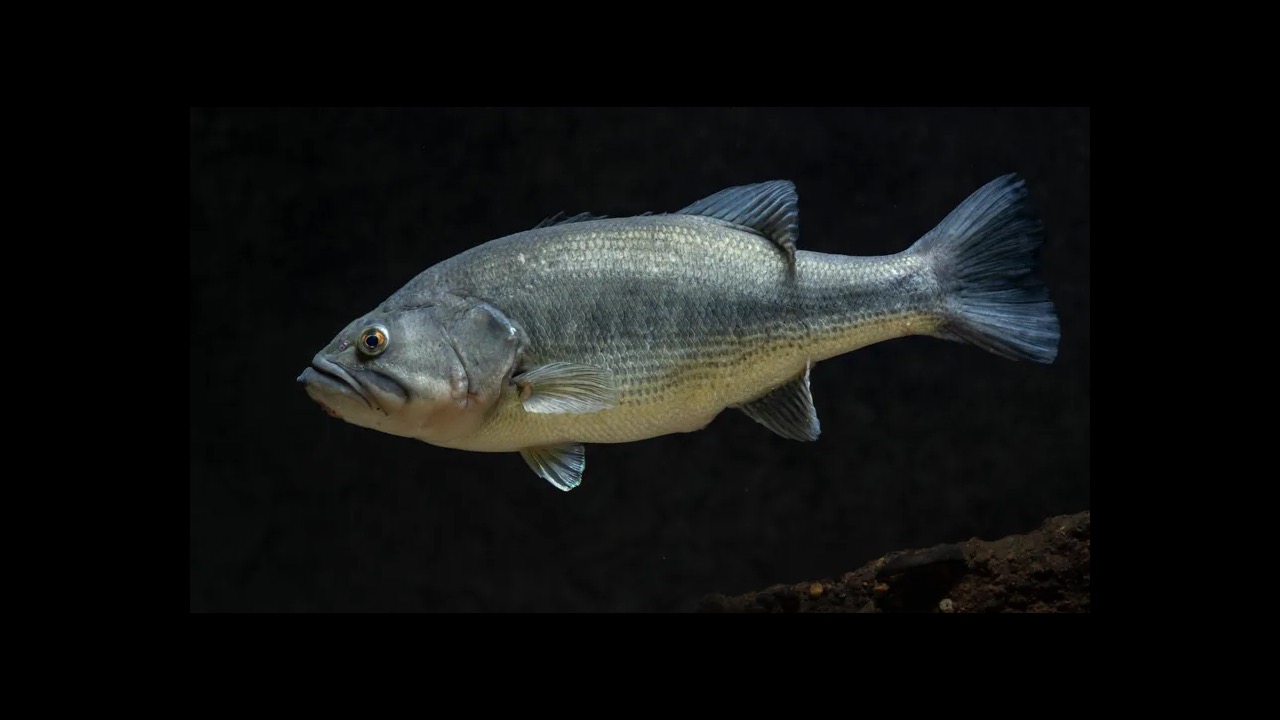
Least Concern
Largemouth Bass
Micropterus salmoides
The largemouth bass is a top predator in North American lakes and rivers, named for a jaw extending past the eye. Prized by anglers worldwide, it strikes lures aggressively, grows to 10 kg (22 lb) in rich waters, and has been stocked on every continent except Antarctica for sport fishing.
Read the guide →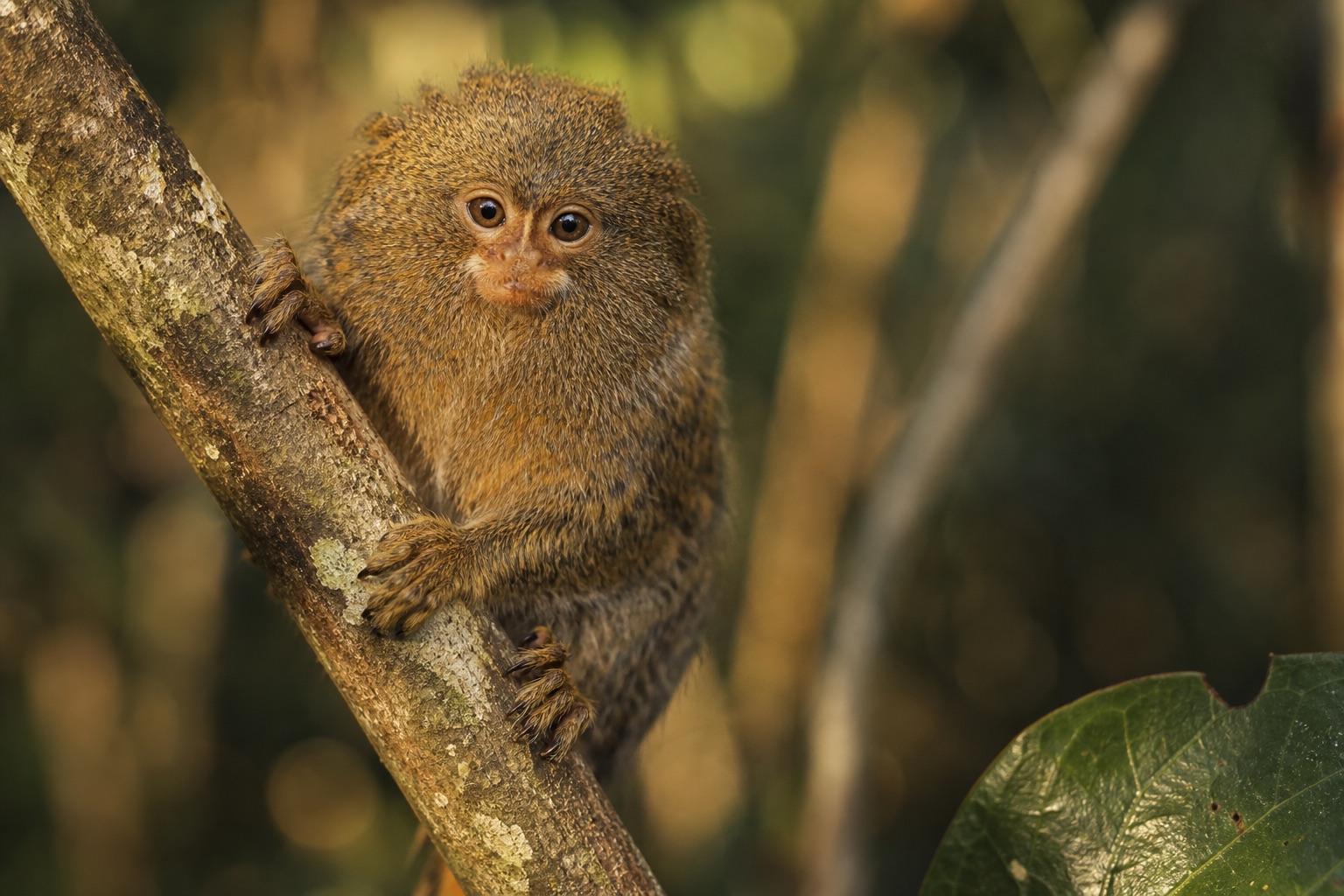
Varies by species — pygmy marmoset Vulnerable; many callitrichids threatened by pet trade and habitat loss
Marmoset
Family Callitrichidae — marmosets and tamarins (genera Callithrix, Cebuella, Mico and others)
Marmosets are small New World monkeys in the family Callitrichidae of Central and South America; the pygmy marmoset (Cebuella) at about 100 g is the smallest monkey alive, and the group is heavily traded as pets despite complex social and dietary needs.
Read the guide →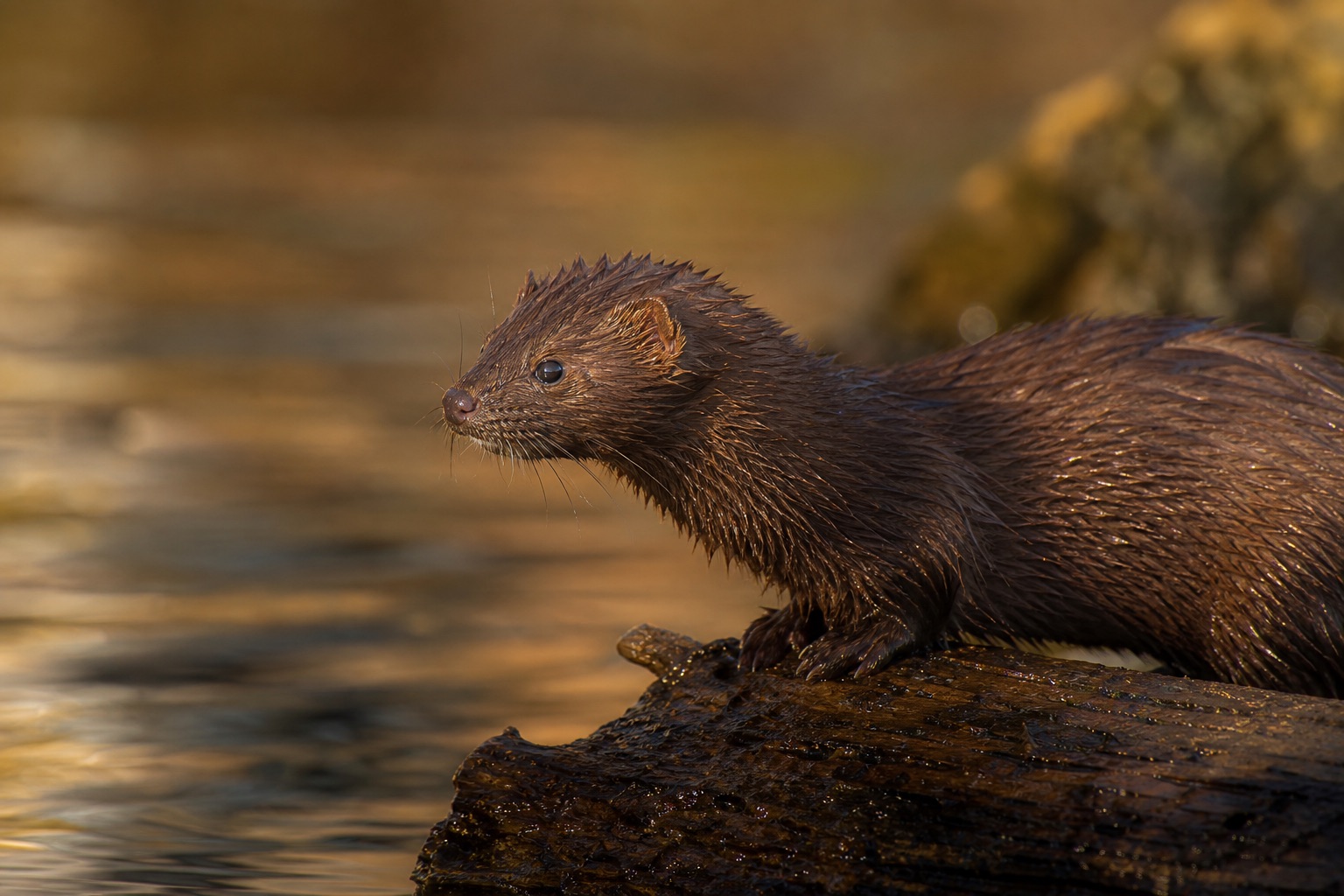
Least Concern in native North America — invasive and ecologically destructive across much of Europe
Mink
Neogale vison (Schreber, 1777) — family Mustelidae
The American mink (Neogale vison) is a semi-aquatic mustelid listed Least Concern in native North America but invasive across Europe after fur-farm escapes, where it devastated water vole populations and displaced the Critically Endangered European mink.
Read the guide →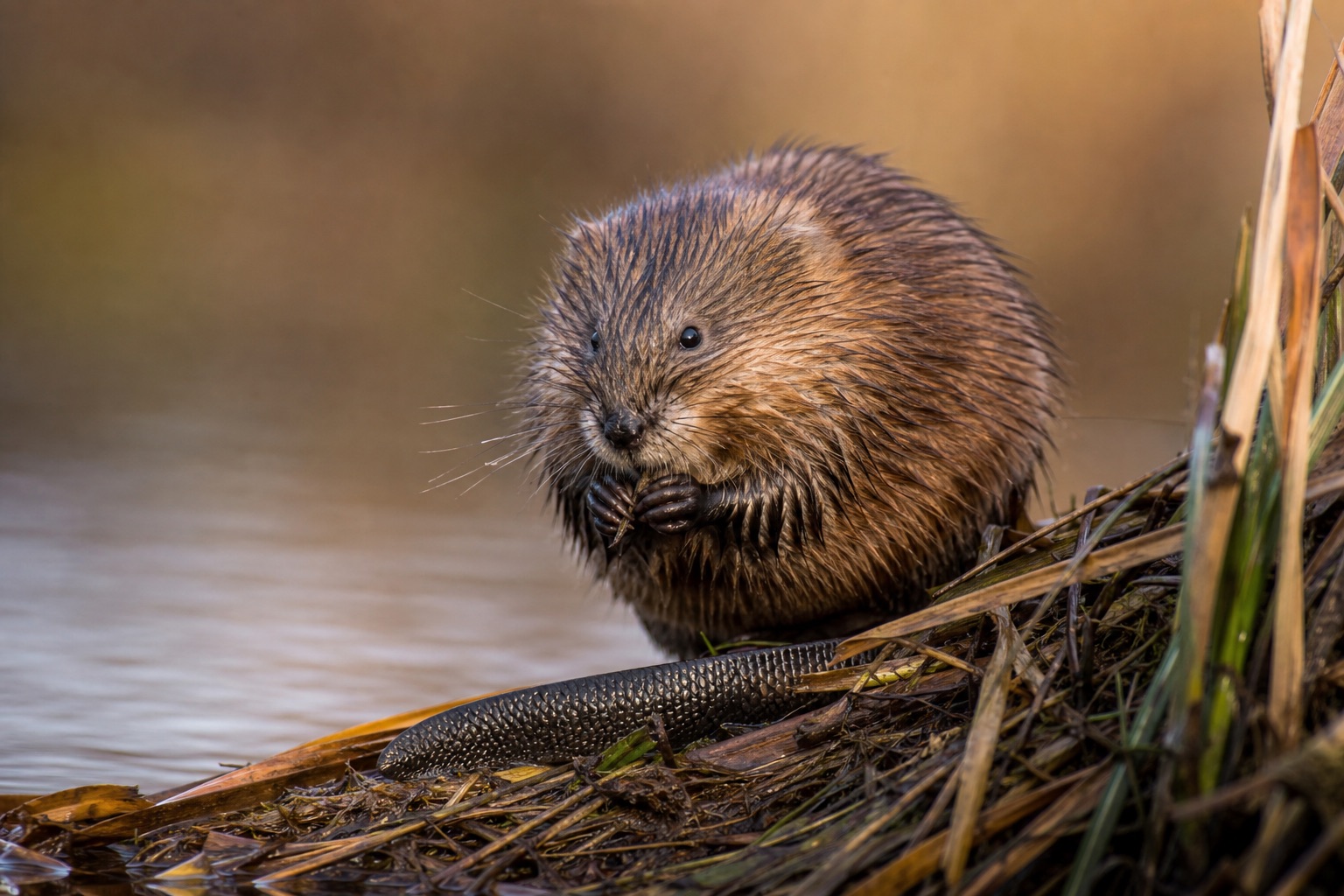
Least Concern natively — invasive and EU-listed across much of Europe
Muskrat
Ondatra zibethicus (Linnaeus, 1766) — family Cricetidae
The muskrat (Ondatra zibethicus) is a large semiaquatic rodent native to North American wetlands and listed Least Concern there; introduced to Europe from 1905 for fur farming, it burrows into dikes and river banks and is an EU-listed invasive species.
Read the guide →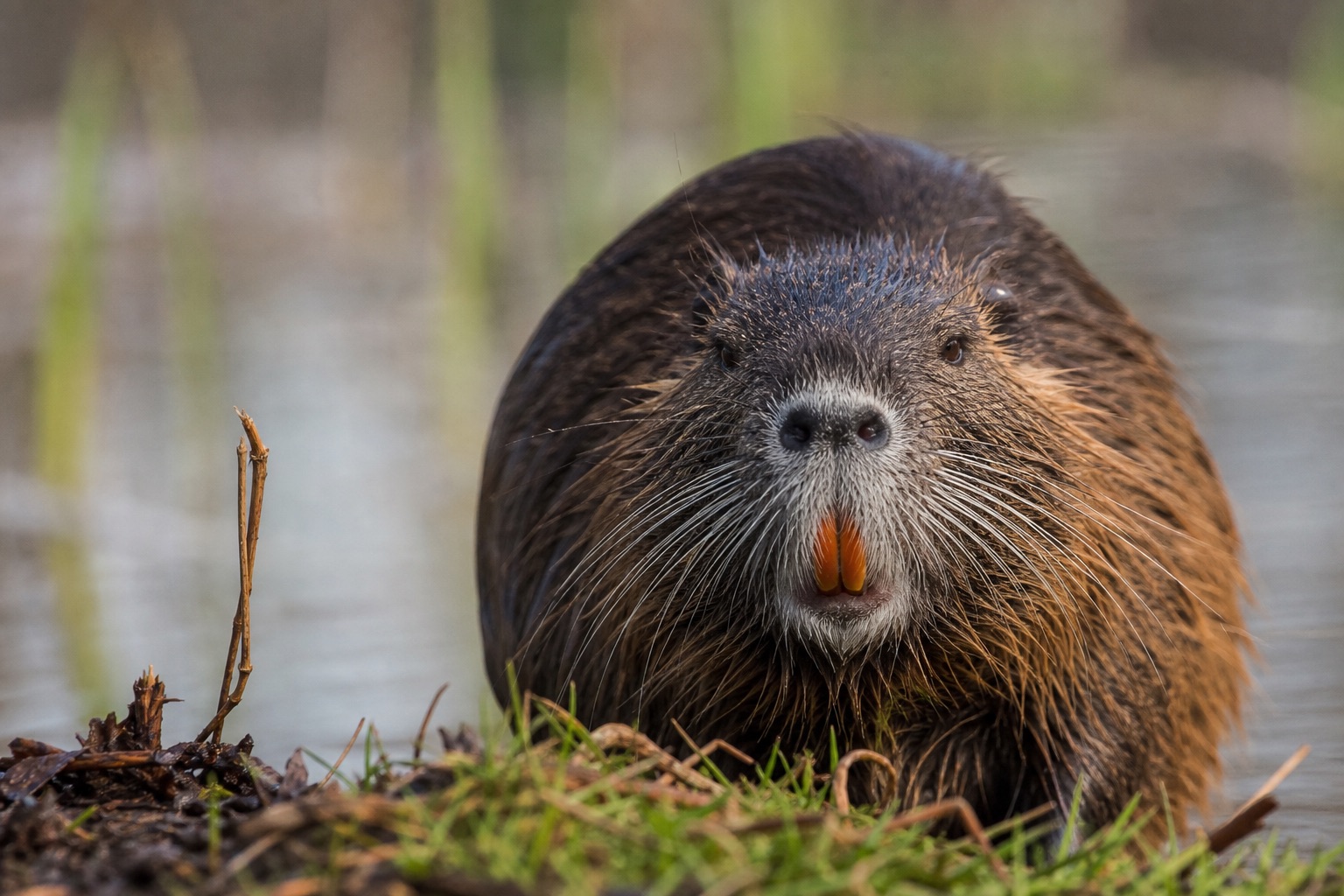
Least Concern in native South America — among the world's worst invasive mammals elsewhere
Nutria
Myocastor coypus (Molina, 1782) — family Myocastoridae
The nutria or coypu (Myocastor coypus) is a large semiaquatic rodent Least Concern in native South America but listed among the world's worst invasive species after fur-farm escapes — it destroys wetlands, undermines banks and was eradicated from Britain by 1989.
Read the guide →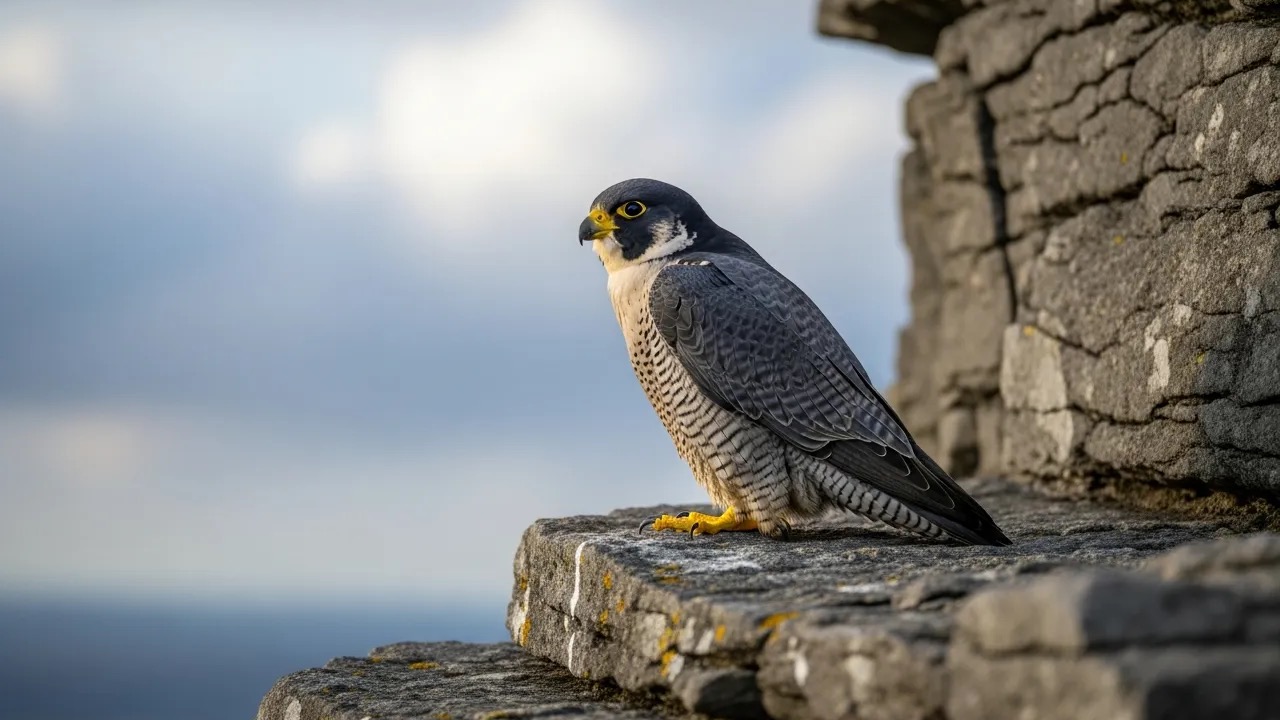
Least Concern
Peregrine Falcon
Falco peregrinus
The peregrine falcon (Falco peregrinus) is a crow-sized bird of prey found on every continent except Antarctica, making it one of the most widespread birds in the world. It hunts other birds in mid-air and is the fastest animal on the planet, reaching over 380 km/h (240 mph) in a hunting dive.
Read the guide →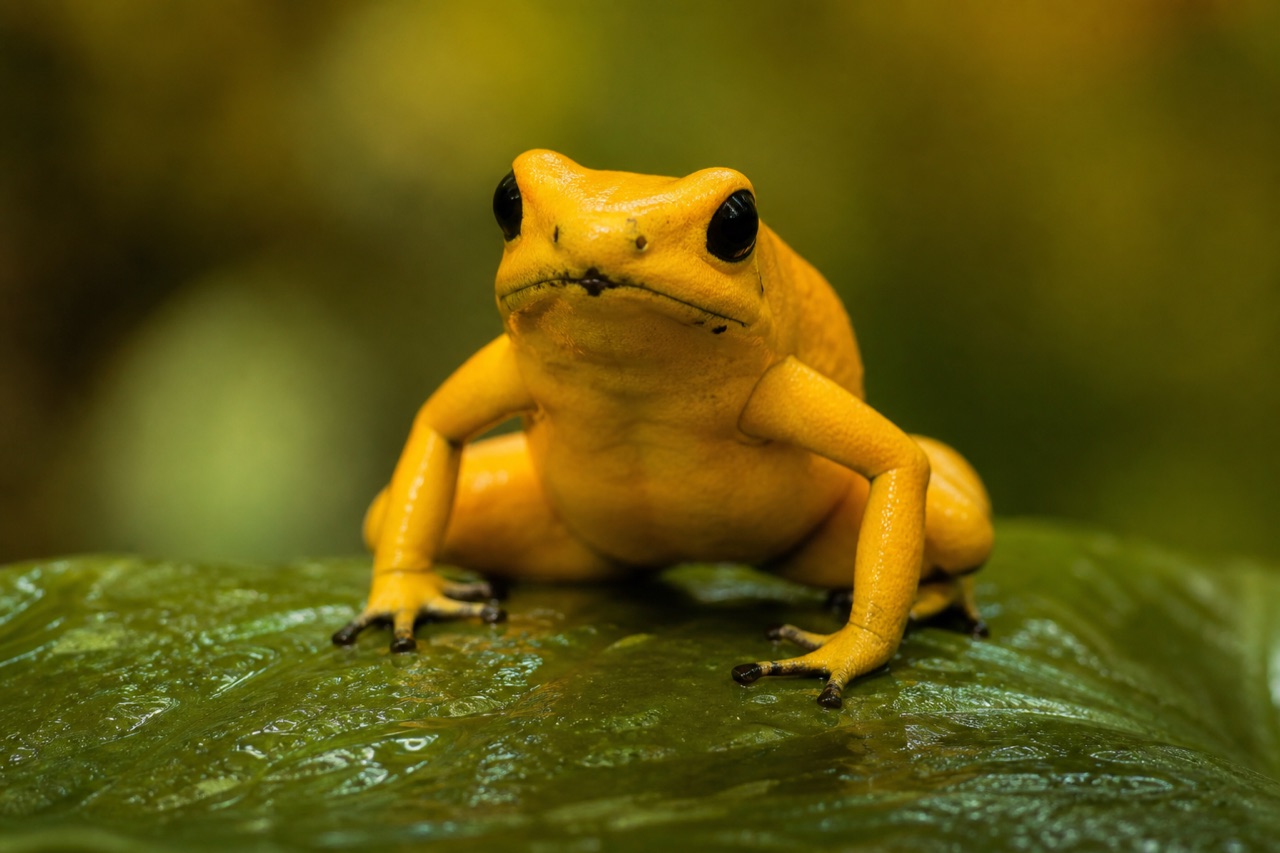
Varies by species — several Endangered or Critically Endangered
Poison Dart Frog
Family Dendrobatidae (Cope, 1865) — around 200 species
Poison dart frogs are around 200 species of small brightly coloured frogs in the family Dendrobatidae, found in Central and South American rainforests; their toxins are absorbed from a diet of alkaloid-carrying invertebrates, so captive-bred individuals are entirely harmless.
Read the guide →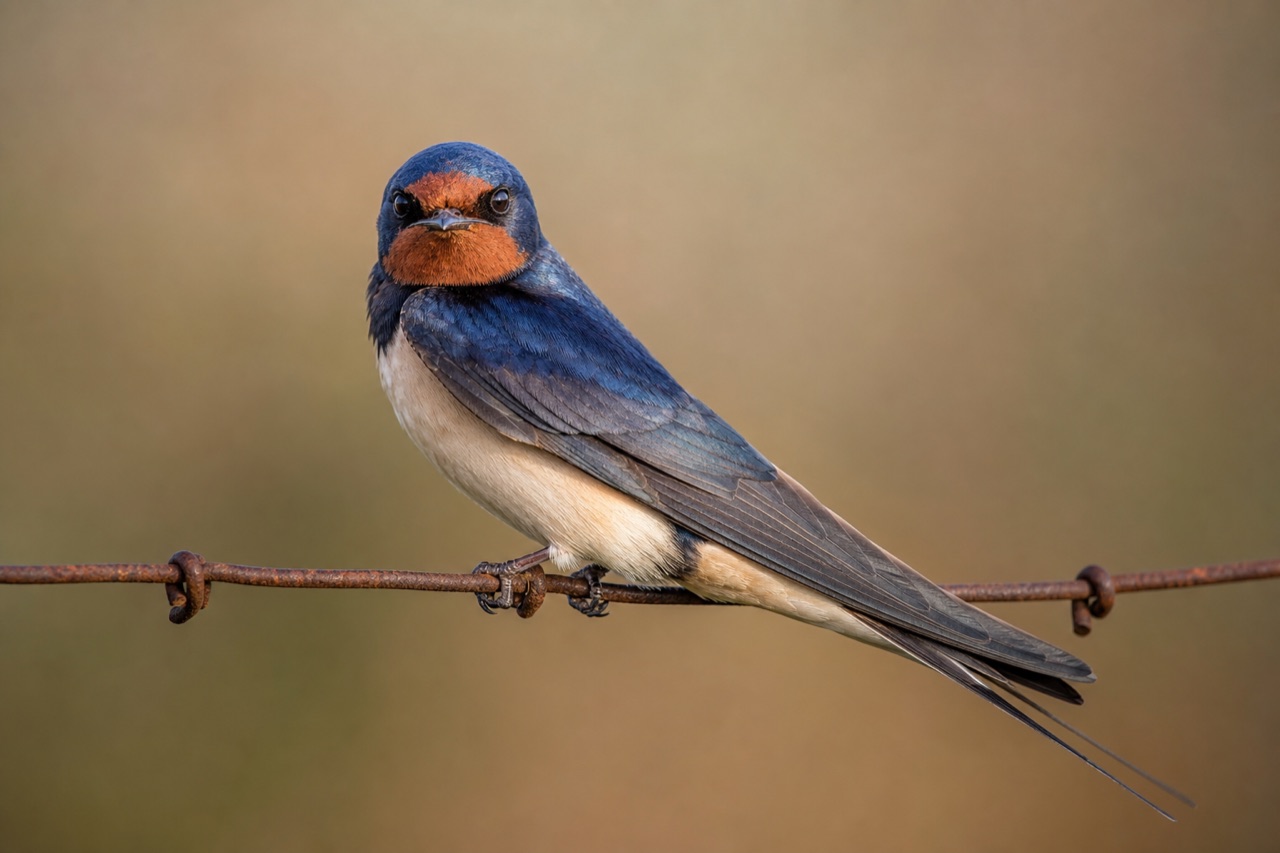
Least Concern — widespread migrant; long-term declines linked to farmland and insect loss
Swallow
Hirundo rustica (Linnaeus, 1758) — family Hirundinidae
The barn swallow (Hirundo rustica) is a long-distance migrant that breeds across the Northern Hemisphere and winters in Africa, South Asia or South America; in Britain it nests in mud cups under eaves and barns and feeds entirely on flying insects caught in agile aerial pursuit.
Read the guide →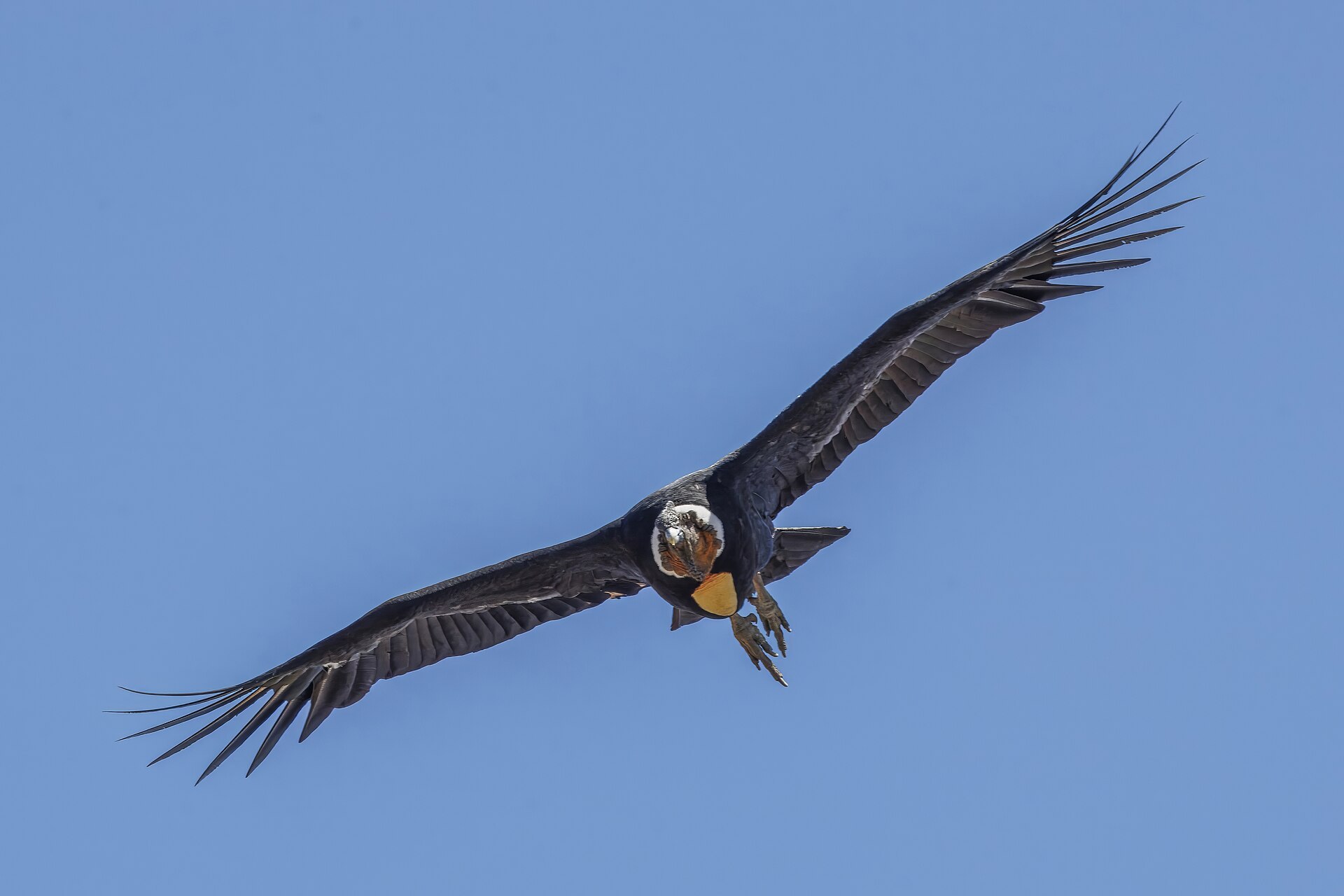
Varies by species: Andean Condor — Vulnerable (IUCN); California Condor — Critically Endangered (IUCN)
Condor
Vultur gryphus (Andean) / Gymnogyps californianus (California)
Condors are the largest flying land birds in the Western Hemisphere: the Andean condor (Vultur gryphus) is listed as Vulnerable by the IUCN with roughly 6,700 mature individuals remaining, while the California condor (Gymnogyps californianus) is Critically Endangered but recovering, with approximately 607 birds alive as of 2025 thanks to an intensive captive-breeding and reintroduction programme that saved it from a low of just 22 birds in 1982.
Read the guide →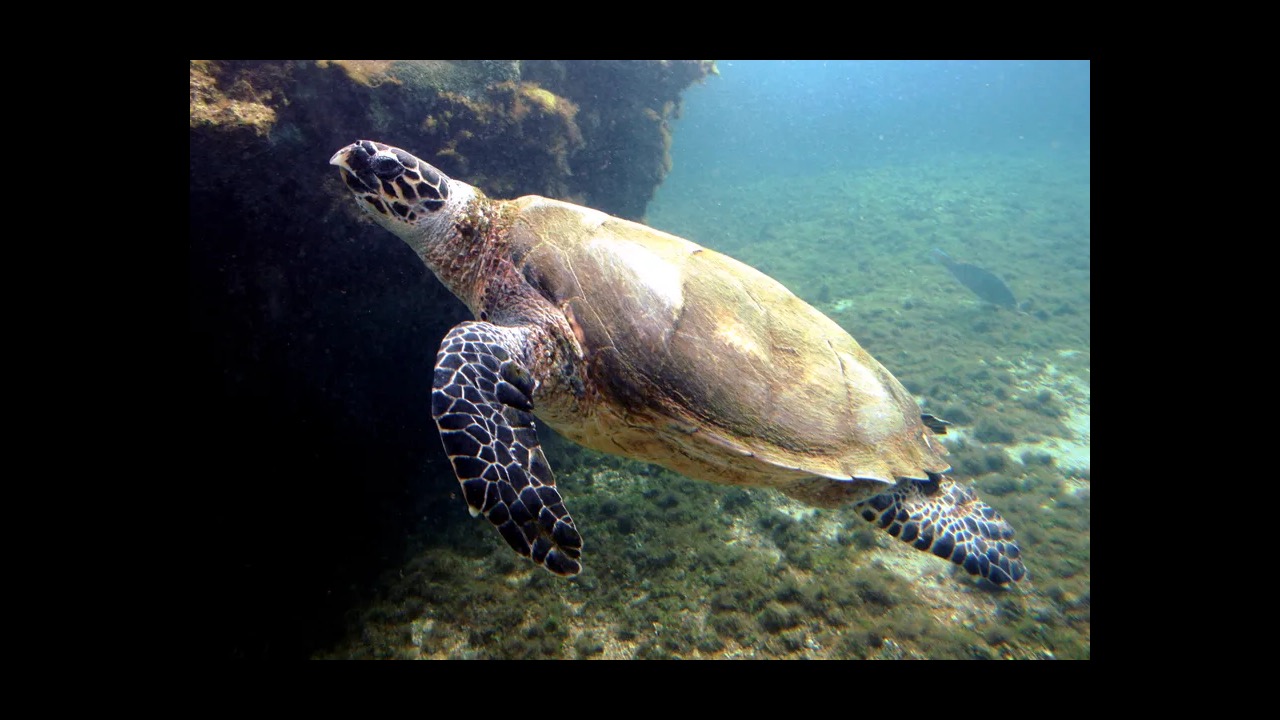
Critically Endangered
Hawksbill Sea Turtle
Eretmochelys imbricata
The hawksbill is a small sea turtle of tropical coral reefs worldwide, named for its narrow, bird-like beak. It grows to about 0.9 m (3 ft) and 45 to 90 kg, feeds mainly on sponges, and can swim at up to 24 km/h (15 mph).
Read the guide →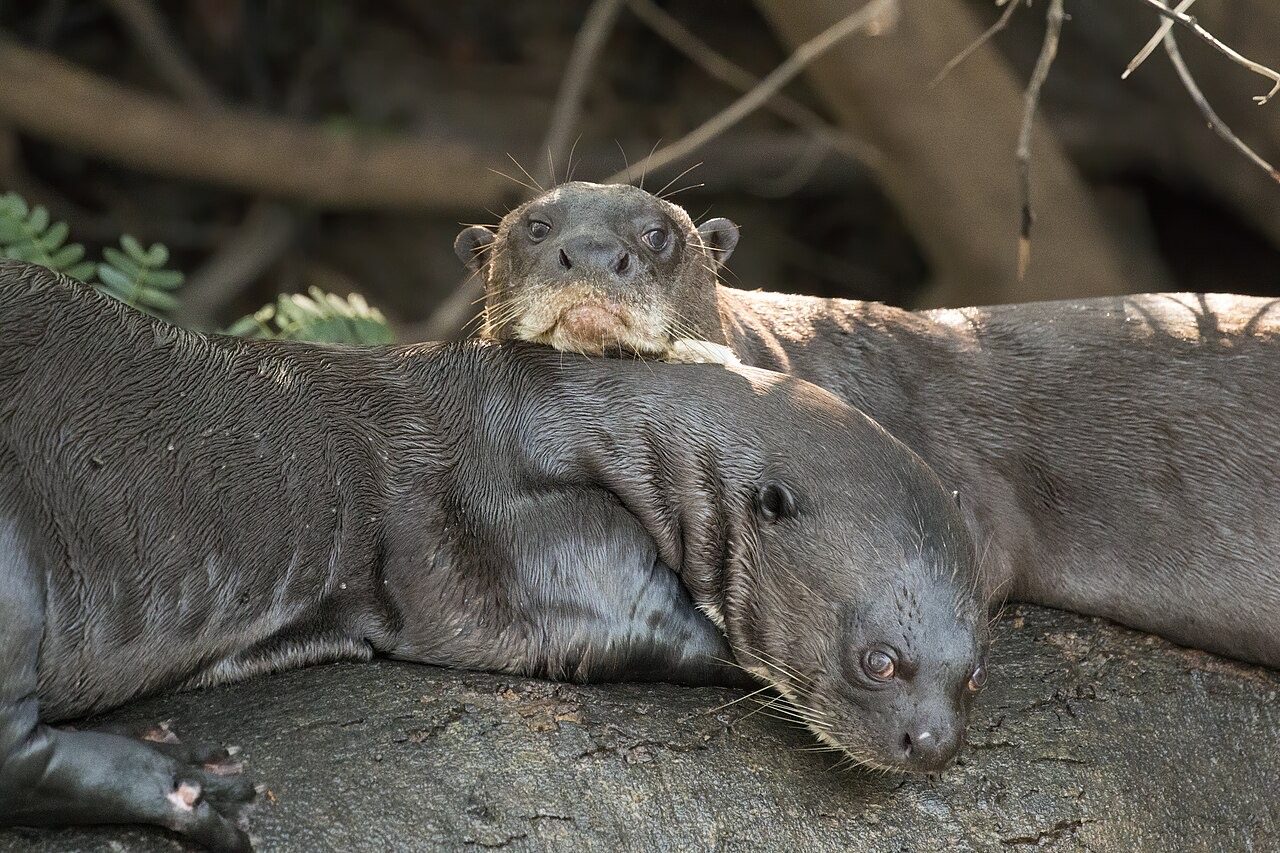
Endangered (IUCN, 2021) — locally extinct or Critically Endangered across much of its former range
Giant Otter
Pteronura brasiliensis
A giant otter (Pteronura brasiliensis) is the world's longest otter, a fish-eating, highly social mammal of South American rivers that grows up to 1.8 metres long and lives in family groups; it is classified as Endangered by the IUCN.
Read the guide →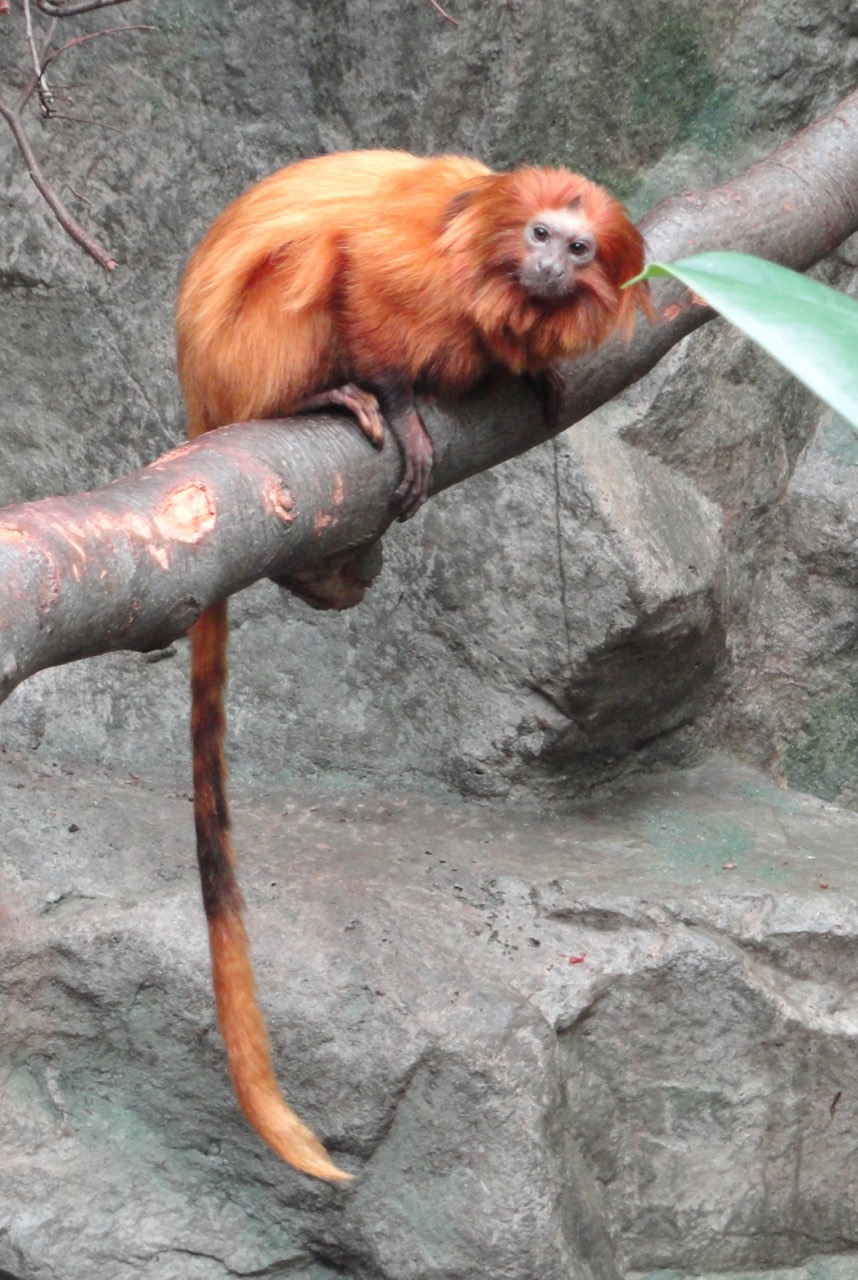
Endangered (conservation comeback)
Golden Lion Tamarin
Leontopithecus rosalia
A golden lion tamarin (Leontopithecus rosalia) is a small, endangered New World monkey with a bright reddish-gold coat and a lion-like mane, native only to the Atlantic Forest of southeastern Brazil.
Read the guide →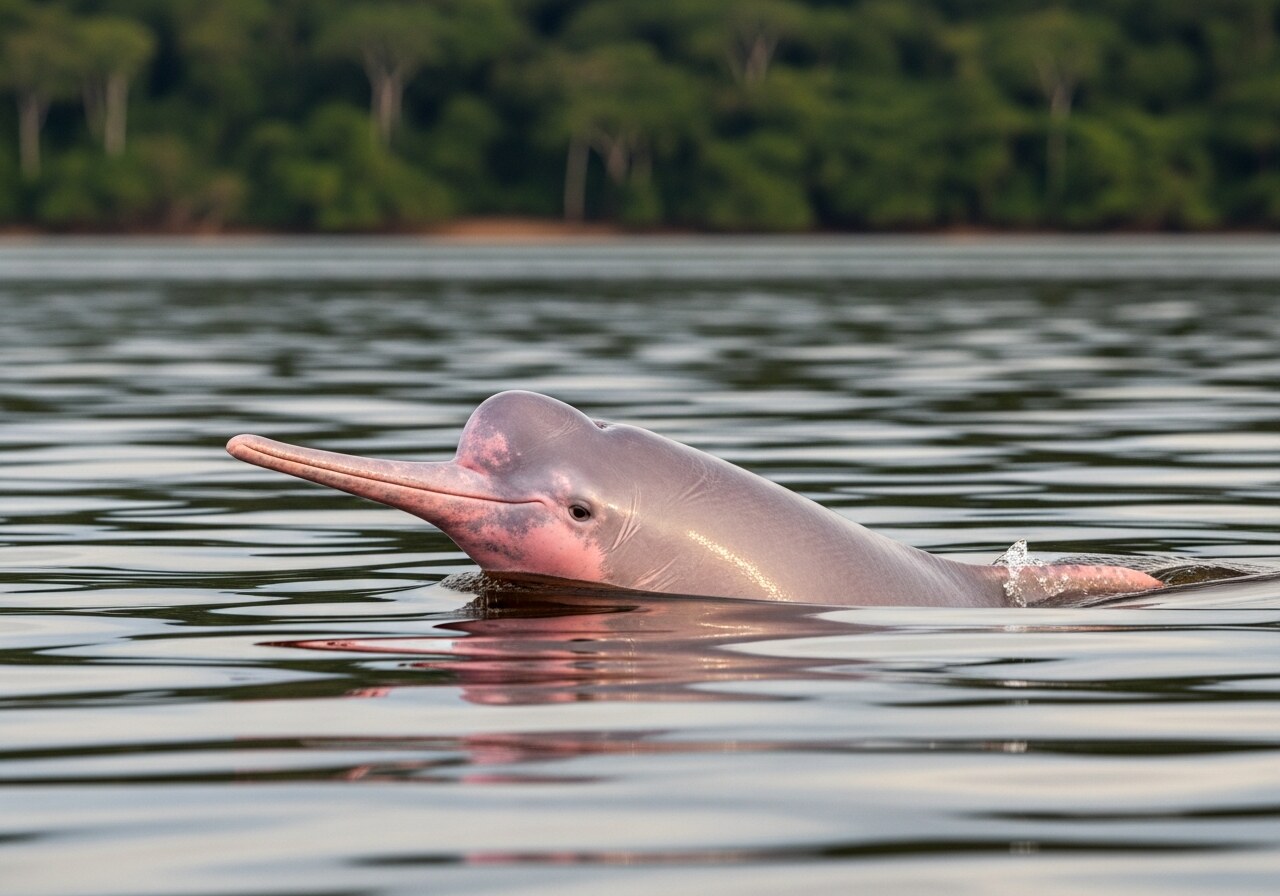
Endangered (IUCN, 2018) — assessed as one species with three subspecies
Pink River Dolphin
Inia geoffrensis
A pink river dolphin (Inia geoffrensis), also called the boto or Amazon river dolphin, is a freshwater toothed whale native to the Amazon and Orinoco river systems of South America. It is the largest river dolphin, named for the pink colouring adults often develop, and is classed as Endangered by the IUCN.
Read the guide →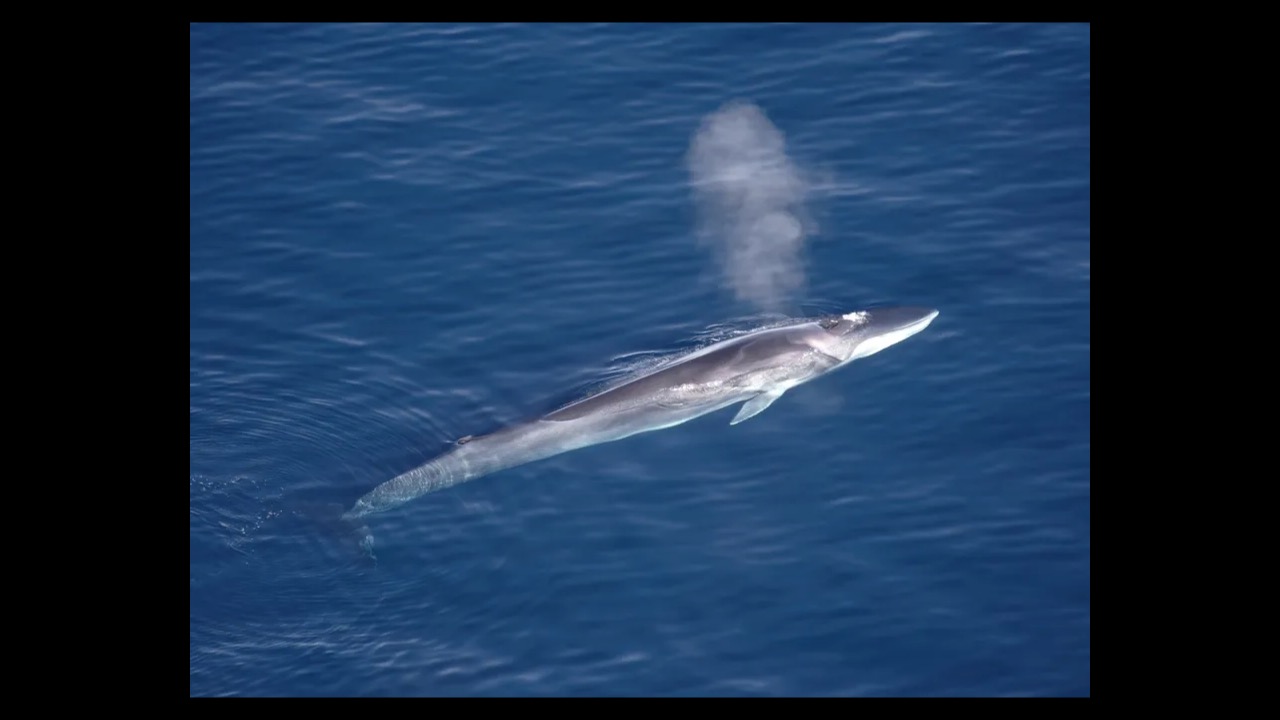
Vulnerable
Fin Whale
Balaenoptera physalus
The fin whale is the second-largest animal on Earth after the blue whale, reaching 25 m (82 ft) and 70 tonnes with an asymmetric jaw colouring. A fast baleen whale capable of 40 km/h bursts, it filters krill and small fish and is listed Vulnerable after decades of commercial whaling.
Read the guide →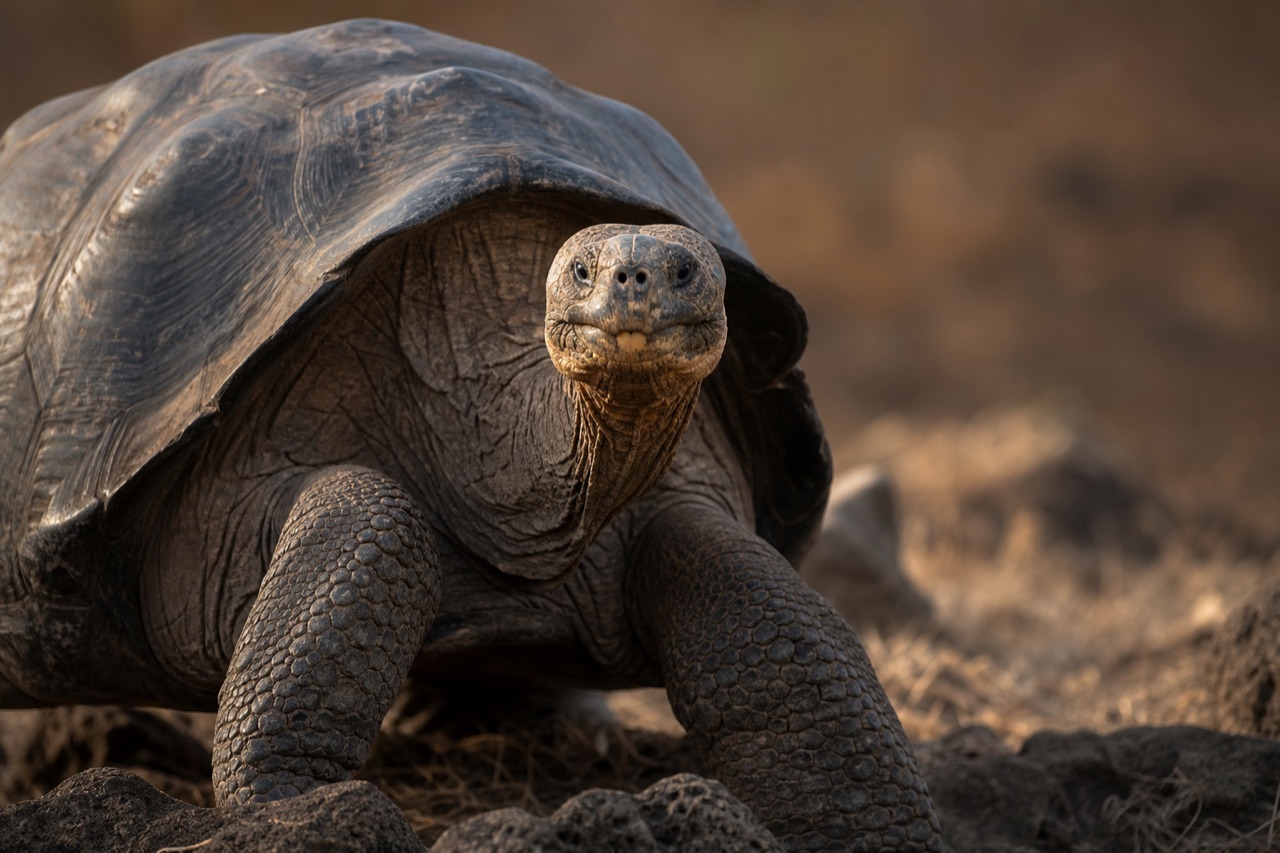
Vulnerable — recovered from ~3,000 animals to around 60,000
Galápagos Tortoise
Chelonoidis niger species complex (Quoy & Gaimard, 1824) — 12 surviving species
The Galápagos tortoise is the world's largest tortoise, reaching over 400 kg and living beyond 100 years; hunted from an estimated 200,000 animals down to about 3,000 by the 1970s, captive breeding and invasive-species removal have since recovered the population to around 60,000.
Read the guide →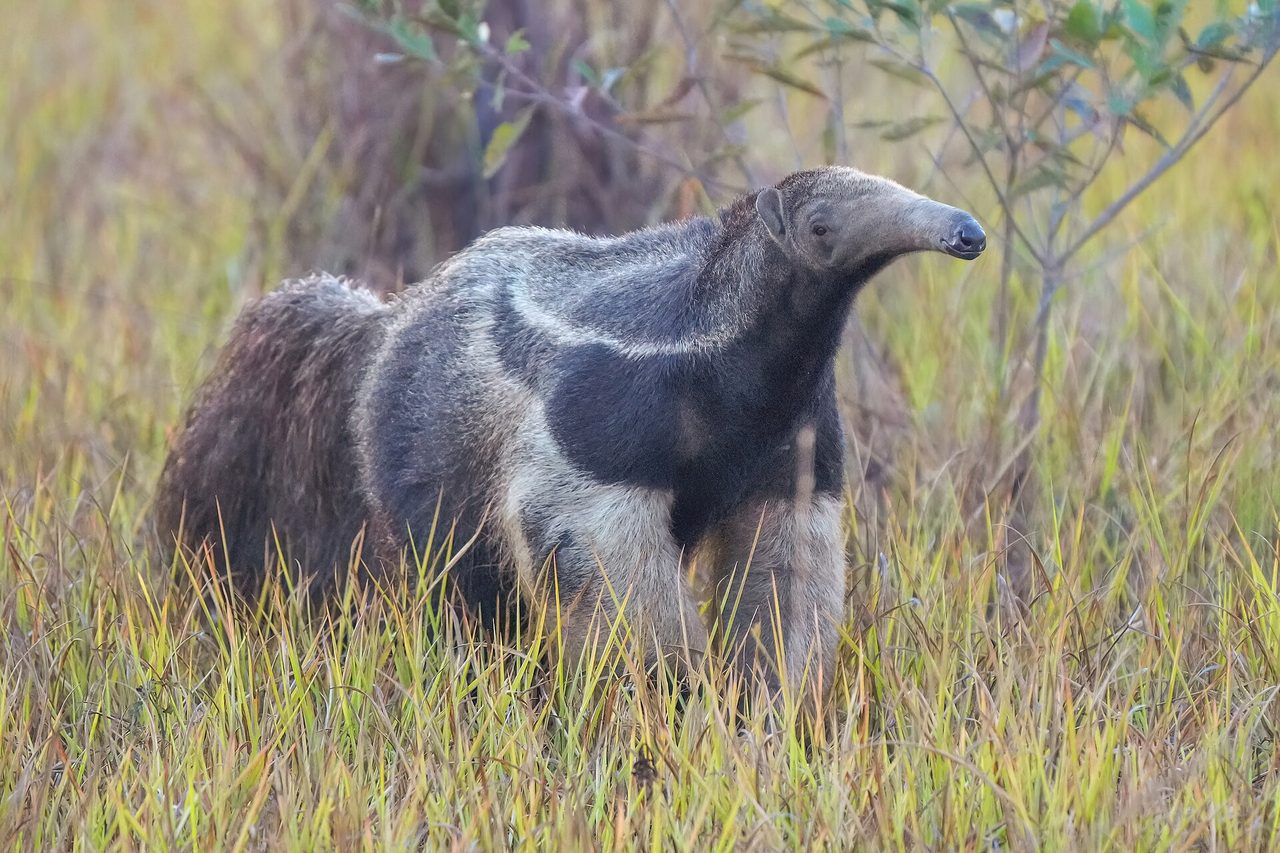
Vulnerable
Giant Anteater
Myrmecophaga tridactyla
The giant anteater is a large, toothless mammal of Central and South America listed as Vulnerable by the IUCN, with populations declining by at least 30% over the past three generations due to habitat loss, fire, and road mortality.
Read the guide →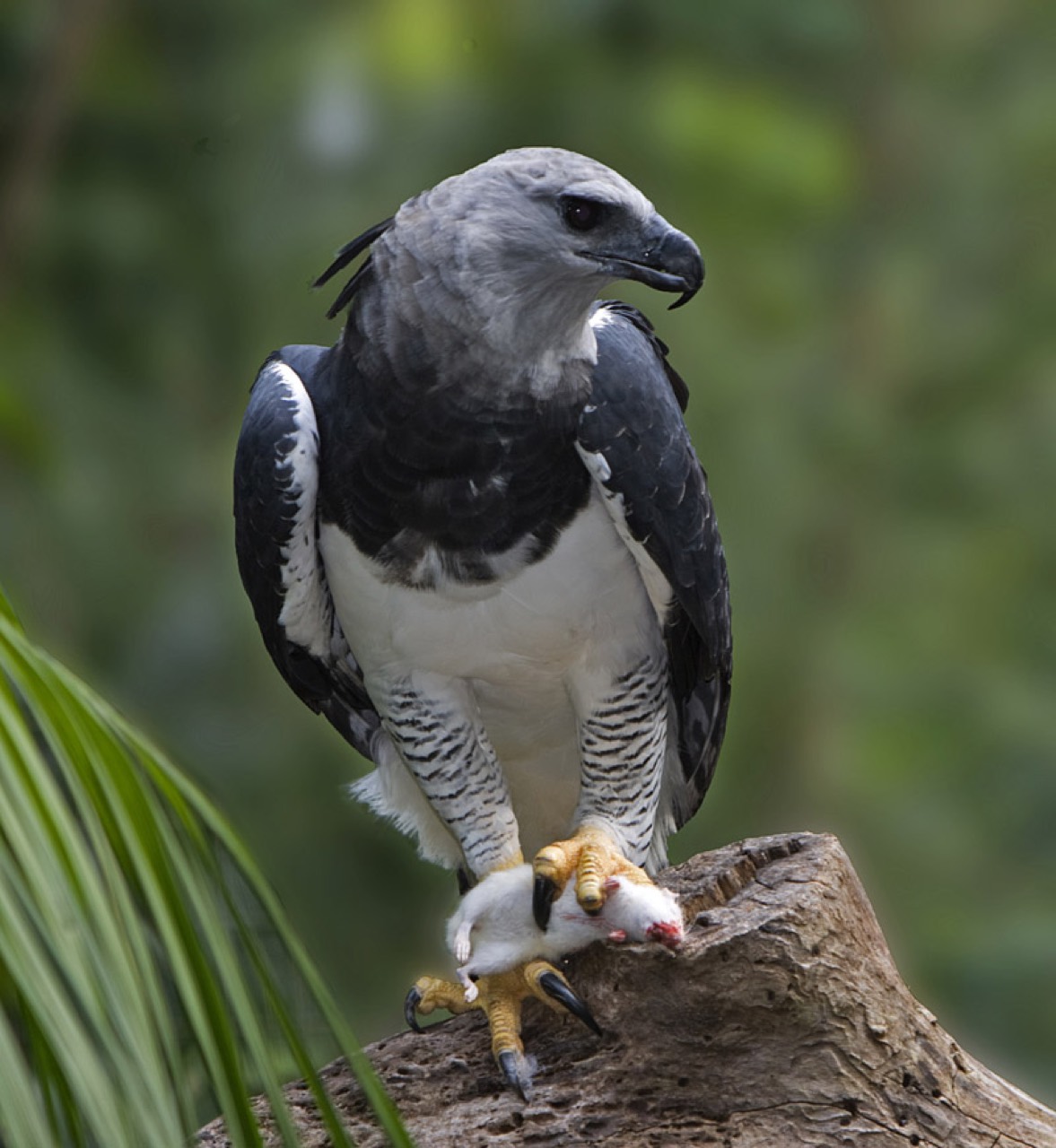
Vulnerable (IUCN, 2021) — declining
Harpy Eagle
Harpia harpyja
A Harpy Eagle (Harpia harpyja) is the largest and most powerful bird of prey in the Americas, a rainforest eagle that hunts tree-dwelling mammals such as sloths and monkeys from the canopy of Central and South America; the IUCN classifies it as Vulnerable.
Read the guide →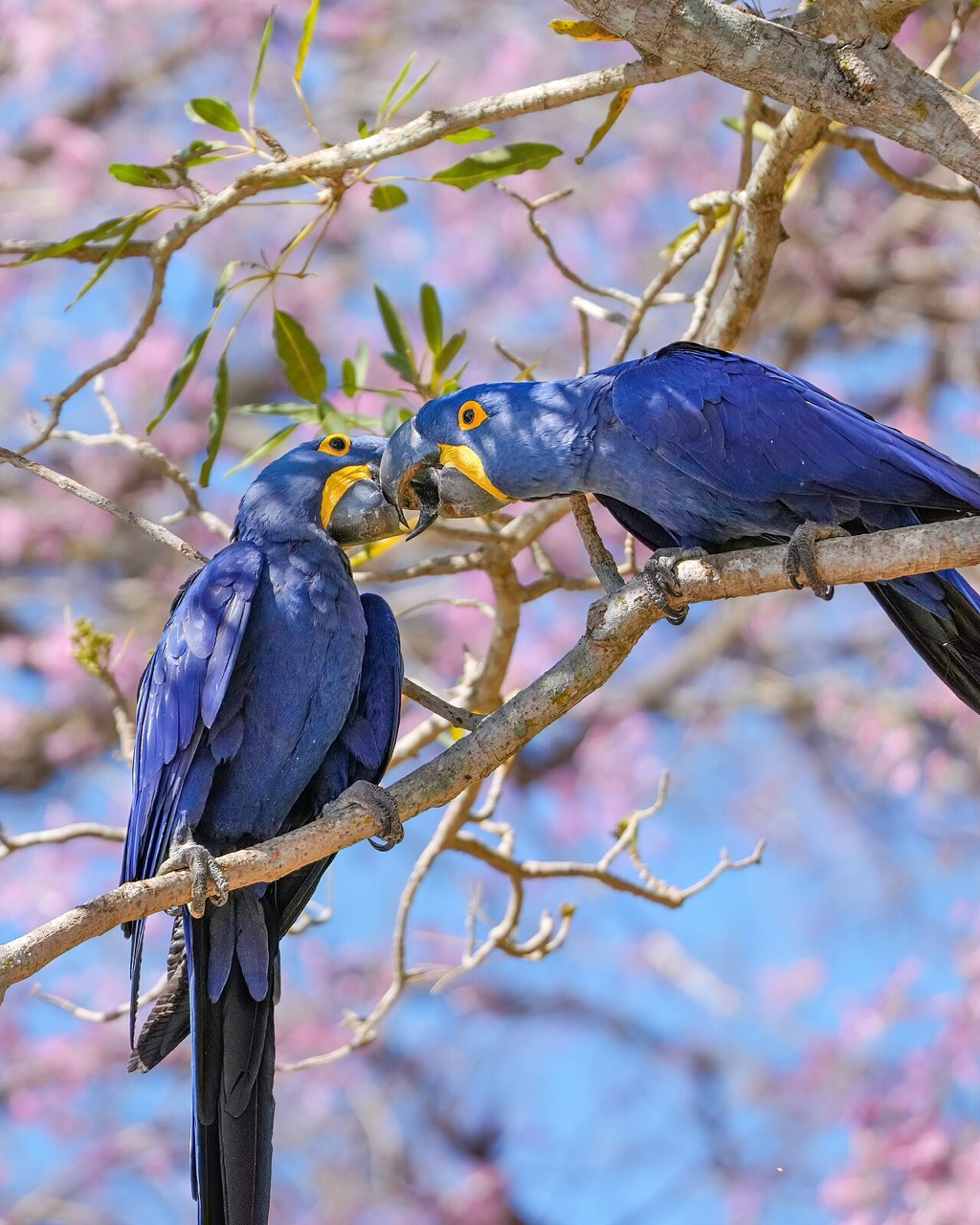
Vulnerable (IUCN) — locally reassessed as Endangered in Brazil after the 2020 Pantanal fires
Hyacinth Macaw
Anodorhynchus hyacinthinus
A Hyacinth Macaw is the world's largest flying parrot — a roughly one-metre-long, cobalt-blue bird from central South America, especially Brazil's Pantanal, that uses its powerful beak to crack hard palm nuts; it is listed as Vulnerable by the IUCN.
Read the guide →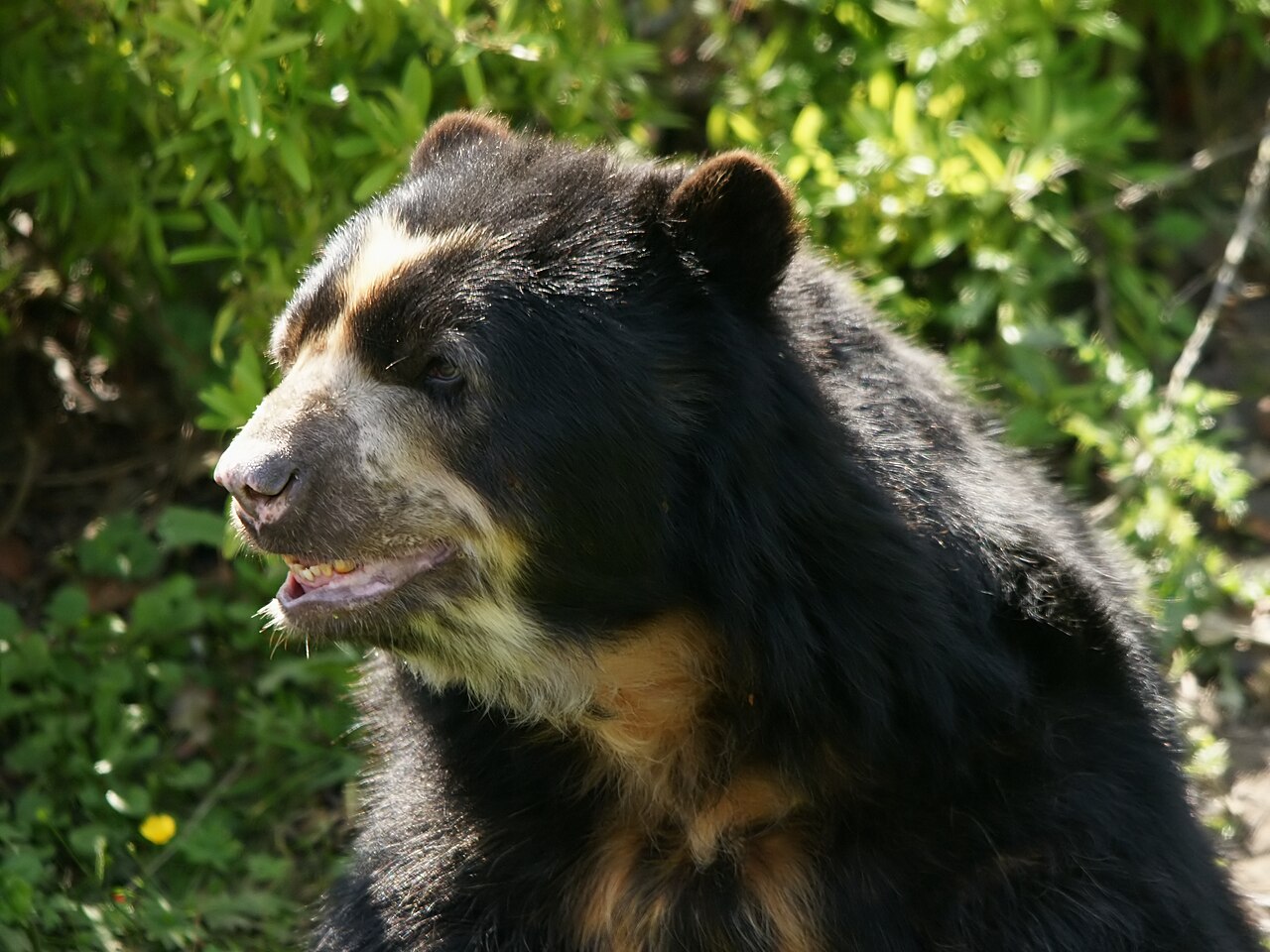
Vulnerable
Spectacled Bear
Tremarctos ornatus (F. Cuvier, 1825)
The spectacled bear is South America's only bear species and the last surviving short-faced bear; the IUCN lists it as Vulnerable, threatened by deforestation, conflict with farmers, and the illegal wildlife trade.
Read the guide →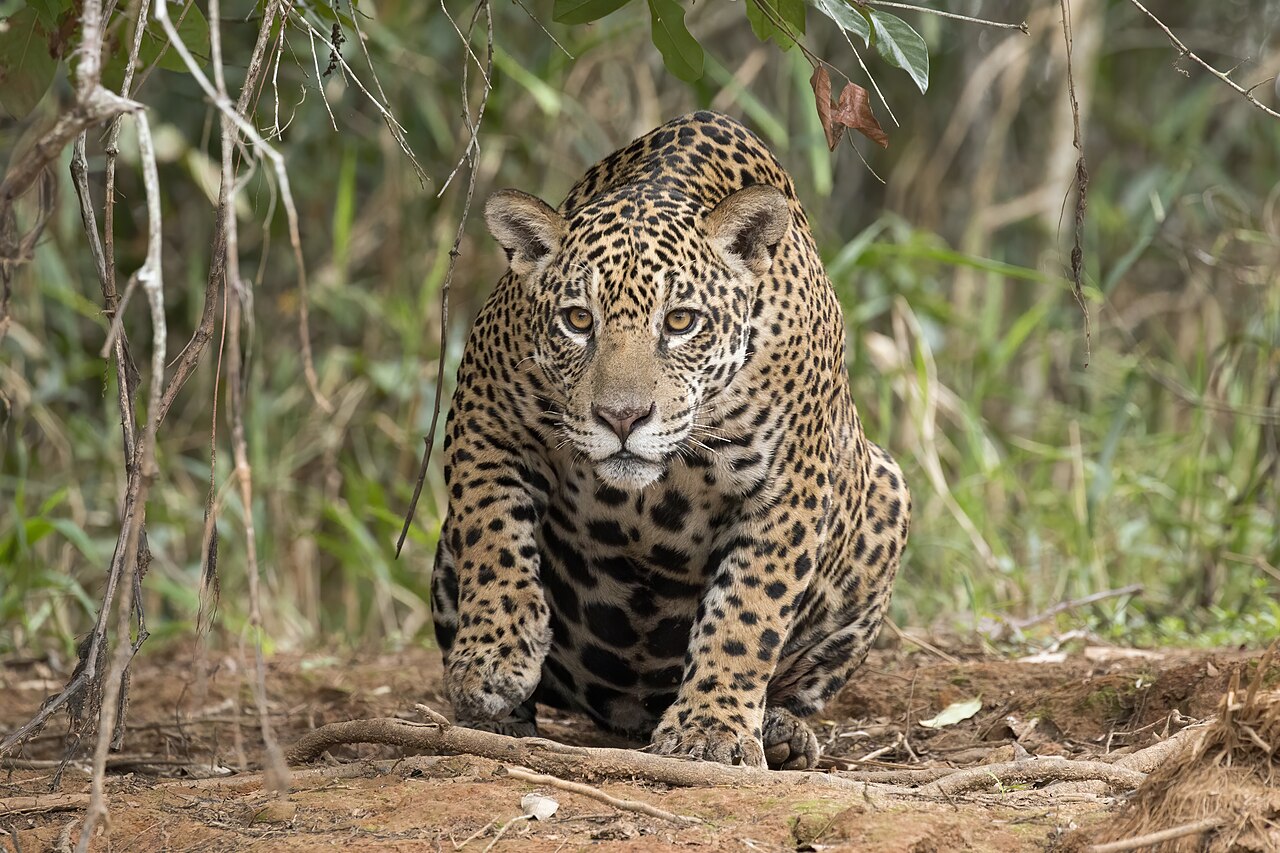
Near Threatened globally — but Endangered or Critically Endangered across most regional populations outside Amazonia
Jaguar
Panthera onca
A jaguar (Panthera onca) is a large spotted big cat native to the Americas — the largest cat on the continent and the third-largest in the world — known for the strongest bite of any big cat and a habit of killing prey by piercing the skull.
Read the guide →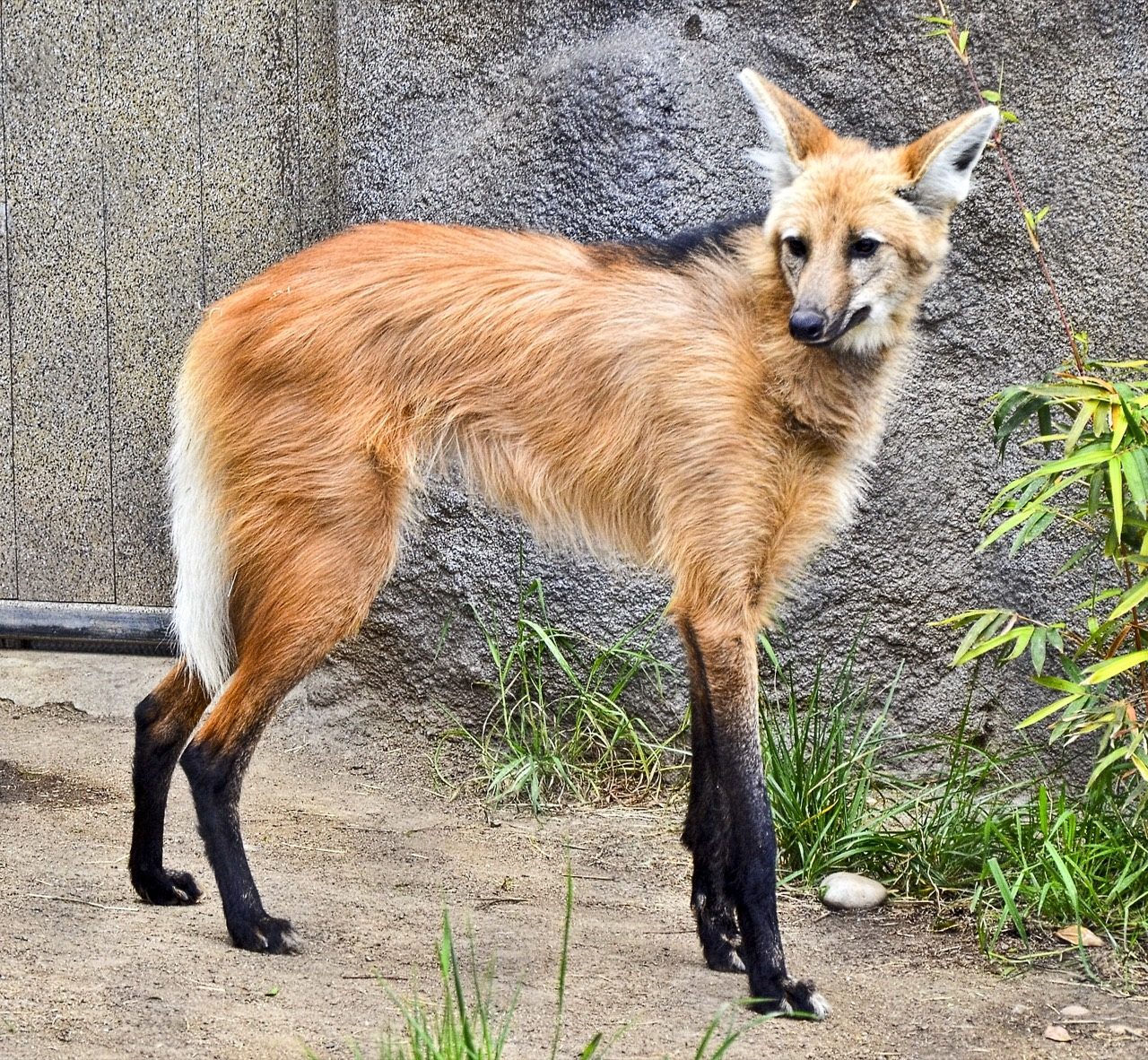
Near Threatened (IUCN, 2015) — declining Cerrado habitat
Maned Wolf
Chrysocyon brachyurus
A maned wolf is the tallest wild canid in the world, a long-legged, reddish-coated omnivore native to the grasslands of central South America — especially Brazil's Cerrado — that despite its name is neither a true wolf nor a fox but the only species in the genus Chrysocyon.
Read the guide →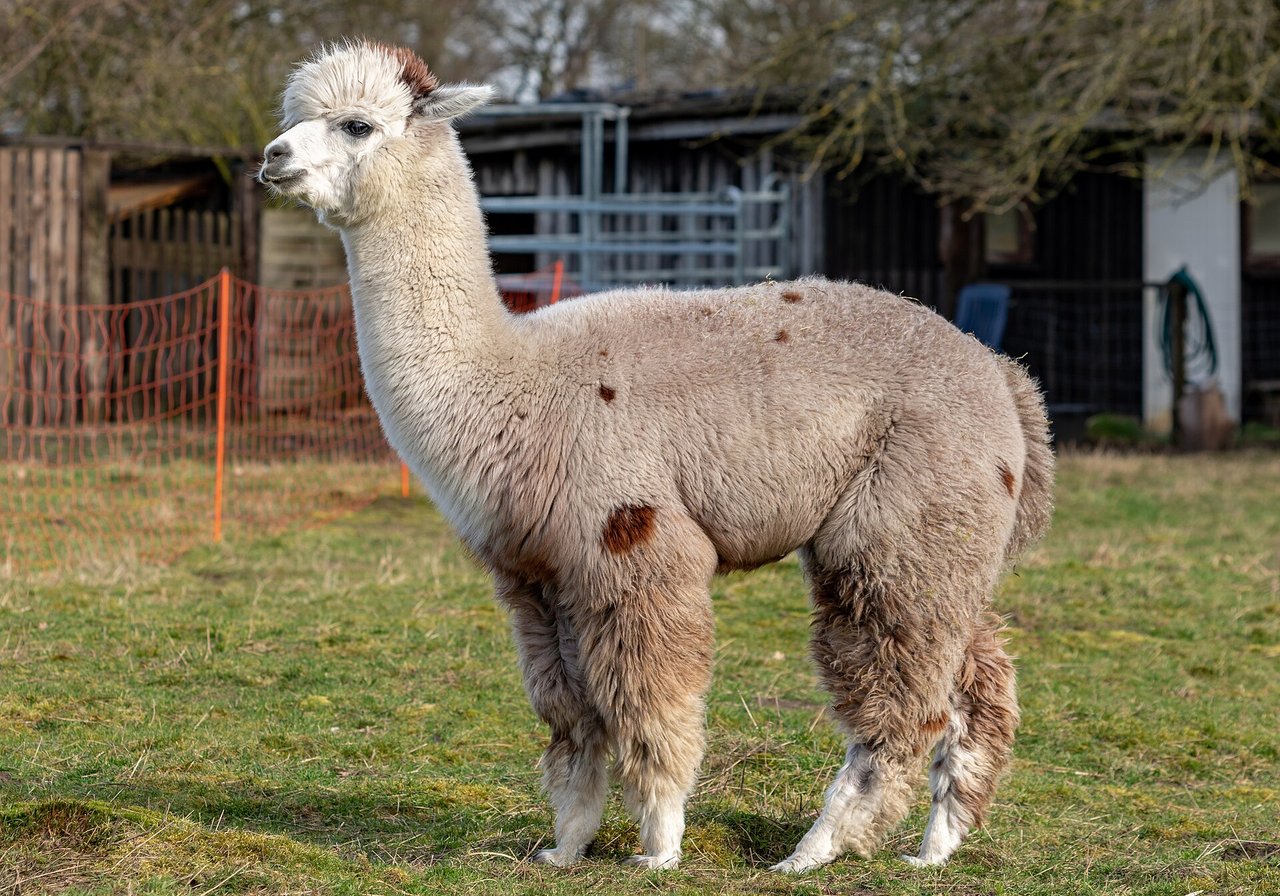
Domesticated — wild ancestor vicuña Least Concern
Alpaca
Vicugna pacos (Linnaeus, 1758)
The alpaca (Vicugna pacos) is a domesticated Andean camelid kept for its fine fleece; descended from the vicuña, it has been farmed for over 6,000 years in Peru, Bolivia and neighbouring countries.
Read the guide →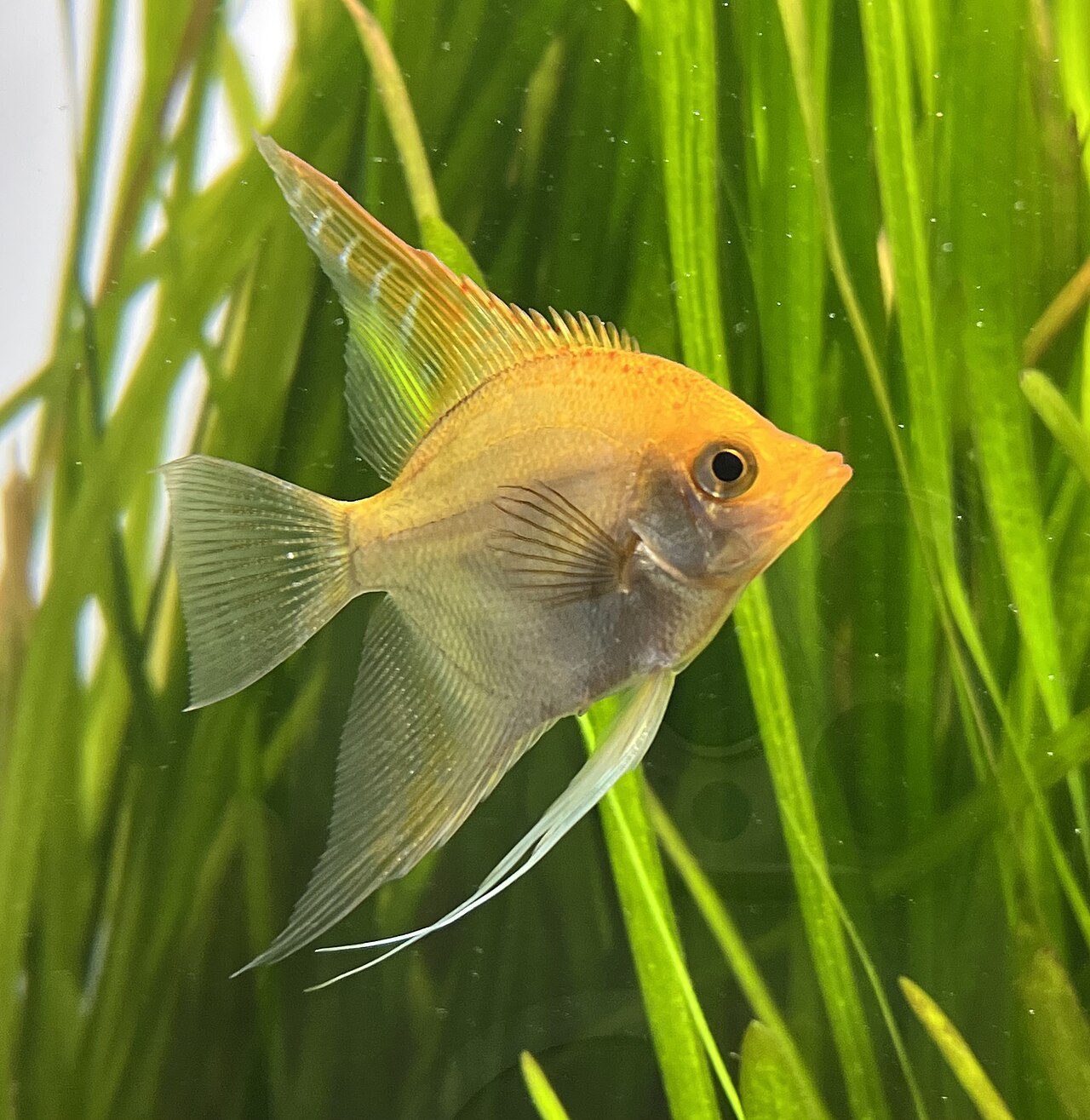
Domesticated aquarium fish; wild type widespread in the Amazon basin
Angelfish
Pterophyllum scalare (Lichtenstein, 1823) — freshwater angelfish, family Cichlidae
Angelfish (Pterophyllum scalare) are tall Amazonian cichlids kept worldwide in aquariums; the many 'varieties' are line-bred colour and fin forms of one species, needing a tall planted tank of 110+ litres and calm tankmates.
Read the guide →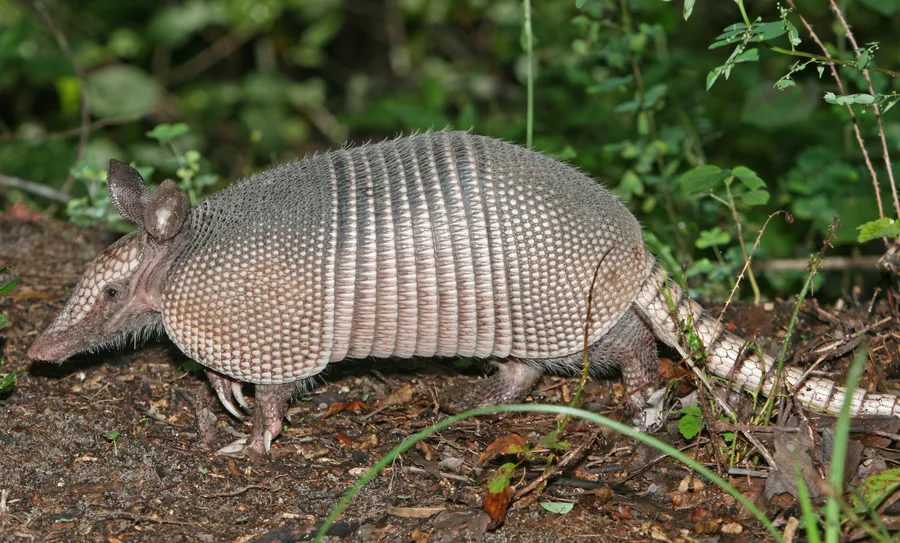
Varies; nine-banded armadillo Least Concern (IUCN)
Armadillo
Dasypus novemcinctus and relatives (order Cingulata)
An armadillo is a small to medium New World mammal of the order Cingulata, protected by a distinctive shell of bony plates covered in leathery skin. Around 20 species live across the Americas, digging burrows and feeding mainly on insects, grubs and other invertebrates.
Read the guide →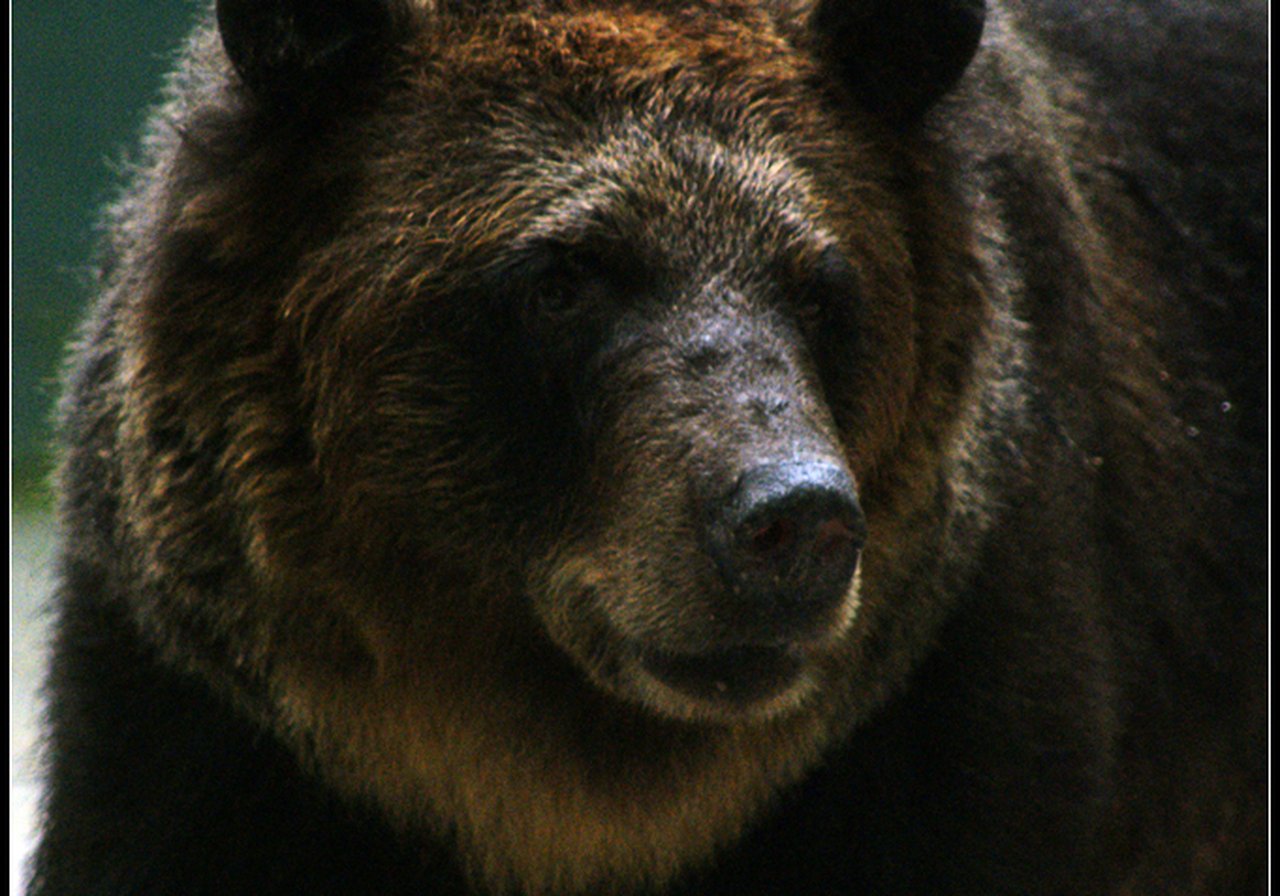
Varies by species (Least Concern to Vulnerable)
Bear
Family Ursidae — 8 living species across North America, South America, Europe and Asia
Bears are eight living species in family Ursidae, not one species. The IUCN does not give bears a single extinction badge. Polar, sun, sloth and spectacled bears are Vulnerable. Giant pandas recovered to Vulnerable. American black bears are abundant. The related appeal explains potential support and the current funding status; this guide does not confirm a WARN grant.
Read the guide →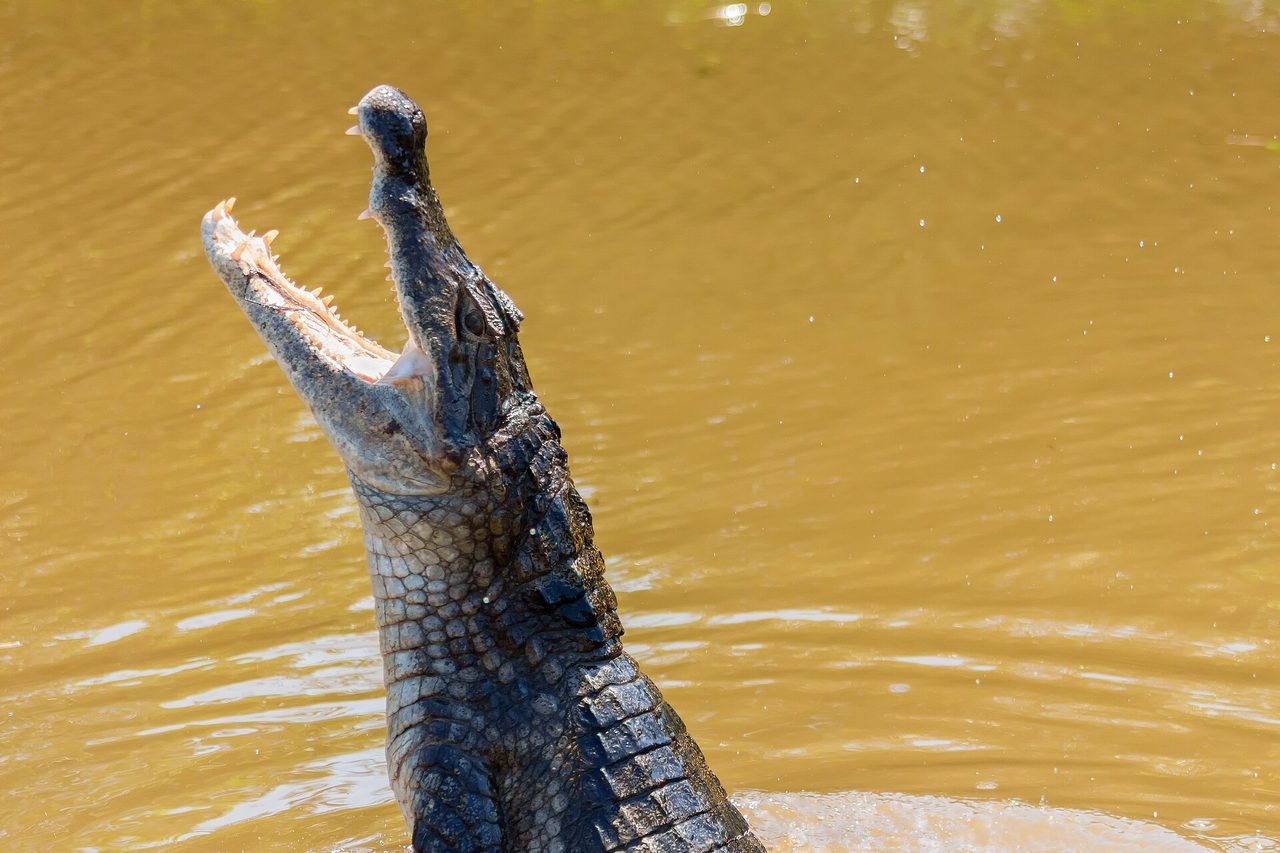
Least Concern (IUCN) — varies by species
Caiman
Caiman crocodilus and relatives (subfamily Caimaninae)
Caimans are freshwater crocodilians native to Central and South America, with the spectacled caiman being the world's most numerous crocodilian — estimated at over one million mature individuals by the IUCN and listed as Least Concern.
Read the guide →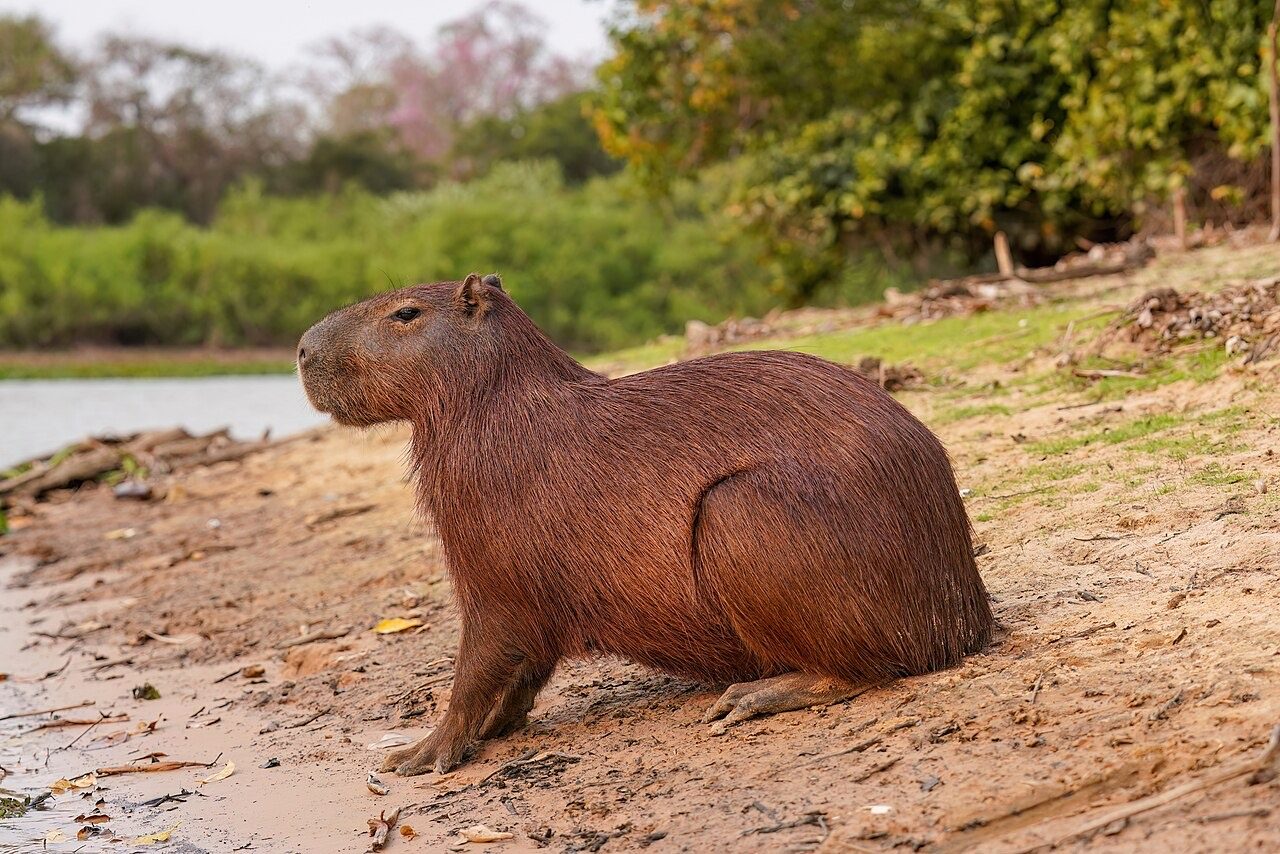
Least Concern (IUCN, 2016) — but locally hunted and traded
Capybara
Hydrochoerus hydrochaeris
A capybara is the world's largest rodent, a semi-aquatic, plant-eating mammal native to South America that can weigh up to about 65 kilograms (140 pounds) and lives in social groups near rivers, lakes and wetlands.
Read the guide →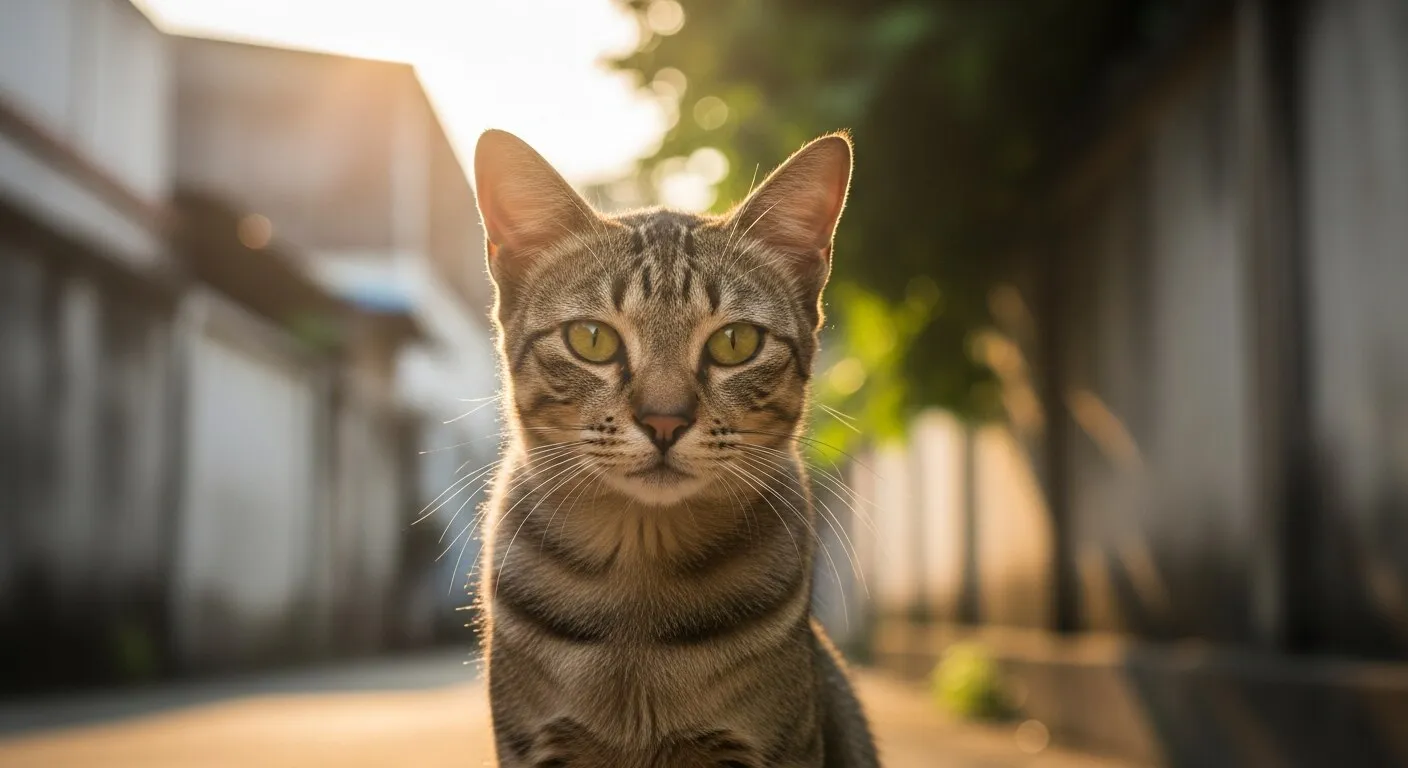
Domesticated — Not Evaluated (IUCN)
Cat
Felis catus (Linnaeus, 1758)
A cat (Felis catus) is a small domesticated carnivorous mammal descended from the African wildcat, kept worldwide as a companion. Every breed is the same species. The IUCN does not assess cats for extinction risk. Community cats are the same species as pets.
Read the guide →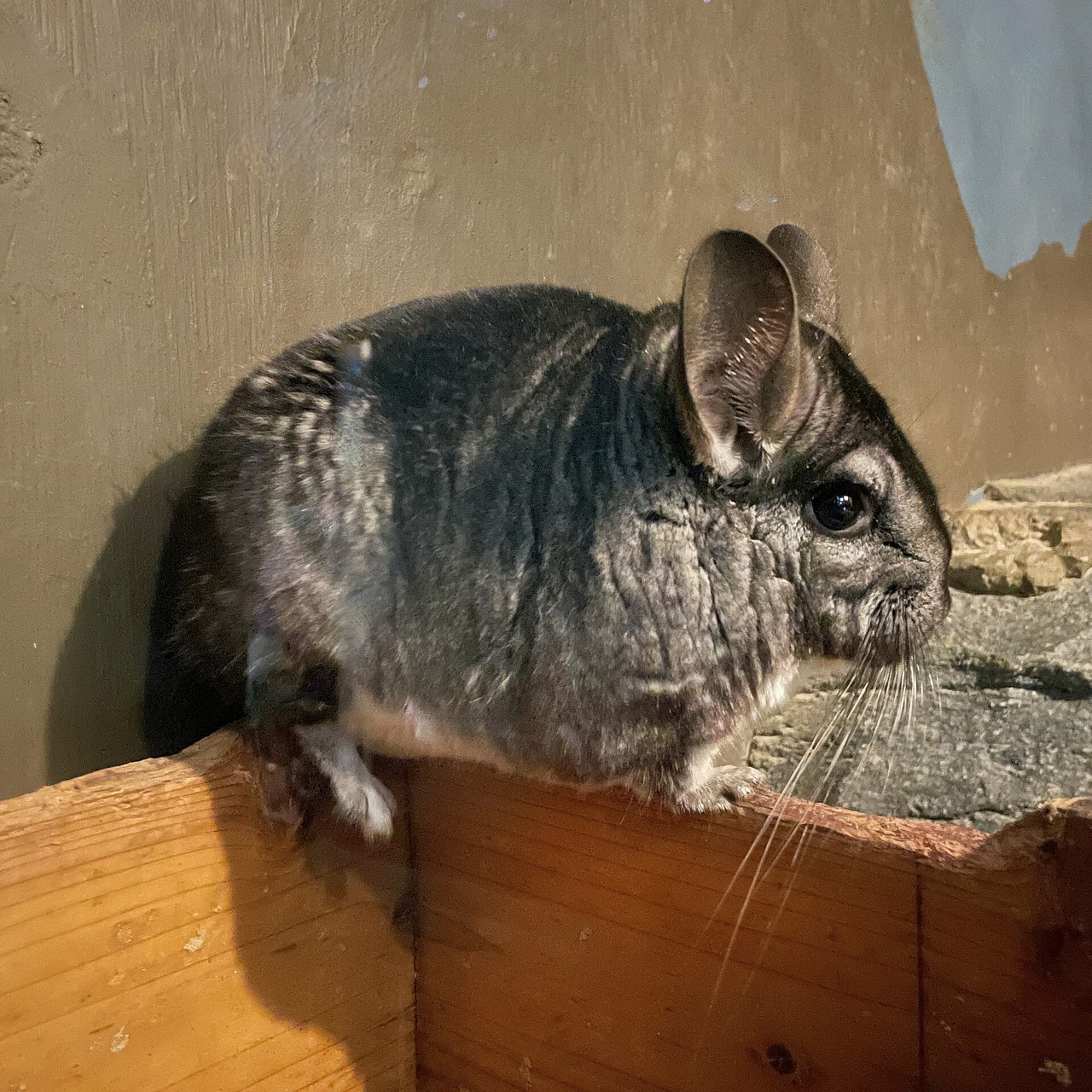
Wild chinchillas Endangered; common as pets
Chinchilla
Chinchilla (genus)
A chinchilla is a small, soft-furred rodent of the genus Chinchilla, native to the Andes mountains of South America. Famous for the densest fur of any land mammal, both wild species are Endangered, yet chinchillas are also bred and kept worldwide as long-lived, dust-bathing pets.
Read the guide →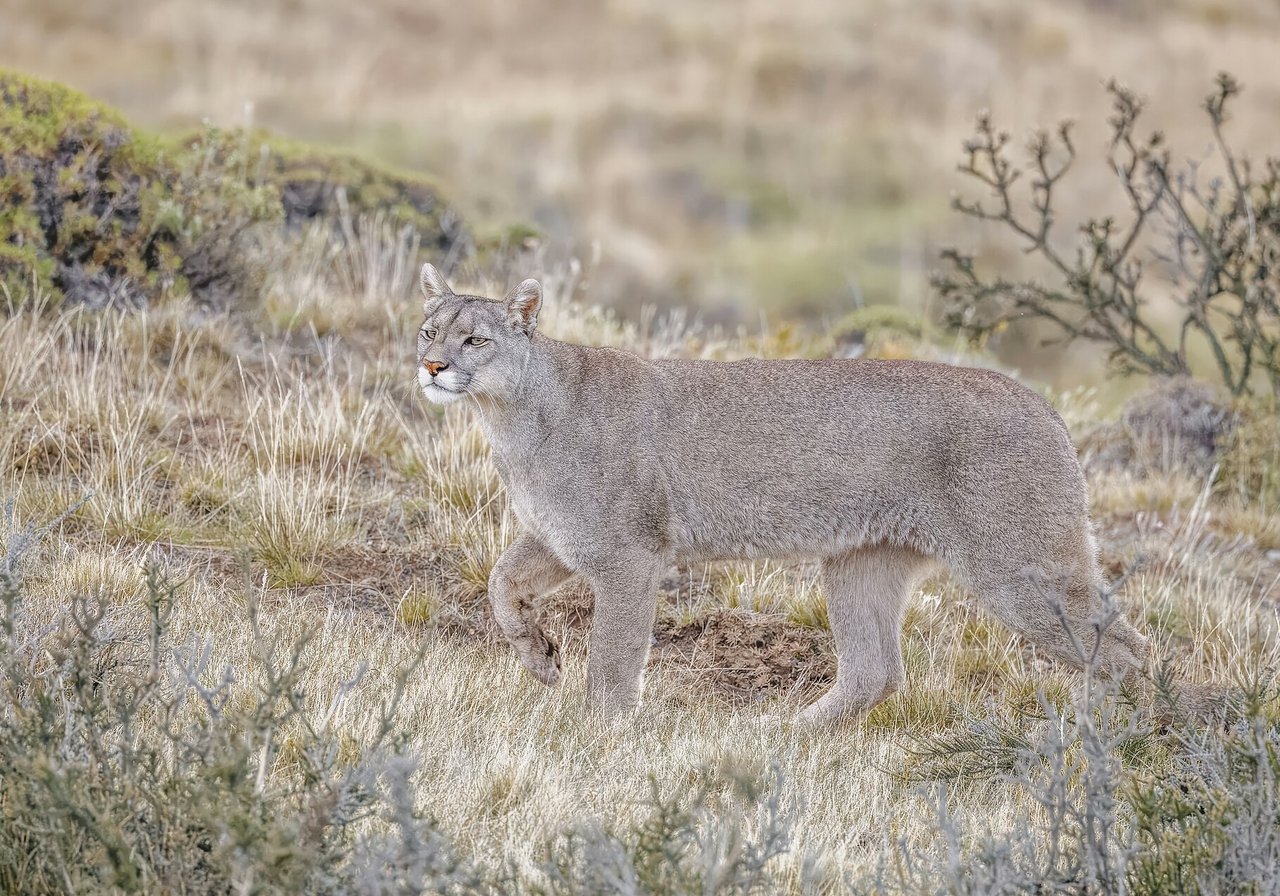
Least Concern (IUCN, 2014)
Cougar
Puma concolor (Linnaeus, 1771)
The cougar (Puma concolor) — also known as puma or mountain lion — is a large solitary cat native to the Americas, listed as Least Concern by the IUCN; it is the most widespread wild cat in the Western Hemisphere but faces habitat loss and human conflict in many regions.
Read the guide →
Domesticated — Not Evaluated (IUCN)
Dog
Canis lupus familiaris (Linnaeus, 1758)
A dog (Canis lupus familiaris) is a domesticated mammal descended from the grey wolf, kept worldwide as a companion, working and assistance animal. Every breed is the same species. The IUCN does not assess dogs for extinction risk. Street dogs are the same species as pets.
Read the guide →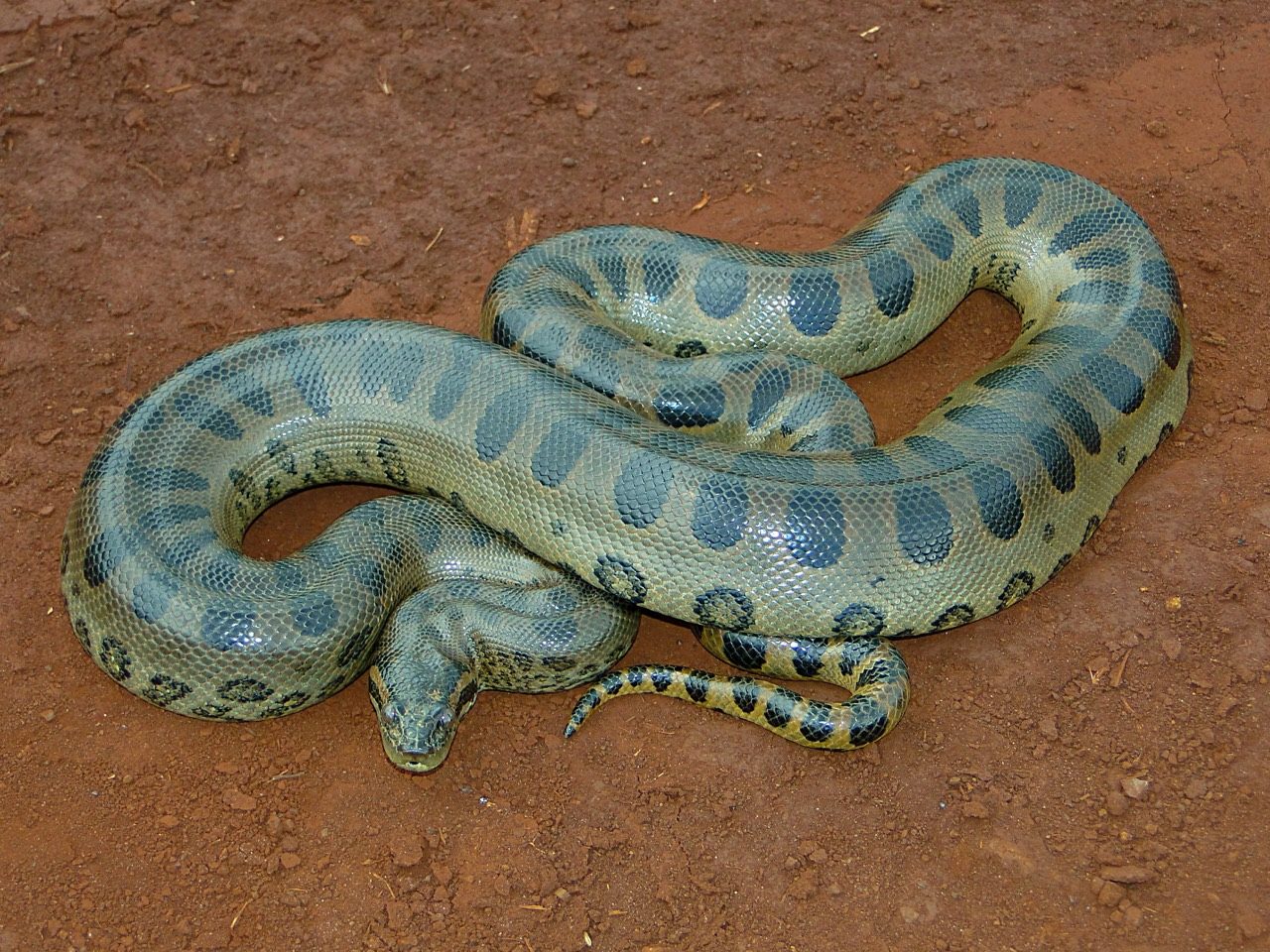
Least Concern (IUCN 2021) — but newly split species means parts of its range are unassessed
Green Anaconda
Eunectes murinus
A Green Anaconda (Eunectes murinus) is a large, non-venomous, semi-aquatic constrictor snake from tropical South America that is the heaviest snake in the world, killing prey by coiling and squeezing rather than biting.
Read the guide →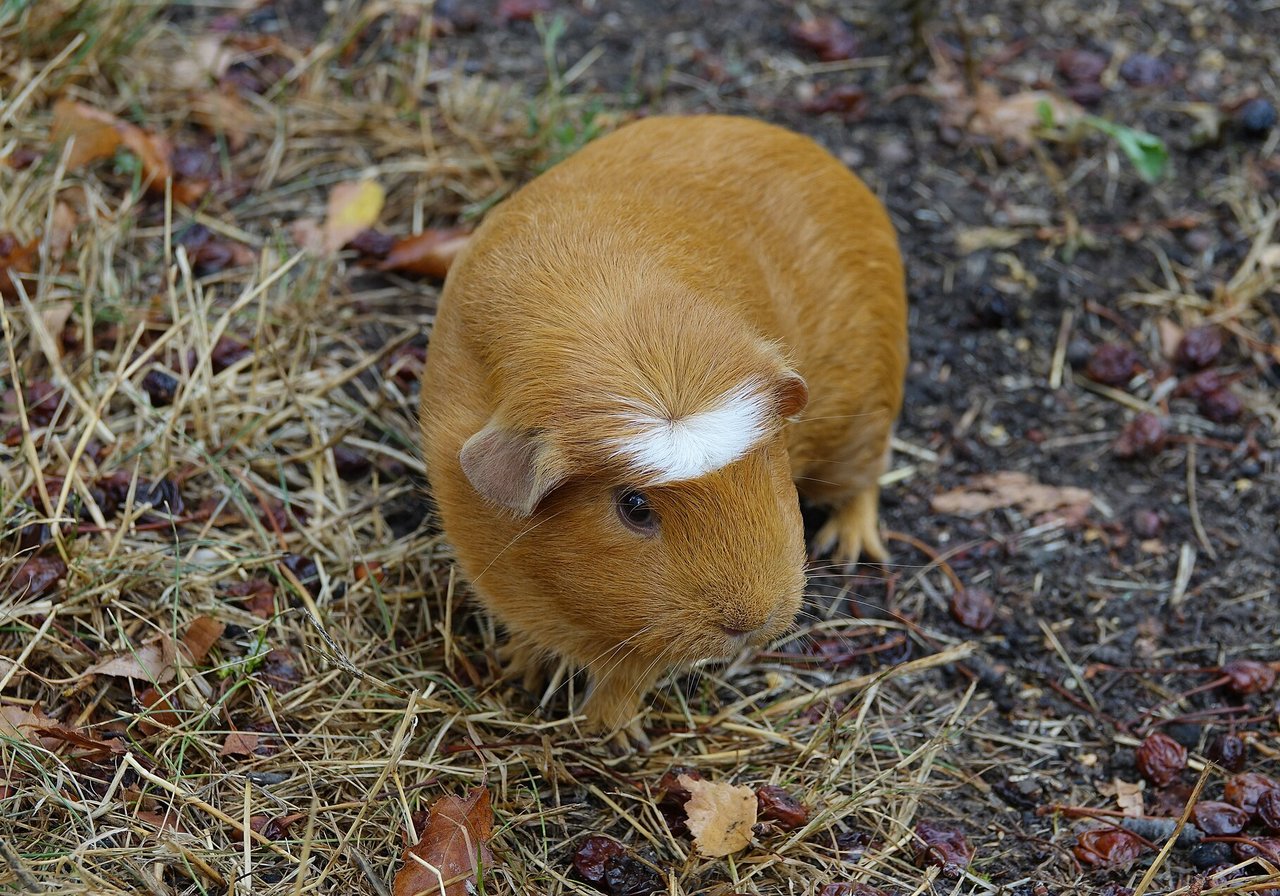
Domesticated — not assessed; wild Cavia aperea Least Concern
Guinea Pig
Cavia porcellus (Linnaeus, 1758)
The guinea pig (Cavia porcellus) is a domesticated South American rodent that must live with companions, needs daily vitamin C and spacious enclosures — not solitary confinement in small hutches.
Read the guide →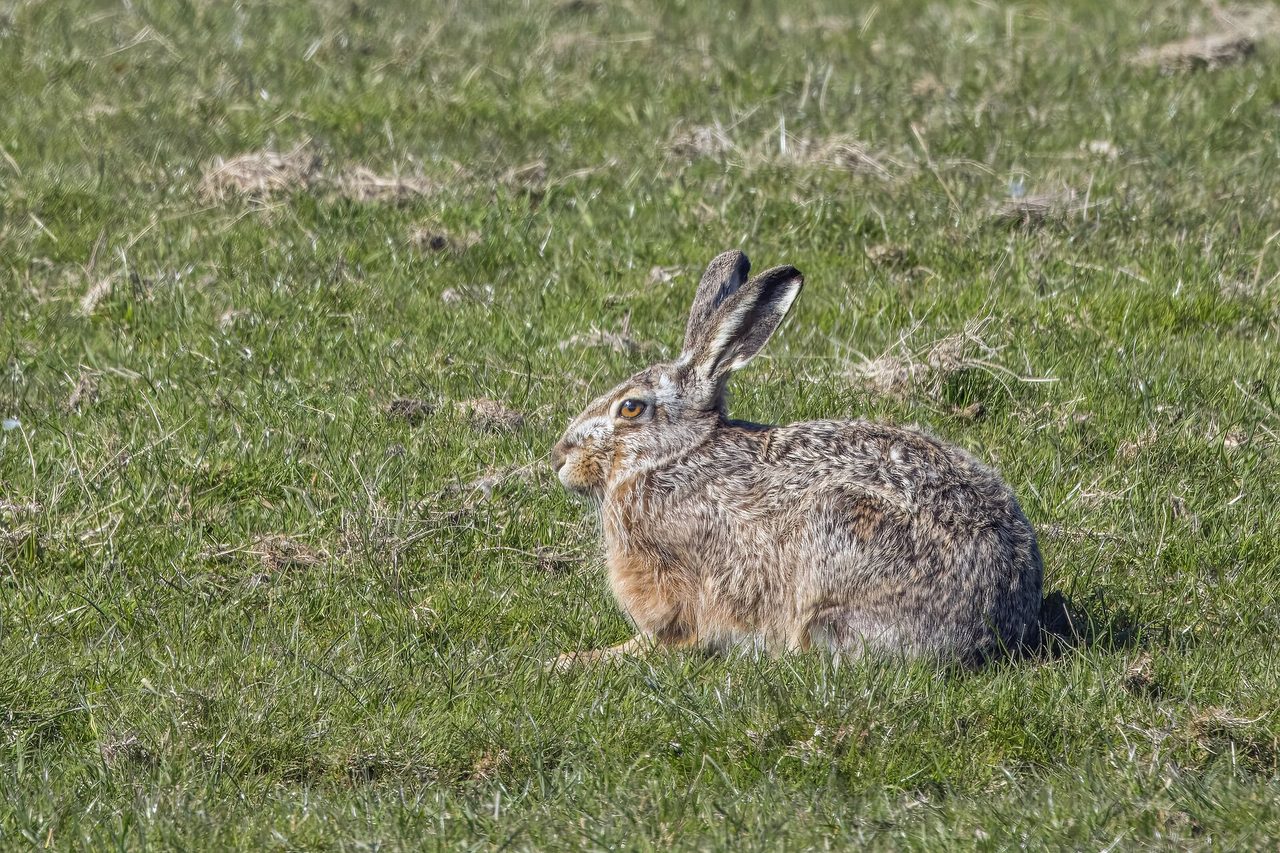
Least Concern — most species (IUCN); some regional populations declining
Hare
Lepus spp. (European hare: Lepus europaeus)
Hares (genus Lepus, ~32 species) are large, fast-running lagomorphs found across Europe, Asia, Africa, and the Americas, most classified as Least Concern by the IUCN, though European hare populations have declined significantly since the 1960s due to agricultural intensification.
Read the guide →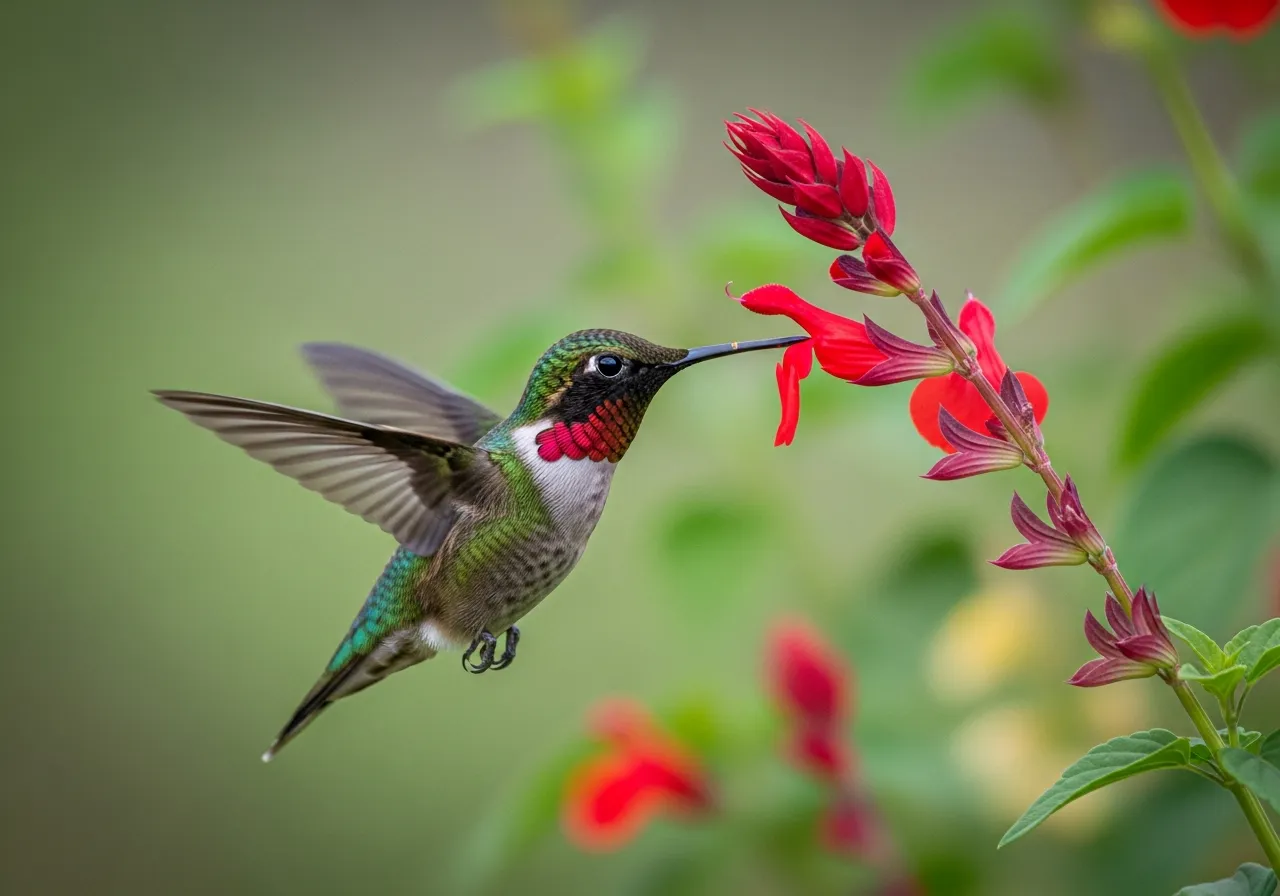
Varies by species; most Least Concern, some Critically Endangered (IUCN)
Hummingbird
Family Trochilidae
A hummingbird is a very small, nectar-feeding bird in the family Trochilidae, found only in the Americas. With more than 360 species, they are the world's smallest birds and the only ones able to hover and fly backwards, beating their wings up to around 50 or more times a second.
Read the guide →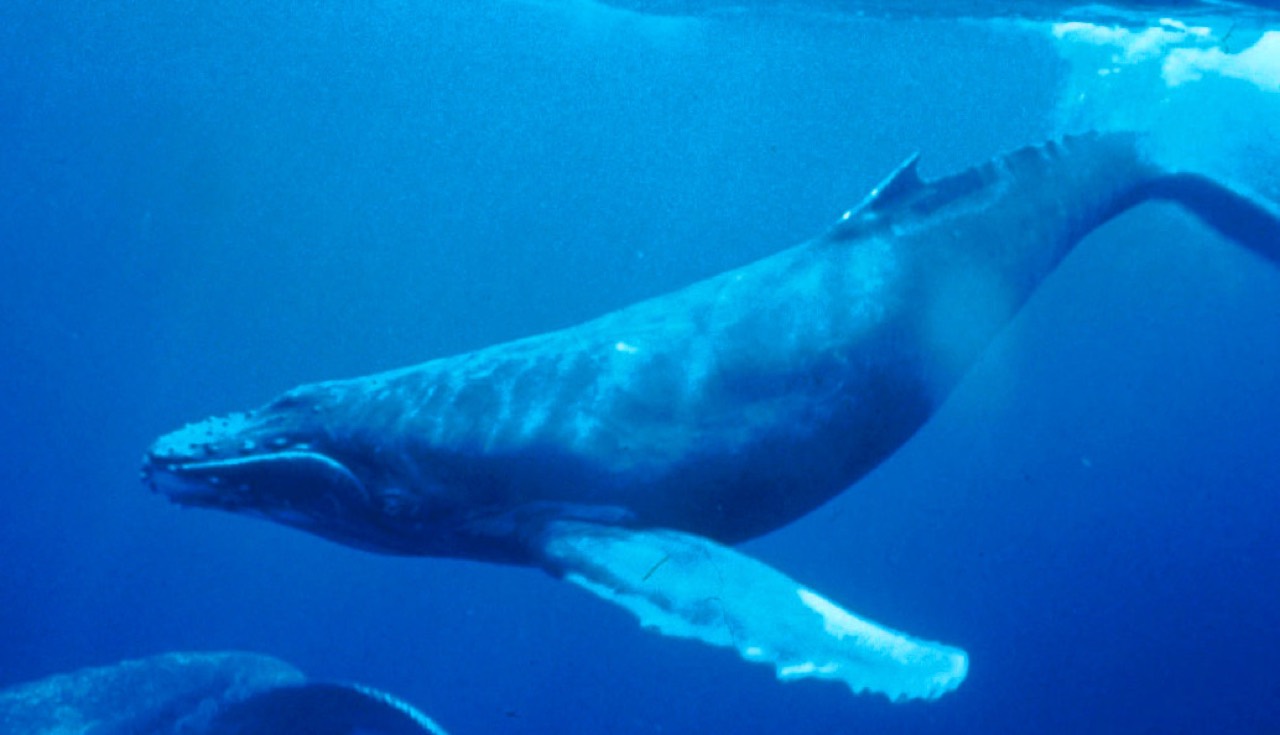
Least Concern globally (recovering) — but several subpopulations remain Endangered
Humpback Whale
Megaptera novaeangliae
A humpback whale (Megaptera novaeangliae) is a large filter-feeding baleen whale found in oceans worldwide, known for its long pectoral fins, acrobatic breaching, and the complex songs sung by males during the breeding season.
Read the guide →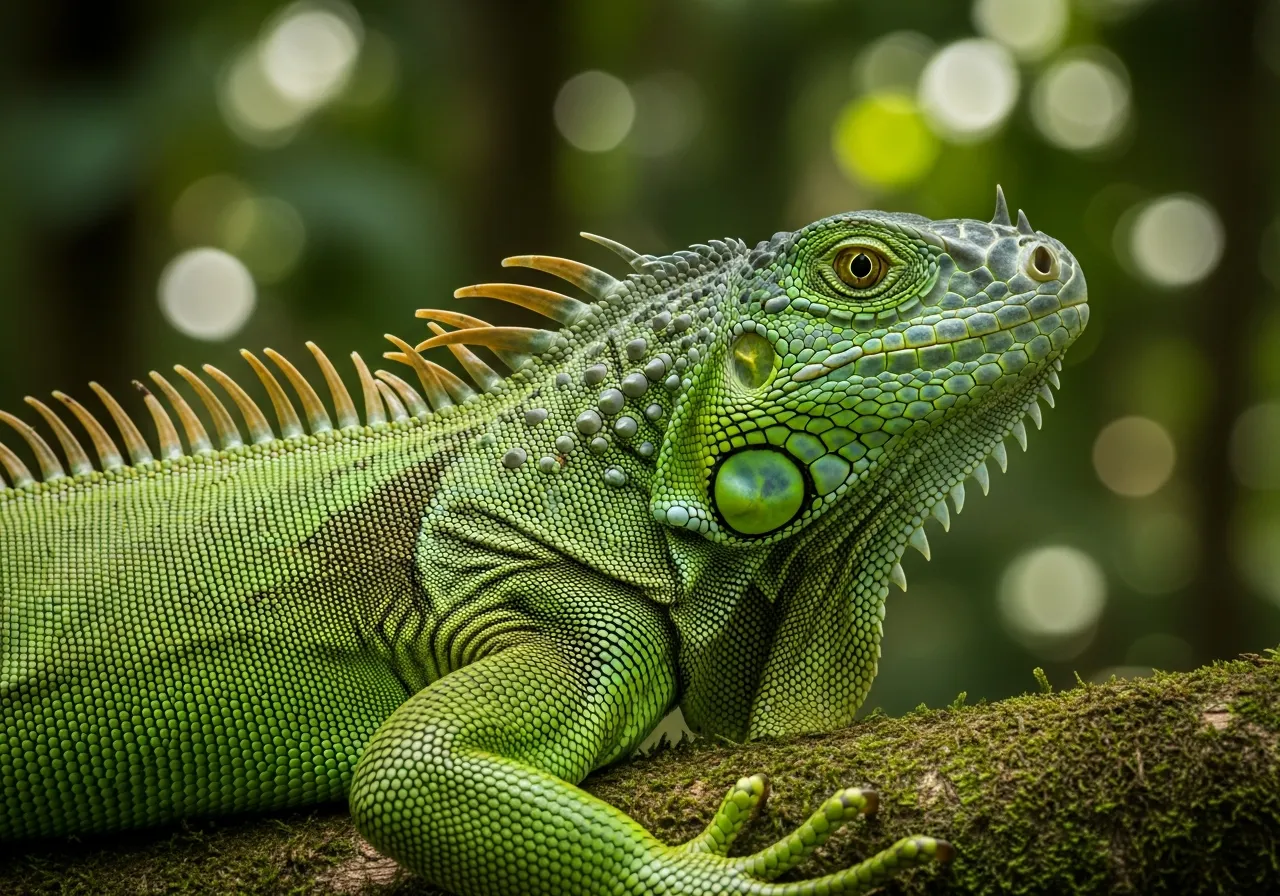
Least Concern (green iguana); other iguana species threatened
Iguana
Iguana iguana
An iguana is a large, mostly herbivorous, tree-dwelling lizard of the Americas. The familiar green iguana (Iguana iguana) reaches about 1.7 metres including its long tail, sports a spiny crest and throat dewlap, and is listed as Least Concern, though several other iguana species are endangered.
Read the guide →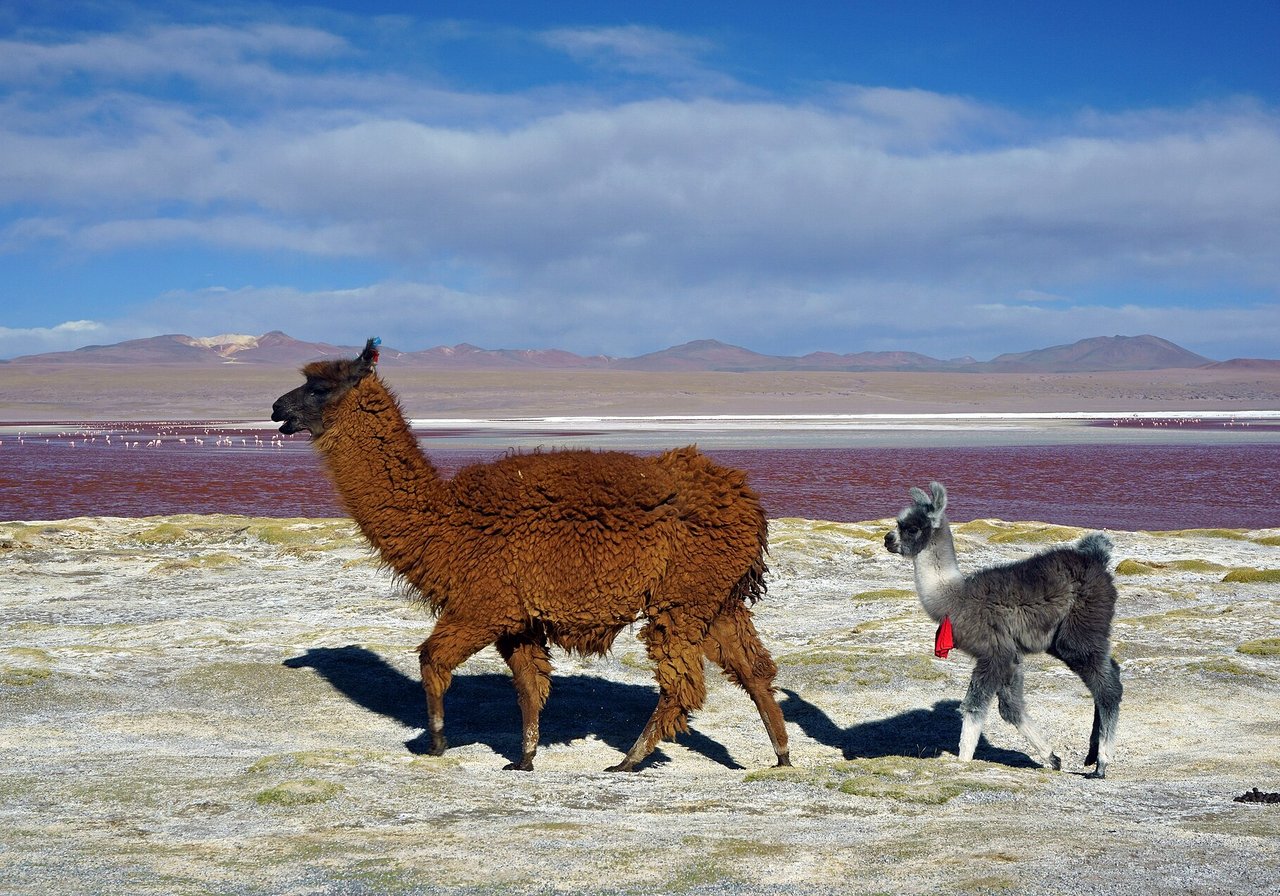
Domesticated — wild ancestor guanaco Least Concern
Llama
Lama glama (Linnaeus, 1758)
The llama (Lama glama) is a domesticated Andean camelid bred for 5,000+ years as a pack animal and fibre source; descended from the guanaco, roughly seven million llamas support highland communities in Peru and Bolivia.
Read the guide →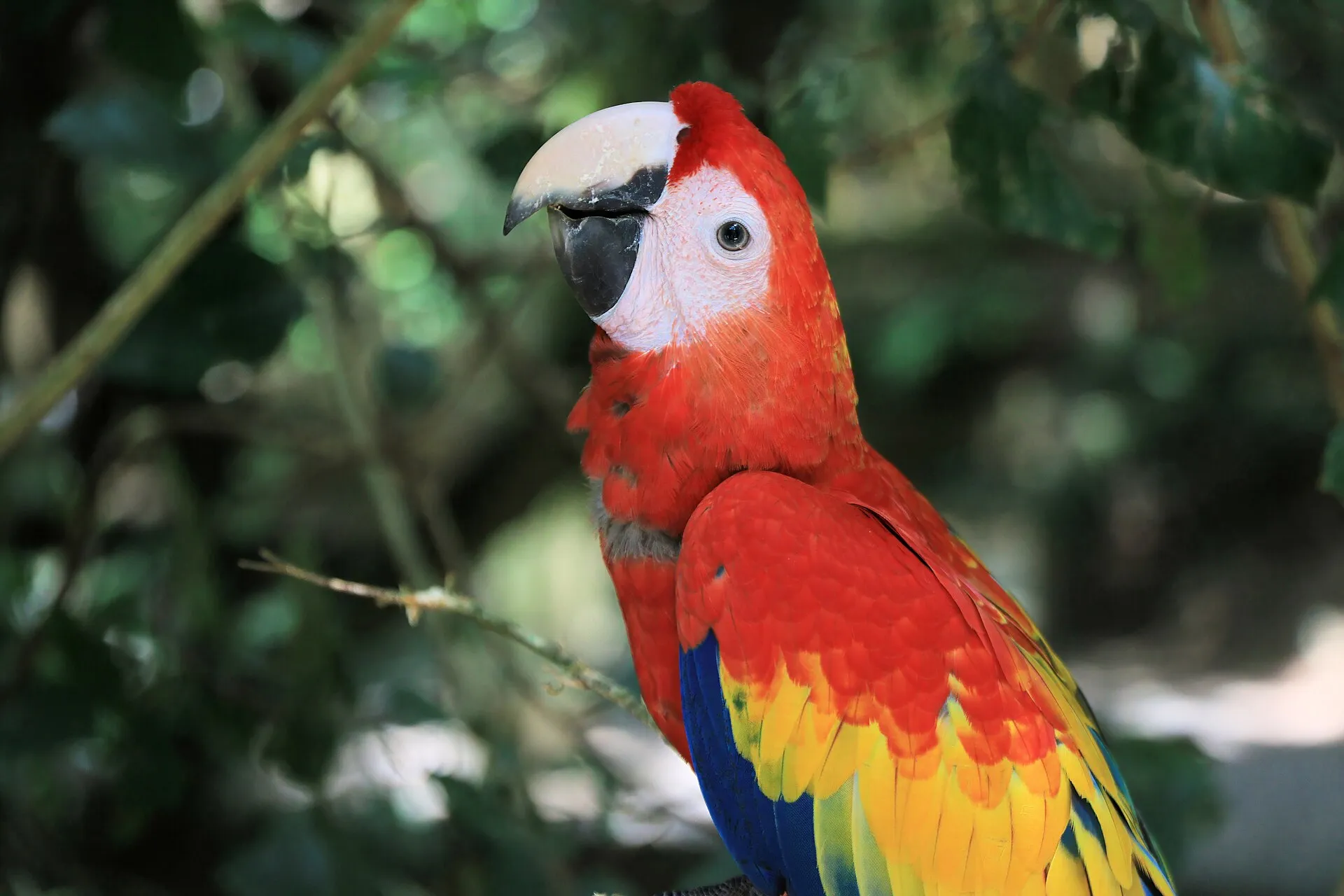
Varies by species: Least Concern to Extinct in the Wild (several Critically Endangered)
Macaw
Tribe Arini (true macaws) — ~18 species across 6 genera: Ara, Anodorhynchus, Cyanopsitta, Primolius, Orthopsittaca, Diopsittaca (family Psittacidae)
Macaws are large, long-tailed tropical parrots native to Central and South America; status varies by species, with several — including the blue-throated and Spix's macaws — Critically Endangered or Extinct in the Wild due to the illegal pet trade and deforestation.
Read the guide →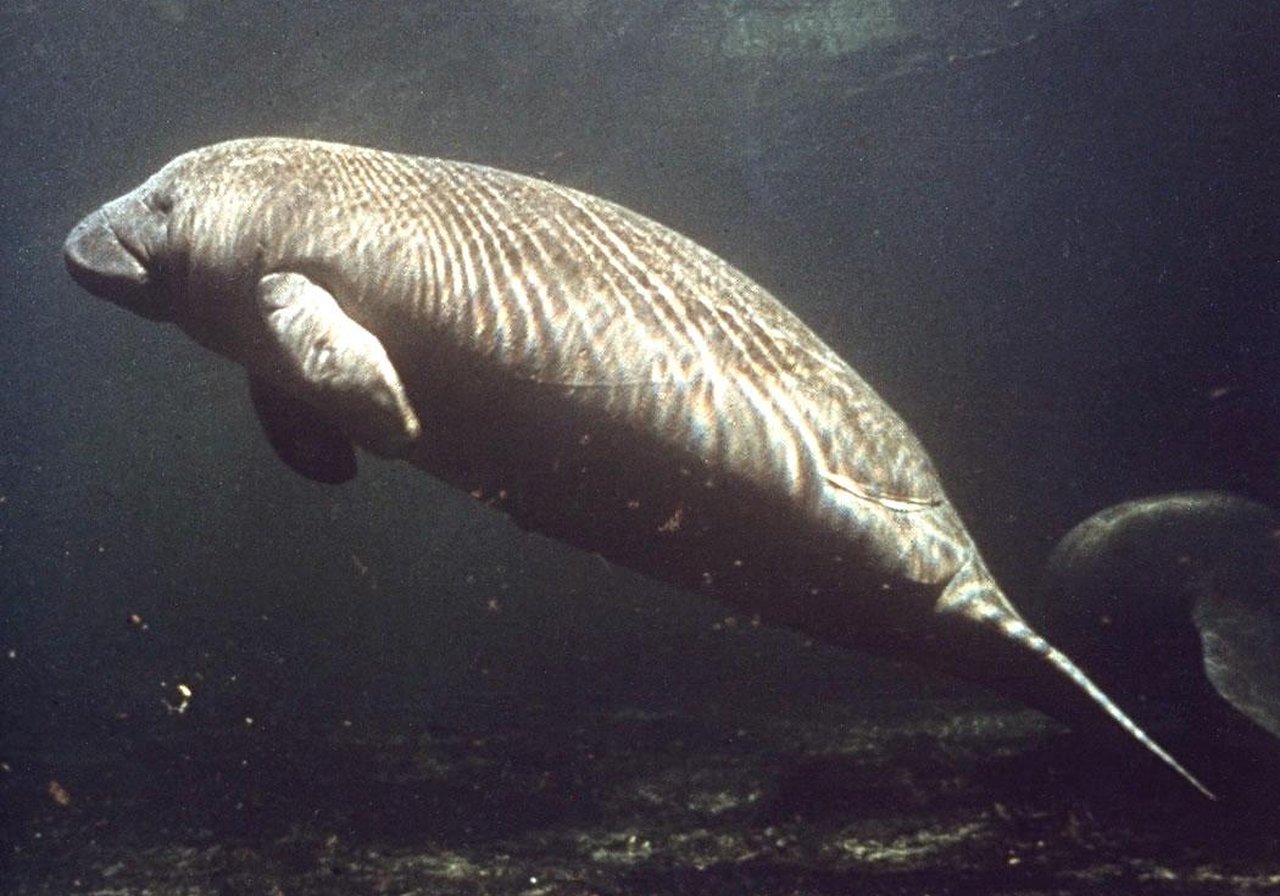
Varies by species (Vulnerable to Endangered)
Manatee
Trichechus manatus, T. inunguis and T. senegalensis — three living species
Manatees are plant-eating sirenians with three species in the Americas and West Africa — slow-moving mammals threatened by boat collisions, habitat loss and pollution, with IUCN status from Vulnerable to Endangered.
Read the guide →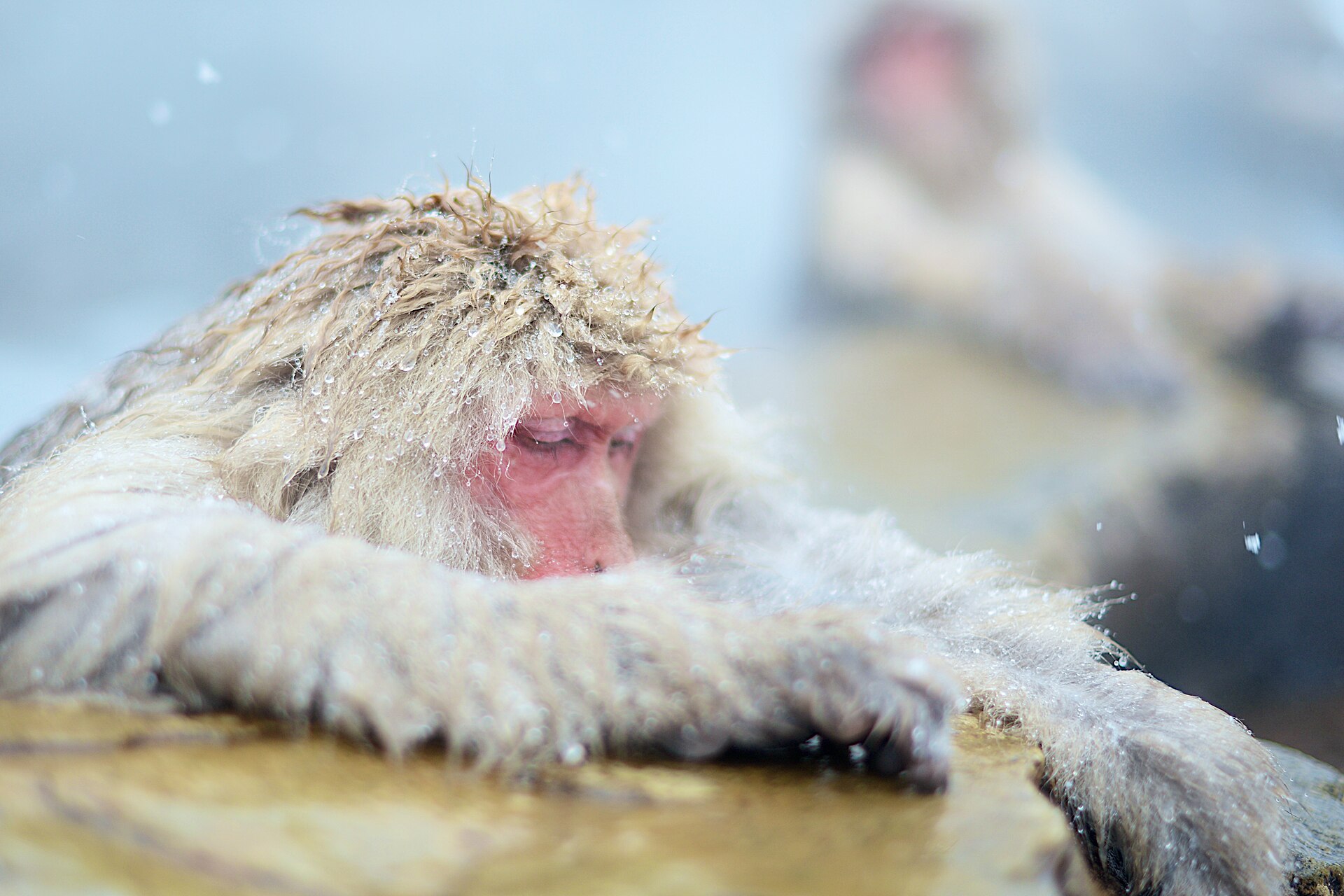
Varies by species (Least Concern to Critically Endangered)
Monkey
Infraorder Simiiformes — ~260+ species in families Cebidae, Callitrichidae, Cercopithecidae and others
Monkeys are tailed simian primates of the Americas, Africa and Asia — roughly 260+ species with forward-facing eyes, grasping hands and complex social groups. They are distinct from tailless apes; status ranges from Least Concern to Critically Endangered, and most species are protected from international trade.
Read the guide →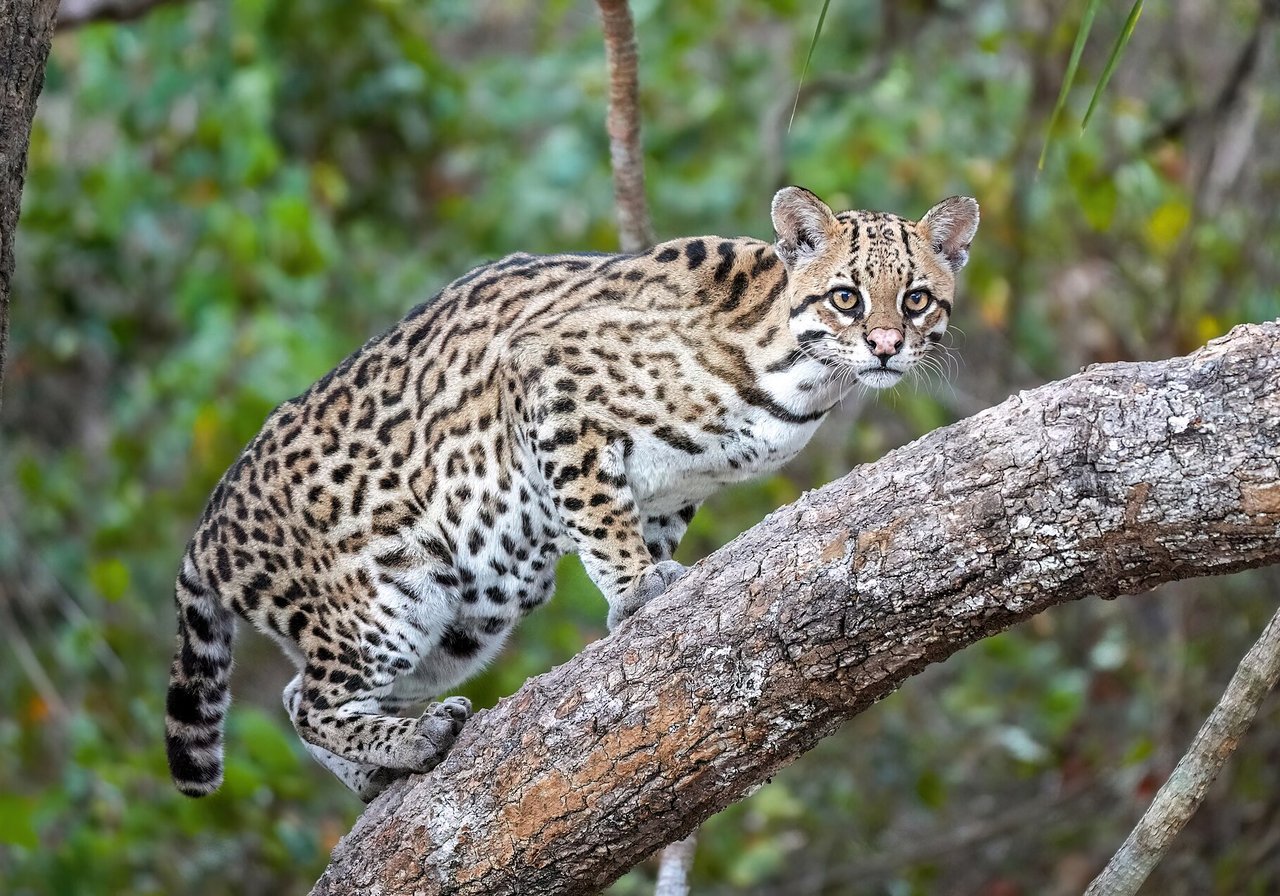
Least Concern (IUCN, 2014)
Ocelot
Leopardus pardalis (Linnaeus, 1758)
The ocelot (Leopardus pardalis) is a spotted wild cat of the Americas, listed as Least Concern by the IUCN but declining locally due to habitat loss and historical over-trapping; a small population persists in southern Texas.
Read the guide →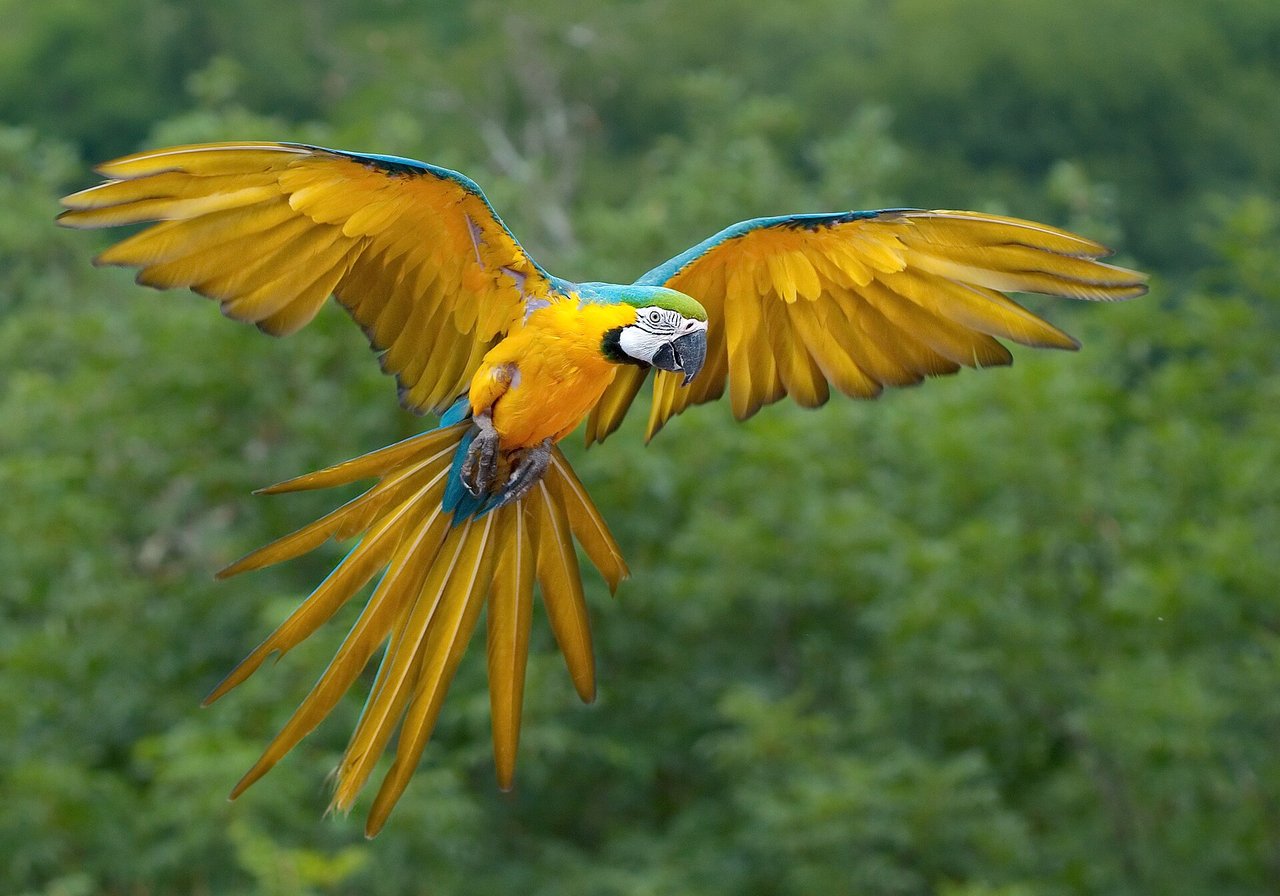
Varies by species (Least Concern to Critically Endangered)
Parrot
Order Psittaciformes — ~400 species in families Psittacidae, Psittaculidae and Cacatuidae
Parrots are tropical and subtropical Psittaciformes — about 400 species including macaws, cockatoos and budgerigars — known for intelligence and longevity; many are threatened by habitat loss and illegal trade, with status ranging from Least Concern to Critically Endangered.
Read the guide →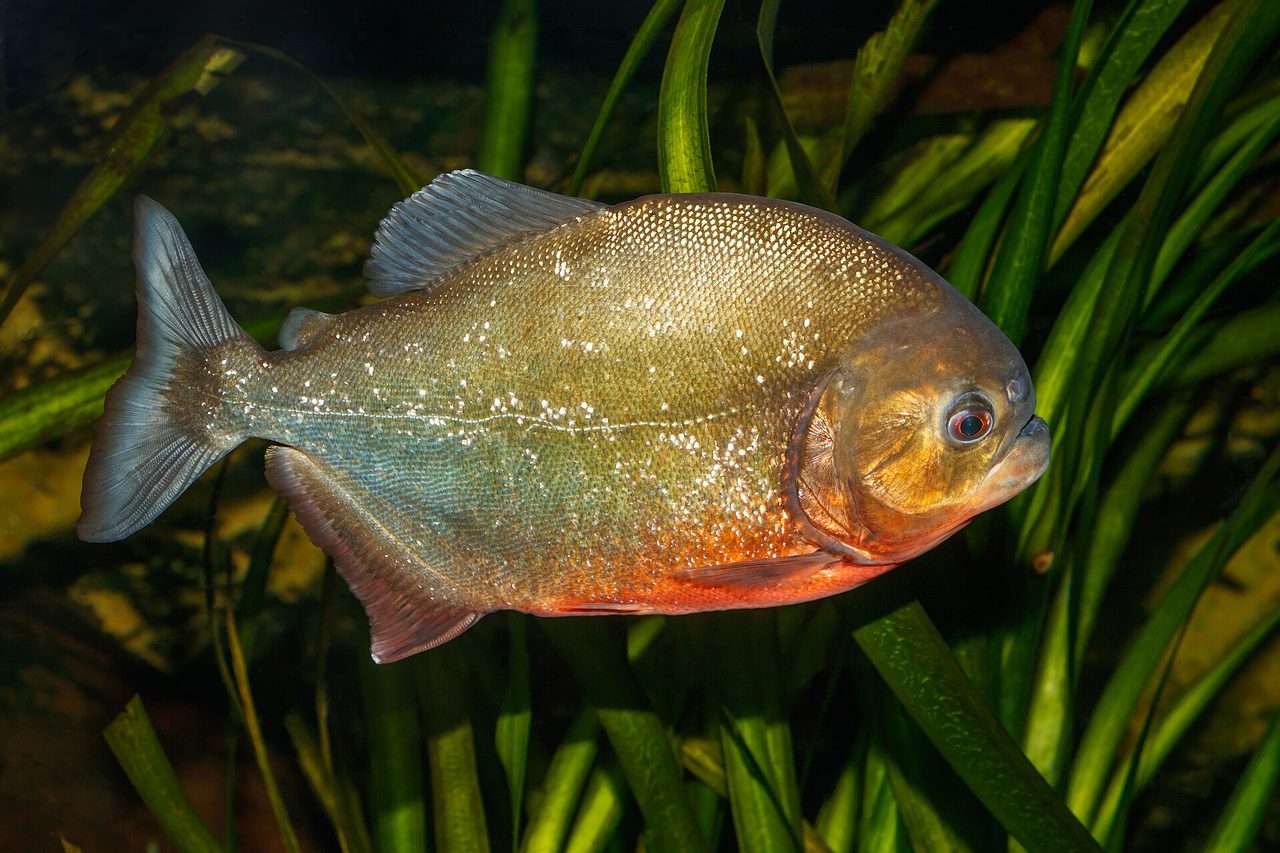
Least Concern (IUCN) — species-level status varies across the genus
Piranha
Pygocentrus nattereri (and relatives in subfamily Serrasalminae)
The piranha is a freshwater fish native to South American river systems, most abundant in the Amazon basin, where it serves as both predator and scavenger; the red-bellied piranha (Pygocentrus nattereri) is rated Least Concern by the IUCN but faces growing pressure from deforestation, dam construction, and mercury pollution across its range.
Read the guide →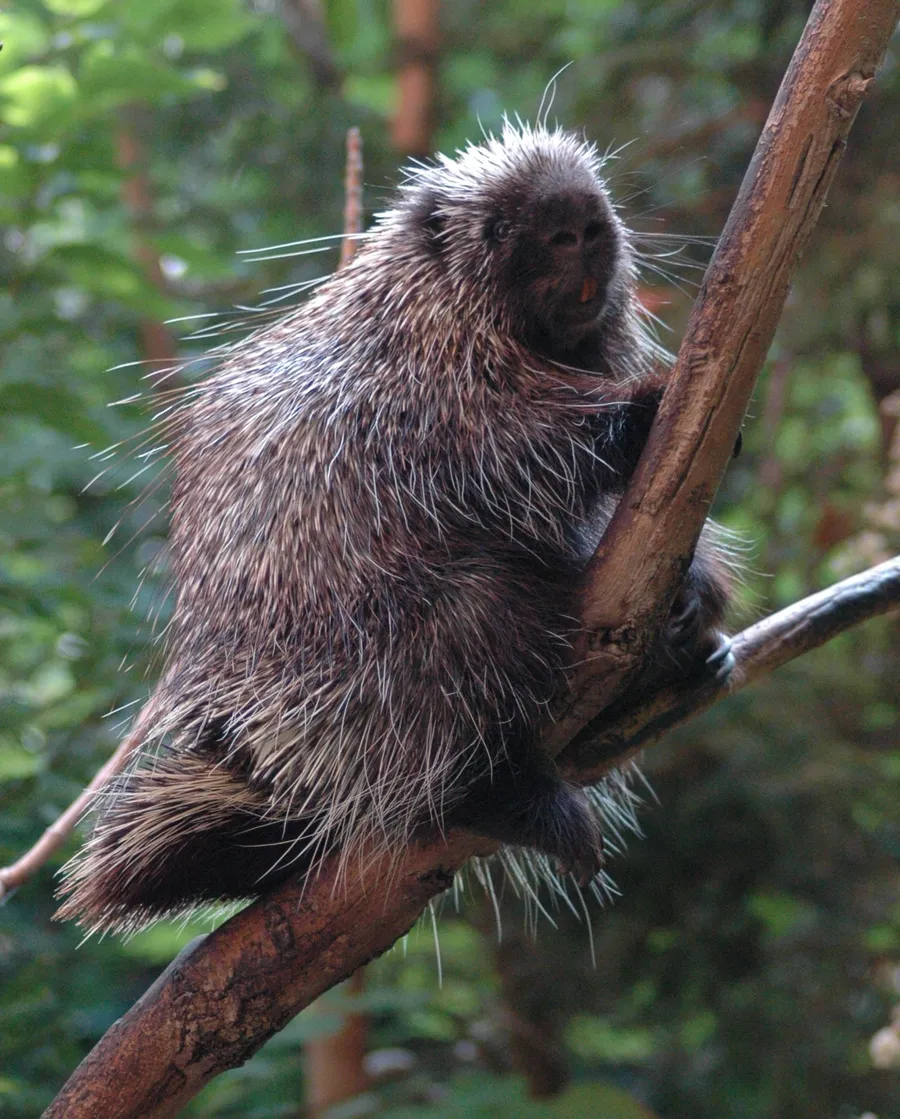
Varies by species; most Least Concern (IUCN)
Porcupine
Hystricidae (Old World) & Erethizontidae (New World)
A porcupine is a large herbivorous rodent covered in sharp quills — stiffened, modified hairs that defend it from predators. About 30 species exist in two distantly related families: Old World porcupines of Africa, Asia and Europe, and tree-climbing New World porcupines of the Americas.
Read the guide →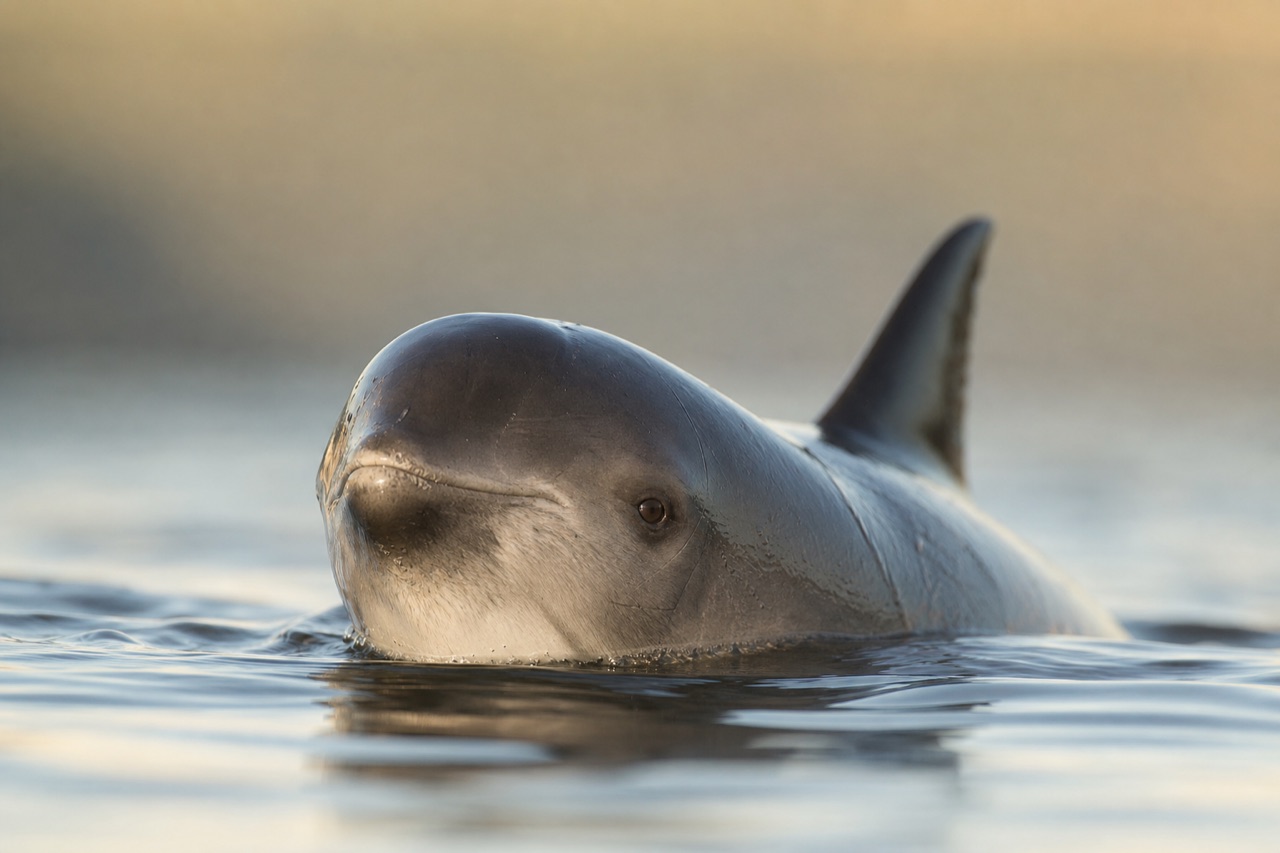
Family page — includes the vaquita, the most endangered marine mammal
Porpoise
Family Phocoenidae — seven species, including Phocoena phocoena
Porpoises are a separate family from dolphins, with blunt beakless heads, triangular dorsal fins and spade-shaped teeth; the family includes the vaquita, the most endangered marine mammal in the world.
Read the guide →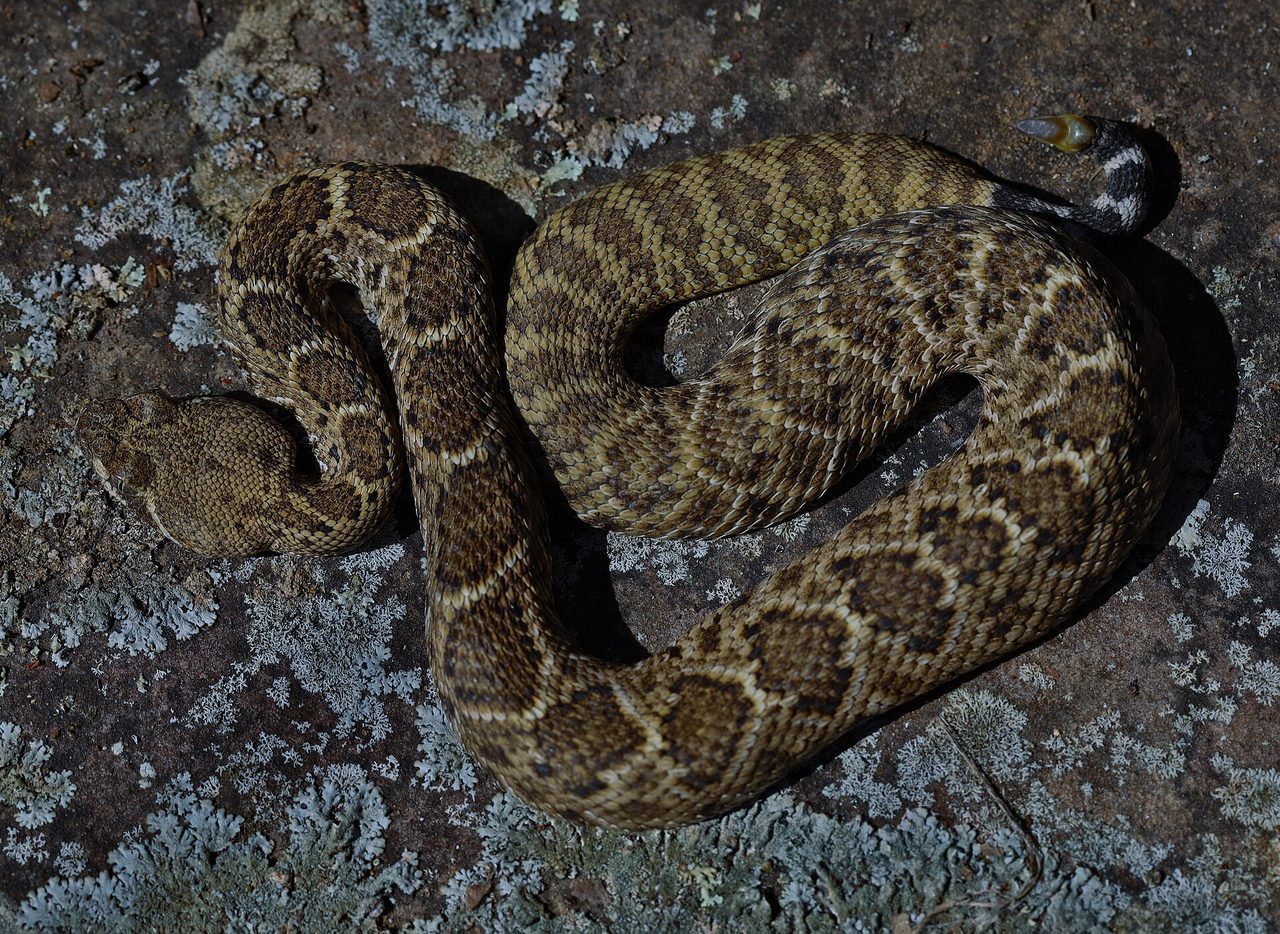
Varies by species (Least Concern to Endangered)
Rattlesnake
Genera Crotalus and Sistrurus — ~36 species in the Americas
Rattlesnakes are American pit vipers (~36 species) with tail rattles and heat-sensing pits — venomous rodent controllers whose status varies from Least Concern to Endangered.
Read the guide →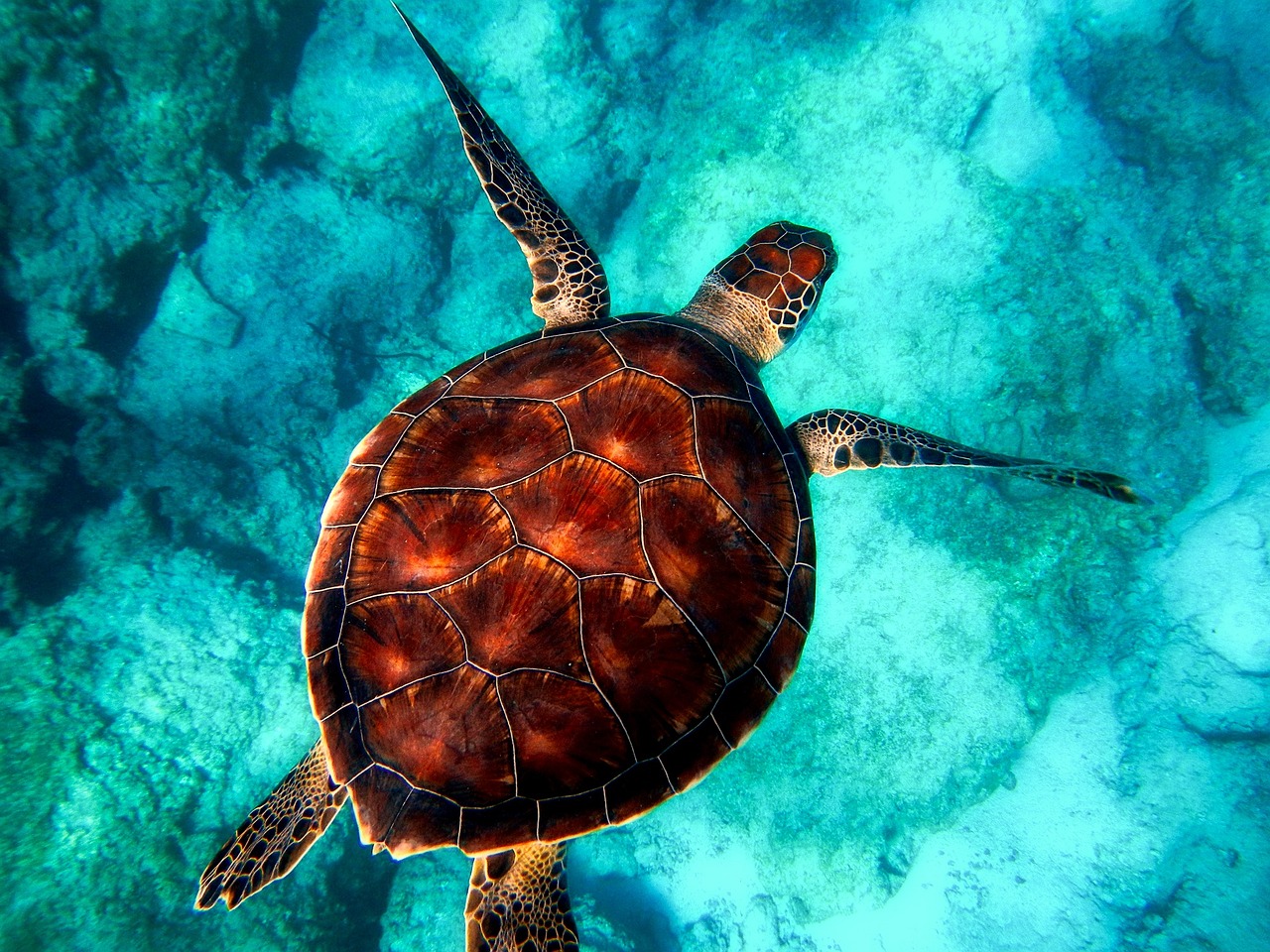
Varies by species (Vulnerable to Critically Endangered)
Sea Turtle
Cheloniidae and Dermochelyidae (superfamily Chelonioidea)
Sea turtles are a group of seven species of large, long-lived marine reptiles whose conservation status ranges from Least Concern to Critically Endangered, with most species threatened by fishing bycatch, egg poaching, plastic pollution and coastal development.
Read the guide →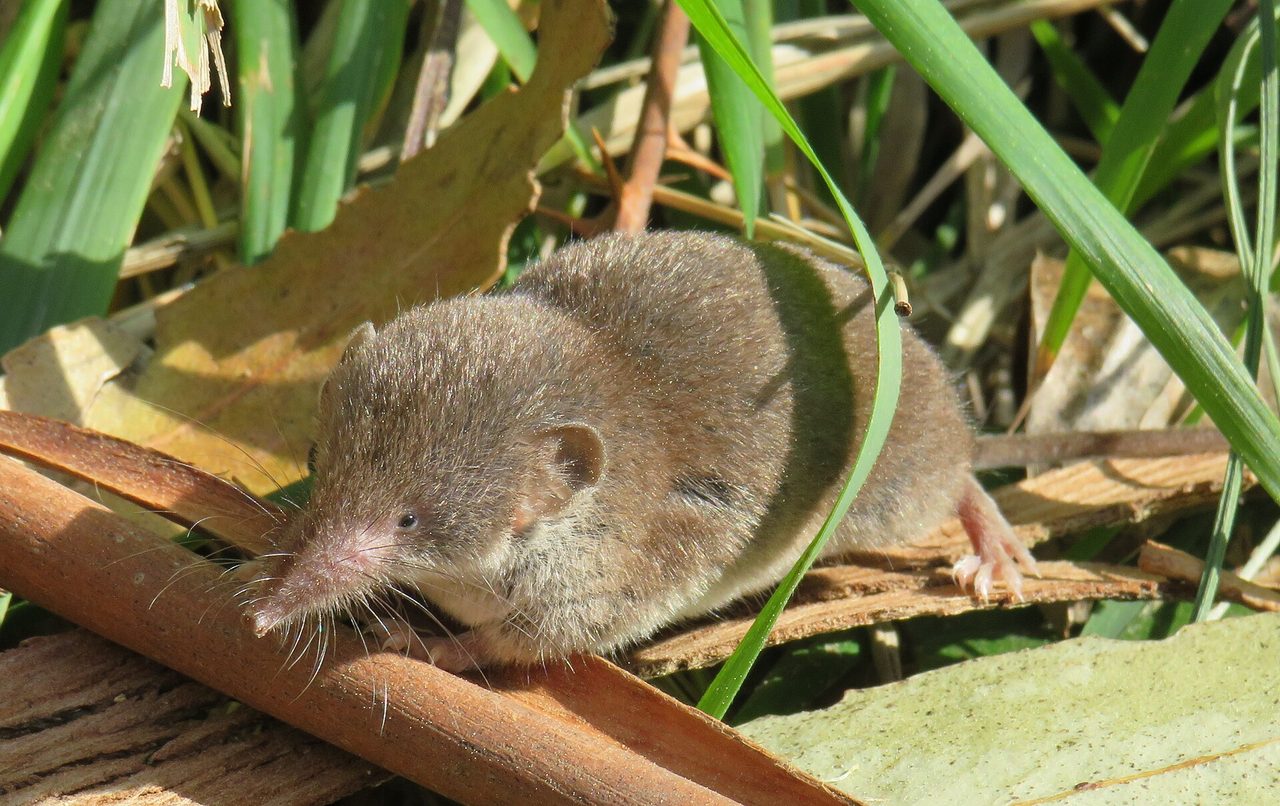
Varies by species; most Least Concern (IUCN)
Shrew
Soricidae
A shrew is a small insect-eating mammal of the family Soricidae, with a long pointed snout, tiny eyes and velvety fur. Though mouse-like, shrews are not rodents but relatives of moles and hedgehogs, and are known for their extremely high metabolism and near-constant feeding.
Read the guide →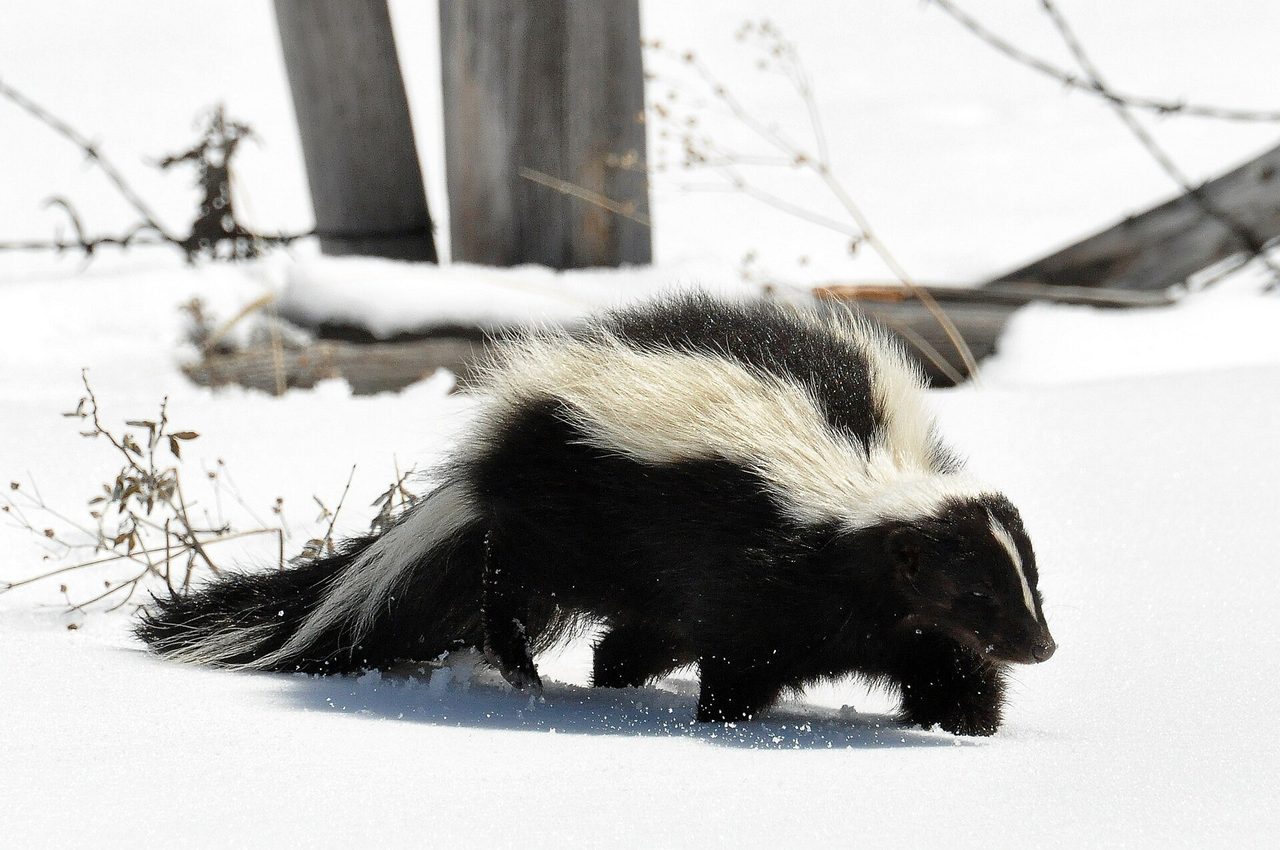
Least Concern (IUCN)
Skunk
Mephitis mephitis (striped skunk); Family Mephitidae
The skunk (family Mephitidae) is a small-to-medium omnivorous mammal found throughout the Americas, best known for its powerful sulphur-compound defensive spray, which it can aim accurately at threats up to six metres away.
Read the guide →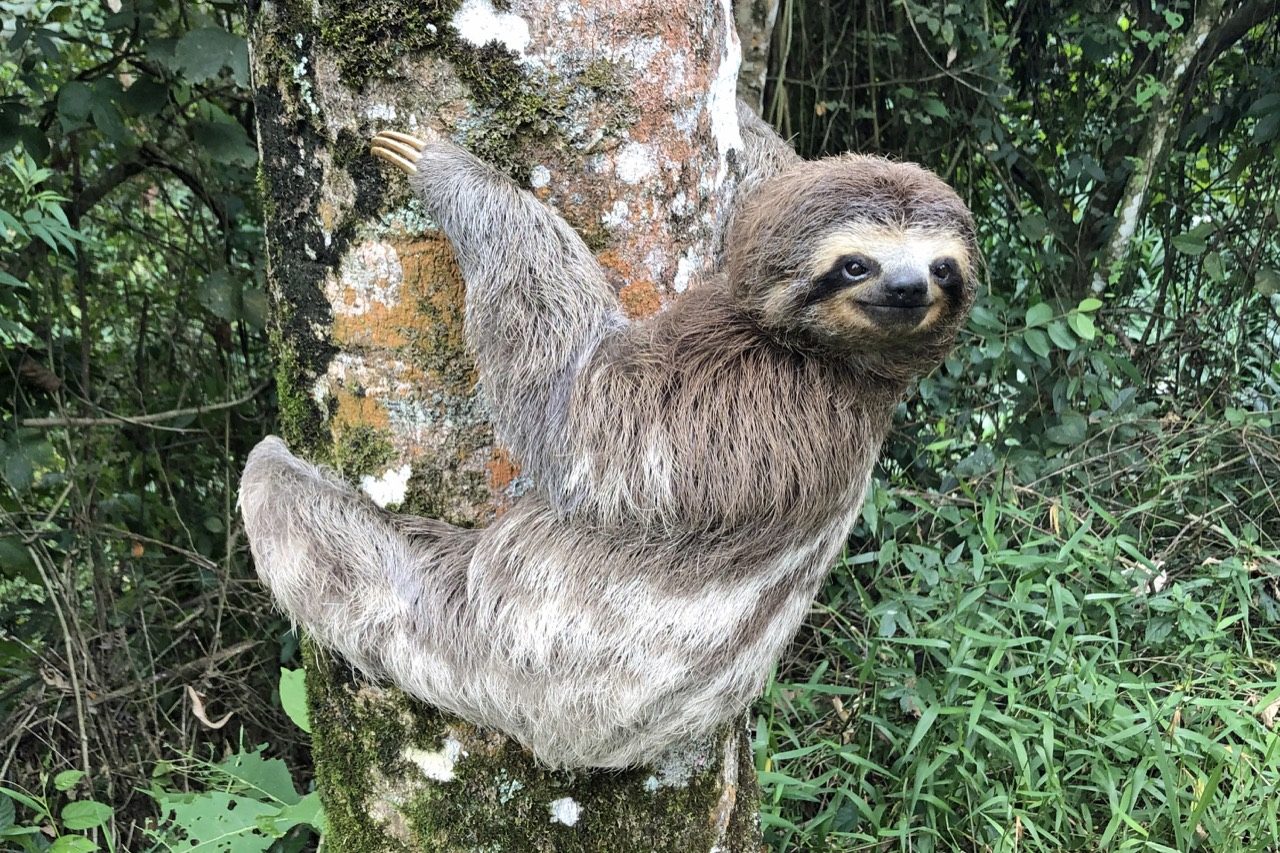
Mixed across species: most Least Concern; maned sloth Endangered; pygmy three-toed sloth Critically Endangered
Sloth
Bradypus & Choloepus spp.
A sloth is a slow-moving, leaf-eating mammal that lives hanging upside down in the trees of Central and South American rainforests. There are six living species in two groups, the three-toed sloths (Bradypus) and two-toed sloths (Choloepus), and they are the slowest mammals on Earth.
Read the guide →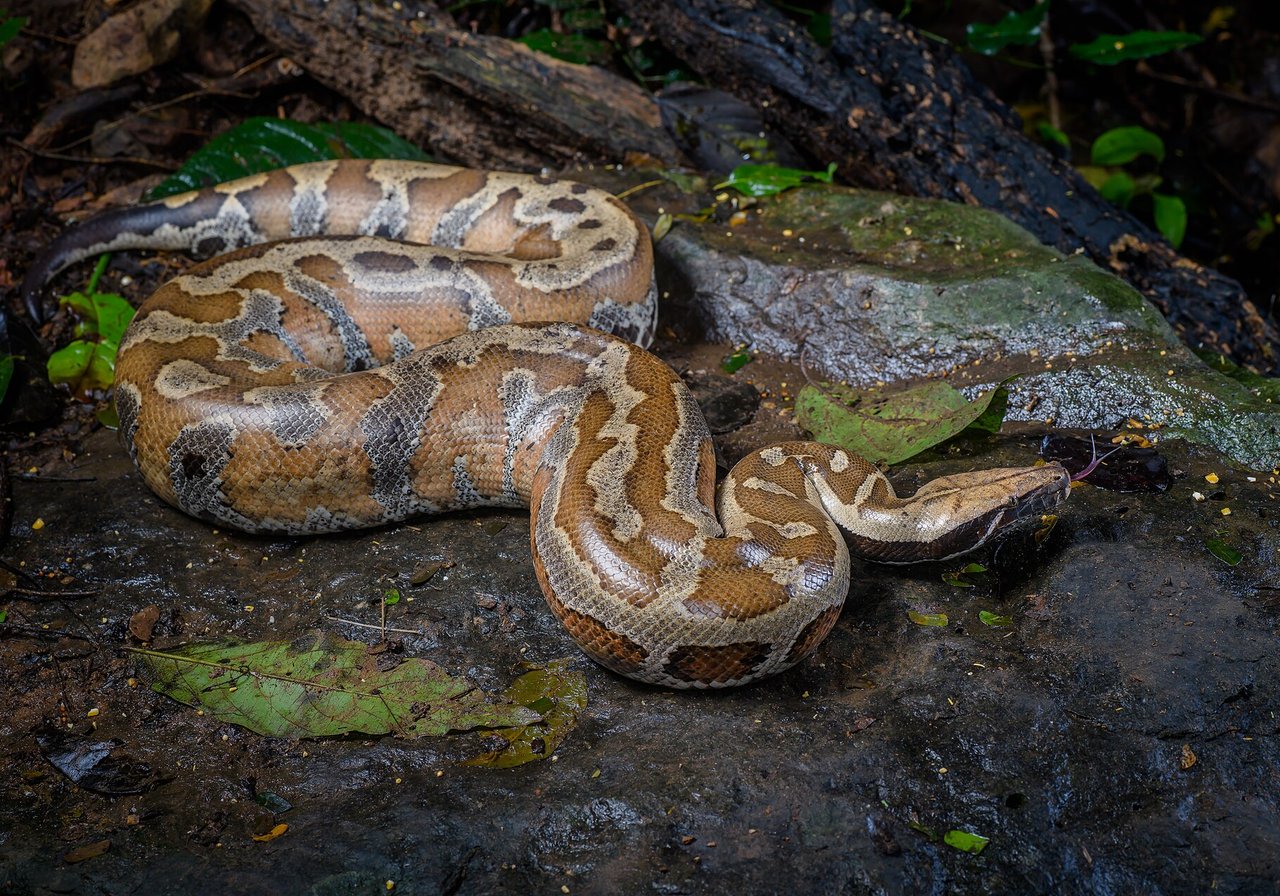
Varies by species (Least Concern to Critically Endangered)
Snake
Suborder Serpentes — ~3,900 species across most continents except Antarctica
Snakes are about 3,900 species of legless reptiles, not one animal. Most are not venomous. The IUCN does not give snakes a single extinction badge. WHO treats snakebite envenoming as a neglected tropical disease. This hub is not the grass-snake guide.
Read the guide →Threatened (Vulnerable–Critically Endangered, varies by species)
Spider Monkey
Ateles (Geoffroy, 1806) — family Atelidae, seven species
Spider monkeys are large, long-limbed monkeys of the genus Ateles found in Central and South American rainforests, distinguished by a fully prehensile tail used as a fifth limb and hands that lack a functional thumb. All seven species are threatened, and two — the brown and black-headed spider monkeys — are Critically Endangered.
Read the guide →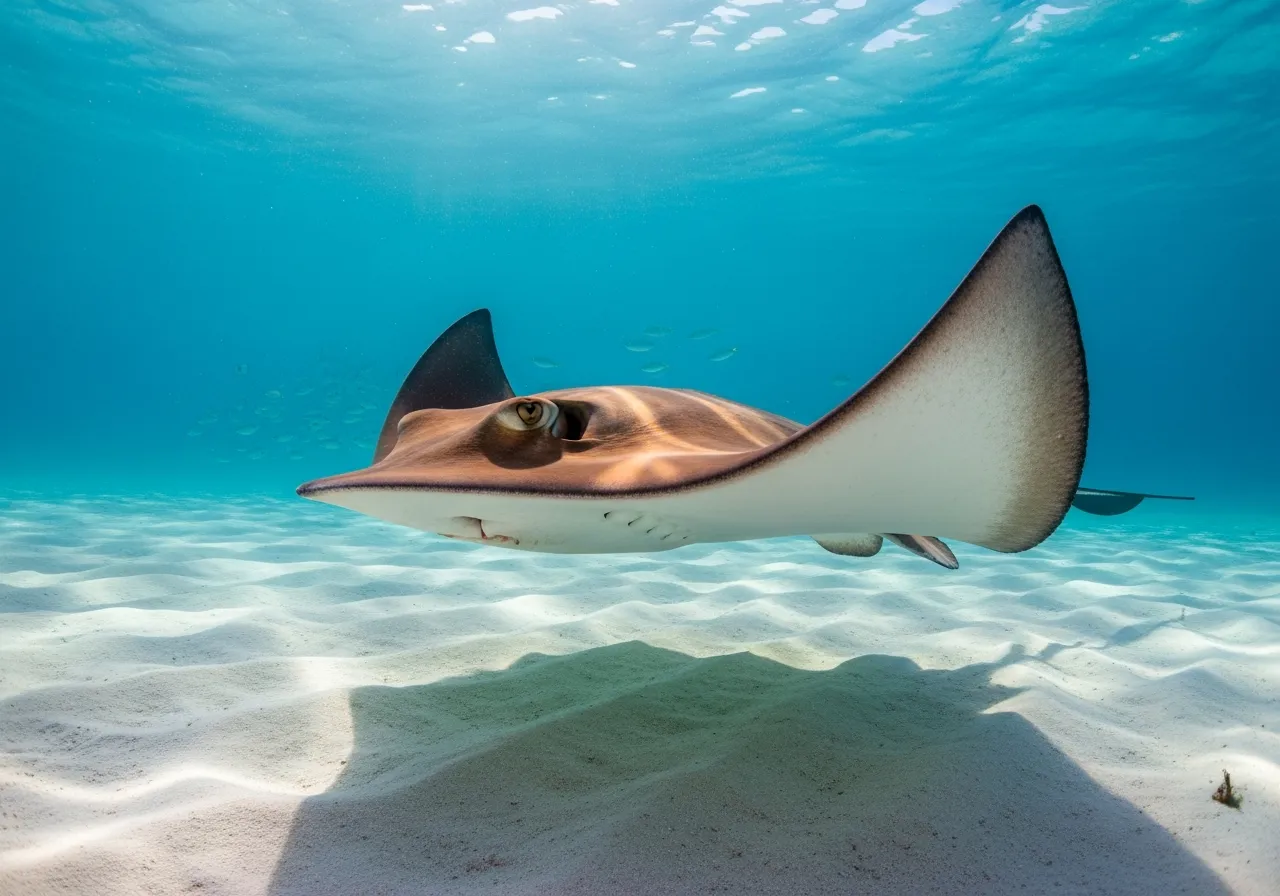
Varies by species; many threatened by overfishing
Stingray
Order Myliobatiformes
A stingray is a flat-bodied cartilaginous fish in the order Myliobatiformes, related to sharks. Its broad pectoral fins form a disc that flaps for swimming, and most species carry a venomous, barbed tail spine used only for defence. Most are bottom-dwelling ambush predators of shellfish.
Read the guide →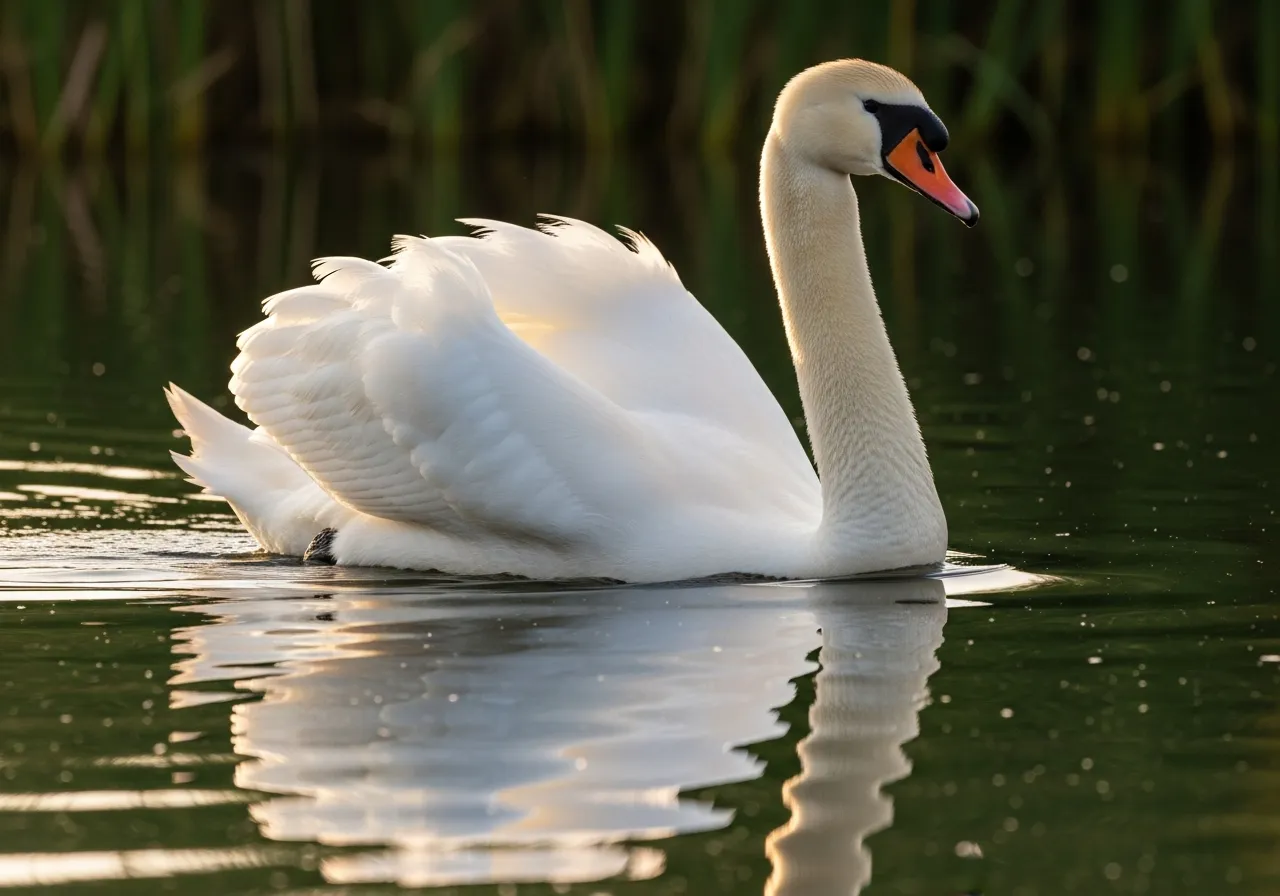
Most species Least Concern (IUCN)
Swan
Cygnus
A swan is a large, long-necked waterbird of the genus Cygnus and the biggest member of the duck and goose family. There are six living species worldwide. Swans feed mainly on aquatic plants, form strong, often lifelong pair bonds, and are renowned for their graceful appearance.
Read the guide →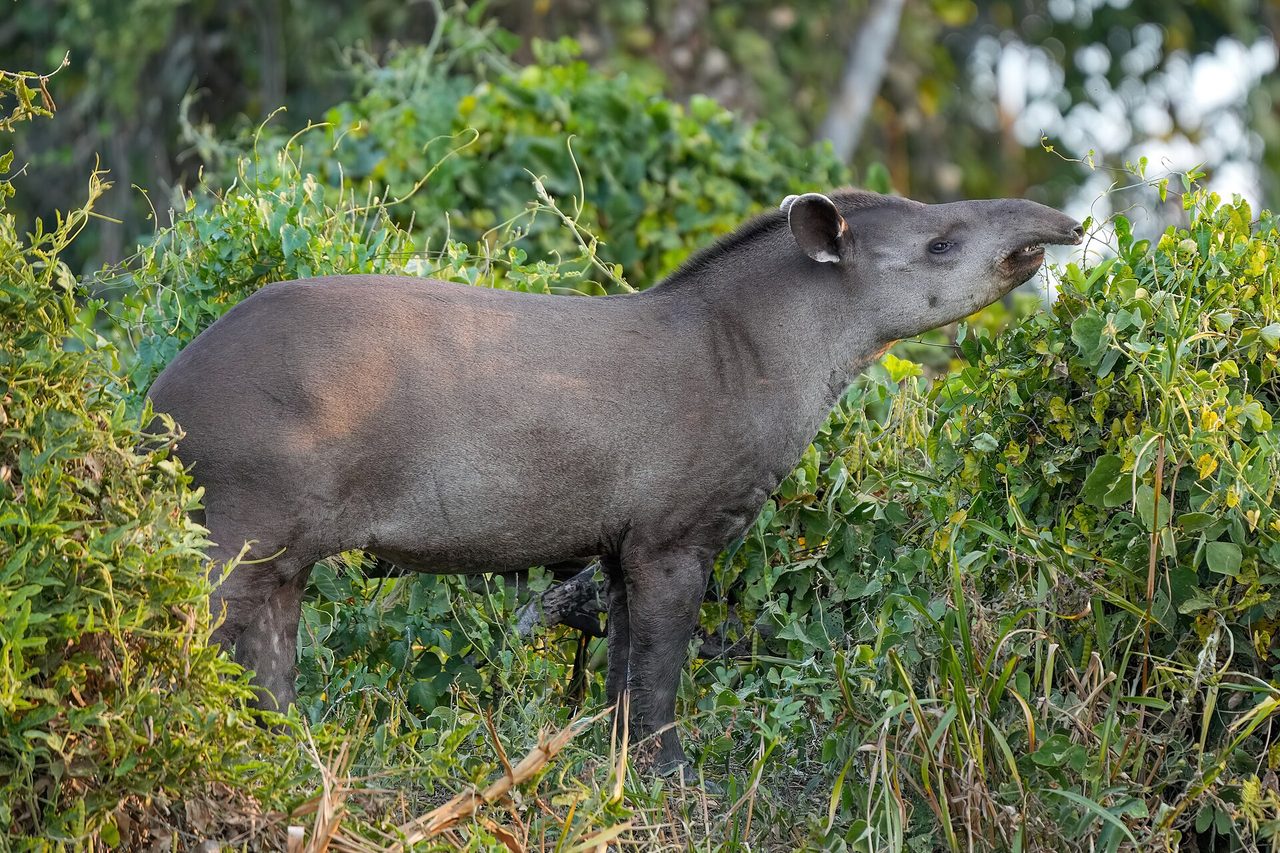
Endangered to Vulnerable (all four species threatened)
Tapir
Family Tapiridae — 4 living species in Asia and the Americas
Tapirs are four threatened species of forest herbivore in Asia and the Americas — all Endangered or Vulnerable — serving as seed dispersers; WARN covers the Malayan tapir in detail.
Read the guide →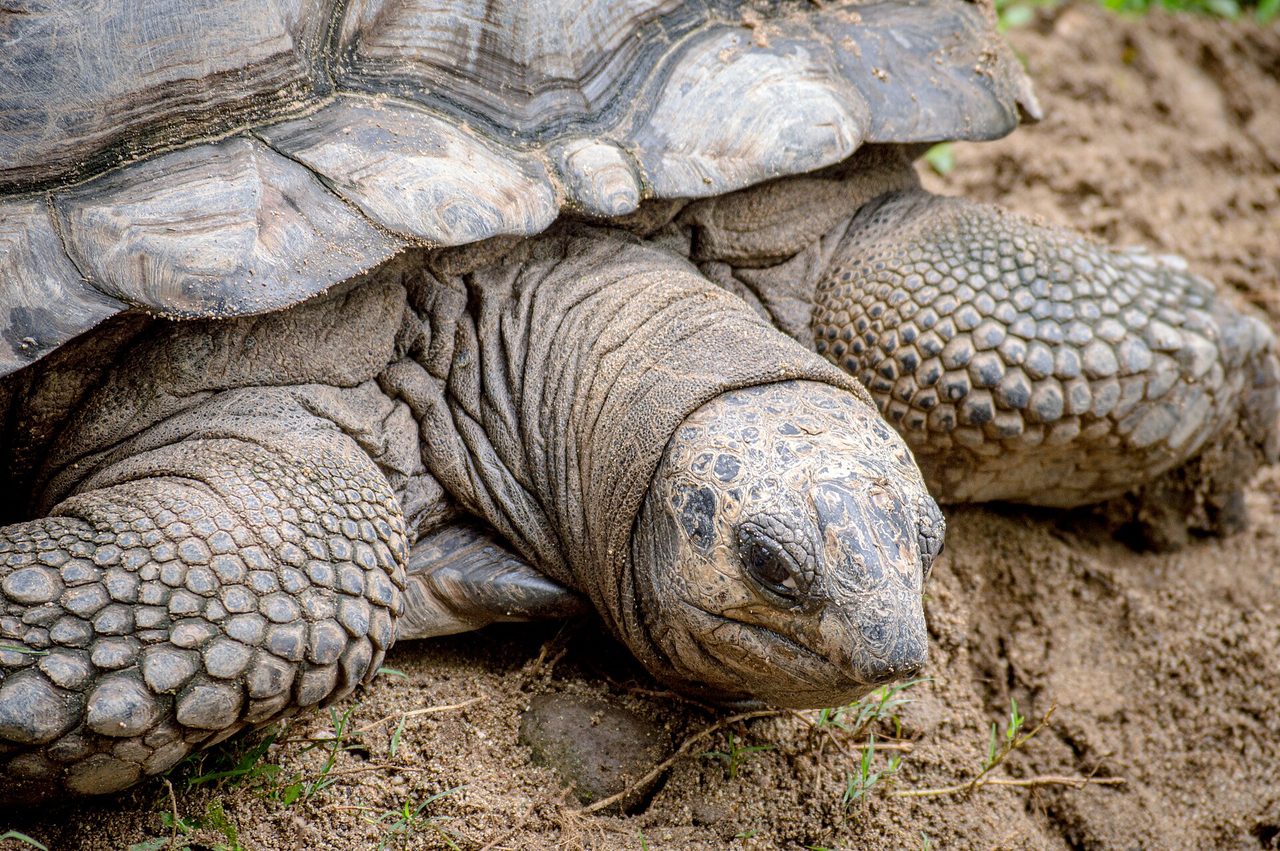
Varies by species — many Critically Endangered (IUCN)
Tortoise
Family Testudinidae
Tortoises (family Testudinidae) are fully terrestrial reptiles found across warm regions worldwide; over 86% of species are threatened or extinct, driven by illegal trade, habitat loss, and the pet industry.
Read the guide →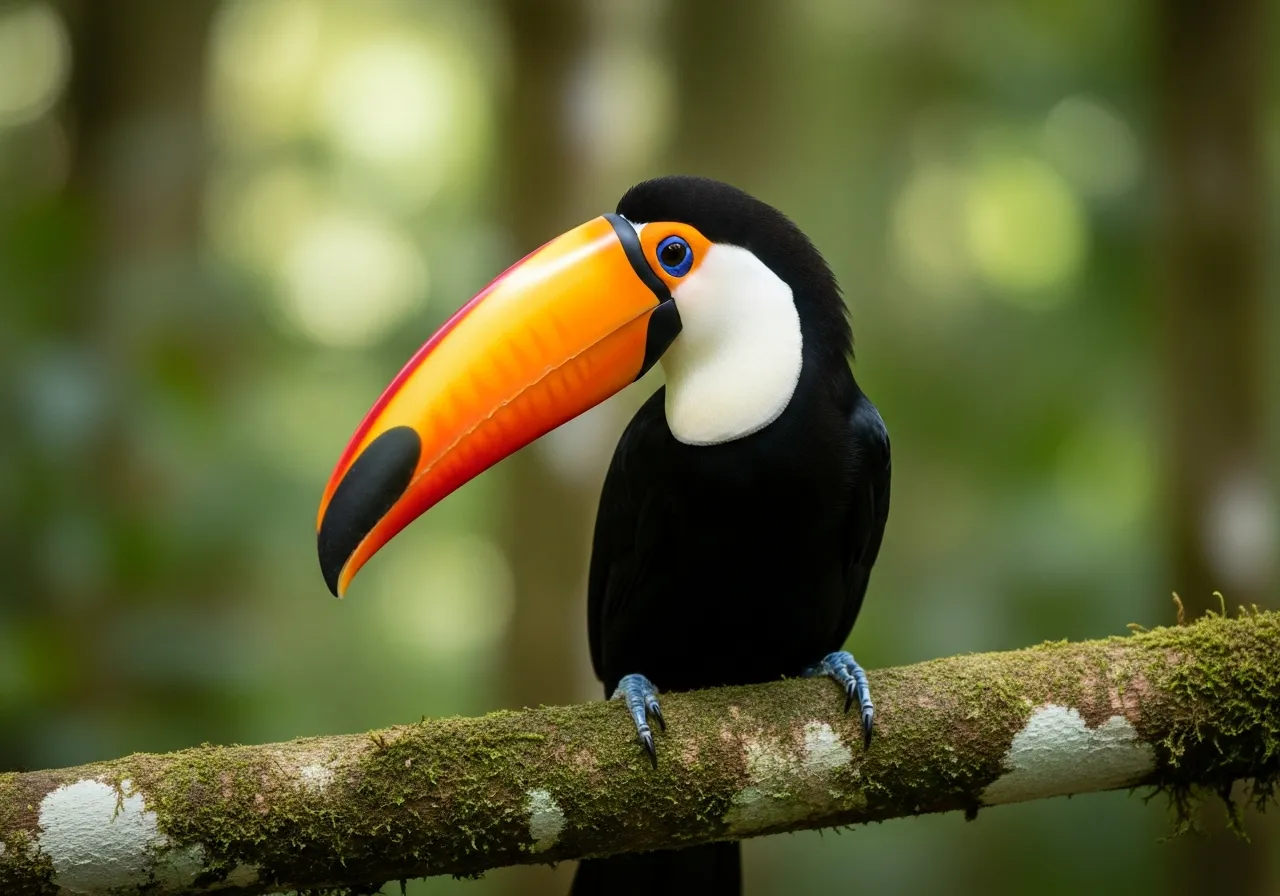
Varies by species; most Least Concern, several Near Threatened or Vulnerable (IUCN)
Toucan
Family Ramphastidae
A toucan is a brightly coloured, fruit-eating rainforest bird of the family Ramphastidae, native to Central and South America. Around 40 species exist, all recognised by an enormous yet lightweight bill used for feeding, display and heat regulation. They are important seed dispersers in tropical forests.
Read the guide →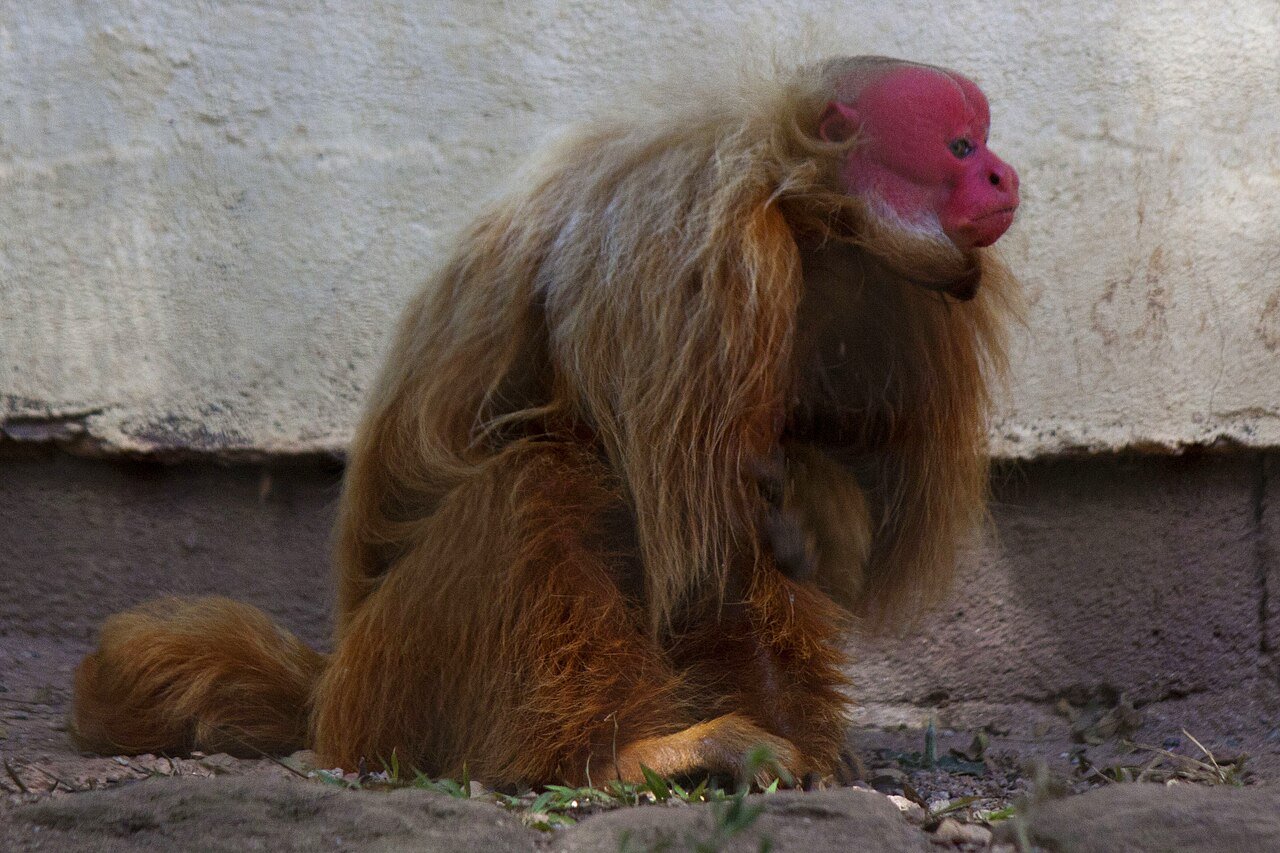
Least Concern (IUCN 2024) — varies by species
Uakari
Cacajao calvus (bald uakari); genus Cacajao
The bald uakari (Cacajao calvus) is a short-tailed, crimson-faced primate found exclusively in the seasonally flooded forests of the western Amazon; its fiery red face signals health to potential mates and makes it one of the most distinctive monkeys in South America.
Read the guide →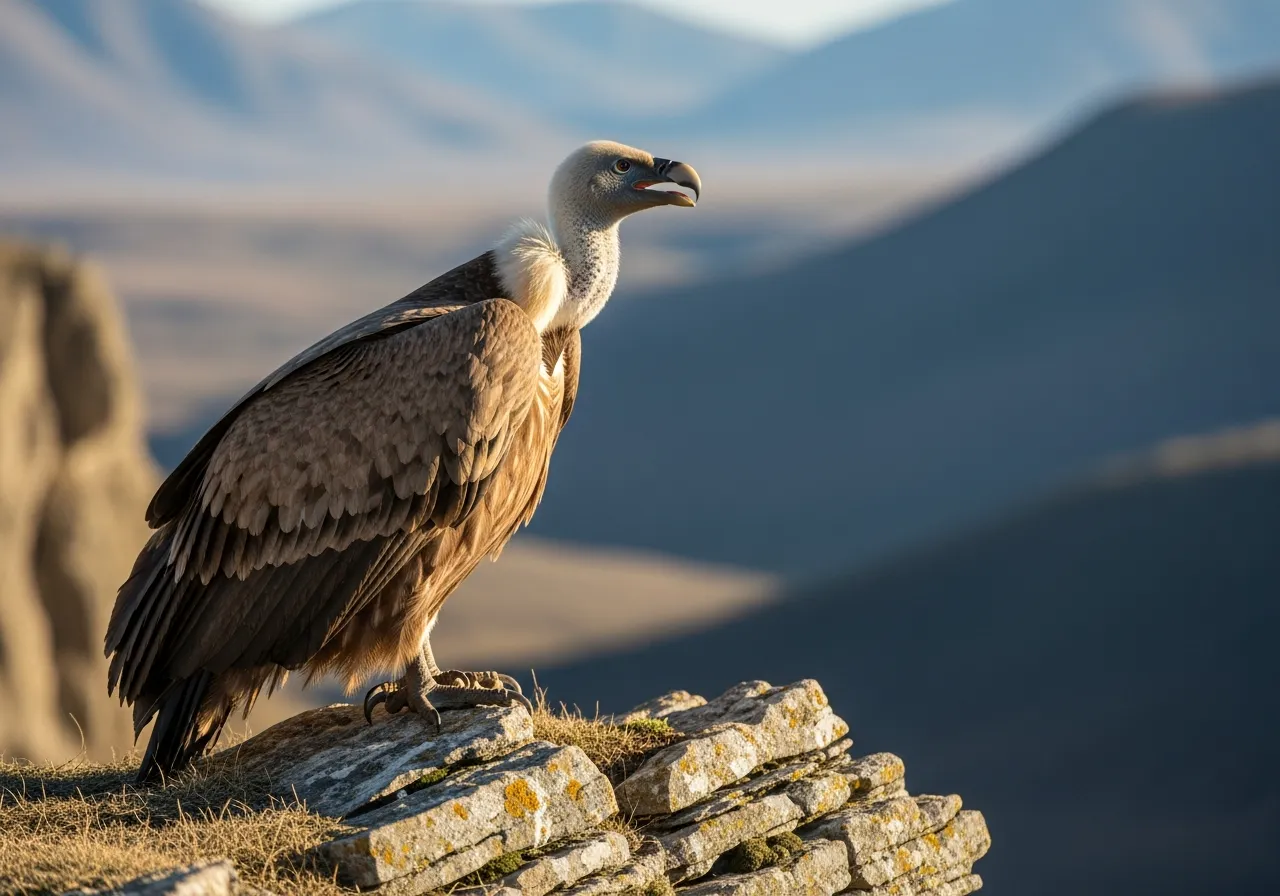
Varies; many Old World vultures Critically Endangered
Vulture
Old World vultures (family Accipitridae) and New World vultures (family Cathartidae)
A vulture is a large scavenging bird of prey that feeds mainly on carrion. There are two unrelated groups: Old World vultures of Africa, Asia and Europe, and New World vultures of the Americas, which evolved similar features independently. Most have a bald head and soar to find food.
Read the guide →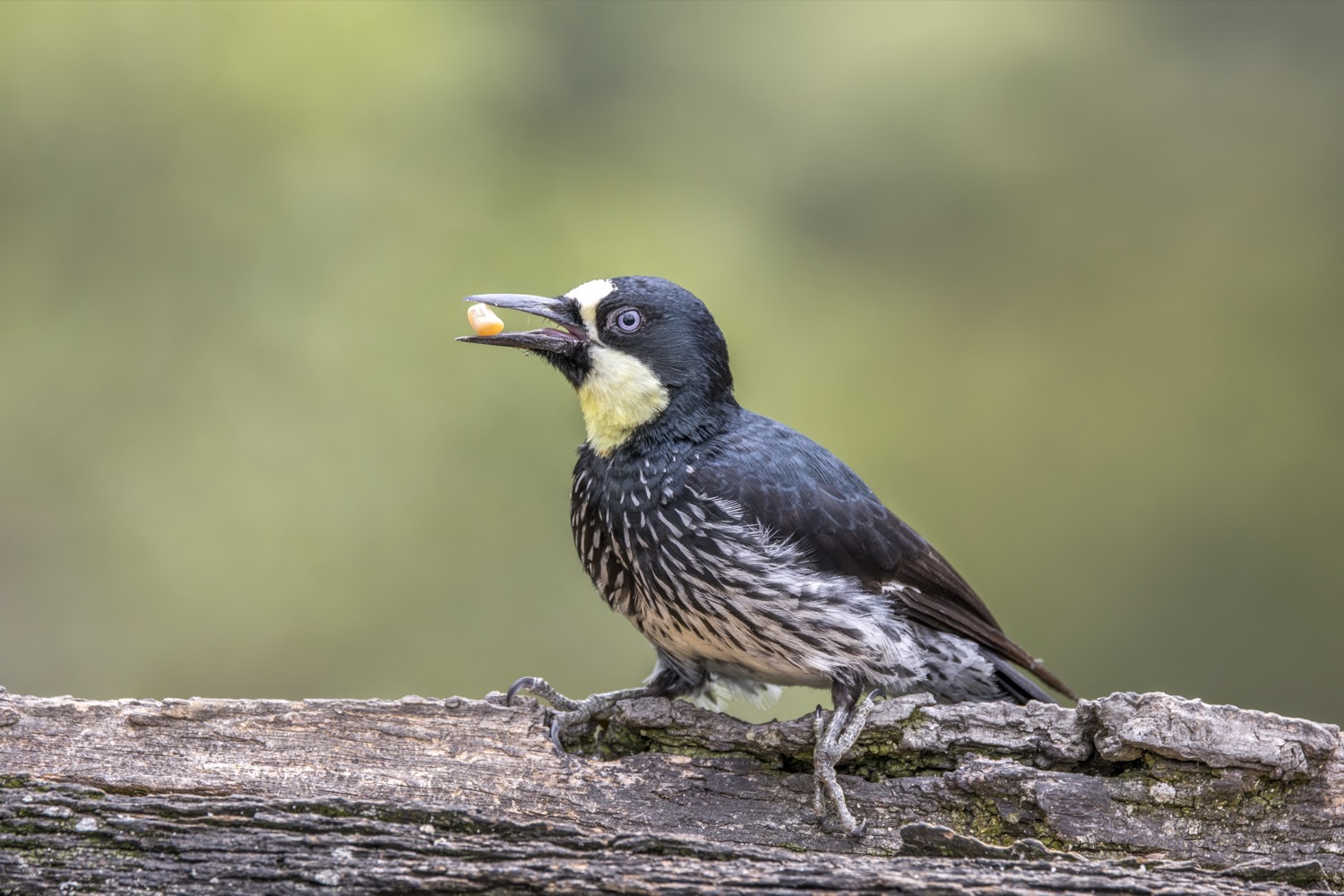
Varies by species; most Least Concern
Woodpecker
Picidae
A woodpecker is a tree-climbing bird of the family Picidae, with around 240 species worldwide. It uses a chisel-like bill to drum and excavate wood, aided by a shock-absorbing skull, gripping zygodactyl feet, a stiff propping tail and a long, barbed tongue for extracting insects.
Read the guide →