Wildlife Guide · Indonesia & Malaysia
Bear
Family Ursidae — 8 living species across North America, South America, Europe and Asia
Eight living species — from polar ice to Andean cloud forest, not one Red List badge.
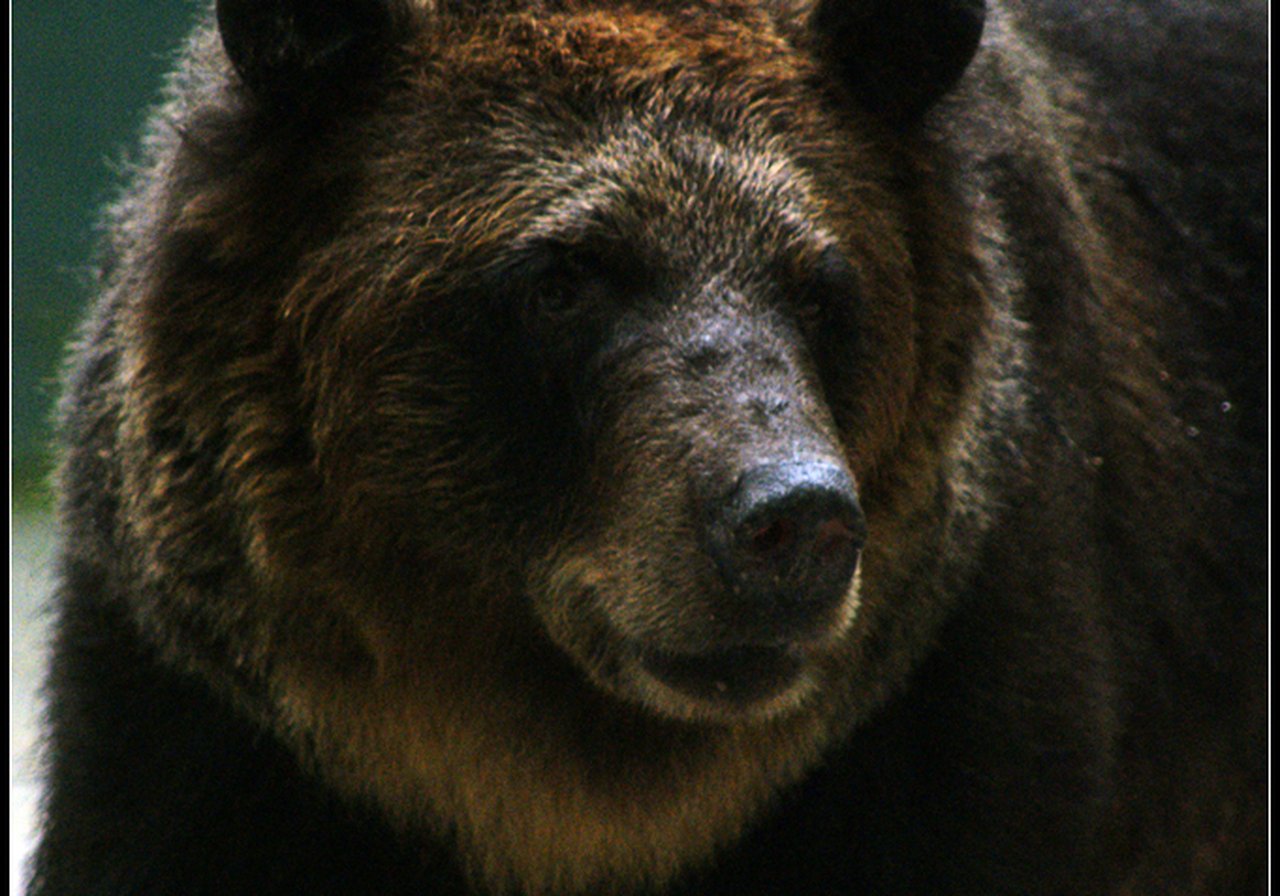
Source: Wikimedia Commons
In brief
Bears are eight living species in family Ursidae, not one species. The IUCN does not give bears a single extinction badge. Polar, sun, sloth and spectacled bears are Vulnerable. Giant pandas recovered to Vulnerable. American black bears are abundant. The related appeal explains potential support and the current funding status; this guide does not confirm a WARN grant.
Also in Animals A to Z · Animals that start with B
By WARN Research & Conservation TeamChecked against IUCN Red List Ursidae assessments and IUCN Bear Specialist GroupLast updated
Bears are eight living species in family Ursidae, not one animal. Status is assessed species by species: American black bears number in the hundreds of thousands; polar, sun, sloth and spectacled bears are Vulnerable; giant pandas recovered to Vulnerable. This page is the family hub. Sun bears: sun bear. Spectacled bears: spectacled bear. Polar bears: polar bear. Moon bears: moon bear. The related appeal explains potential support and the current funding status; this guide does not confirm a WARN grant.
Looking for something specific?
These notes clarify the guide’s scope, common mix-ups and related information.
- A single IUCN category for every bear. Status is species by species.
- A named zoo bear with photo updates. WARN does not offer that.
- Treating the domestic teddy-bear toy as a wild species.
- Bile-farm raid volunteering or posting parcels — use moon bears appeal.
8
Living bear species worldwide
800,000+
American black bears in North America
Vulnerable
Polar bear, sun bear, sloth bear, spectacled bear
Appendix I/II
CITES listing for most bear species
Figures sourced from IUCN Red List — search Ursidae assessments, IUCN Red List — categories and criteria, GOV.UK Gift Aid — available only on gifts to UK registered charities and other references on this page.
Bear: Quick Facts
| Species | 8 living bear species |
|---|---|
| Range | North America, South America, Europe, Asia |
| Diet | Omnivorous — varies by species and season |
| Largest | Polar bear — up to 800 kg |
| Smallest | Sun bear — 25–65 kg |
| CITES | Appendix I or II for most species |
Scientific Classification
| Kingdom | Animalia |
|---|---|
| Phylum | Chordata |
| Class | Mammalia |
| Order | Carnivora |
| Family | Ursidae |
| Species | 8 living species across 5 genera |
Conservation Status
- IUCN Status
- Varies by species. Polar, sun, sloth and spectacled bears Vulnerable. Giant panda Vulnerable after recovery. American black bear Least Concern.
- Population
- Varies — black bear 800,000+; polar bear tens of thousands; sun bear declining
- Trend
- Decreasing for polar, sun and sloth bears; increasing for American black bear and panda
- Assessed
- Varies by species
- CITES
- Appendix I or II for most bear species
See dedicated sun, spectacled, polar and moon bear guides. This page is the family hub.
Did you know?
A bear's sense of smell is among the sharpest of any land mammal — one reason unsecured food, not 'aggression', drives most conflict with people.
Key Facts: Bear
- Eight bear species survive: brown, American black, polar, spectacled, Asiatic black (moon), sloth, sun and giant panda.
- The IUCN does not assess 'the bear' as one taxon. Status ranges from Least Concern to Vulnerable.
- Polar bears depend on sea ice. Sun and moon bears are the bile-farm and pet-trade story in Asia.
- Giant pandas were downlisted from Endangered to Vulnerable after decades of protection.
- The related appeal explains potential support and the current funding status; this guide does not confirm a WARN grant.
- This hub is not a polar-bear climate manual and not a UK zoo directory.
How to use this bear species guide
Match the query to the right WARN page. This URL is the bear family hub: eight species, IUCN splits, bile farming and the polar-versus-brown comparison. Named species, moon-bear sanctuary and UK zoos are different jobs. Use the table and the links below rather than mixing those intents.
- 1
Confirm the goal
Stay here for bears as a family. Sun, spectacled, polar and moon bears have dedicated guides under wildlife guides.
- 2
Read status species by species
Use the on-page table. Do not copy the polar bear's Vulnerable badge onto an American black bear.
- 3
Separate bile farming from Arctic ice
Asian moon and sun bears are the bile-farm story at moon bears appeal. Polar bears are a climate-and-sea-ice story on their own guide.
- 4
Help through honest programmes
Moon-bear sanctuary grants: moon bears appeal. Andean bear: andean bears appeal.
What is a bear?
A bear is a large mammal in family Ursidae. It is not one species. Eight living species occupy ice, forest, mountain and bamboo habitat across North America, South America, Europe and Asia. The IUCN does not give "bear" a single Red List category.
All living bears share non-retractable claws, a heavy skull and an outstanding sense of smell. Most are omnivores; polar bears hunt seals; giant pandas eat almost only bamboo.
This page is the family encyclopaedia. Named species sit at sun bear, spectacled bear, polar bear and moon bear.
The related appeal explains potential support and the current funding status; this guide does not confirm a WARN grant. It does not run a polar research station.
How many bear species are there?
Eight living species: brown bear (including grizzly), American black bear, polar bear, spectacled (Andean) bear, Asiatic black bear (moon bear), sloth bear, sun bear and giant panda. Extinct short-faced bears are not a ninth living species. A koala is not a bear; a giant panda is.
Genera include Ursus, Helarctos, Melursus, Tremarctos and Ailuropoda. A panda is a bear. A koala is not.
Counts do not move with zoo marketing names. "Grizzly" is a brown bear. "Moon bear" is the Asiatic black bear.
Use the table on this page for IUCN and range. Use a species guide when you have a scientific name.
Are bears endangered?
It depends on the species. American black bears are Least Concern and number over 800,000. Polar, sun, sloth and spectacled bears are Vulnerable. Giant pandas are Vulnerable after recovery from Endangered. Brown bears are Least Concern globally, with some regional populations in trouble.
There is no honest single answer to "are bears endangered". Copying the polar bear's ice story onto a sun bear, or the panda's recovery onto a sloth bear, is how misinformation starts.
CITES Appendix I or II covers most species for international trade. Bile and parts trafficking is a separate crime from legal trophy or hunting debates in North America.
This hub will not rank which bear "needs saving most" as a donation gimmick.
Which bear is the largest?
The polar bear is the largest living bear — males can exceed 800 kg. Kodiak brown bears of Alaska rival them in mass. The sun bear is the smallest, typically 25–65 kg, closer to a large dog than a grizzly.
Size is not conservation status. The smallest bear (sun bear) is Vulnerable. The most abundant (American black) is mid-sized.
Cubs are born tiny relative to the mother, often during winter denning in species that hibernate or enter torpor.
Do not use a polar-bear weight as the weight of "a bear". Always name the species.
What do bears eat?
Most bears are omnivores. Polar bears hunt seals on sea ice. Brown bears take salmon, ungulates, roots and berries. American black bears eat plants, insects and carrion. Giant pandas eat bamboo. Sun bears tear into tropical trees for insects and honey. Spectacled bears eat mostly plants.
Diet follows habitat, not a children's-book personality. A hungry bear near bins is a coexistence problem, not proof that "bears are carnivores".
Feeding wild bears creates dangerous, food-conditioned animals. That is true in Yellowstone and in Southeast Asian villages.
WARN does not post honey from Britain to a sanctuary unless a partner asked in writing. Give at moon bears appeal so partners buy locally.
Are bears dangerous?
Bears can kill people. They are not domesticated. Honest risk is food storage, cub defence, surprise encounters and bile-farm handling — not a myth that all bears are cuddly or that all bears are man-eaters. Most species still avoid people when food is secured.
Most species avoid people. Attacks are rare relative to how many bears exist, and they cluster where food is unsecured or habitat is squeezed. Sloth bears have a serious conflict record in parts of India.
Do not copy a polar-bear Arctic protocol onto a sun bear, or a Yosemite bear-spray leaflet onto a bile farm.
If you asked because of Asian farming or trafficking, the programme answer is moon bears appeal, not a one-off zoo visit.
How long do bears live?
Wild lifespan varies by species and hunting pressure. Many wild bears live about 15–25 years. Well-cared-for animals in sanctuaries can live longer. Polar, brown and black bears that den have a different year to tropical sun bears that may not hibernate.
There is no single "bear lifespan" you can paste into a school worksheet without naming the species.
Cubs typically stay with the mother for one to three years depending on species. A group is not a pride; bears are mostly solitary except for mothers with cubs.
Lifespan is biology. It is not an IUCN generation length for the whole family.
What is bear bile farming?
Bear bile farming keeps moon bears and sun bears in cages and extracts bile from the gallbladder for traditional medicine. Bile contains ursodeoxycholic acid; synthetic and farmed-free alternatives exist. Farming remains legal in China; Vietnam banned extraction in 2005. Cubs are also taken for pets.
This is a welfare and trafficking crisis, not an IUCN extinction badge for every Ursid. American black bears are not the bile-farm story.
WARN's moon-bear appeal at moon bears appeal funds partner sanctuary care and rescue in Indonesia and Malaysia. That is not a named-bear adoption with photos from a cage.
Do not buy bile products. Do not volunteer untrained at a farm raid.
How is a polar bear different from a brown bear?
Polar bears (Ursus maritimus) are marine-adapted hunters of seals on sea ice, listed Vulnerable because that ice is disappearing. Brown bears (Ursus arctos), including grizzlies, are omnivores of forest, mountain and tundra, listed Least Concern globally. They can hybridise where ranges meet. They are different species.
A polar bear is not a white grizzly. Keeping either as a pet is not a breed choice.
The table on this page lists all eight species. Polar detail: polar bear. Himalayan brown bears have a separate guide.
Climate policy is not a WARN polar-tagging programme. Do not donate to WARN expecting an Arctic field team.
Are giant pandas bears?
Yes. The giant panda (Ailuropoda melanoleuca) is a bear, not a raccoon, despite the old taxonomic argument. It eats almost only bamboo and was downlisted from Endangered to Vulnerable after habitat protection and breeding programmes in China. Red pandas are not bears.
Pandas are not native to WARN's current grant countries. This hub mentions them because "are pandas bears" is a real query. WARN does not claim a panda field programme.
Red pandas are not bears. They are in a different family.
If the search was panda merch, stop. If the search was Asian bear bile, stay on moon bears appeal.
Where do bears live?
Bears live in North America, South America, Europe and Asia. Polar bears use Arctic sea ice. Spectacled bears use Andean cloud forest. Sun bears use Southeast Asian rainforest. Sloth bears use the Indian subcontinent. There are no wild bears in Antarctica, Australia or most of Africa.
The related appeal explains potential support and the current funding status; this guide does not confirm a WARN grant. Other ranges are education.
Free-roaming "bears" in British woods are not a native population. Sighting panics are usually dogs, pigs or hoaxes.
How can I help bears?
Match the species to the programme. Moon and sun bear sanctuary: moon bears appeal. Andean spectacled bear: andean bears appeal. Polar and panda queries are not WARN field programmes.
Do not invent a unit cost for one named bile-farm rescue. Appeal figures are illustrations, not a cage invoice.
Read sun bear and spectacled bear before you pay. US donors: WARN is not a 501(c)(3).
If you want a UK zoo visit, stop here. If you want partner grants, use the appeal URLs.
Eight living bears at a glance
| Species | IUCN | Range (summary) |
|---|---|---|
| Brown / grizzly | Least Concern globally | North America, Europe, Asia |
| American black | Least Concern | North America |
| Polar | Vulnerable | Arctic sea ice |
| Spectacled (Andean) | Vulnerable | Andes — South America only |
| Asiatic black (moon) | Vulnerable | Asia, including Southeast Asia |
| Sloth | Vulnerable | Indian subcontinent |
| Sun | Vulnerable | Southeast Asian rainforest |
| Giant panda | Vulnerable (recovered from Endangered) | China |
What WARN Does
WARN publishes this guide for education and is developing support through assessed animal-welfare grants. A species range, source citation or photograph does not establish a recipient or funding agreement. Check /about/where-your-money-goes/#grant-register for published grant and payment records; records not yet published must not be read as zero activity. Review /appeals/moon-bears/ and /appeals/andean-bears/ separately for the appeal purpose and terms.
Moon and sun bears are the bile-farm story; spectacled bears are the Andean forest story. Give at /appeals/moon-bears/ or /appeals/andean-bears/. Not a named-bear invoice. Polar queries are not a WARN field programme.
Bear: Frequently Asked Questions
What is a bear?
How many bear species are there?
Are bears endangered?
Which bear is the largest?
What do bears eat?
Are bears dangerous?
How long do bears live?
What is bear bile farming?
How is a polar bear different from a brown bear?
Are giant pandas bears?
Where do bears live?
How can I help bears?
Sources & References
Population figures, conservation status and biological facts on this page are drawn from authoritative scientific and intergovernmental sources.
Related Rescue Guides
Selected guides that explain this animal’s rescue, habitat needs or ways to help. Check each appeal for its current funding status.
Terms used on this page
Plain-English definitions, from our wildlife and conservation glossary.
Latest Bear Stories
Quick, fact-checked reads on the bear — amazing facts, key questions and the threats it faces.
Briefings
Kalimantan forest fires 2026: orangutans, smoke and how to help
What official reports say about Kalimantan’s forest fires, Sempurna the orangutan, smoke and wildlife rescue—and how to help through informed giving or sharing.
Read the storyBriefings
Three Rehabilitated Orangutans Released Back Into the Wild in East Kalimantan
Three Bornean orangutans — Bagus, Eboni and Ruby — were released into a protected forest in East Kutai, East Kalimantan, on 23 June 2026, after years of rehabilitation following rescue from the illegal pet trade. All three are Critically Endangered Pongo pygmaeus.
Read the storySpecies
Why Are Orangutans Endangered? Palm Oil, Deforestation and the Rescue Crisis in Borneo
Orangutans are endangered because of a single dominant cause: deforestation. All three remaining species have been reduced to small, fragmented populations in what remains of Borneo's and Sumatra's lowland and peat-swamp forests — and the crisis is getting worse, not better.
Read the storyExplore more animals
Discover more animals, their habitats and their conservation status in the WARN wildlife-guide library.