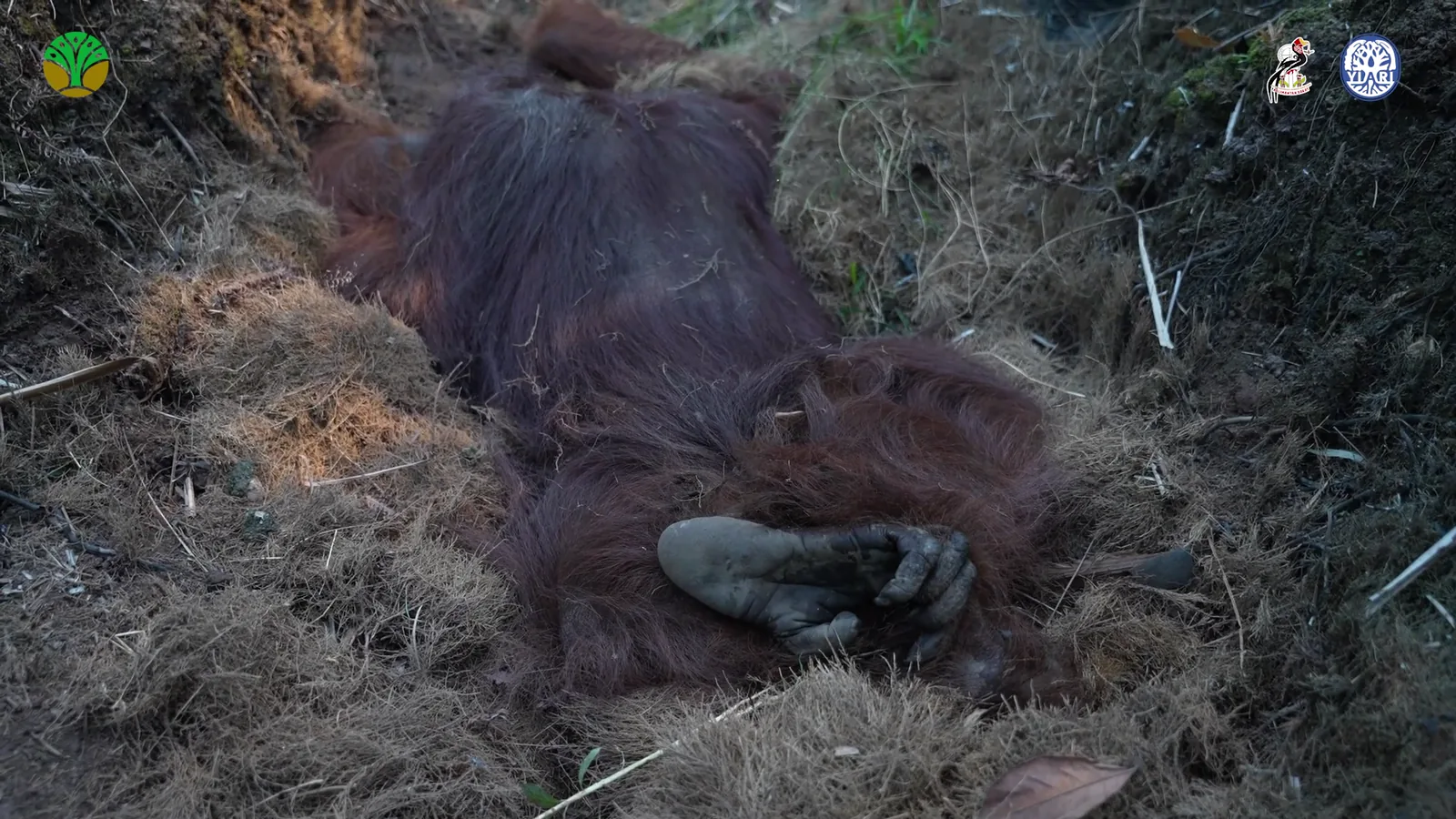
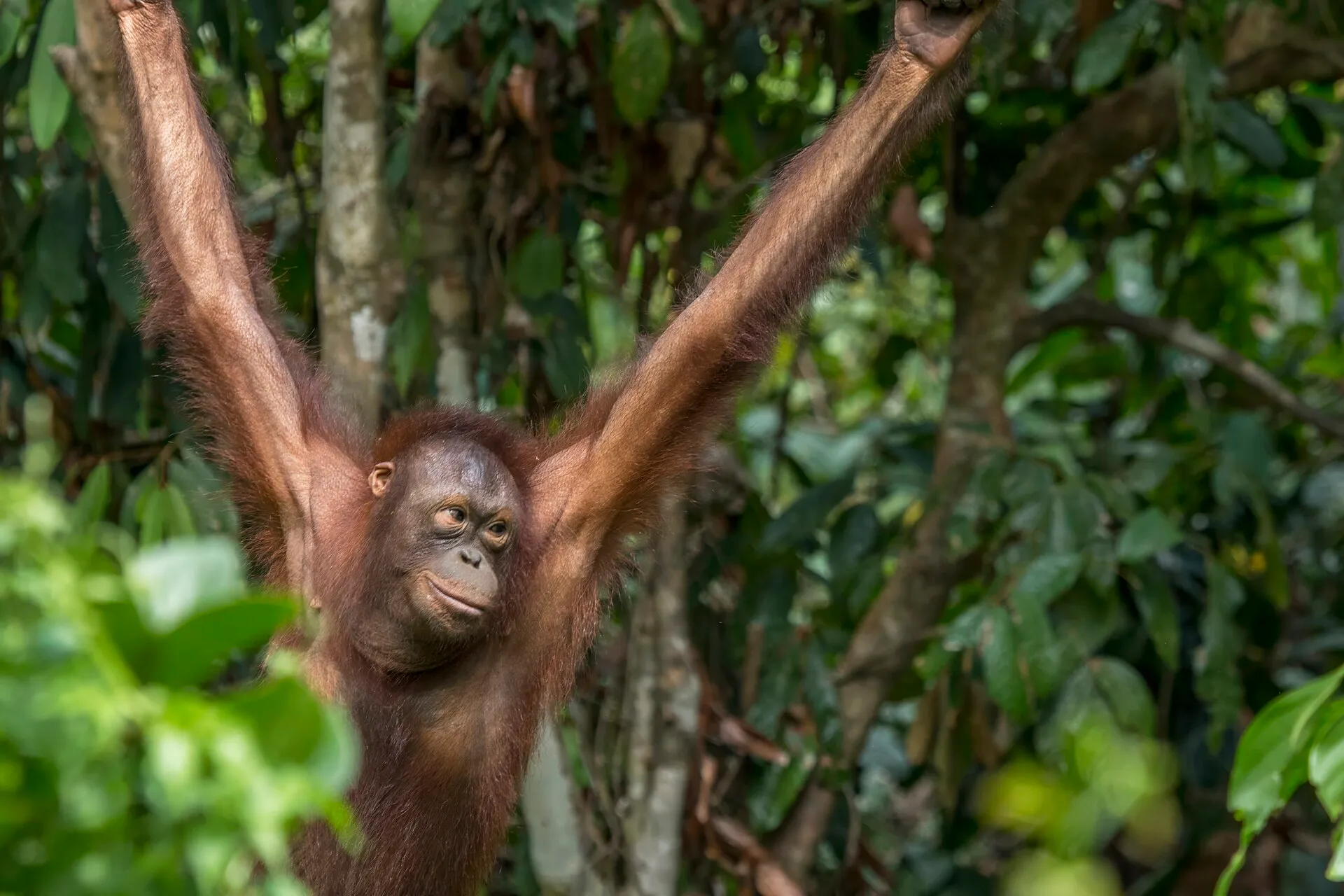
Three Critically Endangered Bornean orangutans — Bagus, Eboni and Ruby — were released back into the wild on 23 June 2026 in the Gunung Batu Mesangat protected forest in East Kutai regency, East Kalimantan, on the Indonesian side of Borneo, after years of rehabilitation following their rescue from the illegal pet trade.
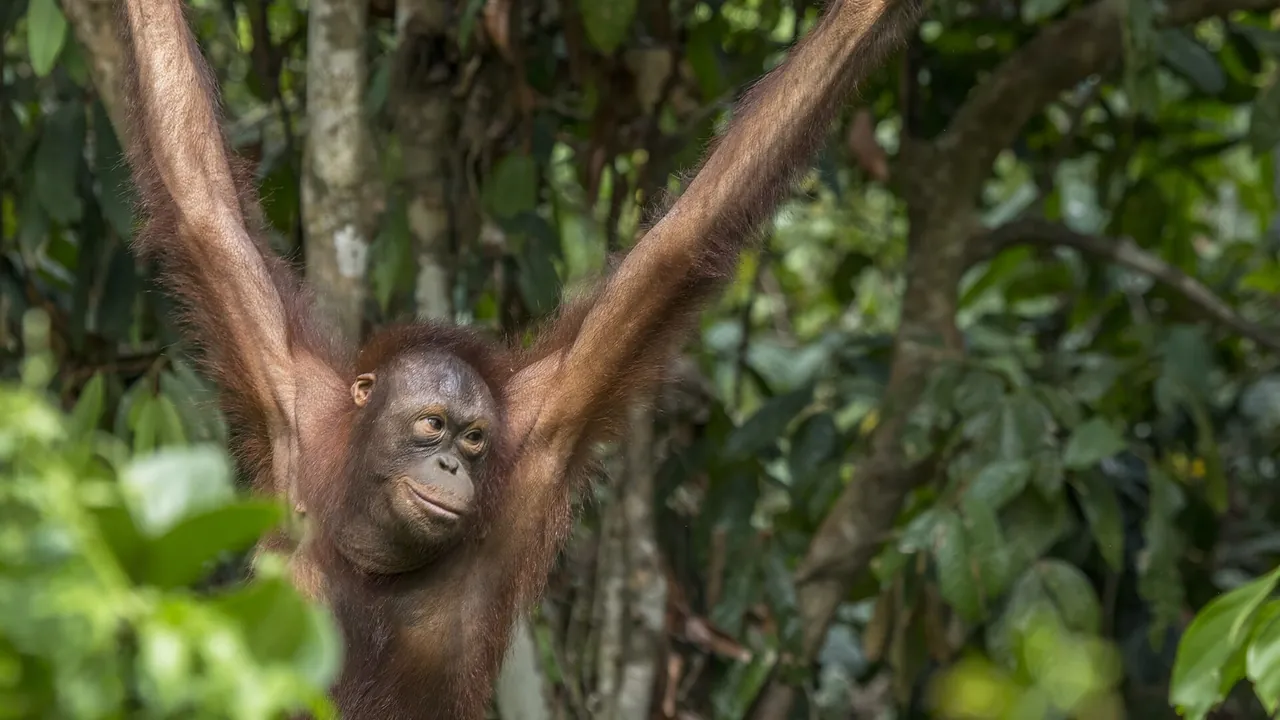
What happened: three orangutans returned to the wild
On 23 June 2026, conservation authorities in Indonesia's East Kalimantan province released three rehabilitated Bornean orangutans (Pongo pygmaeus) into the Gunung Batu Mesangat protected forest, in the Busang district of East Kutai regency. The release marked the end of a rehabilitation journey that, for the longest-held of the three, had lasted almost six years.
The operation was coordinated by East Kalimantan's Natural Resources Conservation Agency (BKSDA) together with the provincial forestry authority, a local forest-management unit and the conservation partners who ran the animals' rehabilitation. M. Ari Wibawanto, who heads East Kalimantan BKSDA, described the release as a collaboration between the province's conservation and forestry bodies and their training partners.
Meet Bagus, Eboni and Ruby
All three orangutans share the same underlying story: each had been taken from the forest and kept illegally as a pet before being rescued and handed into rehabilitation. Their rescue dates span four years:
- Bagus — rescued in September 2020 from Merabu village, Berau regency.
- Eboni — evacuated in April 2022 from Long Beliu, Berau regency.
- Ruby — evacuated in April 2024 from Sekurau Atas village, East Kutai regency.
Keeping orangutans as pets is illegal in Indonesia, where the species is legally protected. Infants are typically captured after their mothers are killed — a single pet orangutan usually represents the loss of at least one wild adult — which is why confiscations feed directly into rescue and rehabilitation programmes rather than back into the wild straight away.

Why orangutan rehabilitation takes years, not weeks
Orangutans are among the slowest-developing mammals on Earth. In the wild an infant stays with its mother for up to eight years, learning where and when hundreds of forest foods ripen, how to move safely through the canopy, and how to build a fresh sleeping nest every night. An orangutan taken as a baby and raised by people misses all of this.
Rehabilitation — often called "forest school" — has to rebuild those skills from scratch before an animal can be considered releasable. Before Bagus, Eboni and Ruby were signed off for release, each had to prove it could:
- Climb and travel through the canopy confidently rather than staying on the ground;
- Find and process wild foods — fruit, bark, shoots and insects — without being hand-fed;
- Build a secure night nest in the treetops, which orangutans do every single evening.
Only once an orangutan can reliably feed, move and shelter itself — and passes a full veterinary and disease-screening check — is it matched to a protected release forest with enough food and few resident wild orangutans to compete with.
Timeline: from pet to protected forest
- September 2020: Bagus is rescued from Merabu village, Berau regency, and enters rehabilitation.
- April 2022: Eboni is evacuated from Long Beliu, Berau, after being kept as a pet.
- April 2024: Ruby is evacuated from Sekurau Atas village, East Kutai regency.
- 2020–2026: Each orangutan completes forest-school rehabilitation — climbing, foraging and nest-building — and passes health screening.
- 23 June 2026: All three are released into the Gunung Batu Mesangat protected forest, East Kutai, East Kalimantan.
Why Bornean orangutans are Critically Endangered
The Bornean orangutan is listed as Critically Endangered on the IUCN Red List — the highest risk category before extinction in the wild. Roughly 104,700 Bornean orangutans are estimated to remain, and around half of the species' habitat has been lost in the past two decades. All three orangutan species — Bornean, Sumatran and Tapanuli — are Critically Endangered.
Two pressures drive the decline. The first is habitat loss: lowland Bornean forest has been cleared and fragmented for palm oil, timber and mining, leaving fewer connected areas with enough year-round food. The second is the illegal wildlife and pet trade — the exact route that put Bagus, Eboni and Ruby in human hands. Because orangutans breed so slowly, with females giving birth only once every six to eight years, populations cannot absorb these losses and recover quickly. For the wider picture, see our briefings on why orangutans are endangered and Borneo deforestation and palm oil, or the full orangutan wildlife guide.
Why a single successful release matters
Three animals may sound small against a population of six figures, but every rehabilitated orangutan returned to a protected forest matters for a Critically Endangered species with a birth rate this low. Releases also demonstrate something bigger: that confiscation from the pet trade, long-term rehabilitation and habitat protection can work together to put wild-born animals back where they belong — provided the funding and the forest are there.
How WARN's orangutan work connects to this
World Animal Rescue Network is a registered global not-for-profit animal welfare organisation. Indonesia and Malaysia are in-network for our orangutan work — our orangutan appeal funds partner-led rescue, forest-school rehabilitation and habitat protection in Borneo. WARN was not part of this particular government-led release, but we report releases like it because they show donors precisely what their support pays for: the long, expensive road from a confiscated pet to a wild orangutan nesting in the canopy again.
When rehabilitation succeeds, the limiting factor is almost always whether partners have the funding for veterinary care, forest-school staff and protected release habitat to say yes to the next rescued infant. That is what supporter giving is for.
How you can help orangutans
UK and international supporters can back Bornean orangutan rescue and rehabilitation through WARN's Borneo orangutan appeal, or support the species directly with a symbolic orangutan adoption from £5 a month. You can also make a one-off gift or set up monthly giving to fund partner deployments where the need is greatest.
Sources & further reading
- The Jakarta Post — Three Kalimantan orangutans released into wild (29 Jun 2026)
- IUCN Red List — Pongo pygmaeus (Bornean orangutan), Critically Endangered
- WARN briefing — Why are orangutans endangered?
- WARN geo-programme — East Kalimantan orangutan rehabilitation & release