Wildlife Guide · Central America & South America
Iguana
Iguana iguana
The big, leaf-eating tree lizard of the Americas — and a surprising invader far from home.
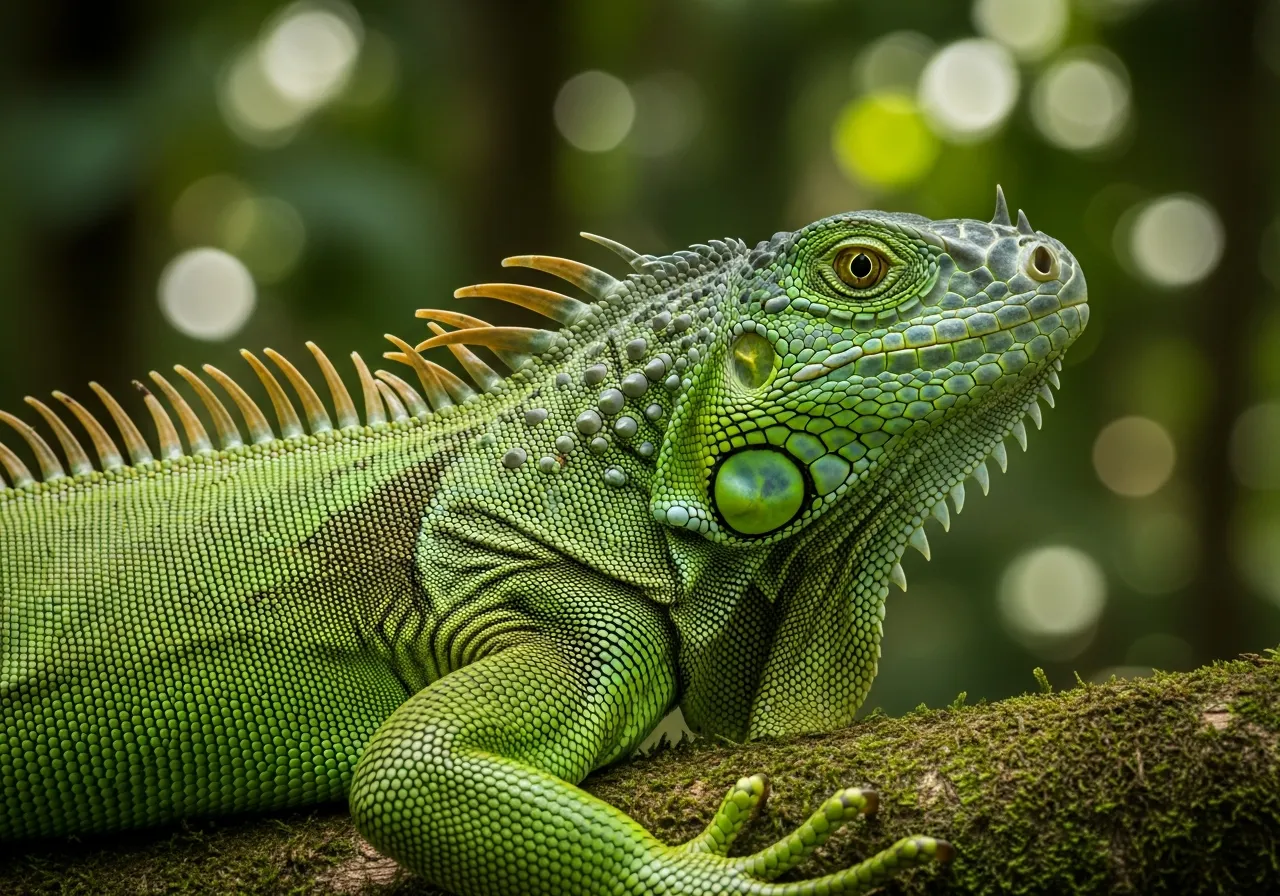
Source: Global Animal Guide (WARN)
In brief
An iguana is a large, mostly herbivorous, tree-dwelling lizard of the Americas. The familiar green iguana (Iguana iguana) reaches about 1.7 metres including its long tail, sports a spiny crest and throat dewlap, and is listed as Least Concern, though several other iguana species are endangered.
Also in Animals A to Z · Animals that start with I
By WARN Research & Conservation TeamLast updated
The iguana most people picture is the green iguana (Iguana iguana), a large, tree-dwelling lizard native to the forests and riverbanks of Central and South America and the Caribbean. Despite its size — up to roughly 1.7 metres from nose to tail-tip — it is a gentle herbivore, browsing leaves, flowers and fruit high in the canopy. Bright green when young, adults can turn greyish, orange or bluish depending on origin and mood. Hardy and striking, green iguanas are popular but demanding pets, and escaped or released animals have formed wild, invasive populations in places like Florida. "Iguana" can also mean dozens of other species, some of them seriously endangered.
~1.7 m
Total length, nose to tail-tip
20-71
Eggs in a typical clutch
100+
Plant species browsed
Appendix II
CITES trade listing
Figures sourced from Green iguana — Wikipedia, Iguana — Wikipedia, Iguana — Encyclopaedia Britannica and other references on this page.
Iguana: Quick Facts
| Common name | Green iguana (common iguana) |
|---|---|
| Scientific name | Iguana iguana |
| Type | Large arboreal lizard |
| Diet | Mostly herbivorous (leaves, flowers, fruit) |
| Length | Up to about 1.7 m including tail |
| Native range | Central and South America, Caribbean |
| Habitat | Tropical forest, often near water |
| IUCN status | Least Concern (green iguana) |
| CITES | Appendix II |
| Notable trait | Light-sensing parietal 'third eye' |
Scientific Classification
| Kingdom | Animalia |
|---|---|
| Phylum | Chordata |
| Class | Reptilia |
| Order | Squamata |
| Family | Iguanidae |
| Genus | Iguana |
| Species | Iguana iguana (green iguana) |
Conservation Status
- IUCN Status
- The green iguana (Iguana iguana) is assessed by the IUCN Red List as Least Concern: it is widespread, locally common and even invasive in some regions. International trade is regulated under CITES Appendix II. Importantly, this secure status applies to the green iguana specifically — several other iguana species, such as the Galapagos and Fijian iguanas, are threatened or endangered by habitat loss, invasive predators and climate change.
- Population
- Not globally quantified; widespread and locally abundant across its native range, with additional invasive populations
- Trend
- Stable overall for the green iguana; declining for several other threatened iguana species
- Assessed
- Listed Least Concern on the IUCN Red List
- CITES
- Appendix II
Status varies sharply across the genus: the green iguana is secure, but it should not be taken as representative of all iguanas, many of which need active protection.
Key Facts: Iguana
- The green iguana (Iguana iguana) is a large, arboreal, mostly herbivorous lizard of Central and South America and the Caribbean.
- It can reach about 1.7 metres including the tail, with a spiny dorsal crest, a throat dewlap and a light-sensing parietal 'third eye'.
- The IUCN lists the green iguana as Least Concern, but it is regulated under CITES Appendix II.
- Released and escaped pets have created invasive populations in Florida, Hawaii and elsewhere.
- Many other iguanas — such as Galapagos and Fijian species — are threatened or endangered.
- Iguanas are popular but demanding pets, needing space, warmth, UVB light and a careful plant-based diet.
What does an iguana look like and how big does it get?
The green iguana is unmistakable: a long, slender lizard with a crest of soft spines running from the neck down the back, a loose flap of skin under the chin called a dewlap, and a banded, whip-like tail that makes up roughly half its total length. Large adults reach about 1.7 metres from snout to tail-tip, with some exceptional individuals exceeding two metres; males are heavier and more ornate than females, the biggest weighing several kilograms. Colour is variable and a little misleading. Hatchlings and juveniles are bright leaf-green for camouflage, but adults shift towards grey-green, dull orange, brownish or even bluish tones depending on their population, temperature, age and breeding condition. On top of the head sits a pale scale known as the parietal eye, a primitive light-sensing organ that detects changes in brightness and overhead movement — useful for spotting circling predators — though it cannot form images like the true eyes. Large jowls and prominent round scales beside the eardrum are most developed in mature males.
Where do iguanas live and what do they eat?
Green iguanas are native to a broad sweep of the American tropics, from southern Mexico through Central America and across much of South America to central Brazil, Paraguay and Bolivia, plus many Caribbean islands. They are strongly arboreal, favouring trees along rivers, lakes and mangroves, and are excellent swimmers — when alarmed they often drop from a branch straight into the water below and paddle away with their tails. Adults are almost entirely herbivorous, browsing the leaves, shoots, flowers and fruit of well over a hundred different plants. This leafy diet means they rely on basking in warm sunshine to raise their body temperature enough to digest food, so they spend long stretches motionless in the canopy. Beyond their native range, escaped and deliberately released pets have established free-living, invasive populations in places such as southern Florida, Hawaii, Puerto Rico and parts of Asia, where they can damage gardens, crops and infrastructure and compete with local wildlife.
Are iguanas good pets, and which iguanas are endangered?
Green iguanas are among the most widely kept pet reptiles, which is exactly why so many end up homeless or released. They are long-lived and can grow surprisingly large, demanding a tall, spacious, warm enclosure, strong UVB lighting, high humidity and a varied, calcium-rich plant diet.
Poor husbandry commonly leads to metabolic bone disease and other health problems, and mature animals — especially males in breeding season — can become powerful and defensive. They are best suited to experienced keepers who can commit for the long term.
It is important to separate the green iguana's secure status from that of its relatives. While Iguana iguana is listed as Least Concern by the IUCN, several other iguanas are in real trouble: the Galapagos land and marine iguanas and the Fijian banded and crested iguanas, for example, are threatened by habitat loss, invasive predators and a changing climate. International trade in iguanas is regulated under CITES Appendix II.
Explore iguana species on WARN
This hub focuses on the familiar green iguana — but readers often search for Galapagos, Caribbean or Lesser Antillean species. WARN publishes a twelve-species iguana library linked from this page covering green iguana, spiny-tailed relatives, Galapagos land and marine iguanas and more.
Each species page includes range, ecology, CITES status and honest messaging about why most iguanas are poor pets and some are strictly protected.
Released pets drive invasive populations in Florida and beyond — responsible ownership starts with understanding what you are taking on.
Green iguana vs other iguanas
| Feature | Green iguana (Iguana iguana) | Other iguanas (e.g. Galapagos, Fijian) |
|---|---|---|
| IUCN status | Least Concern | Often threatened or endangered |
| Range | Central/South America, Caribbean; invasive elsewhere | Often single islands or small areas |
| Diet | Mostly herbivorous | Herbivorous (marine iguana grazes algae) |
| Relationship with people | Common pet; invasive in places like Florida | Conservation concern, not invasive |
| Main threats | Few; locally over-abundant | Habitat loss, invasive predators, climate change |
Iguana Species Guide
From the green iguana and lesser Antillean rock iguana to the rhinoceros iguana, desert iguana, spiny-tailed iguana and five more — explore 12 iguana species with range, behaviour, conservation status and why most iguanas are not suitable pets.
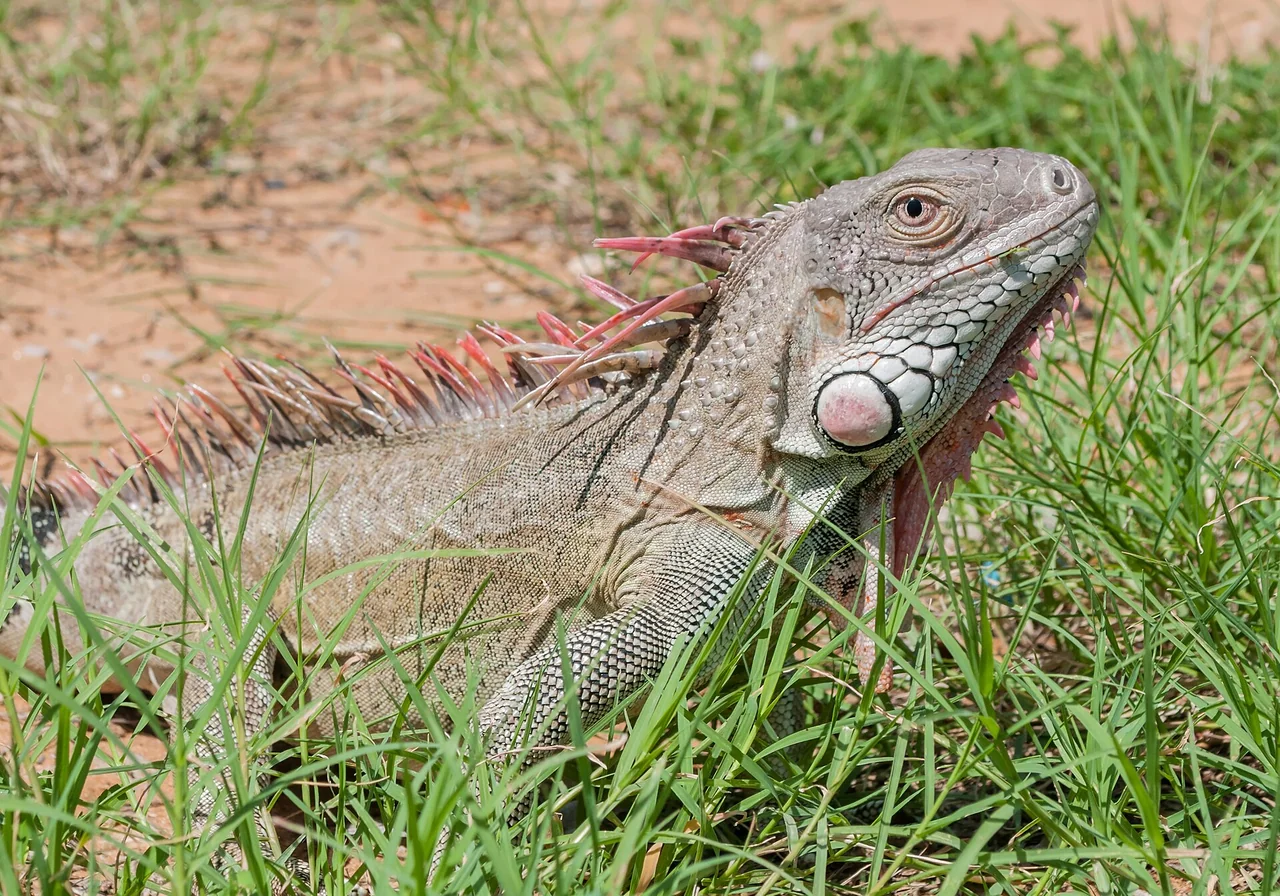
Green Iguana
Central & South America
Arboreal, herbivorous, defensive when mature
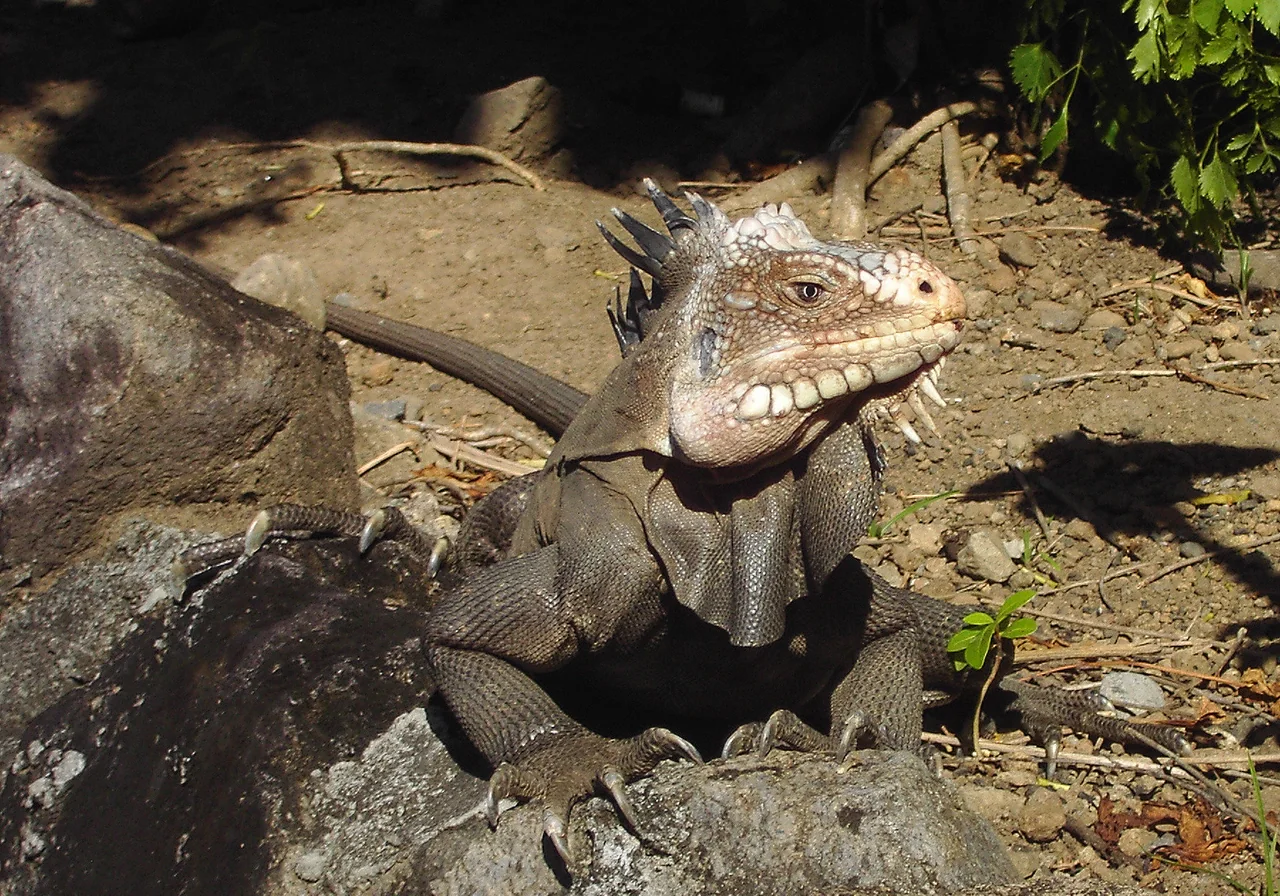
Lesser Antillean Iguana
Lesser Antilles (Caribbean)
Arboreal, endangered, protected
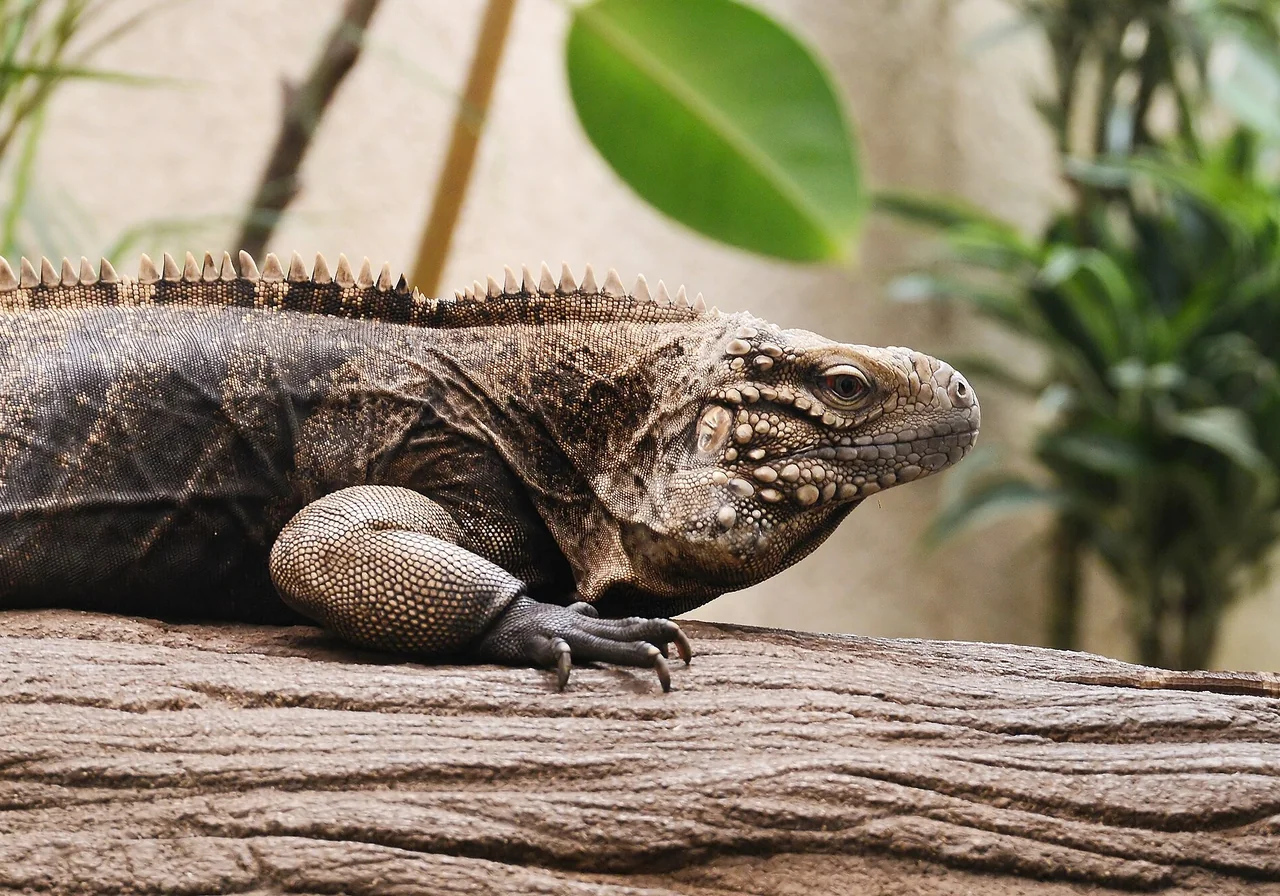
Cuban Rock Iguana
Cuba & Bahamas
Terrestrial, bold, protected
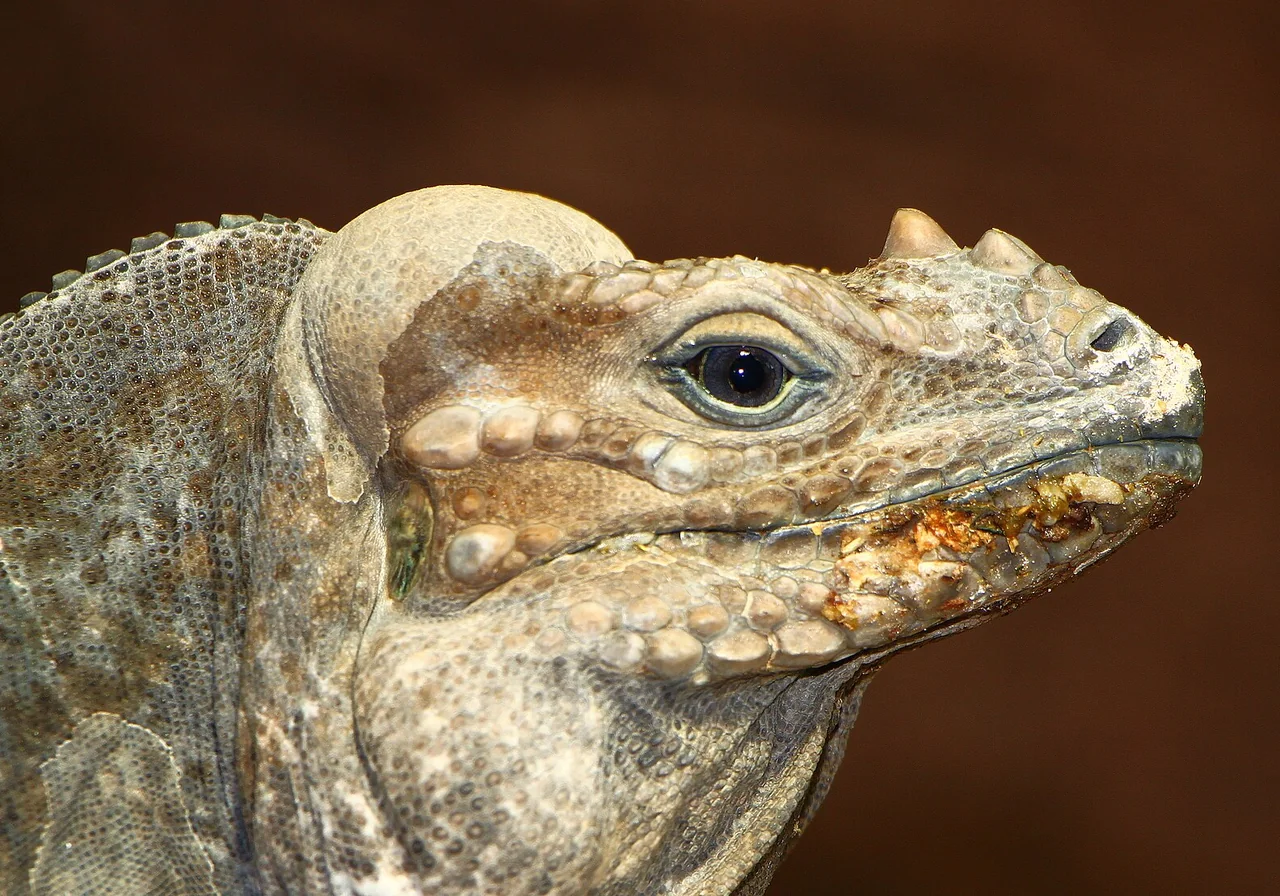
Rhinoceros Iguana
Hispaniola (Haiti & Dominican Republic)
Territorial, herbivorous, protected
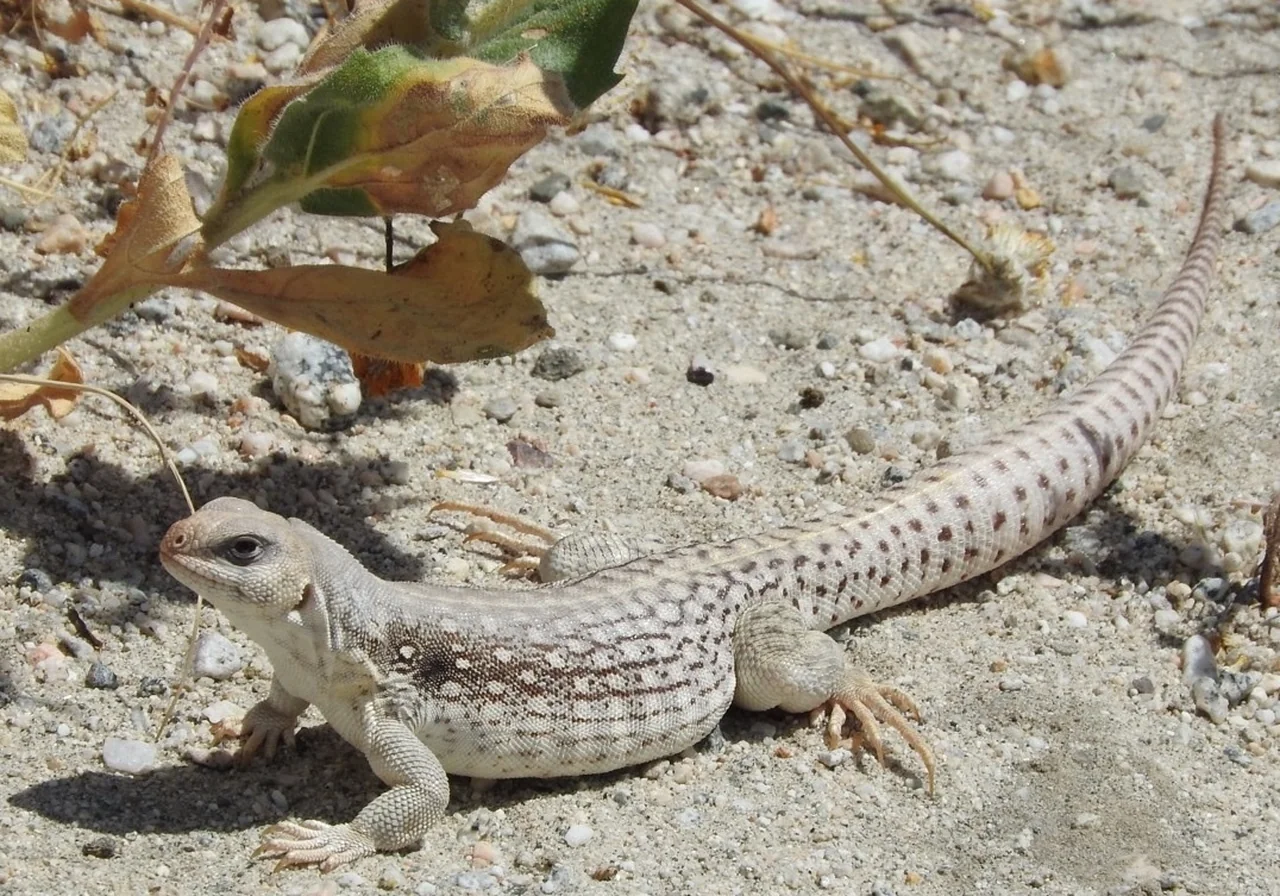
Desert Iguana
South-western United States & Mexico
Heat-tolerant, herbivorous, fast
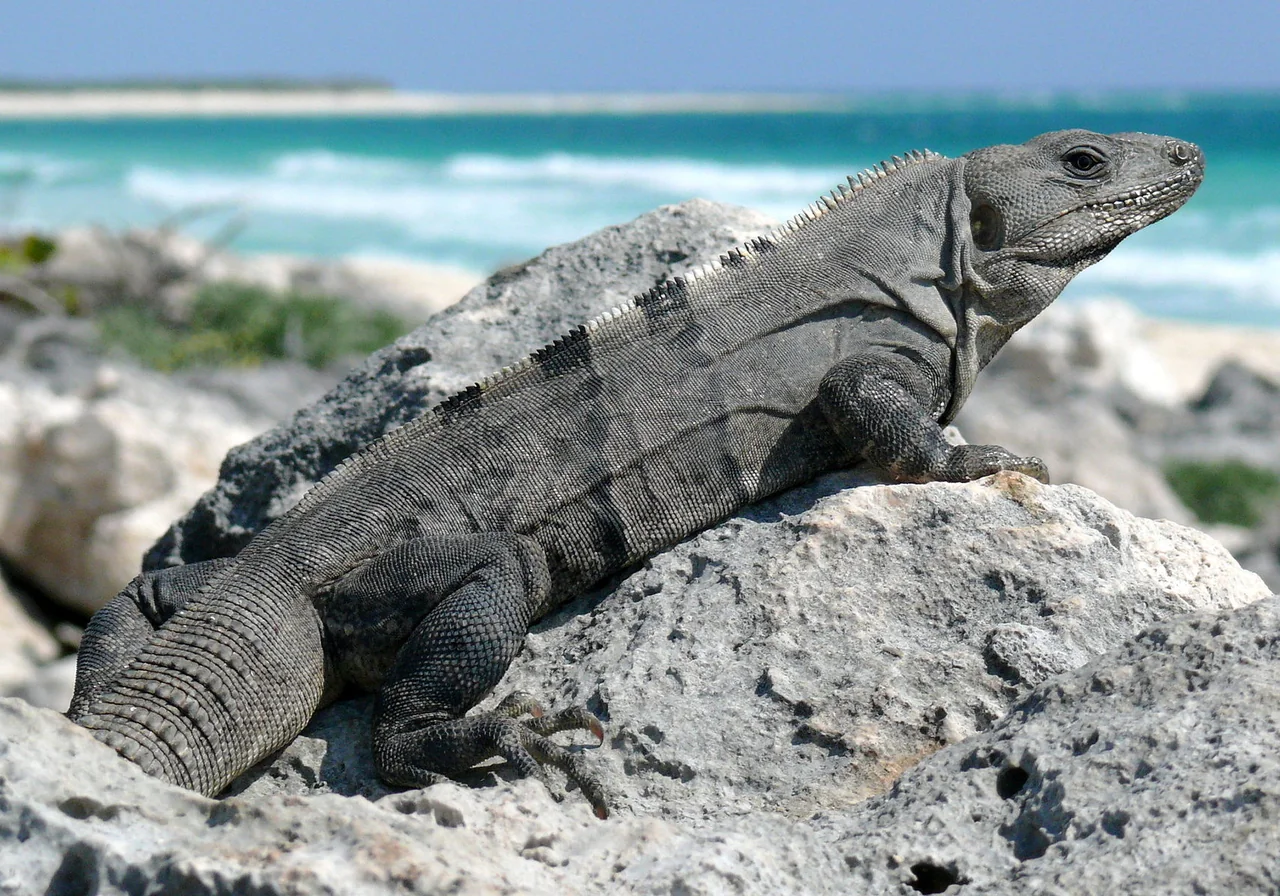
Spiny-tailed Iguana
Central America & Caribbean (Ctenosaura)
Fast, defensive, omnivorous
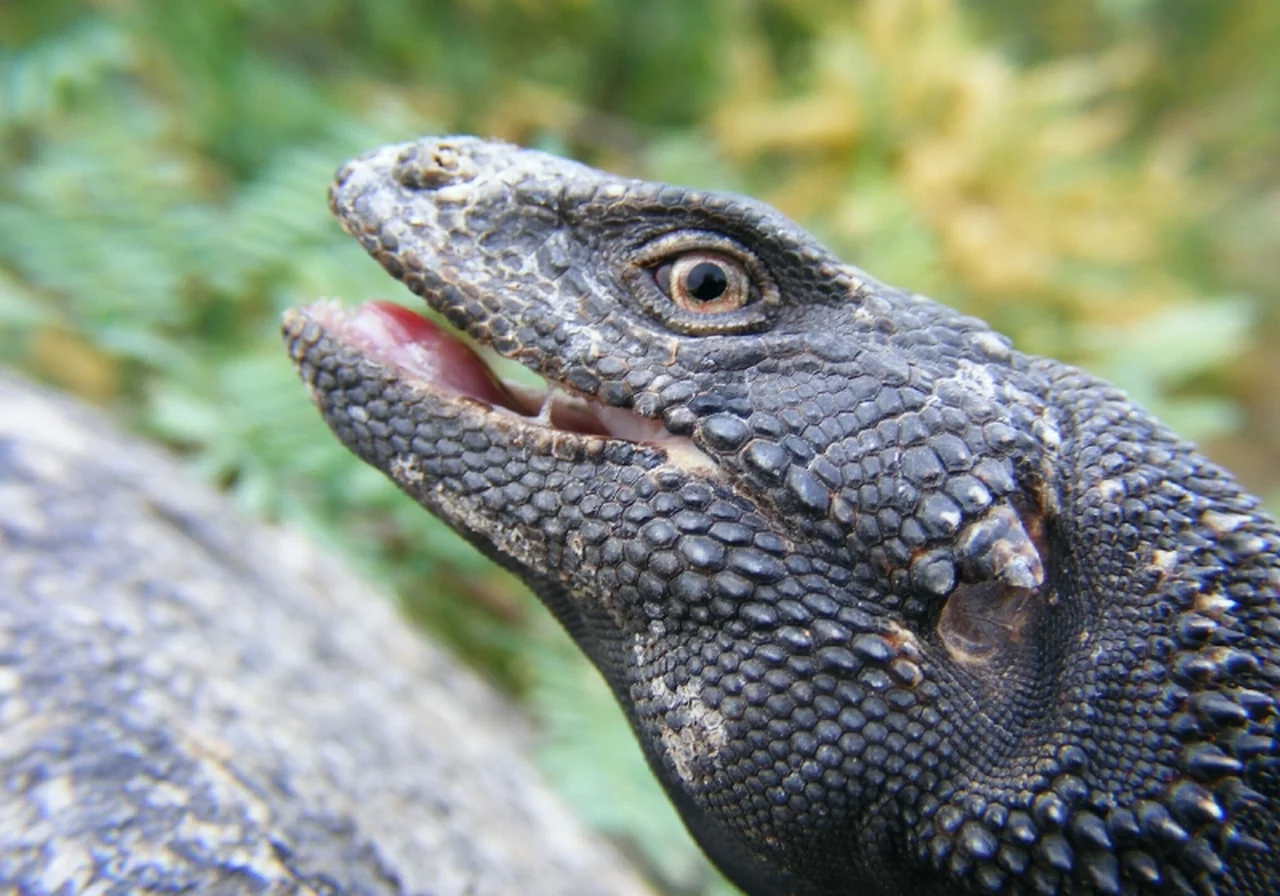
Chuckwalla
South-western United States & Mexico
Shy, herbivorous, heat-loving
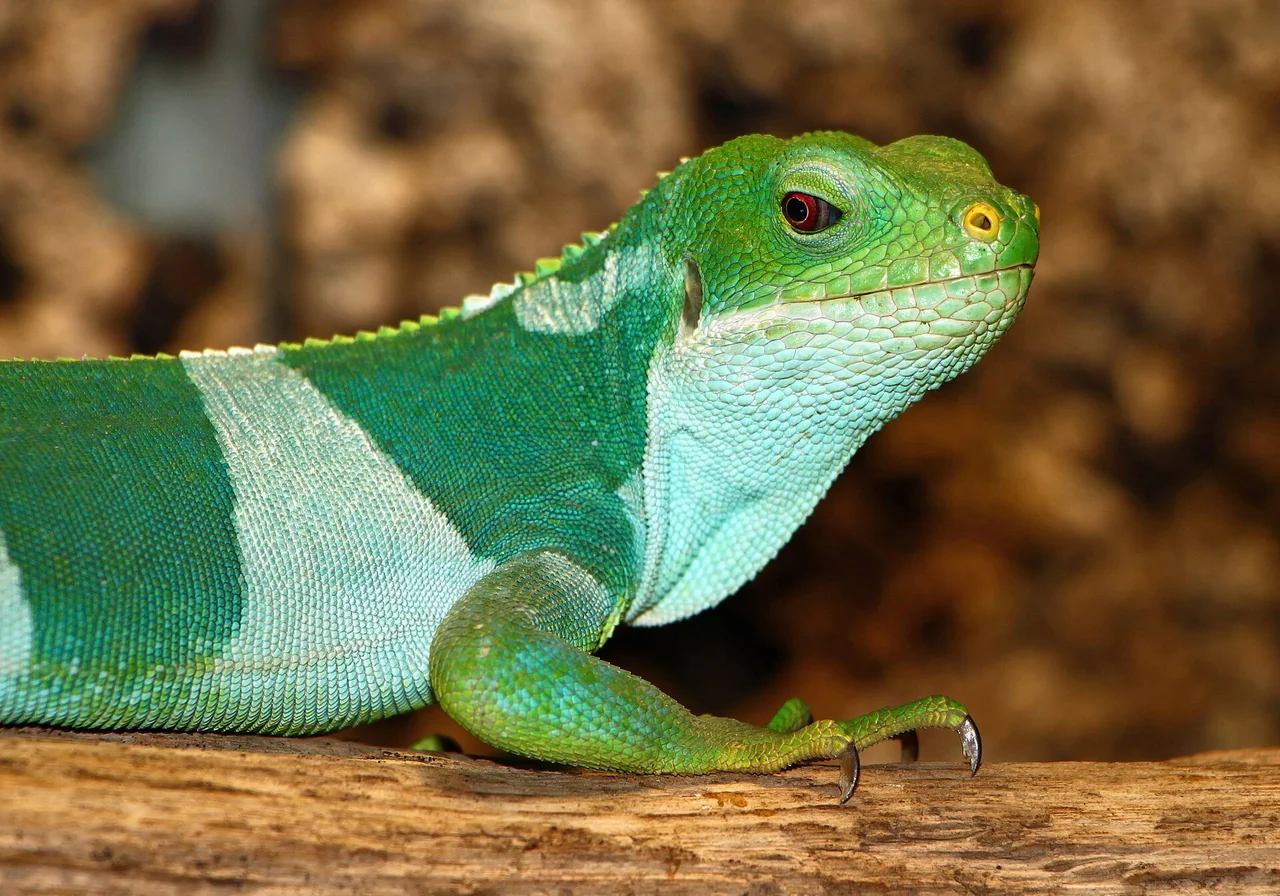
Fiji Banded Iguana
Fiji & Tonga
Arboreal, shy, protected
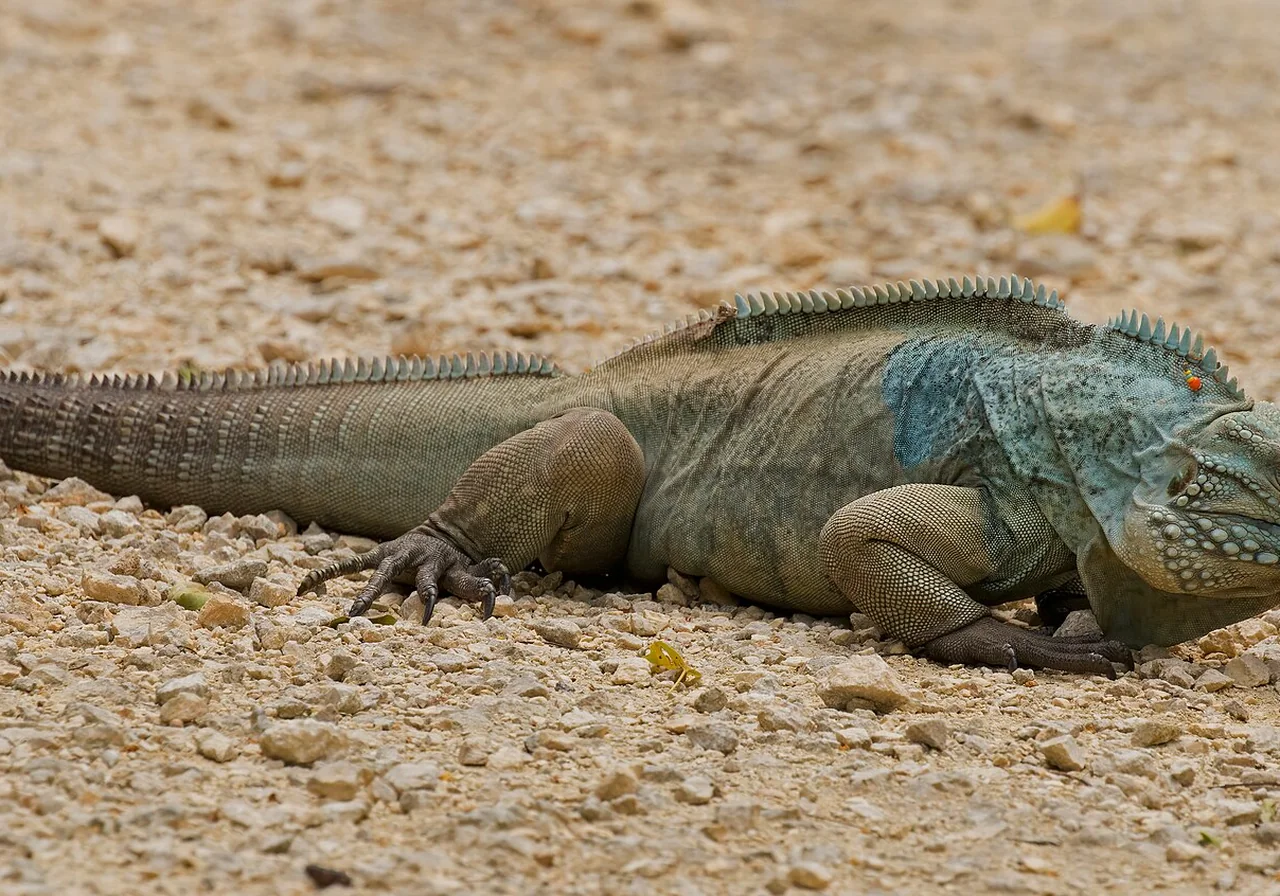
Grand Cayman Blue Iguana
Grand Cayman Island
Terrestrial, bold, recovered from near extinction
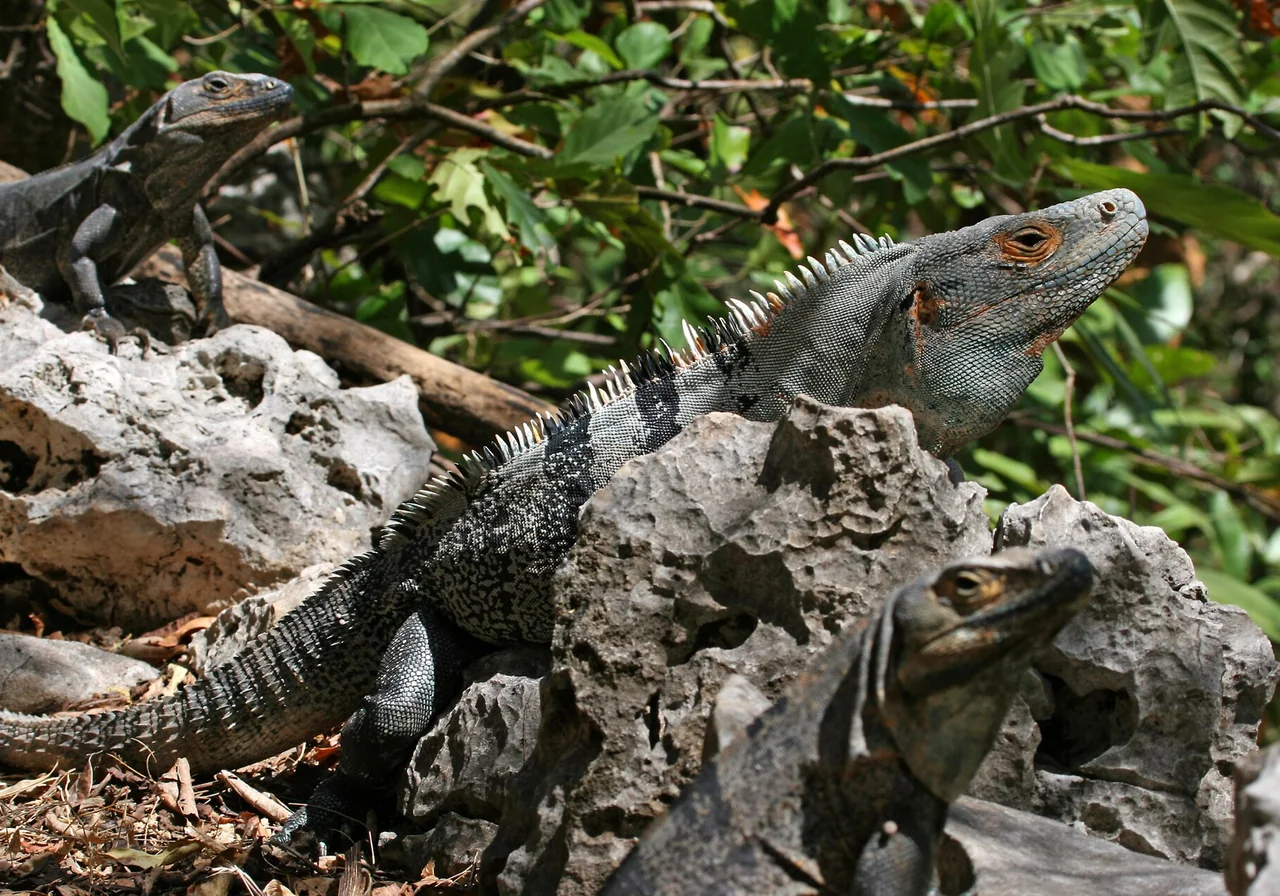
Black Iguana
Central America (Ctenosaura similis)
Fast, aggressive when cornered, omnivorous
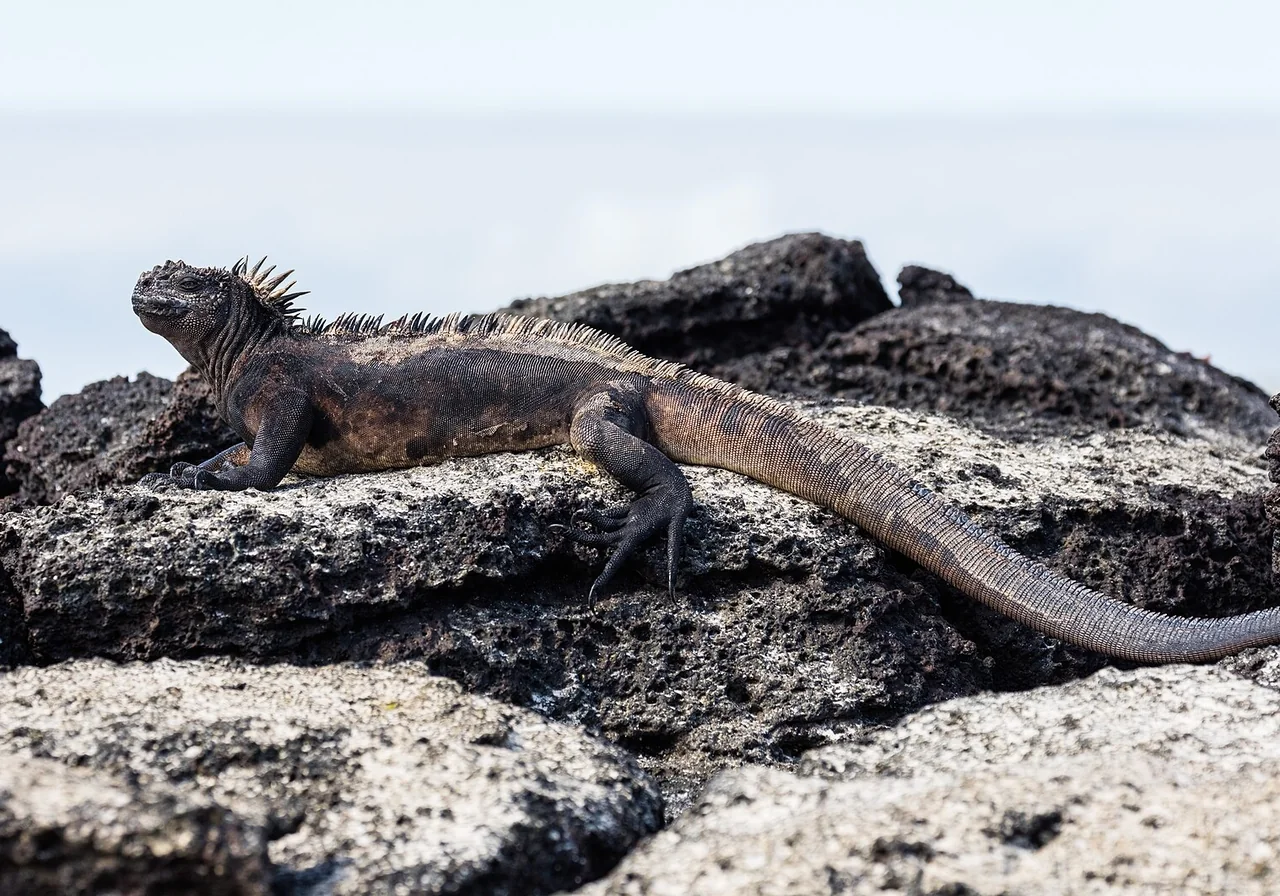
Marine Iguana
Galápagos Islands
Gregarious, marine forager, protected
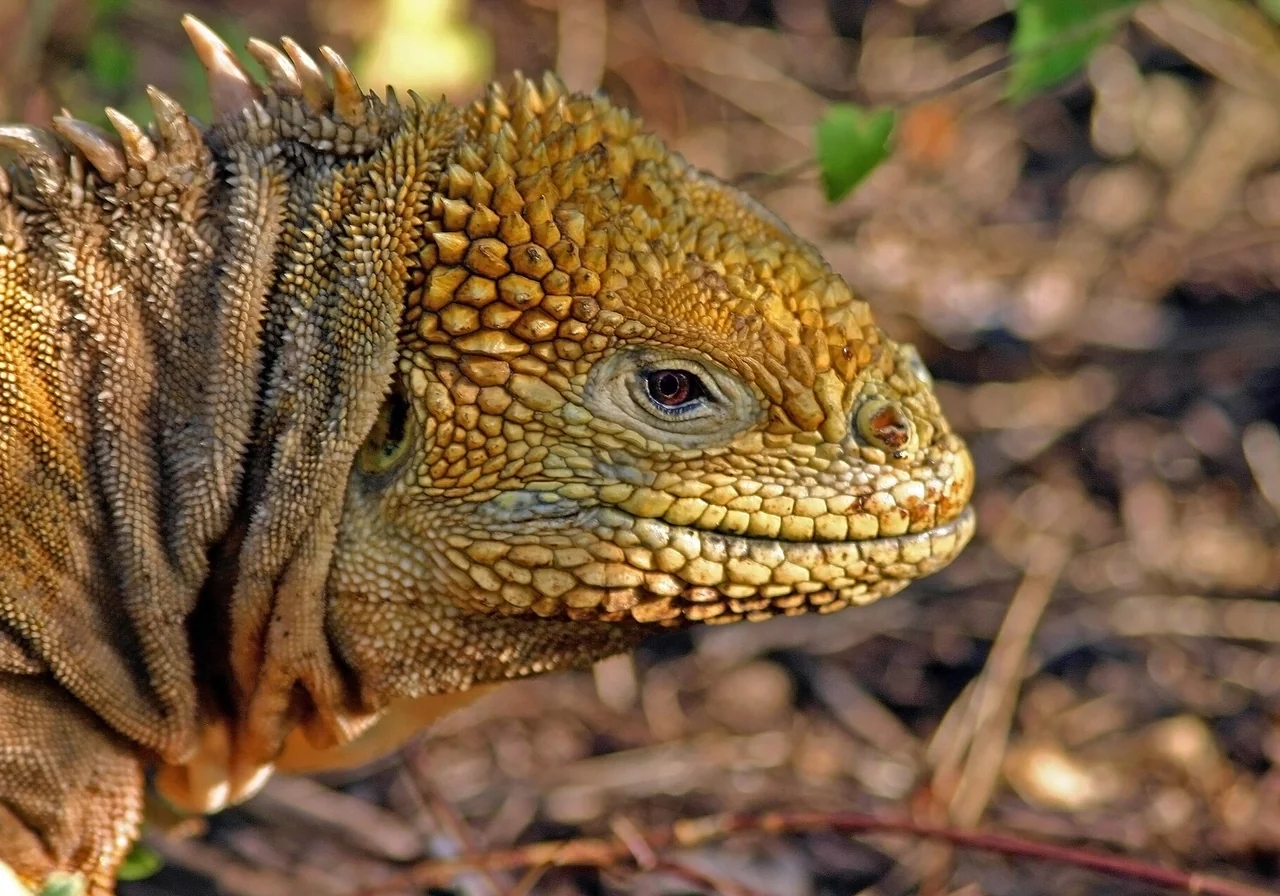
Galápagos Land Iguana
Galápagos Islands
Diurnal, herbivorous, protected
What WARN Does
WARN does not run field projects specifically for green iguanas — the species is common, listed as Least Concern, and lives largely outside the countries where our partners work. This guide is part of our free educational library, which exists to help people understand and respect wildlife. The threats that endanger rarer iguanas and other reptiles — habitat loss, the wildlife trade and a warming climate — are the same pressures bearing down on the animals our partners do protect on the ground.
If clear, science-based wildlife guides like this one are useful to you, a small gift helps us keep them free while supporting the animals our partners protect.
Iguana: Frequently Asked Questions
Are iguanas dangerous to humans?
What do iguanas eat?
How big do iguanas get and how long do they live?
Why are iguanas a problem in Florida?
Are iguanas endangered?
What is the spiky flap of skin under an iguana's chin?
Where can I read about individual iguana species?
Where do green iguanas live?
Sources & References
Population figures, conservation status and biological facts on this page are drawn from authoritative scientific and intergovernmental sources.
Terms used on this page
Plain-English definitions, from our wildlife and conservation glossary.
Latest Iguana Stories
Quick, fact-checked reads on the iguana — amazing facts, key questions and the threats it faces.
Species
12 Amazing Facts About the Jaguar, the Americas' Biggest Cat
From a skull-piercing bite to a love of swimming, here are 12 fascinating, fact-checked things that make the jaguar the most powerful cat in the Americas.
Read the storySpecies
11 Amazing Facts About the Pink River Dolphin (the Amazon's Blushing Boto)
From a head that swivels 90 degrees to a blush built from battle scars, here are 11 true facts about the Amazon's pink river dolphin, the largest freshwater dolphin on Earth.
Read the storySpecies
Pink River Dolphin vs Tucuxi: How to Tell the Two Amazon Dolphins Apart
Both swim the same Amazon waters, but the pink boto and the grey tucuxi are only distant cousins. Here is how to tell them apart at a glance.
Read the storyExplore more animals
Discover more animals, their habitats and their conservation status in the WARN wildlife-guide library.