Wildlife Guide · Colombia & Brazil
Macaw
Tribe Arini (true macaws) — ~18 species across 6 genera: Ara, Anodorhynchus, Cyanopsitta, Primolius, Orthopsittaca, Diopsittaca (family Psittacidae)
Among the most trafficked birds on earth — taken by the tens of thousands every year.
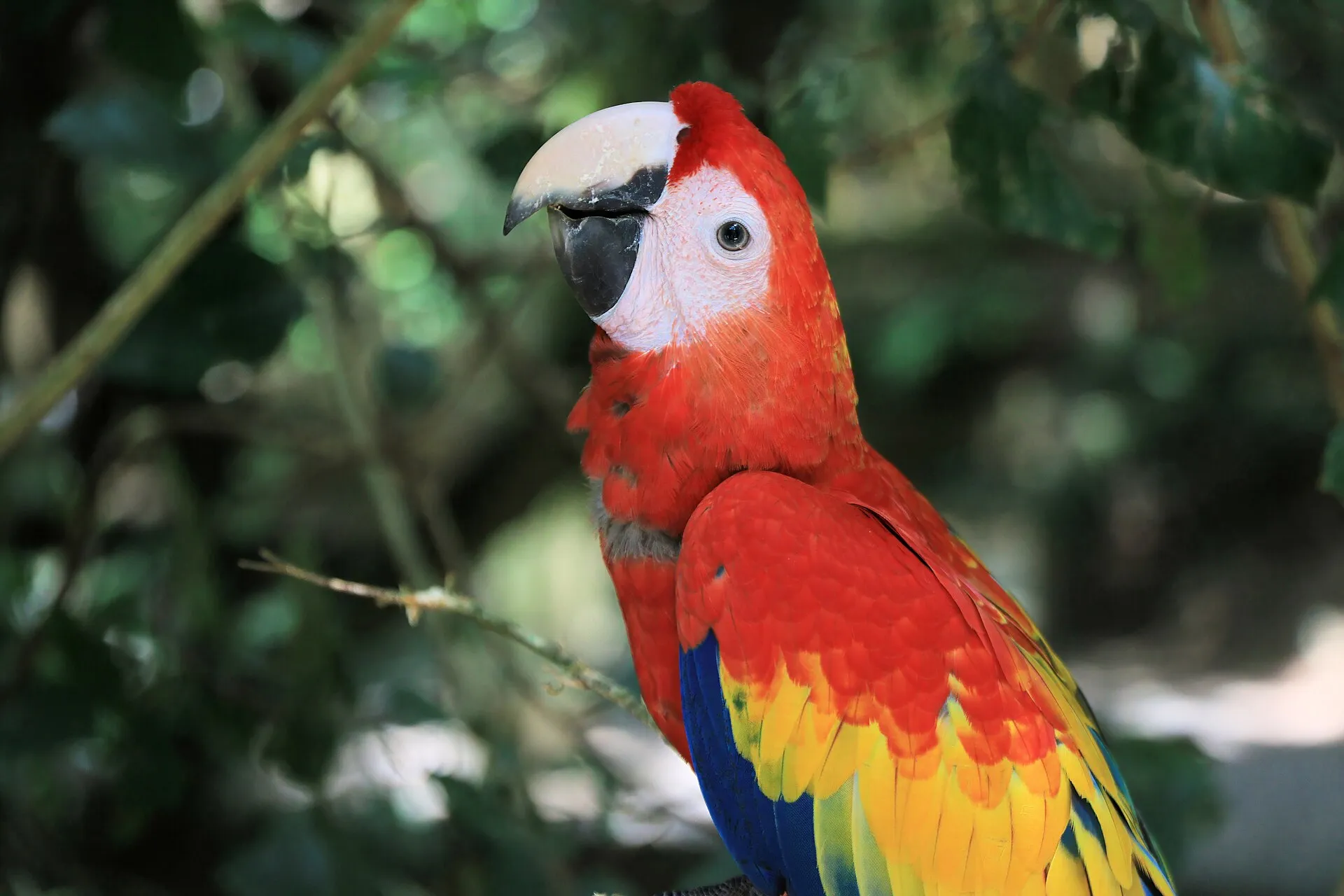
Photo: ImagePerson / Wikimedia Commons (CC BY 4.0)
In brief
Macaws are large, long-tailed tropical parrots native to Central and South America; status varies by species, with several — including the blue-throated and Spix's macaws — Critically Endangered or Extinct in the Wild due to the illegal pet trade and deforestation.
Also in Animals A to Z · Animals that start with M
How you can help
You can symbolically adopt a macaw from £5 a month — a donation to WARN’s parrot appeal, with a personalised certificate you can keep or give as a gift — or give once to where it is needed most.
By WARN Research & Conservation TeamLast updated
Macaws are the largest parrots in the world — the hyacinth macaw is the longest parrot of all, reaching about a metre from bill to tail. Scarlet, blue-and-yellow and hyacinth macaws are targeted by poachers across the Neotropics for the illegal pet trade, and habitat loss compounds the pressure. Conservation status varies sharply across the roughly 18 species: some remain widespread, while others — such as the blue-throated macaw and the Spix's macaw — sit among the rarest birds on Earth.
~4,300
Mature hyacinth macaws (IUCN; Vulnerable)
Majority
Of trafficked chicks die before sale
10+
Macaw species threatened with extinction
EW
Spix's macaw — reintroductions began 2022
Figures sourced from IUCN Red List — Spix's macaw (Cyanopsitta spixii), IUCN Red List — Hyacinth macaw (Anodorhynchus hyacinthinus), BirdLife DataZone — Hyacinth Macaw factsheet and other references on this page.
Macaw: Quick Facts
| Group covered | ~18 macaw species across 6 genera (tribe Arini) |
|---|---|
| Lifespan | ~30–50 yrs wild; 50–60 yrs captivity (exceptionally 70+) |
| Length | ~30 cm (red-shouldered) to ~100 cm (hyacinth, the longest parrot) |
| Weight | Up to ~1.2–1.7 kg (hyacinth, the heaviest flying parrot) |
| Wingspan | Large species up to ~1.1–1.2 m |
| Diet | Seeds, nuts, fruit, flowers; many visit clay licks (geophagy) |
| Reproduction | Cavity nesters; clutch ~2–3 eggs; incubation ~26–28 days; maturity ~3–7 yrs |
| Group name | A flock (also called a 'pandemonium' of parrots) |
| Baby name | Chick |
| CITES | Appendix I or II depending on species |
Scientific Classification
| Kingdom | Animalia |
|---|---|
| Phylum | Chordata |
| Class | Aves |
| Order | Psittaciformes |
| Family | Psittacidae |
| Tribe | Arini (the true macaws) |
| Genera | Ara, Anodorhynchus, Cyanopsitta, Primolius, Orthopsittaca, Diopsittaca (6 genera) |
| Species | ~18 living species; several others (e.g. glaucous macaw) extinct or probably extinct |
Conservation Status
- IUCN Status
- Varies by species: Least Concern to Extinct in the Wild (several Critically Endangered)
- Population
- No single global figure (group spans ~18 species). Hyacinth ~4,700–11,000 mature; Lear's ~2,500 (2024); blue-throated ~200–500; Spix's Extinct in the Wild with captive-bred releases since 2022.
- Trend
- Decreasing for most threatened species; hyacinth stable; Lear's increasing
- Assessed
- Per species (e.g. Lear's downlisted to Endangered 2009; Spix's listed Extinct in the Wild 2019)
- CITES
- Appendix I or II (varies by species)
Because 'macaw' spans many species with very different statuses, conservation figures must be read per species rather than as a single category.
Did you know?
A macaw's powerful beak can crack a Brazil nut or a hard palm nut that would defeat a hammer — yet the same bird uses its dry, scaly-looking tongue, which has a bone inside it, to tap and taste food with surprising delicacy.
Key Facts: Macaw
- The Spix's macaw was declared Extinct in the Wild by the IUCN in 2019, after the last known wild bird disappeared at the end of 2000; captive-bred birds have been released into the Caatinga of Bahia, Brazil, since June 2022.
- The hyacinth macaw is the world's largest flying parrot and the longest parrot overall; the IUCN lists it as Vulnerable, with roughly 4,700–11,000 mature individuals (about 4,300 in the headline IUCN estimate) and a stable trend.
- Macaws are taken as chicks from nest cavities in hollow trees — poachers often fell entire trees to reach a single nest.
- Chicks suffer very high mortality in transit: dehydration, stress and disease kill the majority before they reach a buyer.
- Macaws are generally monogamous and long-lived — commonly 30–50 years in the wild and 50–60 in captivity, with exceptional birds older — so illegal possession creates a decades-long welfare burden.
- Range states such as Colombia, Peru, Bolivia and Brazil feature repeatedly as source and transit countries for trafficked macaws.
How Is the Macaw Trade Organised?
The illegal macaw trade operates in layers. Local poachers in source countries locate nest trees, extract chicks, and sell to regional middlemen. Chicks are transported — often stuffed into PVC tubes, cloth sacks, or hidden in vehicle panels — to urban markets or export hubs. Corrupt officials can facilitate export to demand markets in Europe, North America, and the Middle East. By the time a live bird reaches its buyer, many others have died in transit. The trade is driven by consumer demand for exotic pets and, in some cases, by collectors seeking rare colour variants and the scarcest species.
What Happens to Rescued Macaws?
Macaws seized at ports of entry or rescued from trade networks arrive at reception centres in poor condition — malnourished, dehydrated, and often with wing injuries from clipping or confinement. Triage involves rehydration, medical assessment, and quarantine. Birds with intact flight feathers and no severe imprinting can progress through rehabilitation and, eventually, soft release into protected habitat. Imprinted birds — those raised in prolonged human contact — cannot be released safely and require lifetime aviary care. The shortage of appropriate sanctuary facilities means many confiscated birds have nowhere adequate to go.
Behaviour, Diet and the Clay Licks
Macaws are intensely social, flying in noisy pairs and flocks and bonding monogamously. Their diet is mainly seeds, nuts, fruit and flowers; the hyacinth macaw specialises on very hard palm nuts, such as acuri and bocaiuva, which its powerful beak can crack. In parts of the western Amazon, macaws and other parrots gather at exposed riverbank clay banks to eat soil — a behaviour called geophagy. The leading explanations are that the clay helps buffer plant toxins and supplies sodium, which is scarce in inland forests. These clay licks are a major draw for ecotourism, which gives local communities a living reason to keep the birds wild.
Macaw Conservation in Practice
Effective macaw conservation requires simultaneous work on multiple fronts: protecting nesting trees in key forest areas, working with customs authorities to improve detection at borders, building triage and rehabilitation capacity at receiving centres, and running community education programmes in source areas. Nest box programmes have shown strong results for several species — providing alternative nest sites that are easier to monitor and protect than hollow trees. The recovery of Lear's macaw, from about 60 birds in 1983 to more than 2,500 counted in 2024, shows what sustained, coordinated protection can achieve. WARN's in-network focus for this work is Colombia and Brazil; other macaw range states such as Peru and Bolivia feature as wider range and search context.
Key macaw species at a glance: status, population and range
| Species | IUCN status | Wild population | Range |
|---|---|---|---|
| Spix's macaw (Cyanopsitta spixii) | Extinct in the Wild (reintroductions from 2022) | Wild-extinct since 2000; captive-bred birds released in Bahia | Caatinga, Bahia, Brazil |
| Blue-throated macaw (Ara glaucogularis) | Critically Endangered | ~200–500 | Beni savannas, northern Bolivia |
| Glaucous macaw (Anodorhynchus glaucus) | Critically Endangered (possibly extinct) | Likely none surviving | Lower Paraná/Uruguay basins, S. America |
| Lear's macaw (Anodorhynchus leari) | Endangered (down from CR in 2009) | ~2,500 (2,548 counted in 2024) | Caatinga, Bahia, Brazil |
| Hyacinth macaw (Anodorhynchus hyacinthinus) | Vulnerable | ~4,700–11,000 mature (stable) | Pantanal, Cerrado & Amazon edge, Brazil/Bolivia |
| Scarlet macaw (Ara macao) | Least Concern | Widespread but locally declining | Mexico through Central America to Amazonia |
Macaw Species Guide
From the Blue-and-Gold and Scarlet Macaw to the Hyacinth, Military and Blue-Throated Macaw — explore 10 of the world's most searched macaw species with range, temperament, conservation status and care context for owners and researchers.
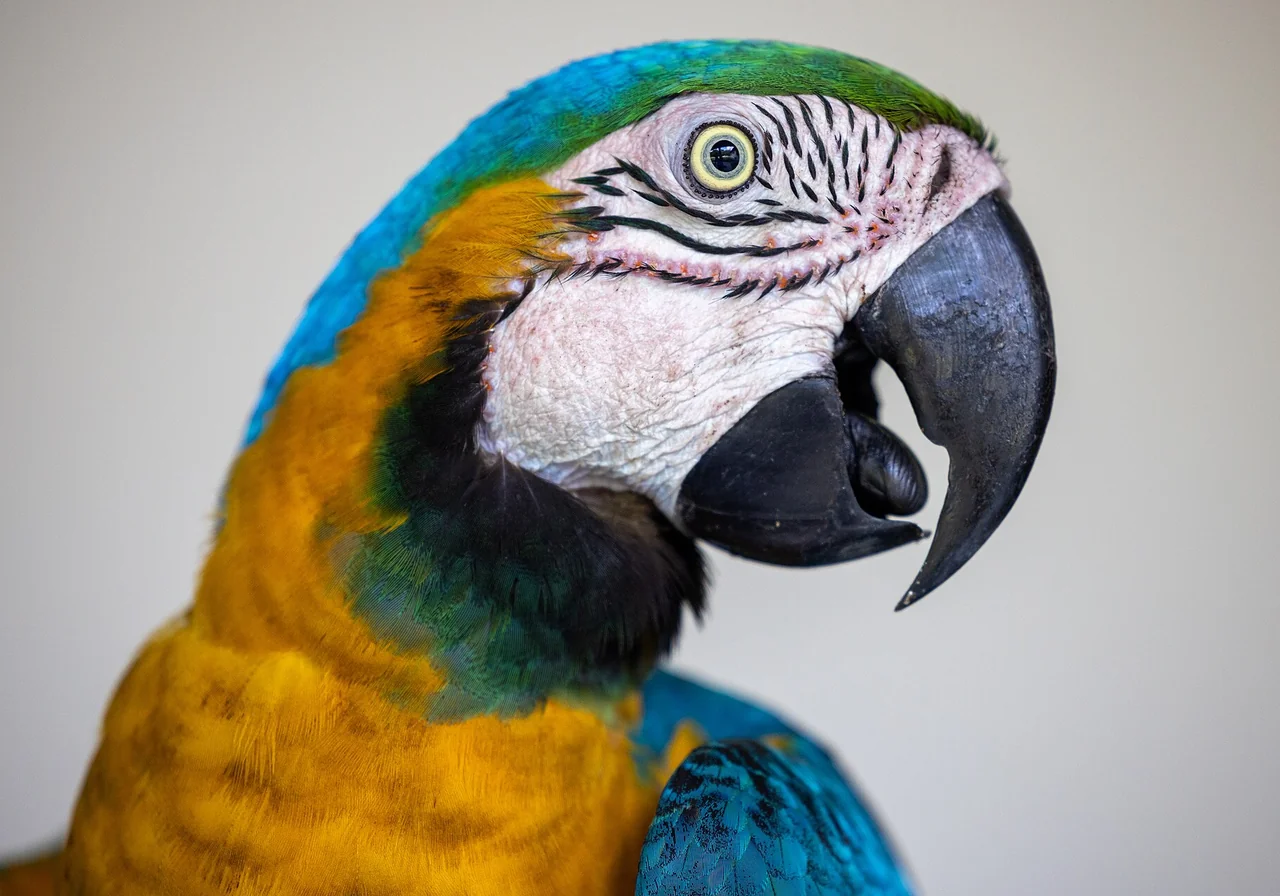
Blue-and-Gold Macaw
South America
Social, loud, intelligent
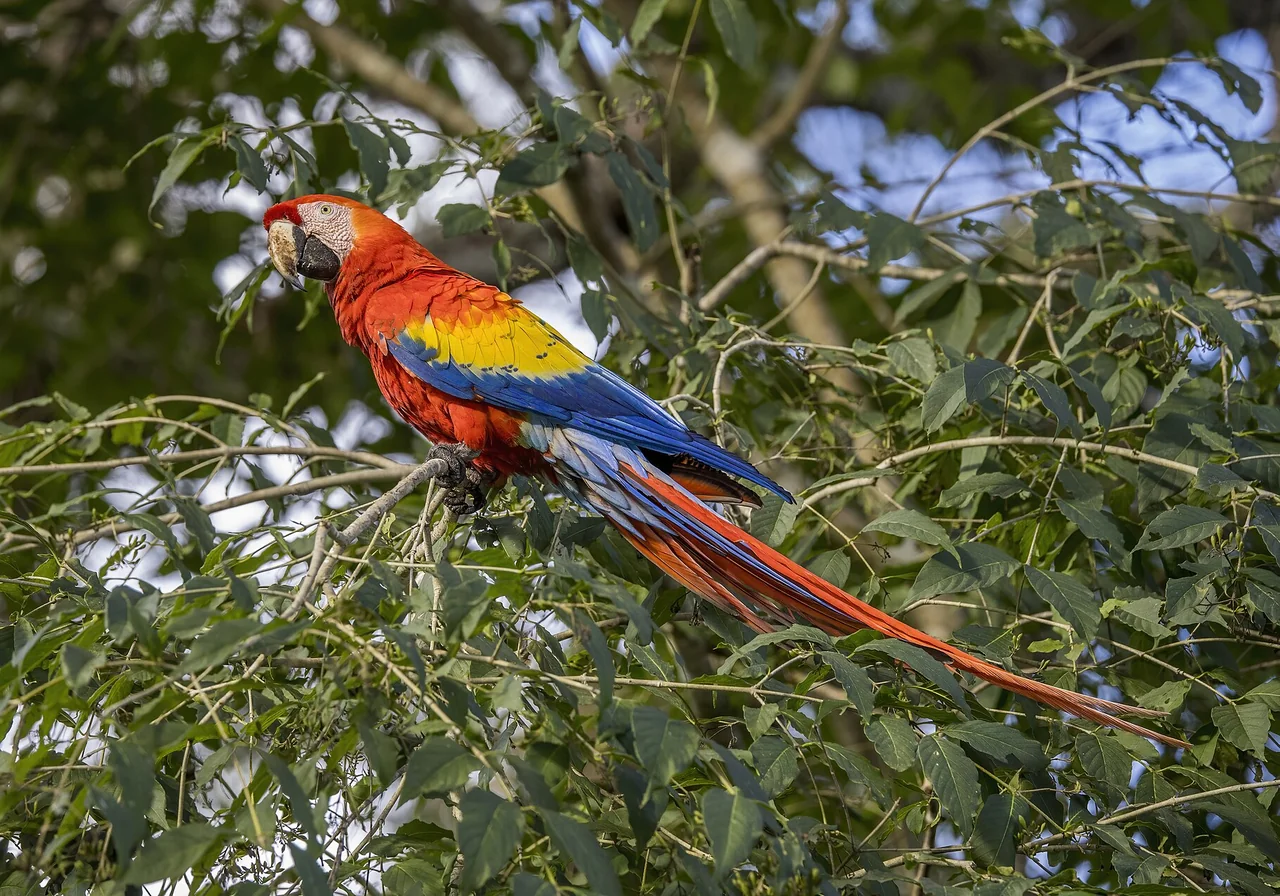
Scarlet Macaw
Central & South America
Bold, vocal, active
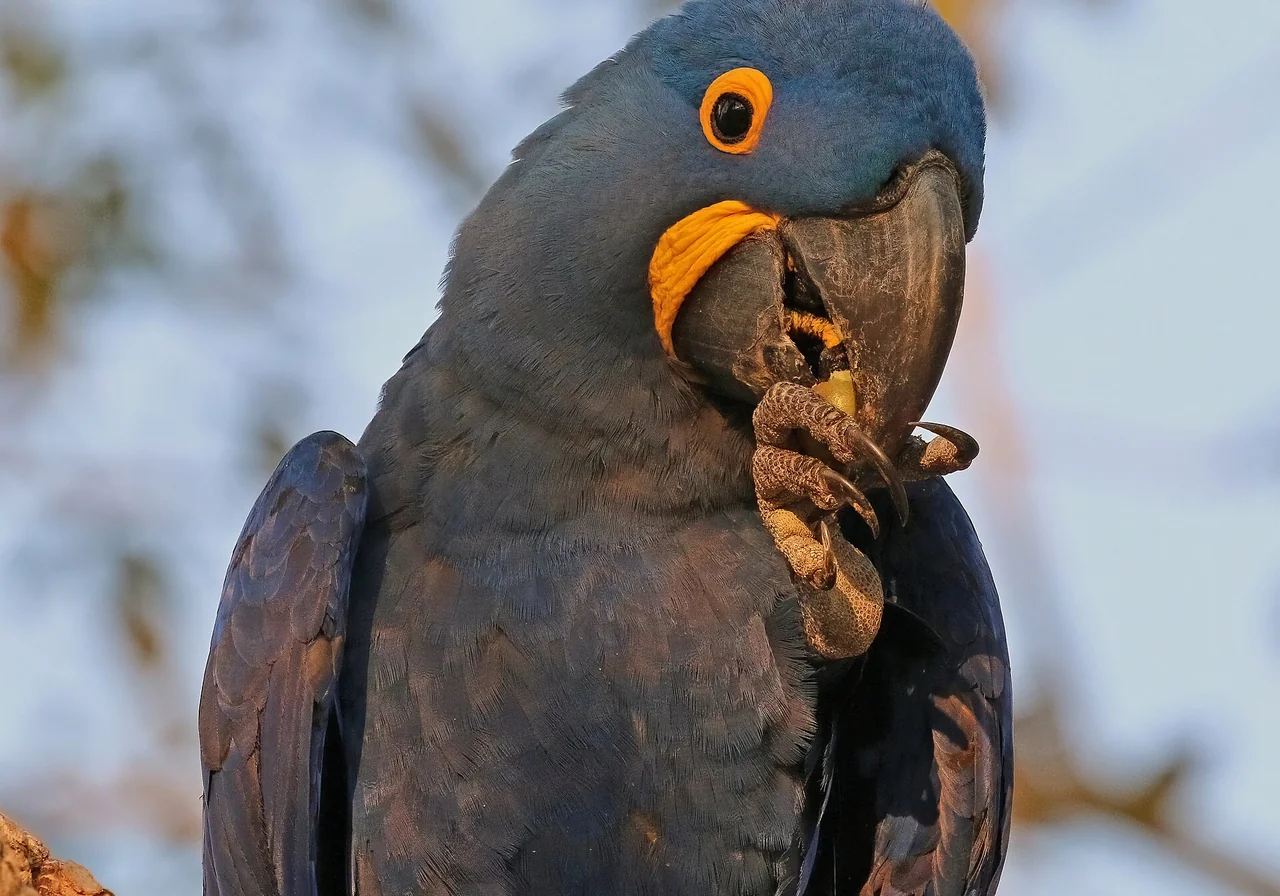
Hyacinth Macaw
Brazil, Bolivia, Paraguay
Gentle giant, powerful beak
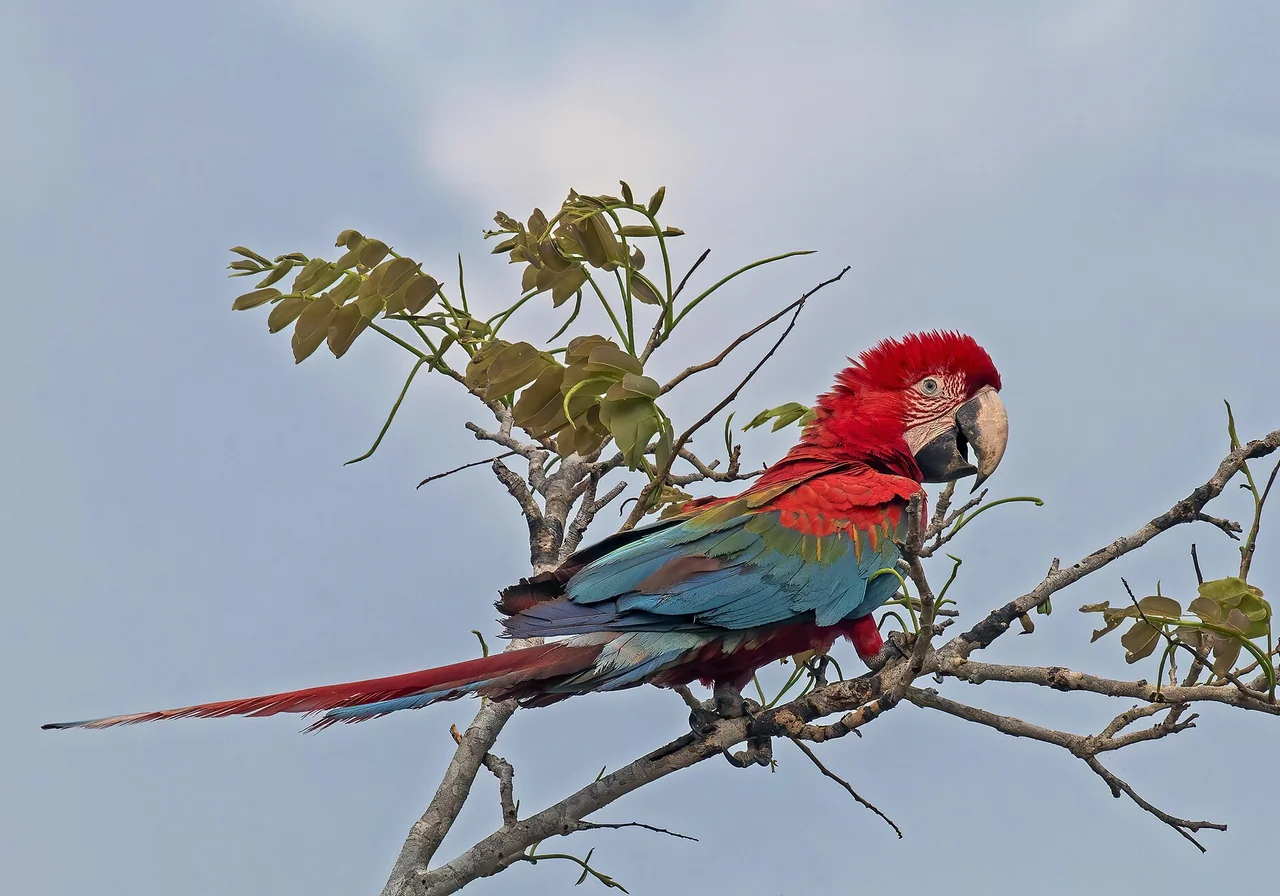
Green-Winged Macaw
South America
Calmer than scarlet, affectionate
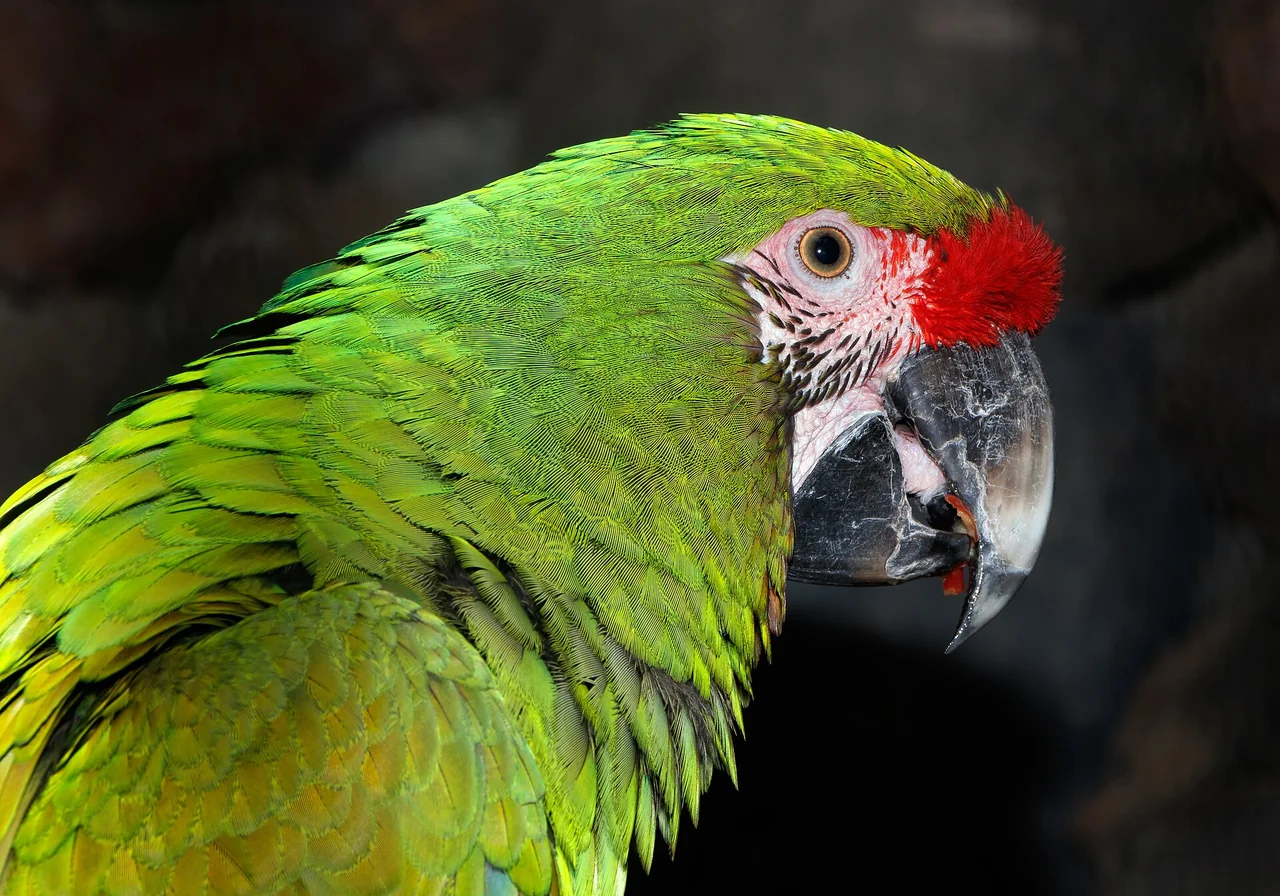
Military Macaw
Mexico to Argentina
Social, trainable, loud
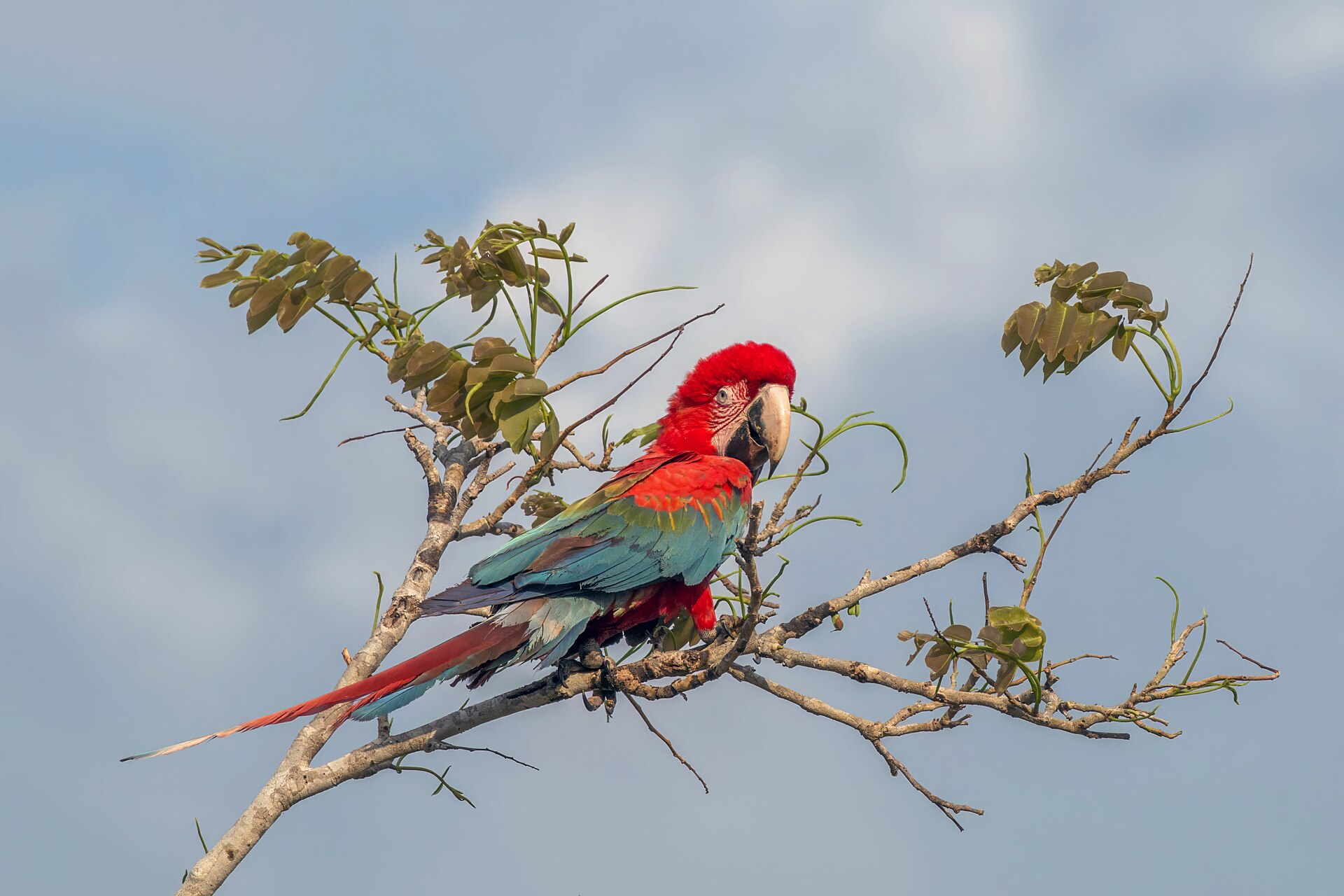
Red-and-Green Macaw
South America
Active, vocal, pair-bonded
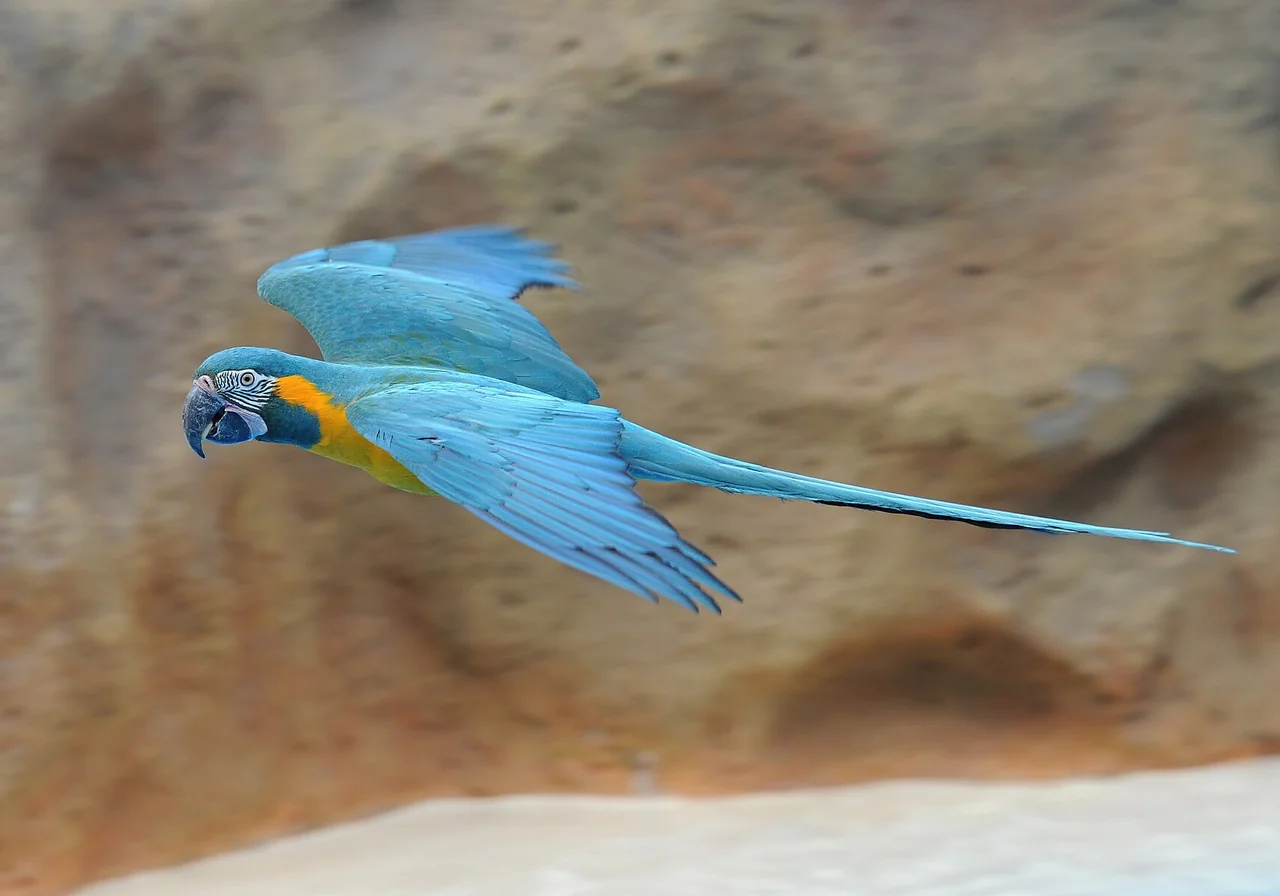
Blue-Throated Macaw
Bolivia
Rare, social, endangered
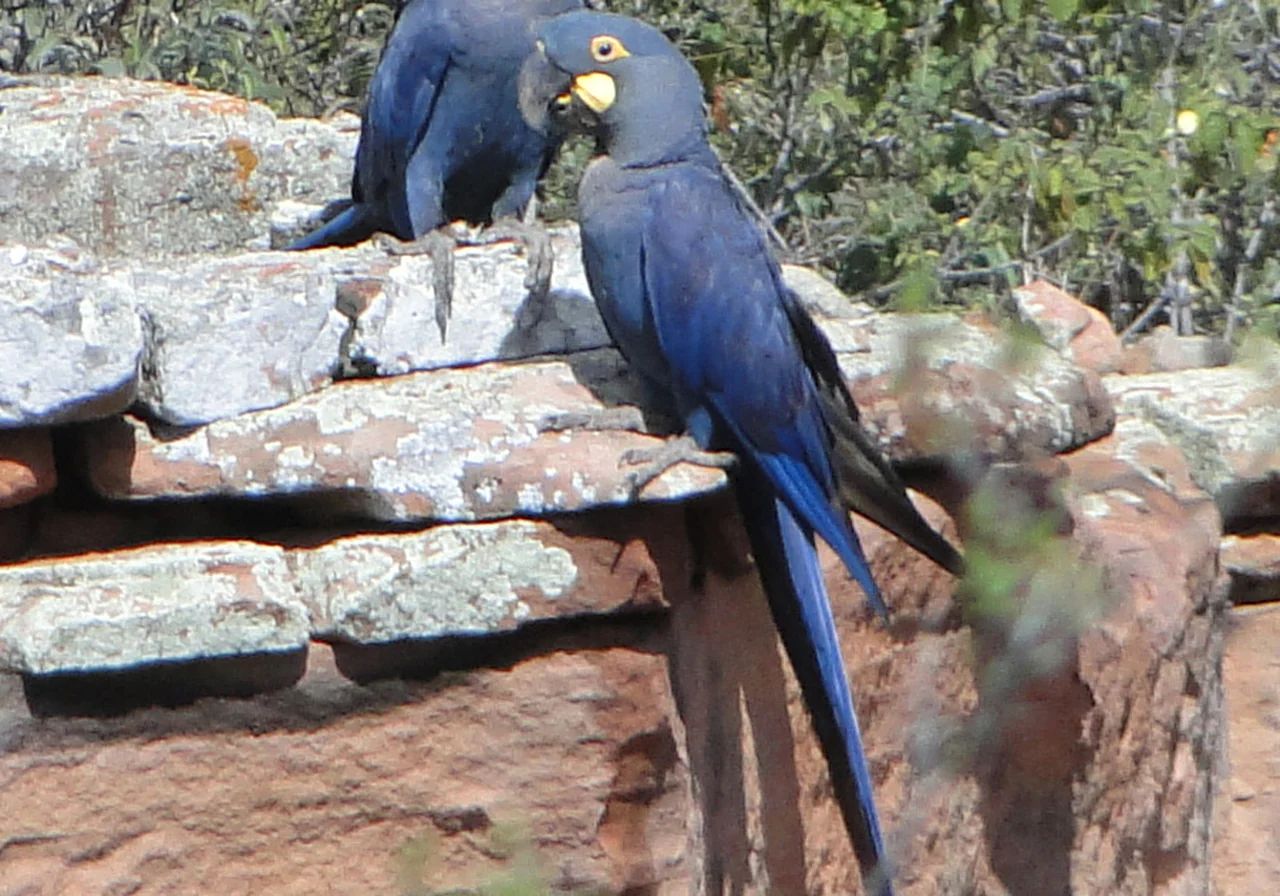
Lear's Macaw
Brazil
Endangered, colony-nesting
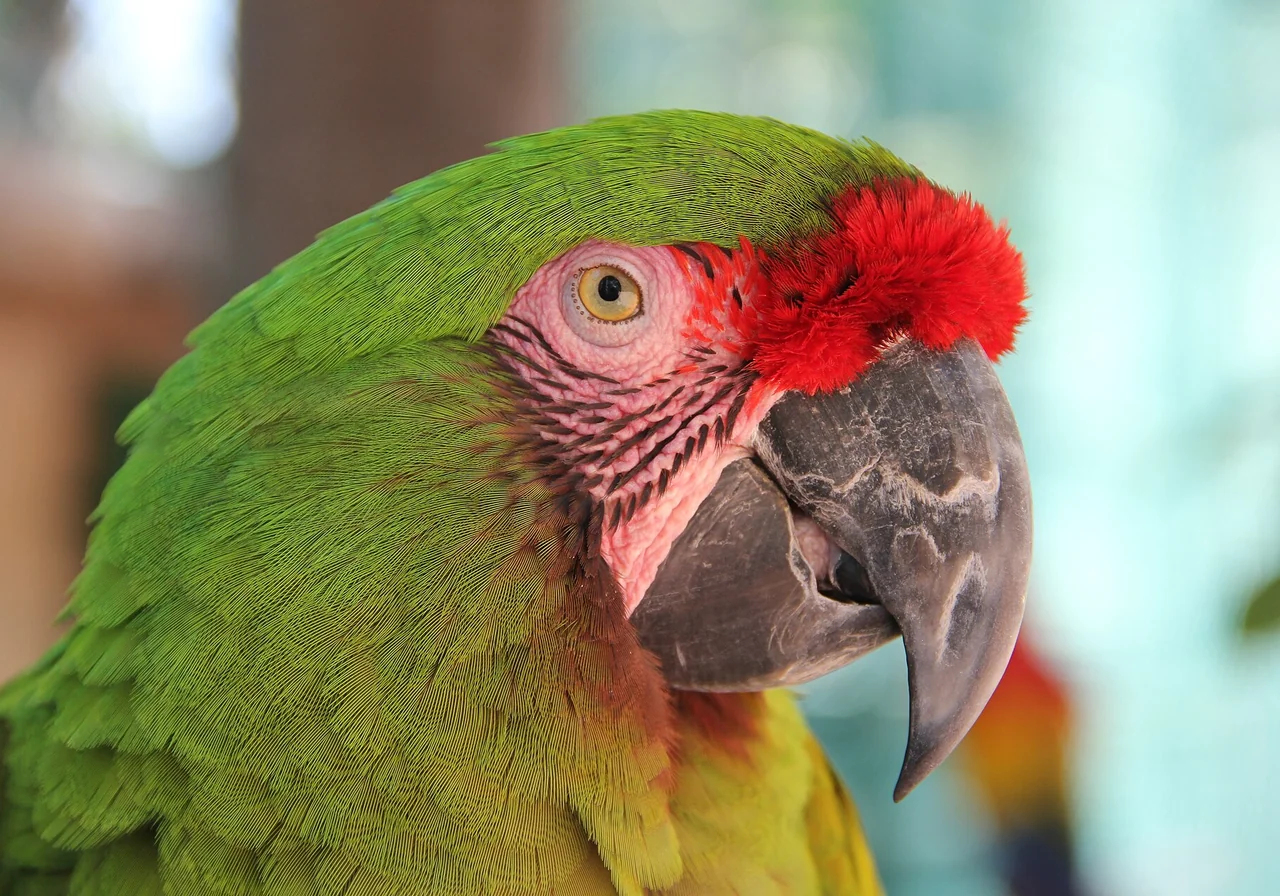
Great Green Macaw
Central America
Shy, forest-dependent
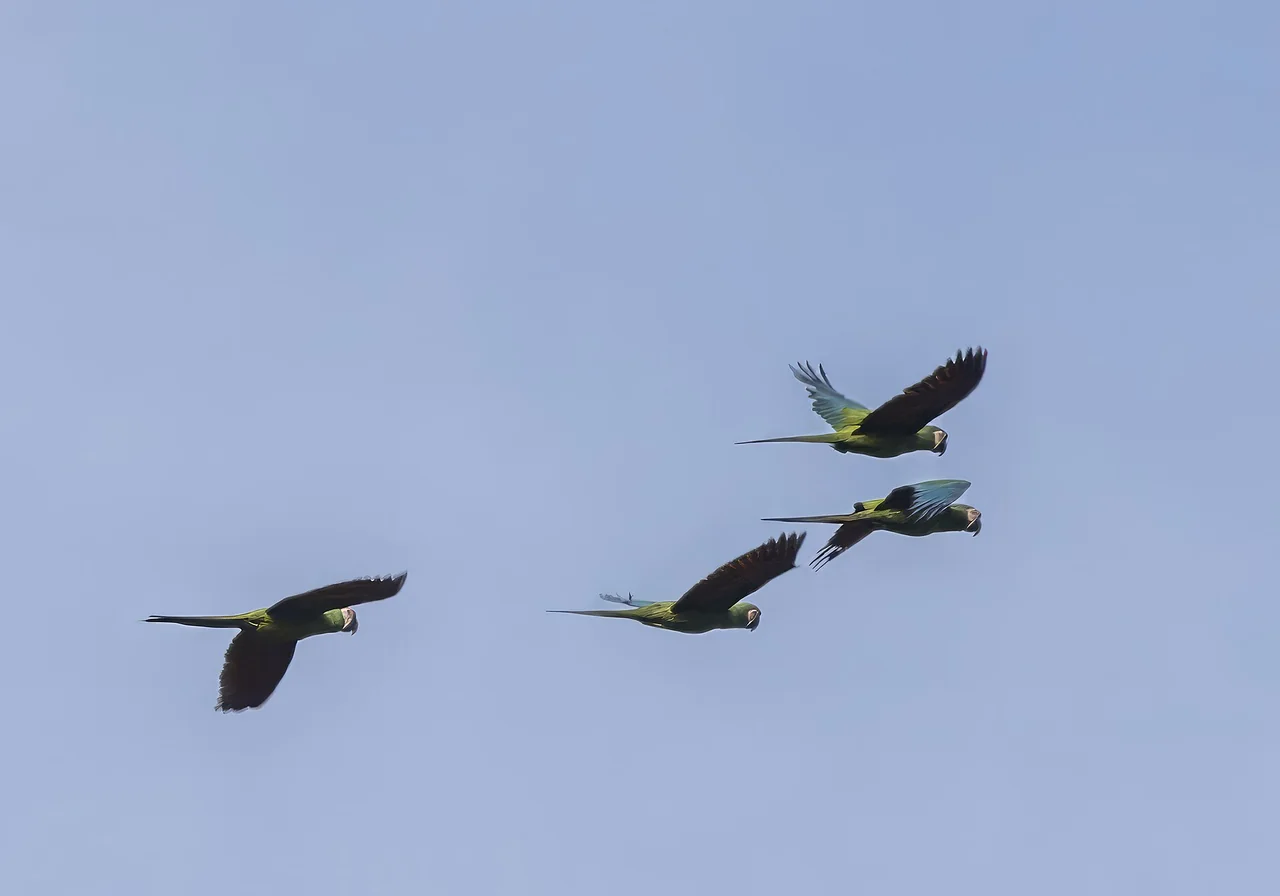
Chestnut-Fronted Macaw
South America
Bold, mini-macaw energy
What WARN Does
WARN's in-network parrot focus is Colombia and Brazil, where it funds partner rescue and rehabilitation centres for triage capacity, aviary infrastructure, and soft-release programmes, and supports customs-detection training to improve interception rates at key border points. Other macaw range states feature as wider search context.
If you would like to help, read /appeals/ and choose a purpose that matches your intentions. WARN is raising funds towards assessed support; donations do not guarantee a treatment or rescue. Sharing accurate information is another welcome way to help.
Macaw: Frequently Asked Questions
What is the most trafficked bird in the world?
Why do so many macaws die in the illegal trade?
Can confiscated macaws be returned to the wild?
Is it legal to own a macaw?
Which macaw species are most at risk?
What is the largest macaw, and the largest parrot, in the world?
How long do macaws live?
Why do macaws gather at clay licks?
Sources & References
Population figures, conservation status and biological facts on this page are drawn from authoritative scientific and intergovernmental sources.
- IUCN Red List — Spix's macaw (Cyanopsitta spixii)
- IUCN Red List — Hyacinth macaw (Anodorhynchus hyacinthinus)
- BirdLife DataZone — Hyacinth Macaw factsheet
- Wikipedia — Lear's macaw (ICMBio census data)
- Wikipedia — Macaw (taxonomy and genera)
- Encyclopaedia Britannica — Macaw
- Animal Diversity Web — Ara macao (scarlet macaw)
Terms used on this page
Plain-English definitions, from our wildlife and conservation glossary.
Latest Macaw Stories
Quick, fact-checked reads on the macaw — amazing facts, key questions and the threats it faces.
Species
10 Amazing Facts About Macaws, the Rainbow Giants of the Parrot World
From nut-cracking beaks strong enough to split a coconut to clay banks that act as a forest pharmacy, here are ten true things that make macaws extraordinary.
Read the storySpecies
How Big Is the Largest Macaw? The Hyacinth Macaw's Size and Bite, Explained
At about a metre from bill to tail, the hyacinth macaw is the longest parrot on Earth, with a beak strong enough to crack a coconut. Here are the numbers.
Read the storySpecies
Scarlet Macaw vs Hyacinth Macaw: 6 Key Differences
Both are giant Neotropical parrots, but they differ in colour, size, range, diet and, crucially, conservation status. Here's how to tell them apart.
Read the storyExplore more animals
Discover more animals, their habitats and their conservation status in the WARN wildlife-guide library.