Wildlife appeal · Parrot welfare and conservation
How to Help Trafficked Parrots
A parrot seized from the trade needs more than an open cage. Help make room for skilled care, safe decisions and protection in the wild.
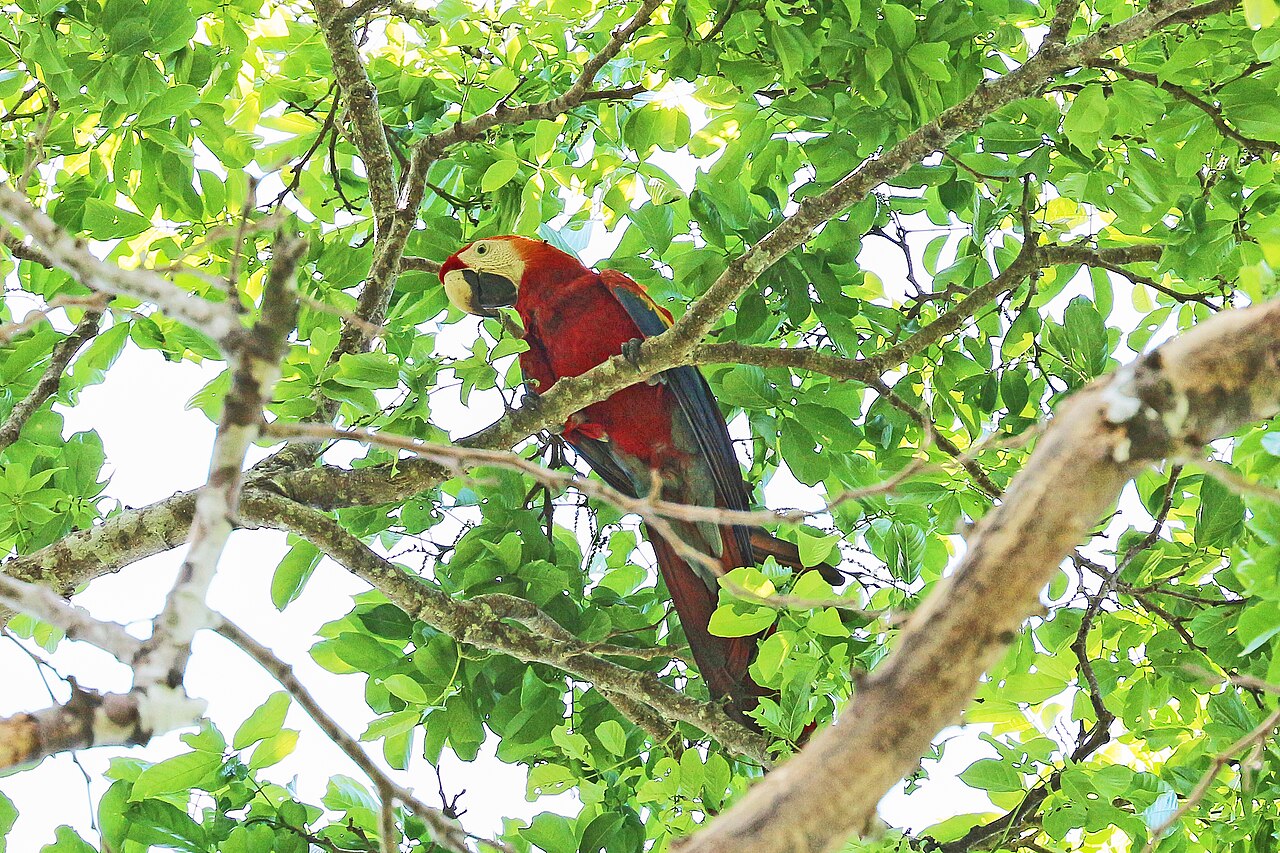
Wild scarlet macaw photographed in Corcovado National Park, Costa Rica on 7 February 2023. This species photograph does not show a bird confiscated from the pet trade or a WARN-funded rescue.
Photo: Bernard Gagnon / Wikimedia Commons (CC0 1.0). Commons-generated thumbnail; no further image edits. Display may be cropped. Source CC0 1.0
- Understand the animal’s needs and the proposed support
- Choose a one-off or monthly gift, or share the evidence
- Read recipient selection and grant records before giving
In brief
Parrot conservation combines care for birds harmed by trafficking with protection of wild populations and habitat. This appeal seeks support for assessed needs, including appropriate rehabilitation and prevention. WARN will publish recipient decisions and grant payments; no named rescue or release is promised.
By WARN Research & Conservation TeamLast updated
Choose informed support
Support parrots
A parrot seized from the trade needs more than an open cage. Help make room for skilled care, safe decisions and protection in the wild.
Before you give
Your gift supports this appeal’s stated purpose. Activities described on this page are eligible or proposed support; published grant records show what has been agreed, paid or reported.
Choose an amount and frequency you can afford. No donation amount guarantees a particular rescue, treatment or release.
WARN is a UK community interest company, number 17298990. Gift Aid is unavailable.
Support parrots
Choose your amount and giving frequency
How often
Choose an amount
Your gift supports this appeal’s purpose. Grants depend on assessed needs, agreed budgets and available funds.
Where should it go?
Secure payment · You'll be directed to a secure checkout.
Secure donation · accepted methods
Secure card checkout powered by Stripe. Card details are entered on Stripe; available wallets depend on your device and browser.
Many species
Different threats and care needs
Specialist
Assessment before release
Wild habitat
Protection beyond the aviary
Evidence
Care and funding records matter
Species context checked 8 September 2026. Conservation classifications describe a species or population; they do not measure WARN’s work.
How to support parrots
Gifts selected for this appeal are intended for eligible parrot welfare and conservation. WARN will assess proposed recipients, their authority to care for birds, the activities and costs before agreeing an award. No completed WARN-funded seizure response is claimed here.
- 1
Read the purpose and assessment questions
Explore the needs below and read grant selection and where your money goes. A species photograph or an outside organisation’s report does not establish a WARN grant.
- 2
Choose a gift that suits you
Select this appeal, choose one-off or monthly and enter an amount. Review the purpose, currency and frequency before continuing to Stripe. Available wallets depend on your device.
- 3
Follow the published records
Keep your payment receipt and use the grant register for recipient decisions and payment records when published. A receipt confirms your gift; it is not evidence that a grant has already reached a field team.
- 4
Share the evidence
Share a sourced report about parrots with its date, species and location. Credit the organisation responsible for the work, and link to this appeal’s assessment and funding information separately.
Why parrots need rescue and prevention together
The illegal parrot trade harms birds during capture and transport and removes animals from wild populations. TRAFFIC’s work on African grey parrots shows how demand connects forests, markets and online sellers. The pressures vary between species and places, so a single global mortality percentage cannot describe every shipment.
The World Parrot Trust’s FlyFree programme combines responses to the wild-bird trade with rehabilitation and release where appropriate. Its projects illustrate why the right response depends on the bird, its health and its destination. Opening a cage is not the same as giving a bird a safe future.
Habitat also matters. Mature trees and secure nesting places can be essential resources, and conservation responses must fit local conditions. The World Parrot Trust’s Cape parrot work is one example of habitat and species protection. These sources describe their organisations’ work; WARN does not present those achievements as its own funded results.
Evidence: World Parrot Trust — FlyFree programme. External organisations describe their own work; citing them does not identify them as a WARN grantee.
What threatens parrots and complicates recovery?
Trapping and trafficking
Capture, confinement and transport can leave birds injured, stressed or in poor condition. The responsible authority and an appropriately equipped care team must determine the next step.
Loss of suitable habitat
Protecting a bird without considering its habitat addresses only part of the problem. A proposal should identify the species, relevant habitat and specific threat it seeks to reduce.
Demand that continues after a seizure
Public education and work with trade and enforcement stakeholders can address why birds are taken. Activities should have a defined audience and evidence that the approach is appropriate locally.
Species, geography and donor context
| Appeal focus | Parrot welfare and conservation, including birds harmed by trafficking |
|---|---|
| Species | Macaws, cockatoos, parakeets and other parrots have different needs |
| Captive birds | A pet bird must not be released into the wild by its owner |
| Wild release | Requires an appropriate specialist decision and lawful destination |
| Funding status | Proposed needs; recipient and payment records will be published |
What support could this appeal make possible?
An assessed proposal could support a specific gap in care or prevention. The need, responsible organisation and expected evidence would be agreed before an award.
Focus1
Appropriate intake and recovery care
Consider requests for suitable accommodation, veterinary assessment and care where a team can demonstrate authority and species-relevant experience.
Focus2
Rehabilitation and release assessment
Consider flight and foraging preparation, health assessment and a suitable lawful destination. Care arrangements must also address birds that cannot be released.
Focus3
Protection before birds are taken
Consider habitat or nesting-site protection and targeted demand-reduction work with clear local objectives and a practical reporting method.
What should a parrot rescue proposal demonstrate?
The number of birds photographed is not the full measure of a response. A useful proposal explains the care pathway and how decisions are documented.
- Can the facility meet this species’ needs?
- Check the species being served, staff expertise, veterinary access and appropriate accommodation. A general capacity figure may conceal a shortage of suitable spaces.
- What happens after initial care?
- Ask how the team determines whether release, further rehabilitation or continued care is appropriate, and who authorises that decision.
- What would prevention achieve?
- For a habitat or education award, identify the place or audience, baseline problem and evidence that can show progress.
These are WARN’s assessment priorities for a proposed award. Read the recipient-selection policy.
How to help without donating
Do not buy a wild bird to 'save' it
Purchasing can sustain the market. Report suspected illegal trade through appropriate authorities or platform reporting routes.
Use specialist help for a companion parrot
A pet bird needing rehoming needs an appropriate rescue or experienced care provider. Do not release it outdoors.
Share accurate species stories
Use an original report with its location and date. Avoid labelling every macaw portrait as a trafficking rescue or presenting one country’s figures as a global total.
How would support reach parrots?
Gifts selected for this appeal are intended for eligible parrot welfare and conservation. WARN will assess proposed recipients, their authority to care for birds, the activities and costs before agreeing an award. No completed WARN-funded seizure response is claimed here.
WARN is building its grant-making work. Before an award, an organisation’s authority, welfare standards, budget and ability to report must be assessed. Recipient decisions and grant payments will be published as records become available.
The activities described on this page are eligible needs to assess. They are not a statement that WARN has already paid for a rescue, clinic, patrol or sanctuary place. A suggested gift amount does not guarantee a fixed outcome.
How responsible support works
From a gift to a grant
This is WARN’s grant-making process. Check the published records below for this appeal’s actual progress.
Assess the need
Review an organisation’s identity, local capacity, welfare practices, current request and proposed budget.
Agree the support
Choose a suitable purpose within the appeal, agree the budget and set proportionate reporting requirements.
Record the payment
Publish the recipient, amount, purpose and payment status when a grant record is available.
Follow the results
Report what the recipient can evidence, with dates and limitations. An approved grant and a completed outcome are different stages.
Grant register
Approved commitments and completed payments are different stages. Public records identify recipients and purposes without exposing donor details, banking information or sensitive wildlife locations.
Records not yet published
A reconciled financial summary and individual grant records have not yet been published here. This is a reporting status, not a statement that income, expenditure or grants are zero. Contact WARN for information about your gift.
Ask about a donation or grantLearn more and explore other ways to help
Explore the evidence, practical animal-welfare information and other relevant ways to support the cause.
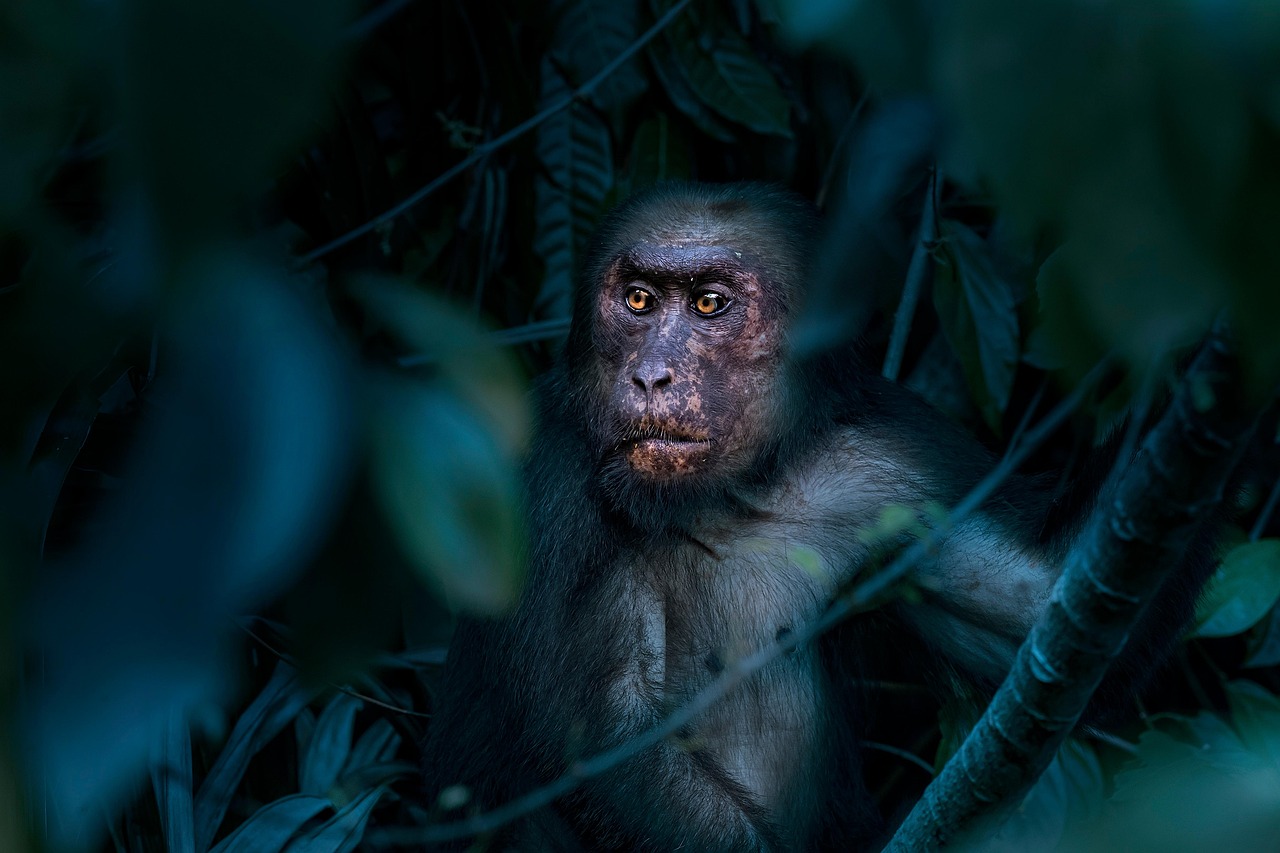
Help Slow Lorises
Explore the specialist needs of slow lorises affected by trafficking and habitat loss, from dental treatment to rehabilitation and safer habitat.
Open this page
Protect Critical Habitats
Learn about habitat protection, ecological restoration and community stewardship, and how proposed work and its lasting benefit would be assessed.
Open this page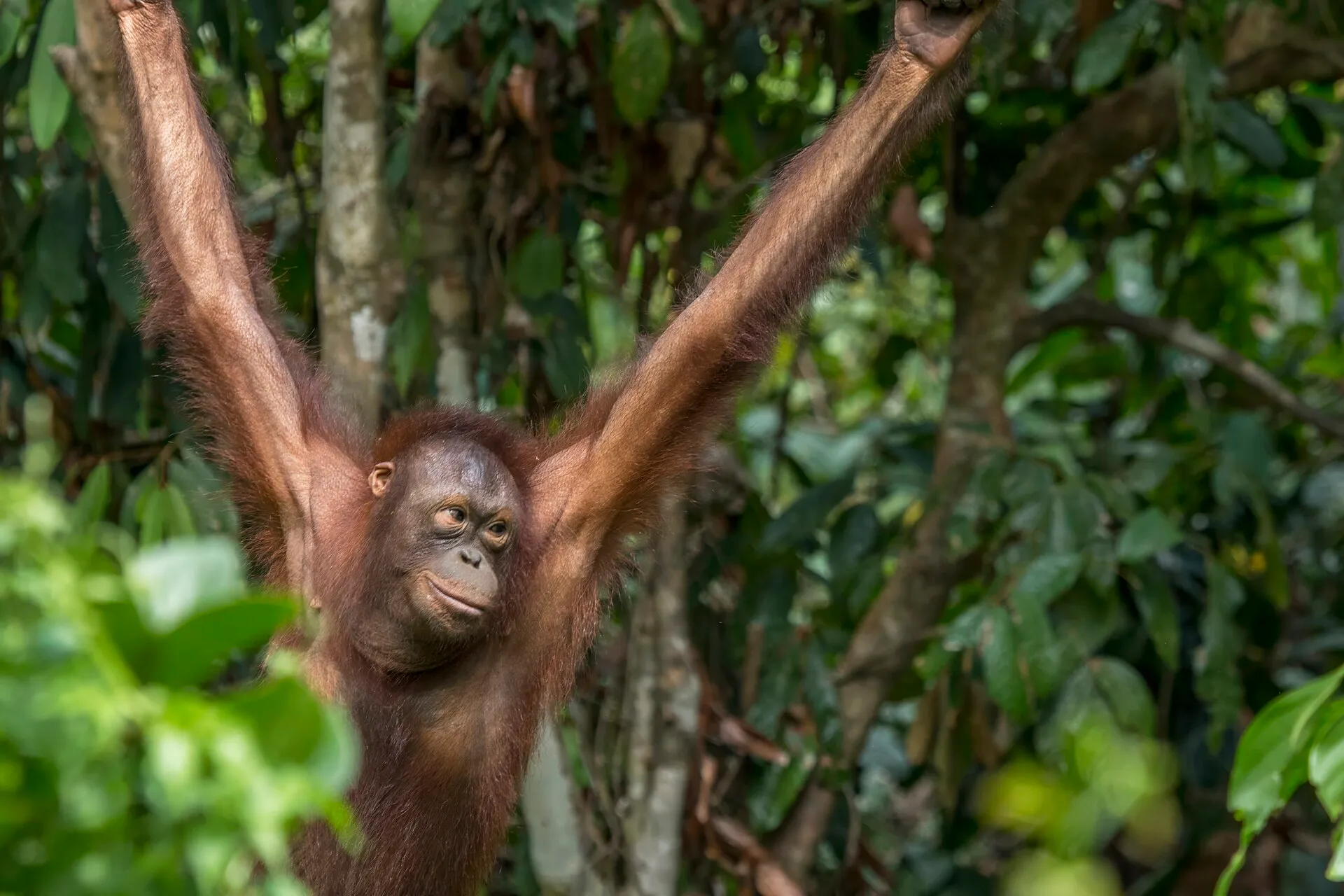
Help Orangutans
Explore how to help orangutans, compare donation purposes and symbolic adoption, and find practical ways to share and protect forests.
Open this pageYour questions answered
Parrots: frequently asked questions
Can every trafficked parrot be released?
Is this appeal a way to rehome my pet parrot?
Why does a parrot appeal include habitat protection?
Does WARN already fund the organisations cited?
How do I donate to help parrots?
How can I help parrots from the UK?
Can I give monthly to help parrots?
How does my donation reach parrots?
Is this Gift Aid eligible or US tax-deductible?
Can I help without donating?
Help parrots beyond the moment of rescue
Choose support for assessed care and conservation needs, or share the evidence with someone who may be able to help.
Help parrots