Wildlife Guide · Worldwide — domestic; wild ancestor in South America
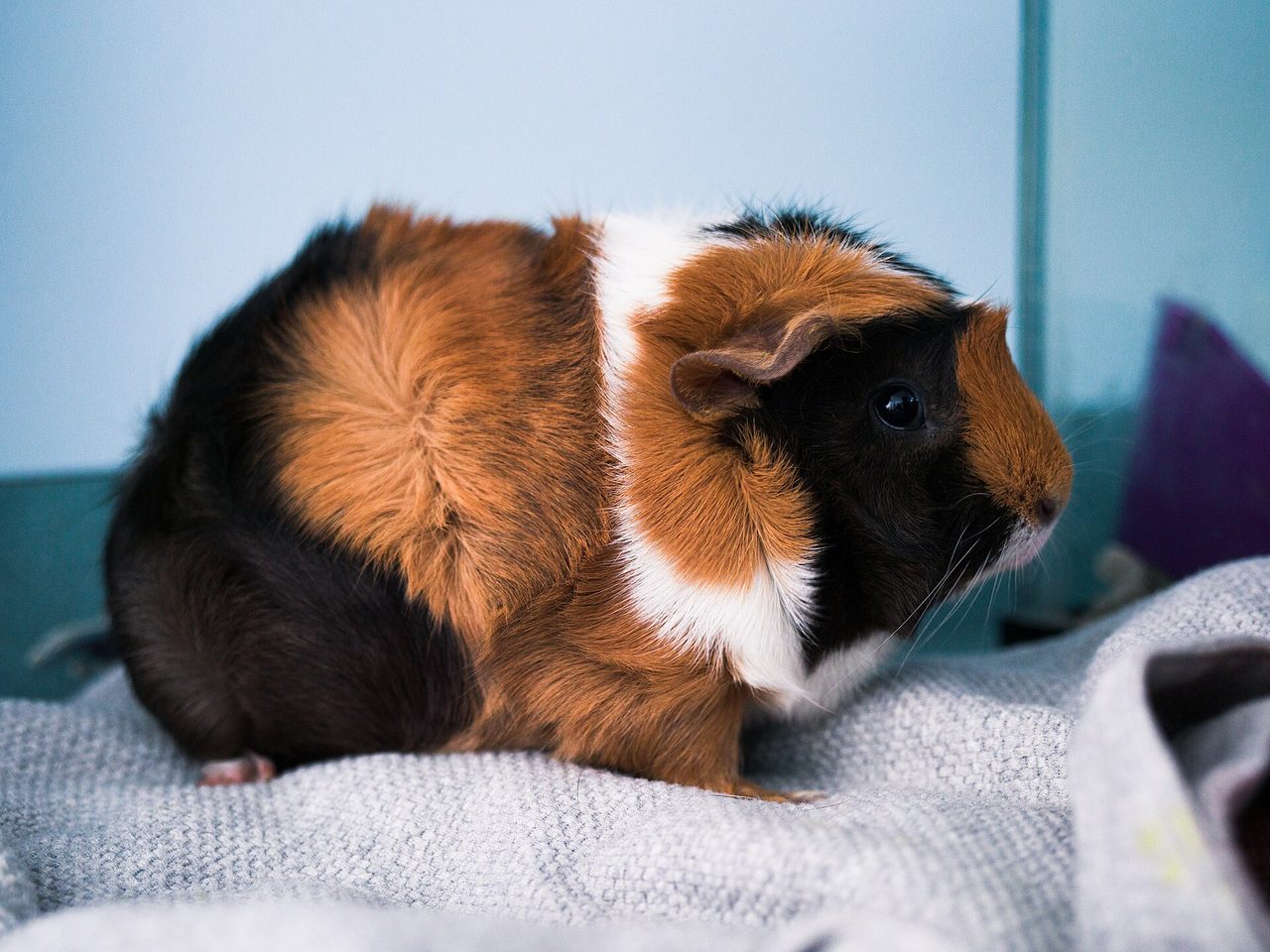
Guinea Pig
Cavia porcellus (Linnaeus, 1758)
The gentle cavy of the Andes — a social companion that needs company, space and daily vitamin C.
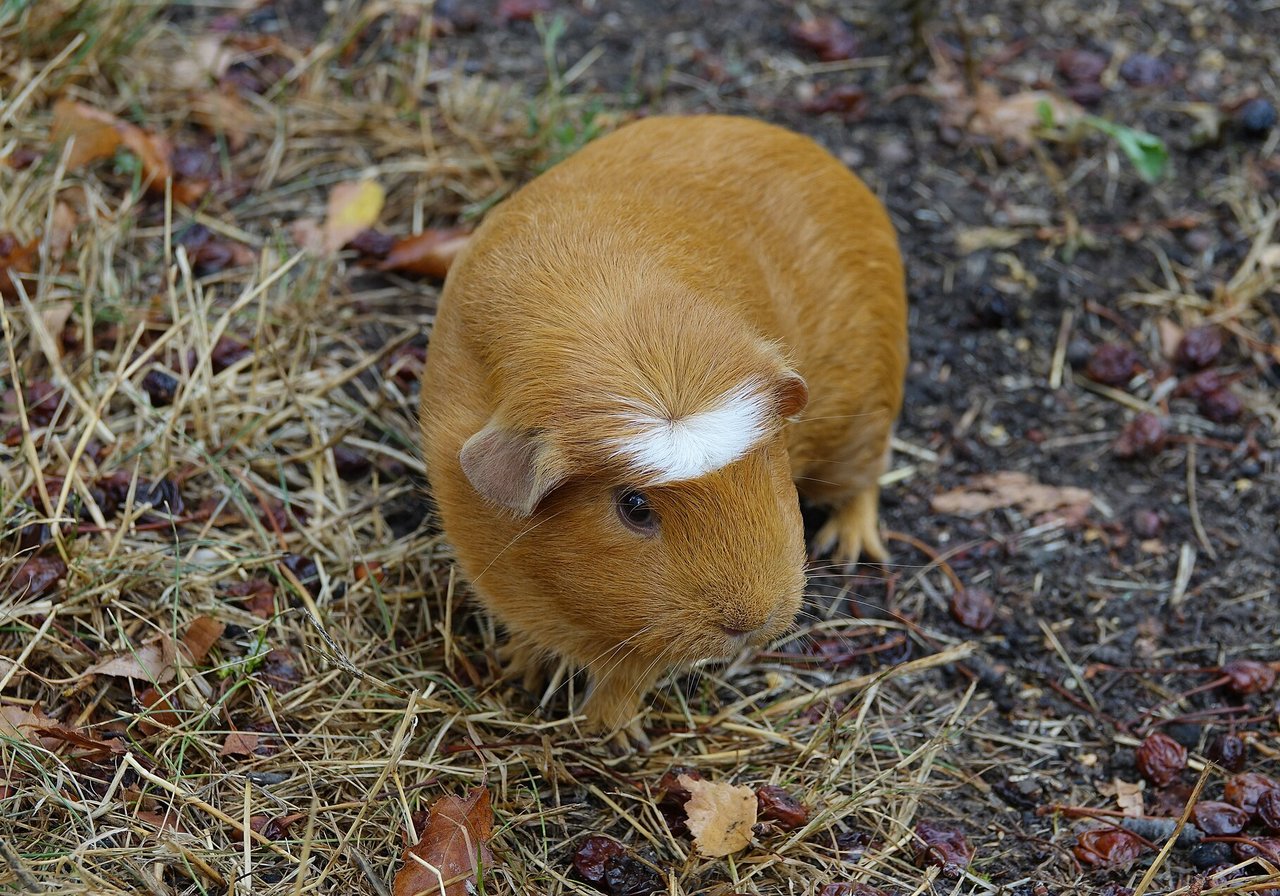
Source: Wikimedia Commons
In brief
The guinea pig (Cavia porcellus) is a domesticated South American rodent that must live with companions, needs daily vitamin C and spacious enclosures — not solitary confinement in small hutches.
Also in Animals A to Z · Animals that start with G
By WARN Research & Conservation TeamLast updated
The guinea pig is a domestic rodent descended from wild cavies of the Andean highlands, kept for food and companionship for more than 3,000 years. Cavia porcellus cannot survive alone in the wild — every pet guinea pig is a domestic animal requiring sheltered housing, unlimited hay, fresh vegetables and at least one compatible companion. They are prey animals with sensitive hearing and quick flight responses; rough handling and small cages cause chronic stress. WARN publishes this guide as free welfare education: guinea pigs are not starter pets for children who want a single animal in a corner cage.
3,000+ yr
Domestication history in the Andes
5–7 yr
Typical lifespan with good care
2+
Minimum compatible companions recommended
Not listed
CITES — domestic livestock
Figures sourced from IUCN Red List — Cavia aperea, RSPCA — guinea pig care, PDSA — guinea pig welfare .
Guinea Pig: Quick Facts
| Weight | 0.7–1.2 kg |
|---|---|
| Lifespan | 5–7 years with good care |
| Social rule | Minimum two compatible companions |
| Diet staple | Unlimited hay plus daily vitamin C |
| Wild ancestor | Andean cavy (Cavia aperea complex) |
| CITES | Not listed — domestic |
Scientific Classification
| Kingdom | Animalia |
|---|---|
| Phylum | Chordata |
| Class | Mammalia |
| Order | Rodentia |
| Family | Caviidae |
| Genus | Cavia |
| Species | Cavia porcellus (Linnaeus, 1758) |
Conservation Status
- IUCN Status
- Domesticated — not assessed on IUCN Red List. Wild Cavia aperea Least Concern.
- Population
- Tens of millions worldwide as pets and livestock
- Trend
- Stable — commercial and pet trade
- Assessed
- 2008 (Cavia aperea)
- CITES
- Not listed
Key Facts: Guinea Pig
- Guinea pigs are strictly social — single-guinea-pig keeping causes loneliness and stress.
- They cannot synthesise vitamin C and need fresh vegetables or supplements daily.
- Prey instincts mean they hide illness until it is advanced — weigh weekly.
- Wire-bottom cages and small pet-shop hutches cause foot sores and boredom.
- Descended from Andean cavies — not pigs and not from Guinea.
- WARN's twelve-breed library covers coat types, temperament and health by variety.
From Andean livestock to family companion
Guinea pigs were domesticated in the Andes more than 3,000 years ago, long before European contact. Indigenous communities raised cavies for meat and ceremonial use at altitudes where larger livestock struggled. Spanish colonists brought them to Europe, where they became laboratory animals and fashionable pets. The name 'guinea pig' is misleading — they are rodents of the family Caviidae, not pigs, and their origin lies in South America rather than West Africa.
Every modern guinea pig is Cavia porcellus, a fully domestic species with no self-sustaining wild population. Releasing pet cavies outdoors is cruel and illegal in many countries — they lack survival skills and suffer predation, starvation and temperature extremes within days.
Housing, diet and health
Minimum enclosure sizes in UK guidance start around 1.5 m² for two guinea pigs, with larger always better. Solid floors covered in absorbent bedding protect feet — wire mesh floors cause bumblefoot. Hideouts, tunnels and hay racks support natural foraging. Daily exercise on grass (in secure runs) or indoor floor time prevents obesity.
Unlimited timothy or meadow hay should form most of the diet, supplemented with guinea-pig pellets fortified with vitamin C, fresh vegetables (pepper, kale, parsley) and clean water. Scurvy from vitamin C deficiency causes painful joints, dental problems and death. Teeth grow continuously — dental malocclusion is common and needs veterinary trimming.
Welfare pitfalls and responsible ownership
Pet shops still sell solitary guinea pigs in cages far below recommended size. Impulse purchases at Easter and Christmas flood rescues by spring. Classroom pets rarely receive weekend and holiday care. Breeding 'accidents' from mis-sexed pairs produce surplus animals with limited rehoming options.
Responsible ownership means adopting from rescues, neutering where appropriate, budgeting for exotic-veterinary bills and committing to five to seven years of daily care. Children should be supervised — guinea pigs are not toys and should never be grabbed around the middle. WARN advocates adoption over purchase and opposes breeding for colour when rescues are full.
Explore guinea pig breeds on WARN
Coat type changes grooming workload dramatically — from low-maintenance Americans to daily-brushed Peruvians. WARN publishes a twelve-breed guinea pig library at guinea pig covering American, Abyssinian, Peruvian, Silkie, Teddy, Rex and more, each with temperament notes, typical weight, common health issues and responsible-care FAQs.
Use the library to match breed to household: long-coated varieties suit experienced owners with time to groom; smooth-coated types suit families who still provide companionship and space. Every breed shares the same social and dietary rules — coat length does not reduce the need for a companion or vitamin C.
Guinea Pig Breeds Guide
From the American and Abyssinian to the Peruvian, Silkie, Teddy, Rex, Skinny, Himalayan, Texel and Coronet — explore 12 of the world's most searched guinea pig breeds with temperament, lifespan, common health issues and responsible welfare guidance.
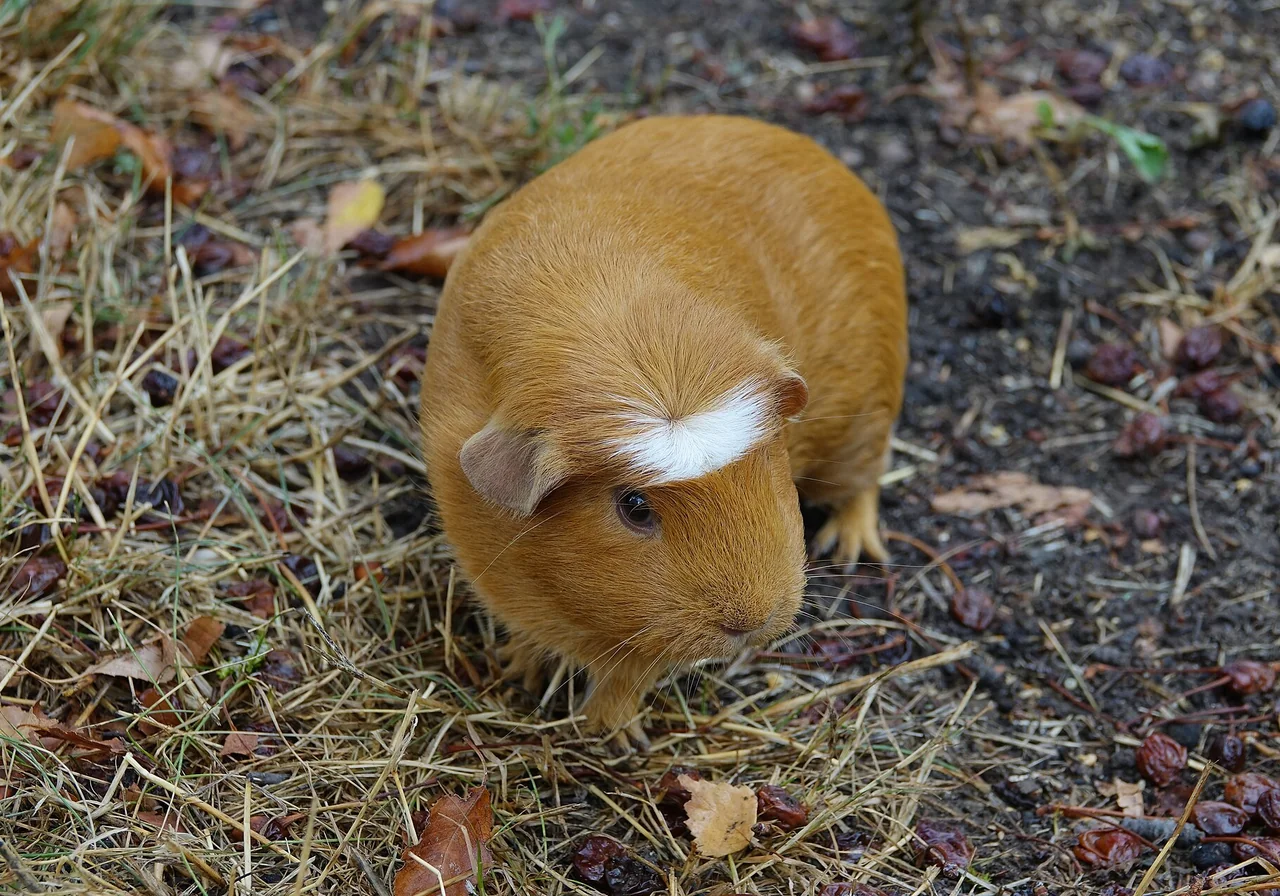
American
South America (domestic cavy)
Friendly, vocal, sociable
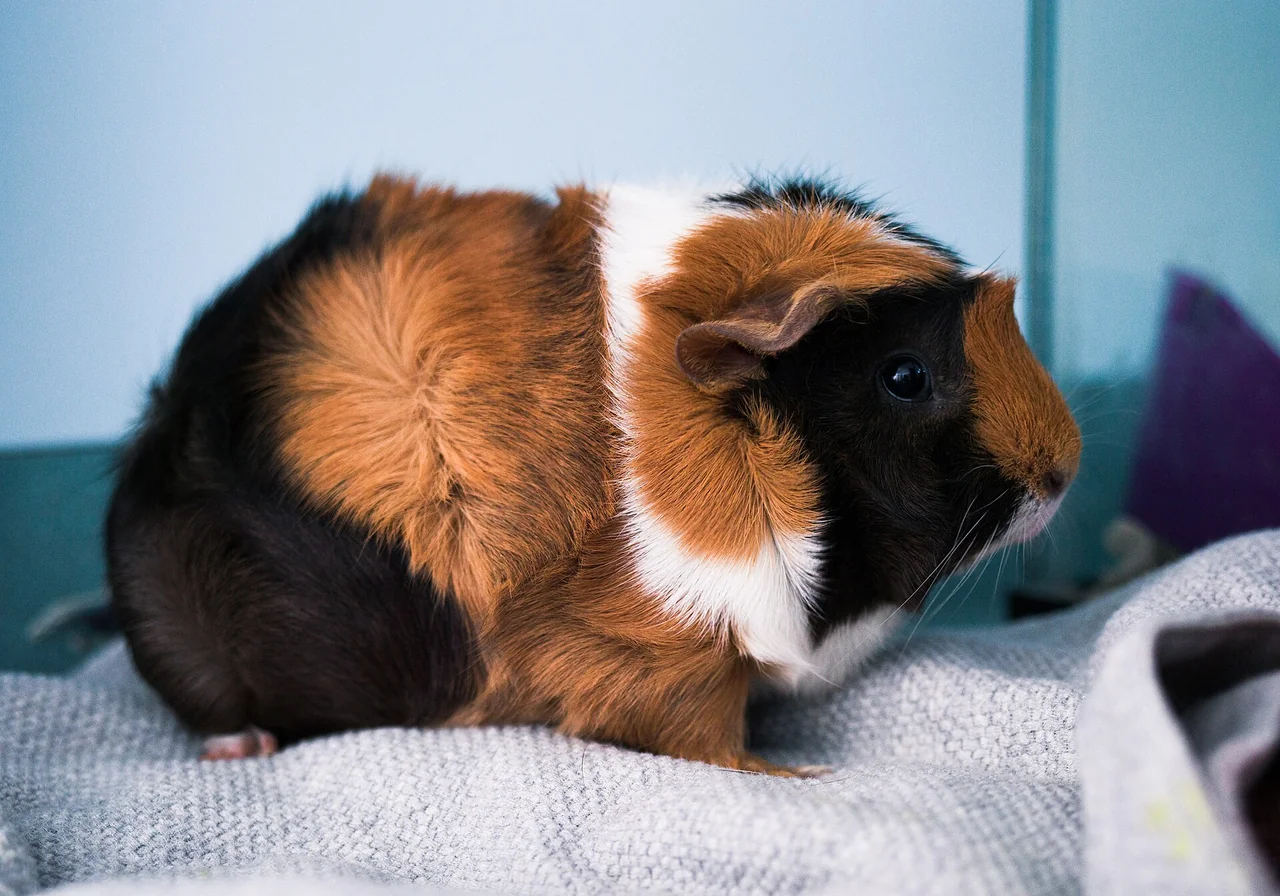
Abyssinian
Domestic (rosette standard)
Energetic, curious, talkative
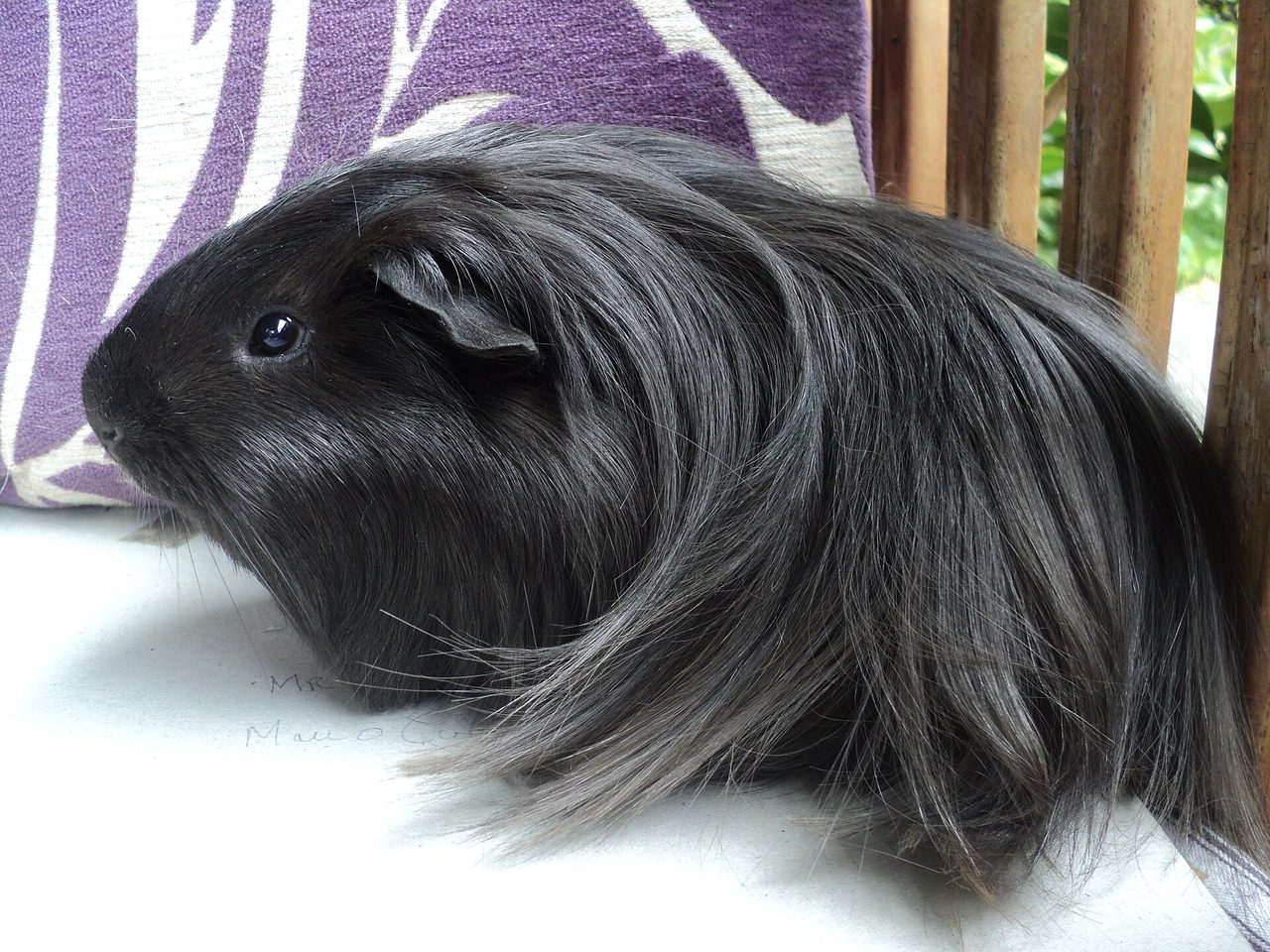
Peruvian
South America (domestic longhair)
Gentle, shy until bonded, needs grooming
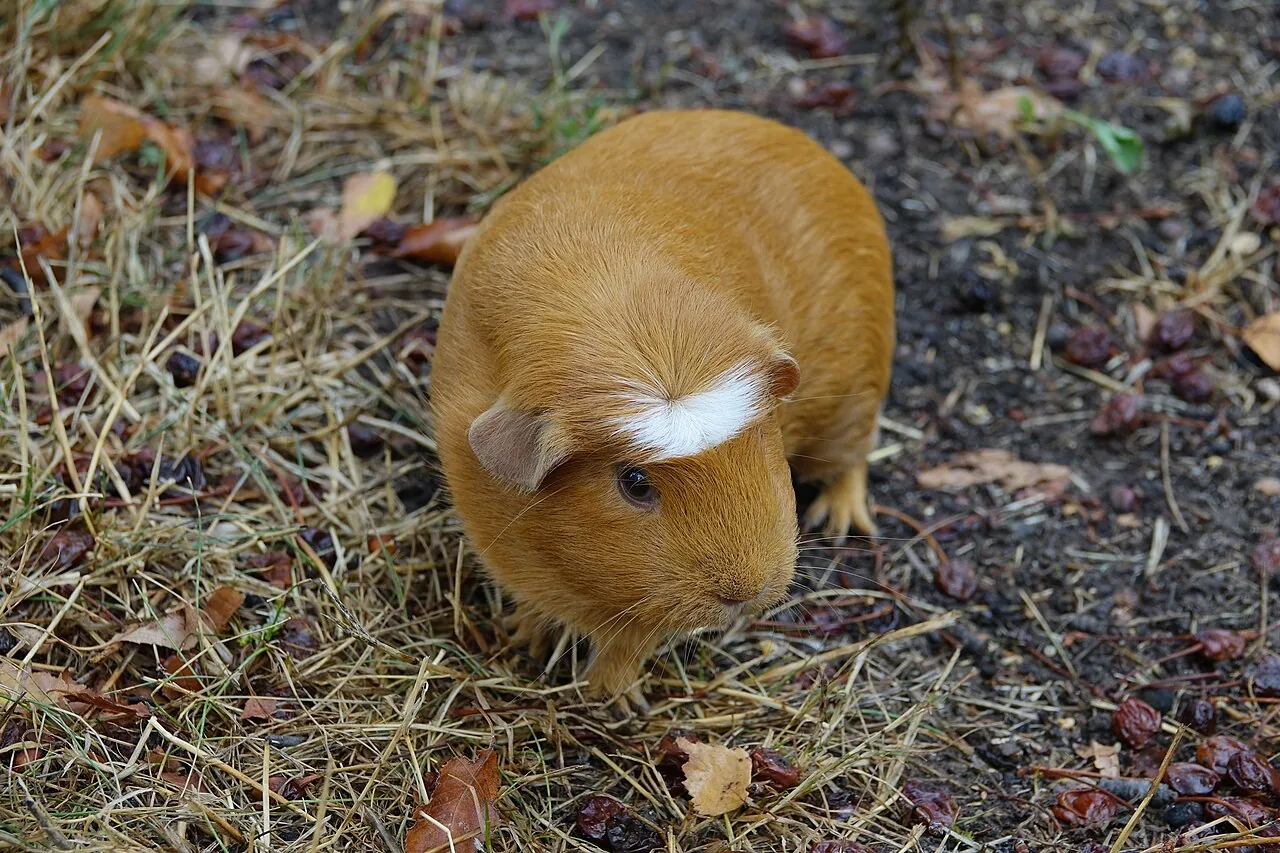
Silkie
Domestic (longhair mutation)
Calm, gentle, needs daily grooming
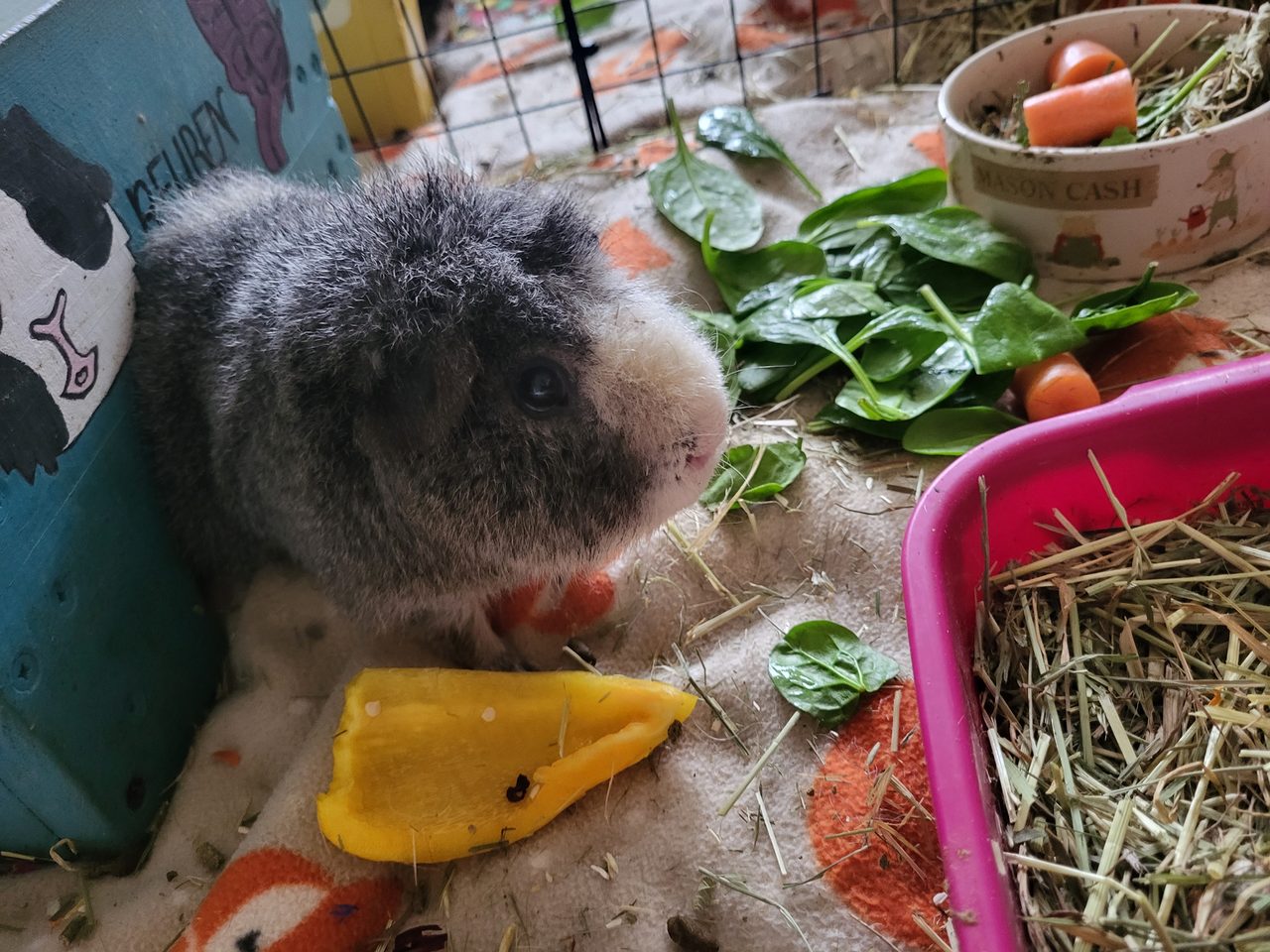
Teddy
Domestic (mutation)
Affectionate, sturdy, playful
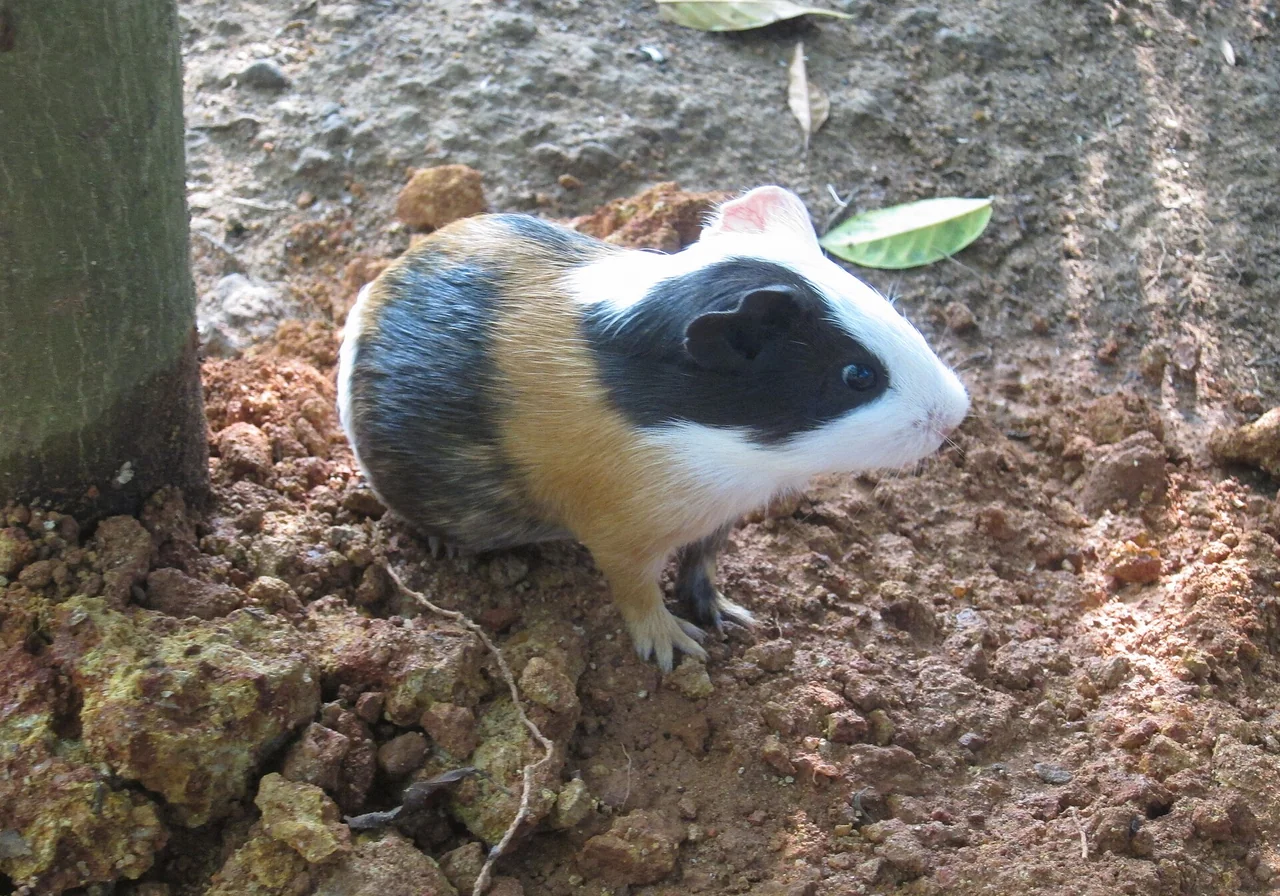
Rex
Domestic (mutation)
Confident, friendly, robust
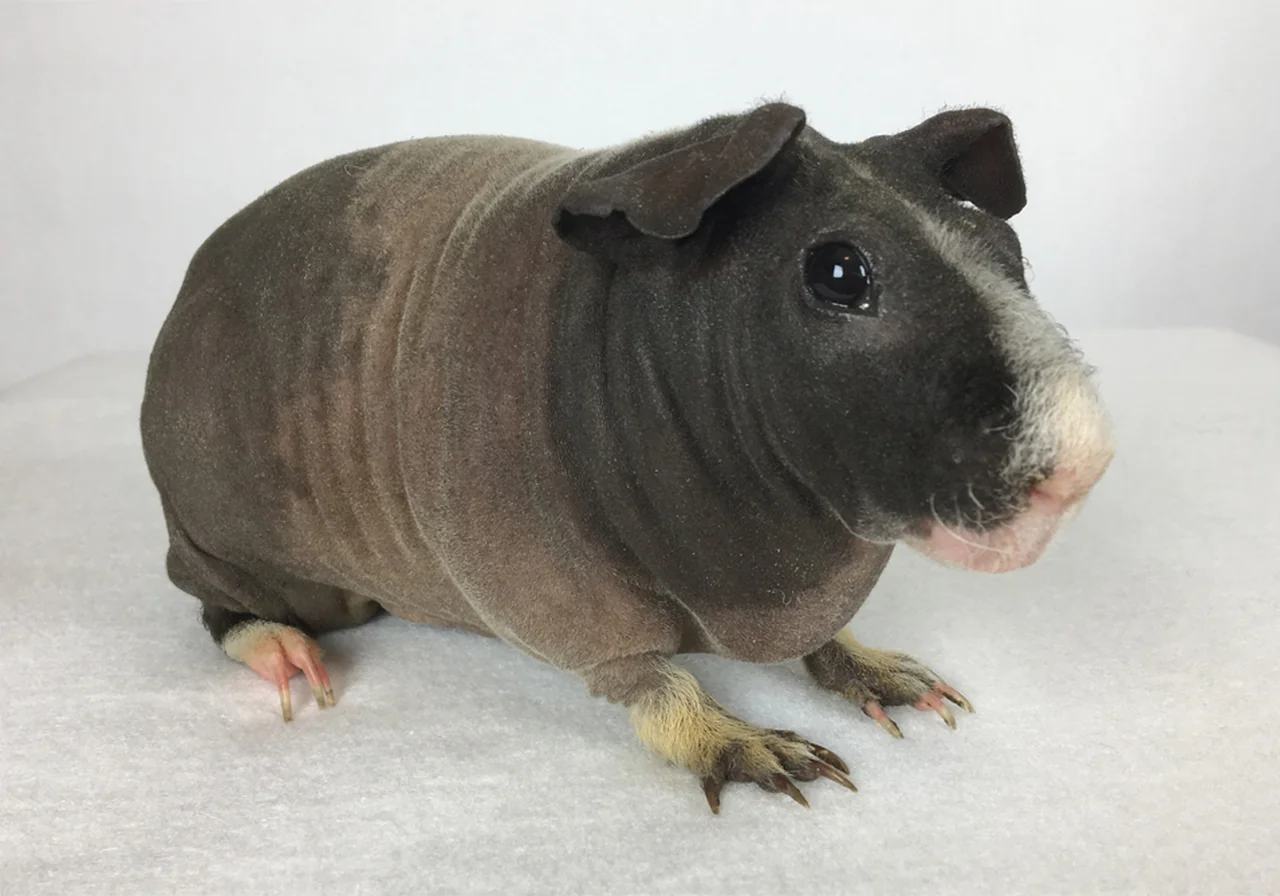
Skinny
Domestic (hairless mutation)
Social, warmth-seeking, needs protection
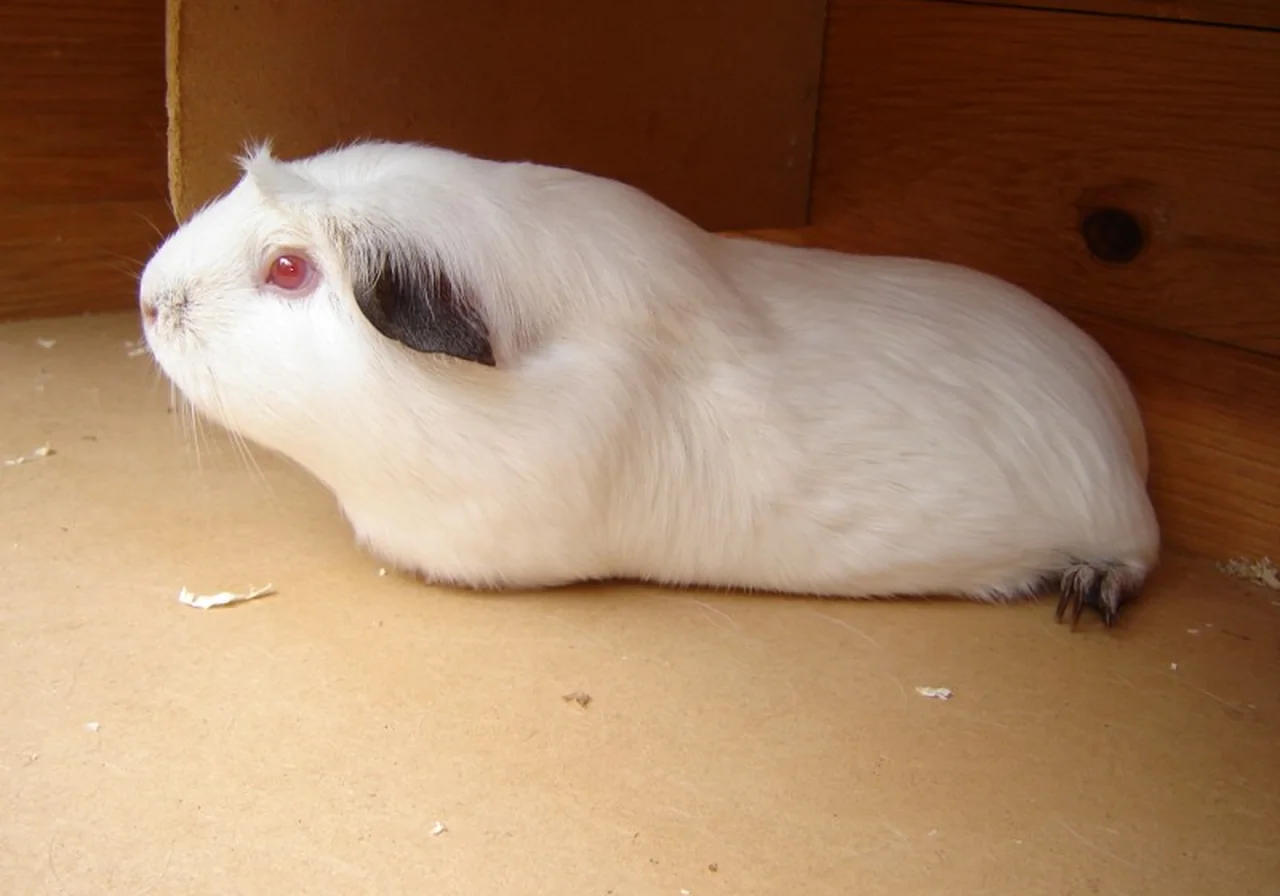
Himalayan
Domestic (colour-point mutation)
Calm, friendly, colour-sensitive
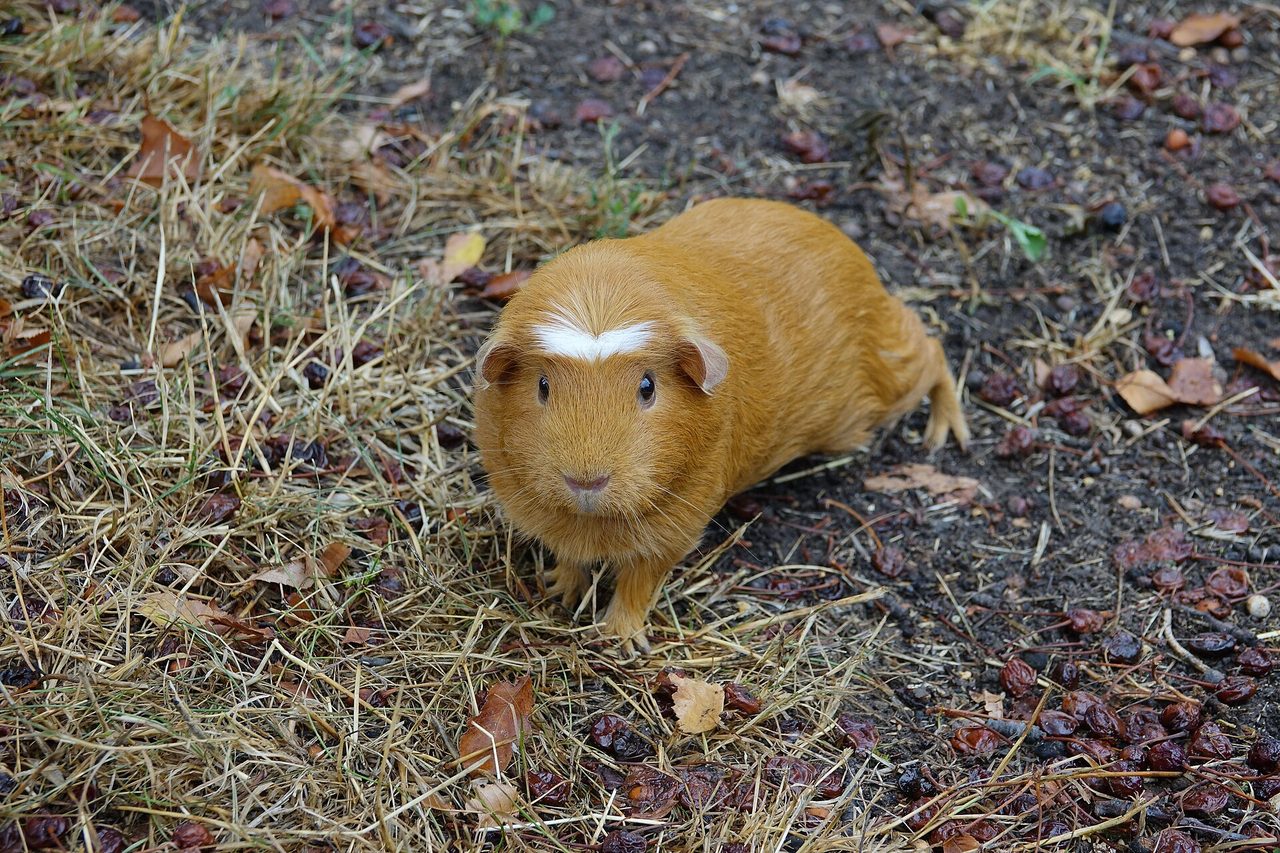
Texel
England (domestic cross)
Gentle, needs patient grooming
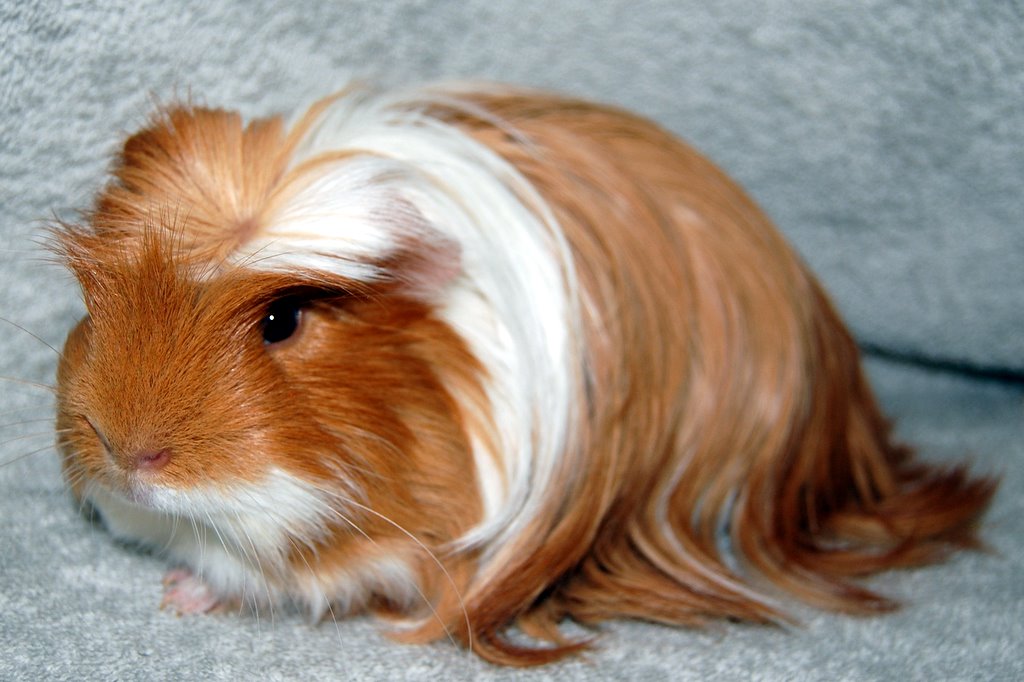
Coronet
Domestic (Silkie × Crested cross)
Sweet, sociable, grooming-intensive
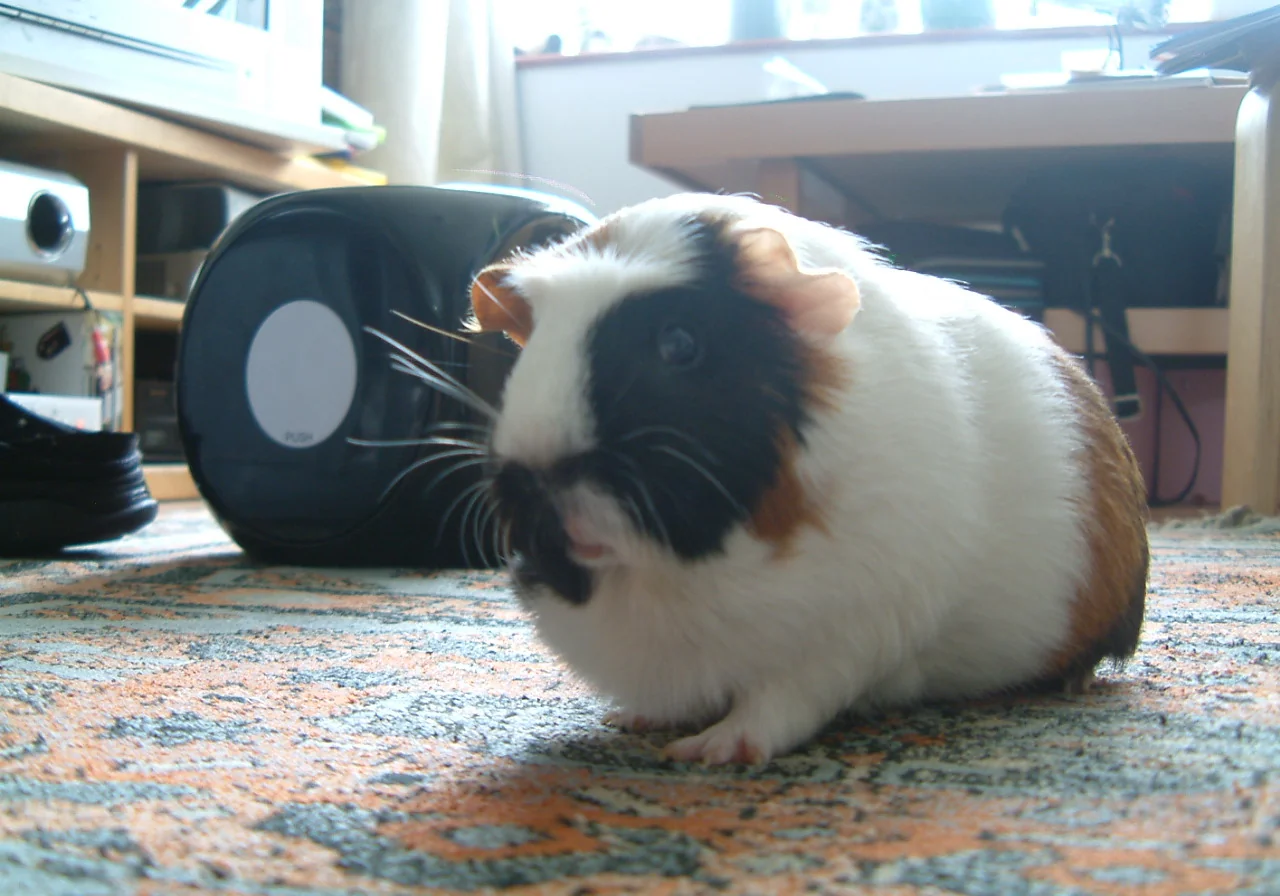
Crested
Domestic (show standard)
Calm, sociable, inquisitive
Lunkarya
Sweden (domestic mutation)
Gentle, shy until bonded, needs grooming
What WARN Does
WARN publishes free companion-animal welfare guides worldwide. While guinea pigs are domestic, the same principles — honest care standards, adoption over impulse purchase, and opposition to inadequate pet trade housing — underpin our exotic-pet and rescue education in partner countries.
If this guide helps you understand wildlife and the pressures it faces, a gift to WARN supports habitat protection and free public education in our partner countries.
Guinea Pig: Frequently Asked Questions
Can guinea pigs live alone?
Why do guinea pigs need vitamin C?
How long do guinea pigs live?
Are guinea pigs good pets for children?
Where did guinea pigs come from?
What do guinea pigs eat?
Where do guinea pigs live?
Are guinea pigs dangerous?
How big is a guinea pig?
Sources & References
Population figures, conservation status and biological facts on this page are drawn from authoritative scientific and intergovernmental sources.
Terms used on this page
Plain-English definitions, from our wildlife and conservation glossary.
Explore more animals
Discover more animals, their habitats and their conservation status in the WARN wildlife-guide library.
Social needs and behaviour
Guinea pigs are herd animals that communicate through wheeks, purrs, rumble-strutting and subtle body language. Keeping a single cavy in isolation causes measurable stress: reduced feeding, over-grooming and heightened fear responses. Welfare codes in Britain and the EU recommend housing at least two compatible animals after careful introduction.
Boars (males) may fight without adequate space and enrichment; neutering and large enclosures reduce conflict. Sows (females) usually pair or group well. Bonded companions should not be separated casually — losing a cage-mate causes grief visible in appetite loss and vocal searching.