Animal Comparison
Hamster vs Guinea pig
Hamsters are solitary, nocturnal burrowers with cheek pouches; guinea pigs are social, diurnal rodents that need space and vitamin C. Welfare needs differ.
By WARN Research & Conservation TeamLast updated
In brief — Hamster vs Guinea pig
Solitary night runner with cheek pouches means hamster; social daytime companion needing vitamin C means guinea pig.
Hamsters are small, mostly solitary, nocturnal rodents with cheek pouches and short lifespans. Guinea pigs are larger, social, day-active rodents that need companionship, space and dietary vitamin C. They are both pets in the same shops, but their welfare needs are not interchangeable.
See the difference
Images are shown at different scales. Read each caption for the species, source and context.
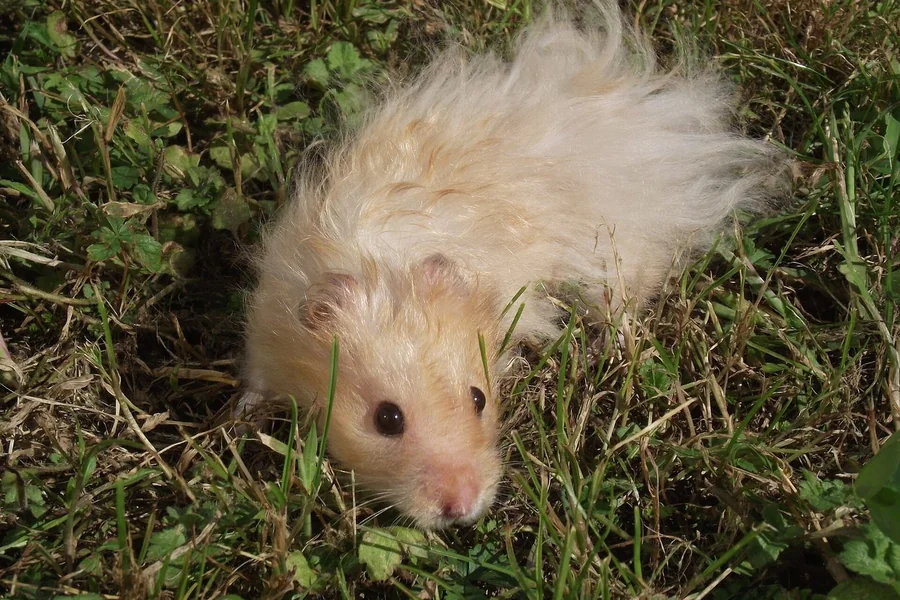
Hamster — small, often solitary, nocturnal; cheek pouches
AI-generated educational wildlife portrait — World Animal Rescue Network
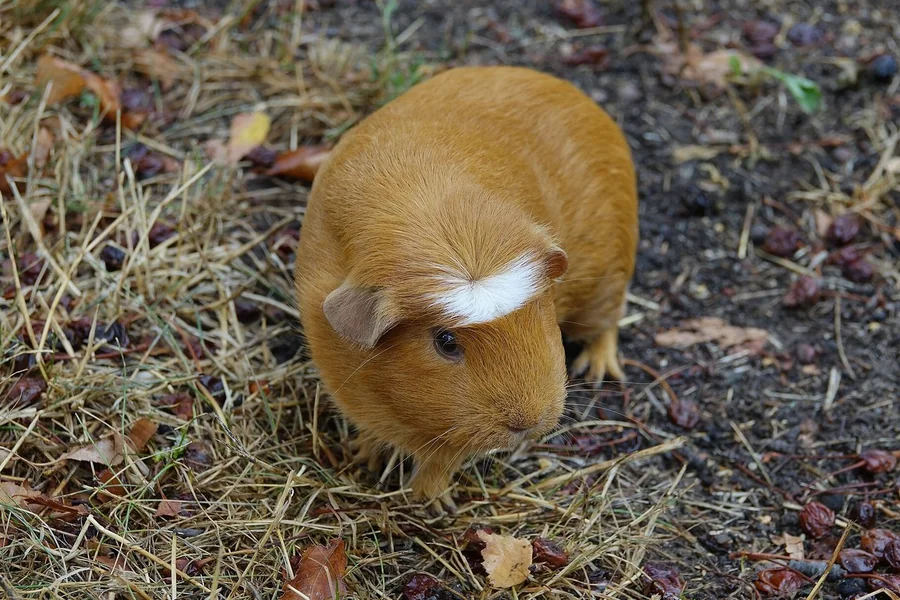
Guinea pig — larger, social, day-active; needs vitamin C
AI-generated educational wildlife portrait — World Animal Rescue Network
Hamster vs Guinea pig: At a Glance
| Feature | Hamster | Guinea pig |
|---|---|---|
| Typical adult weight | ~30–150 g by species | ~700–1,200 g |
| Social need | Syrians solitary; some dwarfs complex | Social — keep with compatible companions |
| Activity pattern | Primarily nocturnal/crepuscular | Primarily diurnal |
| Cheek pouches | Yes — food transport | No |
| Vitamin C | Synthesises its own | Dietary vitamin C required |
| Lifespan | Often ~2–3 years | Often ~5–7 years |
| Vocalisation | Quieter; some sounds | Frequent chatting, wheeking |
| Handling | Small, fast; short sessions | Larger, usually calmer with trust |
| Housing emphasis | Deep bedding, wheel, hideouts | Floor space, hay, companions |
| Origin | Eurasian deserts/steppes (wild) | Andes — domesticated cavy |
Size and physical differences
Guinea pigs are much larger: often 700–1,200 g, versus roughly 30–150 g for common pet hamster species.
Hamster versus guinea pig is a high-volume query from people standing in a pet aisle. Both are rodents, both are sold as starter pets, and both are frequently housed badly because the species are conflated. Hamsters (family Cricetidae, several genera) are adapted to solo burrow life and night activity. Guinea pigs (Cavia porcellus) are social South American cavies domesticated for meat and companionship long before they became cage pets in Europe.
The welfare stakes are practical. A lonely guinea pig is a stressed guinea pig. A paired Syrian hamster is often an injured hamster. Diet differs too: guinea pigs cannot synthesise vitamin C and need it in food, like humans; hamsters do not share that requirement. Choosing between them is choosing a care system, not a colour.
This comparison sticks to marks you can use without laboratory gear: size, shape, behaviour and the words people actually type into a search box. Scientific names are given where they prevent a regional mix-up.
Social structure decides housing
Syrian hamsters must live alone as adults. Many guinea pigs become distressed without a companion of their own species. Shops that present both as identical “cage pets” create preventable suffering. Always match housing to species, not to the furniture kit on the shelf. Field observers should treat colour alone as weak evidence and combine it with shape, behaviour and habitat before naming what they see. Where published measurements disagree, this page gives the range rather than a single tidy figure that implies more certainty than the sources support. Field observers should treat colour alone as weak evidence and combine it with shape, behaviour and habitat before naming what they see. Where published measurements disagree, this page gives the range rather than a single tidy figure that implies more certainty than the sources support.
Day versus night pets
Hamsters wake when many households want to sleep. Guinea pigs are active in the day and interact more on a human schedule. That single difference predicts which animal fits a child’s routine — and which will be endlessly woken. Field observers should treat colour alone as weak evidence and combine it with shape, behaviour and habitat before naming what they see. Where published measurements disagree, this page gives the range rather than a single tidy figure that implies more certainty than the sources support. Field observers should treat colour alone as weak evidence and combine it with shape, behaviour and habitat before naming what they see. Where published measurements disagree, this page gives the range rather than a single tidy figure that implies more certainty than the sources support.
Diet and vitamin C
Guinea pigs need dietary vitamin C from vegetables and/or fortified feed; deficiency causes scurvy. Hamsters eat omnivorous mixes and do not share that constraint. Feeding a hamster a guinea-pig diet plan, or the reverse, is not harmless approximation. Field observers should treat colour alone as weak evidence and combine it with shape, behaviour and habitat before naming what they see. Where published measurements disagree, this page gives the range rather than a single tidy figure that implies more certainty than the sources support. Field observers should treat colour alone as weak evidence and combine it with shape, behaviour and habitat before naming what they see. Where published measurements disagree, this page gives the range rather than a single tidy figure that implies more certainty than the sources support.
Size, lifespan and commitment
Guinea pigs need more space and usually live longer. Hamsters are smaller and shorter-lived but require careful escape-proofing and exercise. “Smaller animal, smaller responsibility” is false for both. Field observers should treat colour alone as weak evidence and combine it with shape, behaviour and habitat before naming what they see. Where published measurements disagree, this page gives the range rather than a single tidy figure that implies more certainty than the sources support. Field observers should treat colour alone as weak evidence and combine it with shape, behaviour and habitat before naming what they see. Where published measurements disagree, this page gives the range rather than a single tidy figure that implies more certainty than the sources support. Field observers should treat colour alone as weak evidence and combine it with shape, behaviour and habitat before naming what they see. Where published measurements disagree, this page gives the range rather than a single tidy figure that implies more certainty than the sources support.
Wild biology under the pet label
Hamsters stash food in cheek pouches and prefer burrow-like depth. Guinea pigs are herd herbivores of open spaces that flee rather than bite as a first response. Enrichment should echo those biologies: tunnels and wheels versus hay-fed floor time with friends. Field observers should treat colour alone as weak evidence and combine it with shape, behaviour and habitat before naming what they see. Where published measurements disagree, this page gives the range rather than a single tidy figure that implies more certainty than the sources support. Field observers should treat colour alone as weak evidence and combine it with shape, behaviour and habitat before naming what they see. Where published measurements disagree, this page gives the range rather than a single tidy figure that implies more certainty than the sources support.
Why the comparison matters
People search for hamster versus guinea pig because a wrong name leads to the wrong expectation — about danger, about care, about what lives in a local habitat. Getting the distinction right is how accurate advice and conservation reporting stay attached to the animal that is actually present. Field observers should treat colour alone as weak evidence and combine it with shape, behaviour and habitat before naming what they see. Conservation status also diverges inside everyday labels: a common garden species and a rare relative can share a common name while facing completely different pressures. Where published measurements disagree, this page gives the range rather than a single tidy figure that implies more certainty than the sources support. WARN publishes these comparisons so high-intent questions get a sourced answer instead of an unsourced listicle.
Did you know?
Guinea pigs are not pigs and not from New Guinea — the name is a historical muddle; they are South American cavies.
Hamster vs Guinea pig: FAQs
What is the difference between a hamster and a guinea pig?
Can hamsters and guinea pigs live together?
Which is a better pet for a child?
Do guinea pigs need vitamin C?
Why can’t I keep two Syrian hamsters together?
Which lives longer?
Help protect animals
Learning about animals can help more people understand their needs. WARN raises funds for eligible animal-welfare organisations. Read the relevant appeal’s purpose, recipient status and fund terms, or share this free guide to raise awareness.