Wildlife Guide · Worldwide — domestic; wild species in Europe and Central Asia
Hamster
Multiple species — Mesocricetus auratus (Syrian), Phodopus spp. (dwarf) and others
Nocturnal burrowers of the steppe — solitary Syrians and sociable dwarfs with species-specific rules.
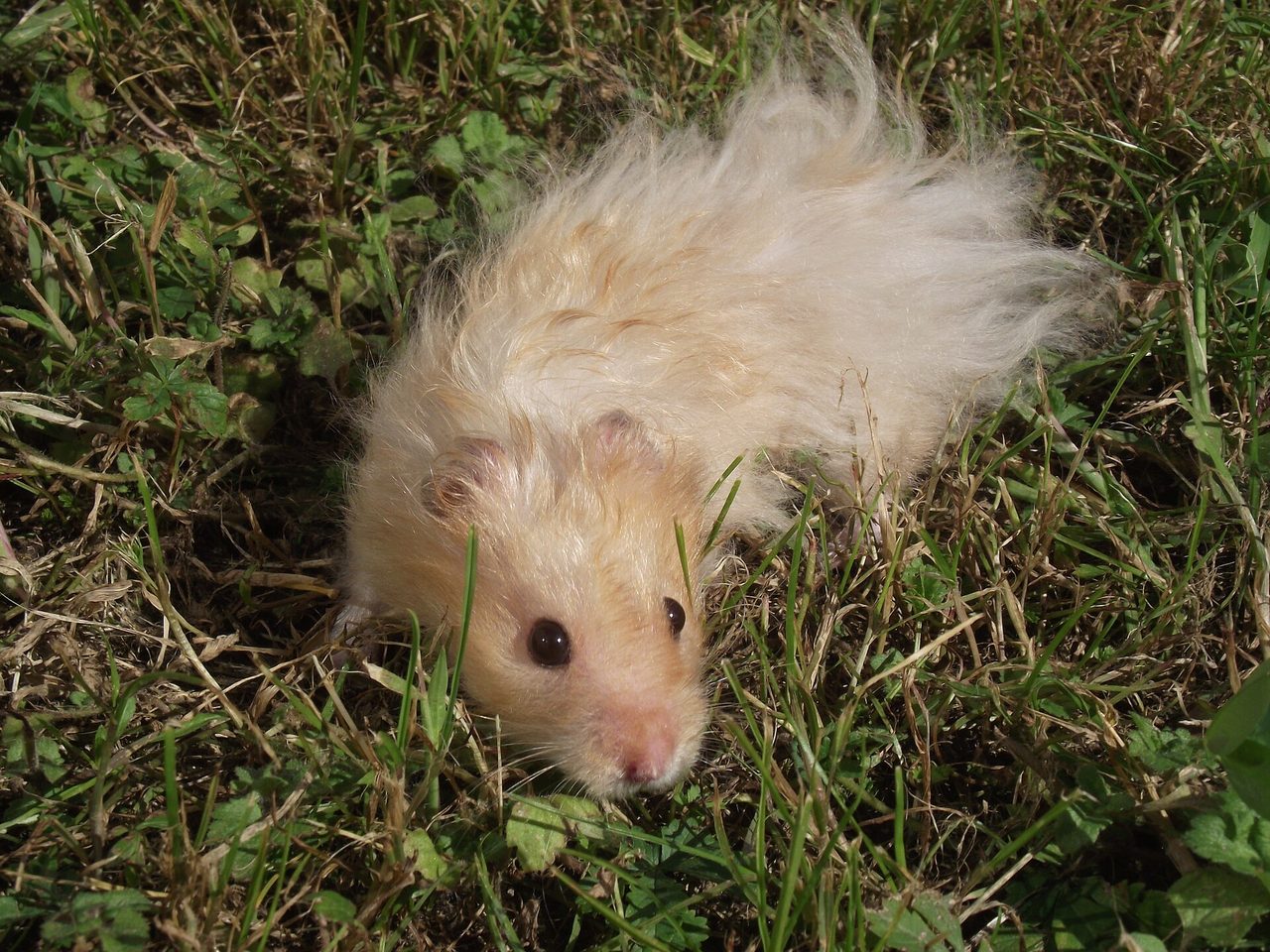
Photo: Florent Pécassou / Wikimedia Commons (CC BY-SA 3.0)
In brief
Hamsters are nocturnal cricetine rodents — Syrian hamsters must live alone; dwarf species may tolerate pairs. Wild Syrian hamsters are Vulnerable; pet welfare requires large enclosures, deep bedding and wheels with a straight back.
Also in Animals A to Z · Animals that start with H
How you can help
You can support the related appeal — read its purpose, recipient status and fund terms first — or give once to where it is needed most. Sharing accurate information helps too.
By WARN Research & Conservation TeamLast updated
Hamsters are short-tailed rodents of the subfamily Cricetinae, popular as pets since the 1930s when a wild Syrian hamster litter was bred in captivity. Five species dominate the pet trade: the strictly solitary Syrian (Mesocricetus auratus), Campbell's and winter white dwarf hamsters (Phodopus), the tiny Roborovski and the long-tailed Chinese hamster. Wild Syrian hamsters are Vulnerable in their native range near Aleppo, Syria — habitat loss and agricultural intensification threaten the last populations. Pet hamsters need large cages, deep burrowing substrate, species-appropriate wheels and respect for nocturnal behaviour.
Vulnerable
IUCN status — wild Syrian hamster (Mesocricetus auratus)
5 species
Common pet-trade hamster types
28 cm+
Minimum Syrian wheel diameter to protect the spine
Not listed
CITES — most pet-trade species
Figures sourced from IUCN Red List — Mesocricetus auratus, RSPCA — hamster care, Blue Cross — hamster welfare .
Hamster: Quick Facts
| Pet species | Syrian, Campbell's, winter white, Roborovski, Chinese |
|---|---|
| Syrian rule | Strictly solitary after weaning |
| Activity | Nocturnal — active mainly at night |
| Bedding | 20 cm+ depth for burrowing |
| Wild Syrian status | Vulnerable (IUCN) |
| CITES | Not listed — pet-trade species |
Scientific Classification
| Kingdom | Animalia |
|---|---|
| Phylum | Chordata |
| Class | Mammalia |
| Order | Rodentia |
| Subfamily | Cricetinae |
Conservation Status
- IUCN Status
- Wild Syrian hamster Vulnerable (IUCN). Dwarf wild populations vary; pet lines are captive-bred.
- Population
- Wild Syrian population declining; hundreds of millions of pet hamsters globally
- Trend
- Decreasing in the wild; stable in captivity
- Assessed
- 2016 (Mesocricetus auratus)
- CITES
- Not listed
Key Facts: Hamster
- Syrian hamsters must live alone — pairing causes fighting to serious injury or death.
- Wild Syrian hamsters are Vulnerable; the pet trade descends from a 1930 captive litter.
- Hamsters are nocturnal — daytime disturbance causes chronic stress.
- Wire wheels with rungs and small cages cause spinal curvature and bar chewing.
- Dwarf hamsters need narrow bar spacing and sand baths; species rules differ.
- WARN's twelve-type hamster library covers Syrians, dwarfs, Roborovskis and more.
Wild origins and domestication
The Syrian or golden hamster (Mesocricetus auratus) was first discovered in Aleppo, Syria, in 1839 but not bred successfully until 1930, when a mother and pups were brought to Jerusalem and then to laboratories worldwide. Every pet Syrian descends from that small founder population. Wild Syrians inhabit arid steppe and farmland, emerging at night to forage and burrow — their IUCN status is Vulnerable as agriculture replaces habitat.
Dwarf hamsters — Campbell's, winter white, Roborovski — were imported later from Central Asia. Chinese hamsters (Cricetulus griseus) are a separate lineage with a longer tail and different social rules. Understanding wild ecology explains pet needs: burrowing depth, nocturnal activity and species-specific territory.
Enclosure, wheels and enrichment
Deep bedding — 20 cm or more — allows burrowing behaviour suppressed in shallow cages. Aspen or paper bedding suits most species; cedar and pine shavings release harmful phenols. Solid-surface wheels with a diameter of at least 28 cm for Syrians prevent spinal curvature; runged wire wheels cause foot injuries.
Hideouts, cork tunnels, scatter feeding and safe chews reduce stereotypic bar chewing. Cages marketed as 'starter kits' are almost always too small. Glass tanks with mesh lids or modular enclosures outperform traditional wire cages with shallow bases.
Health, handling and welfare failures
Hamsters hide illness until advanced — wet tail diarrhoea, respiratory infection and dental overgrowth are common emergencies. Diabetes affects some Campbell's lines; avoid sugary treats. Females can become pregnant from eight weeks — mis-sexed pet-shop pairs produce unwanted litters.
Handling should be calm and low — scoop from below, never grab from above like a predator. Daytime waking for children causes stress and defensive biting. Classroom hamsters often die from holiday neglect. WARN advises adoption from rescues and rejects impulse purchases in tiny cages.
Explore hamster breeds on WARN
Coat colour and species change temperament, speed and housing rules. WARN publishes a twelve-type hamster library at hamster covering Syrian, teddy bear, golden, Campbell's dwarf, winter white, Roborovski, Chinese and more — each with origin, typical size, social rules, common health issues and welfare FAQs.
Use the library before buying: a Roborovski suits observers who enjoy watching fast desert behaviour; a Syrian suits owners who want occasional calm handling — but only with nocturnal respect. Every entry reinforces that wheels, bedding depth and solitary housing for Syrians are non-negotiable.
Hamster Types Guide
From the Syrian and Campbell's dwarf to the winter white, Roborovski, Chinese and five more — explore 12 of the world's most searched hamster types with temperament, lifespan, common health issues and responsible welfare guidance.
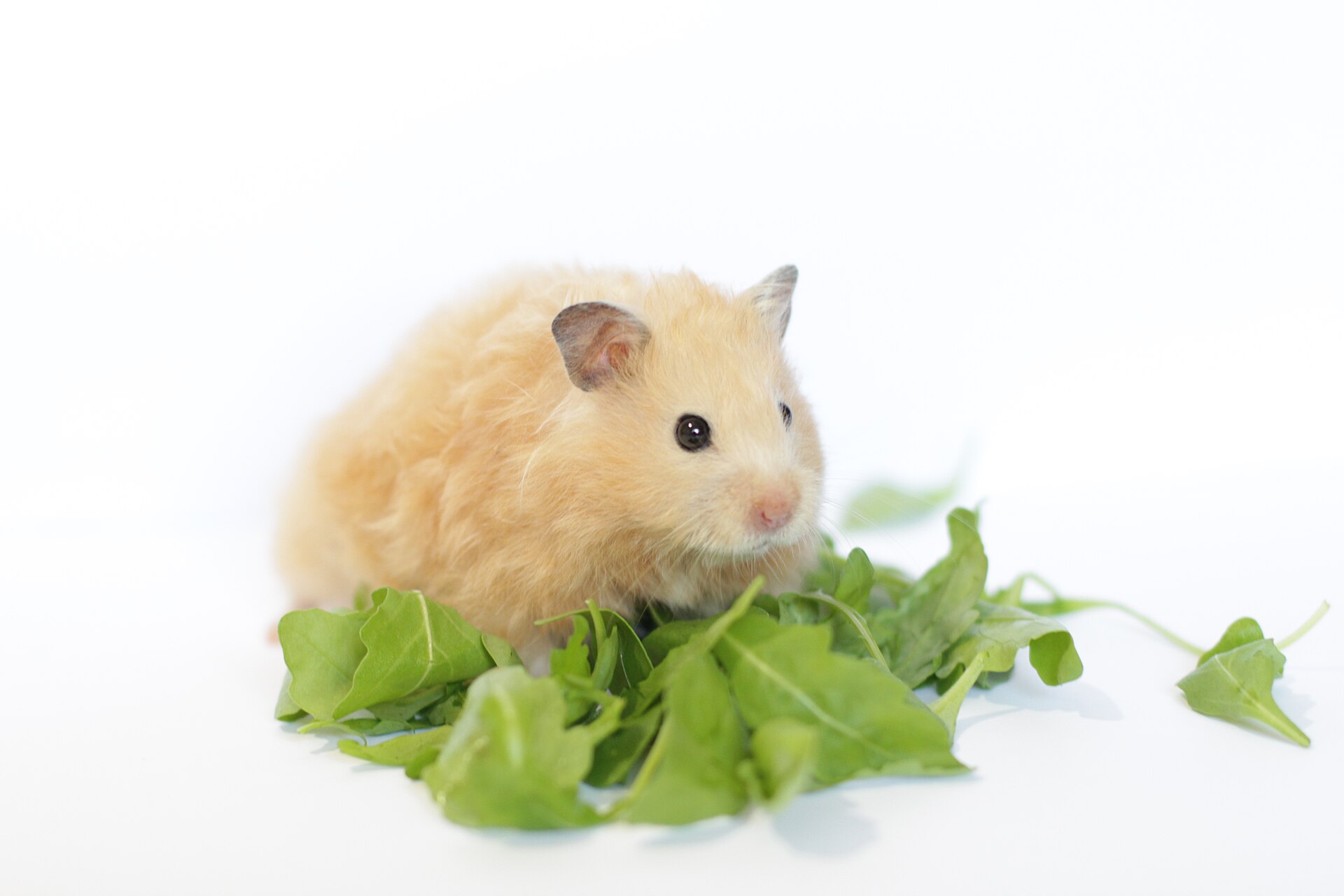
Syrian
Syria & Turkey (domesticated)
Solitary, nocturnal, tameable
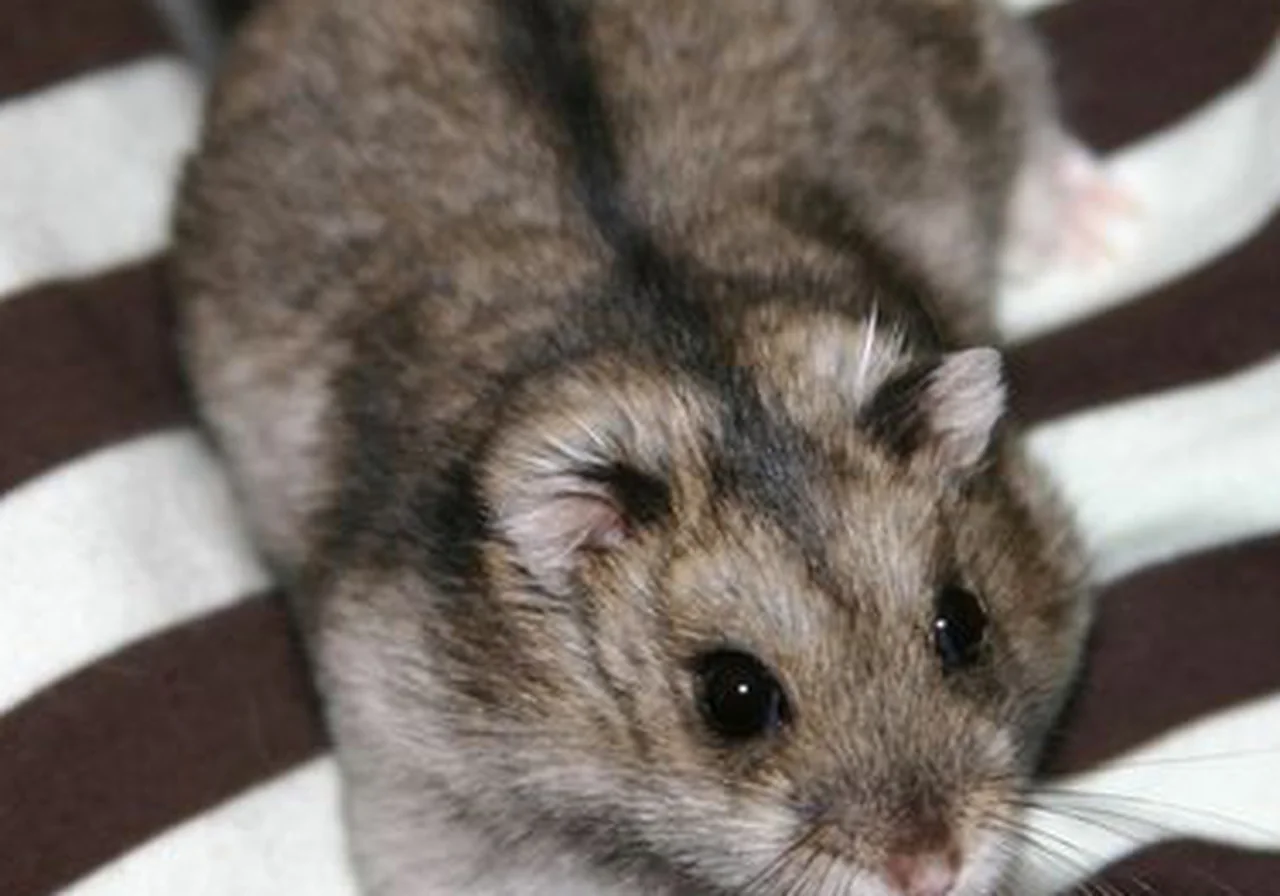
Campbell's Dwarf
Mongolia & China (wild species)
Active, nippy when startled, social in pairs
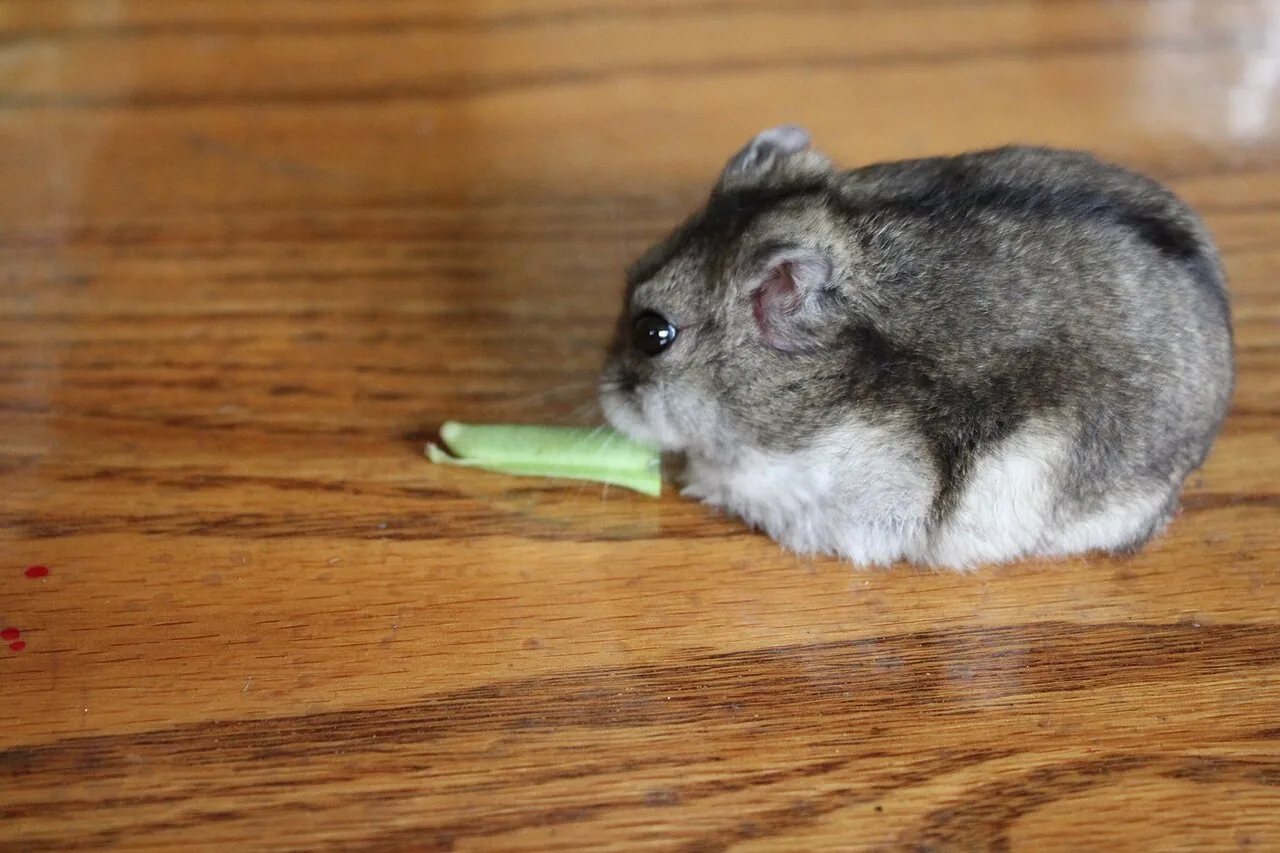
Winter White
Siberia & Kazakhstan (wild species)
Nocturnal, shy, seasonal colour change
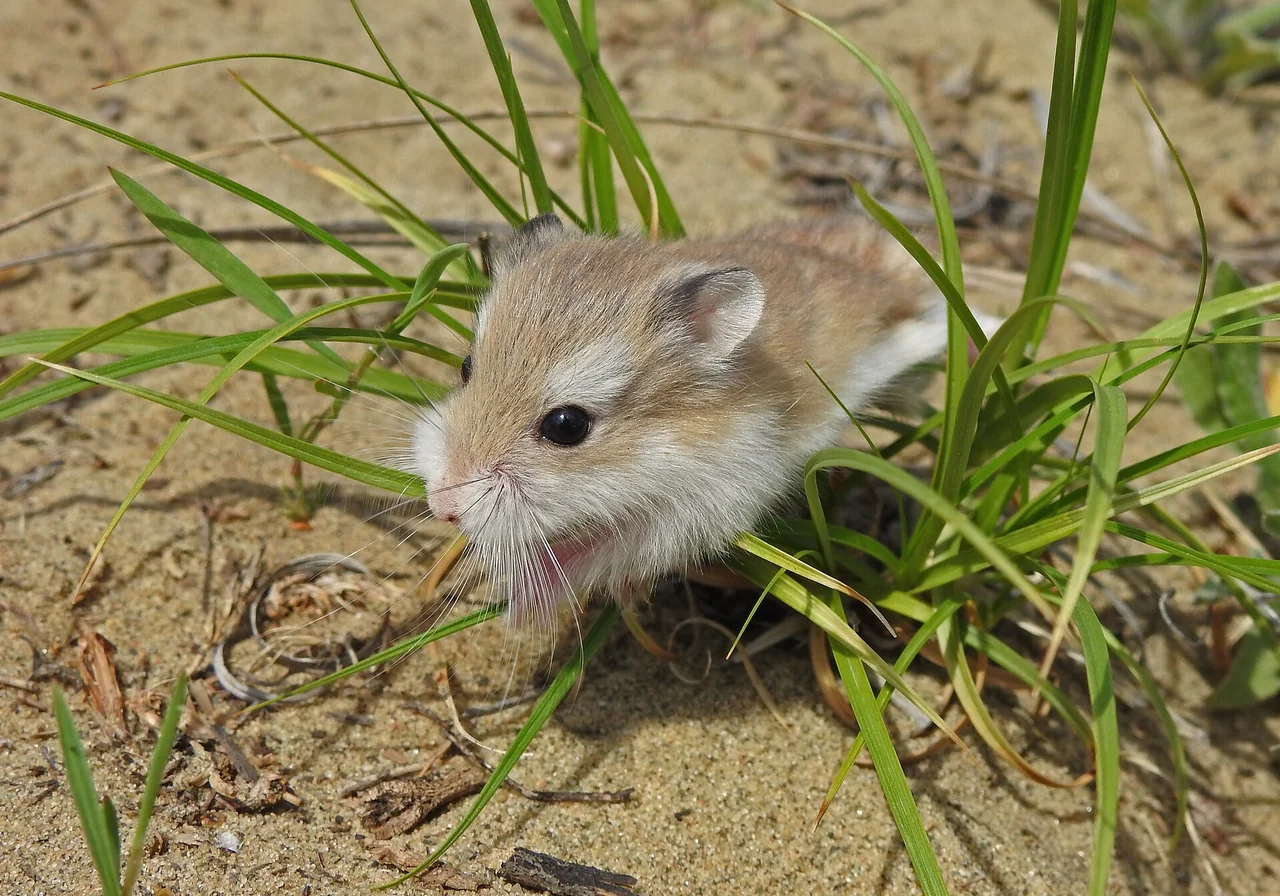
Roborovski
Mongolia & China (wild species)
Extremely fast, social in groups, hard to handle
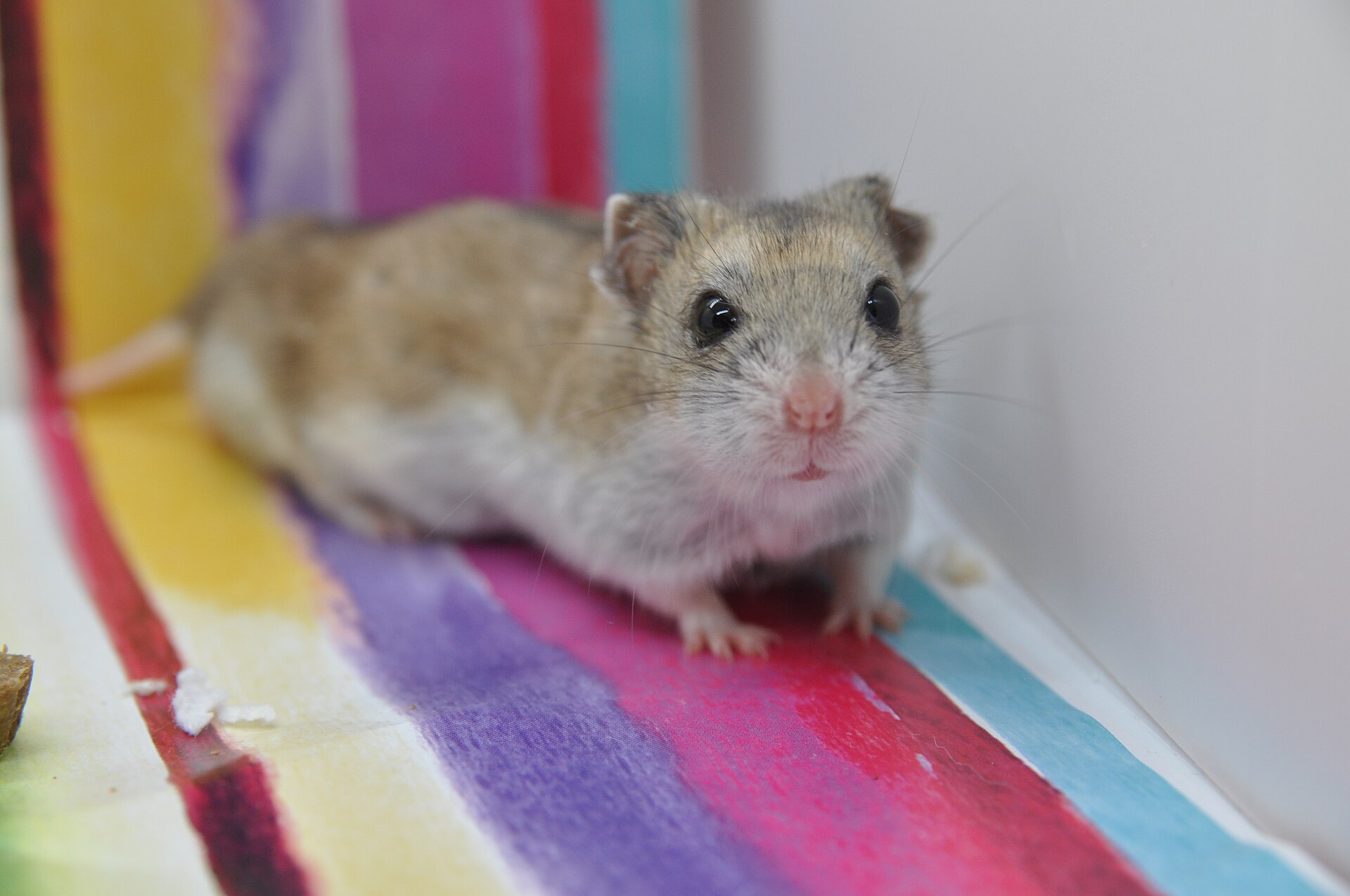
Chinese
China & Mongolia (wild species)
Solitary, timid, long-tailed
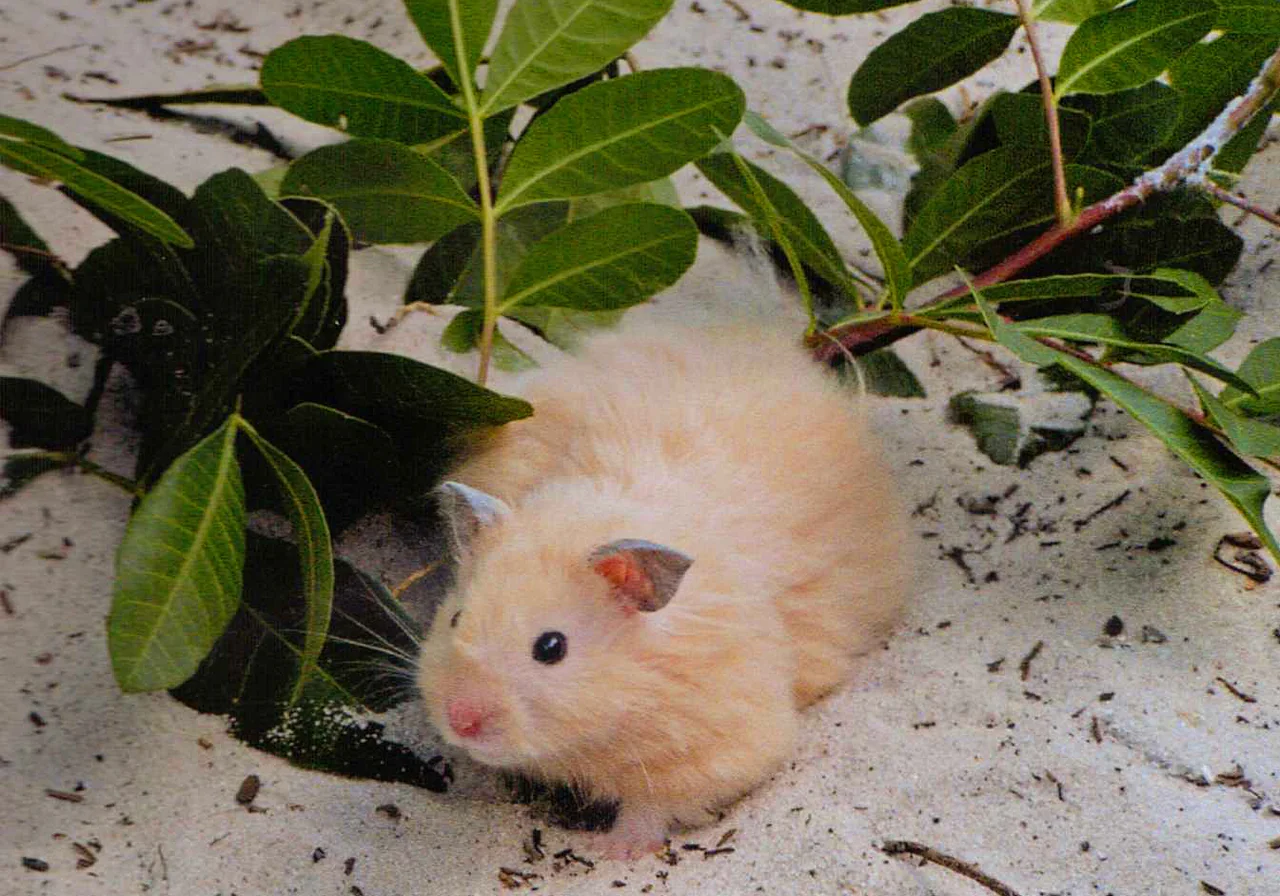
Teddy Bear
Domestic (long-haired Syrian line)
Gentle, solitary, needs grooming
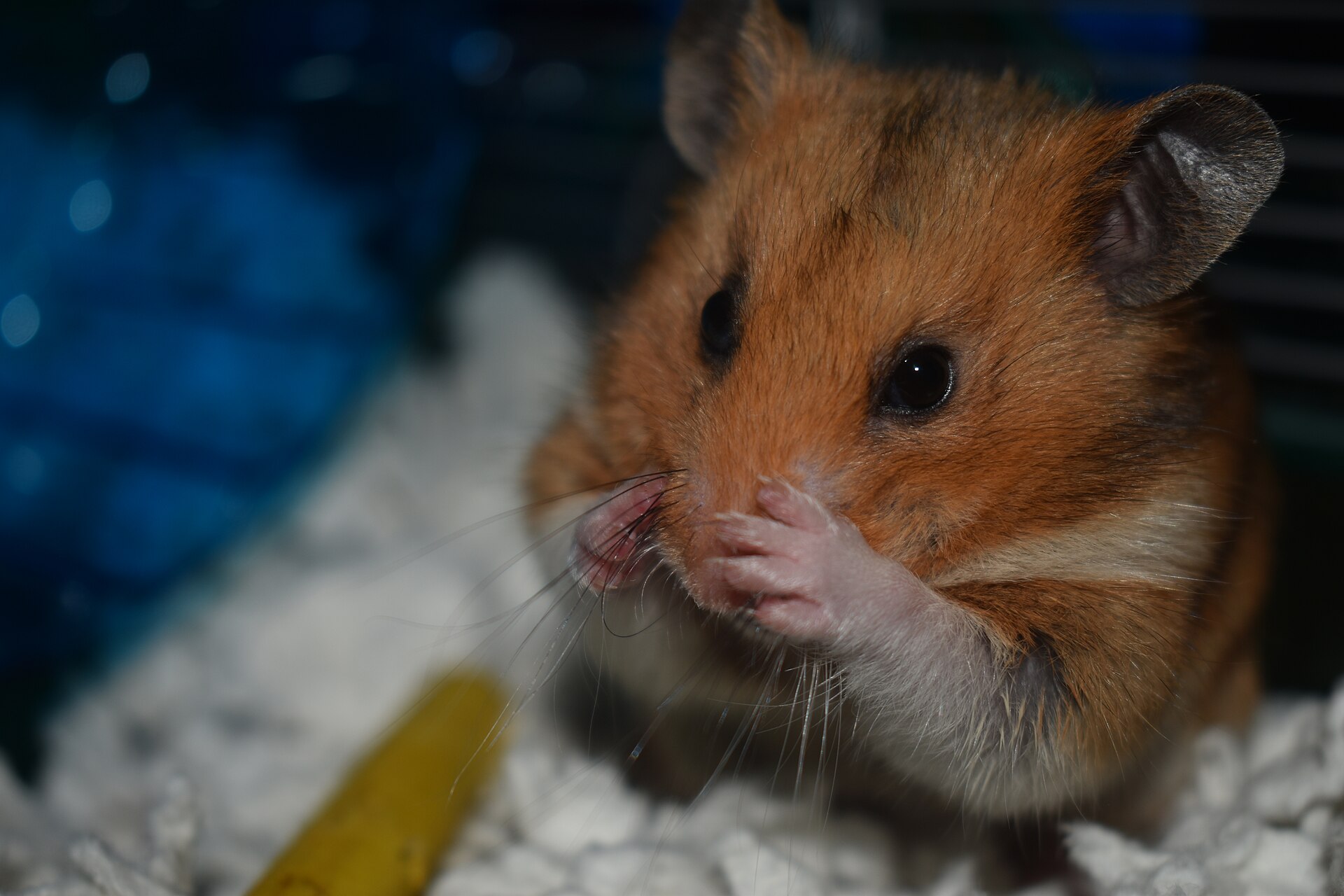
Golden
Syria (wild-type Syrian colour)
Curious, nocturnal, solitary
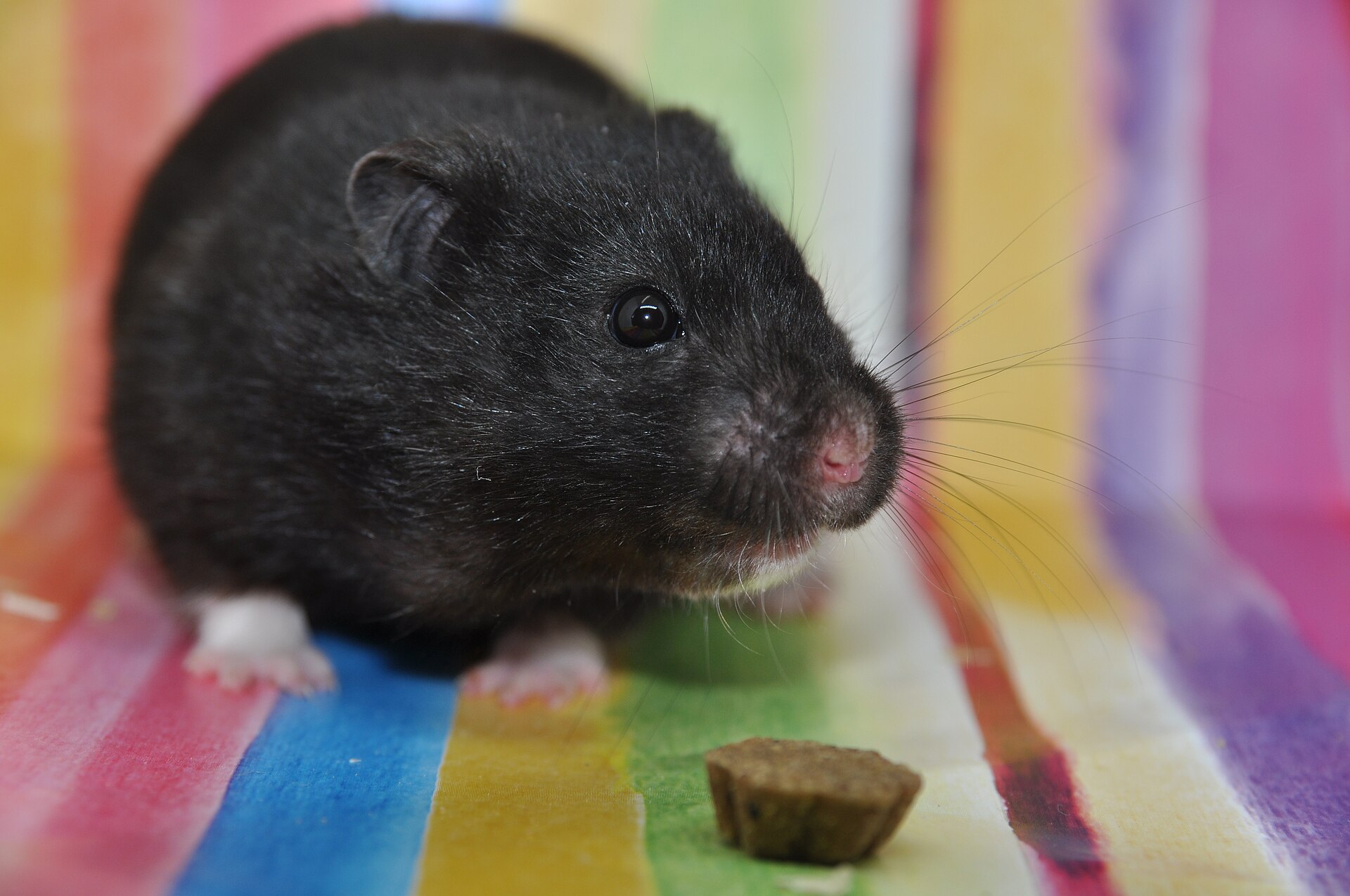
Black Bear
Domestic (Syrian colour morph)
Calm, solitary, nocturnal
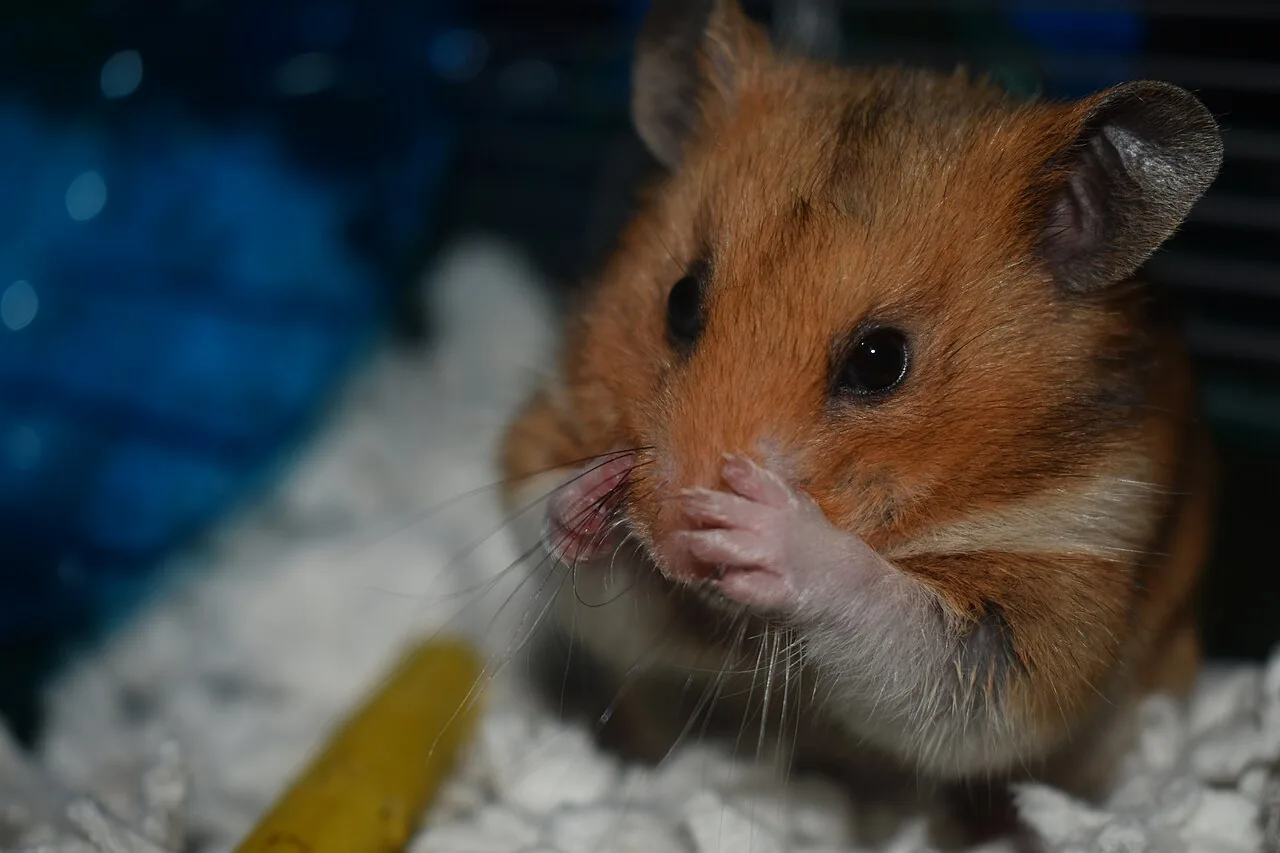
Satin
Domestic (Syrian coat mutation)
Active, solitary, glossy-coated
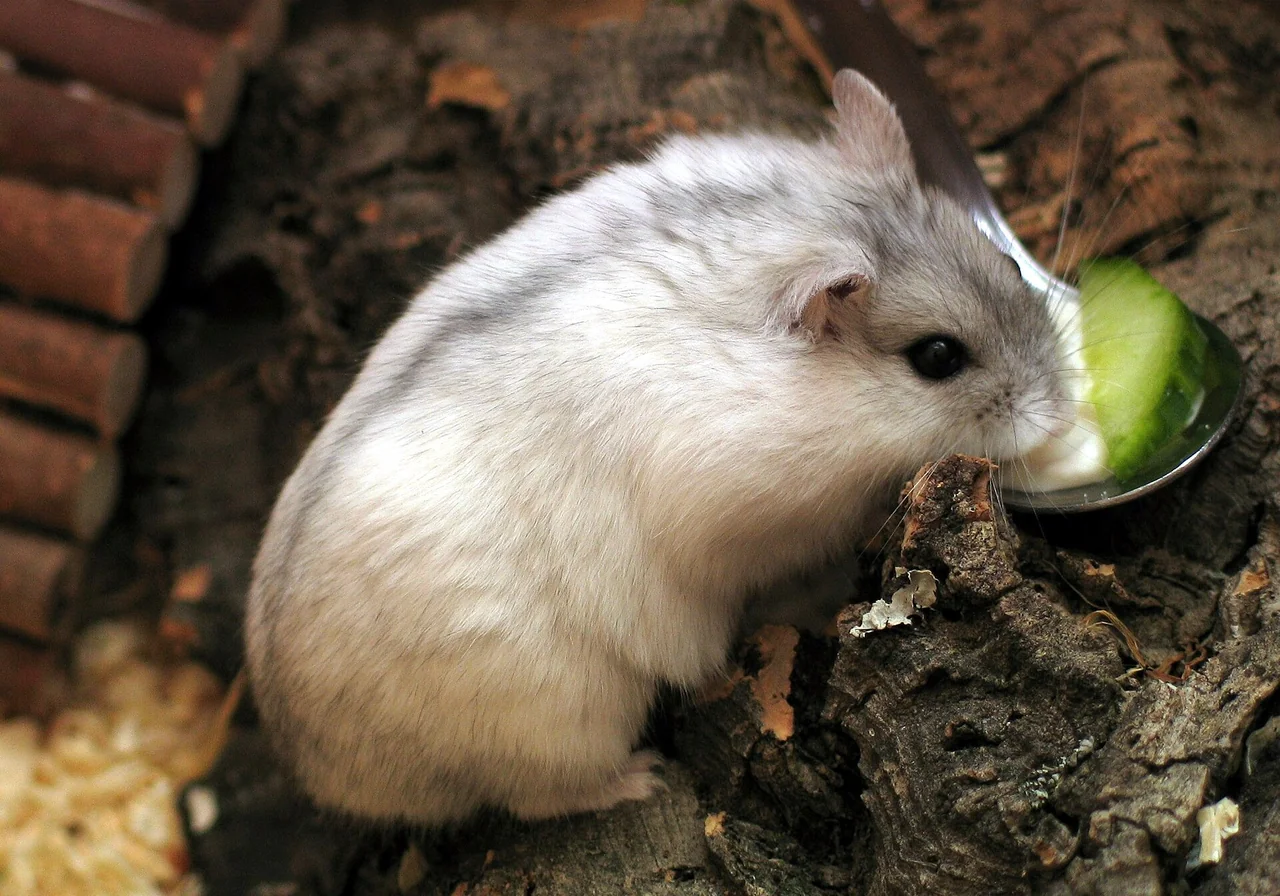
Russian Dwarf
Central Asia (pet-trade grouping)
Active, social in pairs, easily startled
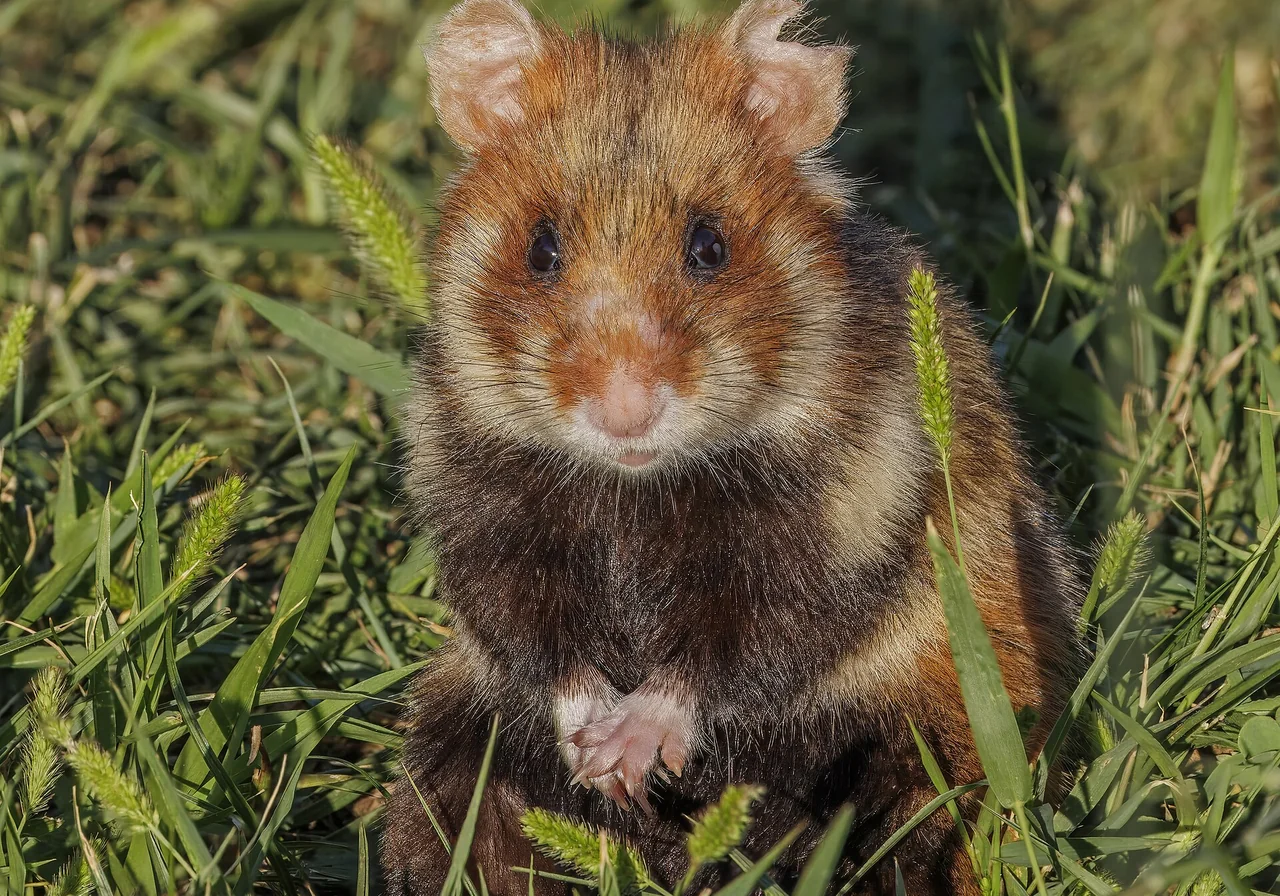
European Hamster
Central Europe (wild species)
Solitary, nocturnal, defensive
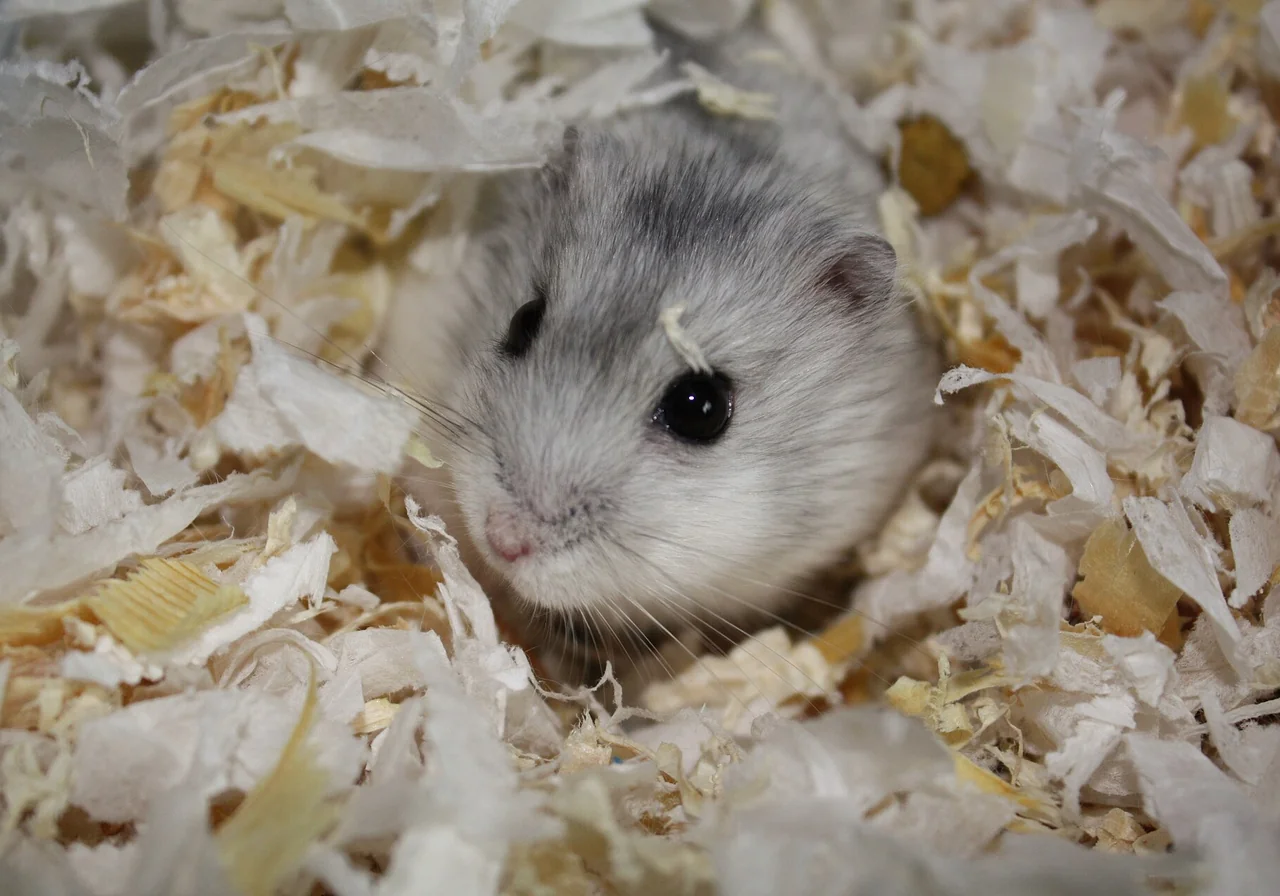
Grey Dwarf Hamster
Central Asia (wild species)
Nocturnal, fast, easily stressed
What WARN Does
WARN publishes free small-mammal welfare education. Wild Syrian hamsters face habitat loss in their native range while millions of domestic lines live in inadequate cages worldwide — honest guides reduce both conservation blindness and pet-trade suffering.
If this guide helps you understand wildlife and the pressures it faces, a gift to WARN supports habitat protection and free public education in our partner countries.
How can I help save the hamster?
Explore practical ways to support the hamster, from everyday choices and sharing reliable information to reviewing a related appeal before giving.
Explore ways to support
Read the related appeal’s purpose, recipient status and fund terms. Choose an affordable gift after checking what is proposed and what has been reported.
Ease the pressures
Avoid the wildlife trade and souvenirs, never buy wild animals as pets, and choose sustainable, habitat-friendly products — the threats behind the hamster's decline fall when demand does.
Spread the word
Share accurate, sourced information about the hamster. Wider awareness is what turns concern into lasting protection.
Hamster: Frequently Asked Questions
How can I help save the hamster?
Can two Syrian hamsters live together?
Are hamsters nocturnal?
What wheel size does a Syrian hamster need?
Are wild hamsters endangered?
Where do hamsters live?
Are hamsters dangerous?
How long do hamsters live?
Sources & References
Population figures, conservation status and biological facts on this page are drawn from authoritative scientific and intergovernmental sources.
Terms used on this page
Plain-English definitions, from our wildlife and conservation glossary.
Explore more animals
Discover more animals, their habitats and their conservation status in the WARN wildlife-guide library.