Wildlife Guide · Central America & South America
Parrot
Order Psittaciformes — ~400 species in families Psittacidae, Psittaculidae and Cacatuidae
Intelligent, vocal birds of the tropics — among the most traded and most threatened.
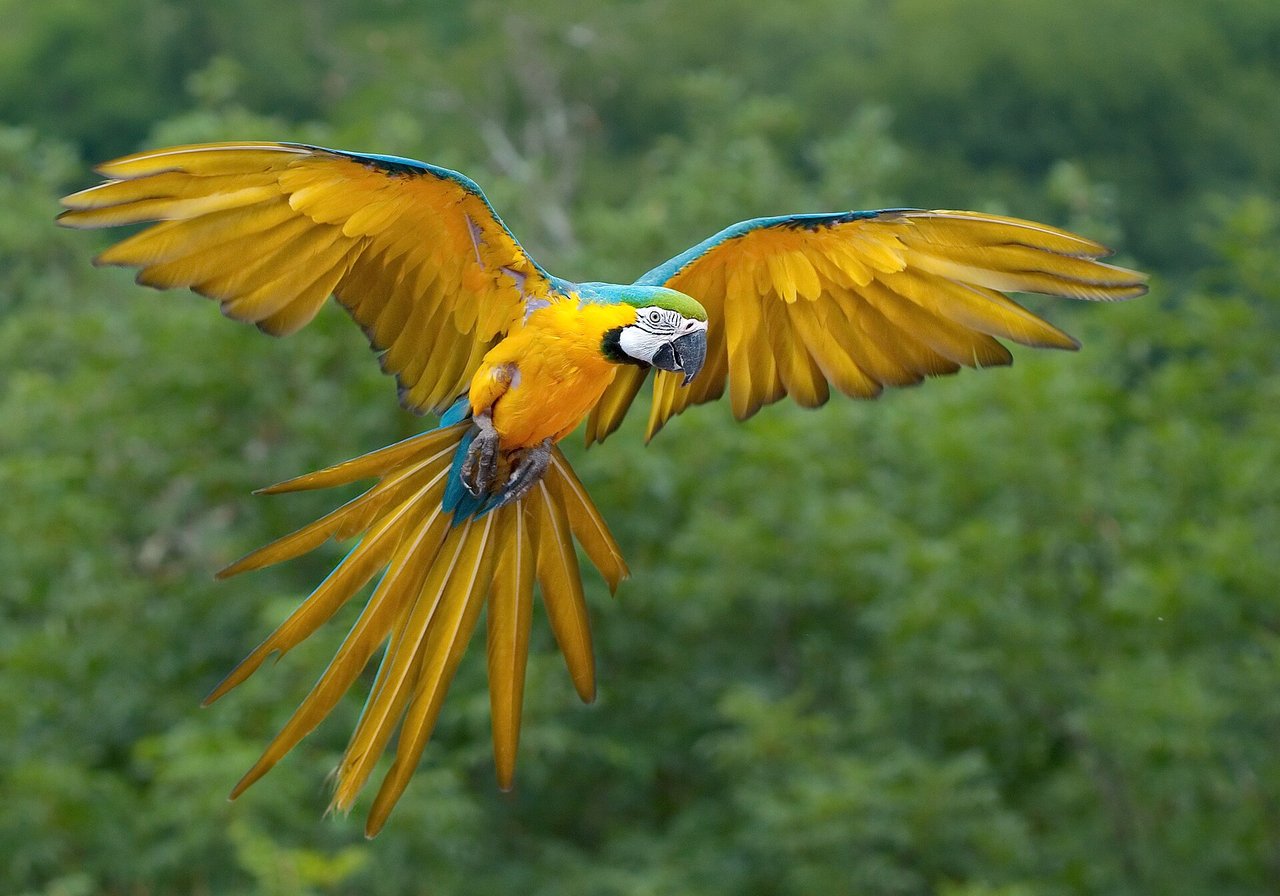
Source: Wikimedia Commons
In brief
Parrots are tropical and subtropical Psittaciformes — about 400 species including macaws, cockatoos and budgerigars — known for intelligence and longevity; many are threatened by habitat loss and illegal trade, with status ranging from Least Concern to Critically Endangered.
Also in Animals A to Z · Animals that start with P
By WARN Research & Conservation TeamLast updated
Parrots are birds of the order Psittaciformes, renowned for curved beaks, zygodactyl feet (two toes forward, two back) and often vivid plumage. Roughly 400 species occur from Mexican forests to Australasian islands. They include macaws, Amazon parrots, cockatoos, lorikeets and the budgerigar — one of the world's most familiar cage birds. Parrots are long-lived, socially complex and frequently monogamous. They are also the most heavily trafficked bird group globally, with habitat loss and the pet trade driving declines across range states including Brazil and Colombia.
400+
Parrot species worldwide
CITES
Most species on Appendix I or II
50–80 yrs
Lifespan of large macaws in captivity
Majority
Of trafficked chicks die before sale
Figures sourced from IUCN Red List — Psittaciformes assessments, CITES — Checklist of CITES Species, Smithsonian National Zoo — parrot facts and other references on this page.
Parrot: Quick Facts
| Order | Psittaciformes (~400 species) |
|---|---|
| Related guides | Macaw, cockatoo, budgerigar |
| Feet | Zygodactyl — two toes forward, two back |
| Trade | Most species CITES Appendix I or II |
| Lifespan | 10–80+ years depending on species |
| Main threats | Habitat loss and illegal pet trade |
Scientific Classification
| Kingdom | Animalia |
|---|---|
| Phylum | Chordata |
| Class | Aves |
| Order | Psittaciformes |
Conservation Status
- IUCN Status
- No single IUCN label applies. Numerous species are Vulnerable, Endangered or Critically Endangered; others remain Least Concern. Spix's macaw is Extinct in the Wild with reintroductions in Brazil.
- Population
- Varies by species — from millions of budgerigars to fewer than 500 blue-throated macaws
- Trend
- Decreasing for many forest parrots; stable for some generalists
- Assessed
- Varies by species (IUCN Red List ongoing)
- CITES
- Most parrot species on CITES Appendix I or II
See WARN macaw, cockatoo and budgerigar guides for group-specific population data.
Key Facts: Parrot
- Parrots collectively form the most trafficked group of birds in the illegal wildlife trade.
- Related WARN guides cover macaws, cockatoos and budgerigars — distinct groups within the parrot order.
- Most parrots are poor pets for typical households: they need space, social contact, mental stimulation and decades of care.
- Brazil and Colombia are major range and transit countries for trafficked parrots — both WARN partner regions.
- Large parrots can live 50 years or more; impulsive purchases create lifelong welfare crises.
- Habitat protection and customs enforcement are the most effective levers against parrot decline.
What is a parrot — and how do macaws, cockatoos and budgerigars fit in?
Parrots share a distinctive bill — short, deep and hooked — designed for cracking seeds and nuts, plus feet adapted for climbing and manipulating food. Taxonomists divide the order into cockatoos (family Cacatuidae, often crested, native to Australasia) and the broader parrot lineage (Psittacidae and Psittaculidae) that includes macaws, Amazon parrots, African greys, lorikeets and budgerigars.
Macaws are large, long-tailed Neotropical parrots — see WARN's macaw guide for species-level detail. Cockatoos are crested parrots from Australia, Indonesia and nearby islands, often white or pink with powder-down plumage. The budgerigar (Melopsittacus undulatus) is a small Australian parakeet, wildly popular in aviculture but still a wild flocking bird in the Outback.
This page is the parrot hub: it covers shared biology, trade threats and welfare themes. For deeper species-group coverage, explore WARN guides on macaw, cockatoo and budgerigar.
Trade, threats and conservation
The illegal parrot trade extracts nestlings from cavities, frequently felling trees to reach a single clutch. Chicks travel in tubes, boxes and luggage without adequate food or water; mortality often exceeds half before sale. Wild-caught birds are laundered as captive-bred, exploiting weak documentation.
Habitat loss compounds trade pressure. Oil palm, soy, cattle ranching and logging remove nest trees across the Amazon, Congo basin and South-East Asia. Pesticide use and climate shifts further stress populations. The IUCN lists numerous parrots as Vulnerable, Endangered or Critically Endangered — including Spix's macaw (Extinct in the Wild with reintroduction efforts) and the yellow-crested cockatoo.
CITES regulates international trade, with many species on Appendix I prohibiting commercial export of wild birds. Effective conservation combines nest protection, community ecotourism, border detection training and demand reduction in consumer countries.
Parrots and people
Parrots have lived alongside humans for millennia — as companions, ceremonial birds and symbols. Today legal captive breeding supplies much of the pet market in Europe and North America, but demand for rare colour morphs and wild-caught status persists underground.
Ethical engagement means choosing accredited sanctuaries over photo props, refusing to buy birds of unknown origin and supporting habitat projects in range countries. WARN highlights parrot trafficking in Brazil and Colombia, where partner centres triage confiscated birds and train customs staff.
Readers searching for parrot facts should treat longevity, intelligence and beauty as reasons for protection, not casual ownership. Wild parrots belong in functioning forests, flying in flocks — not in silent rooms without flight.
Explore parrot species on WARN
This hub introduces parrots as an order — but most searchers want a particular species. WARN publishes a twelve-species parrot library on this page covering African greys, cockatoos, budgerigars, cockatiels, Amazon parrots, conures and more, each with range, behaviour, trade status and FAQs.
Large macaws have a dedicated ten-species library at macaw — blue-and-gold, scarlet, hyacinth and others. Standalone guides also cover cockatoo and budgerigar at the species-group level. Together these pages map the parrot order for researchers, owners and students.
If you are deciding whether to support conservation, start with the parrot crisis appeal — funding triage for confiscated birds and anti-trafficking training in WARN partner countries.
Parrot Species Guide
From the African Grey and Sulphur-crested Cockatoo to the budgerigar, cockatiel, Amazon parrot and sun conure — explore 12 of the world's most searched parrot species with range, behaviour, conservation status and why wild parrots belong in the forest.
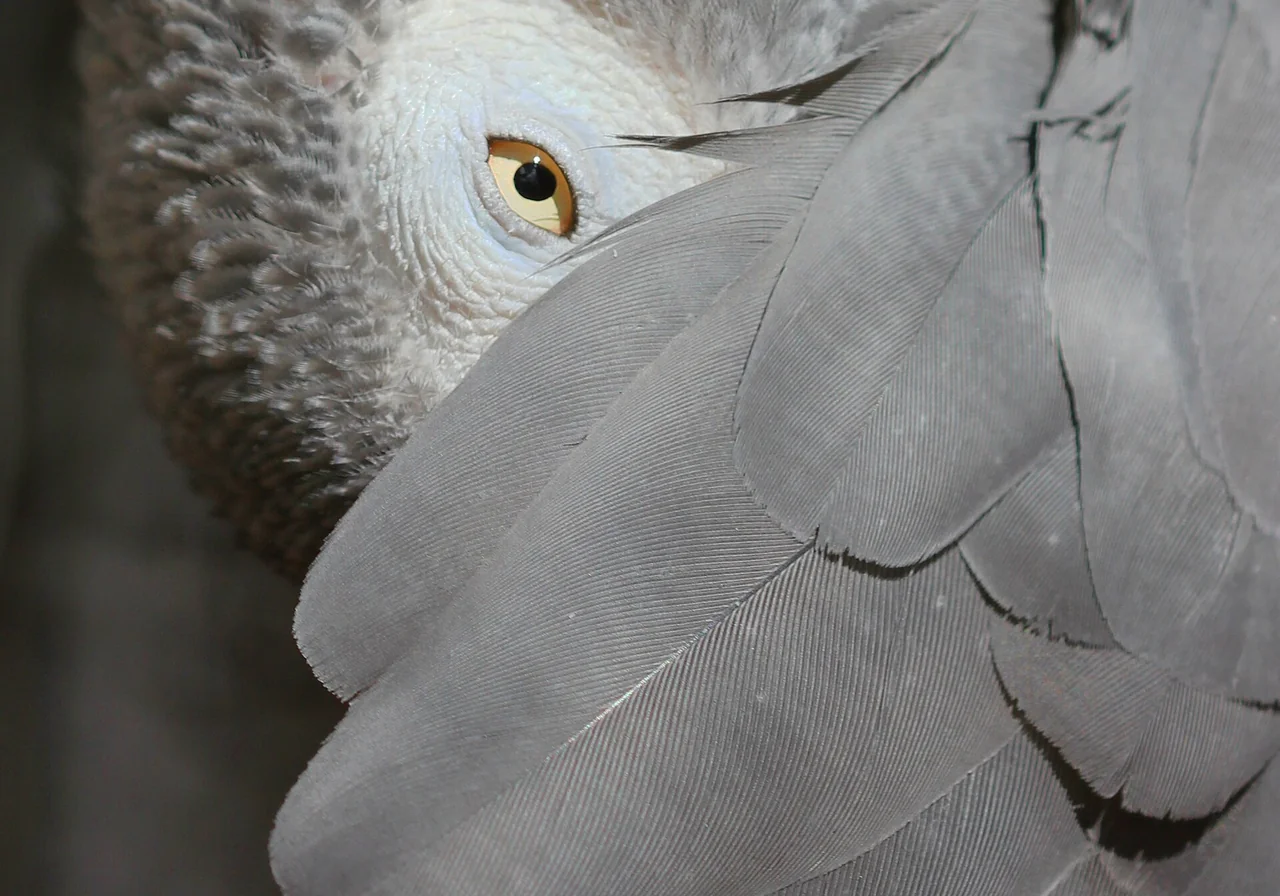
African Grey Parrot
Central & West Africa
Highly intelligent, vocal, sensitive
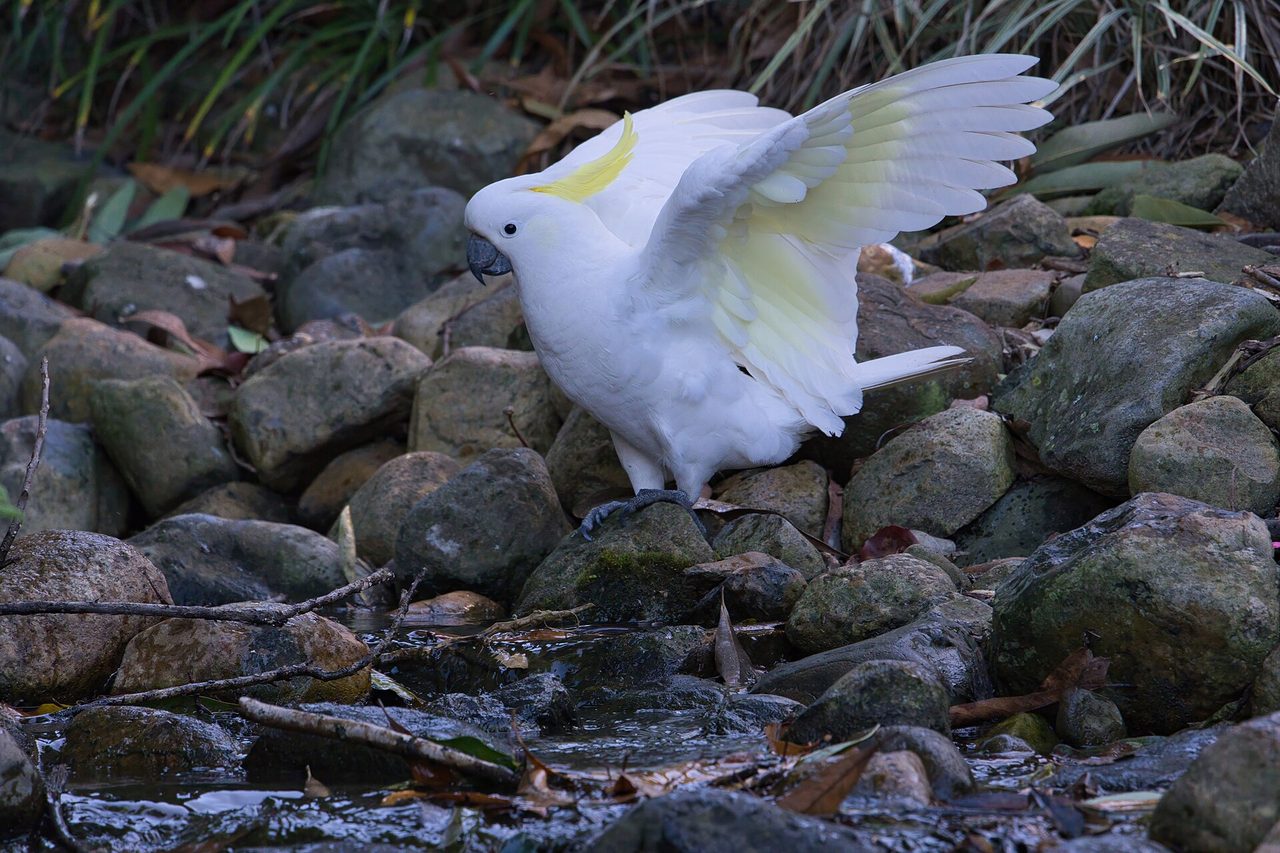
Sulphur-crested Cockatoo
Australia, New Guinea, Indonesia
Loud, crested, long-lived
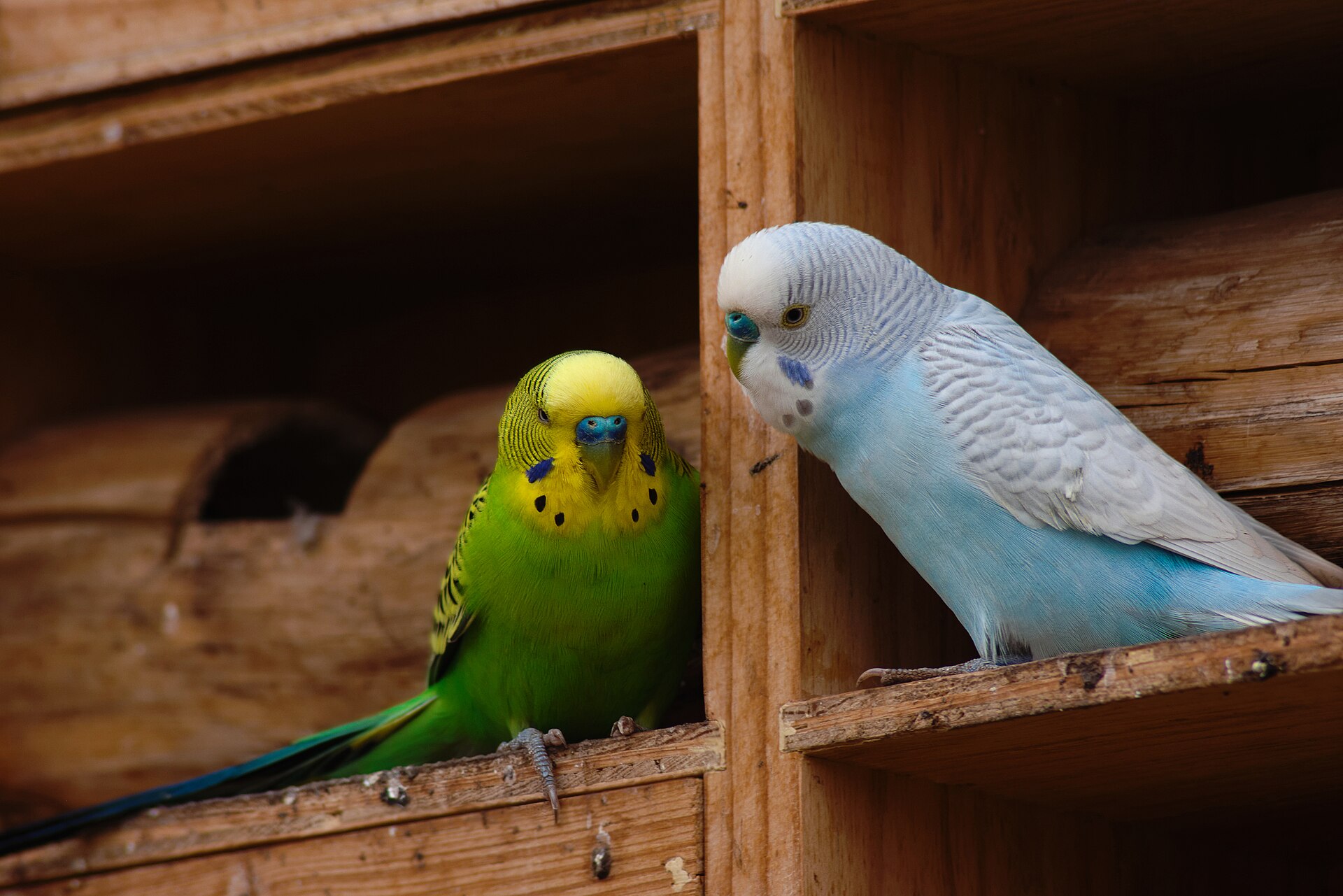
Budgerigar
Australia
Social flocking bird, active
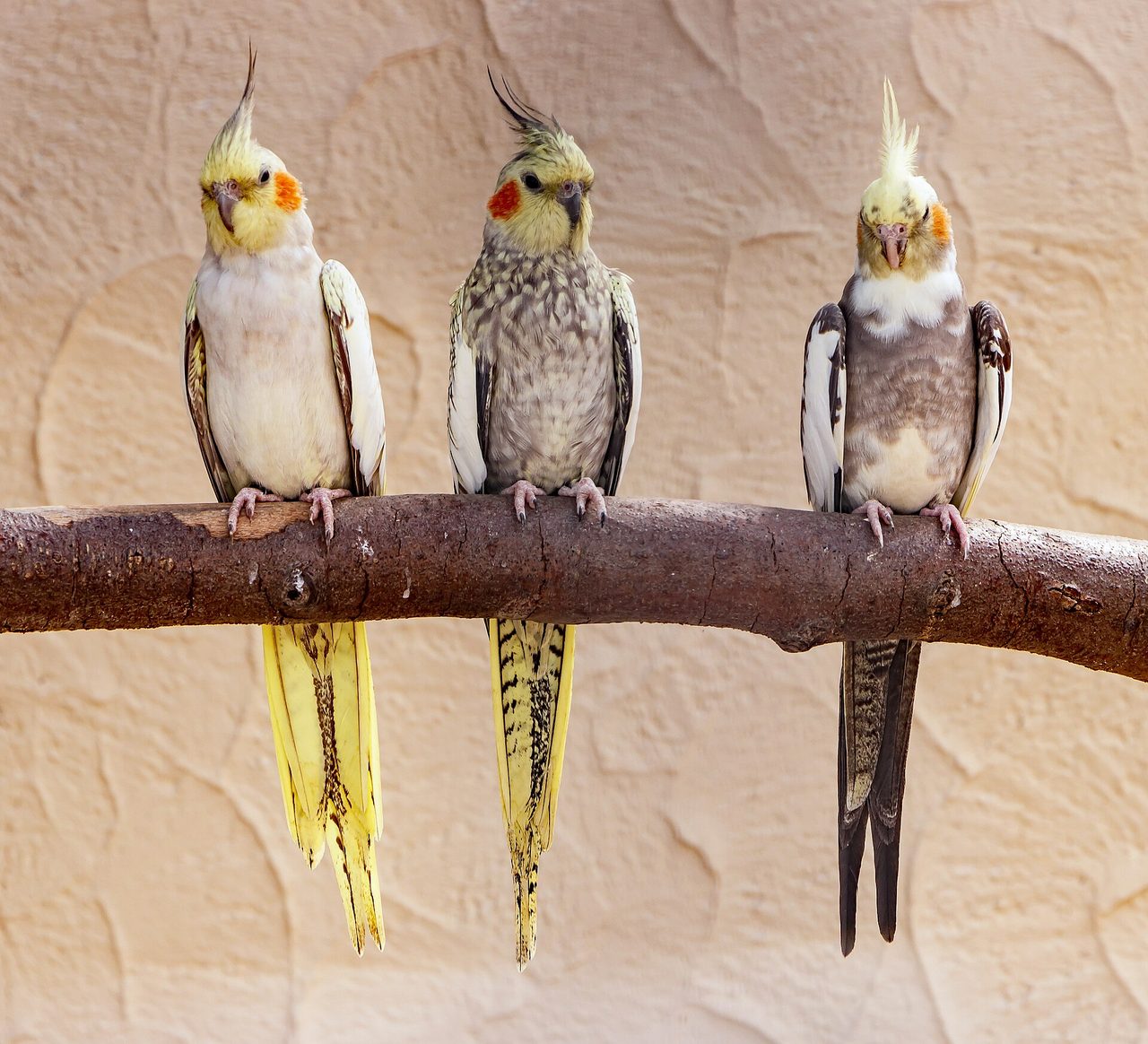
Cockatiel
Australia
Gentle, whistling, crested
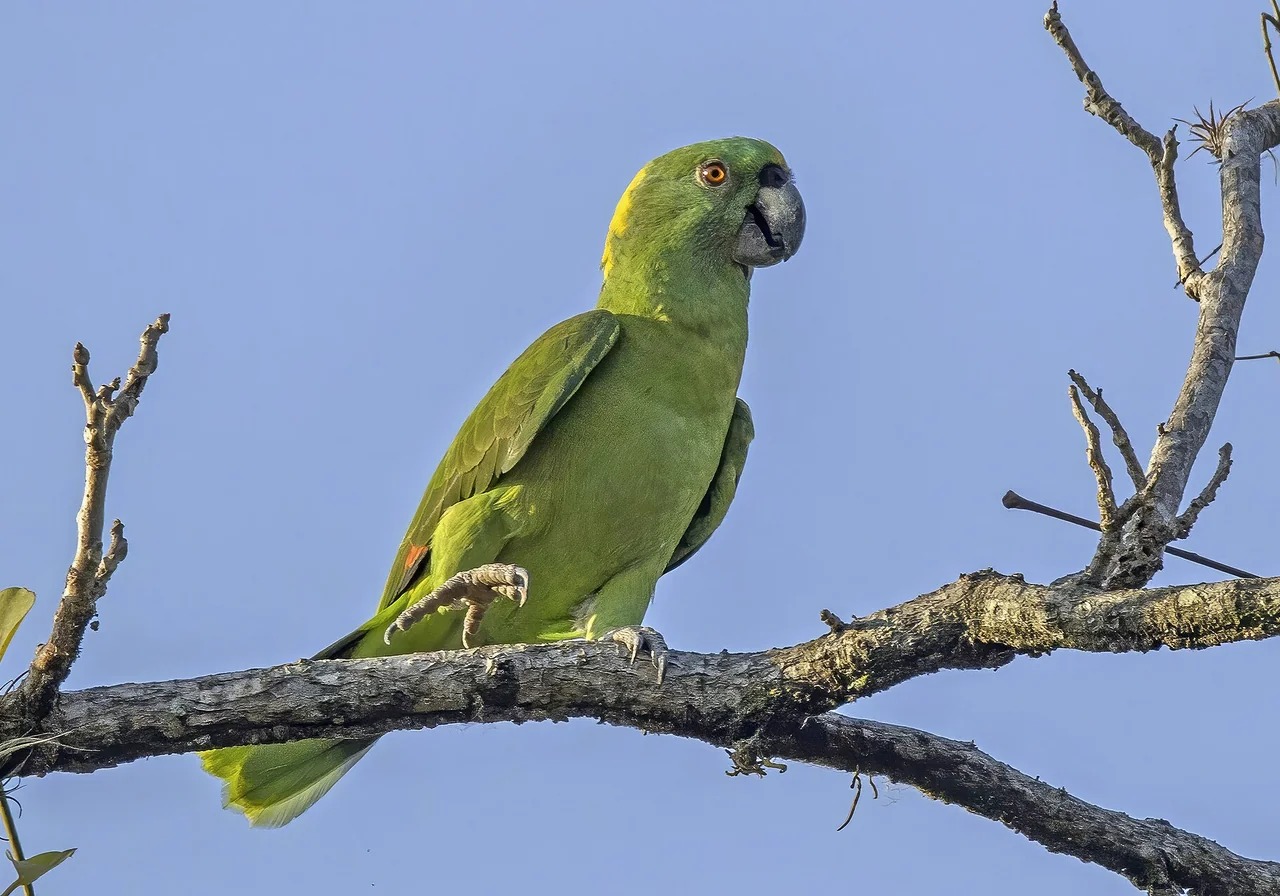
Yellow-naped Amazon
Central America
Bold talker, strong-willed
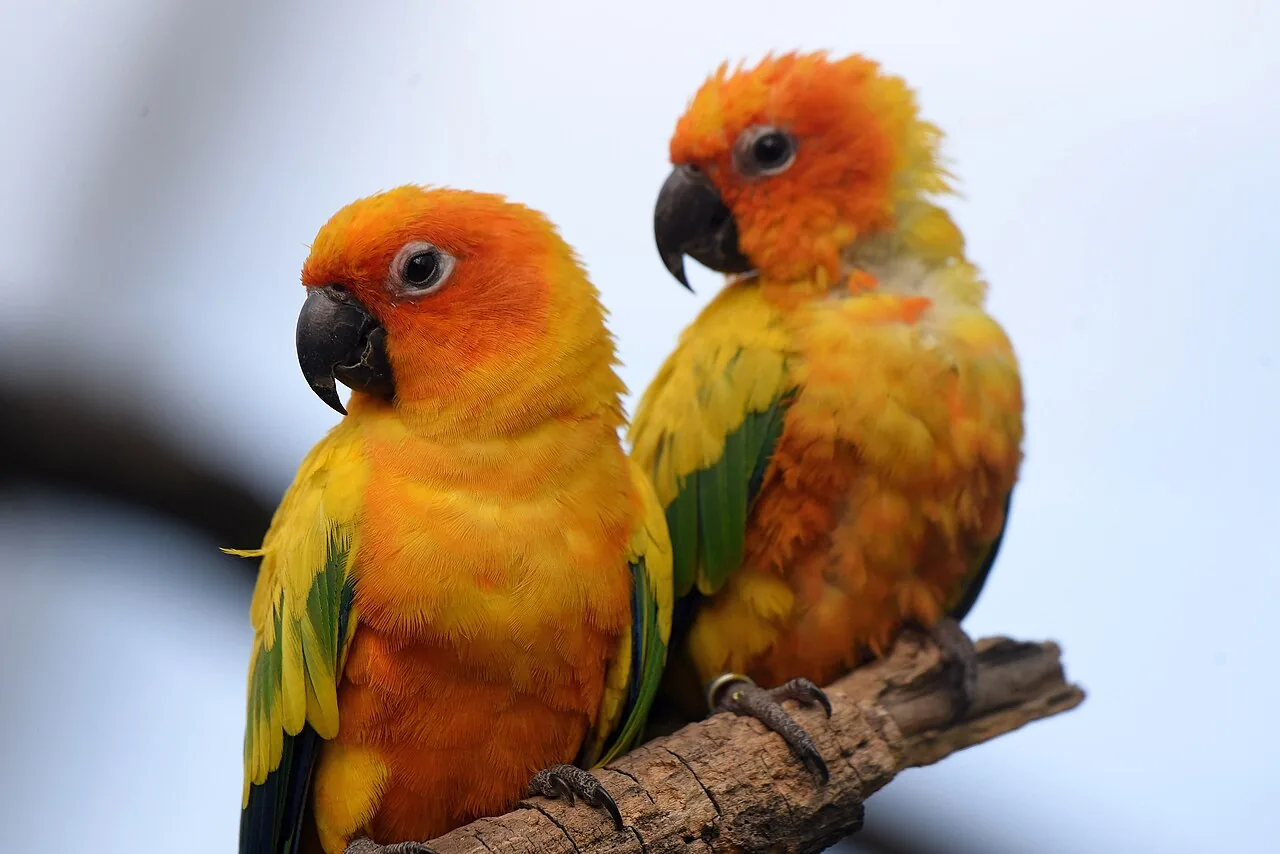
Sun Conure
North-eastern Brazil, Guyana
Colourful, noisy, social
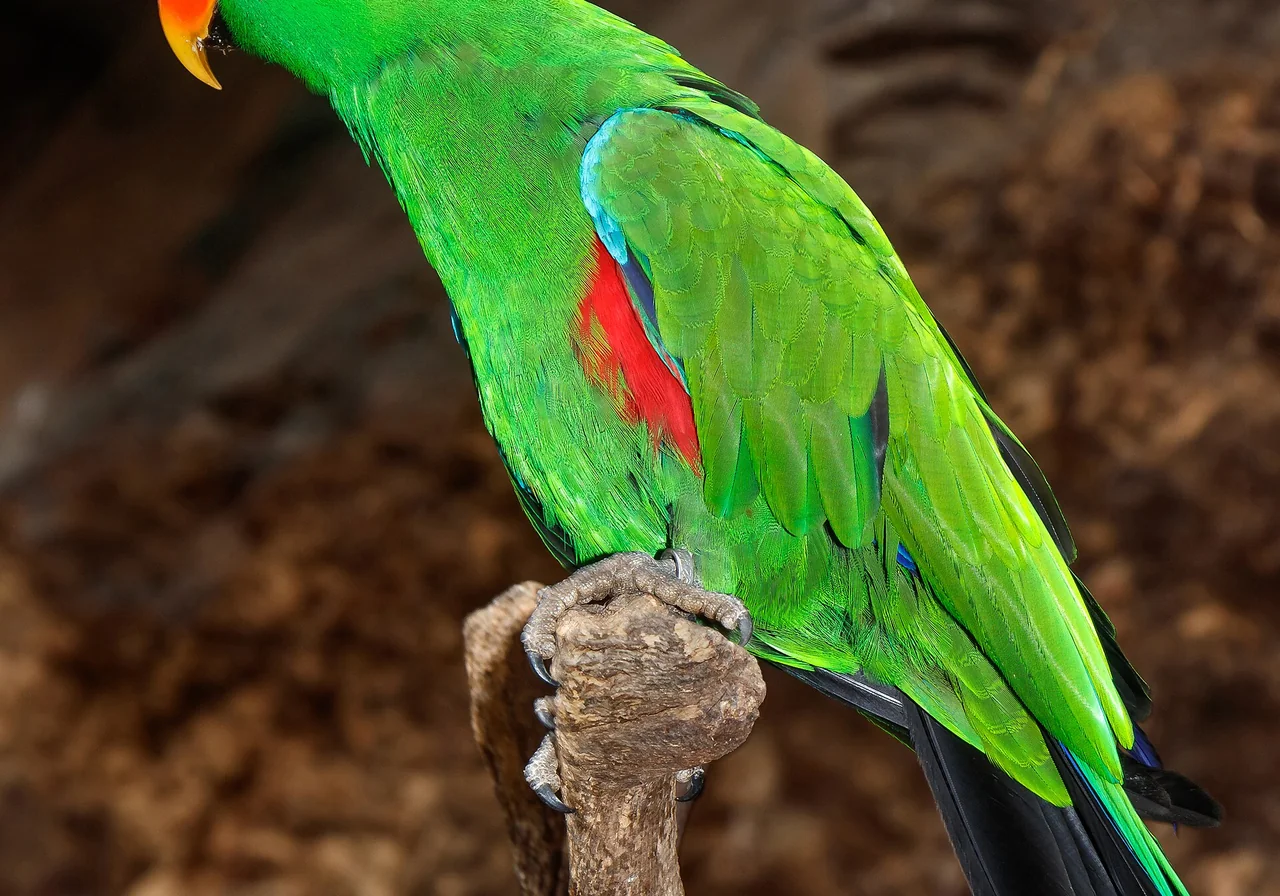
Eclectus Parrot
New Guinea, Solomon Islands, Australia
Dimorphic, calm for a large parrot
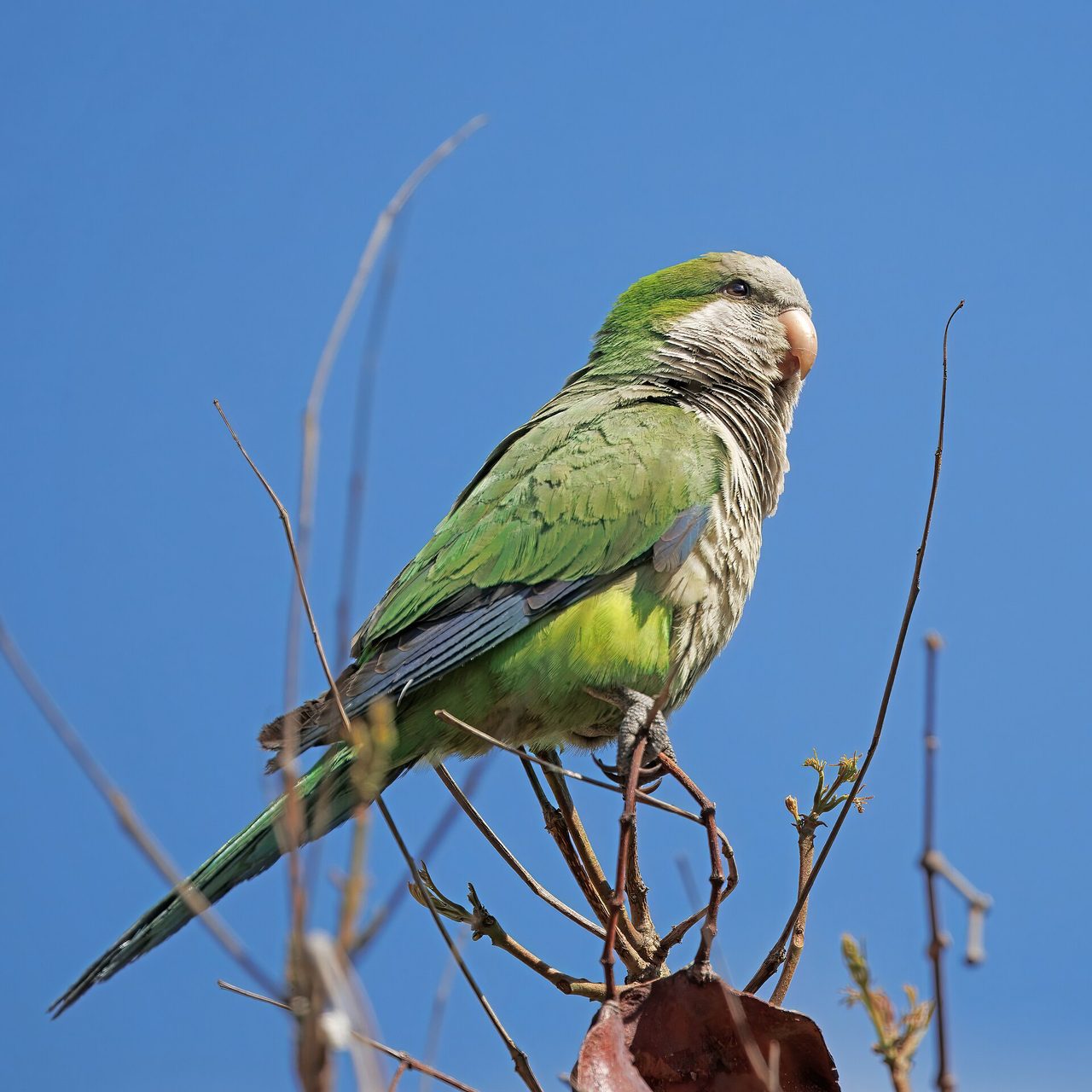
Quaker Parrot
South America (Argentina, Brazil, Uruguay)
Colony nester, bold, adaptable
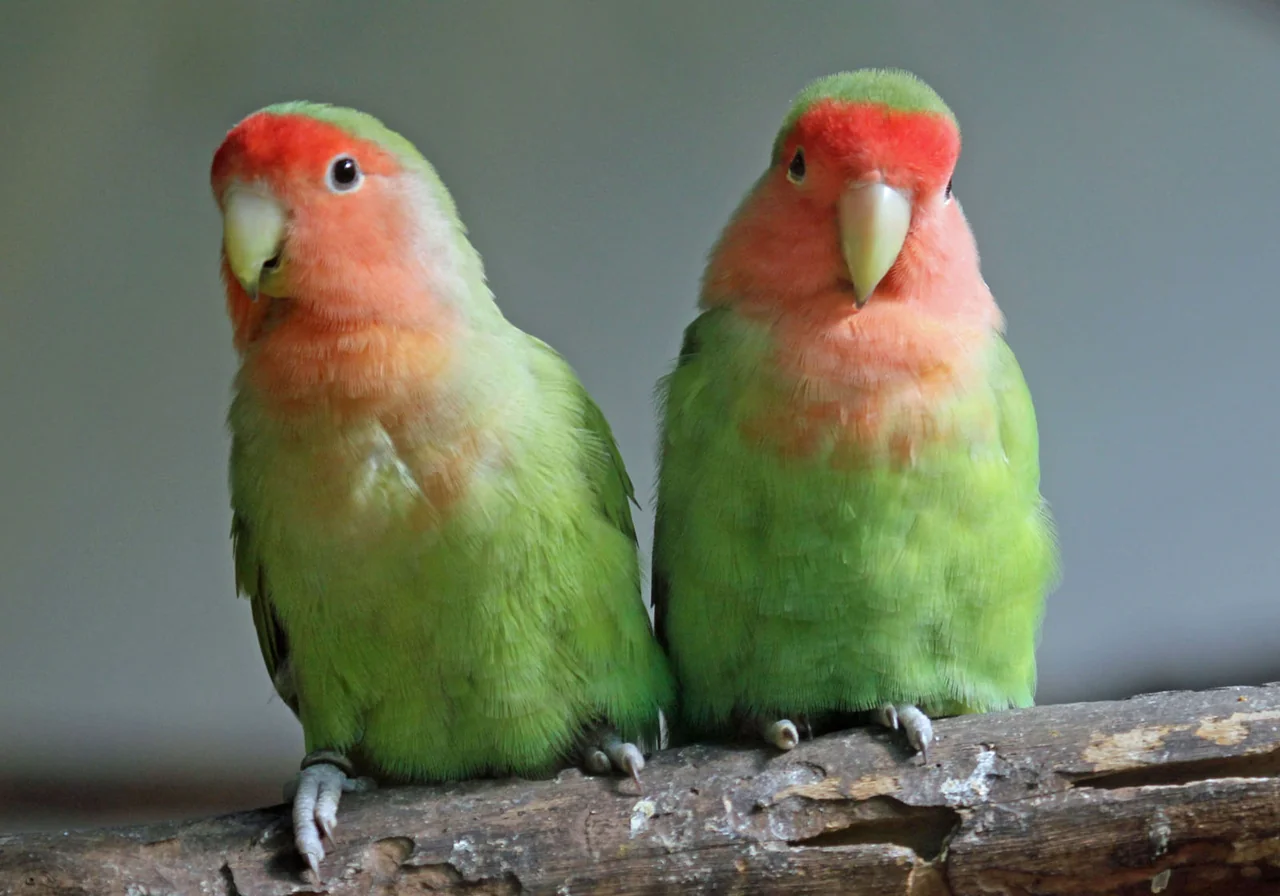
Peach-faced Lovebird
South-west Africa (Namibia, Angola)
Pair-bonded, active, nippy
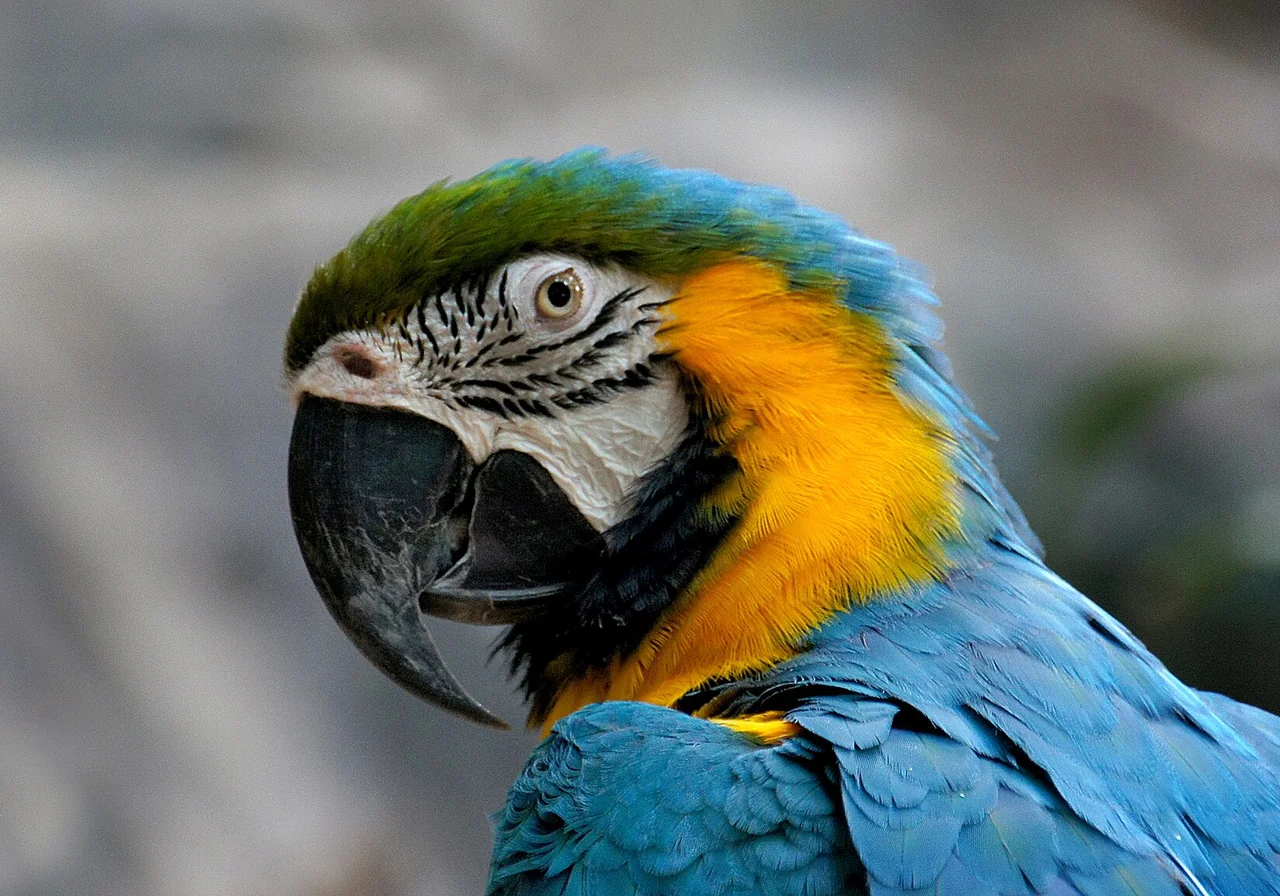
Blue-and-Gold Macaw
Panama to Brazil
Social, loud, intelligent
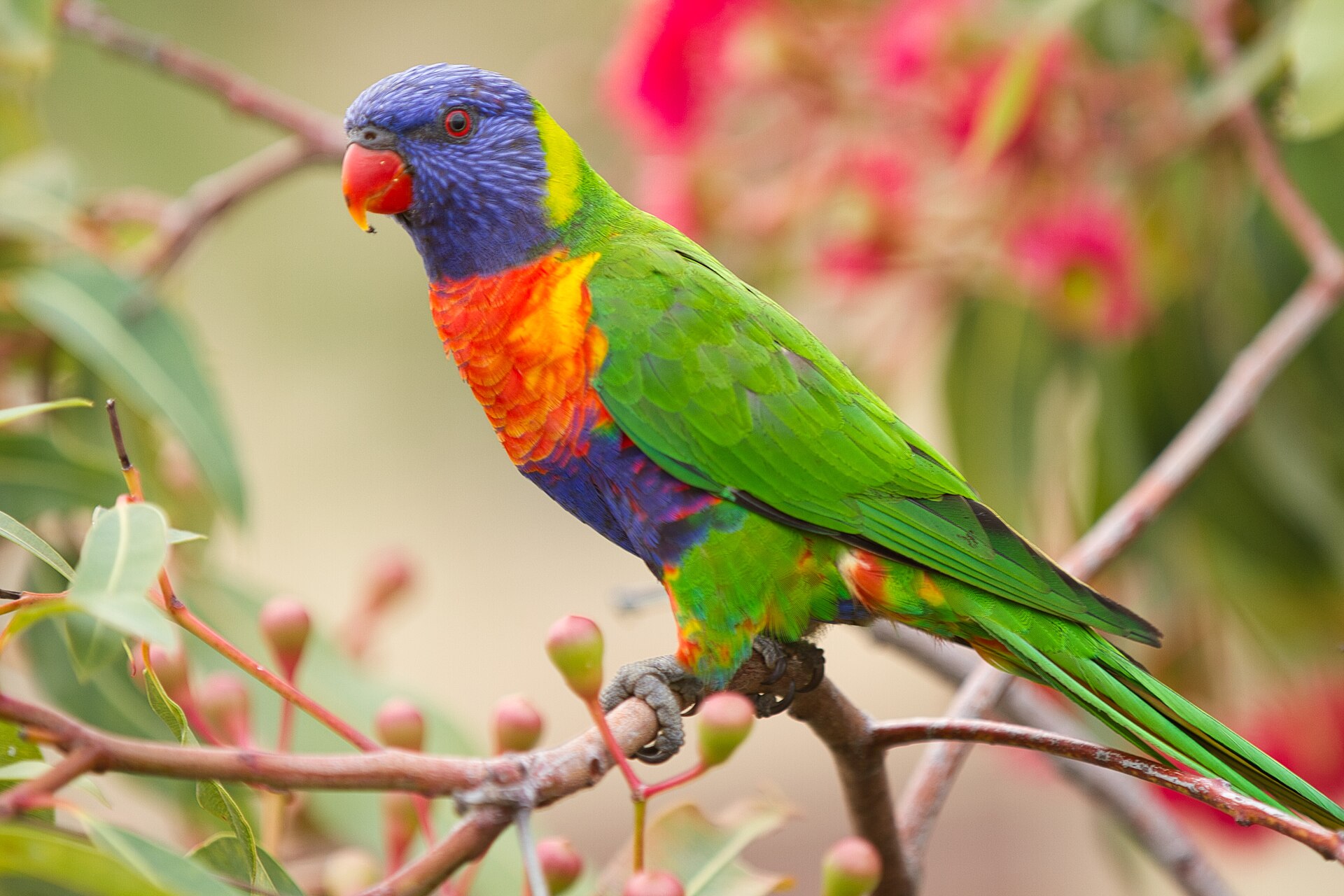
Rainbow Lorikeet
Australia, Indonesia, Papua New Guinea
Nectar-feeding, noisy, agile
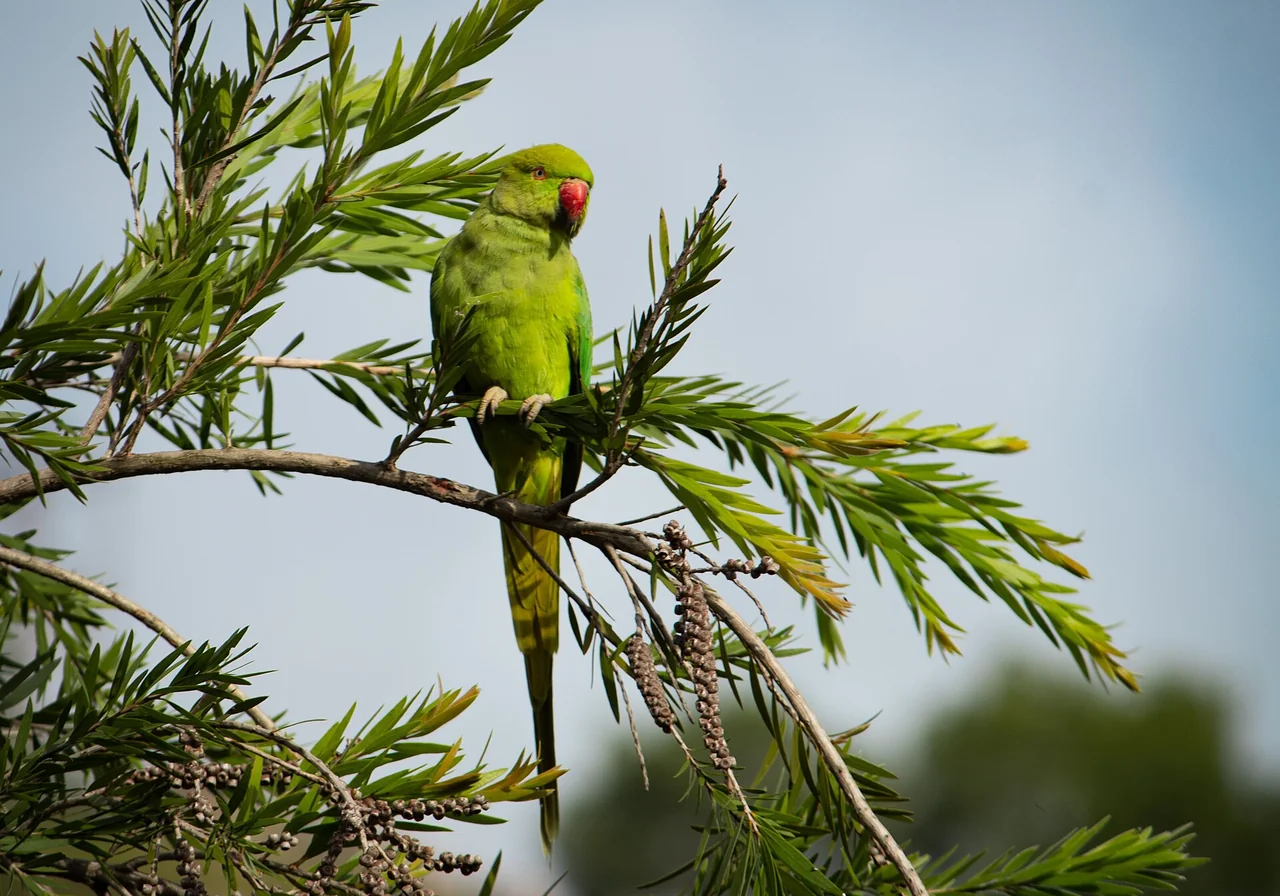
Ring-necked Parakeet
Africa, South Asia
Adaptable, hardy, vocal
What WARN Does
WARN publishes this guide for education and is developing support through assessed animal-welfare grants. A species range, source citation or photograph does not establish a recipient or funding agreement. Check /about/where-your-money-goes/#grant-register for published grant and payment records; records not yet published must not be read as zero activity. Browse /appeals/ for the purposes currently available to support.
If this guide helps you understand wildlife and the pressures it faces, a gift to WARN supports habitat protection and free public education in our partner countries.
Parrot: Frequently Asked Questions
How many parrot species are there?
Are parrots the most trafficked birds?
What is the difference between a parrot, a macaw and a cockatoo?
Can parrots talk?
How long do parrots live?
What do parrots eat?
Where do parrots live?
Are parrots dangerous?
How big is a parrot?
Sources & References
Population figures, conservation status and biological facts on this page are drawn from authoritative scientific and intergovernmental sources.
Terms used on this page
Plain-English definitions, from our wildlife and conservation glossary.
Latest Parrot Stories
Quick, fact-checked reads on the parrot — amazing facts, key questions and the threats it faces.
Species
Slow Loris: Why the Internet's Favourite Pet Is a Conservation Disaster
The slow loris looks like a cartoon character — and that has nearly destroyed the species. Here is the truth behind the viral videos.
Read the storySpecies
The Snow Leopard: Why the Ghost of the Mountains Is Still Vulnerable
The snow leopard is one of the most elusive big cats on earth, with an estimated 4,000-6,500 individuals across twelve range states — including Pakistan, where WARN is preparing to operate. This briefing explains why the species was downlisted from Endangered to Vulnerable in 2017 and why that is not the success story it sounds like.
Read the storyGuides
Sun Bear vs Moon Bear: The Two Most Trafficked Asian Bears
The sun bear and the Asiatic black bear (moon bear) are the two most commonly trafficked bears in Asia — for the pet trade, for traditional medicine and for bear-bile farming. Here is how to tell them apart.
Read the storyExplore more animals
Discover more animals, their habitats and their conservation status in the WARN wildlife-guide library.