Parrot Species · New Guinea, Solomon Islands, Australia
Eclectus Parrot
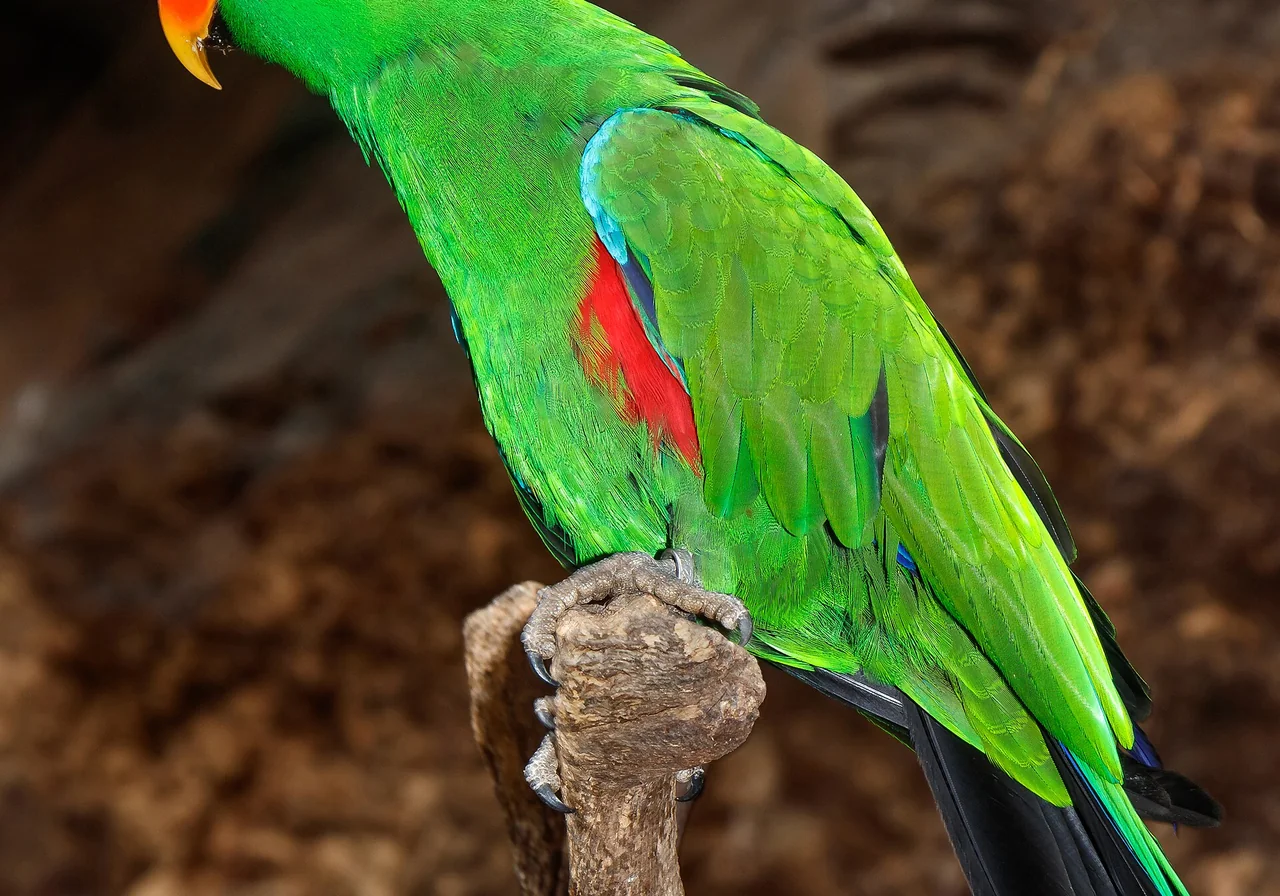
Males green, females red and blue — extreme sexual colour dimorphism among parrots.
By WARN Research & Conservation TeamLast updated
In brief
The Eclectus Parrot shows the most extreme sexual colour dimorphism among parrots — males vivid green with red and blue wing markings, females red and blue with black beak. Its defining trait is calm temperament relative to size, though wild populations across New Guinea, the Solomon Islands and northern Australia face logging and trade pressure. CITES Appendix II listing applies to all subspecies.
What are the key facts about a Eclectus Parrot?
The Eclectus Parrot is a parrot species from New Guinea, Solomon Islands, Australia: medium (450 g), dimorphic, calm for a large parrot. Males green, females red and blue — extreme sexual colour dimorphism among parrots.
| Origin | New Guinea, Solomon Islands, Australia |
|---|---|
| Size | Medium (450 g) |
| Typical weight | 430–550 g (15–19 oz); females typically slightly heavier than males |
| Lifespan | 10–80 years depending on species |
| Plumage | Males: emerald green with red underwing and blue flight feathers, candy-corn beak. Females: crimson head and body with royal blue breast and belly, black beak. Subtle subspecies variation in size and blue extent. Feathers need humidity and bathing; low-fat diet maintains sleek plumage unlike seed-heavy parrots. |
| Temperament | Dimorphic, calm for a large parrot |
| Conservation note | Suits experienced parrot keepers seeking a quieter large parrot with consistent handling. Eclectus parrots do poorly on high-fat seed diets and need fresh produce daily. Single birds bond with patient handlers; pairs require large aviaries. Wild birds need intact rainforest — support habitat protection in Indonesia and Papua New Guinea. |
Should you keep a Eclectus Parrot?
Usually no. A Eclectus Parrot is a parrot species from New Guinea, Solomon Islands, Australia, not a starter pet. Most of the birds in this library are pressured by habitat loss and the pet trade; a legal captive bird still needs decades of specialist care.
Parrots are long-lived, loud and socially demanding. A Eclectus Parrot from New Guinea, Solomon Islands, Australia is not a weekend project. If you already share a home with one, this page is about honest husbandry and why wild populations still need habitat, not about encouraging a purchase.
Never buy a wild-caught bird. If you are choosing a companion parrot at all, work with a rescue or a documented captive-bred source, budget for an avian vet, and assume the animal will outlive several house moves.
What is a Eclectus Parrot?
Males green, females red and blue — extreme sexual colour dimorphism among parrots. Origin is New Guinea, Solomon Islands, Australia; coat or markings are described as Males: emerald green with red underwing and blue flight feathers, candy-corn beak. Females: crimson head and body with royal blue breast and belly, black beak. Subtle subspecies variation in size and blue extent. Feathers need humidity and bathing; low-fat diet maintains sleek plumage unlike seed-heavy parrots..
Treat “species” here as a library label for a wild species or distinct form, not as a kennel-club product.
Where does the Eclectus Parrot come from?
Eclectus Parrots come from New Guinea, Solomon Islands, Australia. Eclectus parrots inhabit lowland and montane rainforest canopy from the Moluccas through New Guinea, the Solomon Islands and Cape York Peninsula, Australia.
Females nest in deep tree hollows and are fed by multiple males — unusual cooperative breeding among parrots. Early European naturalists initially classified males and females as separate species because of extreme dimorphism. Logging and land conversion threaten subspecies across Indonesia and Malaysia — WARN partner regions — while trapping for the pet trade persists despite CITES Appendix II controls. Captive breeding is well established, producing birds adapted to low-fat, produce-rich diets unlike many parrot species. Eclectus parrots were long considered calm relative to Amazons and macaws, though individual variation and hormonal seasons still demand experienced handling.
What does a Eclectus Parrot actually need?
A wild Eclectus Parrot needs the habitat and social system of New Guinea, Solomon Islands, Australia, not a spare room. Size (Medium (450 g)) and a dimorphic, calm for a large parrot life history are why private keeping fails.
In the wild that means connected habitat, a diet the species evolved with, and distance from the pet and selfie trades. Captive “care sheets” for wild parrots are how trafficking gets laundered as husbandry.
If you already work in accredited rescue, follow specialist protocols and licensing. Everyone else: do not acquire a Eclectus Parrot. Support habitat and anti-trafficking work instead.
What surprises people about the Eclectus Parrot?
A few details about the breed, alongside the practical care information in this guide.
- Male and female eclectus parrots were once thought to be different species because of extreme colour difference.
- Females may be fed by up to five males during breeding — rare cooperative polyandry in parrots.
- Eclectus parrots produce a distinctive honey-like scent from specialised feathers.
- Subspecies vary from the large Vosmaeri eclectus to smaller Solomon Island forms.
What health issues should you know about in a Eclectus Parrot?
Health concerns to discuss with your vet, including changes to watch for and everyday care. This is general guidance, not veterinary advice — always speak to your vet.
Nutritional deficiencies
Eclectus parrots are sensitive to synthetic vitamins and high-fat diets, developing feather discolouration, toe-tapping and liver disease on inappropriate food.
Care: Feed species-appropriate pellets and fresh produce. Avoid fortified seed mixes designed for other parrots.
Feather destructive behaviour
Plucking and chewing develop from diet imbalance, boredom or stress. Eclectus feather colour changes may indicate nutritional problems before bald patches appear.
Care: Review diet with an avian vet experienced in eclectus care. Increase foraging enrichment and rule out pain.
Calcium imbalance
Reproductive females and birds on poor diets develop hypocalcaemia, causing tremors, seizures and egg-binding.
Care: Ensure dietary calcium from leafy greens and appropriate supplementation under avian vet guidance.
Who should skip a Eclectus Parrot?
Skip a Eclectus Parrot if you are anyone hoping to keep a Eclectus Parrot as a pet or photo prop. This New Guinea, Solomon Islands, Australia parrot is medium (450 g) and dimorphic, calm for a large parrot — the mismatch is usually lifestyle, not a missing accessory.
This page is allowed to say no. Skip if you are anyone hoping to keep a Eclectus Parrot as a pet or photo prop. Skip if you are anyone who will pay for a wild-caught or roadside animal. Skip if you are tourists looking for handling or selfies.
A different parrot species on this site may fit. Wanting “a Eclectus Parrot” after a film or a colour photo is not a reason to ignore the skip list.
What are the hidden catches with a Eclectus Parrot?
The hidden cost of a Eclectus Parrot is usually not the purchase price. It is years of care, the health list on this page, and the mismatch between a dimorphic, calm for a large parrot animal and a busy home.
The pet-trade catch
Cute infant Eclectus Parrots in ads were usually taken from wild families. The adult you cannot house is then dumped, euthanised, or passed on. Do not create that demand.
The tourism catch
Paying to hold, ride, or selfie with a Eclectus Parrot funds the next capture or a stressed ambassador animal. Distance and accredited viewing are the ethical default.
The nutritional deficiencies catch
Eclectus parrots are sensitive to synthetic vitamins and high-fat diets, developing feather discolouration, toe-tapping and liver disease on inappropriate food. Feed species-appropriate pellets and fresh produce. Avoid fortified seed mixes designed for other parrots.
The feather destructive behaviour catch
Plucking and chewing develop from diet imbalance, boredom or stress. Eclectus feather colour changes may indicate nutritional problems before bald patches appear. Review diet with an avian vet experienced in eclectus care. Increase foraging enrichment and rule out pain.
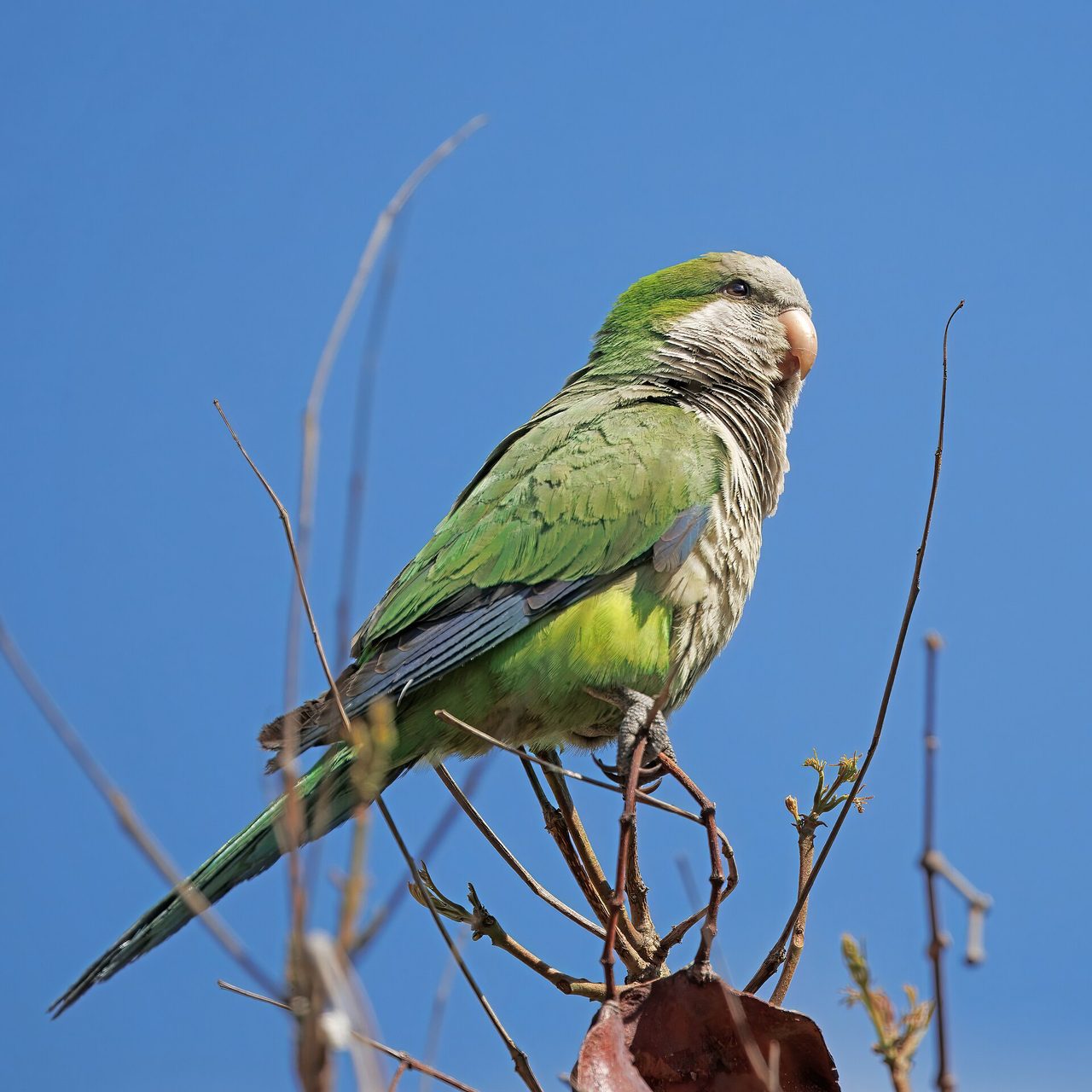
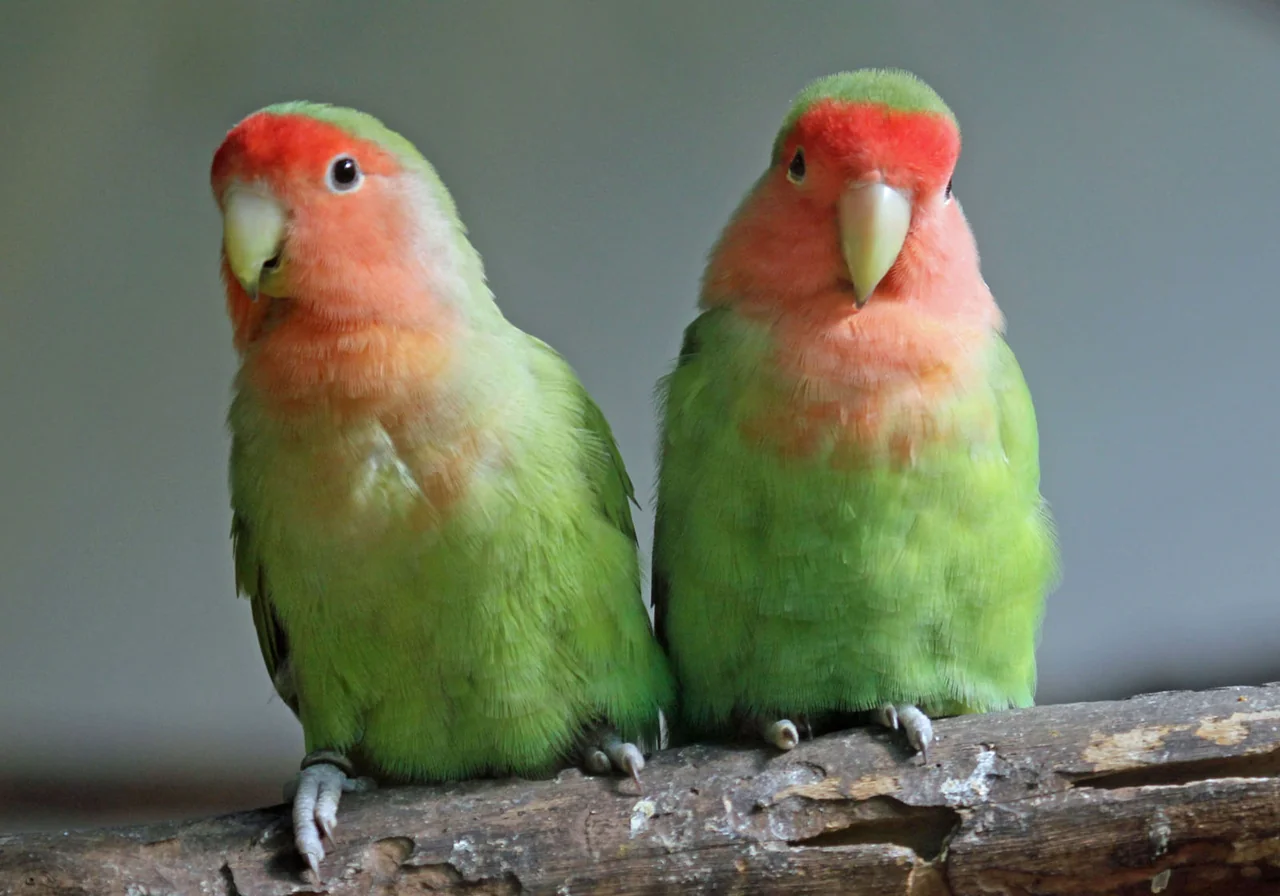
How does a Eclectus Parrot compare with Quaker Parrot and Peach-faced Lovebird?
A Eclectus Parrot is not interchangeable with Quaker Parrot and Peach-faced Lovebird. Compare origin, size, lifespan and temperament before you choose — those four lines prevent most regret.
| Parrot fact | Eclectus Parrot | Quaker Parrot | Peach-faced Lovebird |
|---|---|---|---|
| Origin | New Guinea, Solomon Islands, Australia | South America (Argentina, Brazil, Uruguay) | South-west Africa (Namibia, Angola) |
| Size | Medium (450 g) | Medium (100 g) | Very small (50 g) |
| Lifespan | 10–80 years depending on species | 10–80 years depending on species | 10–80 years depending on species |
| Temperament | Dimorphic, calm for a large parrot | Colony nester, bold, adaptable | Pair-bonded, active, nippy |
What is the verdict on the Eclectus Parrot?
A Eclectus Parrot is a wild parrot to understand and protect, not a pet to acquire. If you came here to buy one, the verdict is no. If you came here to learn, use the species guide next.
Help looks like habitat, enforcement and refusing the trade — not a cage in a spare room. WARN is a CIC, not a charity; donate only if you want to fund partner work in our network countries, and do not expect Gift Aid.
Parrots belong in the forest
Every parrot species in this guide is threatened by habitat loss or the illegal pet trade. A gift to WARN helps fund parrot rescue, anti-trafficking work and customs training in Brazil and Colombia.