Parrot Species · Australia, Indonesia, Papua New Guinea
Rainbow Lorikeet
Brush-tongued parrot of flowering trees — pollinator and aviculture favourite.
By WARN Research & Conservation TeamLast updated
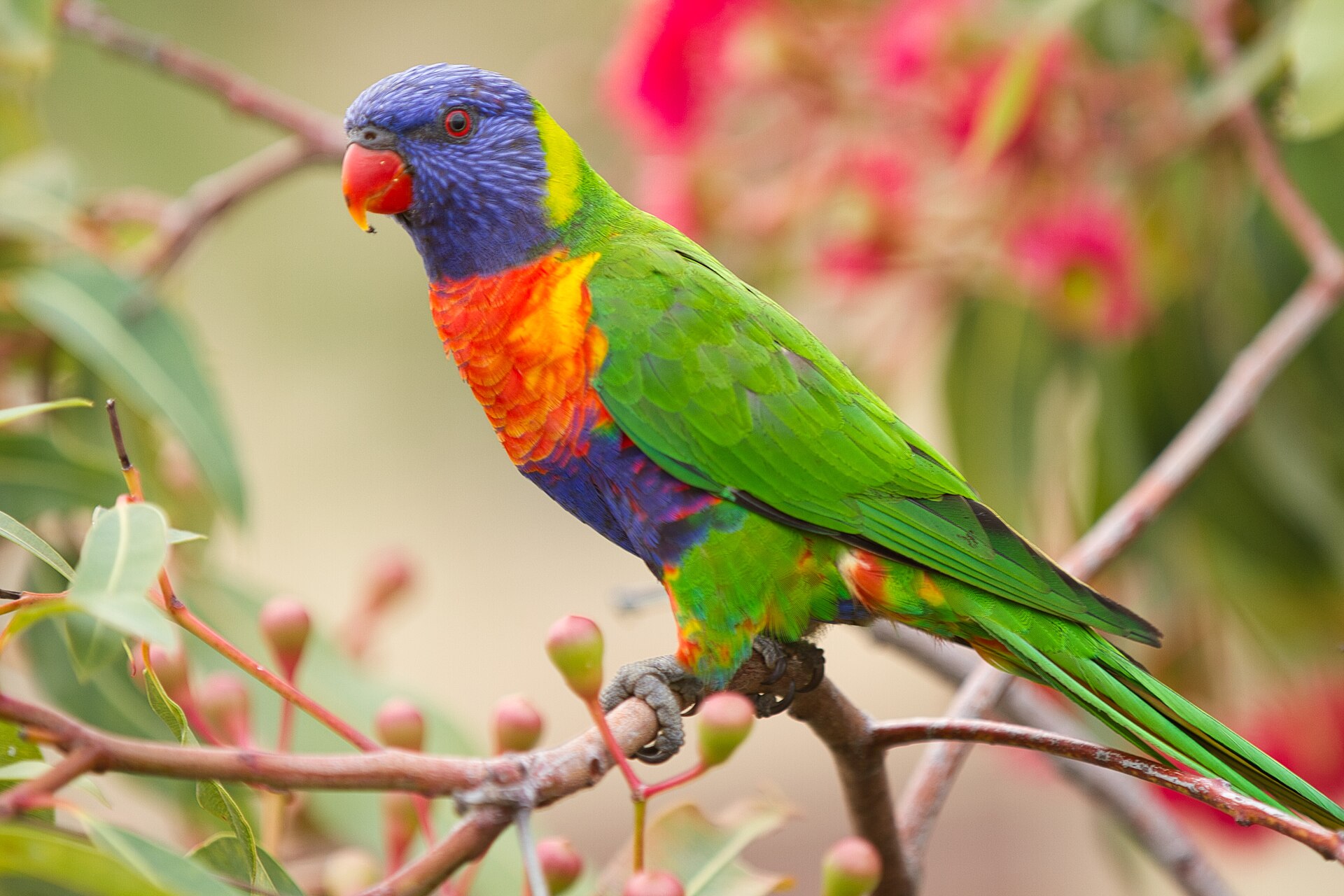
Photo: Andrew Mercer / Wikimedia Commons (CC BY-SA 4.0)
In brief
The Rainbow Lorikeet is a medium nectar-feeding parrot with a brush-tipped tongue specialised for pollen and blossom — blue head, green wings, orange breast and red beak. Its defining trait is agile flocking behaviour around flowering trees across eastern Australia, Indonesia and Papua New Guinea. Feral populations from escaped aviary birds exist in Perth and elsewhere.
What are the key facts about a Rainbow Lorikeet?
The Rainbow Lorikeet is a parrot species from Australia, Indonesia, Papua New Guinea: medium (130 g), nectar-feeding, noisy, agile. Brush-tongued parrot of flowering trees — pollinator and aviculture favourite.
| Origin | Australia, Indonesia, Papua New Guinea |
|---|---|
| Size | Medium (130 g) |
| Typical weight | 120–150 g (4.2–5.3 oz); slim build adapted for acrobatic feeding in blossom |
| Lifespan | 15–25 years (lorikeet); 25–35 years (ring-necked parakeet) |
| Plumage | Blue head and belly, green wings and back, orange-red breast with yellow highlights; red beak and orange-red eyes. Feathers stain easily from nectar diet — expect discolouration around the face. Lorikeets produce liquid droppings from nectar feeding, requiring washable cage surfaces. |
| Temperament | Nectar-feeding, noisy, agile |
| Conservation note | Suits specialist keepers who understand liquid nectar diets and daily cage cleaning — lorikeets are not seed parrots. They need large cages, daily out-of-cage time and compatible lorikeet companions. Messy housing makes them poor fits for immaculate homes without dedicated cleaning routines. |
Should you keep a Rainbow Lorikeet?
Usually no. A Rainbow Lorikeet is a parrot species from Australia, Indonesia, Papua New Guinea, not a starter pet. Most of the birds in this library are pressured by habitat loss and the pet trade; a legal captive bird still needs decades of specialist care.
Parrots are long-lived, loud and socially demanding. A Rainbow Lorikeet from Australia, Indonesia, Papua New Guinea is not a weekend project. If you already share a home with one, this page is about honest husbandry and why wild populations still need habitat, not about encouraging a purchase.
Never buy a wild-caught bird. If you are choosing a companion parrot at all, work with a rescue or a documented captive-bred source, budget for an avian vet, and assume the animal will outlive several house moves.
What is a Rainbow Lorikeet?
Brush-tongued parrot of flowering trees — pollinator and aviculture favourite. Origin is Australia, Indonesia, Papua New Guinea; coat or markings are described as Blue head and belly, green wings and back, orange-red breast with yellow highlights; red beak and orange-red eyes. Feathers stain easily from nectar diet — expect discolouration around the face. Lorikeets produce liquid droppings from nectar feeding, requiring washable cage surfaces..
Treat “species” here as a library label for a wild species or distinct form, not as a kennel-club product.
Where does the Rainbow Lorikeet come from?
Rainbow Lorikeets come from Australia, Indonesia, Papua New Guinea. Rainbow lorikeets feed on nectar, pollen and soft fruit using brush-tipped tongues — an adaptation shared with lories across Australasia.
They swarm blossoming eucalyptus, melaleuca and grevillea trees in coastal eastern Australia and occur across Wallacea into Indonesia and Papua New Guinea. Feral populations established in Perth, Auckland and Hong Kong from escaped aviary birds compete with native nectarivores. Lorikeets play a pollinator role in native ecosystems, transferring pollen between flowering trees while feeding. Captive lorikeets require commercial nectar substitutes or carefully formulated wet diets — seed causes malnutrition and shortened lifespan. CITES Appendix II listing applies. Wild lorikeet paralysis syndrome affects eastern Australian populations periodically; cause remains under investigation.
What does a Rainbow Lorikeet actually need?
A wild Rainbow Lorikeet needs the habitat and social system of Australia, Indonesia, Papua New Guinea, not a spare room. Size (Medium (130 g)) and a nectar-feeding, noisy, agile life history are why private keeping fails.
In the wild that means connected habitat, a diet the species evolved with, and distance from the pet and selfie trades. Captive “care sheets” for wild parrots are how trafficking gets laundered as husbandry.
If you already work in accredited rescue, follow specialist protocols and licensing. Everyone else: do not acquire a Rainbow Lorikeet. Support habitat and anti-trafficking work instead.
What surprises people about the Rainbow Lorikeet?
A few details about the breed, alongside the practical care information in this guide.
- Rainbow lorikeets have brush-tipped tongues adapted for lapping nectar and pollen from blossoms.
- They hang upside down to feed — acrobatic climbers among the most agile parrots.
- Feral Perth populations derive from escaped aviary birds in the 1960s.
- Lorikeets produce loud, continuous chatter audible in urban parks across eastern Australia.
What health issues should you know about in a Rainbow Lorikeet?
Health concerns to discuss with your vet, including changes to watch for and everyday care. This is general guidance, not veterinary advice — always speak to your vet.
Nutritional deficiencies on seed-only diet
Lorikeets fed seed develop liver disease, poor feather quality and immunosuppression. The condition is common in misinformed pet keeping.
Care: Transition to commercial lorikeet nectar and wet mix immediately. Your avian vet should monitor liver enzymes.
Lorikeet paralysis syndrome (wild)
A seasonal condition affecting wild lorikeets in eastern Australia causes paralysis and death. Cause remains under research; not typically seen in captive birds on proper diet.
Care: Report wild sick lorikeets to wildlife authorities. Captive birds on correct diet are not at equivalent risk.
Respiratory infections
Bacterial and fungal respiratory disease develops in poorly ventilated, humid lorikeet housing with accumulated food debris.
Care: Clean feeding areas daily, maintain ventilation and seek avian vet care for sneezing or tail bobbing.
Who should skip a Rainbow Lorikeet?
Skip a Rainbow Lorikeet if you are anyone hoping to keep a Rainbow Lorikeet as a pet or photo prop. This Australia, Indonesia, Papua New Guinea parrot is medium (130 g) and nectar-feeding, noisy, agile — the mismatch is usually lifestyle, not a missing accessory.
This page is allowed to say no. Skip if you are anyone hoping to keep a Rainbow Lorikeet as a pet or photo prop. Skip if you are anyone who will pay for a wild-caught or roadside animal. Skip if you are tourists looking for handling or selfies.
A different parrot species on this site may fit. Wanting “a Rainbow Lorikeet” after a film or a colour photo is not a reason to ignore the skip list.
What are the hidden catches with a Rainbow Lorikeet?
The hidden cost of a Rainbow Lorikeet is usually not the purchase price. It is years of care, the health list on this page, and the mismatch between a nectar-feeding, noisy, agile animal and a busy home.
The pet-trade catch
Cute infant Rainbow Lorikeets in ads were usually taken from wild families. The adult you cannot house is then dumped, euthanised, or passed on. Do not create that demand.
The tourism catch
Paying to hold, ride, or selfie with a Rainbow Lorikeet funds the next capture or a stressed ambassador animal. Distance and accredited viewing are the ethical default.
The nutritional deficiencies on seed-only diet catch
Lorikeets fed seed develop liver disease, poor feather quality and immunosuppression. The condition is common in misinformed pet keeping. Transition to commercial lorikeet nectar and wet mix immediately. Your avian vet should monitor liver enzymes.
The lorikeet paralysis syndrome (wild) catch
A seasonal condition affecting wild lorikeets in eastern Australia causes paralysis and death. Cause remains under research; not typically seen in captive birds on proper diet. Report wild sick lorikeets to wildlife authorities. Captive birds on correct diet are not at equivalent risk.
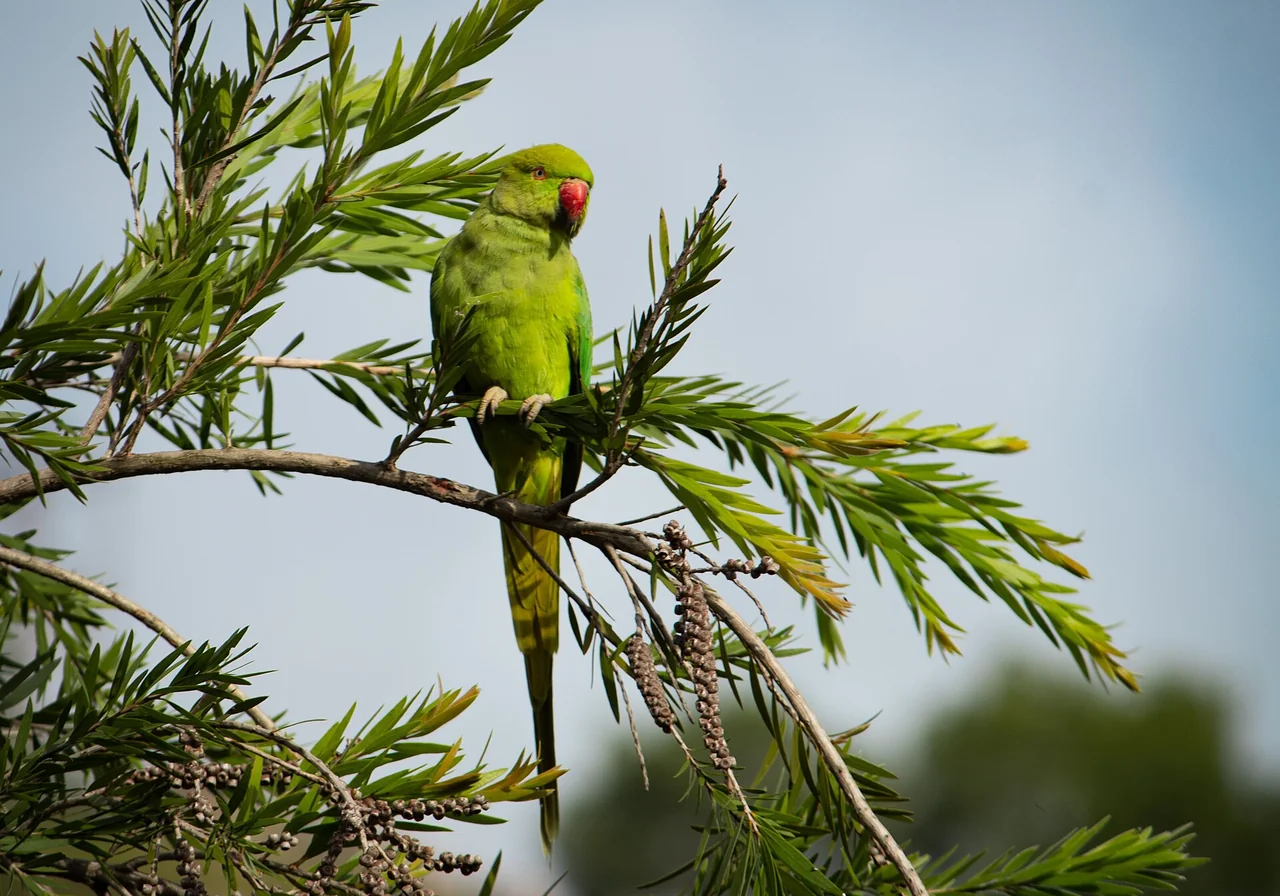
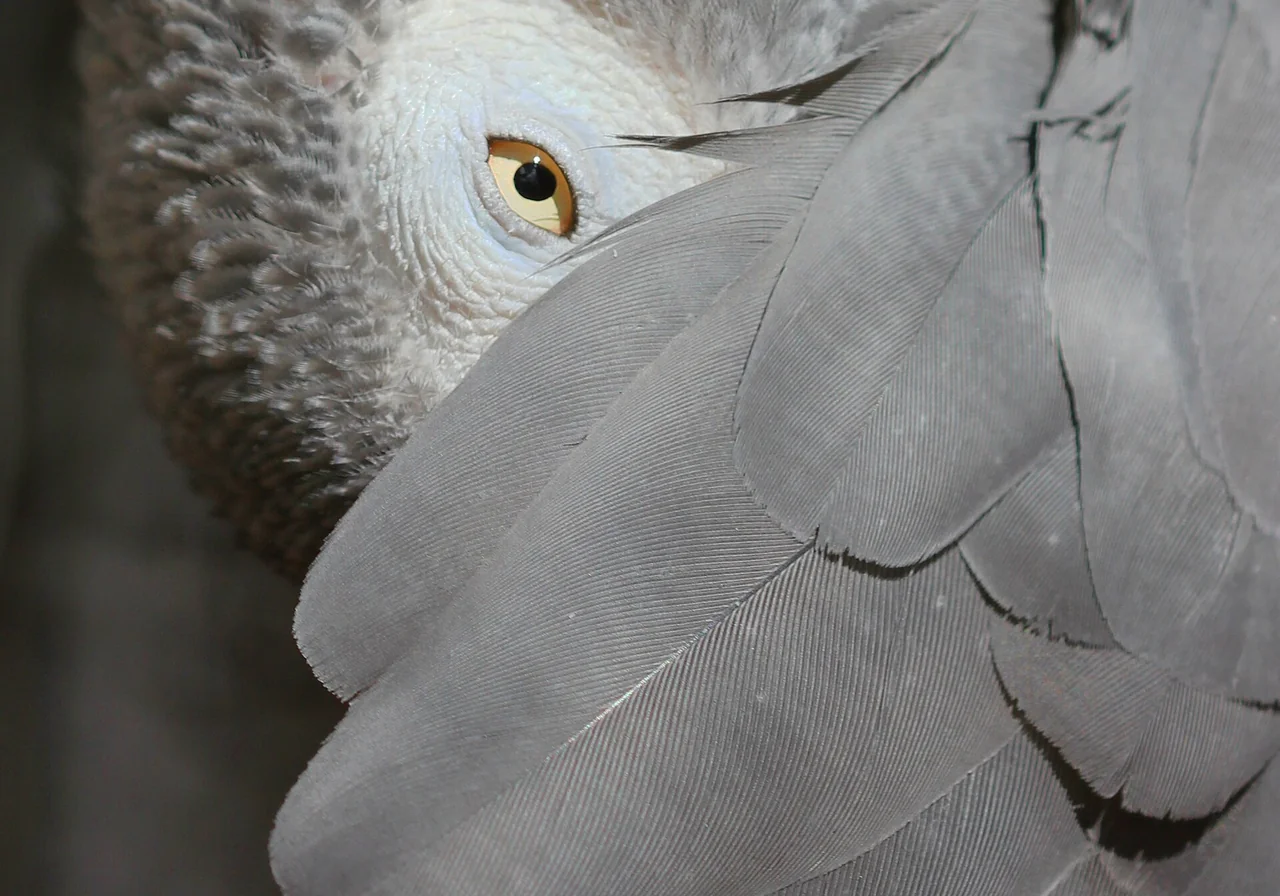
How does a Rainbow Lorikeet compare with Ring-necked Parakeet and African Grey Parrot?
A Rainbow Lorikeet is not interchangeable with Ring-necked Parakeet and African Grey Parrot. Compare origin, size, lifespan and temperament before you choose — those four lines prevent most regret.
| Parrot fact | Rainbow Lorikeet | Ring-necked Parakeet | African Grey Parrot |
|---|---|---|---|
| Origin | Australia, Indonesia, Papua New Guinea | Africa, South Asia | Central & West Africa |
| Size | Medium (130 g) | Medium (120 g) | Medium (400 g) |
| Lifespan | 15–25 years (lorikeet); 25–35 years (ring-necked parakeet) | 15–25 years (lorikeet); 25–35 years (ring-necked parakeet) | 10–80 years depending on species |
| Temperament | Nectar-feeding, noisy, agile | Adaptable, hardy, vocal | Highly intelligent, vocal, sensitive |
What is the verdict on the Rainbow Lorikeet?
A Rainbow Lorikeet is a wild parrot to understand and protect, not a pet to acquire. If you came here to buy one, the verdict is no. If you came here to learn, use the species guide next.
Help looks like habitat, enforcement and refusing the trade — not a cage in a spare room. WARN is a CIC, not a charity; donate only if you want to fund partner work in our network countries, and do not expect Gift Aid.
Parrots belong in the forest
Every parrot species in this guide is threatened by habitat loss or the illegal pet trade. A gift to WARN helps fund parrot rescue, anti-trafficking work and customs training in Brazil and Colombia.