Parrot Species · Australia, New Guinea, Indonesia
Sulphur-crested Cockatoo
White parrot with a yellow crest — iconic but demanding companion bird.
By WARN Research & Conservation TeamLast updated
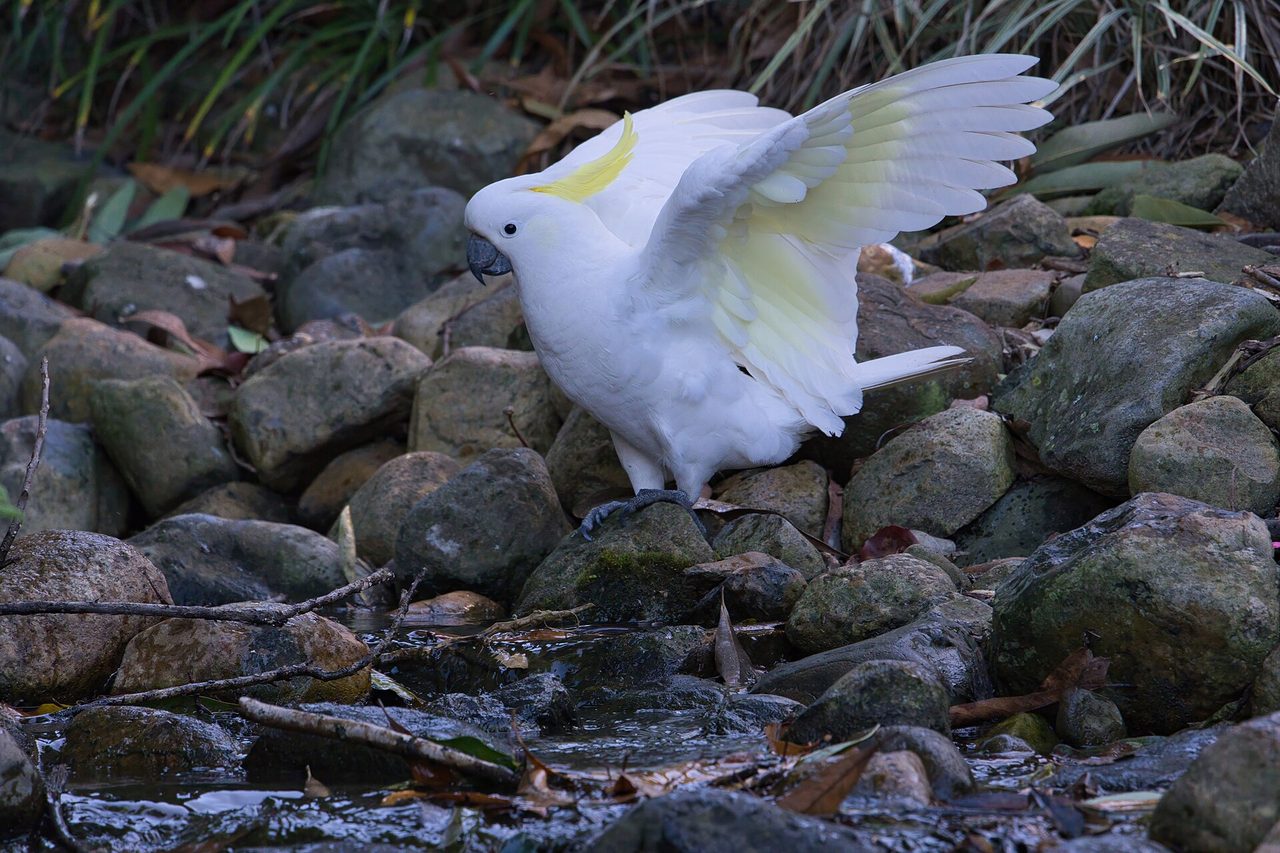
Photo: Andrew Mercer / Wikimedia Commons (CC BY-SA 4.0)
In brief
The Sulphur-crested Cockatoo is a large white parrot with a vivid yellow crest and ear-splitting vocalisations. Its defining trait is bold, long-lived personality paired with a crest that rises when alarmed or excited. The species ranges across Australia, New Guinea and Indonesia — a WARN partner region where related yellow-crested cockatoos are Critically Endangered from trapping.
What are the key facts about a Sulphur-crested Cockatoo?
The Sulphur-crested Cockatoo is a parrot species from Australia, New Guinea, Indonesia: large (800 g), loud, crested, long-lived. White parrot with a yellow crest — iconic but demanding companion bird.
| Origin | Australia, New Guinea, Indonesia |
|---|---|
| Size | Large (800 g) |
| Typical weight | 780–950 g (1.7–2.1 lb); males often slightly heavier with broader heads |
| Lifespan | 10–80 years depending on species |
| Plumage | Pure white body plumage with sulphur-yellow crest, ear coverts and underside of tail and wings. Powder down produces a fine white dust requiring good ventilation. Crest feathers should lie flat when relaxed; chronic raised crest may indicate chronic stress. |
| Temperament | Loud, crested, long-lived |
| Conservation note | Expert aviculturists only — cockatoos are CITES Appendix II with strict trade controls; related Indonesian species face Critically Endangered status from poaching. Captive sulphur-cresteds need aviary-scale space, destructible wood daily and tolerance for scream-level flock calls. Not suitable for flats, families with noise-sensitive neighbours or owners unable to commit 40+ years. |
Should you keep a Sulphur-crested Cockatoo?
Usually no. A Sulphur-crested Cockatoo is a parrot species from Australia, New Guinea, Indonesia, not a starter pet. Most of the birds in this library are pressured by habitat loss and the pet trade; a legal captive bird still needs decades of specialist care.
Parrots are long-lived, loud and socially demanding. A Sulphur-crested Cockatoo from Australia, New Guinea, Indonesia is not a weekend project. If you already share a home with one, this page is about honest husbandry and why wild populations still need habitat, not about encouraging a purchase.
Never buy a wild-caught bird. If you are choosing a companion parrot at all, work with a rescue or a documented captive-bred source, budget for an avian vet, and assume the animal will outlive several house moves.
What is a Sulphur-crested Cockatoo?
White parrot with a yellow crest — iconic but demanding companion bird. Origin is Australia, New Guinea, Indonesia; coat or markings are described as Pure white body plumage with sulphur-yellow crest, ear coverts and underside of tail and wings. Powder down produces a fine white dust requiring good ventilation. Crest feathers should lie flat when relaxed; chronic raised crest may indicate chronic stress..
Treat “species” here as a library label for a wild species or distinct form, not as a kennel-club product.
Where does the Sulphur-crested Cockatoo come from?
Sulphur-crested Cockatoos come from Australia, New Guinea, Indonesia. Sulphur-crested cockatoos range across northern and eastern Australia, New Guinea and nearby Indonesian islands including Sulawesi and the Moluccas.
They inhabit woodland, farmland and urban edges, feeding on seeds, roots and insect larvae. Feral populations established in Perth, Auckland and Singapore from escaped aviary birds. In Indonesia, the closely related yellow-crested cockatoo has been driven to Critically Endangered status by trapping for the cage-bird trade — a cautionary parallel for all cockatoo conservation. Australian populations remain widespread but suffer from habitat clearing and illegal nest raiding for the pet trade. Cockatoos produce some of the loudest calls in the parrot order, evolved for long-distance flock communication across open woodland. Captive birds bond intensely with handlers and may develop separation distress or self-mutilation when social needs are unmet — a welfare challenge that drives many surrenders to rescue sanctuaries.
What does a Sulphur-crested Cockatoo actually need?
A wild Sulphur-crested Cockatoo needs the habitat and social system of Australia, New Guinea, Indonesia, not a spare room. Size (Large (800 g)) and a loud, crested, long-lived life history are why private keeping fails.
In the wild that means connected habitat, a diet the species evolved with, and distance from the pet and selfie trades. Captive “care sheets” for wild parrots are how trafficking gets laundered as husbandry.
If you already work in accredited rescue, follow specialist protocols and licensing. Everyone else: do not acquire a Sulphur-crested Cockatoo. Support habitat and anti-trafficking work instead.
What surprises people about the Sulphur-crested Cockatoo?
A few details about the breed, alongside the practical care information in this guide.
- Sulphur-crested cockatoos can live beyond 70 years with excellent care — among the longest-lived parrots.
- They hold nuts and seeds in one foot while manipulating food with the other — true footedness like handedness in humans.
- Wild flocks raid agricultural crops, leading to conflict with farmers in parts of Australia.
- The crest can fan to twice the head height during display or alarm.
What health issues should you know about in a Sulphur-crested Cockatoo?
Health concerns to discuss with your vet, including changes to watch for and everyday care. This is general guidance, not veterinary advice — always speak to your vet.
Feather plucking
Cockatoos are prone to self-inflicted feather loss from boredom, stress, pain or hormonal frustration. Bare patches on chest and wings appear progressively.
Care: Avian vet examination to rule out pain and infection first. Increase enrichment, maintain consistent handler contact and avoid reinforcing screaming with attention.
Psittacine beak and feather disease (PBFD)
Circovirus causes abnormal feathers, beak deformity and immunosuppression. Cockatoos are among the most susceptible psittacines.
Care: Test new birds before introduction. PBFD-positive birds need lifelong supportive care and isolation from susceptible species.
Nutritional deficiencies
Fatty liver disease and obesity develop on seed-only or high-fat diets with insufficient exercise.
Care: Feed formulated pellets with vegetables and limit sunflower seeds and nuts. Provide daily flight or climbing exercise.
Who should skip a Sulphur-crested Cockatoo?
Skip a Sulphur-crested Cockatoo if you are anyone hoping to keep a Sulphur-crested Cockatoo as a pet or photo prop. This Australia, New Guinea, Indonesia parrot is large (800 g) and loud, crested, long-lived — the mismatch is usually lifestyle, not a missing accessory.
This page is allowed to say no. Skip if you are anyone hoping to keep a Sulphur-crested Cockatoo as a pet or photo prop. Skip if you are anyone who will pay for a wild-caught or roadside animal. Skip if you are tourists looking for handling or selfies.
A different parrot species on this site may fit. Wanting “a Sulphur-crested Cockatoo” after a film or a colour photo is not a reason to ignore the skip list.
What are the hidden catches with a Sulphur-crested Cockatoo?
The hidden cost of a Sulphur-crested Cockatoo is usually not the purchase price. It is years of care, the health list on this page, and the mismatch between a loud, crested, long-lived animal and a busy home.
The pet-trade catch
Cute infant Sulphur-crested Cockatoos in ads were usually taken from wild families. The adult you cannot house is then dumped, euthanised, or passed on. Do not create that demand.
The tourism catch
Paying to hold, ride, or selfie with a Sulphur-crested Cockatoo funds the next capture or a stressed ambassador animal. Distance and accredited viewing are the ethical default.
The feather plucking catch
Cockatoos are prone to self-inflicted feather loss from boredom, stress, pain or hormonal frustration. Bare patches on chest and wings appear progressively. Avian vet examination to rule out pain and infection first. Increase enrichment, maintain consistent handler contact and avoid reinforcing screaming with attention.
The psittacine beak and feather disease (pbfd) catch
Circovirus causes abnormal feathers, beak deformity and immunosuppression. Cockatoos are among the most susceptible psittacines. Test new birds before introduction. PBFD-positive birds need lifelong supportive care and isolation from susceptible species.
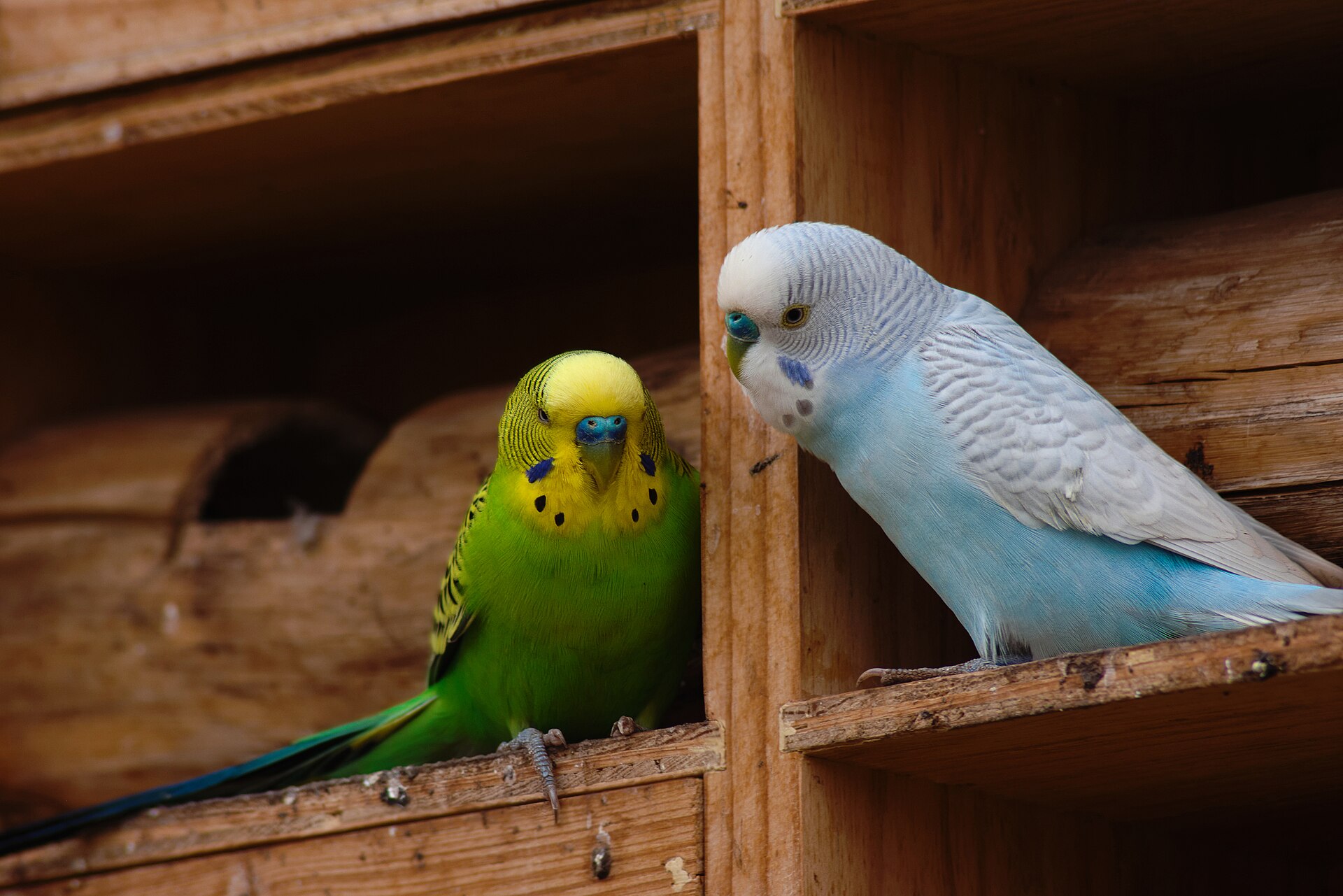
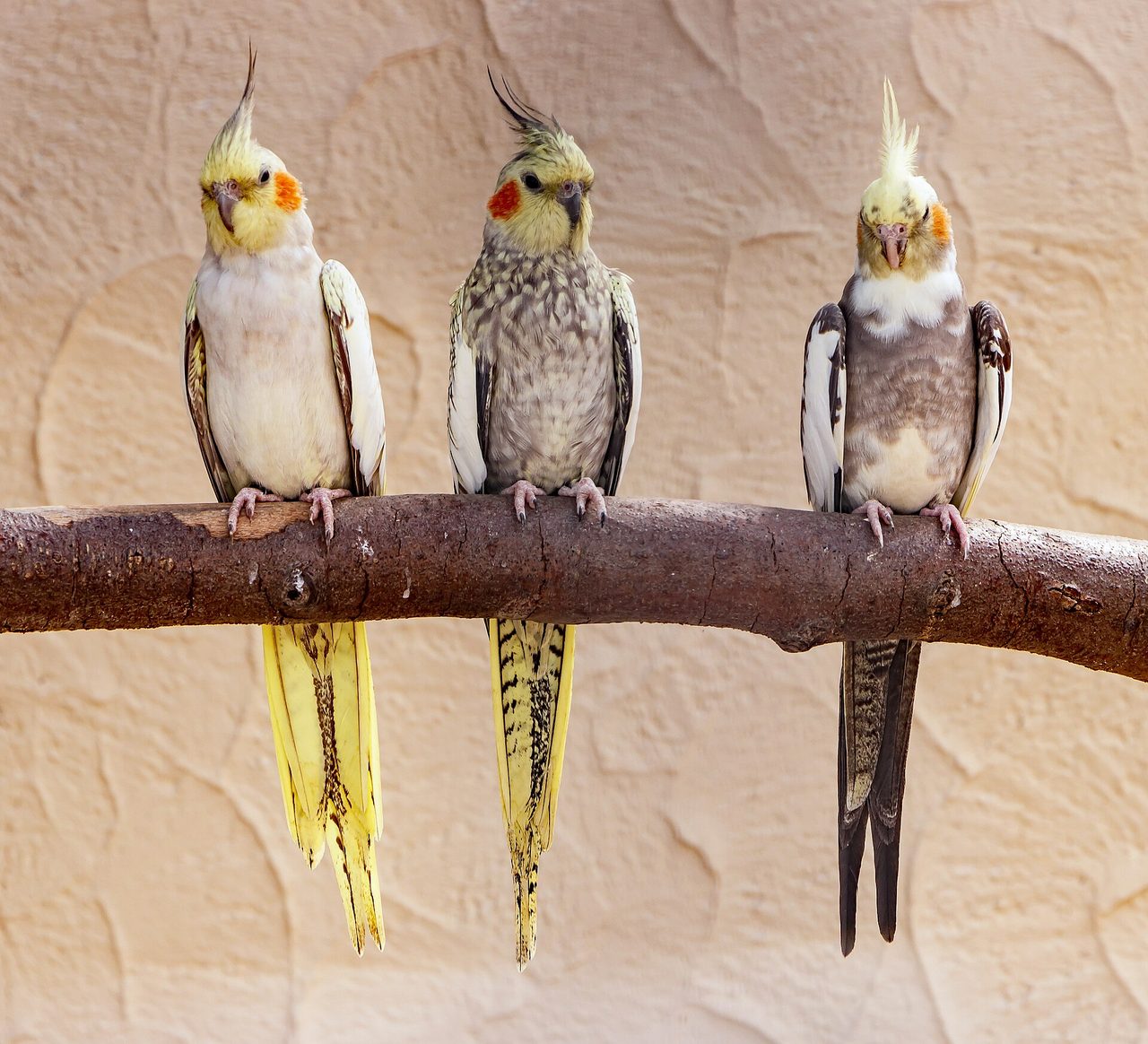
How does a Sulphur-crested Cockatoo compare with Budgerigar and Cockatiel?
A Sulphur-crested Cockatoo is not interchangeable with Budgerigar and Cockatiel. Compare origin, size, lifespan and temperament before you choose — those four lines prevent most regret.
| Parrot fact | Sulphur-crested Cockatoo | Budgerigar | Cockatiel |
|---|---|---|---|
| Origin | Australia, New Guinea, Indonesia | Australia | Australia |
| Size | Large (800 g) | Small (30–40 g) | Small (80–100 g) |
| Lifespan | 10–80 years depending on species | 10–80 years depending on species | 10–80 years depending on species |
| Temperament | Loud, crested, long-lived | Social flocking bird, active | Gentle, whistling, crested |
What is the verdict on the Sulphur-crested Cockatoo?
A Sulphur-crested Cockatoo is a wild parrot to understand and protect, not a pet to acquire. If you came here to buy one, the verdict is no. If you came here to learn, use the species guide next.
Help looks like habitat, enforcement and refusing the trade — not a cage in a spare room. WARN is a CIC, not a charity; donate only if you want to fund partner work in our network countries, and do not expect Gift Aid.
Parrots belong in the forest
Every parrot species in this guide is threatened by habitat loss or the illegal pet trade. A gift to WARN helps fund parrot rescue, anti-trafficking work and customs training in Brazil and Colombia.