Wildlife Guide · Central America & South America
Monkey
Infraorder Simiiformes — ~260+ species in families Cebidae, Callitrichidae, Cercopithecidae and others
Tailed primates of forest, savanna and city — intelligent, social and overwhelmingly wild.
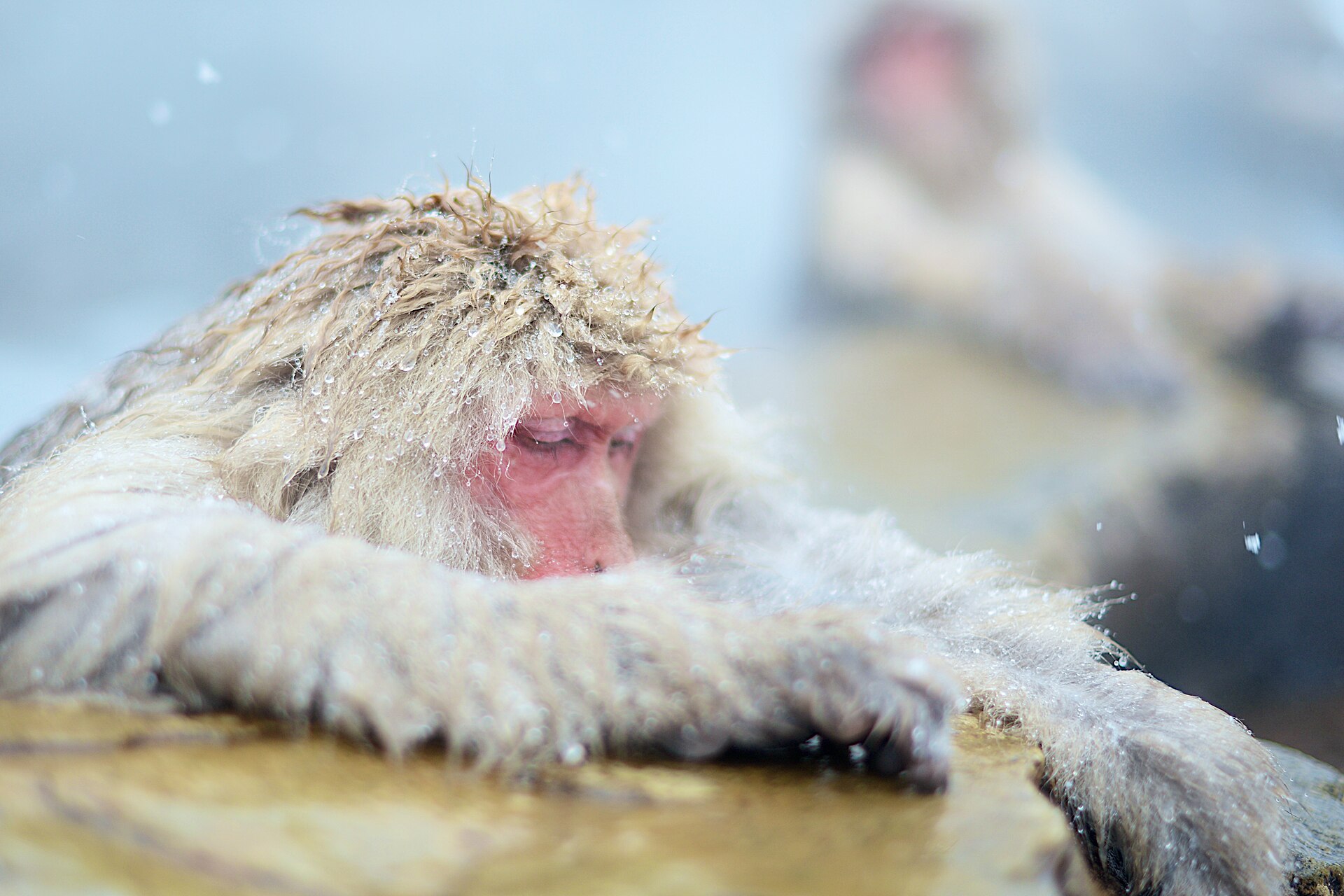
Photo: nomao saeki saekinomao / Wikimedia Commons (CC0)
In brief
Monkeys are tailed simian primates of the Americas, Africa and Asia — roughly 260+ species with forward-facing eyes, grasping hands and complex social groups. They are distinct from tailless apes; status ranges from Least Concern to Critically Endangered, and most species are protected from international trade.
Also in Animals A to Z · Animals that start with M
How you can help
You can symbolically adopt an orangutan from £5 a month — a donation to WARN’s orangutan welfare and conservation appeal, with a personalised certificate you can keep or give as a gift — or give once to where it is needed most.
By WARN Research & Conservation TeamLast updated
A monkey is a primate in the infraorder Simiiformes — the "simians" — distinguished from prosimians such as lemurs and from tailless apes such as gorillas and chimpanzees. Scientists recognise roughly 260 to 280 monkey species split into New World monkeys of the Americas and Old World monkeys of Africa and Asia. Monkeys range from thumb-sized marmosets to large baboons and mandrills. They share forward-facing eyes, grasping hands and feet, complex social lives and often long childhoods. Conservation status varies sharply: some adaptable species remain common, while specialists such as golden lion tamarins and proboscis monkeys are Endangered. Most monkeys are protected under CITES, and private keeping is restricted in many countries.
260+
Recognised monkey species worldwide
2
Major groups: New World & Old World
CITES
Most species regulated in international trade
Varies
IUCN status from Least Concern to Critically Endangered
Figures sourced from IUCN Red List — primate assessments, CITES — Checklist of CITES Species, Smithsonian National Zoo — primate facts .
Monkey: Quick Facts
| Common name | Monkey (many species) |
|---|---|
| Groups | New World & Old World monkeys |
| Tail | Present in almost all monkeys; absent in apes |
| Diet | Mostly frugivorous or omnivorous; varies by species |
| Trade | Most species CITES Appendix I or II |
| Pet suitability | Poor — specialist wild animals |
Scientific Classification
| Kingdom | Animalia |
|---|---|
| Phylum | Chordata |
| Class | Mammalia |
| Order | Primates |
| Suborder | Haplorhini |
| Infraorder | Simiiformes (simians) |
Conservation Status
- IUCN Status
- No single IUCN category applies. Many widespread species are Least Concern; numerous forest specialists are Endangered or Critically Endangered due to habitat loss, hunting and the pet trade.
- Population
- Varies by species — from abundant to fewer than 1,000 mature individuals
- Trend
- Decreasing for many forest specialists; stable or increasing locally for some adaptable species
- Assessed
- Varies by species (IUCN Red List ongoing)
- CITES
- Most monkey species on CITES Appendix I or II
Great apes are assessed separately; see WARN guides for chimpanzee, gorilla and orangutan.
Key Facts: Monkey
- Monkeys have tails; apes (gorillas, chimpanzees, orangutans, gibbons) do not — a quick way to tell them apart.
- New World monkeys live in Central and South America; Old World monkeys live in Africa and Asia.
- Monkeys are highly social, often living in troops with hierarchies, grooming and learned behaviour.
- The golden snub-nosed monkey of China lives in bands of up to 200 — among the largest primate societies.
- Most monkeys are poor pets — they need large groups, specialist diets and decades of expert care.
- Habitat loss, bushmeat hunting and the illegal pet trade are the main threats across regions.
- Great apes are covered in separate WARN guides; this page focuses on monkeys and their species.
What is a monkey — and how is it different from an ape?
Monkeys belong to the simian primates but are not apes. The easiest field distinction is the tail: almost all monkeys have one, while apes — gorillas, chimpanzees, bonobos, orangutans and gibbons — do not. Monkeys also tend to have narrower chests and, in many species, run along branches rather than swing beneath them like apes. Taxonomically, monkeys split into New World monkeys (flat noses, often prehensile tails, native to the Americas) and Old World monkeys (downward-facing nostrils, non-prehensile tails in most species, native to Africa and Asia). Marmosets and tamarins are small New World specialists; macaques and baboons are widespread Old World groups. Understanding this split helps explain why conservation and welfare issues differ between regions.
Behaviour, intelligence and society
Monkeys are among the most behaviourally flexible non-human animals. Many species use tools, share food according to social rules, and transmit local traditions — different troops using different techniques to open nuts or extract insects. Group size ranges from pair-bonded marmosets to baboon troops of dozens or, in some squirrel monkeys, more than a hundred individuals. Communication combines calls, facial expressions and gestures. Mothers carry and nurse infants for months or years, and youngsters learn foraging routes and social rank through observation. That complexity is why monkeys suffer so severely in the pet trade: a single animal in a human home cannot replicate the diet, space or social stimulation of a wild troop.
Threats and conservation
No single IUCN label covers all monkeys. Generalist species such as the rhesus macaque remain Least Concern across a huge range, while specialists — golden lion tamarins, proboscis monkeys, several spider monkeys — are Endangered or Critically Endangered. Deforestation for agriculture, logging and urban sprawl removes the continuous forest many species need. Bushmeat hunting and snares kill monkeys for food and traditional medicine. The illegal pet and entertainment trades still remove infants from mothers, with high mortality in transit. CITES lists most monkey species on Appendix I or II, restricting international commercial trade. Protecting connected habitat, enforcing anti-trafficking law and reducing demand for monkey selfies and pets are the most effective levers.
Monkeys and people
In some regions monkeys live alongside people — rhesus macaques at Indian temples, vervets on African farms, capuchins at forest edges. That proximity creates conflict when crops are raided or tourists feed troops, leading to bites, disease risk and retaliatory killing. Feeding wild monkeys is discouraged by wildlife authorities because it increases aggression and spreads zoonotic disease.
Ethical tourism keeps distance and supports habitats rather than direct contact. For WARN's audience, the practical message is clear: admire monkeys in the wild or in accredited sanctuaries, support habitat protection in range countries, and never treat a monkey as a substitute for a domestic pet.
Explore monkey species on WARN
This hub introduces monkeys as a group — but most readers search for a particular species. WARN publishes a twenty-species monkey library on this page covering capuchin, rhesus macaque, golden snub-nosed monkey, proboscis monkey and mandrill, plus the olive baboon, Hanuman langur, Barbary macaque, emperor tamarin, black-and-white colobus, pygmy marmoset, gelada and long-tailed macaque.
Flagship guides also cover golden snub-nosed monkey, golden lion tamarin, proboscis monkey and baboon at species level. Great apes — chimpanzee, gorilla, orangutan — have separate WARN pages.
All wild primates are CITES-regulated; supporting habitat protection and anti-trafficking work helps every species from Atlantic Forest tamarins to Chinese montane bands.
New World vs Old World monkeys
| Feature | New World monkeys | Old World monkeys |
|---|---|---|
| Region | Central & South America | Africa & Asia |
| Families | Cebidae, Callitrichidae & others | Cercopithecidae |
| Nose | Flat, wide, side-facing nostrils | Narrow, downward-facing nostrils |
| Tail | Often long; sometimes prehensile (grasping) | Never prehensile; some have short tails |
| Examples | Capuchin, squirrel monkey, marmoset, tamarin | Macaque, baboon, langur, colobus, gelada |
| Typical habitat | Mostly tree-dwelling forest species | Forest, savanna, mountains and cities |
Monkey Species Guide
From the Capuchin, Rhesus Macaque and Mandrill to the Olive Baboon, Hanuman Langur, Barbary Macaque, Emperor Tamarin, Pygmy Marmoset and Gelada — explore 20 of the world's most searched monkey species with range, behaviour, conservation status and why wild primates belong in the wild.
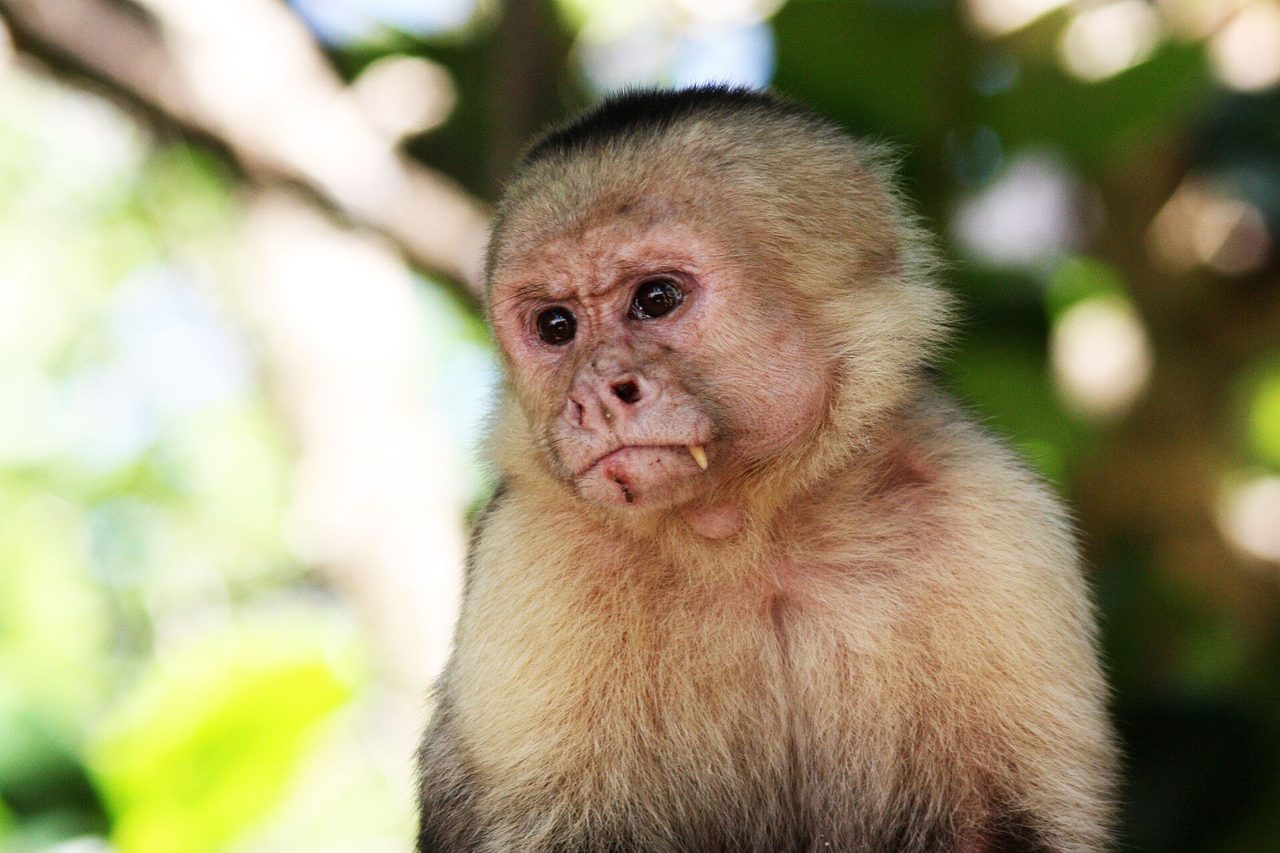
Capuchin Monkey
Central & South America
Curious, dexterous, social
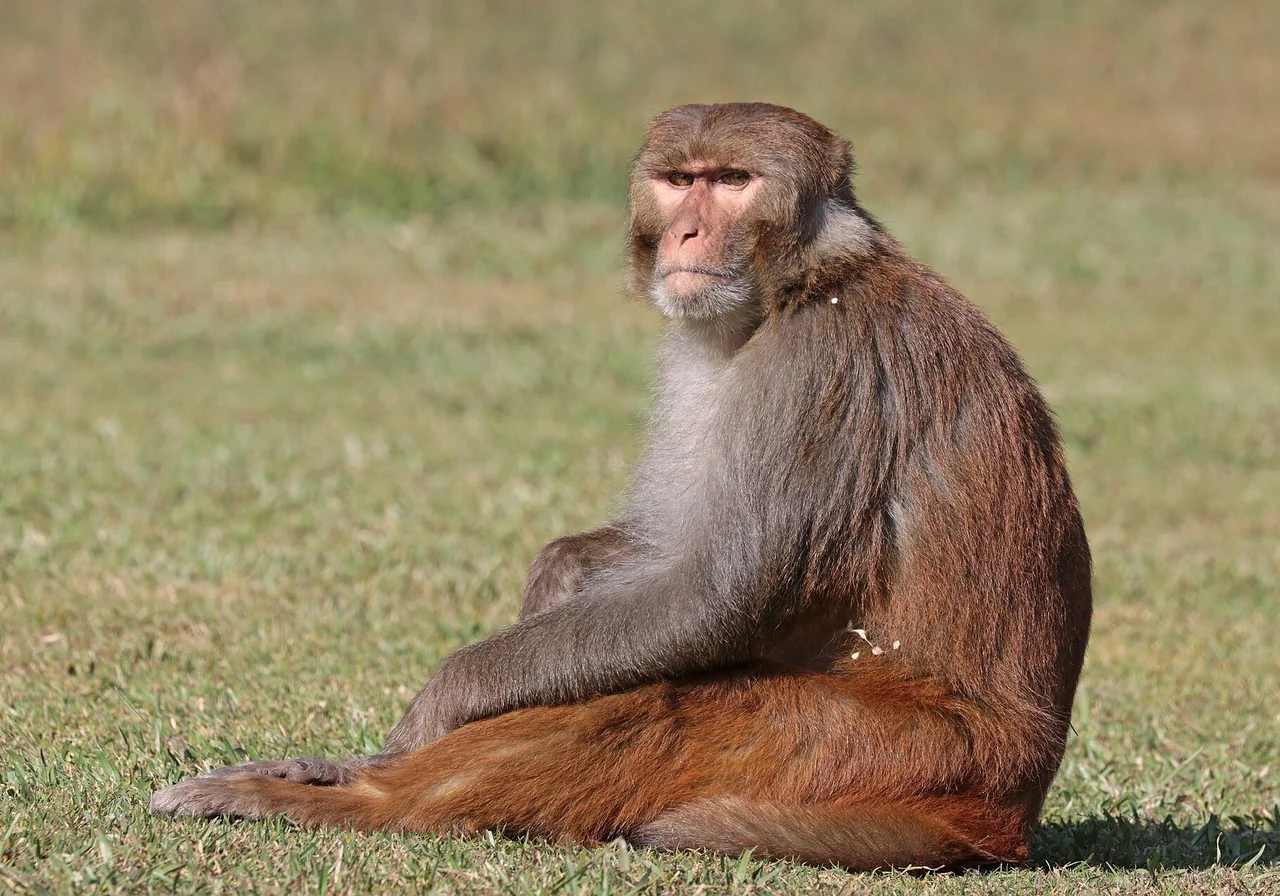
Rhesus Macaque
South, Central & Southeast Asia
Bold, adaptable, hierarchical
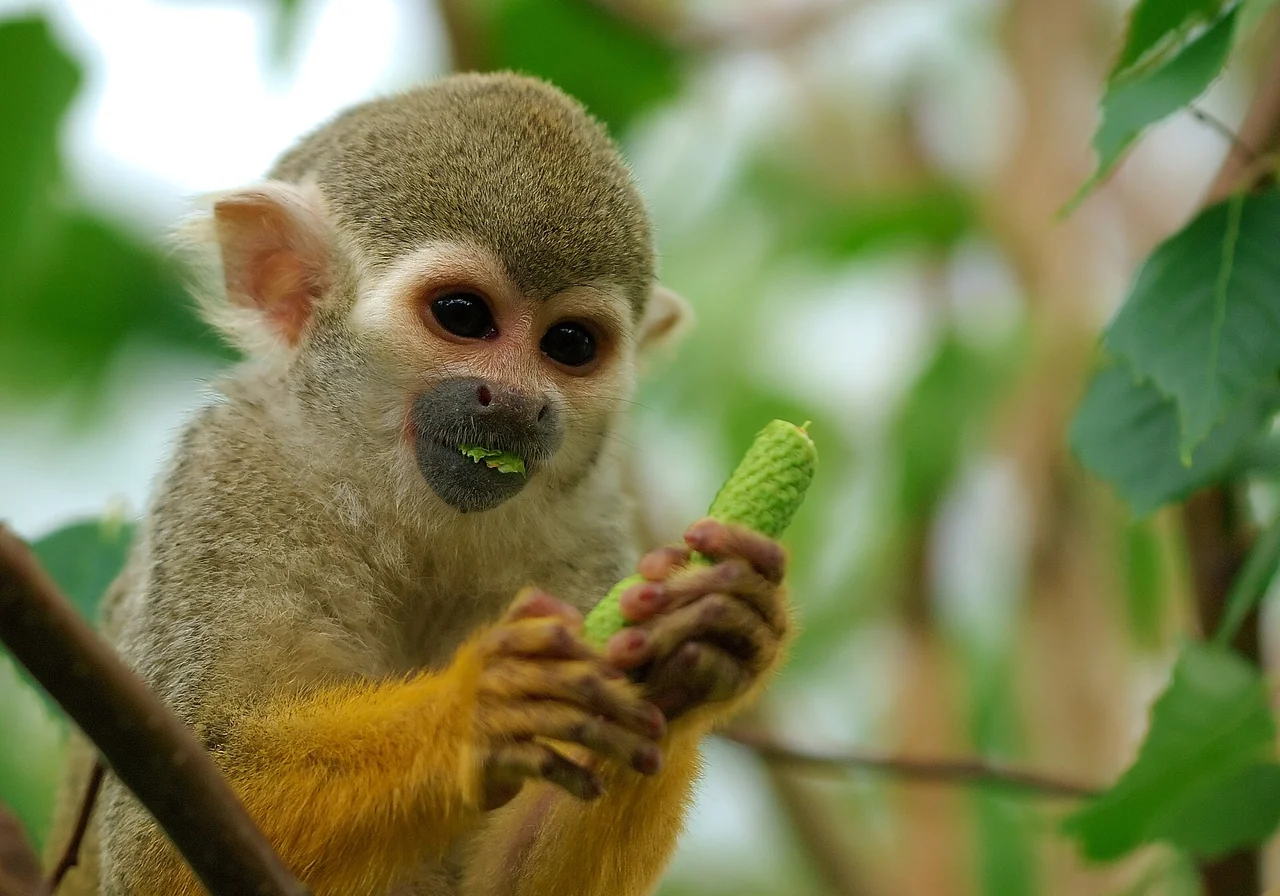
Squirrel Monkey
Central & South America
Active, social, vocal
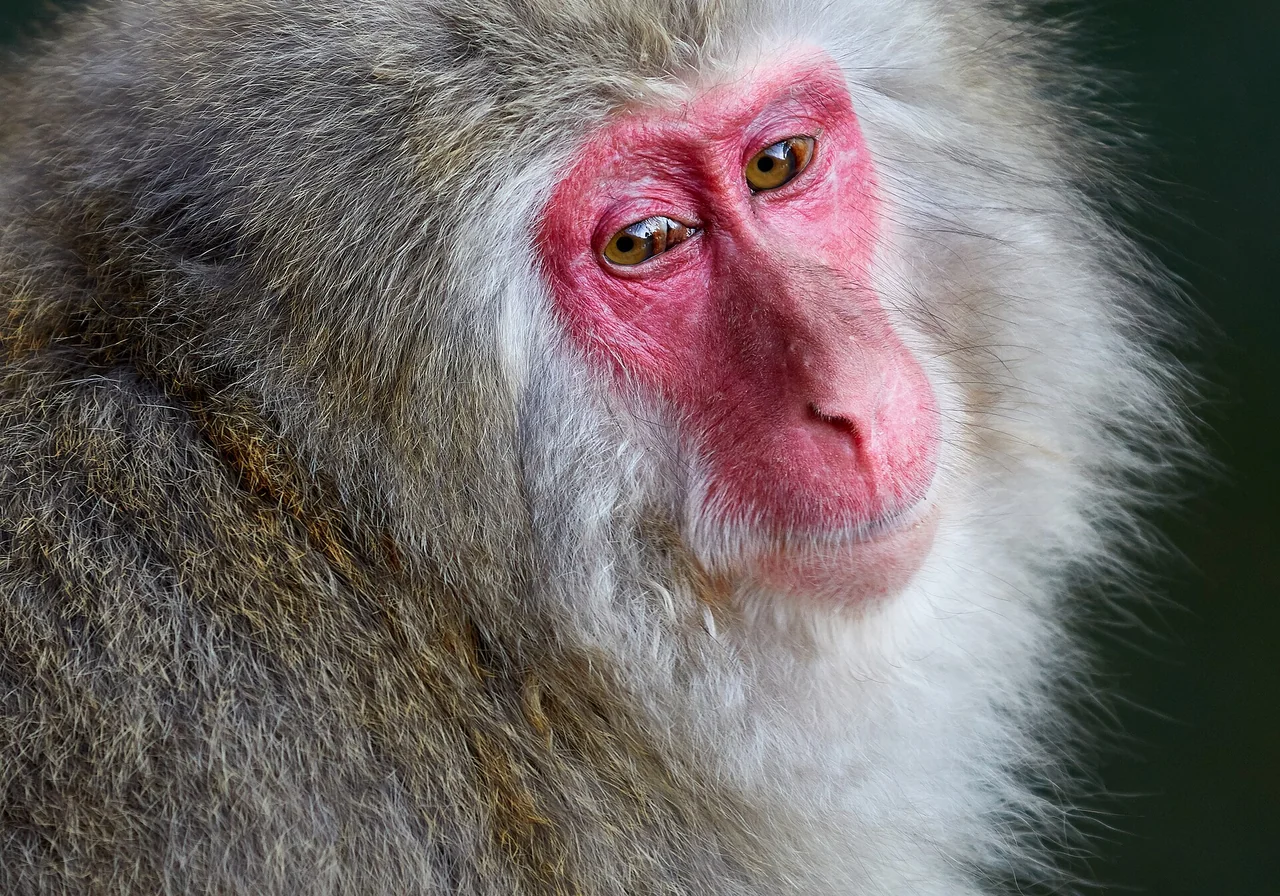
Japanese Macaque
Japan (Honshu and southern islands)
Social, hardy, intelligent
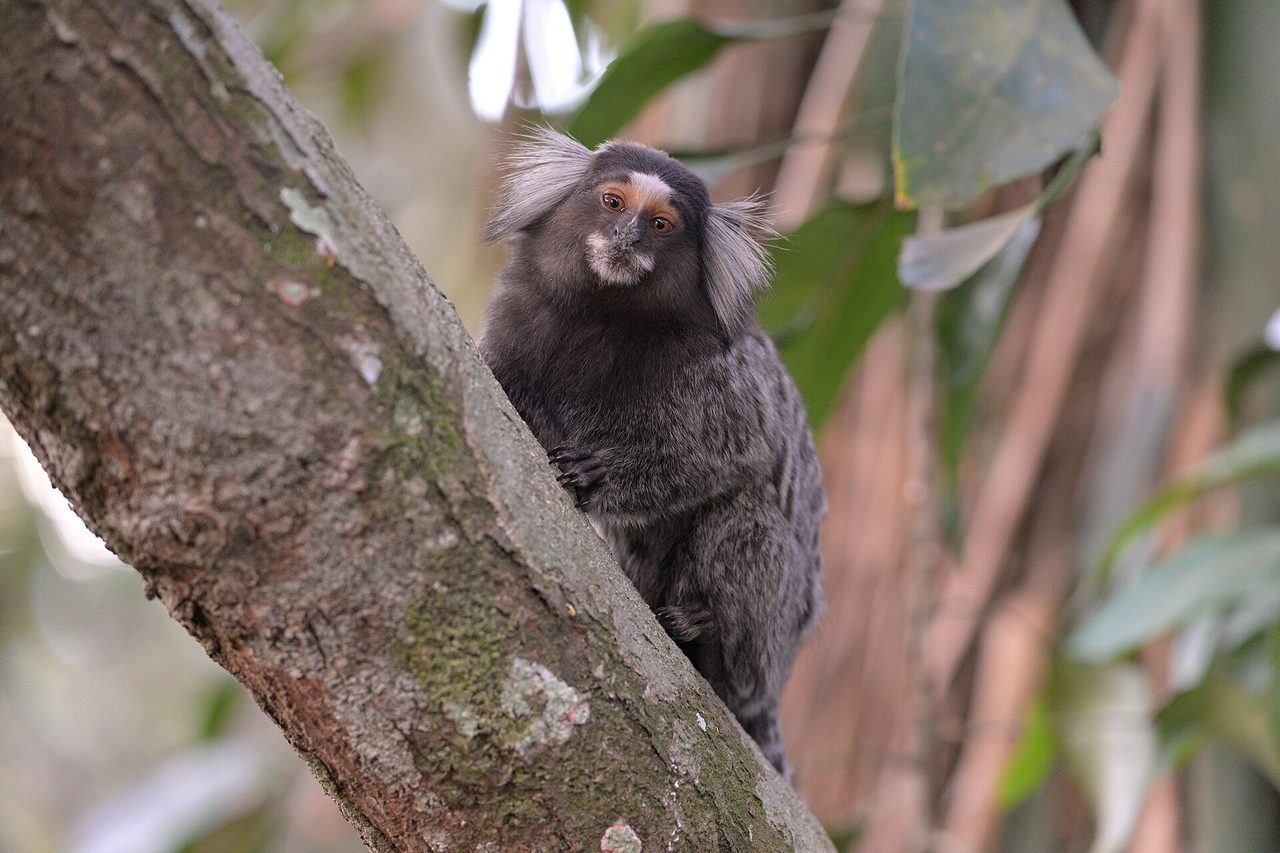
Common Marmoset
North-eastern Brazil
Active, vocal, family-oriented
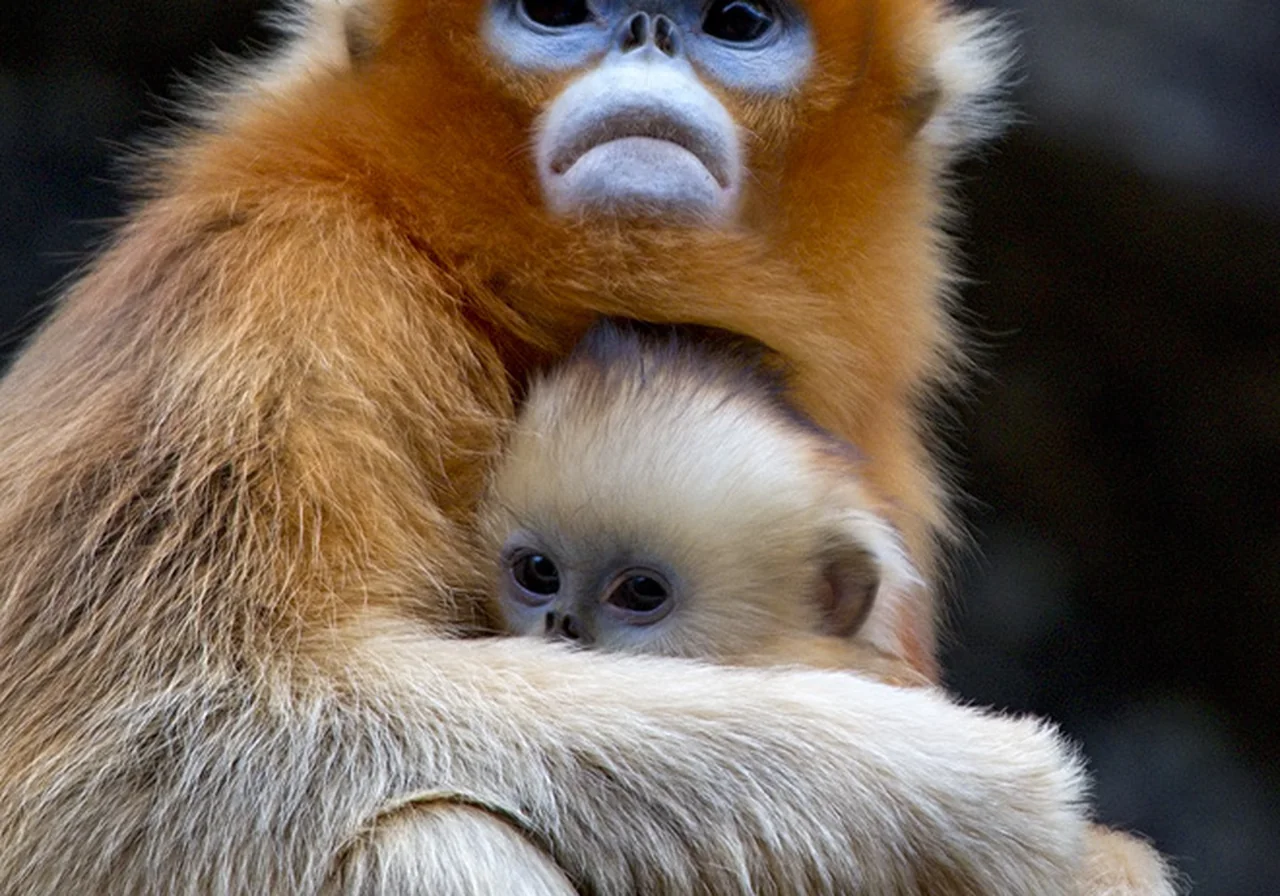
Golden Snub-Nosed Monkey
Central China (Sichuan, Gansu, Shaanxi, Hubei)
Cold-hardy, highly social
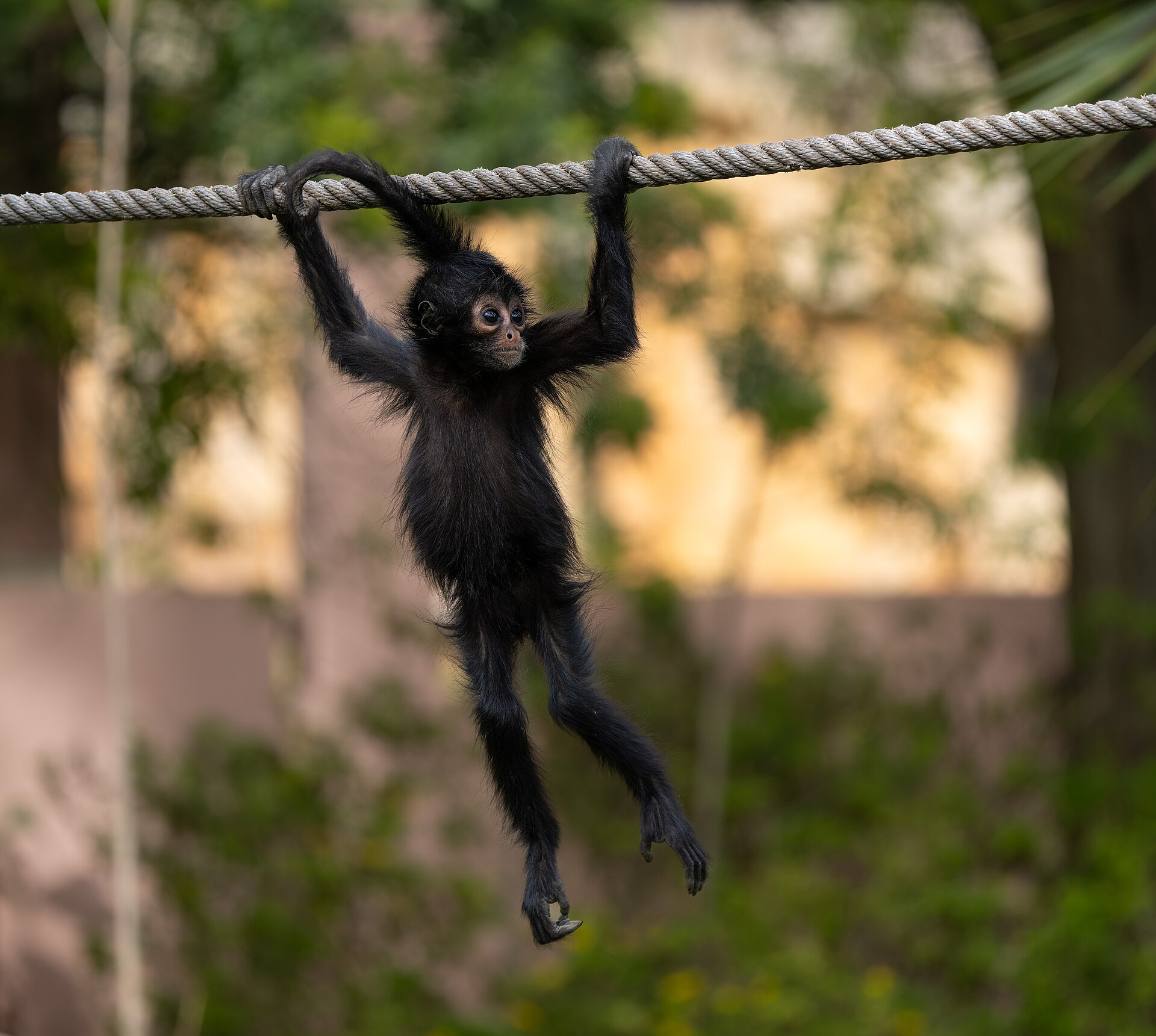
Spider Monkey
Southern Mexico to Brazil (Neotropical forests)
Acrobatic, frugivorous, far-ranging
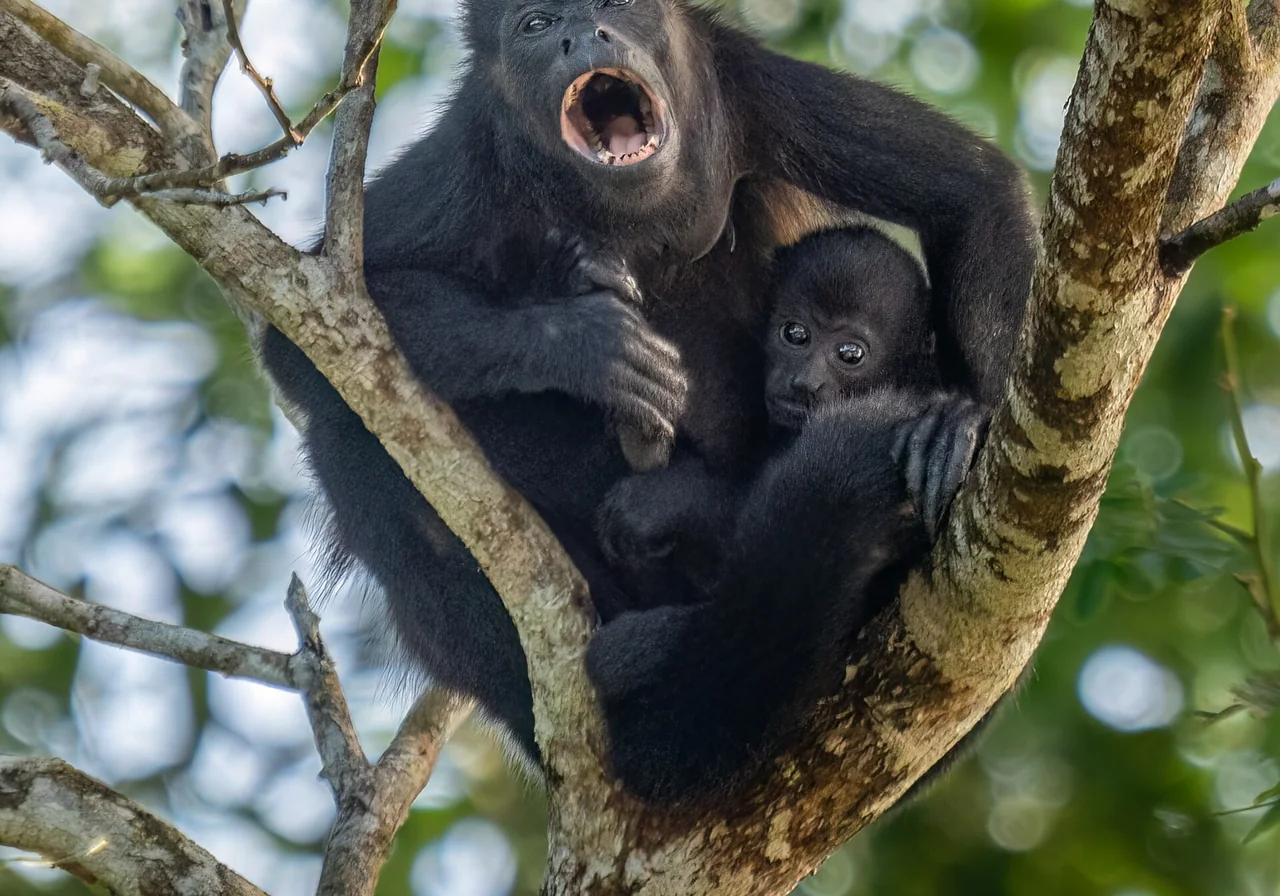
Howler Monkey
Central & South America
Loud, leaf-eating, slow-moving
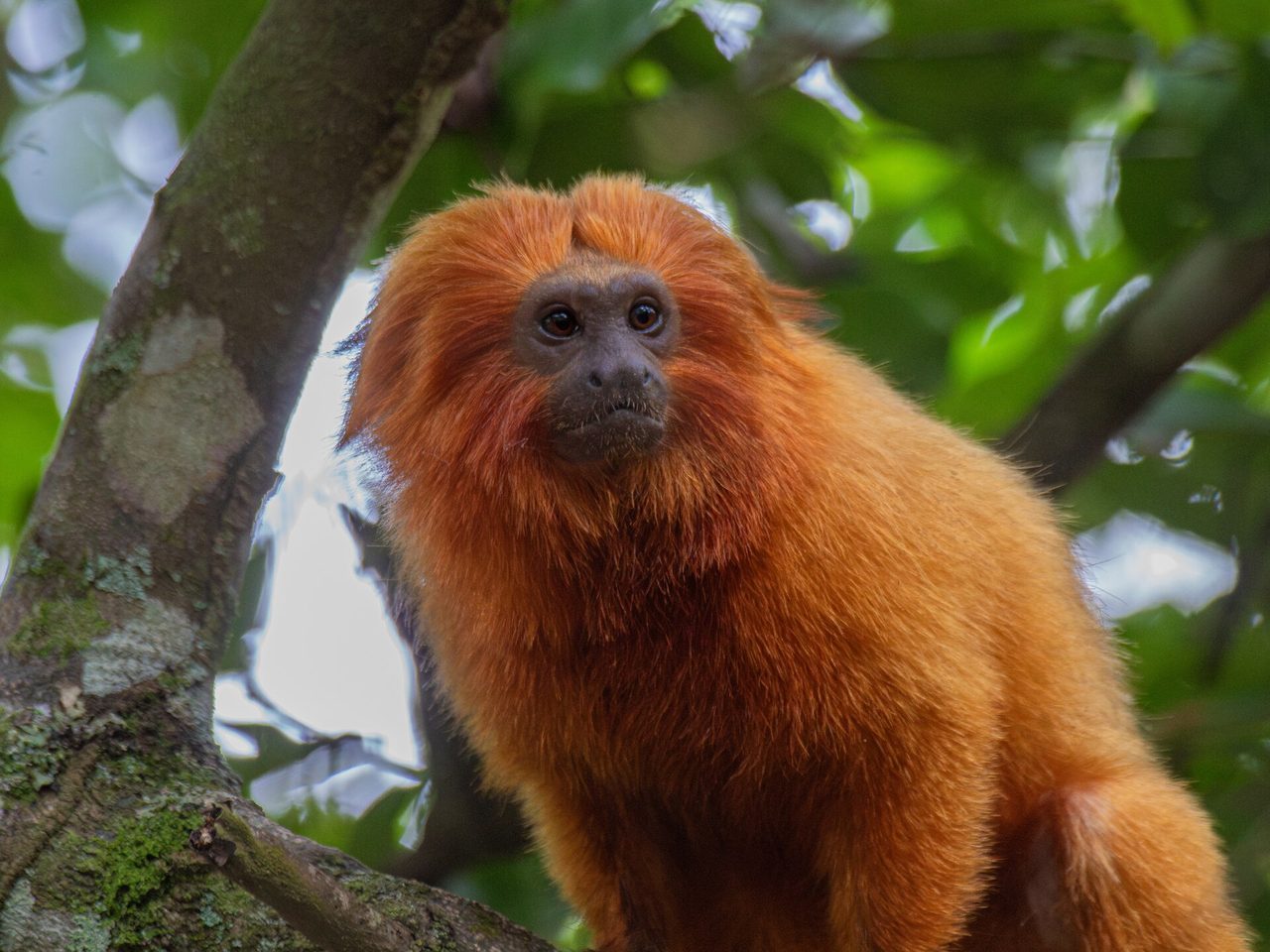
Golden Lion Tamarin
Brazil (Atlantic Forest of Rio de Janeiro)
Striking, social, cooperatively breeding
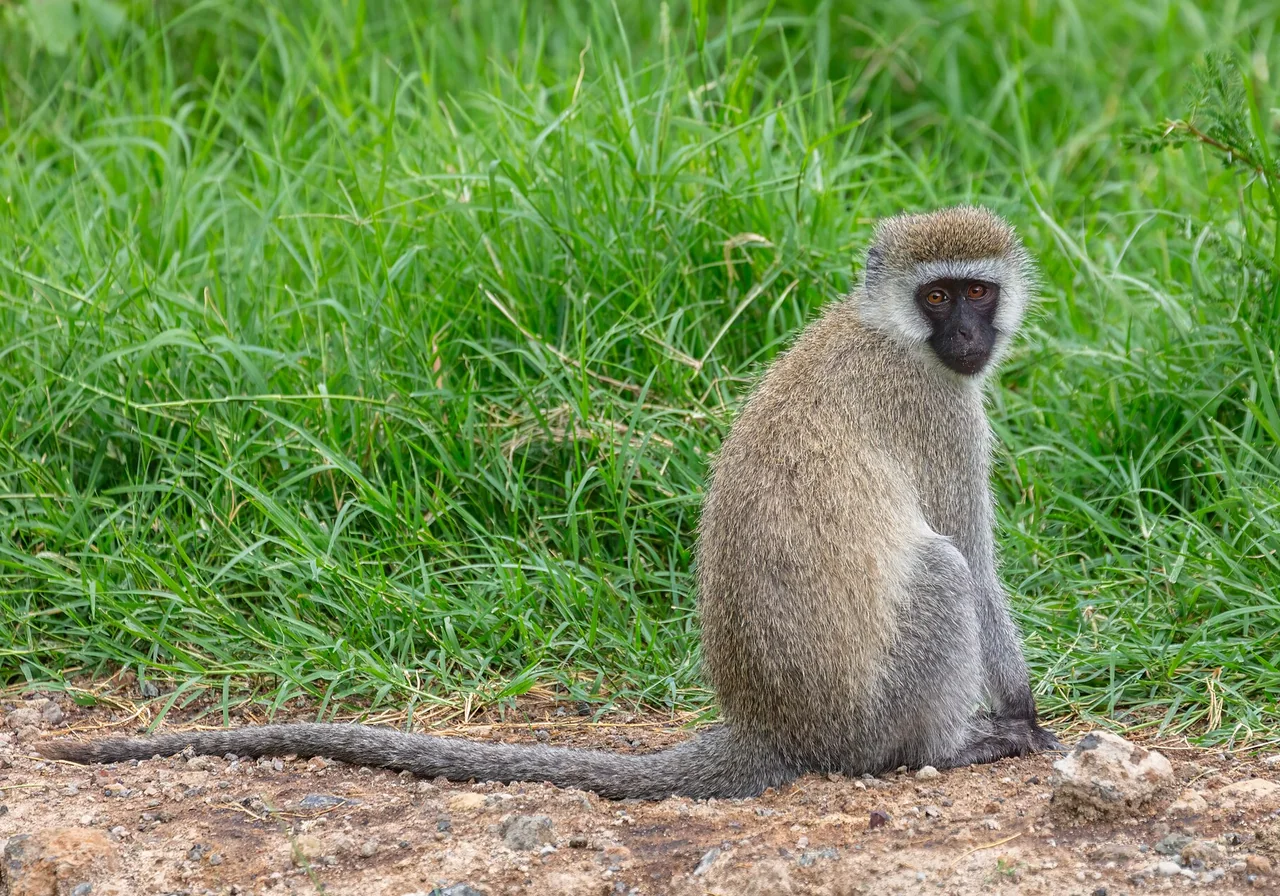
Vervet Monkey
Eastern & southern Africa
Alert, adaptable, highly vocal
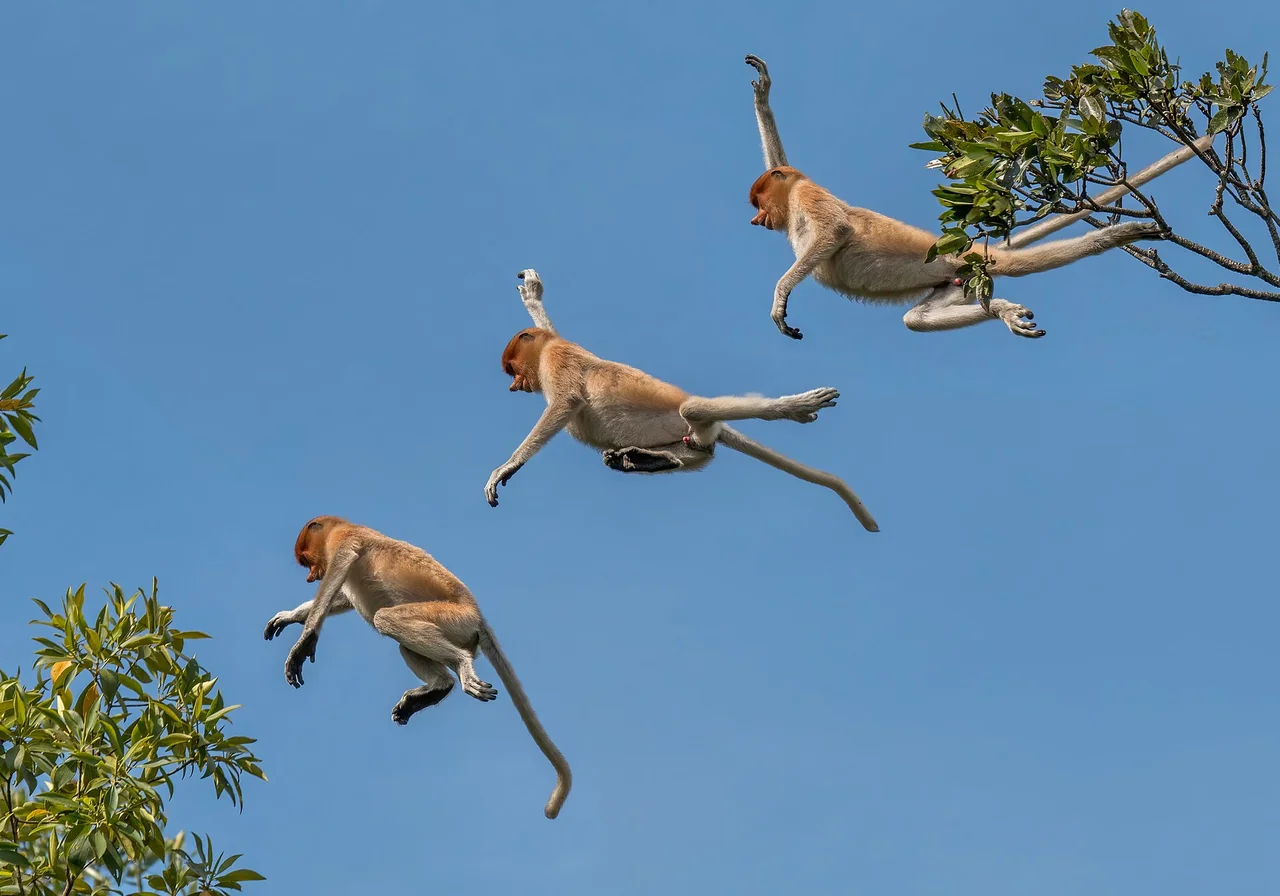
Proboscis Monkey
Borneo (coastal & riverine forest)
Swamp-forest specialist, strong swimmer
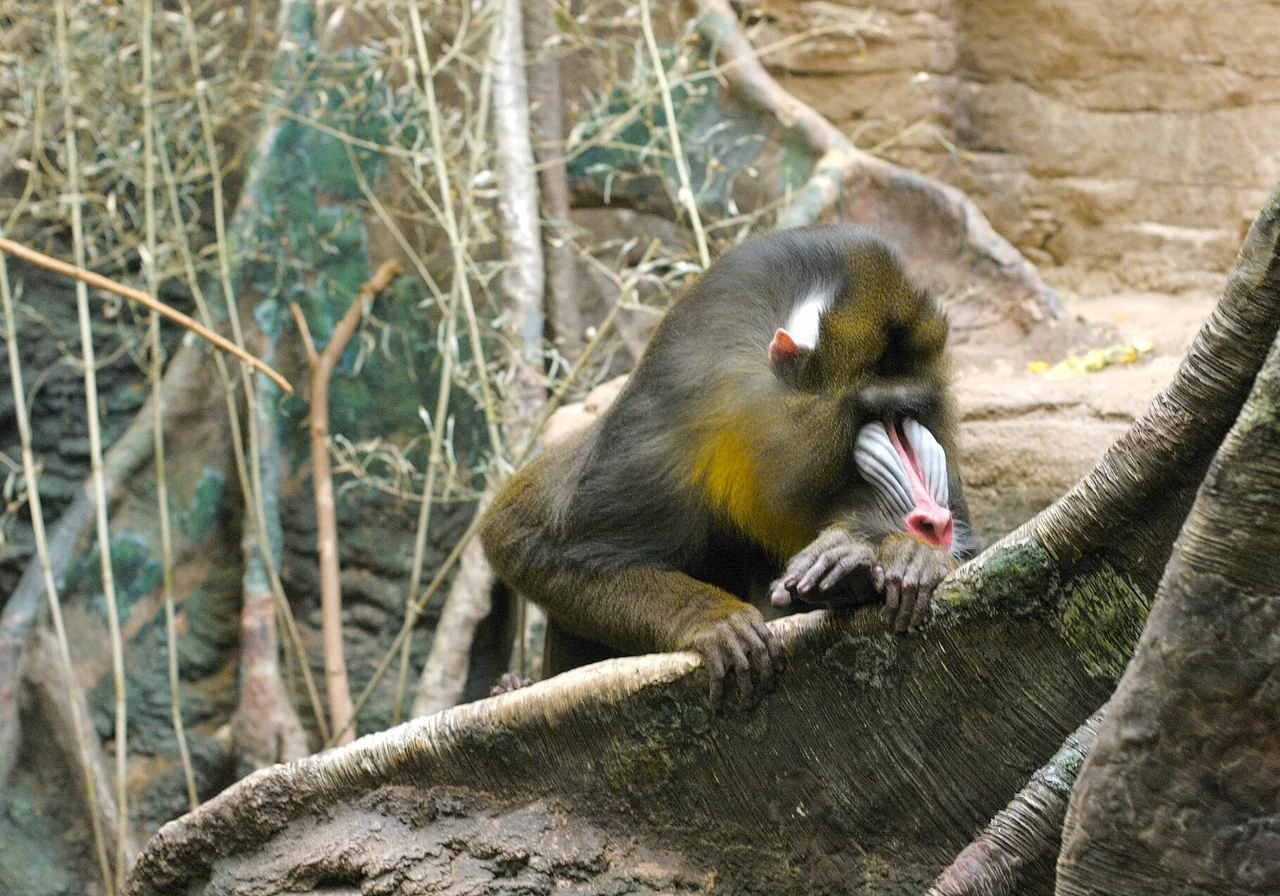
Mandrill
West-central Africa (Cameroon, Gabon, Congo, Eq. Guinea)
Colourful, powerful, highly social
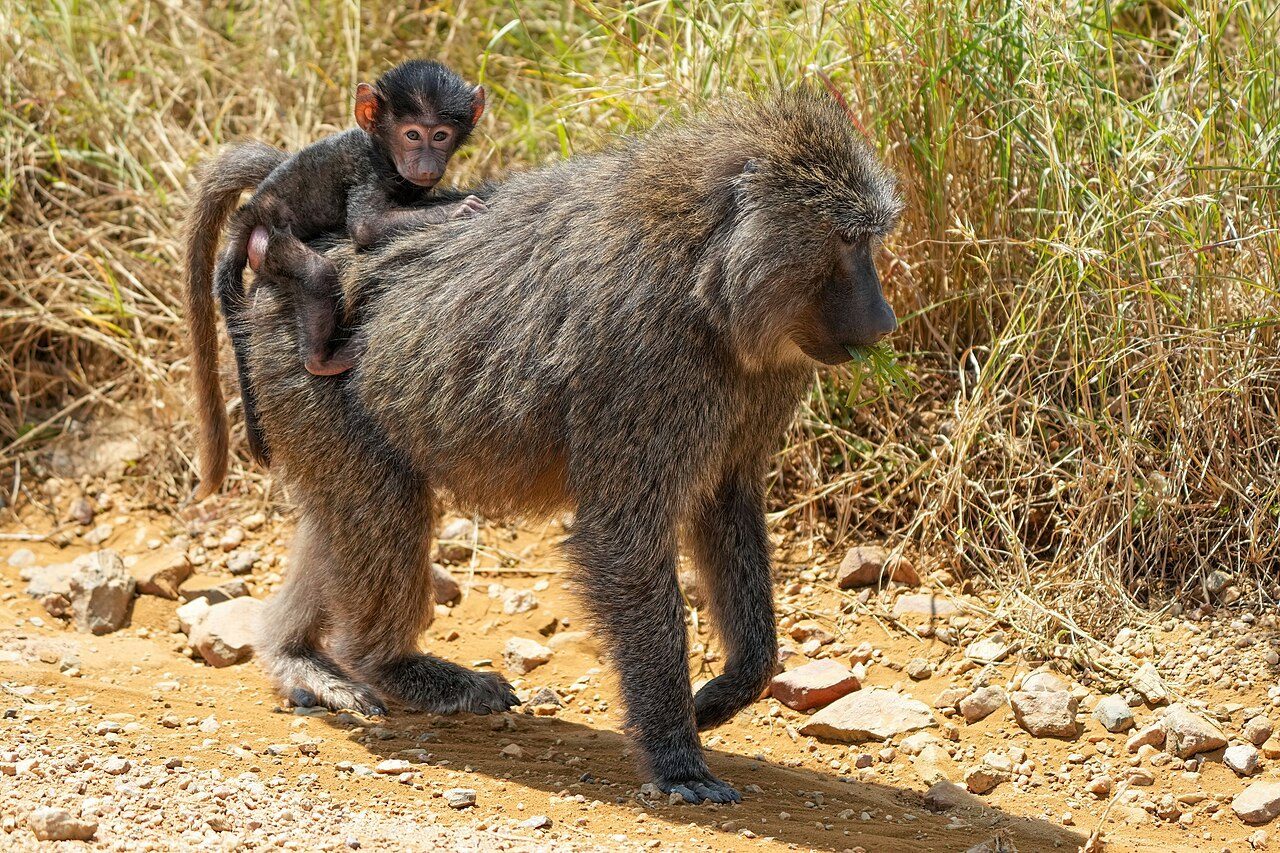
Olive Baboon
Equatorial Africa (savanna belt)
Bold, terrestrial, highly social
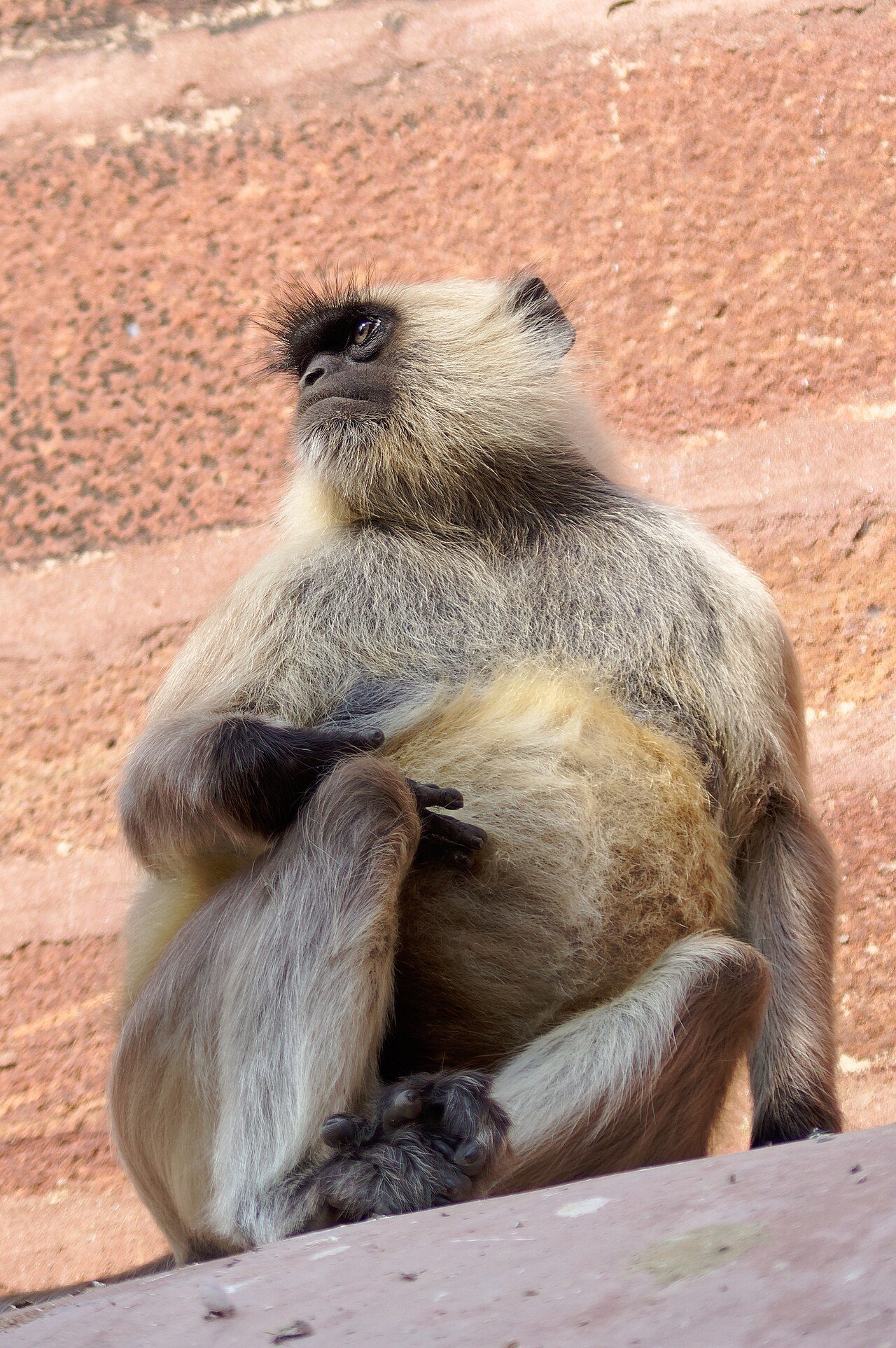
Hanuman Langur
Indian subcontinent
Agile, leaf-eating, semi-terrestrial
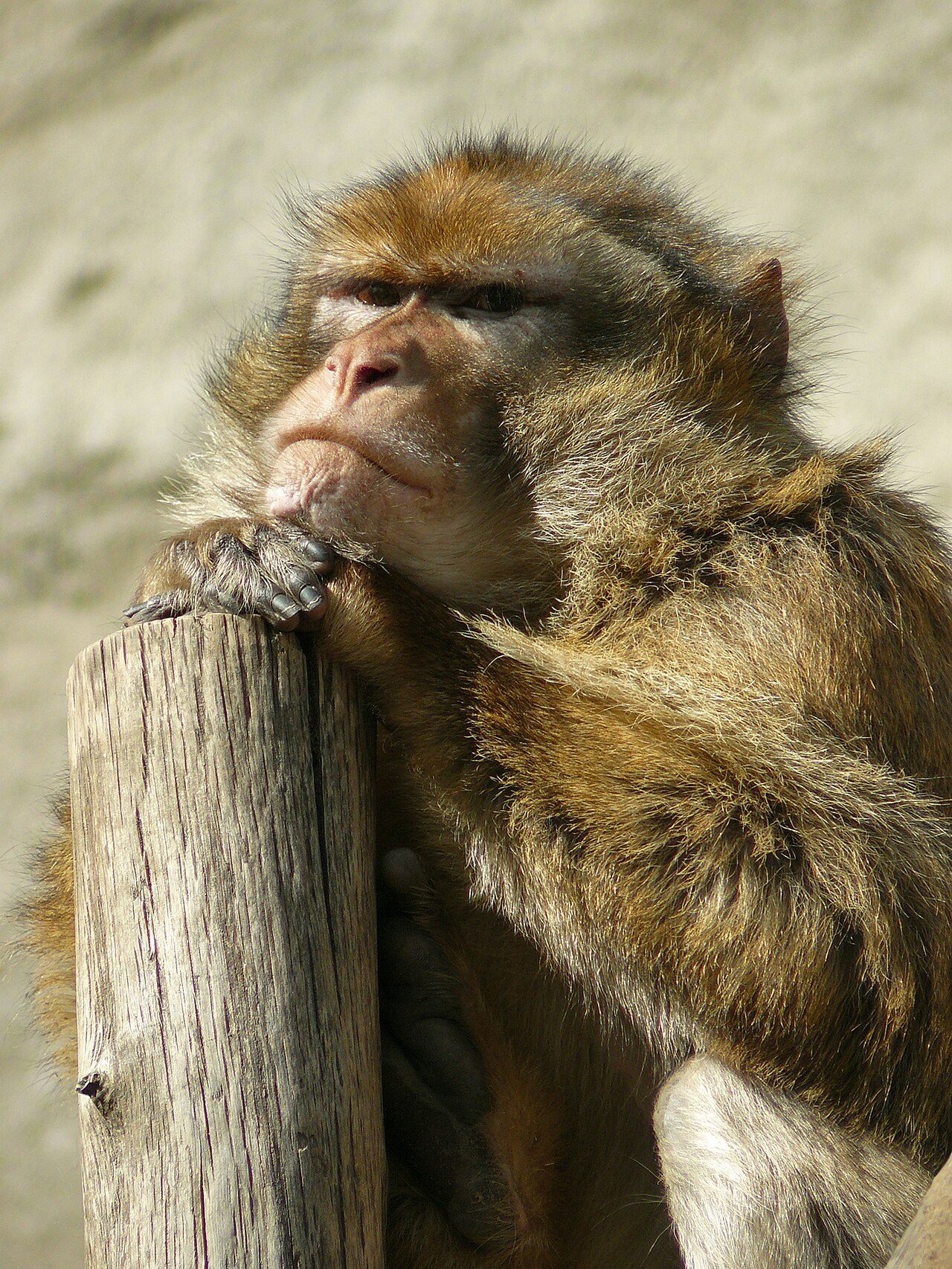
Barbary Macaque
Morocco, Algeria & Gibraltar
Social, hardy, cold-tolerant
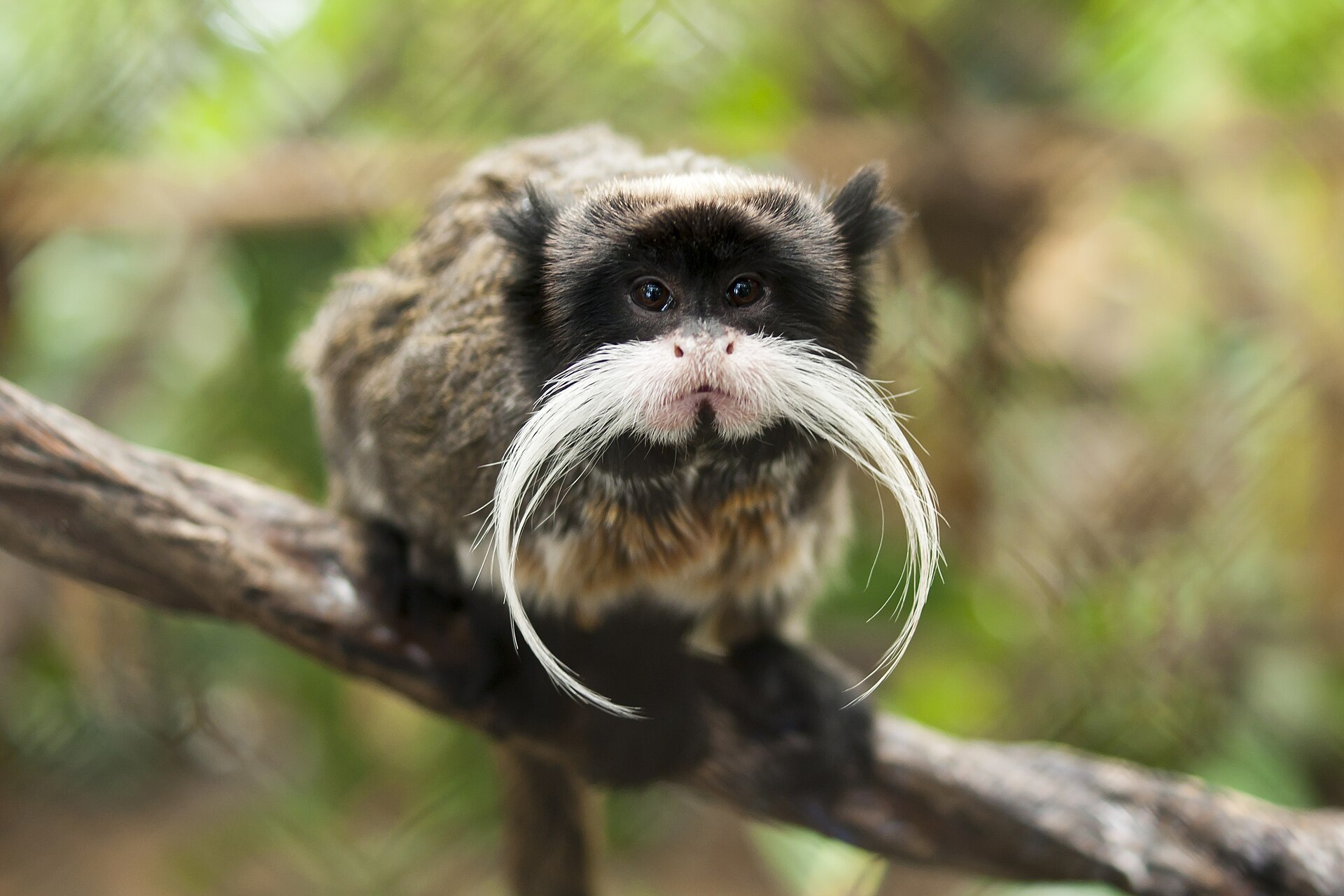
Emperor Tamarin
Western Amazon (Peru, Bolivia, Brazil)
Active, vocal, cooperative
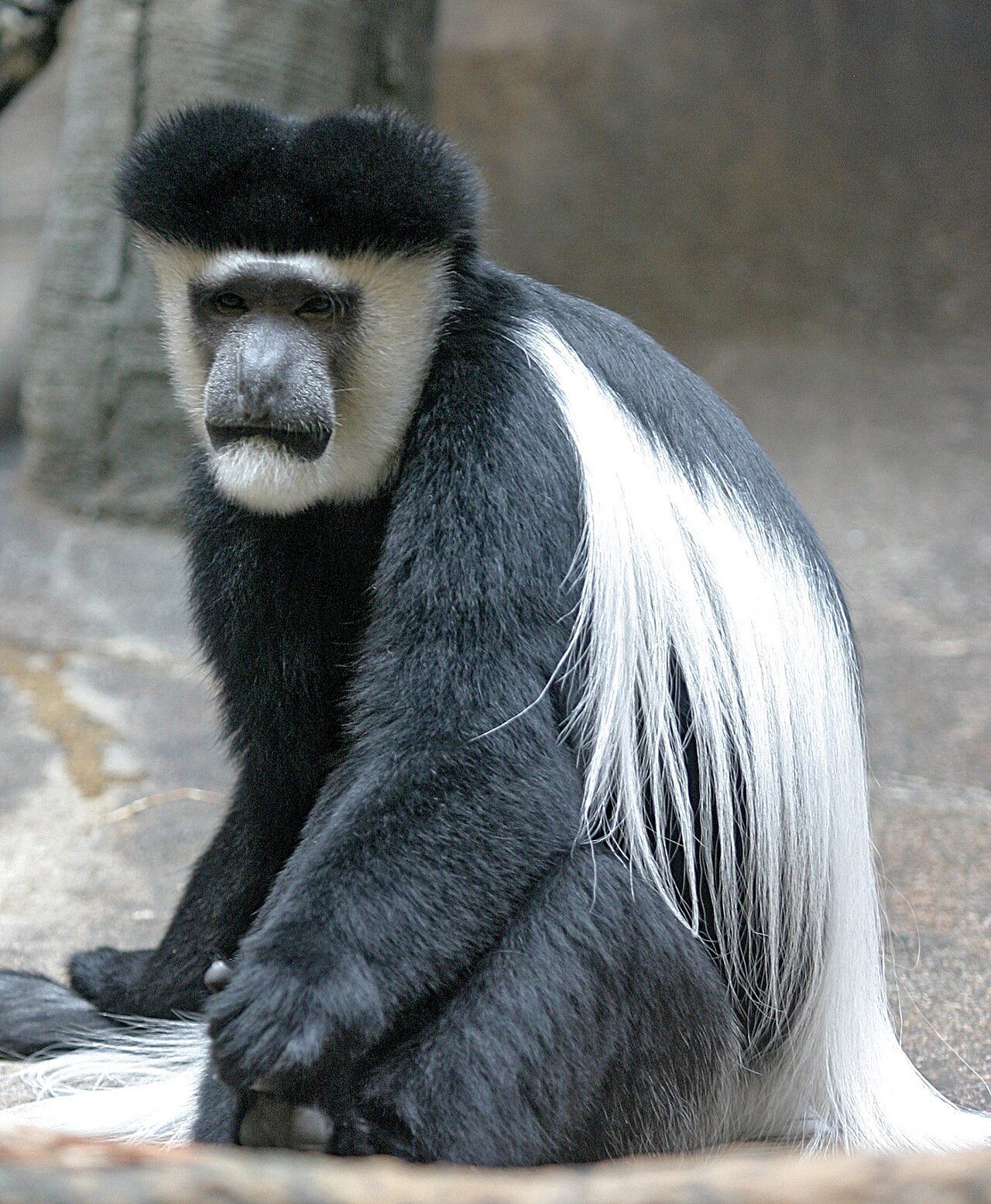
Black-and-White Colobus
Equatorial Africa
Arboreal, leaf-eating, graceful
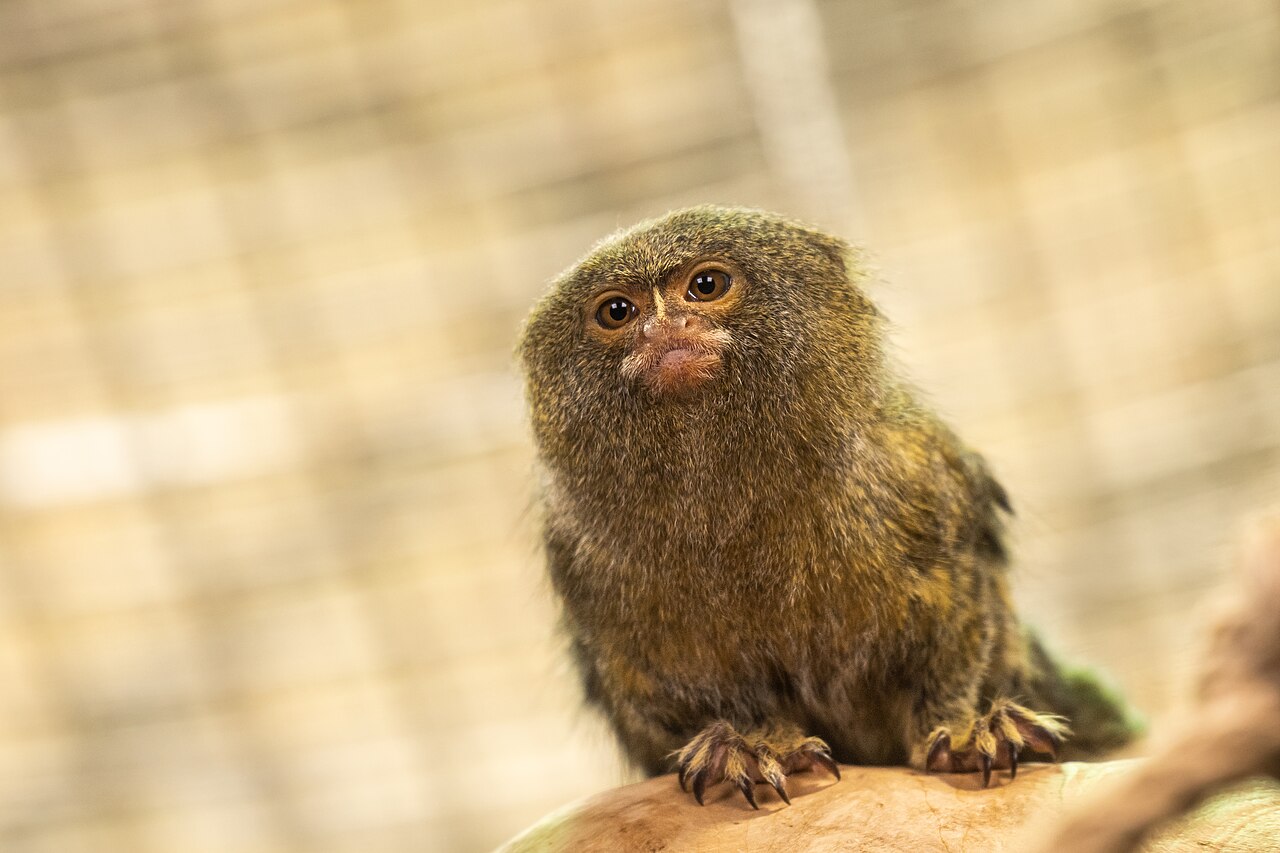
Pygmy Marmoset
Western Amazon basin
Active, secretive, gum-feeding
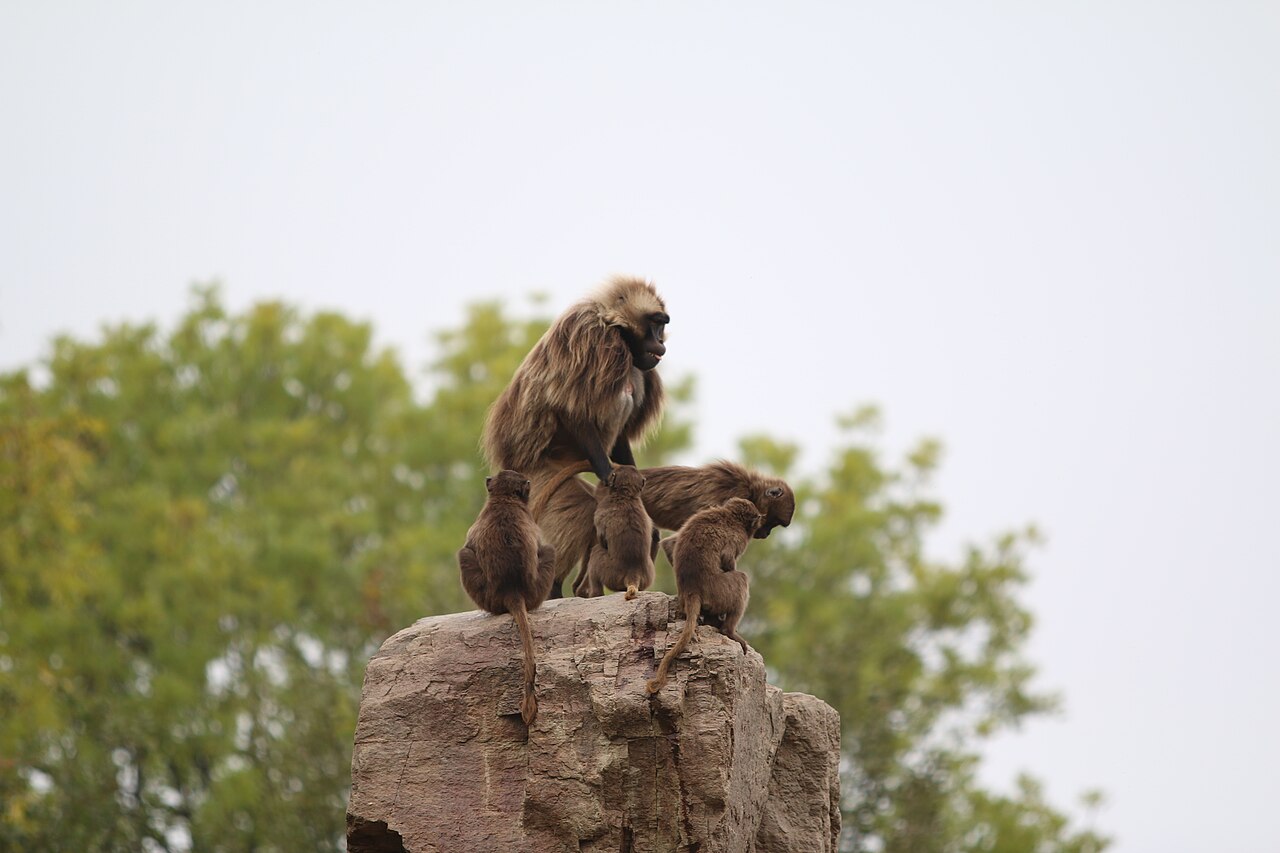
Gelada
Ethiopian highlands
Grass-grazing, highly social, terrestrial
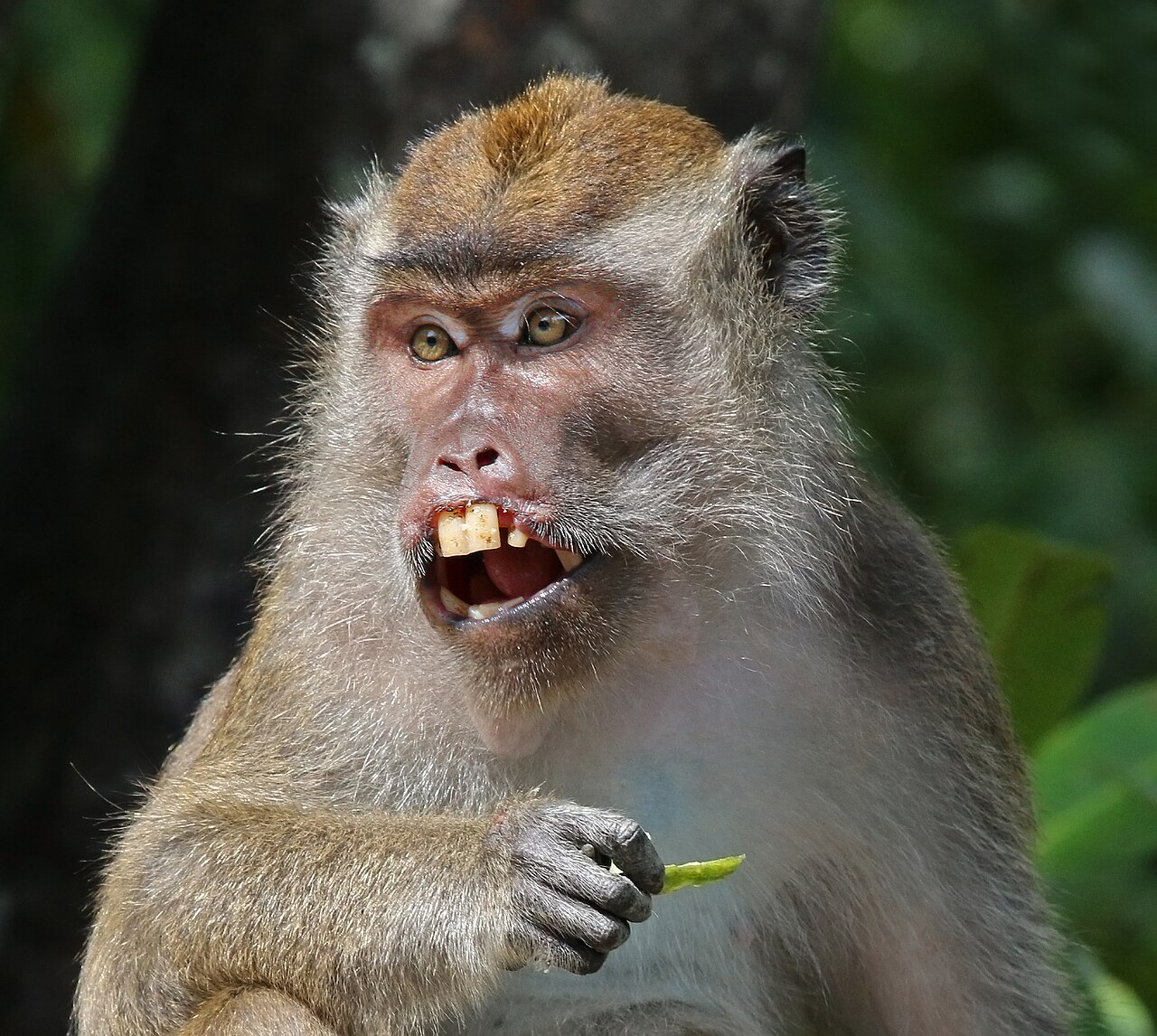
Long-tailed Macaque
Southeast Asia
Adaptable, intelligent, water-loving
What WARN Does
WARN publishes this guide for education and is developing support through assessed animal-welfare grants. A species range, source citation or photograph does not establish a recipient or funding agreement. Check /about/where-your-money-goes/#grant-register for published grant and payment records; records not yet published must not be read as zero activity. Browse /appeals/ for the purposes currently available to support.
If this guide helps you understand why wild monkeys belong in the forest, a gift to WARN supports habitat protection and anti-trafficking work for primates in our partner countries.
Monkey: Frequently Asked Questions
How many monkey species are there?
What is the difference between a monkey and a gorilla?
Can you have a pet monkey?
Are monkeys endangered?
What do monkeys eat?
Where do monkeys live?
Are monkeys dangerous?
How long do monkeys live?
How big is a monkey?
Sources & References
Population figures, conservation status and biological facts on this page are drawn from authoritative scientific and intergovernmental sources.
Terms used on this page
Plain-English definitions, from our wildlife and conservation glossary.
Latest Monkey Stories
Quick, fact-checked reads on the monkey — amazing facts, key questions and the threats it faces.
Species
Slow Loris: Why the Internet's Favourite Pet Is a Conservation Disaster
The slow loris looks like a cartoon character — and that has nearly destroyed the species. Here is the truth behind the viral videos.
Read the storySpecies
The Snow Leopard: Why the Ghost of the Mountains Is Still Vulnerable
The snow leopard is one of the most elusive big cats on earth, with an estimated 4,000-6,500 individuals across twelve range states — including Pakistan, where WARN is preparing to operate. This briefing explains why the species was downlisted from Endangered to Vulnerable in 2017 and why that is not the success story it sounds like.
Read the storyGuides
Sun Bear vs Moon Bear: The Two Most Trafficked Asian Bears
The sun bear and the Asiatic black bear (moon bear) are the two most commonly trafficked bears in Asia — for the pet trade, for traditional medicine and for bear-bile farming. Here is how to tell them apart.
Read the storyExplore more animals
Discover more animals, their habitats and their conservation status in the WARN wildlife-guide library.