Animal Comparison
Lemur vs Monkey
Lemurs are strepsirrhine primates endemic to Madagascar; monkeys are simian primates of Asia, Africa and the Americas. Wet noses and geography separate them.
By WARN Research & Conservation TeamLast updated
In brief — Lemur vs Monkey
Madagascar strepsirrhine with a wet nose usually means lemur; African, Asian or American simian usually means monkey.
Lemurs are primates found naturally only on Madagascar (and nearby islands), belonging to the strepsirrhine group with typically wet noses and a reflective eye layer. Monkeys are simian primates living across Africa, Asia and the Americas, generally with dry noses and different face anatomy. Both are primates; lemurs are not monkeys in careful speech.
See the difference
Images are shown at different scales. Read each caption for the species, source and context.
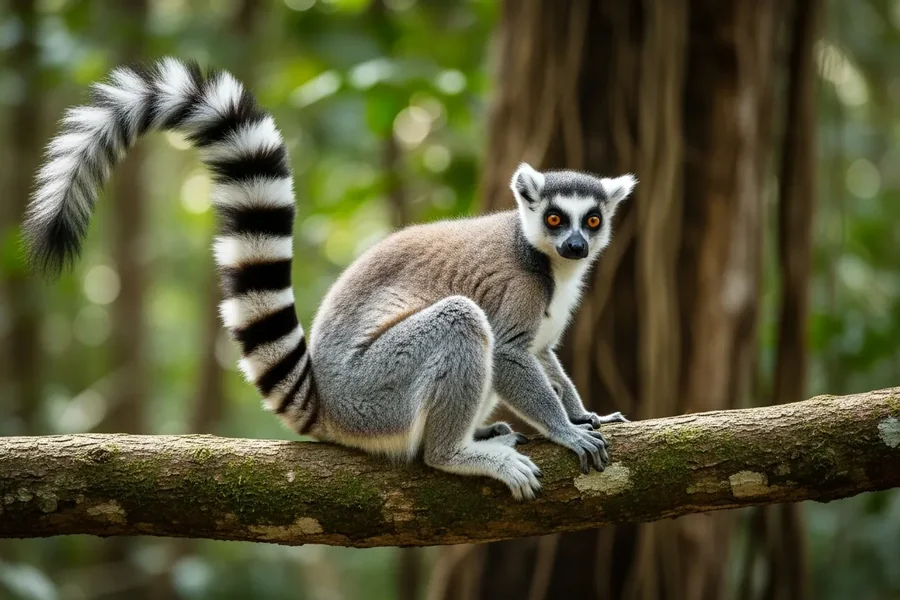
Lemur — Madagascar strepsirrhine
AI-generated educational wildlife portrait — World Animal Rescue Network
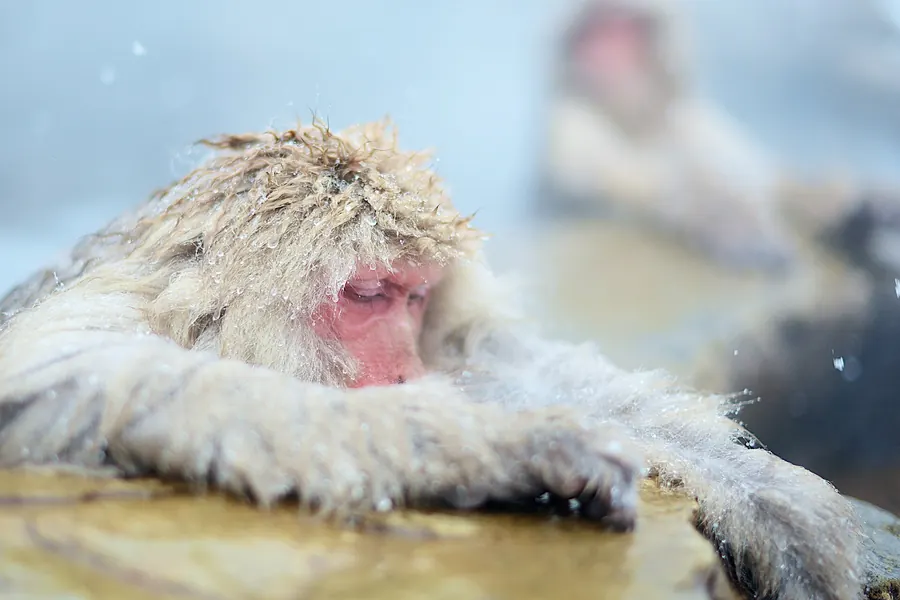
Monkey — haplorhine primate
AI-generated educational wildlife portrait — World Animal Rescue Network
Lemur vs Monkey: At a Glance
| Feature | Lemur | Monkey |
|---|---|---|
| Native wild home | Madagascar (and nearby) | Africa, Asia, Americas |
| Primate group | Strepsirrhine | Simian (haplorhine monkeys) |
| Nose stereotype | Wet rhinarium typical | Dry nose typical |
| Tapetum (eye-shine) | Often present | Typically absent in monkeys |
| Toothcomb | Often present | Absent |
| Tail use | Many long-tailed forms | Many long-tailed forms |
| Day/night | Many nocturnal or cathemeral | Many diurnal |
| Social systems | Diverse; some female-dominant | Diverse troops and pairs |
| Are lemurs monkeys? | No (careful speech) | Monkeys are monkeys |
| Apes note | Also not lemurs | Apes are not monkeys either |
Size and physical differences
Both groups span mouse-sized to larger forms — mouse lemurs versus indri, marmosets versus mandrills — so geography and nose/face traits beat a single weight.
Lemur versus monkey is a primate family-tree question driven by zoo labels and cartoon casts. Lemurs radiated on Madagascar in isolation and retain strepsirrhine traits such as a moist rhinarium (wet nose) in the typical teaching contrast. Monkeys — New World and Old World — are haplorhine simians with different nasal structure and, in many species, more forward-facing faces adapted to day living.
Calling every primate a monkey erases lemurs, apes and tarsiers as distinct everyday categories. Apes are not covered in depth here, but the key point stands: lemur is not a synonym of monkey. Geography alone almost settles wild sightings — if it is wild on Madagascar, monkey is the wrong default.
This comparison sticks to marks you can use without laboratory gear: size, shape, behaviour and the words people actually type into a search box. Scientific names are given where they prevent a regional mix-up. Where a popular belief is wrong, the correction leads; where two animals are simply different, the decisive field mark leads. Ranges and masses are given as working bands from standard natural-history references, not as courtroom measurements for every individual.
Geography is nearly decisive in the wild
Wild lemurs are Madagascar’s story. Wild monkeys are not native there. Zoo collections break the rule for visitors, which is why face anatomy still matters indoors. For news photos tagged on location, island endemic equals lemur until proven otherwise. Use more than one mark before you decide — single-trait IDs fail on juveniles, regional forms and poor light. In practice, people meet these animals in brief glances. Slow down long enough to check the two or three marks in the table above before accepting the first common name that comes to mind. Mislabeling spreads through photos and social posts faster than corrections do, which is why a short, checkable comparison page earns its keep. When experts disagree on subspecies or English names, the underlying biology — diet, body plan, reproductive cycle — remains the stable part of the answer.
Wet nose, toothcomb and eye-shine
Teaching contrasts highlight the rhinarium, a toothcomb for grooming in many strepsirrhines, and a tapetum that can produce eye-shine at night. Monkeys typically lack that package. Not every trait is visible in every photo, so use what you can see and do not invent the rest. Geography matters: the same English names attach to different species on different continents, and range often settles an argument faster than colour. In practice, people meet these animals in brief glances. Slow down long enough to check the two or three marks in the table above before accepting the first common name that comes to mind. Mislabeling spreads through photos and social posts faster than corrections do, which is why a short, checkable comparison page earns its keep. When experts disagree on subspecies or English names, the underlying biology — diet, body plan, reproductive cycle — remains the stable part of the answer.
Day schedules and body plans
Many monkeys are day-active troop animals of forests and savannas. Lemurs include famous day-active sifakas and ring-tailed lemurs alongside many nocturnal species. Diversity on both sides means schedule alone fails; combine it with geography and face. Behaviour at the moment of observation — feeding, escape, nesting — is evidence, not a personality story about the whole species. In practice, people meet these animals in brief glances. Slow down long enough to check the two or three marks in the table above before accepting the first common name that comes to mind. Mislabeling spreads through photos and social posts faster than corrections do, which is why a short, checkable comparison page earns its keep. When experts disagree on subspecies or English names, the underlying biology — diet, body plan, reproductive cycle — remains the stable part of the answer.
Why “monkey” swallows other words
English speakers often say monkey for any primate that is not a great ape or human. That habit mislabels lemurs and frustrates educators. Precise words help conservation messaging about Madagascar’s unique fauna, which is not interchangeable with Amazon or African monkey communities. Conservation status is assessed taxon by taxon; a group label like 'wasp' or 'antelope' is not an IUCN status. In practice, people meet these animals in brief glances. Slow down long enough to check the two or three marks in the table above before accepting the first common name that comes to mind. Mislabeling spreads through photos and social posts faster than corrections do, which is why a short, checkable comparison page earns its keep. When experts disagree on subspecies or English names, the underlying biology — diet, body plan, reproductive cycle — remains the stable part of the answer.
Shared primate traits without synonymy
Both have grasping hands, relatively large brains for body size among mammals, and complex social lives in many species. Those shared primate features explain the confusion. They do not license calling a lemur a monkey in a field guide sense. If you are managing conflict with people or pets, identify first, then choose a proportionate response; misidentification wastes effort and can harm the wrong animal. In practice, people meet these animals in brief glances. Slow down long enough to check the two or three marks in the table above before accepting the first common name that comes to mind. Mislabeling spreads through photos and social posts faster than corrections do, which is why a short, checkable comparison page earns its keep. When experts disagree on subspecies or English names, the underlying biology — diet, body plan, reproductive cycle — remains the stable part of the answer.
Did you know?
Madagascar’s isolation let lemurs diversify without monkeys as competitors — geography wrote the family tree people still mix up in zoos.
Lemur vs Monkey: FAQs
Is a lemur a monkey?
What is the difference between a lemur and a monkey?
Do lemurs live in Africa mainland wild?
Are apes monkeys?
Why do lemurs’ eyes shine at night?
Which is bigger?
Help protect animals
Learning about animals can help more people understand their needs. WARN raises funds for eligible animal-welfare organisations. Read the relevant appeal’s purpose, recipient status and fund terms, or share this free guide to raise awareness.