Wildlife Guide · Madagascar
Lemur
Infraorder Lemuriformes
Madagascar's primate dynasty — and the most endangered mammals on Earth.
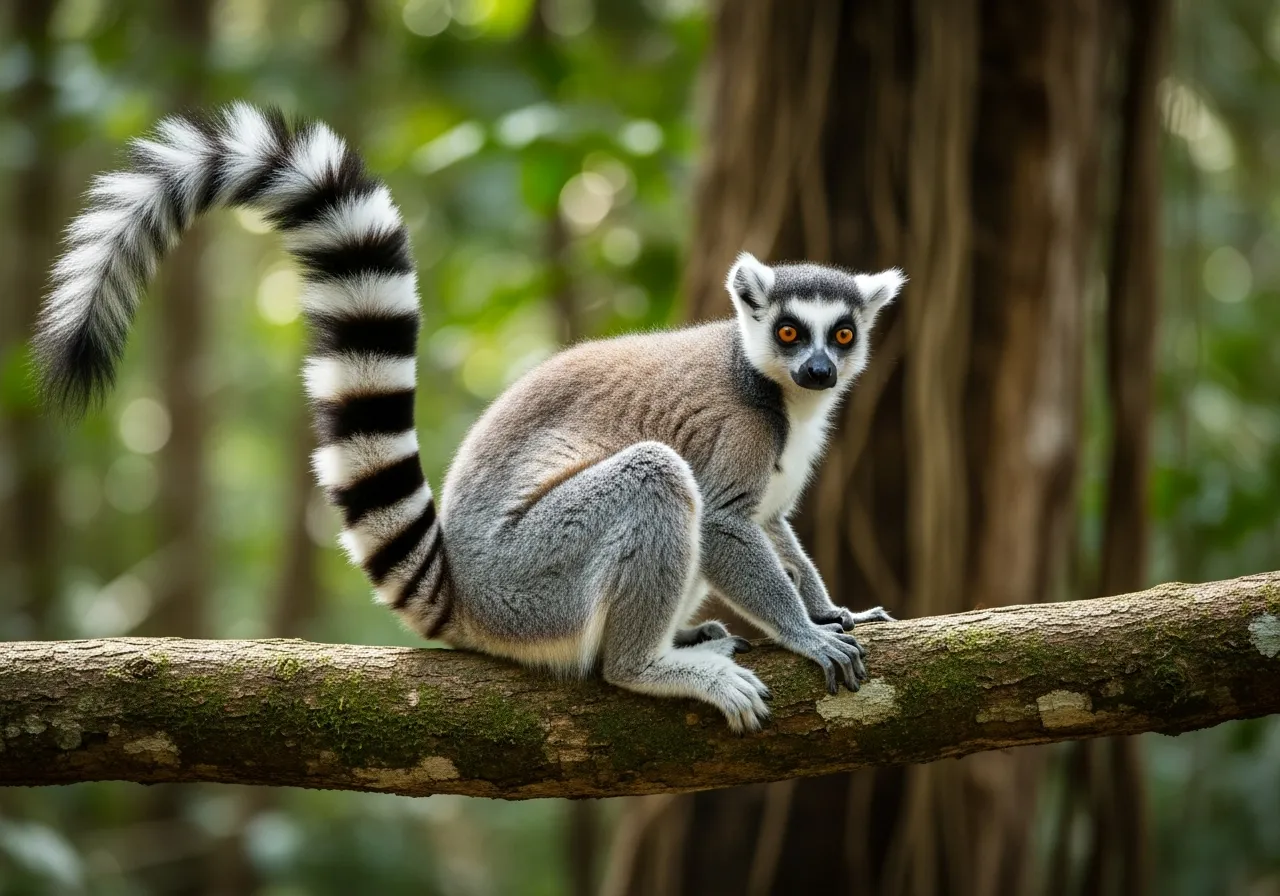
Source: Global Animal Guide (WARN)
In brief
A lemur is a primate native only to Madagascar and nearby islands, forming the group Lemuriformes. More than 100 species exist, from tiny mouse lemurs to the familiar ring-tailed lemur. Most are tree-dwelling, and lemurs are the most endangered mammal group on Earth.
Also in Animals A to Z · Animals that start with L
By WARN Research & Conservation TeamLast updated
Lemurs are primates found in the wild only on Madagascar and a few nearby islands, where they have evolved into more than 100 species over tens of millions of years of isolation. They range from the tiny mouse lemurs, among the smallest primates alive, to the cat-sized ring-tailed lemur and the strange, long-fingered aye-aye. Most are tree-dwelling and many are active by night, with large reflective eyes and an excellent sense of smell. Lemurs are now the most threatened large group of mammals on the planet: the great majority of assessed species are classed as Endangered or Critically Endangered, driven mainly by deforestation and hunting.
100+
species, all found only on Madagascar
~95%
of assessed species are threatened with extinction
30 g
weight of the smallest mouse lemurs
Appendix I
CITES listing for all lemurs
Figures sourced from Lemur — Wikipedia, Ring-tailed lemur — Wikipedia, Lemur — Encyclopaedia Britannica and other references on this page.
Lemur: Quick Facts
| Common name | Lemur |
|---|---|
| Group | Lemuriformes (strepsirrhine primates) |
| Number of species | More than 100 |
| Native range | Madagascar and a few nearby islands only |
| Habitat | Forests, from rainforest to dry spiny forest |
| Size range | From ~30 g mouse lemurs to ~9 kg indri |
| Diet | Fruit, leaves, flowers, nectar, gum and insects |
| Activity | Some diurnal, many nocturnal; some hibernate |
| IUCN status | Varies; most assessed species Endangered or Critically Endangered |
| CITES | Appendix I (all species) |
Scientific Classification
| Kingdom | Animalia |
|---|---|
| Phylum | Chordata |
| Class | Mammalia |
| Order | Primates |
| Suborder | Strepsirrhini |
| Infraorder | Lemuriformes |
| Families | Five (e.g. Lemuridae, Cheirogaleidae, Indriidae, Lepilemuridae, Daubentoniidae) |
Conservation Status
- IUCN Status
- Varies by species, but lemurs as a whole are widely regarded as the most threatened group of mammals on Earth. The great majority of assessed species are classified as Endangered or Critically Endangered on the IUCN Red List, with only a small number listed as Least Concern. The primary drivers are deforestation, habitat fragmentation and hunting.
- Population
- No single total; many species number only a few thousand individuals or fewer, and several are among the rarest primates in the world.
- Trend
- Decreasing for most species
- Assessed
- Assessed across multiple IUCN Red List reviews; lemurs repeatedly highlighted as the most endangered mammal group
- CITES
- Appendix I (all lemur species)
Because most lemurs have small natural ranges and depend on specific forest types, even limited forest loss can threaten an entire species. Protecting and restoring Madagascar's forests is central to their survival.
Key Facts: Lemur
- Lemurs live in the wild only on Madagascar and a handful of nearby islands — they are found nowhere else on Earth.
- There are more than 100 recognised species, ranging from mouse lemurs weighing about 30 grams to the larger indri and the ring-tailed lemur.
- Lemurs are the most endangered group of mammals on the planet, with the vast majority of assessed species Endangered or Critically Endangered.
- Deforestation, agricultural clearance and hunting for bushmeat are the main threats to their survival.
- All lemur species are listed on CITES Appendix I, the strictest level of international trade protection.
- The ring-tailed lemur, with its black-and-white banded tail, is the most recognisable species and a symbol of Madagascar's wildlife.
What exactly is a lemur?
Lemurs are primates, distant relatives of monkeys, apes and humans, but they belong to a separate and much older branch of the primate family tree called the strepsirrhines, which also includes bushbabies and lorises. The name comes from the Latin lemures, meaning ghosts or spirits, a nod to the wide reflective eyes and eerie nocturnal calls of many species. Lemurs are defined partly by where they live: in the wild they occur naturally only on Madagascar and a few neighbouring islands such as the Comoros, where they were introduced. They are thought to have reached Madagascar from mainland Africa tens of millions of years ago, probably rafting across the Mozambique Channel on floating vegetation, and then diversified in isolation into the extraordinary range of forms seen today. Compared with monkeys, lemurs generally have a more dog-like snout, a stronger reliance on smell, and a special grooming claw on one toe. Many also possess a toothcomb, a set of forward-tilting lower teeth used for grooming and feeding, which is a hallmark of the group.
How many kinds of lemur are there?
Scientists currently recognise well over 100 living lemur species, and the count has grown as genetic studies reveal that populations once thought to be a single species are in fact several. They are usually grouped into five families. The mouse and dwarf lemurs include some of the smallest primates in the world, a few weighing only around 30 grams. The sportive lemurs are slender, nocturnal leapers. The true lemurs include the famous ring-tailed lemur and the brown lemurs. The indri family contains the indri itself — the largest living lemur, known for its haunting, whale-like songs — along with the sifakas, which bound sideways across open ground on two legs. Finally, the aye-aye sits in a family of its own: a strange nocturnal lemur with rodent-like teeth and a long, thin middle finger that it uses to tap on wood and fish out grubs. This variety, packed onto a single island, makes Madagascar one of the most important places on Earth for primate diversity.
Why are lemurs so endangered?
Lemurs are widely described as the most threatened group of mammals on Earth. The great majority of assessed species are classified as Endangered or Critically Endangered on the IUCN Red List, and only a small handful are considered of least concern. The central problem is habitat loss. Madagascar has lost a large share of its original forest cover to logging, charcoal production and slash-and-burn agriculture, leaving many lemurs confined to shrinking, fragmented patches of woodland. Because most species are specialised to particular forest types and have small natural ranges, even modest forest clearance can put a whole species at risk. Hunting adds further pressure: in some regions lemurs are killed for bushmeat or captured for the local pet trade, despite legal protection. Climate change and more frequent droughts and cyclones compound these threats. All lemurs are listed on CITES Appendix I, banning commercial international trade, but their future depends above all on protecting and restoring the forests of Madagascar on which every species relies.
How do lemurs live in the wild?
Lemur lifestyles are remarkably varied. Some, like the ring-tailed lemur, are active by day and spend a good deal of time on the ground, moving in social troops that can number a dozen or more. Many others are nocturnal, foraging alone or in small groups through the forest canopy under cover of darkness.
Diets range widely too: different species eat fruit, leaves, flowers, nectar, tree gum, insects and the occasional small animal, and some play an important role as pollinators and seed dispersers for Madagascar's plants. A striking feature of many lemur societies is female dominance, which is unusual among mammals — in ring-tailed lemurs and several other species, females take priority at feeding sites and lead the group.
Scent is central to lemur communication: they mark territory and signal status with secretions from glands on the wrists and rear, and male ring-tailed lemurs even hold 'stink fights', wafting scent from their tails at rivals. The dwarf and mouse lemurs are among the few primates known to enter long periods of torpor or hibernation to survive the dry season.
Explore lemur species on WARN
This hub introduces lemurs as a group — but most readers search for a particular species. WARN publishes a twelve-species lemur library linked from this page covering the ring-tailed lemur, indri, aye-aye, sifakas, mouse lemurs, ruffed lemurs, golden bamboo lemur and more.
Each species page includes range, behaviour, CITES Appendix I status and conservation FAQs. Lemurs are not pets — every species belongs in Madagascar's forests, and the pet trade is a serious threat alongside deforestation.
Support habitat protection appeals to help the forests on which all 100+ lemur species depend.
Lemur Species Guide
From the ring-tailed lemur and indri to the aye-aye, sifaka, mouse lemur and golden bamboo lemur — explore 12 of Madagascar's most searched lemur species with range, behaviour, conservation status and why all lemurs belong in the wild.
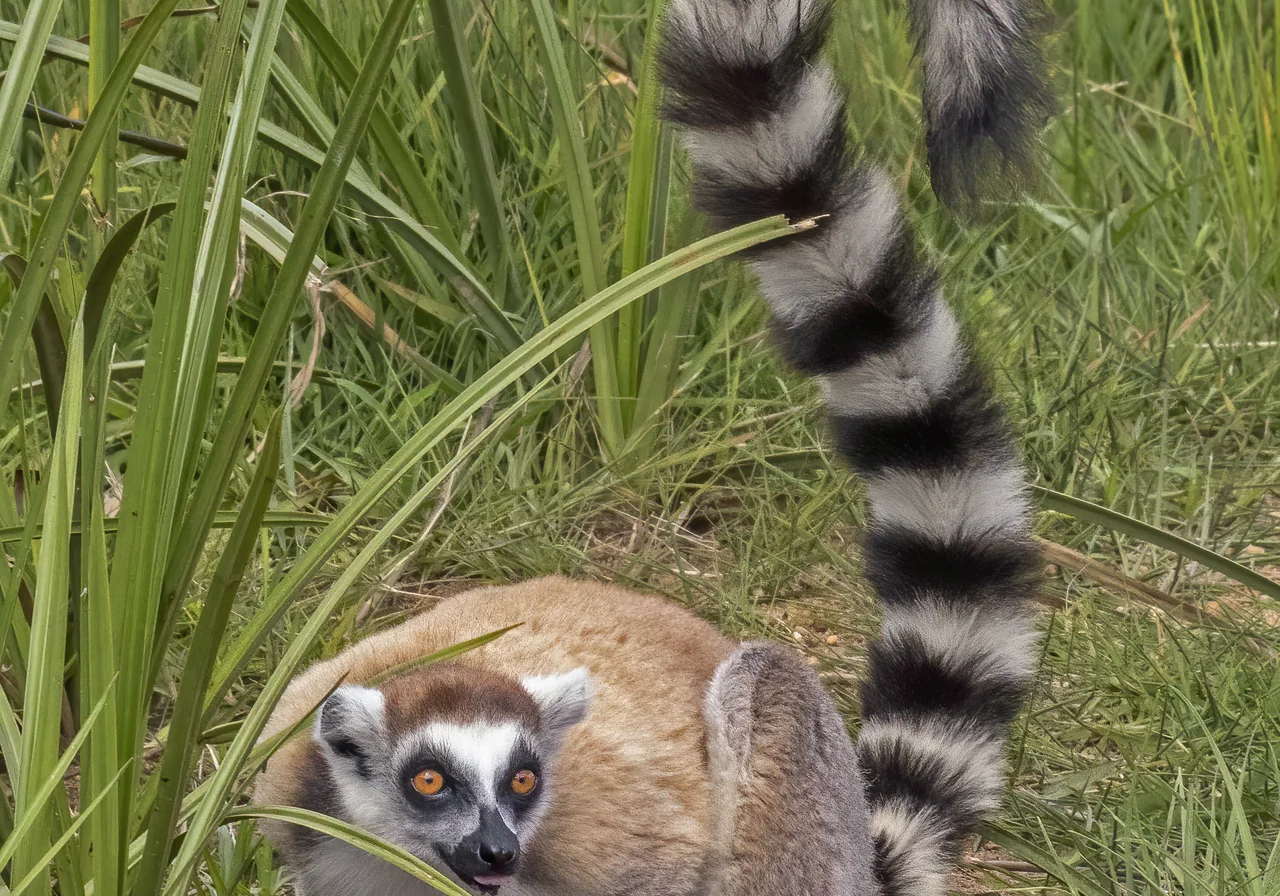
Ring-tailed Lemur
Madagascar (south & south-west)
Diurnal, social, female-dominant
Indri
Madagascar (eastern rainforest)
Pair-bonded, vocal, arboreal
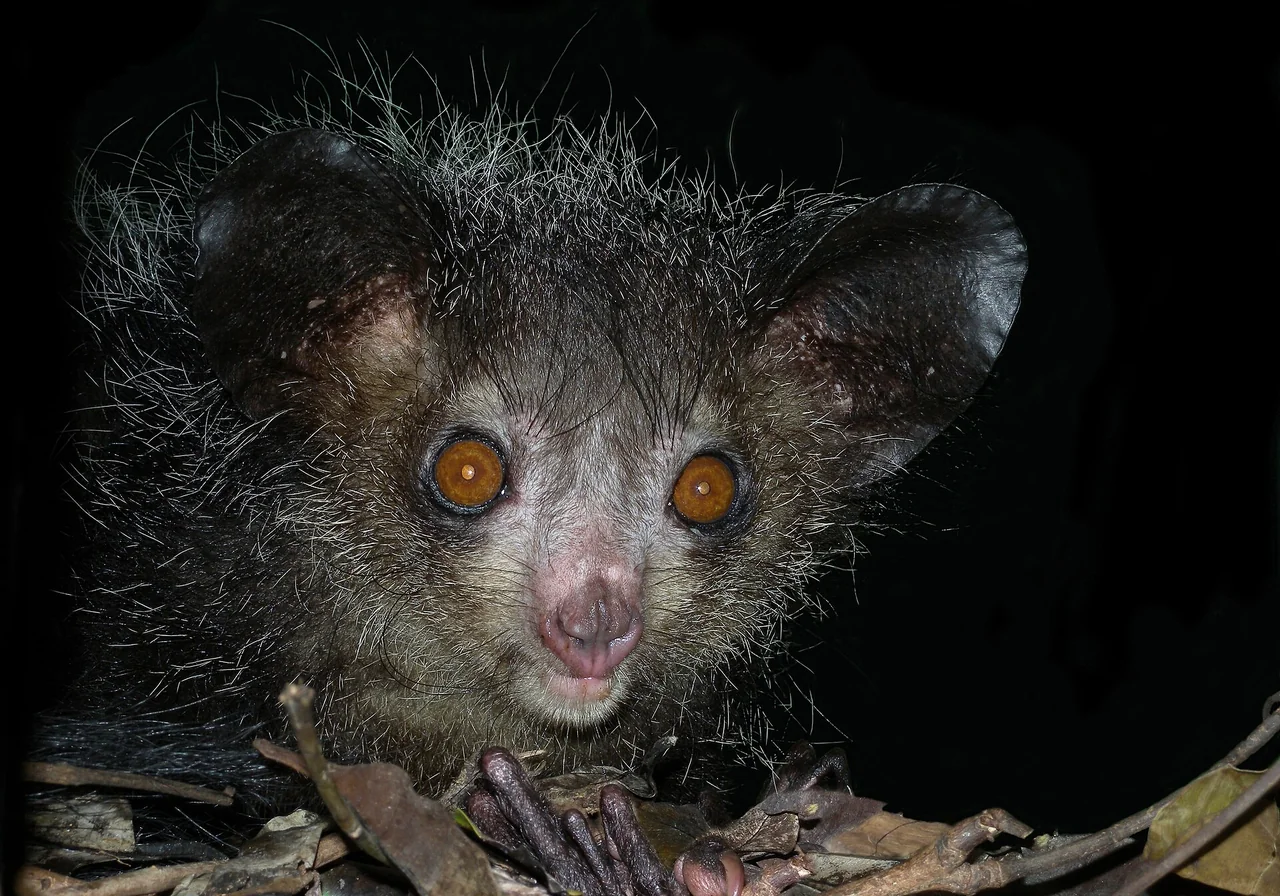
Aye-aye
Madagascar (east & north)
Nocturnal, solitary, specialised feeder
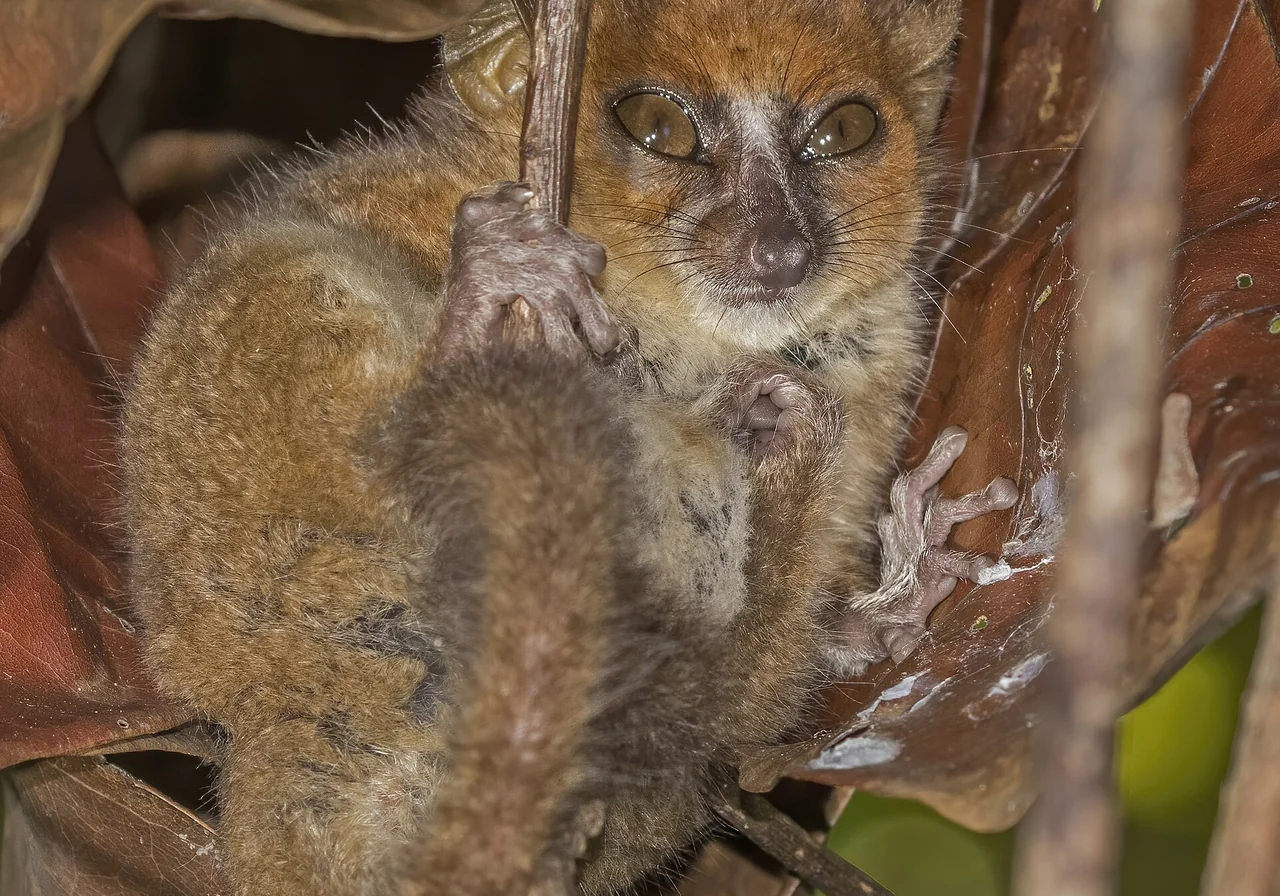
Mouse Lemur
Madagascar (widespread)
Nocturnal, solitary, torpor-capable
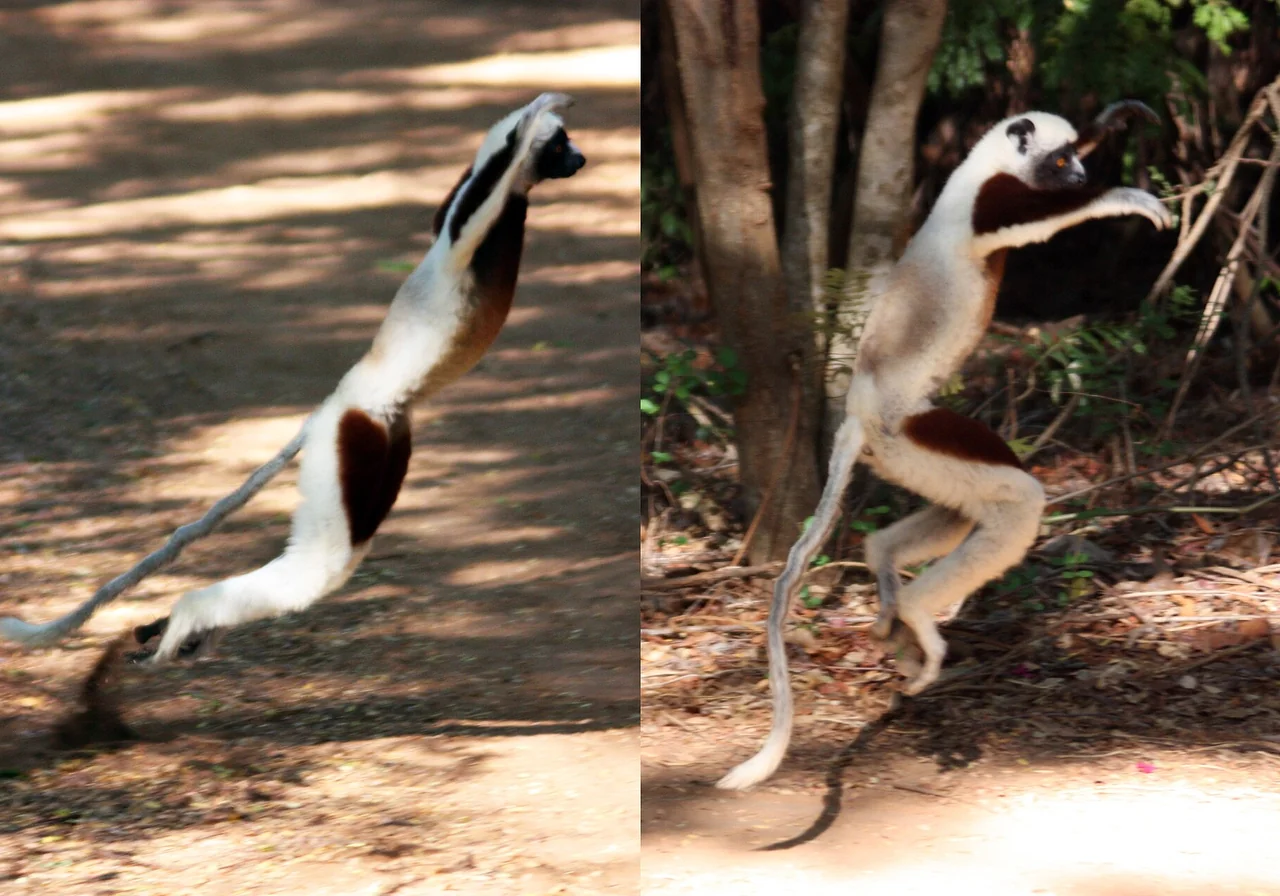
Coquerel's Sifaka
Madagascar (north-west dry forest)
Diurnal, leaping, social
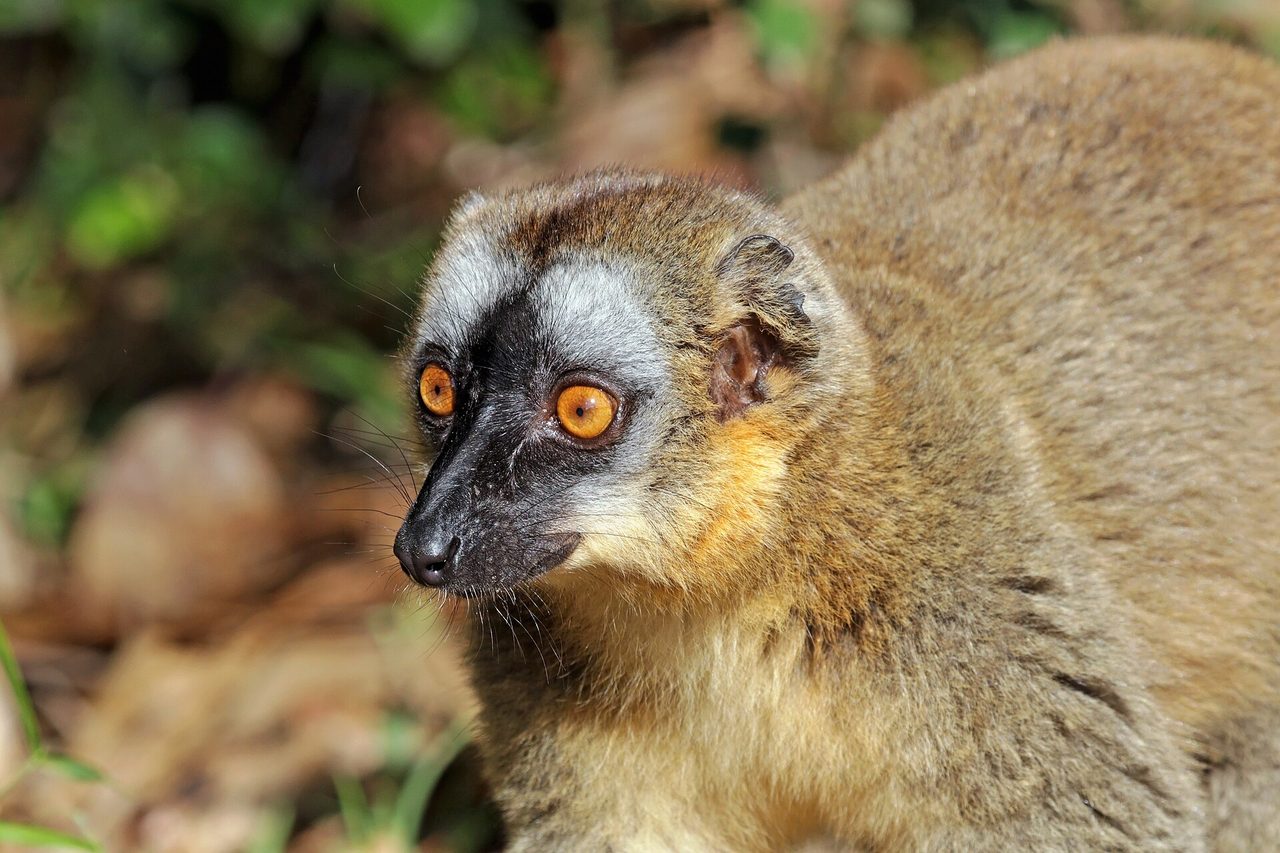
Brown Lemur
Madagascar (east & north-west)
Social, cathemeral, adaptable
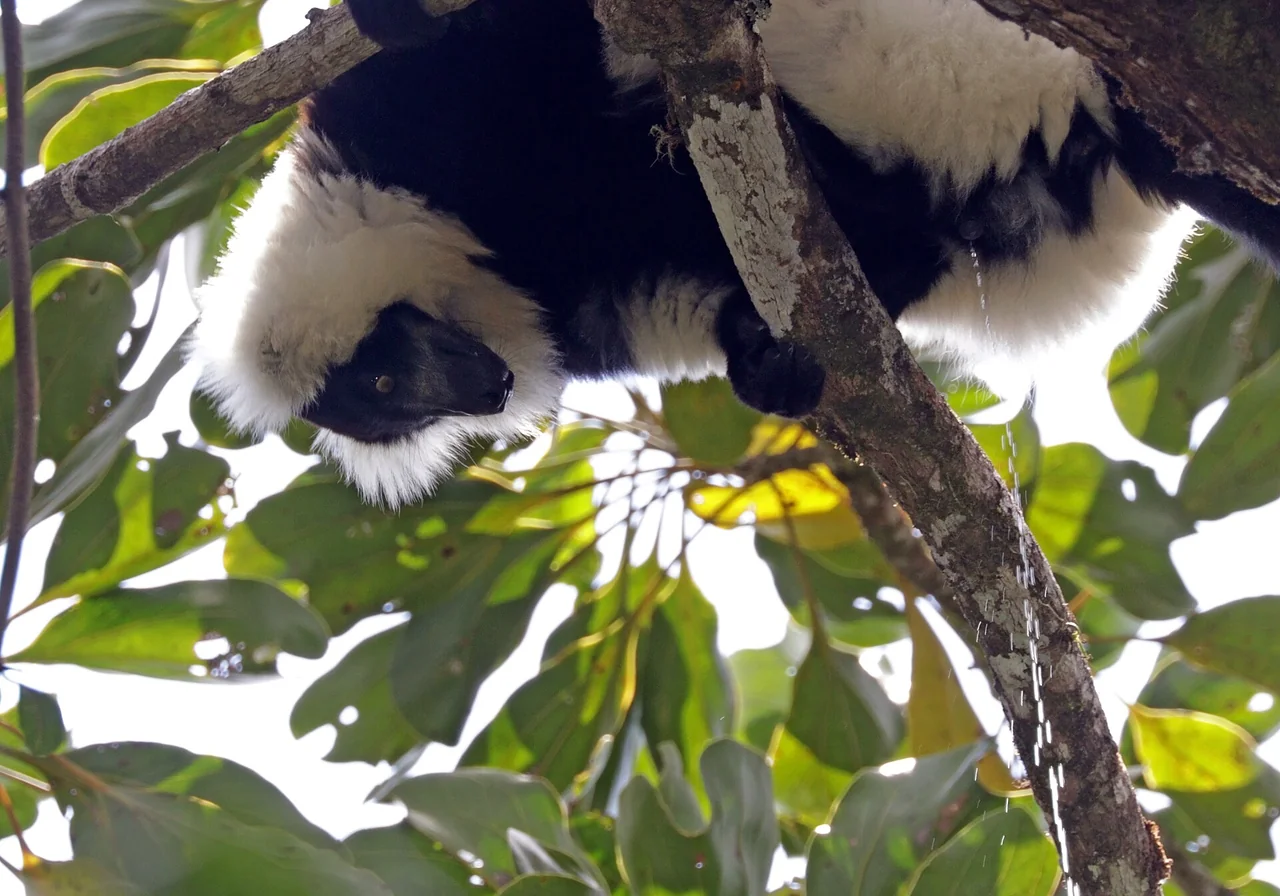
Black-and-white Ruffed Lemur
Madagascar (eastern rainforest)
Loud, frugivorous, nest-building
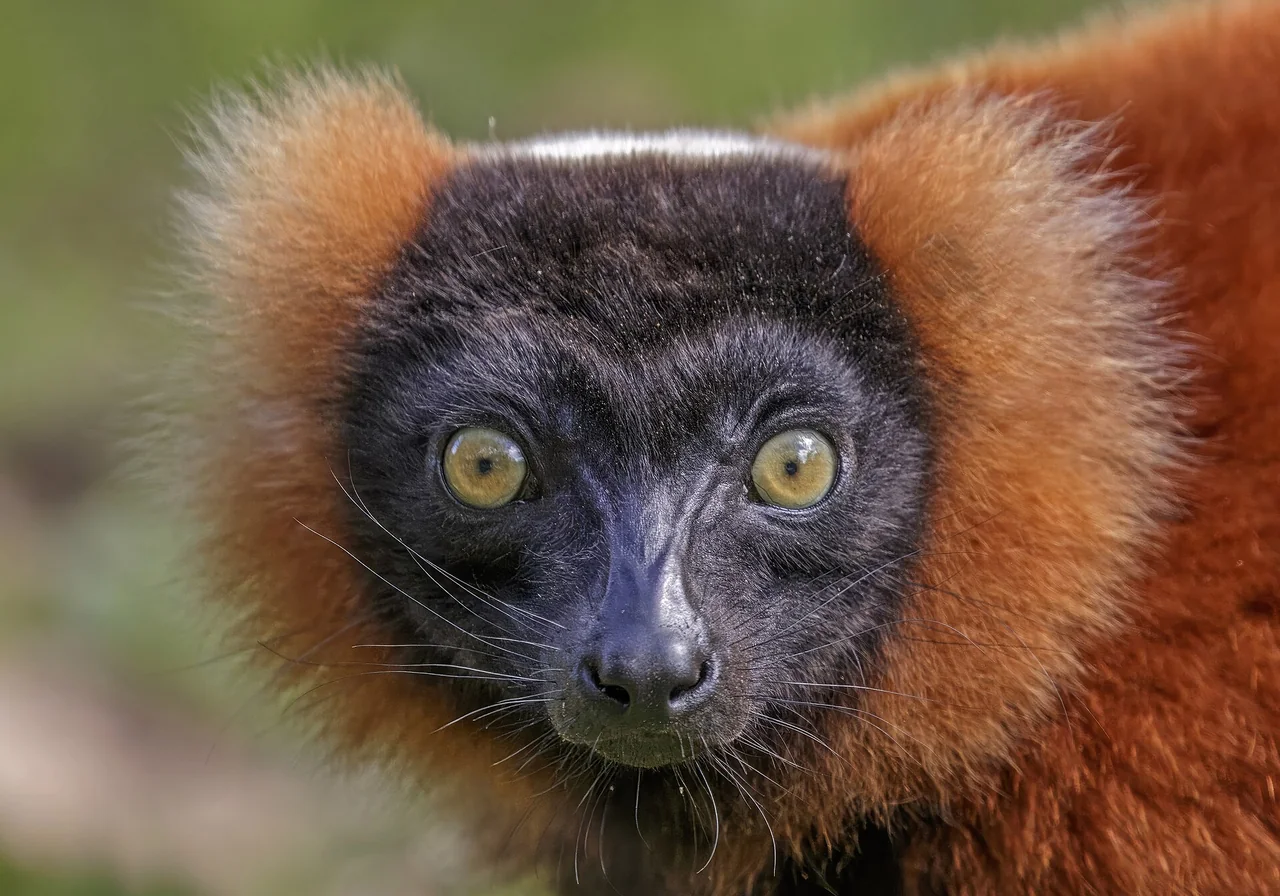
Red Ruffed Lemur
Madagascar (Masoala Peninsula)
Arboreal, frugivorous, vocal
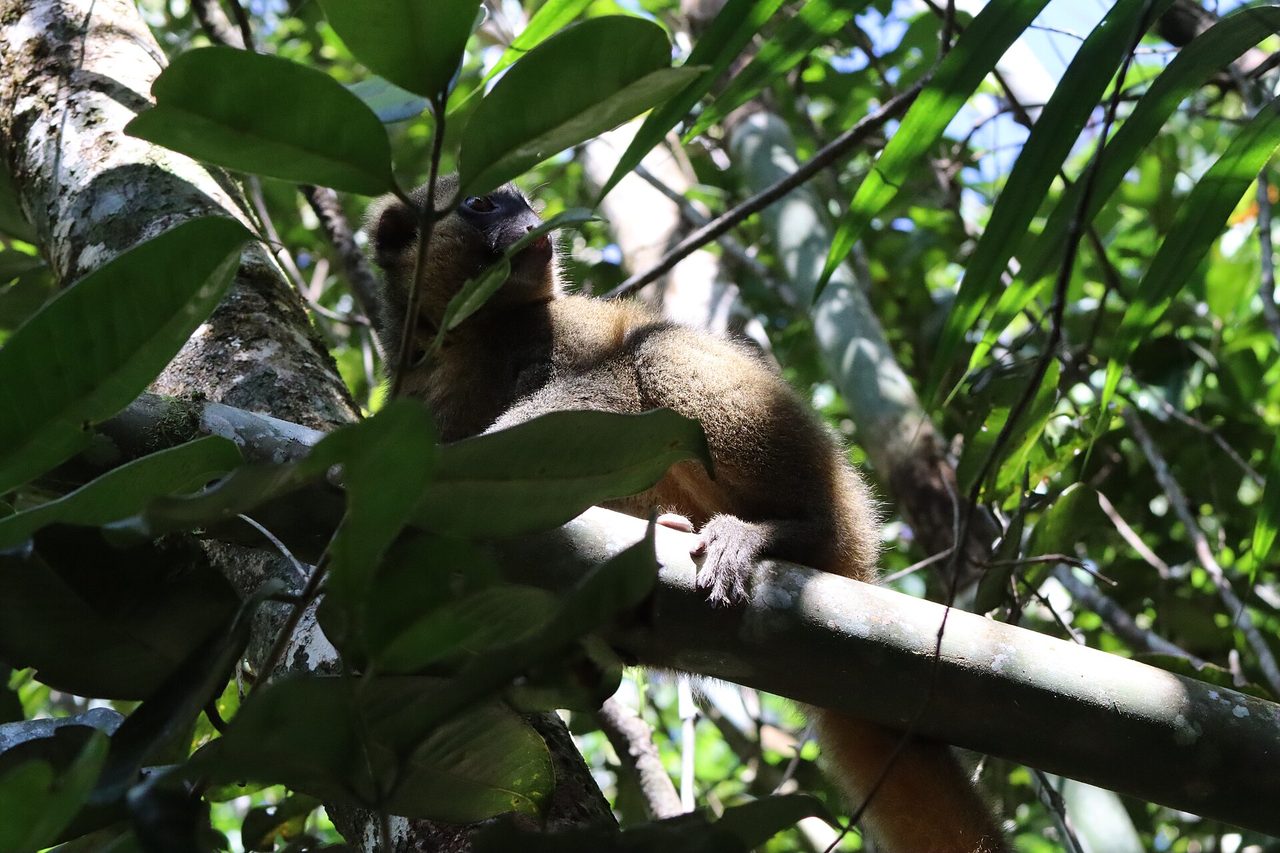
Golden Bamboo Lemur
Madagascar (south-east rainforest)
Bamboo specialist, social
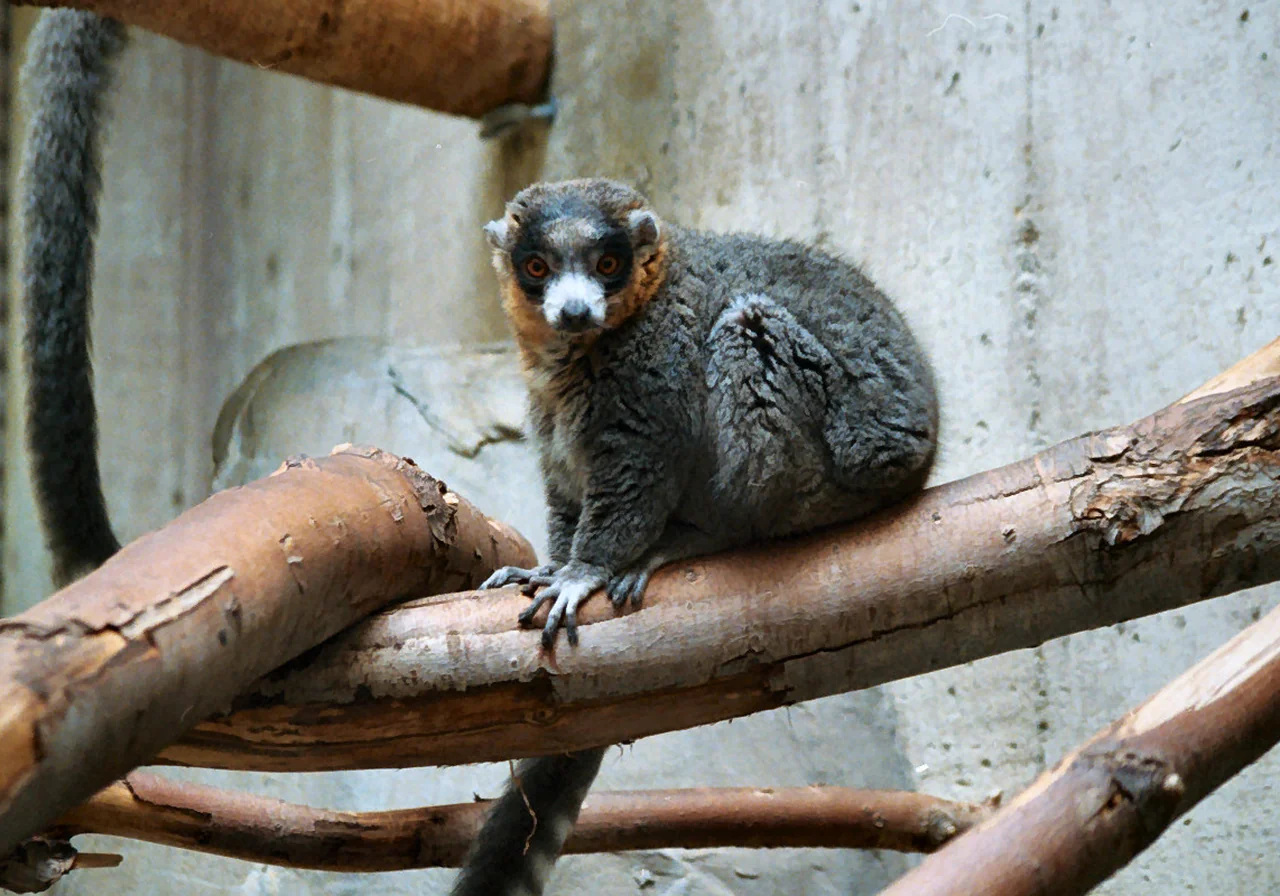
Mongoose Lemur
Madagascar (north-west) & Comoros
Cathemeral, pair-bonded
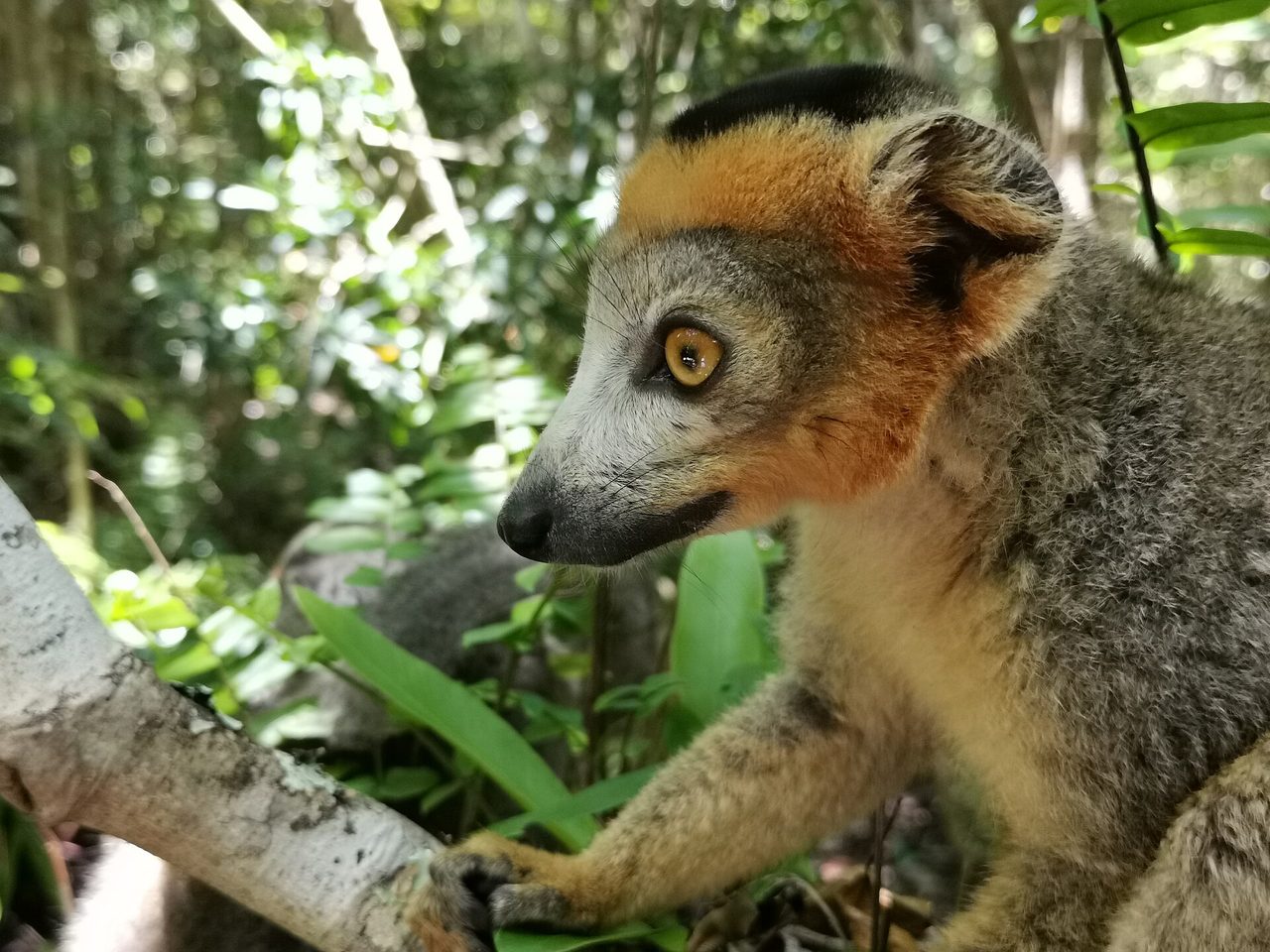
Crowned Lemur
Madagascar (far north tip)
Social, sexually dimorphic
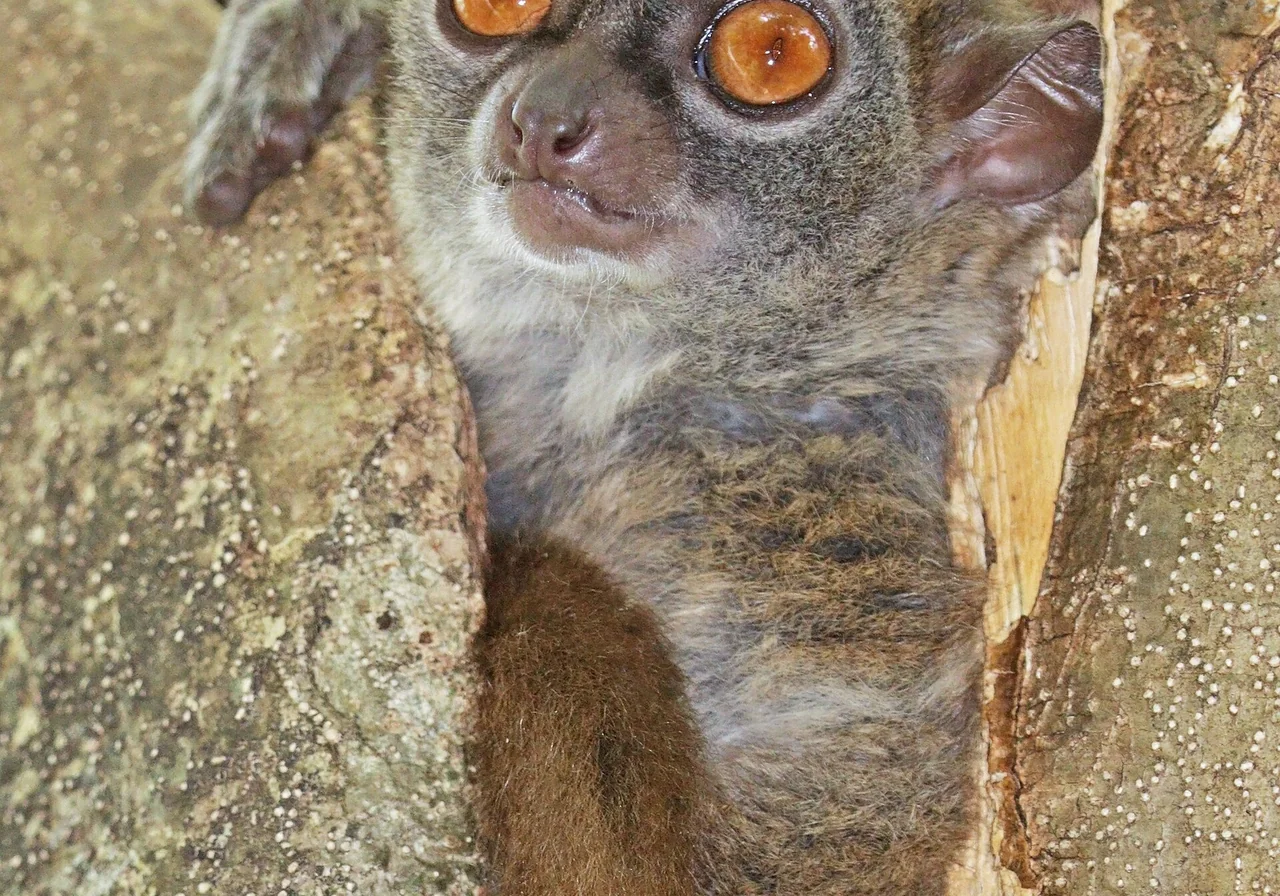
Sportive Lemur
Madagascar (widespread)
Nocturnal, vertical clinger, solitary
What WARN Does
World Animal Rescue Network does not run field conservation projects specifically for lemurs, which live only on Madagascar — outside the countries where WARN's partners operate. This guide is part of WARN's free educational work, helping people understand the world's wildlife and the pressures it faces. The threats that endanger lemurs most — deforestation, habitat fragmentation and hunting — are the same forces harming many of the animals WARN does protect, so learning about lemurs helps build support for animals everywhere.
If this guide deepened your care for vanishing wildlife, a small gift helps WARN continue its free educational work and care for animals in the countries where it operates.
Lemur: Frequently Asked Questions
Are lemurs monkeys?
Where do lemurs live?
Why are lemurs endangered?
What do lemurs eat?
What is the most famous lemur?
Are lemurs protected by law?
Are lemurs dangerous?
How long do lemurs live?
How big is a lemur?
Sources & References
Population figures, conservation status and biological facts on this page are drawn from authoritative scientific and intergovernmental sources.
Terms used on this page
Plain-English definitions, from our wildlife and conservation glossary.
Latest Lemur Stories
Quick, fact-checked reads on the lemur — amazing facts, key questions and the threats it faces.
Explore more animals
Discover more animals, their habitats and their conservation status in the WARN wildlife-guide library.