Lemur Species · Madagascar (south-east rainforest)
Golden Bamboo Lemur
Eats cyanide-laced bamboo shoots — one of the rarest primates on Earth.
By WARN Research & Conservation TeamLast updated
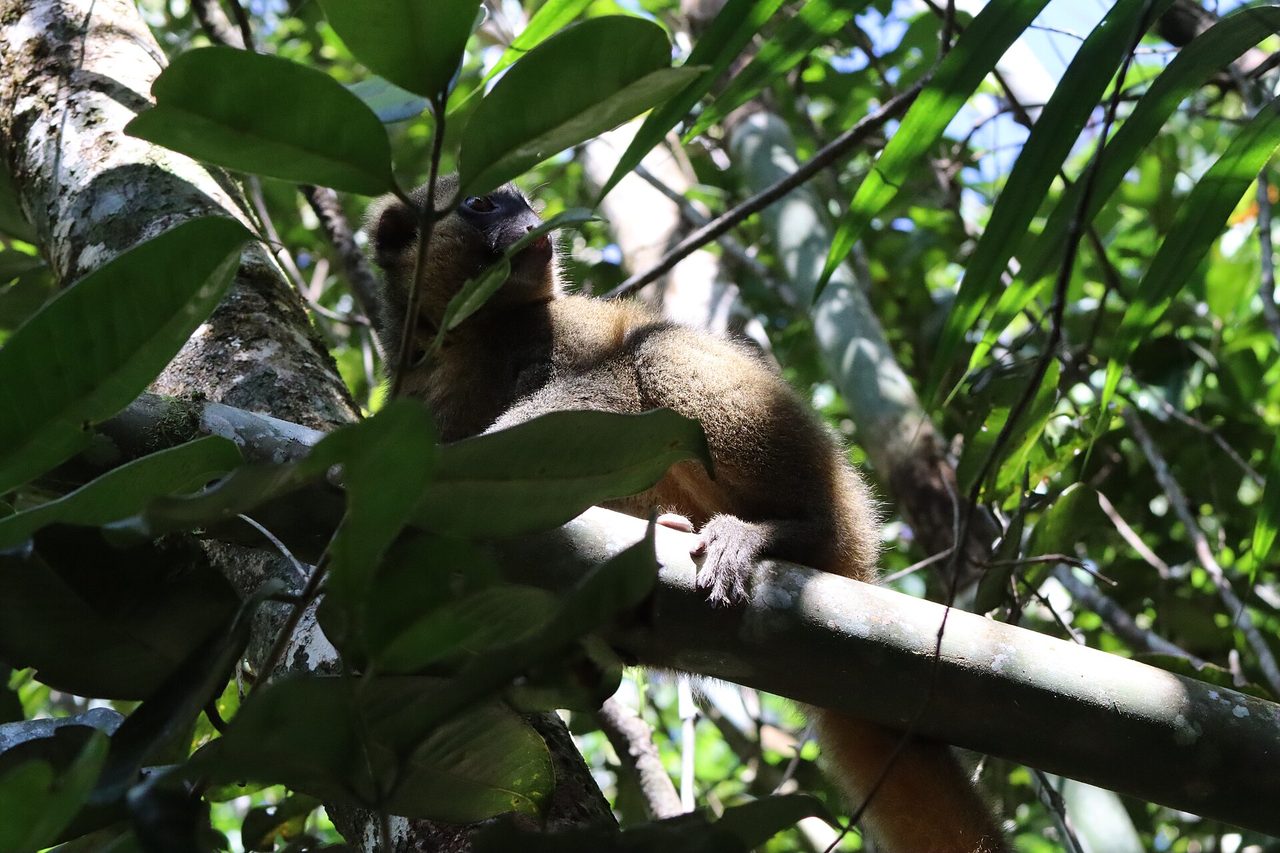
Photo: Unforgiven75 / Wikimedia Commons (CC BY 4.0)
In brief
The Golden Bamboo Lemur is one of the rarest primates on Earth — a small lemur that eats bamboo shoots containing cyanide levels lethal to other animals. Its defining trait is toxic bamboo specialisation in the rainforests of south-eastern Madagascar, where it was discovered only in 1986. Critically Endangered and CITES Appendix I listed, it must never be kept as a pet.
What are the key facts about a Golden Bamboo Lemur?
The Golden Bamboo Lemur is a lemur species from Madagascar (south-east rainforest): small (1.5 kg), bamboo specialist, social. Eats cyanide-laced bamboo shoots — one of the rarest primates on Earth.
| Origin | Madagascar (south-east rainforest) |
|---|---|
| Size | Small (1.5 kg) |
| Typical weight | 1.5–1.8 kg (3.3–4 lb); compact build suited to bamboo thicket foraging |
| Lifespan | 15–25 years (varies; mouse lemurs shorter) |
| Coat & markings | Golden-orange to olive-brown fur with lighter face and belly; dense and woolly. Rounded face with short muzzle. Colour varies individually from bright gold to duller olive — the 'golden' name describes the most vivid individuals. Fur provides camouflage in bamboo understory of montane rainforest. |
| Temperament | Bamboo specialist, social |
| Conservation note | Wild conservation only — golden bamboo lemurs are CITES Appendix I listed with possibly fewer than 1,000 individuals remaining. They require bamboo-rich montane rainforest and social groups. Support Ranomafana National Park and the surrounding research corridor rather than any attempt at private ownership. |
Should you keep a Golden Bamboo Lemur as a pet?
No. A Golden Bamboo Lemur is a wild lemur from Madagascar (south-east rainforest), not a companion animal. Private keeping usually means an infant taken from a troop, a lifetime of unmet social needs, and often a legal offence.
People search this page because the Golden Bamboo Lemur looks small, clever or “manageable” in photos. That is the trap. Wild primates need a troop, a range, and a diet that is not human leftovers. The Golden Bamboo Lemur is from Madagascar (south-east rainforest); its conservation note on this page is wild conservation only — golden bamboo lemurs are cites appendix i listed with possibly fewer than 1,000 individuals remaining. they require bamboo-rich montane rainforest and social groups. support ranomafana national park and the surrounding research corridor rather than any attempt at private ownership..
If you met a Golden Bamboo Lemur in a selfie setting or a roadside stall, walk away and do not pay. Paying creates the next capture. Read this as a species briefing, then use the wildlife guide and the appeals linked at the bottom if you want to help the wild population.
What is a Golden Bamboo Lemur?
Eats cyanide-laced bamboo shoots — one of the rarest primates on Earth. Origin is Madagascar (south-east rainforest); coat or markings are described as Golden-orange to olive-brown fur with lighter face and belly; dense and woolly. Rounded face with short muzzle. Colour varies individually from bright gold to duller olive — the 'golden' name describes the most vivid individuals. Fur provides camouflage in bamboo understory of montane rainforest..
Treat “species” here as a library label for a wild species or distinct form, not as a kennel-club product.
Where does the Golden Bamboo Lemur come from?
Golden Bamboo Lemurs come from Madagascar (south-east rainforest). Golden bamboo lemurs (Hapalemur aureus) were discovered by Dr Patricia Wright in 1986 in Ranomafana National Park — a find that helped establish the park and launch modern lemur conservation science.
They consume giant bamboo (Cathariostachys madagascariensis) shoots containing cyanogenic compounds at doses that would kill most mammals. Somehow they detoxify or tolerate cyanide, spending hours each day eating bamboo supplemented by fruit, leaves and fungi. The species range is tiny — restricted to bamboo thickets in south-eastern montane rainforest near Ranomafana. Habitat loss from logging, agriculture and bamboo harvesting threatens the few remaining groups. Fewer than 1,000 individuals may survive. Golden bamboo lemurs are Critically Endangered on the IUCN Red List and CITES Appendix I listed. Two related bamboo lemur species (greater and grey bamboo lemur) share habitat but compete for different bamboo parts.
What does a Golden Bamboo Lemur actually need?
A wild Golden Bamboo Lemur needs the habitat and social system of Madagascar (south-east rainforest), not a spare room. Size (Small (1.5 kg)) and a bamboo specialist, social life history are why private keeping fails.
In the wild that means connected habitat, a diet the species evolved with, and distance from the pet and selfie trades. Captive “care sheets” for wild lemurs are how trafficking gets laundered as husbandry.
If you already work in accredited rescue, follow specialist protocols and licensing. Everyone else: do not acquire a Golden Bamboo Lemur. Support habitat and anti-trafficking work instead.
What surprises people about the Golden Bamboo Lemur?
A few details about the breed, alongside the practical care information in this guide.
- Golden bamboo lemurs eat bamboo shoots containing enough cyanide to kill a human — the only mammal known to tolerate such doses.
- The species was unknown to science until 1986, discovered during rainforest surveys near Ranomafana.
- Discovery of the golden bamboo lemur directly led to creation of Ranomafana National Park.
- They spend up to four hours daily eating bamboo — more time on a single food source than most lemurs.
What health issues should you know about in a Golden Bamboo Lemur?
Health concerns to discuss with your vet, including changes to watch for and everyday care. This is general guidance, not veterinary advice — always speak to your vet.
Habitat loss (wild)
Montane rainforest clearance around Ranomafana removes bamboo thickets and isolates the tiny populations golden bamboo lemurs depend on.
Care: Expand Ranomafana buffer zone protection and fund community bamboo management that reserves foraging areas for lemurs.
Extremely small population
Fewer than 1,000 individuals in fragmented groups risk inbreeding depression and stochastic extinction from any local catastrophe.
Care: Genetic monitoring and corridor creation between subpopulations. Insurance breeding in accredited zoos supplements wild management.
Bamboo die-off
Bamboo mass flowering and die-off events periodically destroy the primary food source, causing starvation unless alternative bamboo stands exist nearby.
Care: Maintain diverse bamboo stands through habitat management. Research stations monitor bamboo phenology to predict and mitigate food shortages.
Who should skip a Golden Bamboo Lemur?
Skip a Golden Bamboo Lemur if you are anyone hoping to keep a Golden Bamboo Lemur as a pet or photo prop. This Madagascar (south-east rainforest) lemur is small (1.5 kg) and bamboo specialist, social — the mismatch is usually lifestyle, not a missing accessory.
This page is allowed to say no. Skip if you are anyone hoping to keep a Golden Bamboo Lemur as a pet or photo prop. Skip if you are anyone who will pay for a wild-caught or roadside animal. Skip if you are tourists looking for handling or selfies.
A different lemur species on this site may fit. Wanting “a Golden Bamboo Lemur” after a film or a colour photo is not a reason to ignore the skip list.
What are the hidden catches with a Golden Bamboo Lemur?
The hidden cost of a Golden Bamboo Lemur is usually not the purchase price. It is years of care, the health list on this page, and the mismatch between a bamboo specialist, social animal and a busy home.
The pet-trade catch
Cute infant Golden Bamboo Lemurs in ads were usually taken from wild families. The adult you cannot house is then dumped, euthanised, or passed on. Do not create that demand.
The tourism catch
Paying to hold, ride, or selfie with a Golden Bamboo Lemur funds the next capture or a stressed ambassador animal. Distance and accredited viewing are the ethical default.
The habitat loss (wild) catch
Montane rainforest clearance around Ranomafana removes bamboo thickets and isolates the tiny populations golden bamboo lemurs depend on. Expand Ranomafana buffer zone protection and fund community bamboo management that reserves foraging areas for lemurs.
The extremely small population catch
Fewer than 1,000 individuals in fragmented groups risk inbreeding depression and stochastic extinction from any local catastrophe. Genetic monitoring and corridor creation between subpopulations. Insurance breeding in accredited zoos supplements wild management.
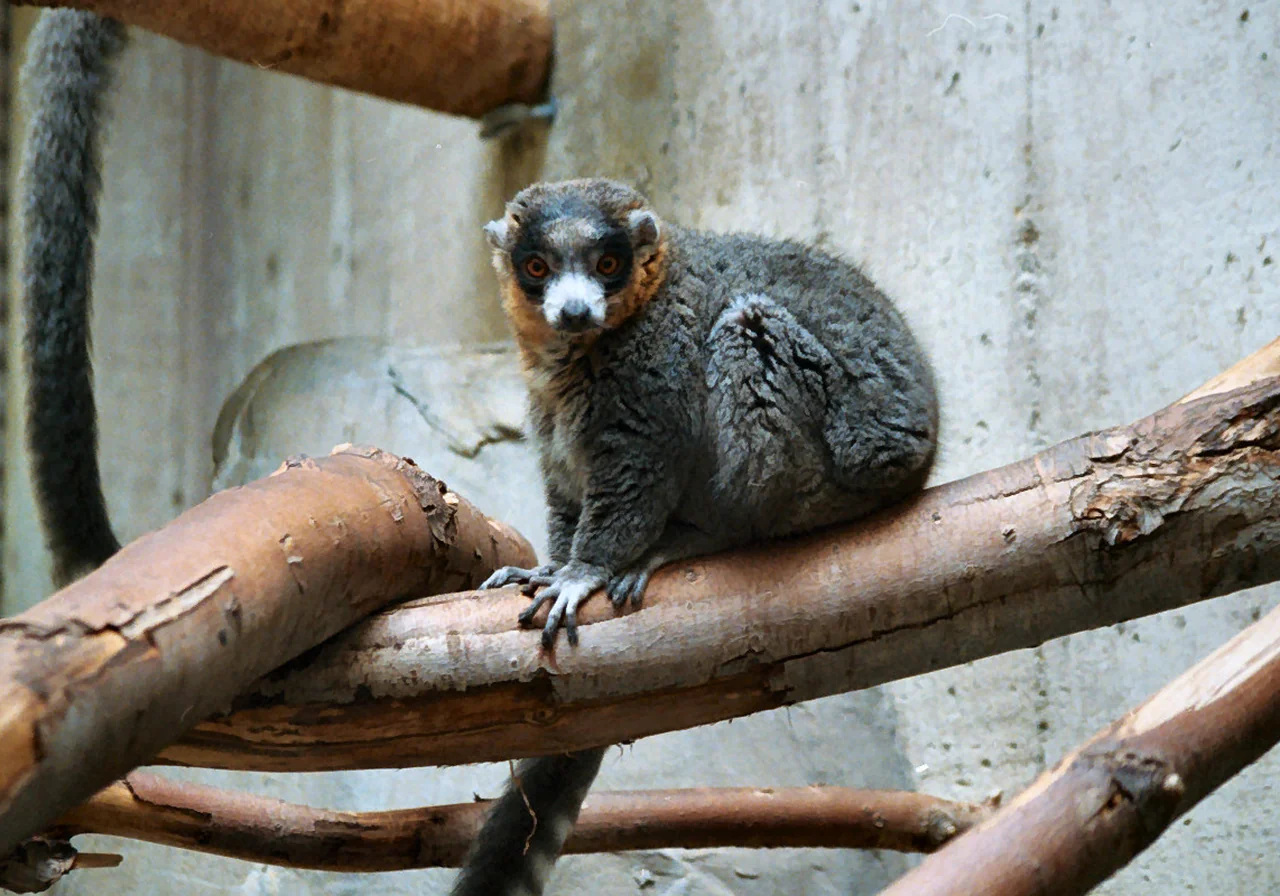
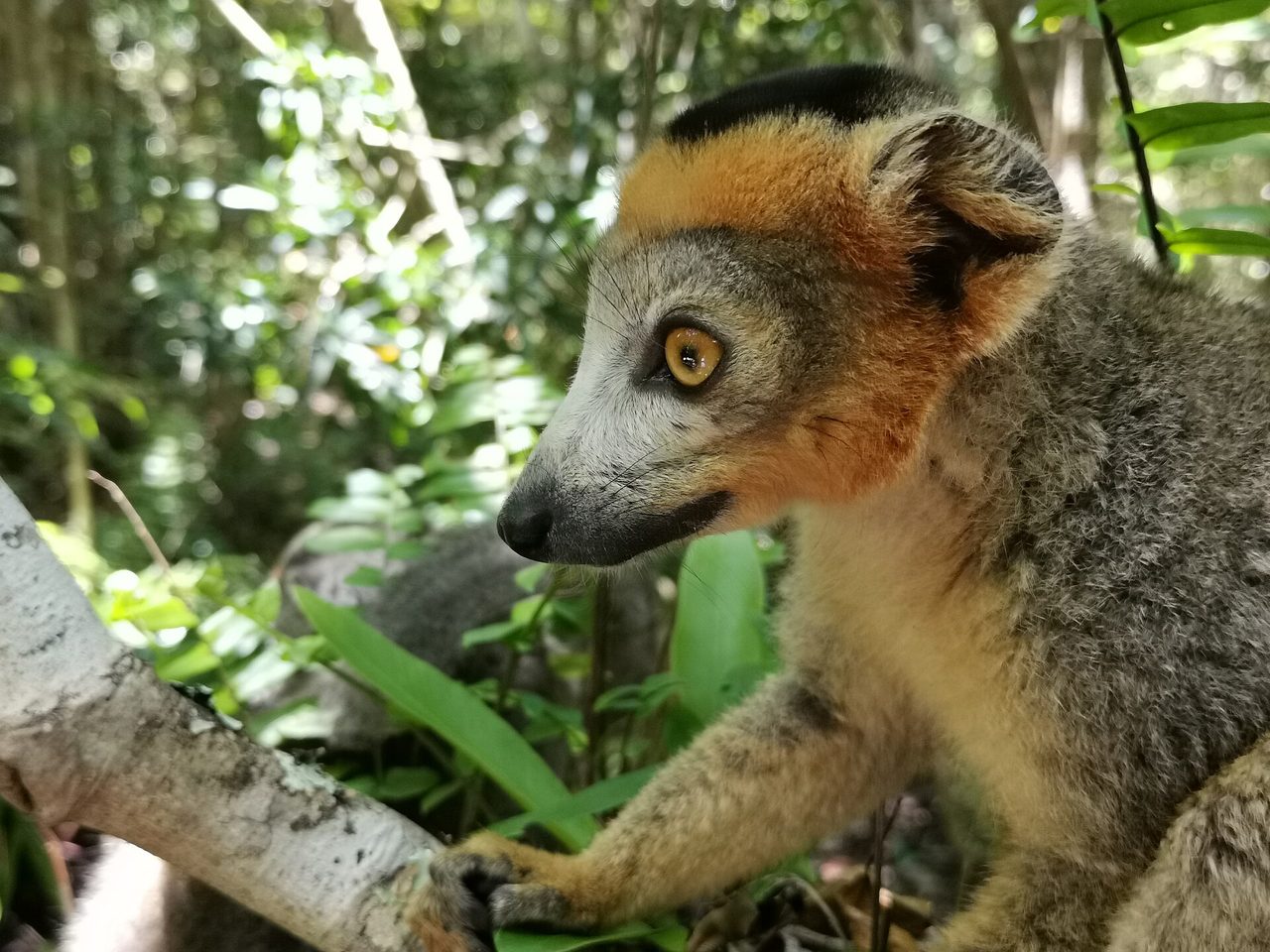
How does a Golden Bamboo Lemur compare with Mongoose Lemur and Crowned Lemur?
A Golden Bamboo Lemur is not interchangeable with Mongoose Lemur and Crowned Lemur. Compare origin, size, lifespan and temperament before you choose — those four lines prevent most regret.
| Lemur fact | Golden Bamboo Lemur | Mongoose Lemur | Crowned Lemur |
|---|---|---|---|
| Origin | Madagascar (south-east rainforest) | Madagascar (north-west) & Comoros | Madagascar (far north tip) |
| Size | Small (1.5 kg) | Small (1.5 kg) | Small (1.5 kg) |
| Lifespan | 15–25 years (varies; mouse lemurs shorter) | 15–25 years (varies; mouse lemurs shorter) | 15–20 years |
| Temperament | Bamboo specialist, social | Cathemeral, pair-bonded | Social, sexually dimorphic |
What is the verdict on the Golden Bamboo Lemur?
A Golden Bamboo Lemur is a wild lemur to understand and protect, not a pet to acquire. If you came here to buy one, the verdict is no. If you came here to learn, use the species guide next.
Help looks like habitat, enforcement and refusing the trade — not a cage in a spare room. WARN is a CIC, not a charity; donate only if you want to fund partner work in our network countries, and do not expect Gift Aid.
Lemurs belong in Madagascar's forests
Every lemur species is CITES Appendix I and most are Endangered or Critically Endangered. Habitat protection — not the pet trade — is their only path to survival.