Monkey Species · Ethiopian highlands
Gelada
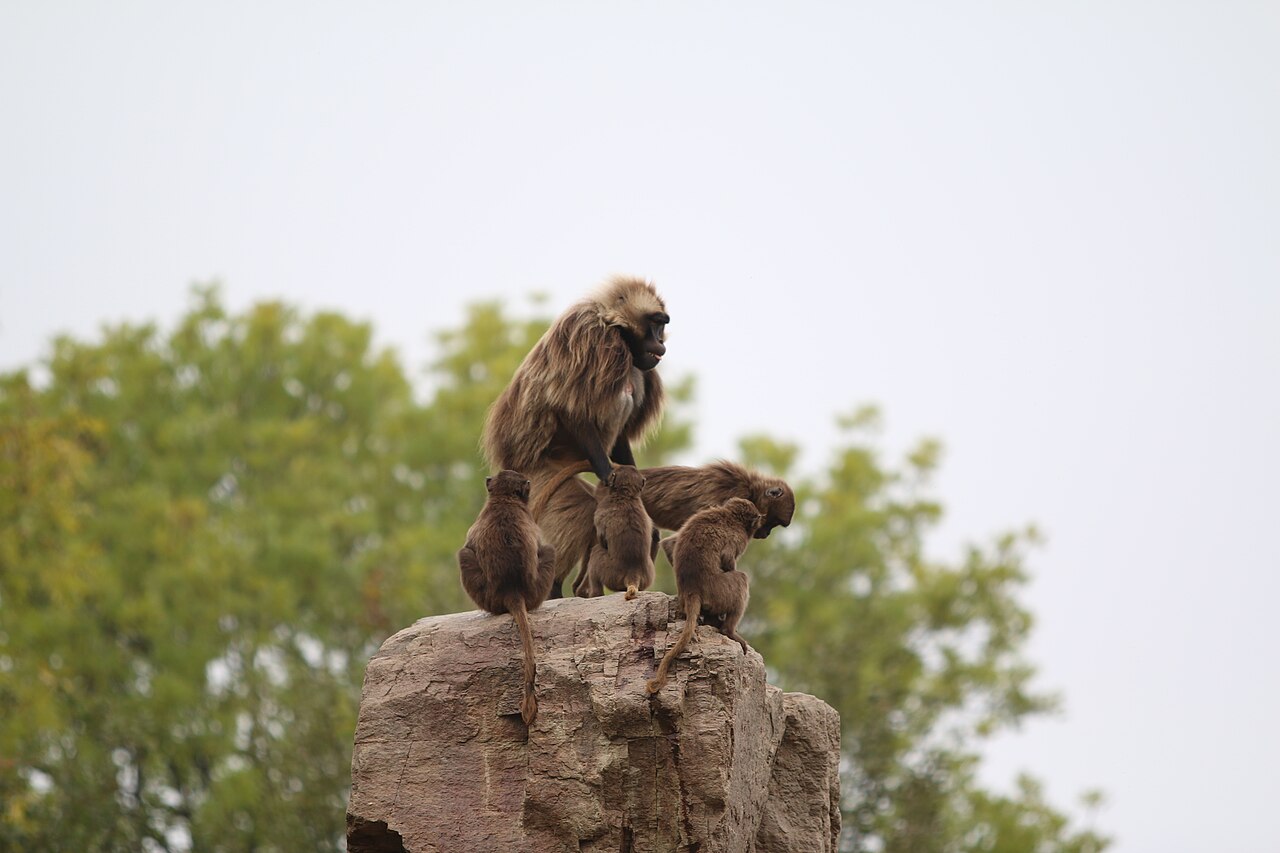
The gelada (Theropithecus gelada) is a large Old World monkey of the Ethiopian highlands and the world's only primate that grazes mainly on grass.
By WARN Research & Conservation TeamLast updated
In brief
The gelada (Theropithecus gelada) is a large Old World monkey of the Ethiopian highlands and the world's only primate that grazes mainly on grass. Males show a bright 'bleeding-heart' chest patch, and the species is listed Least Concern by the IUCN.
What are the key facts about a Gelada?
The Gelada is a monkey species from Ethiopian highlands: large (males ~18–20 kg; females ~11 kg), grass-grazing, highly social, terrestrial. The gelada (Theropithecus gelada) is a large Old World monkey of the Ethiopian highlands and the world's only primate that grazes mainly on grass.
| Origin | Ethiopian highlands |
|---|---|
| Size | Large (males ~18–20 kg; females ~11 kg) |
| Typical weight | Males ~18–20 kg; females ~11 kg |
| Lifespan | 15–30 years (wild) |
| Coat & markings | Brown coat with a cape in males; bare red hourglass chest patch |
| Temperament | Grass-grazing, highly social, terrestrial |
| Conservation note | Least Concern (IUCN); CITES Appendix II — high-altitude grazers threatened locally by farming and habitat loss |
Should you keep a Gelada as a pet?
No. A Gelada is a wild monkey from Ethiopian highlands, not a companion animal. Private keeping usually means an infant taken from a troop, a lifetime of unmet social needs, and often a legal offence.
People search this page because the Gelada looks small, clever or “manageable” in photos. That is the trap. Wild primates need a troop, a range, and a diet that is not human leftovers. The Gelada is from Ethiopian highlands; its conservation note on this page is least concern (iucn); cites appendix ii — high-altitude grazers threatened locally by farming and habitat loss.
If you met a Gelada in a selfie setting or a roadside stall, walk away and do not pay. Paying creates the next capture. Read this as a species briefing, then use the wildlife guide and the appeals linked at the bottom if you want to help the wild population.
What is a Gelada?
The gelada (Theropithecus gelada) is a large Old World monkey of the Ethiopian highlands and the world's only primate that grazes mainly on grass. Origin is Ethiopian highlands; coat or markings are described as Brown coat with a cape in males; bare red hourglass chest patch.
Treat “species” here as a library label for a wild species or distinct form, not as a kennel-club product.
Where does the Gelada come from?
Geladas come from Ethiopian highlands. Geladas live at high altitude in the Ethiopian highlands, sleeping on cliff ledges and spending the day grazing on grass blades, roots and seeds — unique among primates.
They gather in some of the largest assemblies of any primate, occasionally hundreds strong. The hourglass chest patch signals status and condition. Habitat loss to farming is the main pressure.
That origin still shows. A Gelada is large (males ~18–20 kg; females ~11 kg) and grass-grazing, highly social, terrestrial, typically living 15–30 years (wild). Use the history as context for care and conservation, not as folklore to repeat without sources.
What does a Gelada actually need?
A wild Gelada needs the habitat and social system of Ethiopian highlands, not a spare room. Size (Large (males ~18–20 kg; females ~11 kg)) and a grass-grazing, highly social, terrestrial life history are why private keeping fails.
In the wild that means connected habitat, a diet the species evolved with, and distance from the pet and selfie trades. Captive “care sheets” for wild monkeys are how trafficking gets laundered as husbandry.
If you already work in accredited rescue, follow specialist protocols and licensing. Everyone else: do not acquire a Gelada. Support habitat and anti-trafficking work instead.
What surprises people about the Gelada?
A few details about the breed, alongside the practical care information in this guide.
- The gelada is the only primate that lives mainly by grazing grass.
- Males have a bare red 'bleeding-heart' patch on the chest.
- They gather in some of the largest assemblies of any primate.
- They sleep on steep cliff ledges out of reach of predators.
What health issues should you know about in a Gelada?
Health concerns to discuss with your vet, including changes to watch for and everyday care. This is general guidance, not veterinary advice — always speak to your vet.
Habitat loss (wild)
Deforestation for agriculture, logging and development removes the food trees and connected canopy that wild monkeys depend on.
Care: Support habitat protection and deforestation-free supply chains in range countries rather than wildlife tourism that disturbs troops.
Human-wildlife conflict
Crop raiding and scavenging near settlements lead to retaliatory killing, trapping, electrocution and vehicle strikes.
Care: Support coexistence programmes, secure waste and crops, and never feed wild troops — feeding worsens conflict.
Habitat fragmentation
Roads, farmland and settlements break continuous forest into isolated patches, cutting off troops and reducing genetic diversity.
Care: Support corridor restoration and canopy bridges that reconnect fragmented forest.
Who should skip a Gelada?
Skip a Gelada if you are anyone hoping to keep a Gelada as a pet or photo prop. This Ethiopian highlands monkey is large (males ~18–20 kg; females ~11 kg) and grass-grazing, highly social, terrestrial — the mismatch is usually lifestyle, not a missing accessory.
This page is allowed to say no. Skip if you are anyone hoping to keep a Gelada as a pet or photo prop. Skip if you are anyone who will pay for a wild-caught or roadside animal. Skip if you are tourists looking for handling or selfies.
A different monkey species on this site may fit. Wanting “a Gelada” after a film or a colour photo is not a reason to ignore the skip list.
What are the hidden catches with a Gelada?
The hidden cost of a Gelada is usually not the purchase price. It is years of care, the health list on this page, and the mismatch between a grass-grazing, highly social, terrestrial animal and a busy home.
The pet-trade catch
Cute infant Geladas in ads were usually taken from wild families. The adult you cannot house is then dumped, euthanised, or passed on. Do not create that demand.
The tourism catch
Paying to hold, ride, or selfie with a Gelada funds the next capture or a stressed ambassador animal. Distance and accredited viewing are the ethical default.
The habitat loss (wild) catch
Deforestation for agriculture, logging and development removes the food trees and connected canopy that wild monkeys depend on. Support habitat protection and deforestation-free supply chains in range countries rather than wildlife tourism that disturbs troops.
The human-wildlife conflict catch
Crop raiding and scavenging near settlements lead to retaliatory killing, trapping, electrocution and vehicle strikes. Support coexistence programmes, secure waste and crops, and never feed wild troops — feeding worsens conflict.
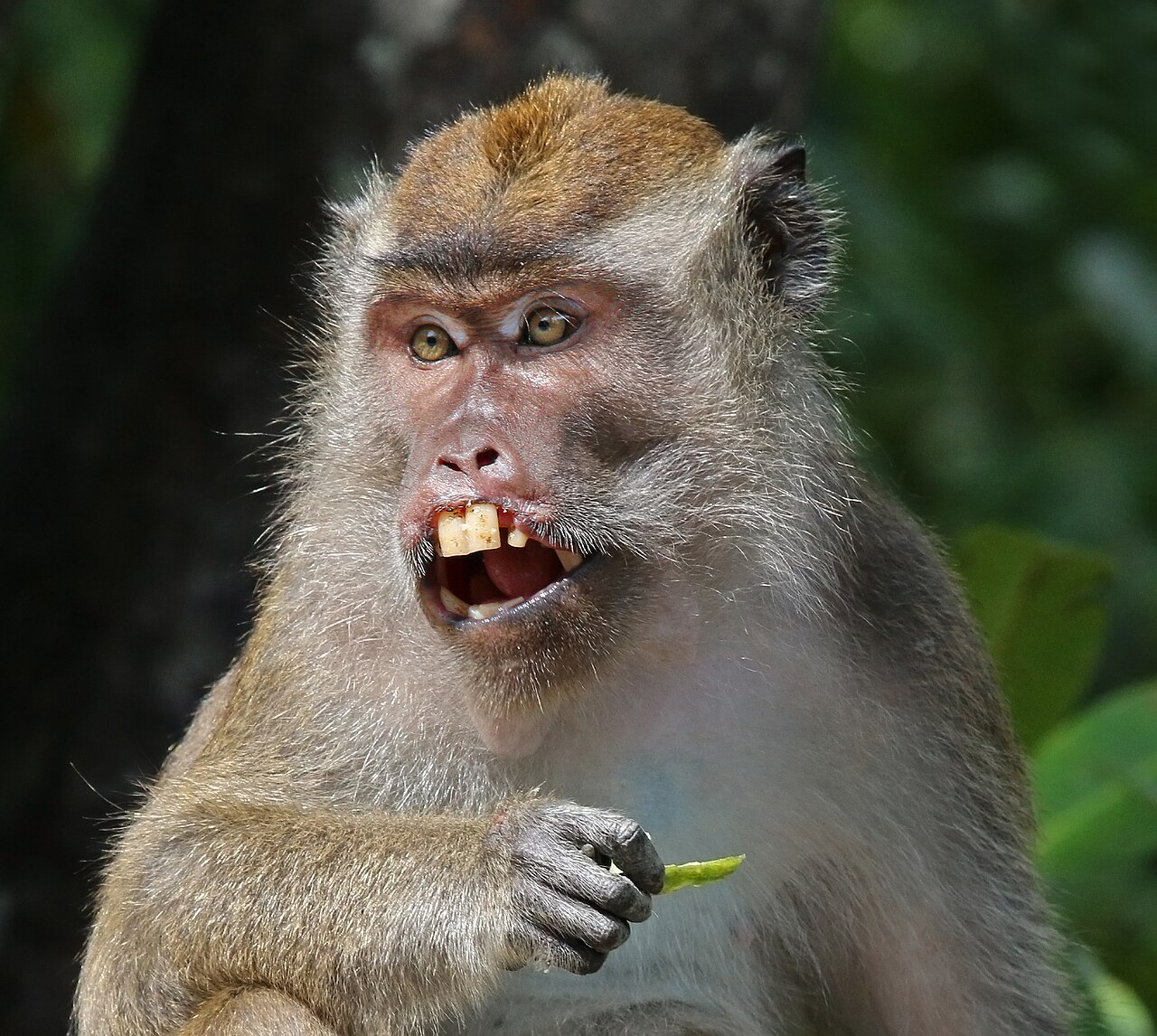
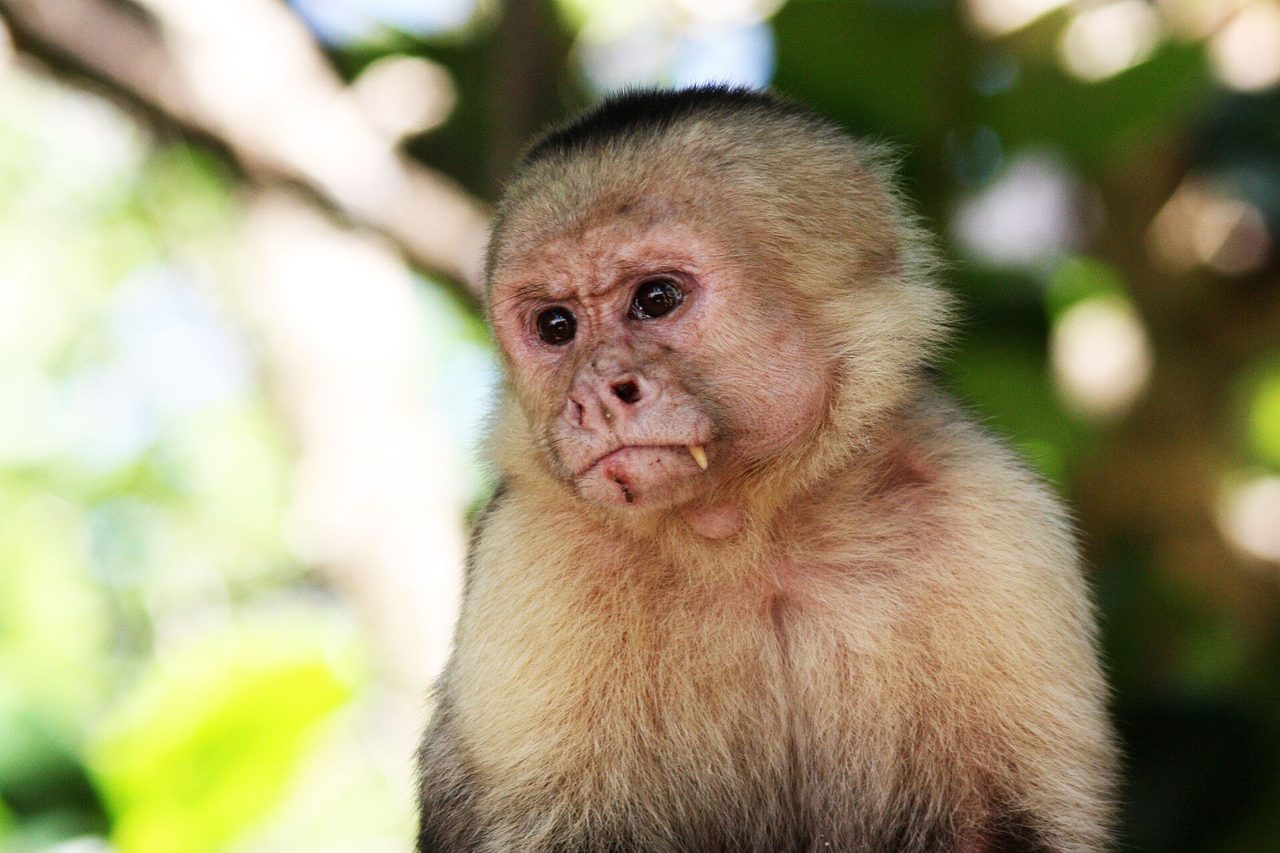
How does a Gelada compare with Long-tailed Macaque and Capuchin Monkey?
A Gelada is not interchangeable with Long-tailed Macaque and Capuchin Monkey. Compare origin, size, lifespan and temperament before you choose — those four lines prevent most regret.
| Monkey fact | Gelada | Long-tailed Macaque | Capuchin Monkey |
|---|---|---|---|
| Origin | Ethiopian highlands | Southeast Asia | Central & South America |
| Size | Large (males ~18–20 kg; females ~11 kg) | Medium (3–9 kg) | Medium (3–4 kg) |
| Lifespan | 15–30 years (wild) | 15–30 years (wild) | 15–25 years (wild); up to 40 in protected captivity |
| Temperament | Grass-grazing, highly social, terrestrial | Adaptable, intelligent, water-loving | Curious, dexterous, social |
What is the verdict on the Gelada?
A Gelada is a wild monkey to understand and protect, not a pet to acquire. If you came here to buy one, the verdict is no. If you came here to learn, use the species guide next.
Help looks like habitat, enforcement and refusing the trade — not a cage in a spare room. WARN is a CIC, not a charity; donate only if you want to fund partner work in our network countries, and do not expect Gift Aid.
Monkeys belong in the wild
Monkeys are intelligent, social primates — not pets. The illegal pet trade and habitat loss threaten species from marmosets to macaques. WARN funds anti-trafficking and habitat work for primates in our partner countries.