Wildlife Guide · Africa & Asia
Tortoise
Family Testudinidae
Ancient armoured wanderers — now among the world's most threatened reptiles
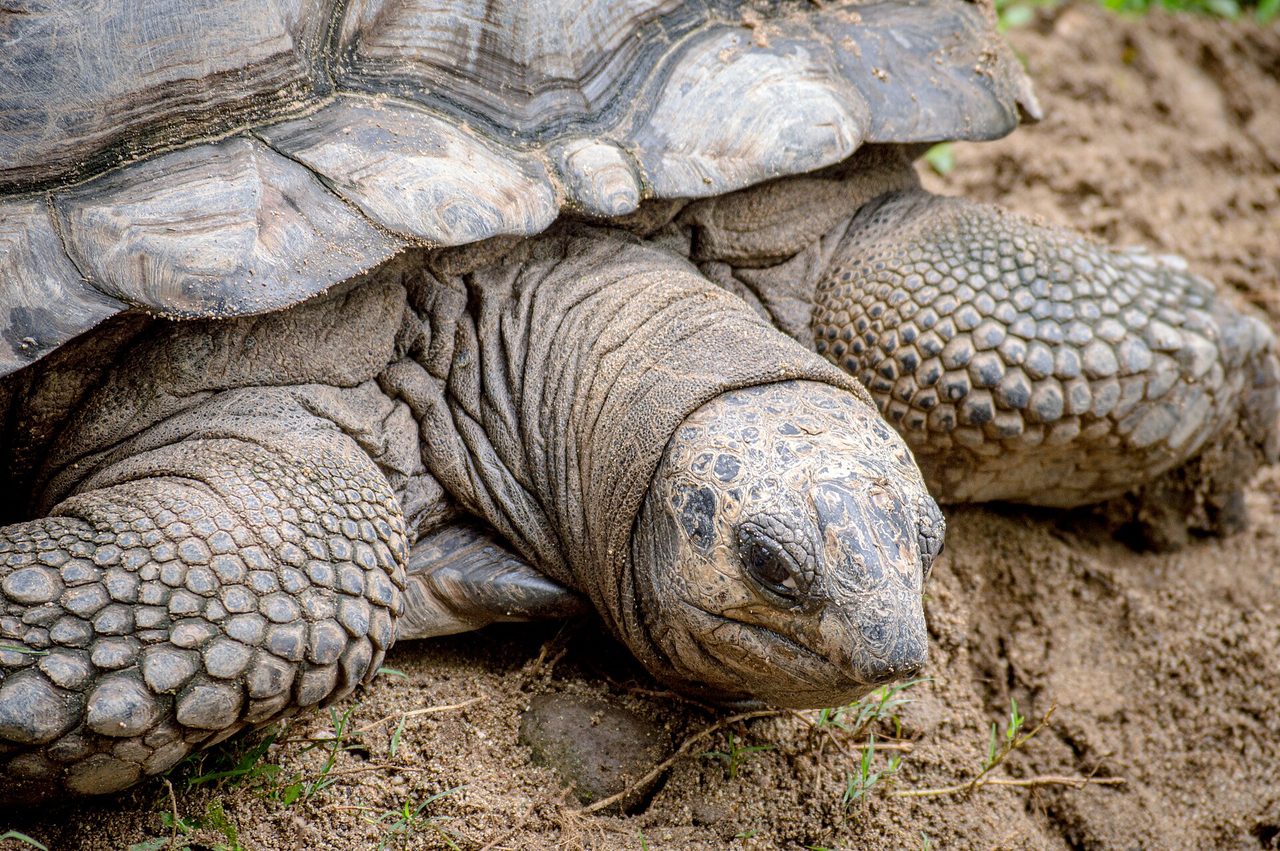
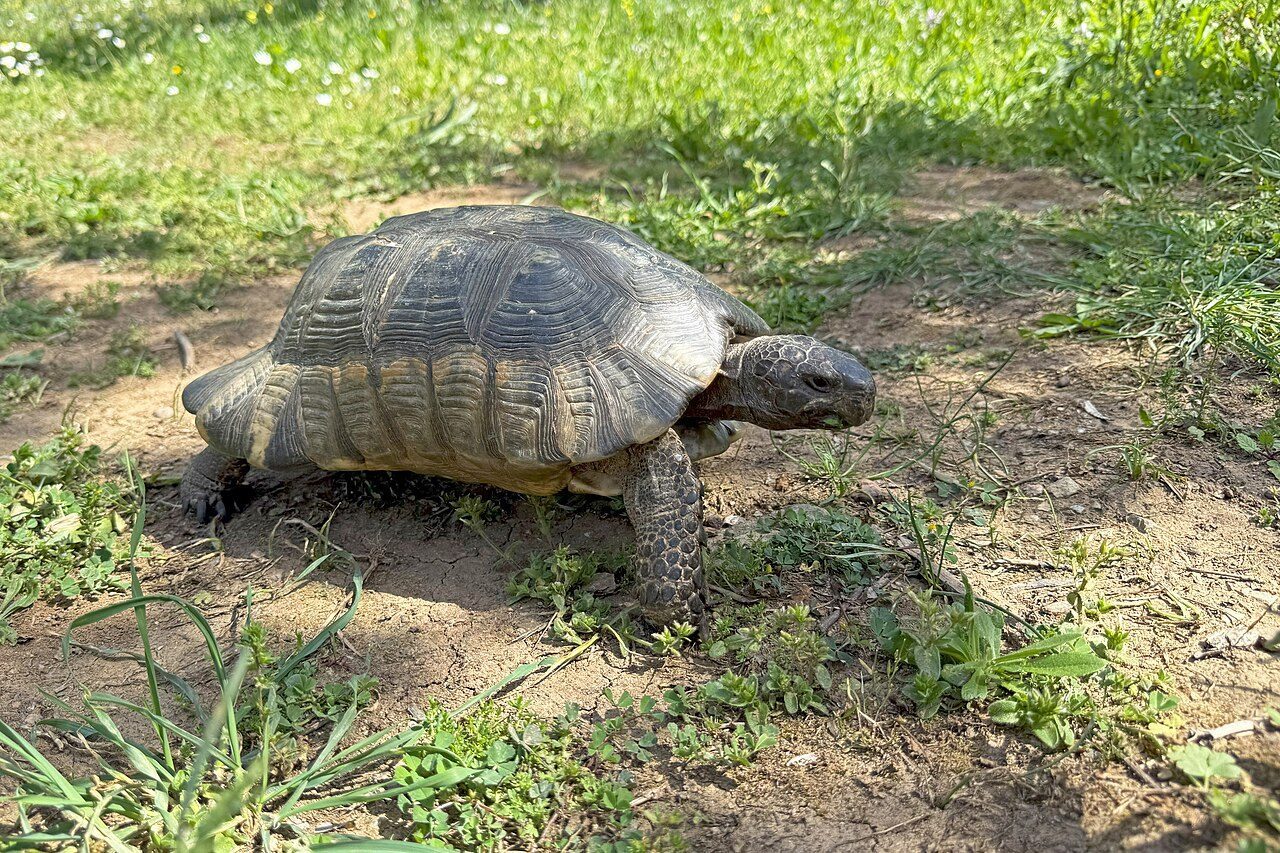
Photo: Philip Nalangan / Wikimedia Commons (CC BY 4.0)
In brief
Tortoises (family Testudinidae) are fully terrestrial reptiles found across warm regions worldwide; over 86% of species are threatened or extinct, driven by illegal trade, habitat loss, and the pet industry.
Also in Animals A to Z · Animals that start with T
By WARN Research & Conservation TeamLast updated
Tortoises are the only exclusively land-dwelling members of the order Testudines, grouped together in the family Testudinidae. With roughly 40 to 60 recognised species spread across warm regions on every inhabited continent, they range from the thumb-sized speckled padloper of South Africa — barely 10 centimetres long — to the colossal Aldabra giant tortoise, which can tip the scales at 250 kilograms and outlive several human generations. Their most recognisable feature, a high-domed shell of fused bone and keratinous scutes, doubles as armour, calcium store, and thermoregulatory surface. Fossil relatives date back more than 50 million years, and the group's core body plan has remained largely unchanged for tens of millions of years. Today, however, over 86 percent of tortoise species face some degree of threat, making the family one of the most imperilled vertebrate groups on Earth.
86%
Testudinidae species threatened or extinct
150+
Years a giant tortoise can live
130 cm
Maximum carapace length (Aldabra giant)
40–60
Recognised living species
Figures sourced from IUCN SSC Tortoise and Freshwater Turtle Specialist Group Red List, Global assessment of current extinction risks and future challenges for turtles and tortoises — Nature Communications (2025), Global assessment of current extinction risks and future challenges for turtles and tortoises — PMC full text and other references on this page.
Tortoise: Quick Facts
| Family | Testudinidae |
|---|---|
| Number of species | ~40–60 living species |
| Shell type | High-domed carapace of fused bone and keratinous scutes |
| Diet | Primarily herbivorous (grasses, leaves, fruit) |
| Lifespan | 50–100+ years; giant species may exceed 150 years |
| Smallest species | Speckled padloper (Chersobius signatus) — under 12 cm |
| Largest species | Aldabra giant tortoise — up to 250 kg |
| Incubation | 70–120 days; sex determined by nest temperature |
| Habitat | Deserts, savannas, dry forests, Mediterranean scrub, tropical margins |
| CITES status | All species listed: most threatened on Appendix I; remainder on Appendix II |
Scientific Classification
| Kingdom | Animalia |
|---|---|
| Phylum | Chordata |
| Class | Reptilia |
| Order | Testudines |
| Suborder | Cryptodira |
| Family | Testudinidae |
| Genera | ~11–16 (incl. Chelonoidis, Aldabrachelys, Astrochelys, Testudo, Gopherus, Stigmochelys, Kinixys) |
Conservation Status
- IUCN Status
- Varies — many Critically Endangered; 86%+ of family threatened or extinct
- Population
- Varies widely by species; some (e.g. Aldabra giant tortoise) exceed 100,000; others number in the hundreds
- Trend
- Decreasing across the majority of species
- Assessed
- 2025
- CITES
- Appendix I (most threatened species) and Appendix II (all remaining Testudinidae)
The IUCN Tortoise and Freshwater Turtle Specialist Group (TFTSG) is the Red List Authority for all chelonians. A 2025 Nature Communications study (PMC12318056) found 54% of all chelonian species threatened, with Testudinidae having the highest Average Threat Level (86.2% threatened or extinct) of any turtle family.
Did you know?
The Española giant tortoise of the Galapagos was reduced to just 15 surviving individuals in the 1960s — yet a captive breeding programme repatriated more than 2,000 offspring to the island, and today over 3,000 tortoises reproduce naturally there, making it one of the most dramatic species recoveries in conservation history.
Key Facts: Tortoise
- Tortoises are among the longest-lived vertebrates on Earth — giant species routinely exceed 100 years and some may surpass 150.
- The family Testudinidae has the highest Average Threat Level of any chelonian family, with over 86% of species classified as threatened or extinct.
- Illegal collection for the pet trade and bushmeat markets is the single largest direct driver of tortoise population collapse, particularly in Asia and Madagascar.
- Temperature-dependent sex determination makes tortoises highly vulnerable to climate change — rising nest temperatures skew sex ratios and can collapse breeding populations.
- Captive breeding has produced remarkable recoveries: the Española tortoise rebounded from 15 survivors to a current island population of over 3,000 naturally reproducing individuals in the Galapagos.
- Most tortoise species are covered by CITES — the most threatened are on Appendix I, banning all commercial trade, while the remainder are on Appendix II requiring export permits.
What is a tortoise, and how is it different from a turtle?
The word 'tortoise' refers specifically to members of the family Testudinidae — fully terrestrial reptiles that never voluntarily enter water beyond shallow puddles for drinking or cooling. All tortoises are technically turtles (order Testudines), but not all turtles are tortoises. The key anatomical clues lie in the limbs and shell. Tortoises bear thick, pillar-like hind legs resembling those of an elephant, each digit reduced to two or fewer phalanges, granting stability on rough ground rather than propulsion through water. Their shells are typically high-domed — unlike the flat, streamlined carapaces of aquatic species — providing structural rigidity against predator bites. Internally, the carapace is composed of around 50 to 60 fused bones, including modified ribs and vertebrae, overlaid by keratinous scutes arranged in a consistent pattern: five vertebral scutes along the midline, four pairs of costal scutes on the flanks, and twelve pairs of marginal scutes around the rim. The shell also acts as a calcium reserve during egg production and absorbs solar heat to regulate body temperature, since tortoises are ectotherms with no internal heat generation. When threatened, most species can retract the head, limbs, and tail fully inside the shell — an emergency refuge that has served the group for millions of years.
Where do tortoises live, and what do they eat?
Testudinidae occupy an unusually broad ecological range. Species are native to sub-Saharan Africa, the Mediterranean basin, the Middle East, South and Southeast Asia, and the Americas from the southern United States to northern Patagonia. Island giants have evolved independently on Madagascar, the Galapagos Archipelago, and Aldabra Atoll in the Indian Ocean. Across these regions, tortoises inhabit deserts, semi-arid scrublands, dry savannas, Mediterranean maquis, tropical dry forests, and even humid rainforest margins — anywhere that seasonal warmth can sustain an ectotherm. Burrowing is common in arid species: the desert tortoise of North America digs tunnels more than a metre deep to escape lethal summer heat and winter cold, spending up to 95 percent of its life underground. Diet is overwhelmingly herbivorous — grasses, leaves, flowers, cacti, and fallen fruit form the bulk of intake — though most species opportunistically consume fungi, carrion, or invertebrates to supplement minerals. The giant tortoises of the Galapagos act as ecosystem engineers, dispersing seeds of large-fruited plants across islands and grazing vegetation in patterns that maintain open habitat for other species. Water is extracted chiefly from food, and some arid-adapted tortoises can store water in an accessory bladder beneath the shell.
How do tortoises reproduce, and why does that make conservation harder?
Tortoise reproduction is built for longevity, not speed — a strategy that works well in stable environments but becomes a serious vulnerability when populations are driven down quickly. Sexual maturity is typically reached only after a decade or more of growth; in large species such as the Aldabra giant tortoise, females may not produce their first clutch until their late teens or twenties. Courtship involves males competing through shoving contests and ritual head-bobbing; in some species males possess a forwardly projecting gular scute — an extension of the lower shell — used as a weapon to flip rivals. Females excavate a flask-shaped nest with their hind feet, depositing between 1 and 30 eggs depending on species size, then abandon the nest entirely. Incubation takes 70 to 120 days at naturally fluctuating soil temperatures. Crucially, sex is not determined by genetics but by nest temperature — a phenomenon called temperature-dependent sex determination (TSD). Warmer nests produce more females; cooler nests more males. As average soil temperatures rise with climate change, researchers have documented skewing sex ratios in multiple species, including Galapagos giant tortoises, a demographic shift that can eventually limit reproduction even in populations that appear numerically stable. Hatchlings emerge with soft shells and face high predation from introduced mammals. Combined with the species' slow maturation, the loss of even a small number of breeding adults can push a local population below recovery threshold for decades.
Why are so many tortoise species endangered?
A 2025 Nature Communications study found that 54 percent of all chelonian species now face extinction risk, and within Testudinidae the situation is even more severe: over 86 percent of species are threatened or already extinct, the highest average threat level of any turtle family. Several converging pressures explain this crisis. First, the illegal wildlife trade. Tortoises are captured en masse for the international pet market — rare island species can fetch thousands of dollars per individual as status symbols — and for food and traditional medicine, particularly across Asia. A 2023 anti-poaching operation in Madagascar rescued more than 3,200 critically endangered radiated, ploughshare, and spider tortoises that had been seized for export. Second, habitat destruction. Agricultural expansion, charcoal production, and urban development are eliminating the dry forests and savanna woodlands that many species depend on. Third, invasive species introduced by humans — rats, pigs, cats, and goats — prey on eggs and hatchlings or strip away the vegetation tortoises need to survive. Fourth, climate change threatens to feminise populations through TSD disruption and reduce the availability of food plants during increasingly intense droughts. The illegal pet trade and exploitation for food remain the largest direct drivers globally, with Asia identified as the epicentre of the extinction crisis — harbouring 32 of the 66 most critically threatened chelonian species.
What conservation efforts are protecting tortoises, and can they recover?
The evidence from some of the most desperate cases shows that tortoises can recover — but only with sustained, well-resourced intervention. The Española giant tortoise of the Galapagos is the standout example: reduced to just 15 individuals in the 1960s, a captive breeding programme produced more than 2,000 offspring that were repatriated to the island. Today, over 3,000 Española tortoises breed naturally there. The Aldabra giant tortoise, once hunted to dangerously low numbers in the 19th century, rebounded to more than 100,000 individuals after harvesting was halted and the atoll was given protected status. Legal frameworks provide an essential foundation. All Testudinidae species are listed on CITES appendices — the most threatened on Appendix I (commercial trade banned), the remainder on Appendix II (requiring verified export permits). Targeted captive breeding centres, invasive predator eradication on island nesting sites, and community engagement with local populations near tortoise habitat have all demonstrated measurable impact. Genomic tools now allow conservationists to identify the island-of-origin of confiscated individuals and to detect surviving carriers of ancestral genetics in hybrid populations, enabling precise reintroduction planning. However, the sheer number of species in crisis, combined with the slow generational pace of tortoise recovery, means that preventing the initial collapse — through better trade enforcement and habitat protection — remains far more cost-effective than rescue after the fact.
Pet Tortoise Species Guide
From the popular Hermann's and Russian tortoises to the Greek, Sulcata, Leopard, Red-footed, Indian Star and Marginated — explore the tortoise species most often kept as pets, with adult size, lifespan, conservation status, common health issues and an honest look at the decades-long commitment each one needs.
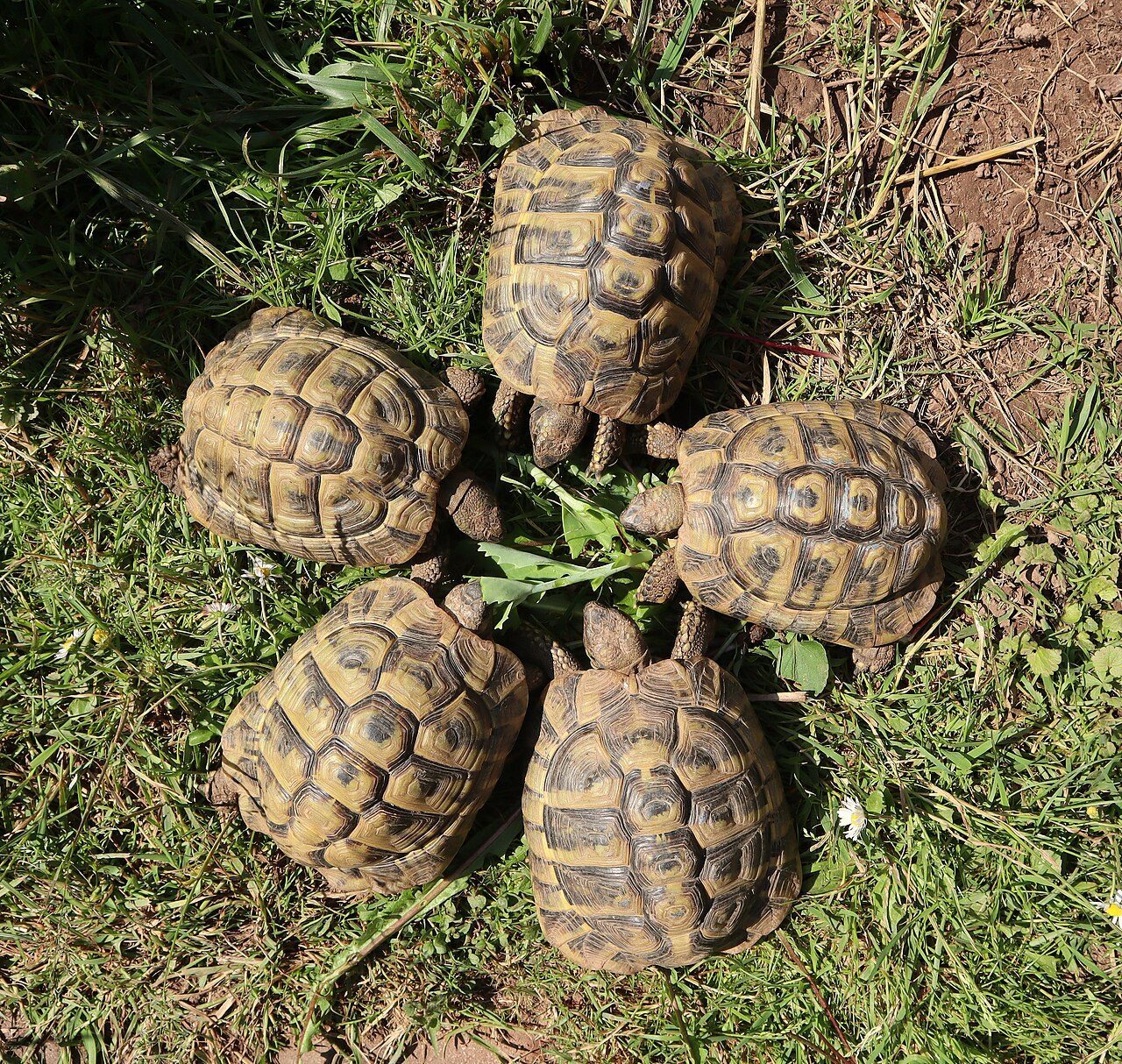
Hermann's Tortoise
Southern Europe (Mediterranean)
Hardy, active, long-lived
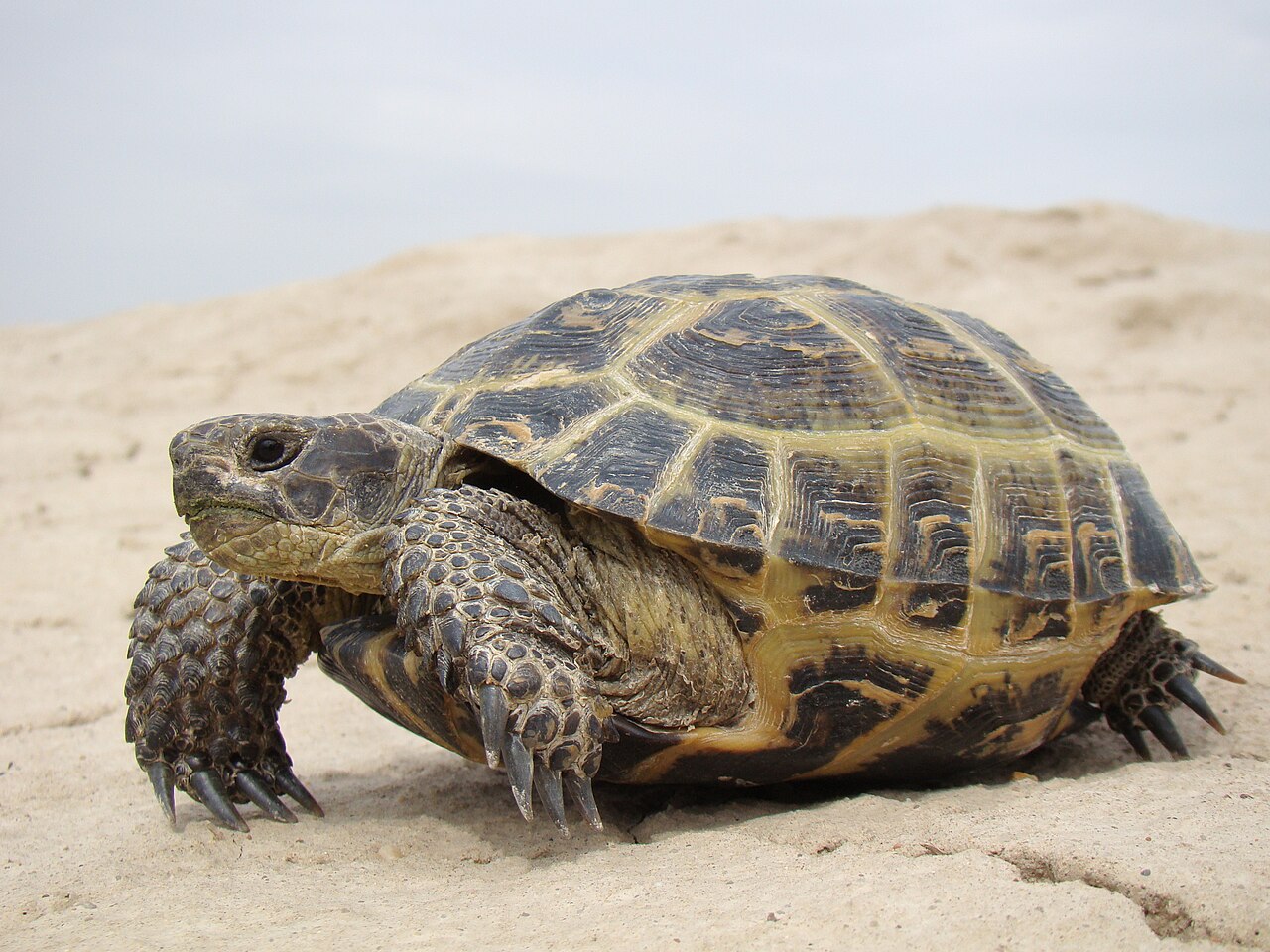
Russian Tortoise
Central Asia
Active, bold, burrowing
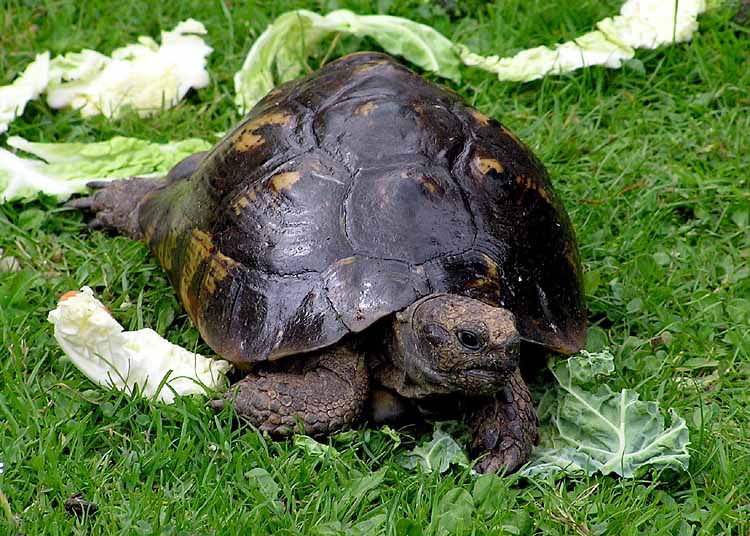
Greek Tortoise
North Africa, southern Europe & the Middle East
Gentle, hardy, long-lived
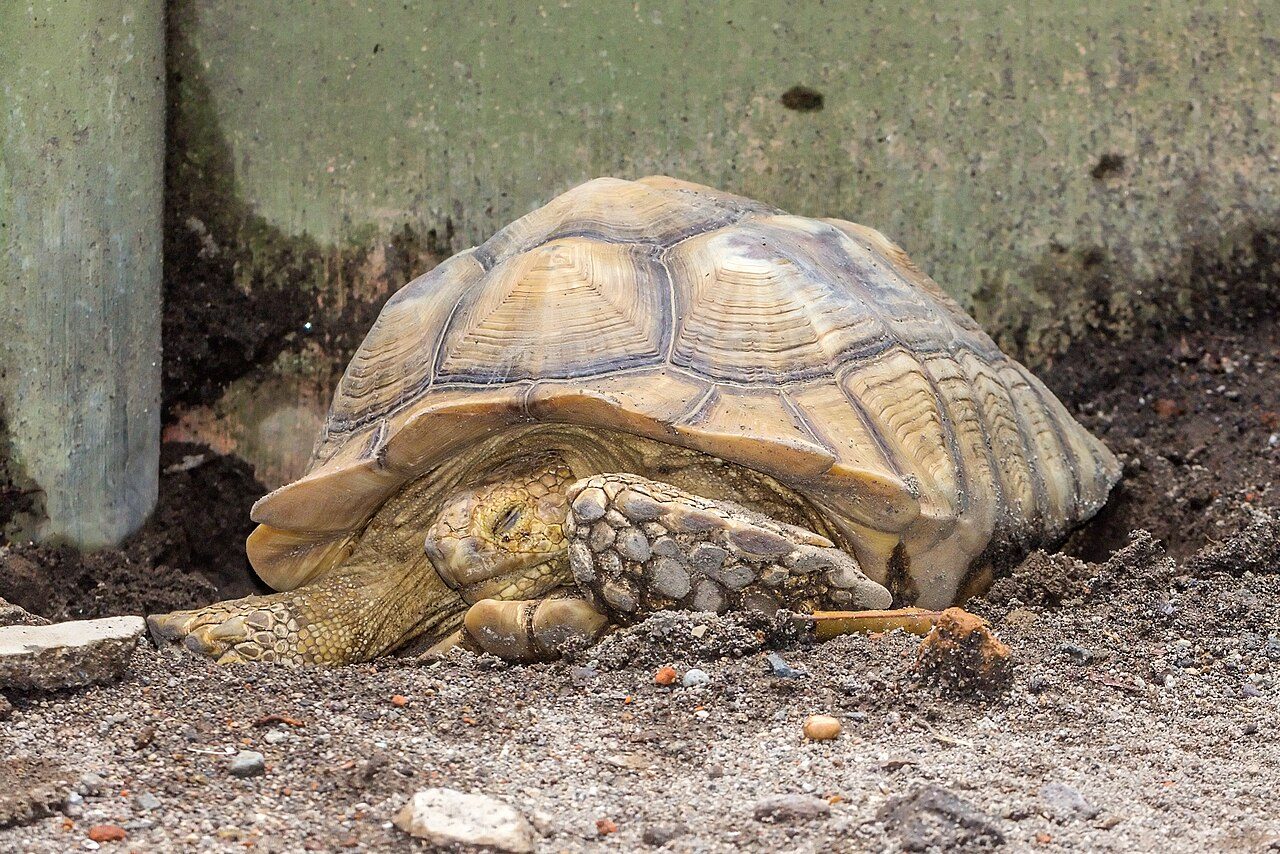
Sulcata Tortoise
Sahel, Africa
Hardy, powerful, prolific digger
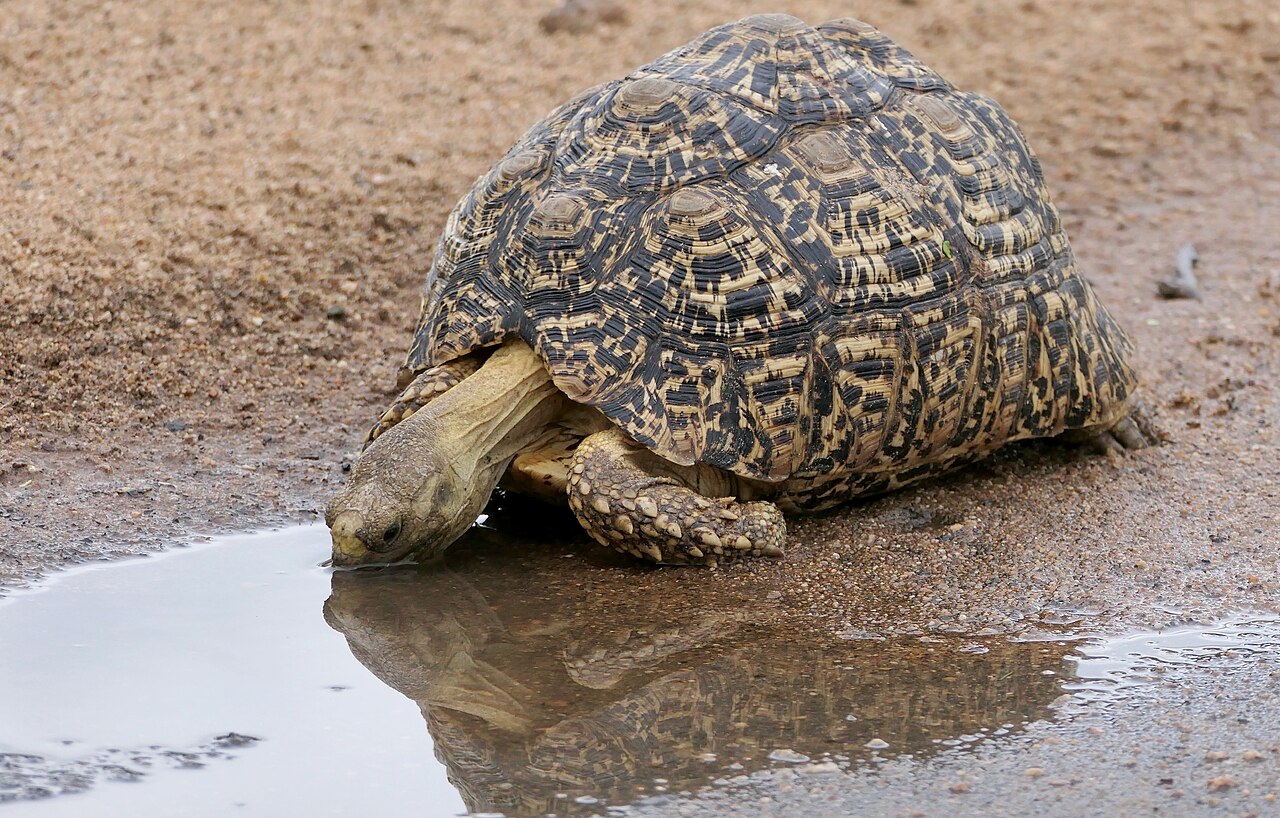
Leopard Tortoise
Eastern & southern Africa
Gentle, grazing, non-burrowing
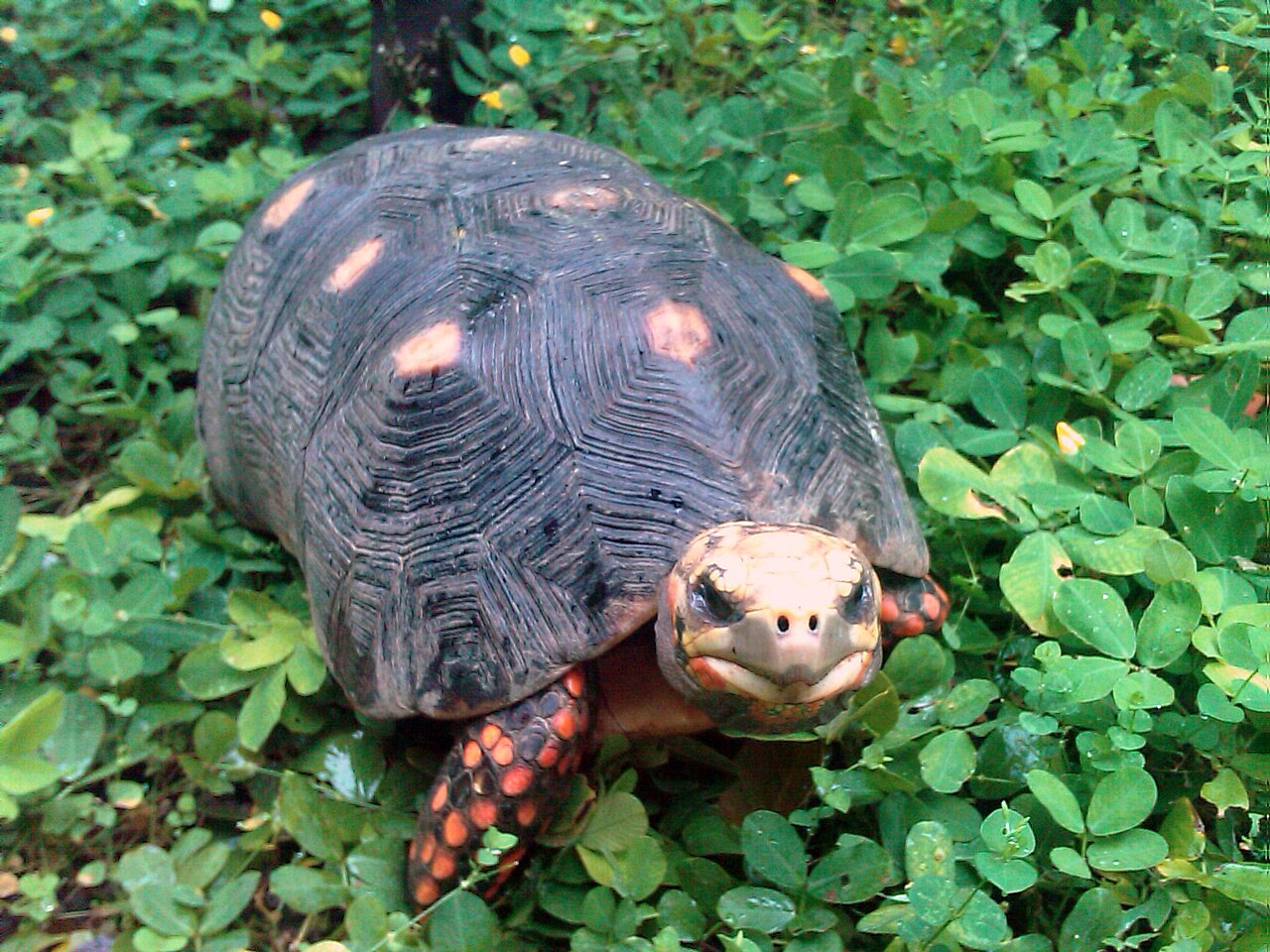
Red-footed Tortoise
South America
Curious, social, colourful
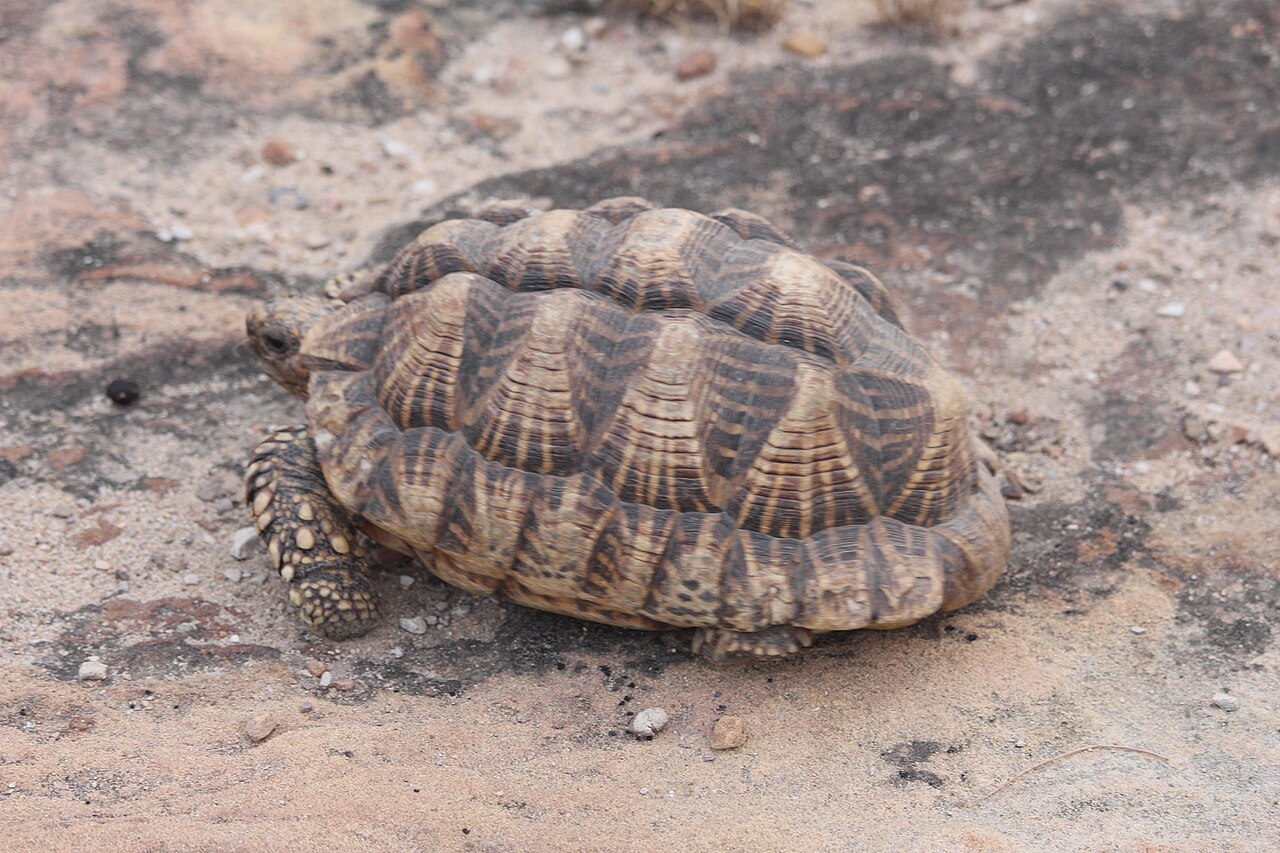
Indian Star Tortoise
India, Pakistan & Sri Lanka
Shy, attractive, heat-loving
Marginated Tortoise
Greece & the southern Balkans
Hardy, calm, long-lived
What WARN Does
WARN does not currently run field projects specifically for tortoises, as WARN's rescue and conservation partnerships are focused in its partner-network countries. This guide is offered as free educational content to support public awareness of one of the world's most threatened reptile groups. Understanding why ancient animals like the tortoise are vanishing — and what trade policies and habitat decisions drive that loss — matters everywhere, regardless of where on the globe the action is taken.
Tortoises have survived for tens of millions of years — but they cannot outpace the modern threats of illegal trade and habitat loss without human intervention. Supporting WARN helps fund the habitat protection work that gives ancient animals like these a fighting chance.
Tortoise: Frequently Asked Questions
How long do tortoises live?
Can a tortoise come out of its shell?
What is the difference between a tortoise and a turtle?
Why are tortoises so slow?
Are tortoises good pets?
What do tortoises eat?
Where do tortoises live?
Are tortoises dangerous?
How big is a tortoise?
Sources & References
Population figures, conservation status and biological facts on this page are drawn from authoritative scientific and intergovernmental sources.
- IUCN SSC Tortoise and Freshwater Turtle Specialist Group Red List
- Global assessment of current extinction risks and future challenges for turtles and tortoises — Nature Communications (2025)
- Global assessment of current extinction risks and future challenges for turtles and tortoises — PMC full text
- IUCN SSC Tortoise and Freshwater Turtle SG Report 2024–2025
- Tortoise | Britannica
- Testudinidae — Animal Diversity Web
- CITES Appendices — U.S. Fish & Wildlife Service
- Global Conservation Status of Turtles and Tortoises — USGS
Terms used on this page
Plain-English definitions, from our wildlife and conservation glossary.
Latest Tortoise Stories
Quick, fact-checked reads on the tortoise — amazing facts, key questions and the threats it faces.
Species
Slow Loris: Why the Internet's Favourite Pet Is a Conservation Disaster
The slow loris looks like a cartoon character — and that has nearly destroyed the species. Here is the truth behind the viral videos.
Read the storySpecies
The Snow Leopard: Why the Ghost of the Mountains Is Still Vulnerable
The snow leopard is one of the most elusive big cats on earth, with an estimated 4,000-6,500 individuals across twelve range states — including Pakistan, where WARN is preparing to operate. This briefing explains why the species was downlisted from Endangered to Vulnerable in 2017 and why that is not the success story it sounds like.
Read the storyGuides
Sun Bear vs Moon Bear: The Two Most Trafficked Asian Bears
The sun bear and the Asiatic black bear (moon bear) are the two most commonly trafficked bears in Asia — for the pet trade, for traditional medicine and for bear-bile farming. Here is how to tell them apart.
Read the storyExplore more animals
Discover more animals, their habitats and their conservation status in the WARN wildlife-guide library.