Animal Comparison
Tortoise vs Terrapin
Tortoises are land chelonians with domed shells and columnar legs; terrapins are freshwater forms with webbed feet.
By WARN Research & Conservation TeamLast updated
In brief — Tortoise vs Terrapin
Tortoises live on land with elephantine feet; terrapins are the British freshwater label with webbed swimming feet.
Tortoises are land-dwelling chelonians with domed shells and sturdy, columnar legs built for walking, not swimming. Terrapin, in British English, usually means a freshwater shelled reptile with a flatter shell and webbed feet. Both are related reptiles with shells; habitat and limb shape separate them more cleanly than colour.
See the difference
Images are shown at different scales. Read each caption for the species, source and context.
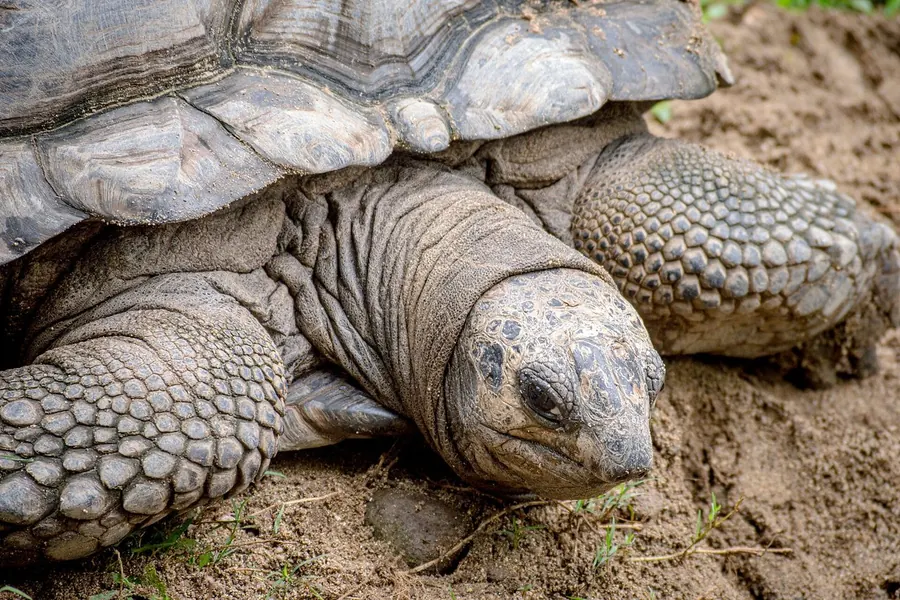
Tortoise — domed terrestrial shell
AI-generated educational wildlife portrait — World Animal Rescue Network
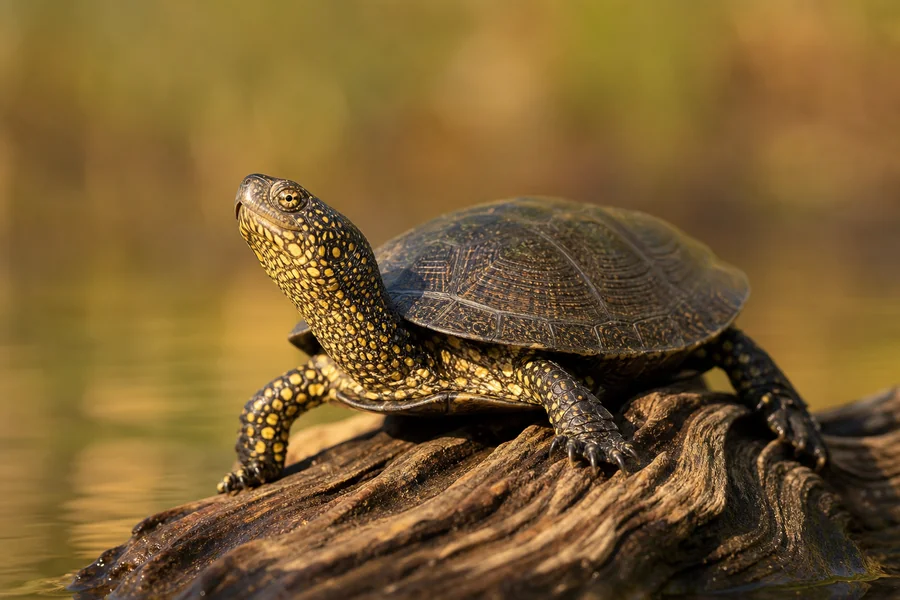
Terrapin — freshwater basking shell
AI-generated educational wildlife portrait — World Animal Rescue Network
Tortoise vs Terrapin: At a Glance
| Feature | Tortoise | Terrapin |
|---|---|---|
| Habitat | Terrestrial | Freshwater / brackish |
| Feet | Columnar, unwebbed | Webbed toes |
| Shell shape | Often high-domed | Often lower, more streamlined |
| Swimming | Poor; can drown if stuck | Capable swimmers |
| British naming | Land chelonian | Freshwater chelonian |
| American naming | Land turtle/tortoise | Often just "turtle" |
| Diet tendency | Many herbivorous | Many omnivorous |
| Pet risk | Dry housing; UVB; space | Aquatic setup; filtration |
| Examples | Hermann's, leopard, giant tortoises | Sliders, European pond turtle, diamondback |
| Relation to sea turtles | Different niche | Different niche |
Size and physical differences
Giant tortoises can exceed 100 kg; common terrapins and sliders are typically well under 5 kg, though sizes overlap among small tortoise species.
Tortoise versus terrapin is the land-and-water half of the chelonian naming puzzle that also includes turtle. British everyday speech has long used tortoise for terrestrial species and terrapin for freshwater ones, with turtle often kept for marine species. American speech uses turtle more broadly and still uses tortoise for many land forms.
Legs tell the truth when nouns fight. Columnar, stumpy feet and a high dome suggest tortoise. Webbed toes and basking on logs suggest a freshwater terrapin or turtle. Keeping a tortoise in a deep water tank, or a terrapin on dry carpet, are classic husbandry failures born from mixing the words.
This comparison sticks to marks you can use without laboratory gear: size, shape, behaviour and the words people actually type into a search box. Scientific names are given where they prevent a regional mix-up. Where published measurements disagree, this page gives the range rather than a single tidy figure that implies more certainty than the sources support.
Feet and shell first
A tortoise walks on club-like legs that look almost elephantine at small scale. A terrapin’s toes show webbing and longer claws suited to water and muddy banks. Shells reinforce the story: many tortoises carry a high dome; aquatic species often have lower profiles that move through water with less drag. Colour pattern is a weak first key because both groups include browns, yellows and mottles. Field observers should combine silhouette, behaviour and habitat before naming what they see. Where published measurements disagree, this page gives the range rather than a single tidy figure. Treat a single trait as supporting evidence rather than a complete identification. Local field guides remain the final check when similar species share a landscape. When evidence is thin, prefer a broader label over a false precise name.
British words versus American words
If a British speaker says terrapin, they usually mean a freshwater animal. An American speaker may call the same animal a turtle and reserve terrapin for traditional names such as diamondback terrapin. Tortoise is more stable across dialects for land forms, though not perfect. When writing care instructions, add habitat — land or freshwater — so dialect cannot overturn the meaning. Field observers should combine silhouette, behaviour and habitat before naming what they see. Where published measurements disagree, this page gives the range rather than a single tidy figure. Treat a single trait as supporting evidence rather than a complete identification. Local field guides remain the final check when similar species share a landscape. When evidence is thin, prefer a broader label over a false precise name.
Husbandry mistakes
Tortoises need dry substrate, UVB light, temperature gradients and diets matched to species — often high fibre for herbivores. Aquatic terrapins need clean water, haul-out platforms and filtration. Mixing those setups because a shop used the wrong English word causes illness. Adult size surprises owners in both groups; "cute" hatchlings are long commitments. Field observers should combine silhouette, behaviour and habitat before naming what they see. Where published measurements disagree, this page gives the range rather than a single tidy figure. Treat a single trait as supporting evidence rather than a complete identification. Local field guides remain the final check when similar species share a landscape. When evidence is thin, prefer a broader label over a false precise name. Field observers should combine silhouette, behaviour and habitat before naming what they see. Where published measurements disagree, this page gives the range rather than a single tidy figure.
Link to the turtle comparison
Sea turtles sit on the third corner of the British naming triangle. If the animal has flippers and lives in the ocean, neither tortoise nor terrapin is the usual British word — turtle is. Cross-link these pages rather than forcing every shelled reptile into a two-way fight. Species names end arguments faster than folk nouns. Field observers should combine silhouette, behaviour and habitat before naming what they see. Where published measurements disagree, this page gives the range rather than a single tidy figure. Treat a single trait as supporting evidence rather than a complete identification. Local field guides remain the final check when similar species share a landscape. When evidence is thin, prefer a broader label over a false precise name.
Why the comparison matters
Rescue centres see dehydrated tortoises kept too wet and terrapins kept too dry. Accurate names keep advice attached to the animal present. WARN publishes these comparisons so high-intent questions get a sourced answer instead of an unsourced listicle. Field observers should combine silhouette, behaviour and habitat before naming what they see. Where published measurements disagree, this page gives the range rather than a single tidy figure. Treat a single trait as supporting evidence rather than a complete identification. Local field guides remain the final check when similar species share a landscape. When evidence is thin, prefer a broader label over a false precise name. Field observers should combine silhouette, behaviour and habitat before naming what they see. Where published measurements disagree, this page gives the range rather than a single tidy figure.
Did you know?
The British three-way split — tortoise on land, terrapin in fresh water, turtle in the sea — is ecology in vocabulary form, even though biology uses chelonian for all of them.
Tortoise vs Terrapin: FAQs
What is the difference between a tortoise and a terrapin?
Is a terrapin a tortoise?
Can tortoises swim?
Why do Americans say turtle more?
Which makes a better pet?
Are giant tortoises terrapins?
Help protect animals
Learning about animals can help more people understand their needs. WARN raises funds for eligible animal-welfare organisations. Read the relevant appeal’s purpose, recipient status and fund terms, or share this free guide to raise awareness.