Wildlife appeal · Marine turtle conservation
How to Help Sea Turtles
Sea turtle recovery shows what sustained protection can achieve. Help keep nesting beaches and ocean habitats safe while supporting appropriate care.
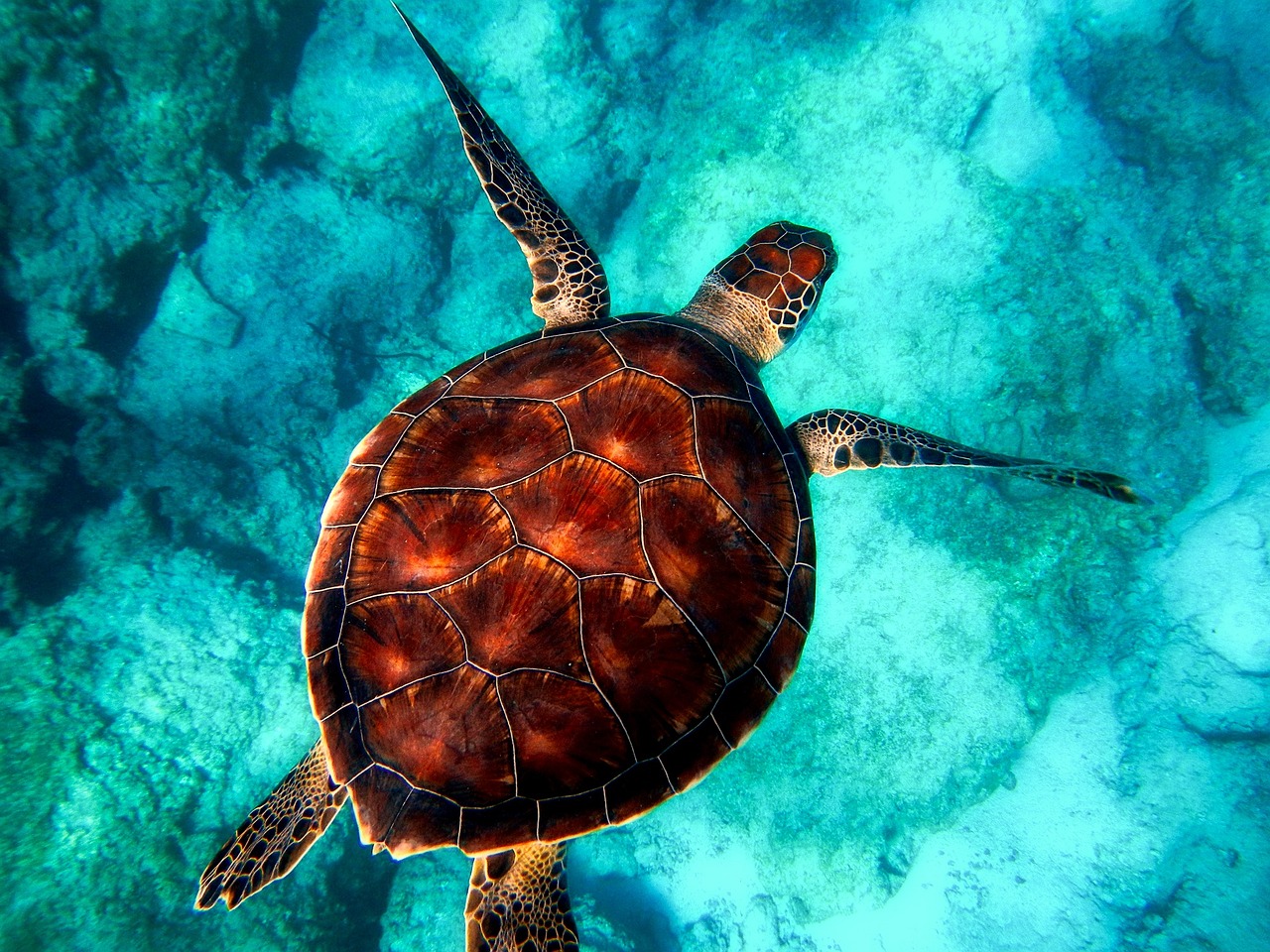
Sea turtle at Kaputas Beach, Turkey, published by Randall Ruiz on 30 May 2017 under CC0. The source does not record a capture date. This is a species photograph, not a documented WARN rescue or release.
Photo: Randall Ruiz / Wikimedia Commons (CC0 1.0). Resized; display may be cropped. Source CC0 1.0
- Understand the animal’s needs and the proposed support
- Choose a one-off or monthly gift, or share the evidence
- Read recipient selection and grant records before giving
In brief
Sea turtles face bycatch, habitat loss and other pressures, but conservation outcomes differ by species and population. Green turtles improved globally to Least Concern in the IUCN’s October 2025 assessment. WARN seeks support for assessed turtle welfare and conservation needs, with published recipient and grant records.
By WARN Research & Conservation TeamLast updated
Choose informed support
Support sea turtles
Sea turtle recovery shows what sustained protection can achieve. Help keep nesting beaches and ocean habitats safe while supporting appropriate care.
Before you give
Your gift supports this appeal’s stated purpose. Activities described on this page are eligible or proposed support; published grant records show what has been agreed, paid or reported.
Choose an amount and frequency you can afford. No donation amount guarantees a particular rescue, treatment or release.
WARN is a UK community interest company, number 17298990. Gift Aid is unavailable.
Support sea turtles
Choose your amount and giving frequency
How often
Choose an amount
Your gift supports this appeal’s purpose. Grants depend on assessed needs, agreed budgets and available funds.
Where should it go?
Secure payment · You'll be directed to a secure checkout.
Secure donation · accepted methods
Secure card checkout powered by Stripe. Card details are entered on Stripe; available wallets depend on your device and browser.
7
Living sea turtle species
Species & place
Threats and status differ
2025
Green turtle global reassessment
Sea & shore
Protection across the life cycle
Species context checked 8 September 2026. Conservation classifications describe a species or population; they do not measure WARN’s work.
How to support sea turtles
Gifts selected for this appeal are intended for eligible sea-turtle welfare and conservation. WARN will assess proposed recipients, permissions, activities and costs before an award. No nest, treatment, hatchling count or named animal is guaranteed by a donation.
- 1
Read the purpose and assessment questions
Explore the needs below and read grant selection and where your money goes. A species photograph or an outside organisation’s report does not establish a WARN grant.
- 2
Choose a gift that suits you
Select this appeal, choose one-off or monthly and enter an amount. Review the purpose, currency and frequency before continuing to Stripe. Available wallets depend on your device.
- 3
Follow the published records
Keep your payment receipt and use the grant register for recipient decisions and payment records when published. A receipt confirms your gift; it is not evidence that a grant has already reached a field team.
- 4
Share the evidence
Share a sea turtle story with its species, location and source date. Distinguish an individual rescue from a population recovery and retain WARN’s funding-assessment context.
Why sea turtles still need help as some populations recover
In October 2025, the IUCN changed the global green turtle classification from Endangered to Least Concern after sustained conservation gains. The same assessment stresses continuing threats to some subpopulations. It is therefore inaccurate to describe all sea turtles as equally endangered, or to suggest that improved global status removes the need for local protection.
NOAA identifies fisheries bycatch, habitat degradation, entanglement, vessel strikes and harvesting among the pressures on sea turtles. Their lives connect ocean feeding grounds and nesting beaches, so the most useful response depends on where harm is occurring.
An injured animal may need authorised rescue and care; a nesting site may need protection; a fishery may need practical work to reduce bycatch. These are different activities. WARN would assess a specific proposal and its evidence before an award, rather than promising that a given amount will save a fixed number of hatchlings.
Evidence: IUCN — Green turtle reassessment, 10 October 2025. External organisations describe their own work; citing them does not identify them as a WARN grantee.
What pressures should sea turtle support address?
Fishing-related injury and entanglement
Accidental capture and discarded gear can harm turtles. Appropriate prevention needs to fit the fishery and involve people with the relevant knowledge and responsibility.
Damage to nesting and feeding habitat
Coastal development, disturbance and other habitat pressures can affect a turtle’s life cycle. A local proposal should explain the site, species and threat it seeks to reduce.
Injuries needing authorised care
A stranded or injured turtle needs advice from the relevant responder. Treatment and release are professional decisions; moving an animal without guidance can create further problems.
Species, geography and donor context
| Species | Seven living species, including green, hawksbill and leatherback turtles |
|---|---|
| Status | Conservation categories differ by species and some regional populations |
| Green turtle update | Globally Least Concern from October 2025; local threats remain |
| Habitat | Marine feeding areas and nesting beaches need different protection |
| Gift outcome | A contribution to assessed needs, without a fixed nest or hatchling guarantee |
What support could this appeal make possible?
Support could be considered where an appropriately authorised organisation identifies a documented welfare or conservation need. A local proposal should explain why its approach is suitable.
Focus1
Rescue and veterinary recovery
Assess care and recovery requests with appropriate expertise, authority and facilities. Any release decision should follow the responsible professionals’ assessment.
Focus2
Nesting-habitat protection
Assess proposals for site-specific protection or monitoring that minimise unnecessary interference. A hatchery label alone is not evidence of a sound conservation approach.
Focus3
Safer marine environments
Consider a defined bycatch, debris or habitat activity with an appropriate operator and a practical measure of progress. Prevention should be tied to a local pressure rather than a generic cleanup claim.
How to assess a turtle project beyond hatchling photographs
A useful proposal explains how an activity serves the animal or population, and how that conclusion will be reviewed.
- Is the intervention appropriate here?
- Ask which species and site are involved, what problem has been documented and why the proposed action is better than leaving the animals undisturbed.
- What permissions and care standards apply?
- Confirm relevant authority, staff competence and welfare arrangements. Handling or moving eggs and animals should not be assumed appropriate simply because visitors can participate.
- What outcome will be measured?
- Distinguish nests monitored, animals treated, releases and longer-term conservation outcomes. A release photograph alone cannot establish survival to adulthood.
These are WARN’s assessment priorities for a proposed award. Read the recipient-selection policy.
How to help without donating
Keep a respectful distance
Follow the local authority’s instructions near turtles and nesting beaches. Avoid touching, feeding or blocking an animal’s movement.
Use the right response to a stranding
Contact the relevant marine wildlife responder and follow its guidance. Keep people and pets back instead of attempting an improvised release.
Reduce avoidable disturbance and debris
Follow local beach-lighting guidance, secure litter and fishing materials, and take part in appropriately organised cleanups without disturbing nests. NOAA’s practical guidance is linked below.
How would support reach sea turtles?
Gifts selected for this appeal are intended for eligible sea-turtle welfare and conservation. WARN will assess proposed recipients, permissions, activities and costs before an award. No nest, treatment, hatchling count or named animal is guaranteed by a donation.
WARN is building its grant-making work. Before an award, an organisation’s authority, welfare standards, budget and ability to report must be assessed. Recipient decisions and grant payments will be published as records become available.
The activities described on this page are eligible needs to assess. They are not a statement that WARN has already paid for a rescue, clinic, patrol or sanctuary place. A suggested gift amount does not guarantee a fixed outcome.
How responsible support works
From a gift to a grant
This is WARN’s grant-making process. Check the published records below for this appeal’s actual progress.
Assess the need
Review an organisation’s identity, local capacity, welfare practices, current request and proposed budget.
Agree the support
Choose a suitable purpose within the appeal, agree the budget and set proportionate reporting requirements.
Record the payment
Publish the recipient, amount, purpose and payment status when a grant record is available.
Follow the results
Report what the recipient can evidence, with dates and limitations. An approved grant and a completed outcome are different stages.
Grant register
Approved commitments and completed payments are different stages. Public records identify recipients and purposes without exposing donor details, banking information or sensitive wildlife locations.
Records not yet published
A reconciled financial summary and individual grant records have not yet been published here. This is a reporting status, not a statement that income, expenditure or grants are zero. Contact WARN for information about your gift.
Ask about a donation or grantLearn more and explore other ways to help
Explore the evidence, practical animal-welfare information and other relevant ways to support the cause.

Protect Critical Habitats
Learn about habitat protection, ecological restoration and community stewardship, and how proposed work and its lasting benefit would be assessed.
Open this page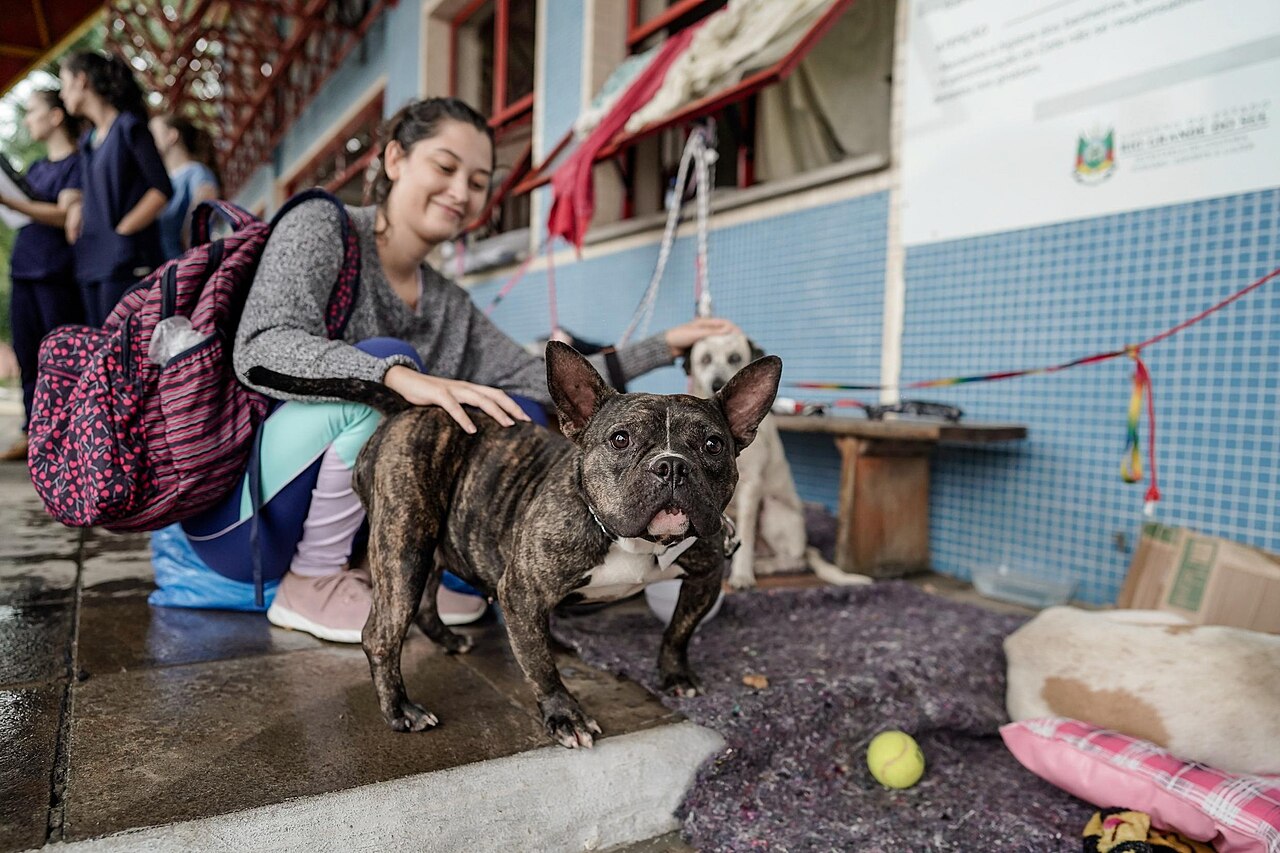
Help Animals After a Disaster
Explore emergency veterinary care, safe water, feed, shelter and preparedness for animals affected by disasters, and read the appeal’s funding purpose.
Open this page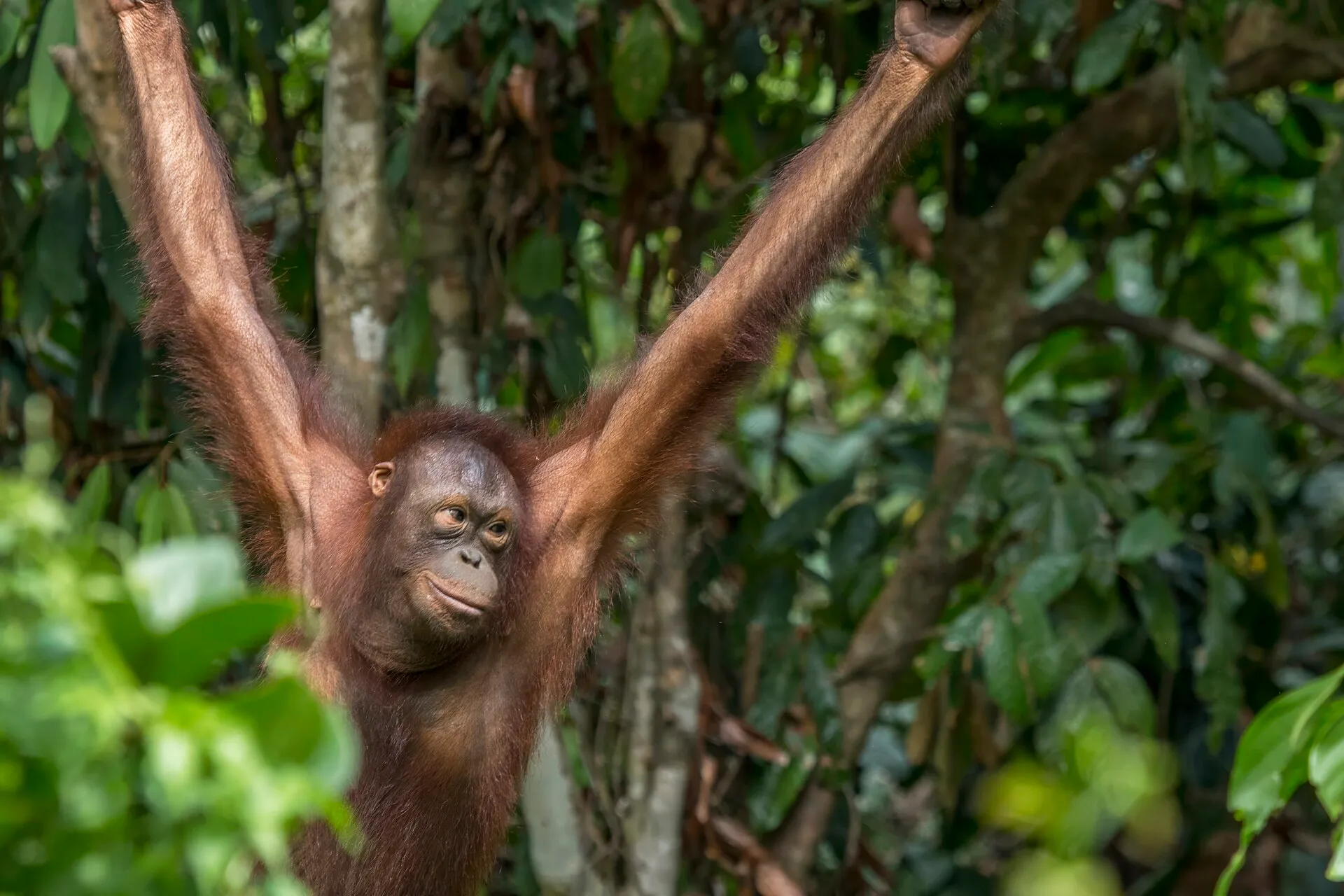
Help Orangutans
Explore how to help orangutans, compare donation purposes and symbolic adoption, and find practical ways to share and protect forests.
Open this pageYour questions answered
Sea turtles: frequently asked questions
Are all sea turtles endangered?
Does a better conservation status mean turtles no longer need help?
Is every turtle hatchery beneficial?
Can my gift save a specific number of hatchlings?
How do I donate to help sea turtles?
How can I help sea turtles from the UK?
Can I give monthly to help sea turtles?
How does my donation reach sea turtles?
Is this Gift Aid eligible or US tax-deductible?
Can I help without donating?
Help keep sea turtle recovery moving
Support assessed welfare and conservation needs or share practical, sourced ways to help.
Help sea turtles