Wildlife Guide · South America & Andes
Chinchilla
Chinchilla (genus)
The Andes' velvet-furred rodent — endangered in the wild, beloved as a pet.
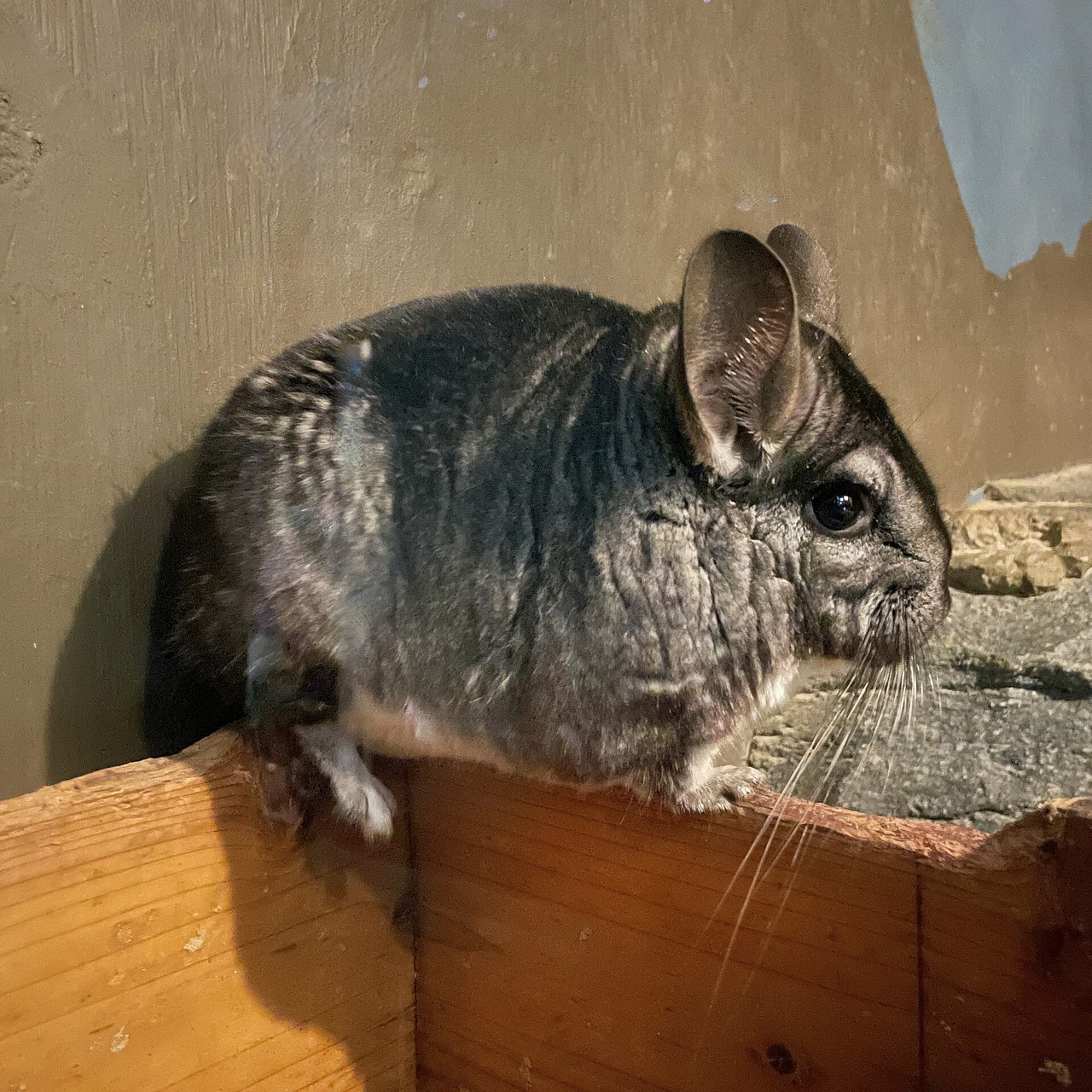
Photo: Kyu3 / Wikimedia Commons (CC BY-SA 4.0)
In brief
A chinchilla is a small, soft-furred rodent of the genus Chinchilla, native to the Andes mountains of South America. Famous for the densest fur of any land mammal, both wild species are Endangered, yet chinchillas are also bred and kept worldwide as long-lived, dust-bathing pets.
Also in Animals A to Z · Animals that start with C
By WARN Research & Conservation TeamLast updated
A chinchilla is a small, crepuscular rodent native to the high Andes of South America, famous for having one of the densest, softest fur coats of any land mammal. The genus Chinchilla contains two species — the long-tailed chinchilla (Chinchilla lanigera) and the short-tailed chinchilla (Chinchilla chinchilla) — both of which are classed as Endangered in the wild after centuries of intense hunting for their fur. Chinchillas keep their coats clean by rolling in fine volcanic dust rather than bathing in water. Although wild populations are scarce and fragmented, chinchillas are bred widely and kept as gentle, long-lived pets around the world.
2
living species in the genus Chinchilla
>50
hairs from a single follicle
10-20 yrs
lifespan in human care
Appendix I
CITES protection level
Figures sourced from Chinchilla — Wikipedia, Long-tailed chinchilla — Wikipedia, Short-tailed chinchilla — Wikipedia and other references on this page.
Chinchilla: Quick Facts
| Common name | Chinchilla |
|---|---|
| Genus | Chinchilla |
| Living species | Two (long-tailed and short-tailed) |
| Native range | Andes of South America (chiefly Chile) |
| Habitat | High-altitude rocky mountain slopes |
| Diet | Herbivore — grasses, seeds, vegetation |
| Activity | Crepuscular (dawn and dusk) |
| Lifespan | Around 10-20 years in human care |
| Notable trait | Densest fur of any land mammal; dust bathes |
| IUCN status (wild) | Endangered (both species) |
Scientific Classification
| Kingdom | Animalia |
|---|---|
| Phylum | Chordata |
| Class | Mammalia |
| Order | Rodentia |
| Family | Chinchillidae |
| Genus | Chinchilla |
| Species | C. lanigera, C. chinchilla |
Conservation Status
- IUCN Status
- Both living wild species are assessed as Endangered on the IUCN Red List. Wild chinchillas were devastated by centuries of hunting for the international fur trade and remain scarce and fragmented, surviving mainly in small areas of northern Chile. Ongoing threats include habitat loss and degradation from mining, grazing, firewood harvesting and burning of native shrubland. Chinchillas bred as pets and on fur farms are common, but this domestic abundance does not reflect the wild populations' precarious state.
- Population
- Small and fragmented in the wild; precise numbers uncertain
- Trend
- Decreasing
- Assessed
- Most recent IUCN Red List assessment
- CITES
- Appendix I
CITES Appendix I bans international commercial trade in wild-caught chinchillas; pet and farmed chinchillas descend from a small captive founder stock.
Key Facts: Chinchilla
- Chinchillas are Andean rodents in the genus Chinchilla, with two recognised living species.
- Their fur is among the densest of any land mammal, with dozens of hairs growing from each follicle.
- Both wild species are listed as Endangered, largely due to historical hunting for the fur trade.
- They clean themselves by rolling in fine dust, never water, which would damage their dense coat.
- Chinchillas are crepuscular, most active at dawn and dusk, and can live 10-20 years in human care.
- They are protected internationally under CITES Appendix I, the strictest trade category.
What does a chinchilla look like and how is it built?
A chinchilla is a compact, rounded rodent, typically weighing between roughly 400 and 800 grams, with the females usually larger than the males. It has a broad head, large rounded ears, big dark eyes adapted to low light, and long, sensitive whiskers that help it navigate rocky terrain in the dark. The most striking feature is the coat: chinchilla fur is extraordinarily dense, with many fine hairs — often more than fifty — emerging from each follicle, compared with a single hair per follicle in humans. This density traps air and insulates the animal against the cold, dry nights of the high Andes. The bushy tail and strong hind legs make chinchillas agile jumpers, able to leap considerable distances between rocks. The two species differ mainly in proportions: the long-tailed chinchilla (Chinchilla lanigera) has a longer tail and slimmer body, while the short-tailed chinchilla (Chinchilla chinchilla) is stockier with shorter ears and tail. Natural wild colouring is a mottled bluish-grey that blends with mountain rock, though selective breeding has produced many colour varieties in captivity.
Where do chinchillas live, and why do they bathe in dust?
Chinchillas are native to the Andes mountains of South America, historically ranging across parts of Chile, Peru, Bolivia and Argentina, though wild populations today are largely confined to small, scattered areas of northern Chile. They are mountain animals, living at high elevations among rocks and sparse scrub, where they shelter in crevices and burrows and forage on grasses, seeds and other vegetation. Chinchillas are crepuscular, meaning they are most active around dawn and dusk, which helps them avoid both the midday sun and many predators. One of their best-known behaviours is dust bathing: instead of washing in water, a chinchilla rolls vigorously in fine, powdery dust or volcanic ash. This dust absorbs excess oils and moisture and keeps the dense fur clean and fluffy. Water bathing is actively avoided, because the thick coat holds water against the skin, dries very slowly and can lead to fungal infection or chilling. In captivity, keepers provide special fine dust so pet chinchillas can carry out this natural grooming behaviour.
Why are wild chinchillas endangered?
Wild chinchillas were hunted intensely for centuries because their exceptionally soft, dense fur was prized in the international garment trade. From the nineteenth century onwards, millions of animals were trapped and exported, and by the early twentieth century wild populations had collapsed across most of their former range. Both living species — the long-tailed and short-tailed chinchilla — are now assessed as Endangered on the IUCN Red List, and their numbers remain low and fragmented. Beyond historical hunting, surviving wild chinchillas face ongoing pressures from habitat loss and degradation, including mining, livestock grazing, firewood harvesting and the burning of the shrubs they depend on. International commercial trade in wild chinchillas is banned under CITES Appendix I, the strictest level of protection. Importantly, the chinchillas bred as pets and on fur farms are descended from a small number of founder animals and are common, but this domestic abundance does not reflect the precarious state of the wild populations. Conservation today focuses on protecting the few remaining Andean colonies and the fragile high-altitude habitat that supports them.
Long-tailed vs short-tailed chinchilla
| Feature | Long-tailed (C. lanigera) | Short-tailed (C. chinchilla) |
|---|---|---|
| Body build | Slimmer, smaller | Stockier, larger |
| Tail | Longer | Shorter |
| Ears | Longer | Shorter, rounder |
| Typical range | Coastal hills of northern Chile | Higher Andes (Chile, historically Argentina/Bolivia/Peru) |
| IUCN status | Endangered | Endangered |
Chinchilla Varieties Guide
From the Standard Grey and White Mosaic to Beige, Ebony, Violet and six more — explore 10 of the most searched chinchilla colour varieties with temperament, lifespan, common health issues and responsible care guidance.
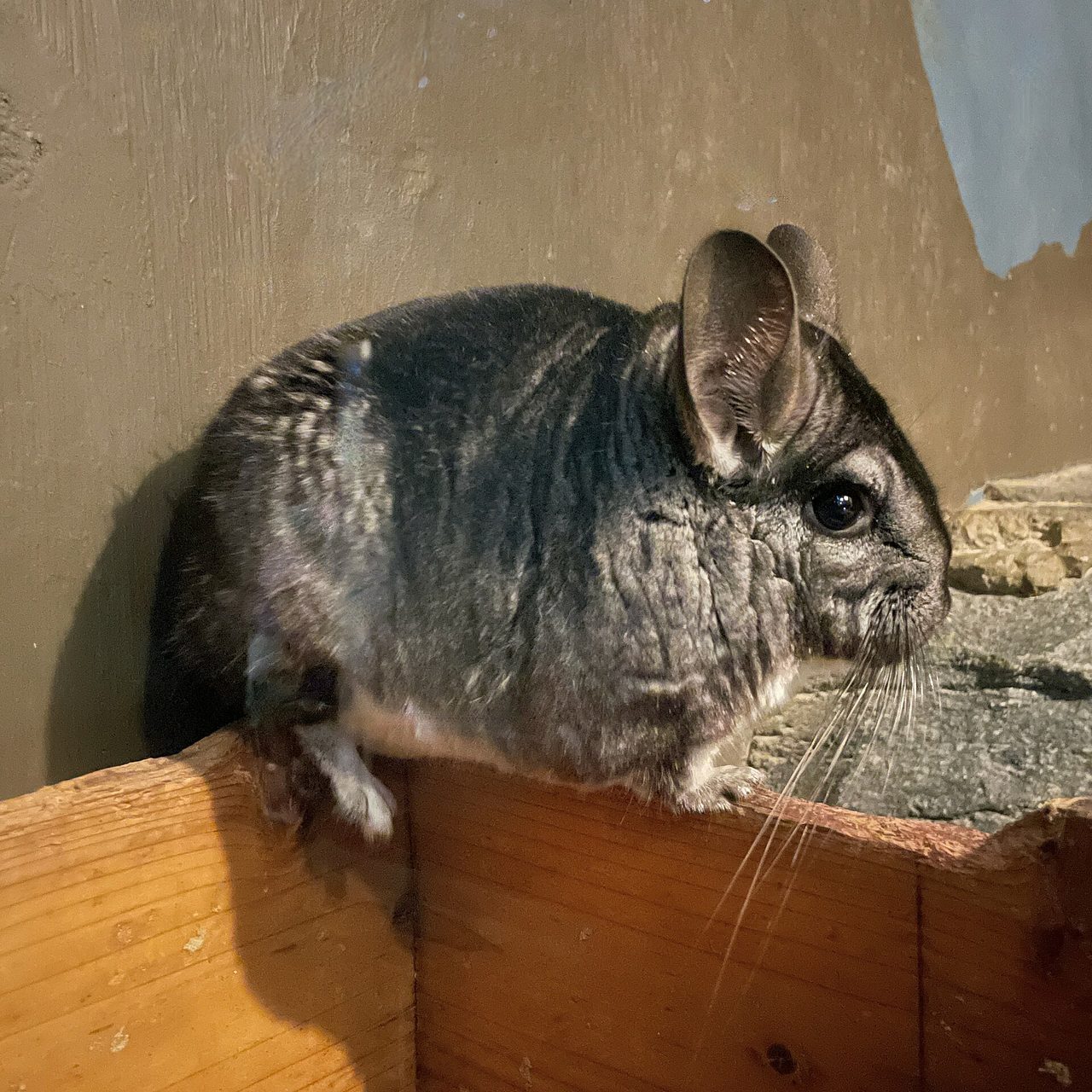
Standard Grey
Chile (Andes)
Alert, agile, crepuscular
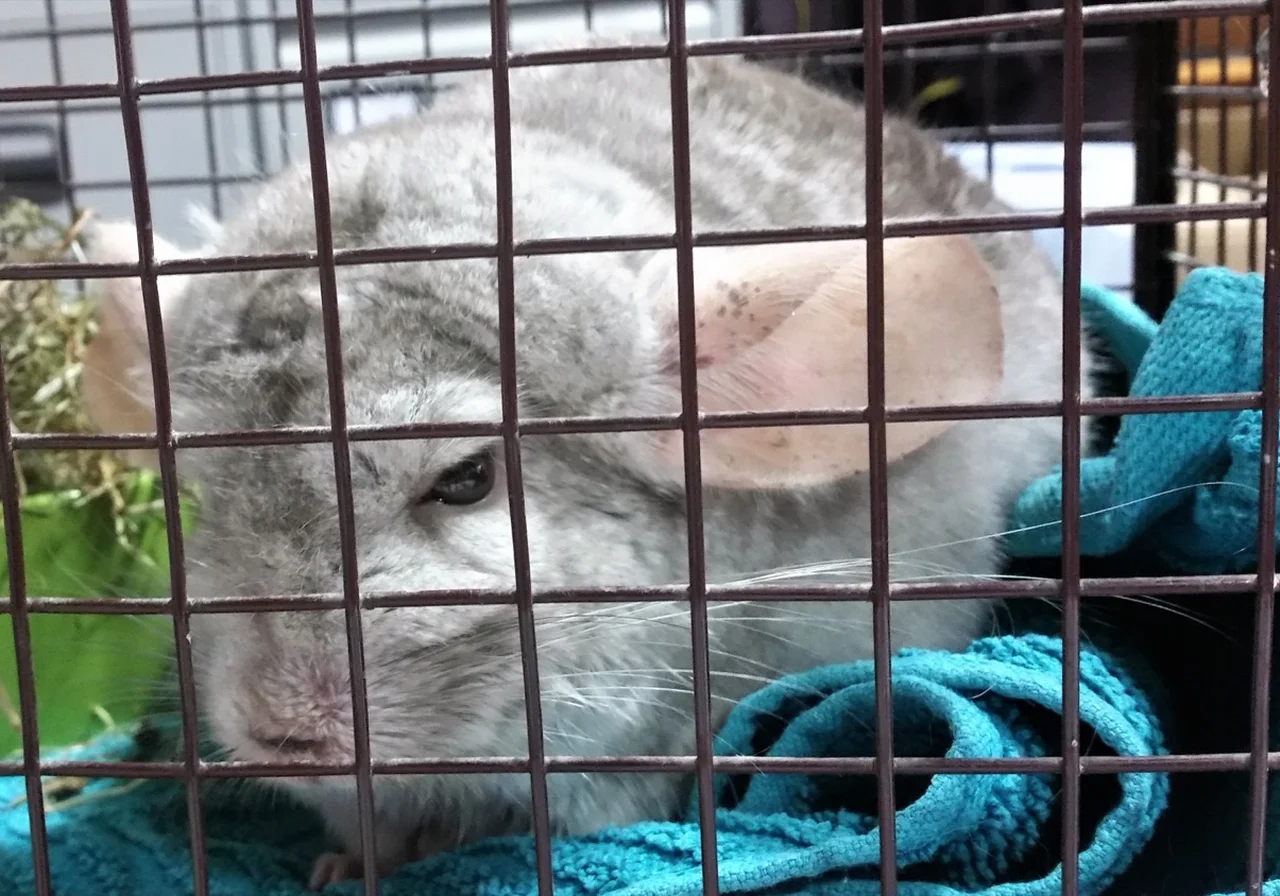
White Mosaic
Domestic (mutation)
Active, curious, gentle when socialised
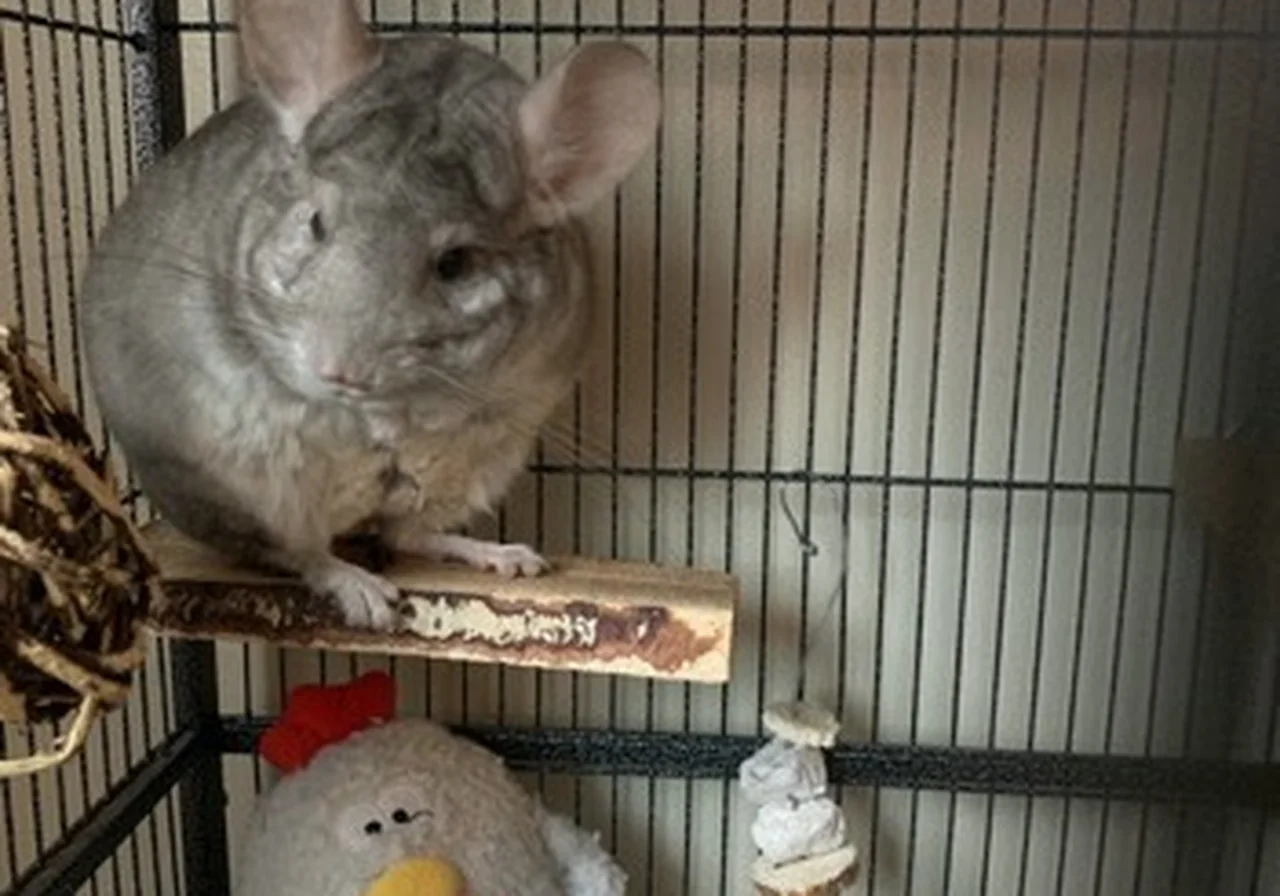
Beige
Domestic (mutation)
Calm, observant, social in pairs
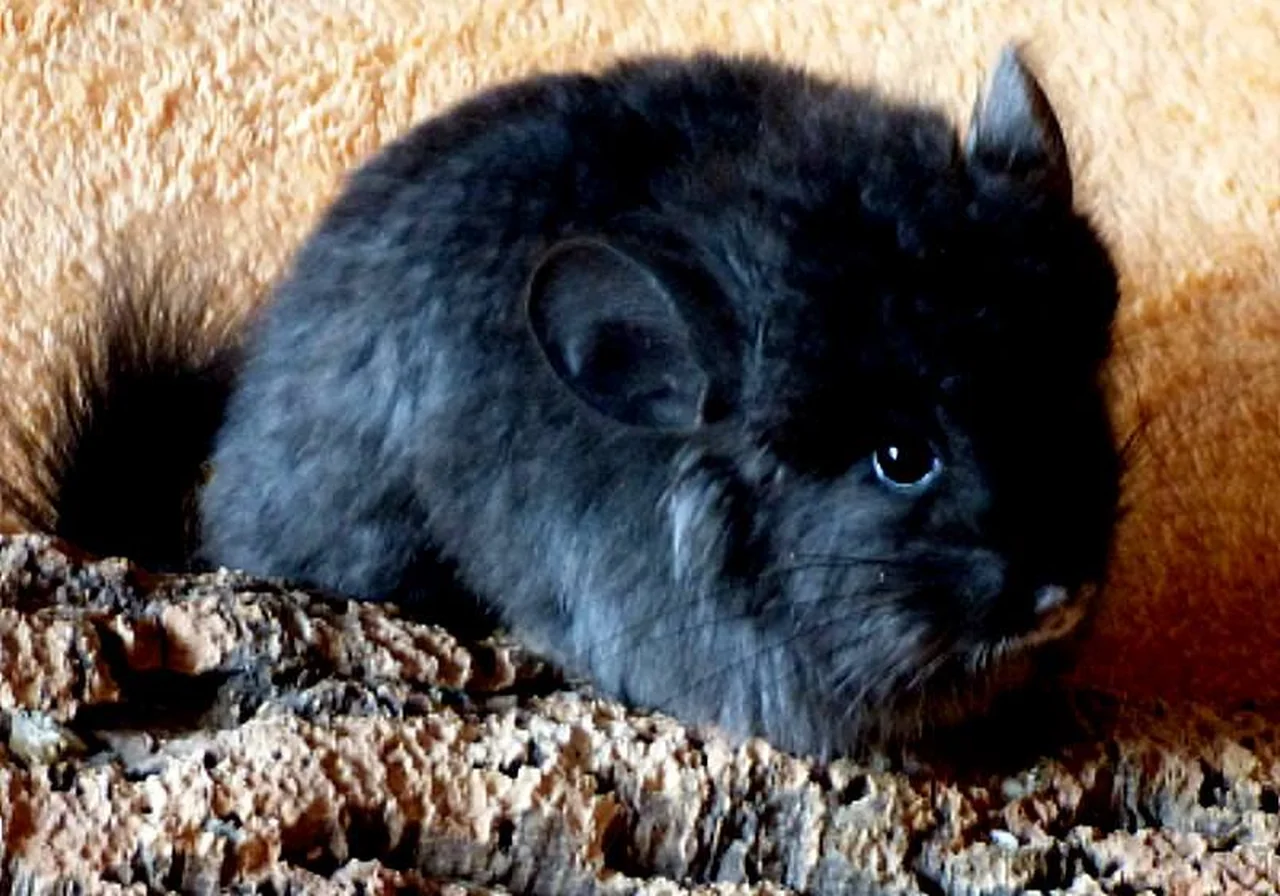
Ebony
Domestic (mutation)
Alert, agile, gentle when socialised
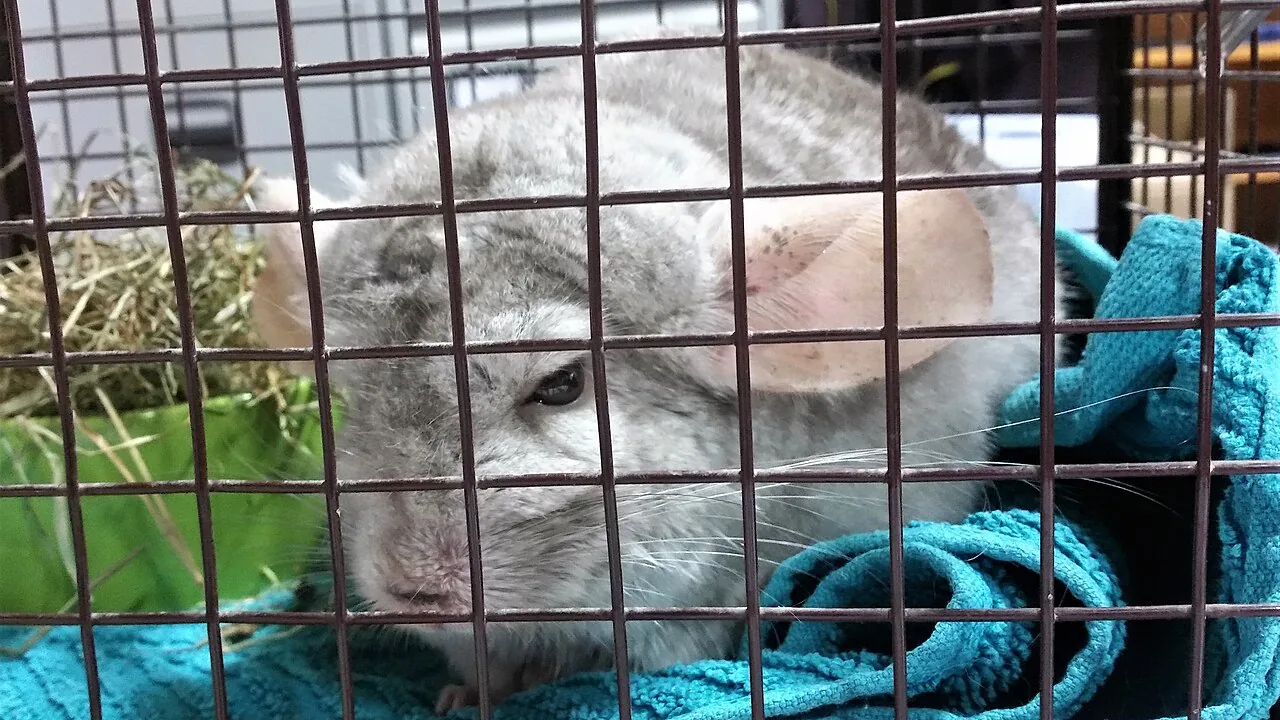
Violet
Domestic (mutation)
Curious, active, shy until bonded
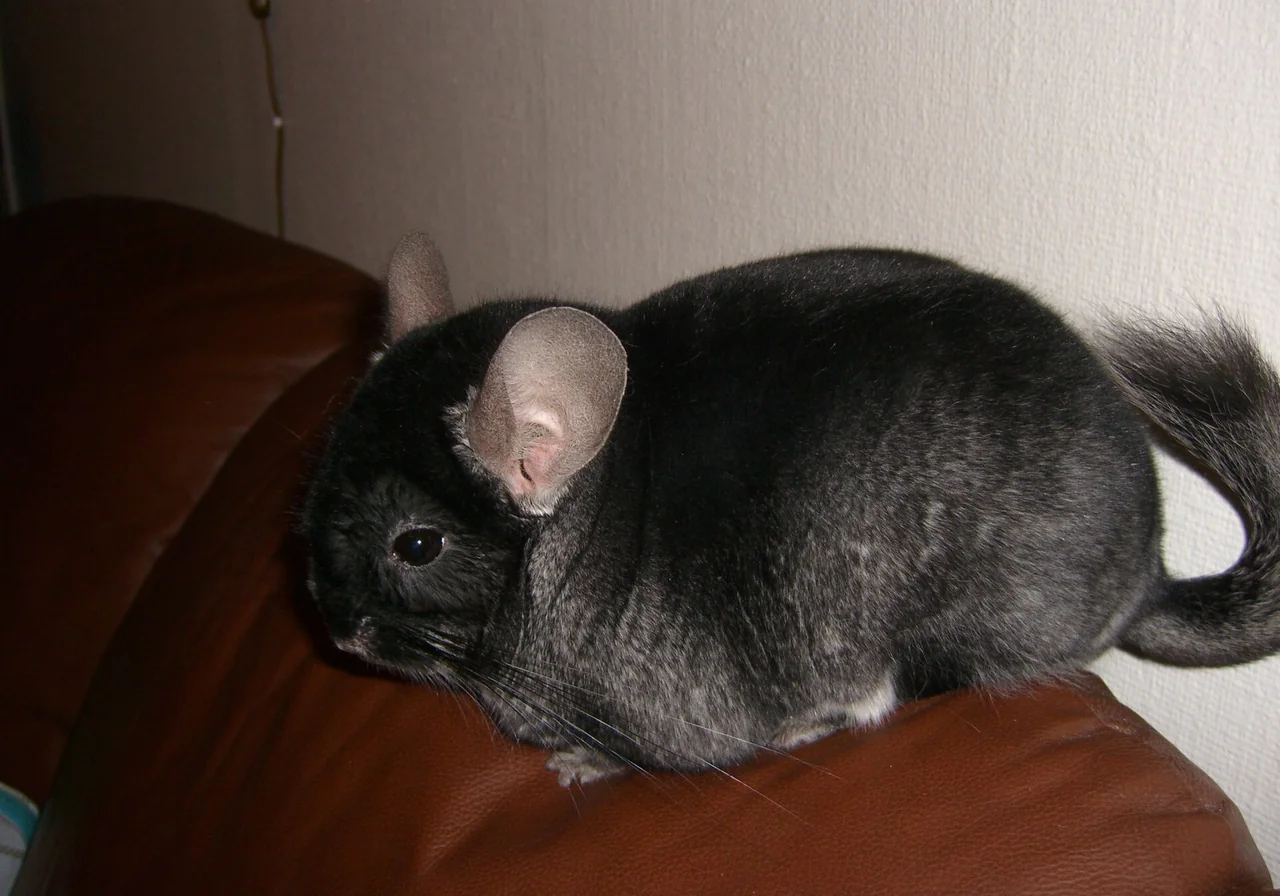
Black Velvet
Domestic (mutation)
Energetic, tactile, needs gentle handling
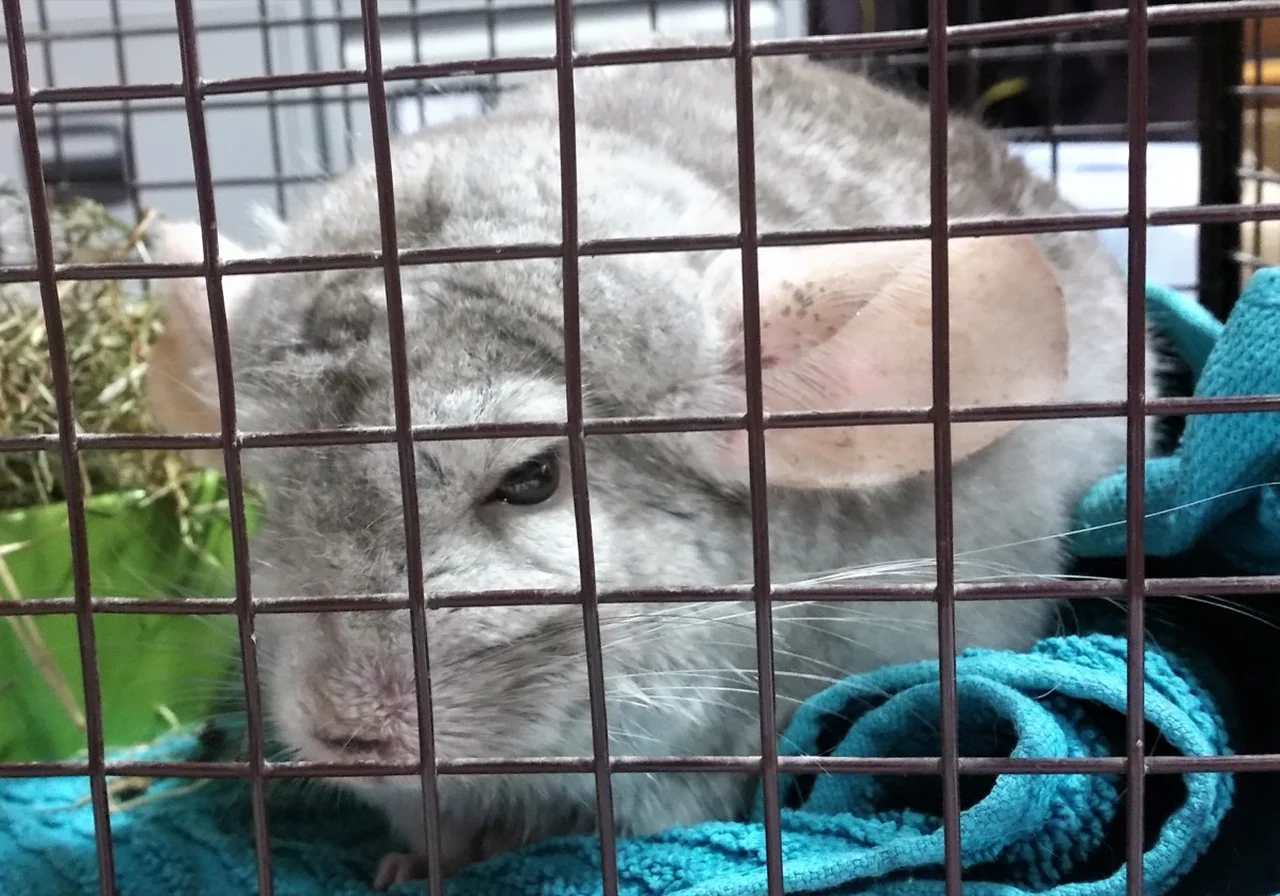
Sapphire
Domestic (mutation)
Calm, observant, social in pairs

Pink White
Domestic (mutation)
Gentle, active, needs shade
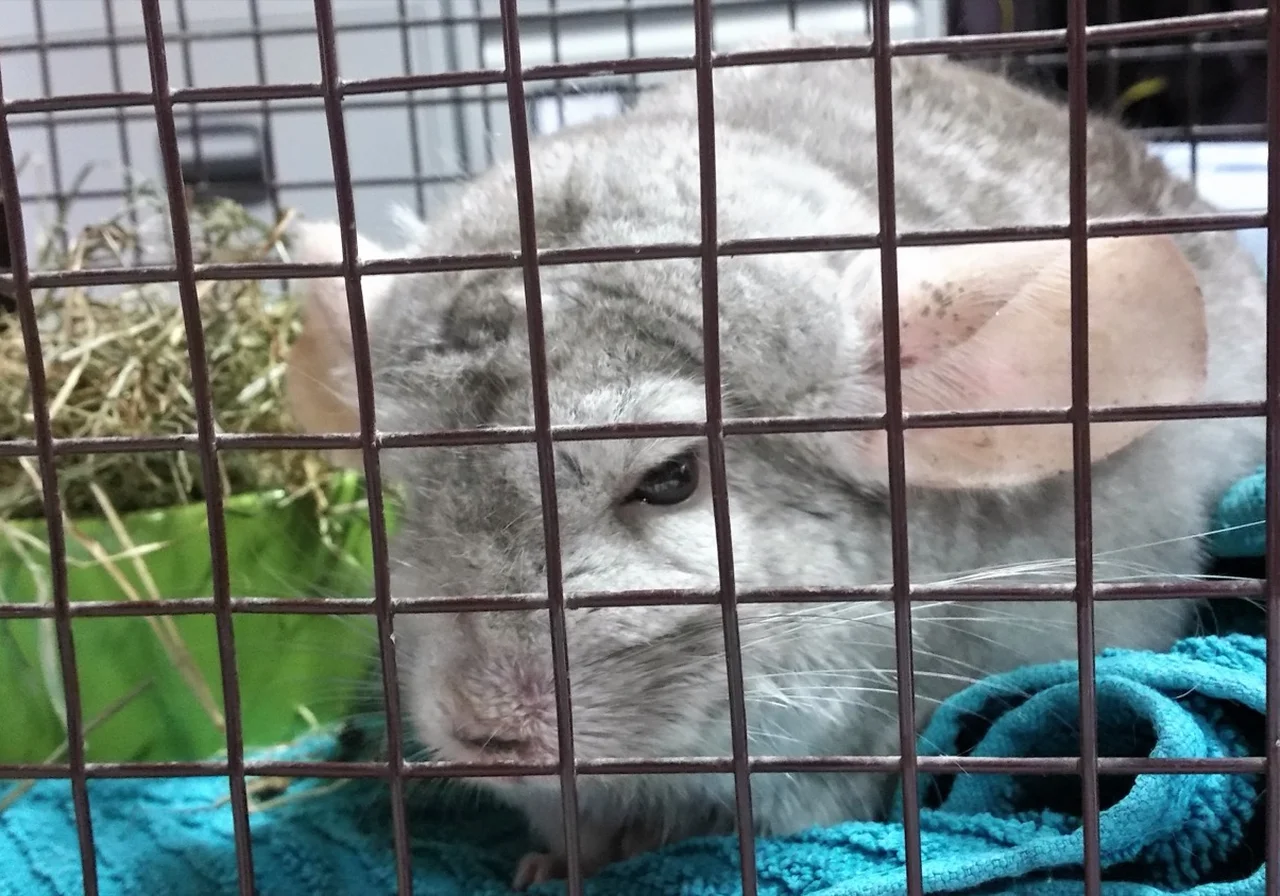
Tower Beige
Domestic (mutation)
Playful, jumpy, crepuscular
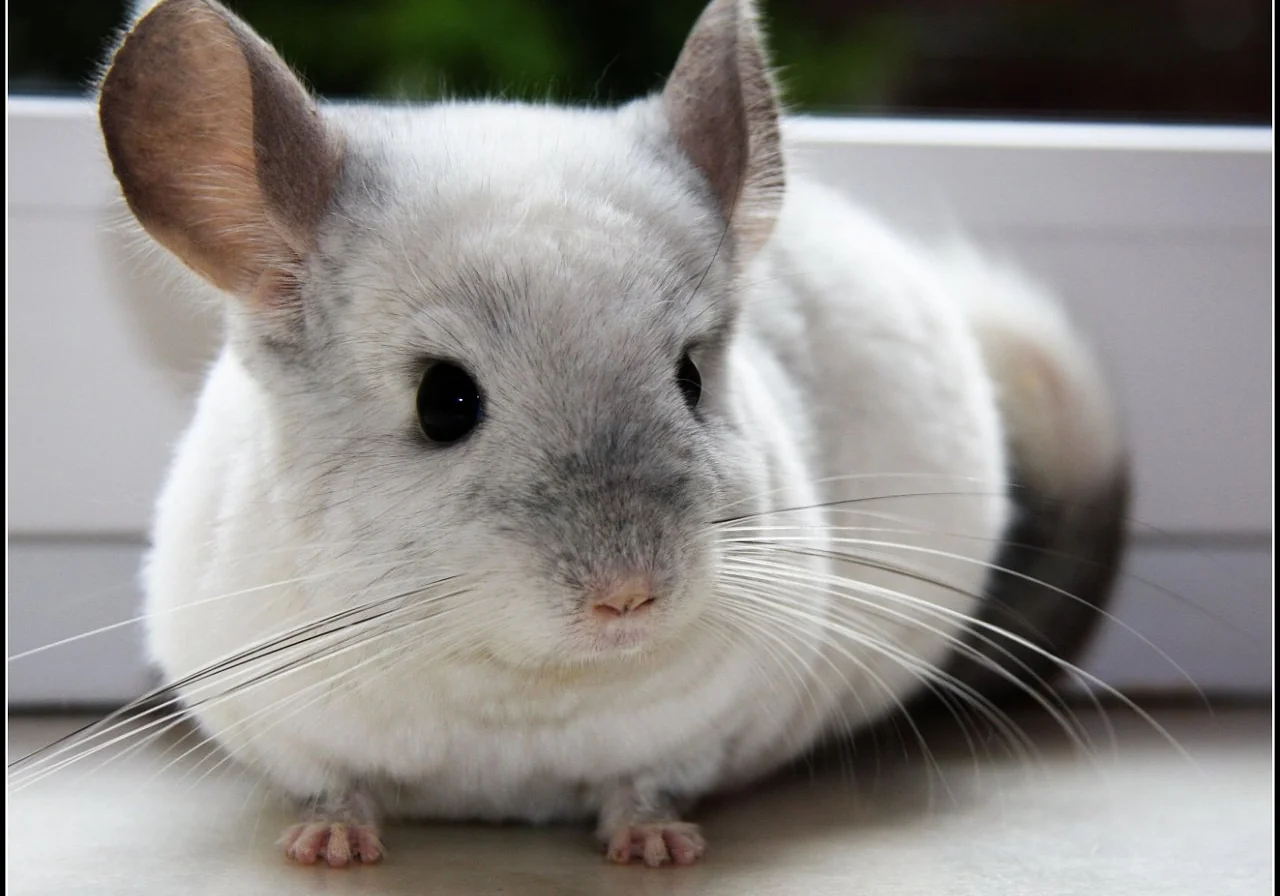
Wilson White
Domestic (mutation)
Social, active, needs dust baths
What WARN Does
WARN does not run field projects specifically for chinchillas, which live in the high Andes far from the countries where our partners work; this guide is part of our free educational work to help people understand the world's animals. The same broad threats that have pushed wild chinchillas to Endangered status — habitat loss, degradation and overexploitation — also harm the animals WARN does protect, which is why clear, accurate information matters.
If learning about the chinchilla deepened your care for wildlife, a small gift helps fund free educational guides like this one and supports the animals WARN works directly to protect.
Chinchilla: Frequently Asked Questions
Are chinchillas endangered?
Why do chinchillas bathe in dust instead of water?
How long do chinchillas live?
Where do chinchillas come from?
Why is chinchilla fur so soft?
What do chinchillas eat?
Where do chinchillas live?
Are chinchillas dangerous?
How big is a chinchilla?
Sources & References
Population figures, conservation status and biological facts on this page are drawn from authoritative scientific and intergovernmental sources.
Terms used on this page
Plain-English definitions, from our wildlife and conservation glossary.
Latest Chinchilla Stories
Quick, fact-checked reads on the chinchilla — amazing facts, key questions and the threats it faces.
Species
12 Amazing Facts About the Jaguar, the Americas' Biggest Cat
From a skull-piercing bite to a love of swimming, here are 12 fascinating, fact-checked things that make the jaguar the most powerful cat in the Americas.
Read the storySpecies
11 Amazing Facts About the Pink River Dolphin (the Amazon's Blushing Boto)
From a head that swivels 90 degrees to a blush built from battle scars, here are 11 true facts about the Amazon's pink river dolphin, the largest freshwater dolphin on Earth.
Read the storySpecies
Pink River Dolphin vs Tucuxi: How to Tell the Two Amazon Dolphins Apart
Both swim the same Amazon waters, but the pink boto and the grey tucuxi are only distant cousins. Here is how to tell them apart at a glance.
Read the storyExplore more animals
Discover more animals, their habitats and their conservation status in the WARN wildlife-guide library.