Wildlife Guide · South America — Amazon basin (wild type); aquariums worldwide
Angelfish
Pterophyllum scalare (Lichtenstein, 1823) — freshwater angelfish, family Cichlidae
Tall, graceful Amazon cichlids — community-tank icons bred into many colour and fin varieties.
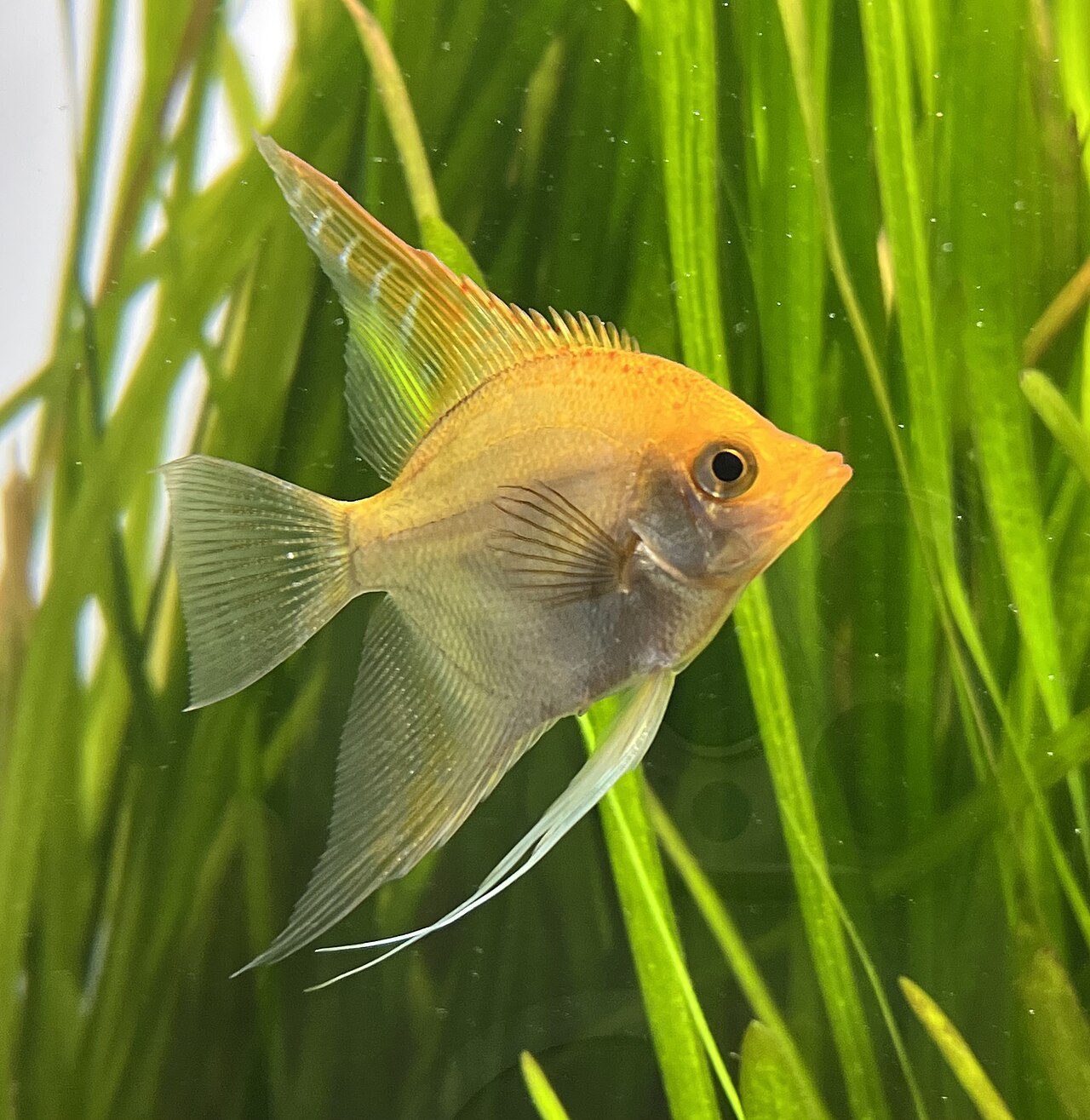
Photo: Versions111 / Wikimedia Commons (CC BY 4.0)
In brief
Angelfish (Pterophyllum scalare) are tall Amazonian cichlids kept worldwide in aquariums; the many 'varieties' are line-bred colour and fin forms of one species, needing a tall planted tank of 110+ litres and calm tankmates.
Also in Animals A to Z · Animals that start with A
By WARN Research & Conservation TeamLast updated
The freshwater angelfish (Pterophyllum scalare) is a tall, disc-shaped cichlid from the slow waters of the Amazon basin, and one of the most popular aquarium fish in the world. Its flattened body and trailing fins let it slip between submerged plant stems, where it hunts small prey and guards its eggs. Generations of aquarium breeding have produced colour and finnage varieties — silver, zebra, marble, koi, gold, platinum, veil and albino — that are all the same species, not separate fish. Despite an angelic look, these are territorial cichlids with real needs: a tall, warm, well-filtered, planted tank and calm tankmates. WARN publishes this guide as free, honest fishkeeping education.
~15 cm
Body length; up to ~20 cm tall with fins
110 L+
Minimum tank for a pair (tall aquarium)
8–10 yr
Typical lifespan with good care
1 species
All common varieties are P. scalare
Figures sourced from Seriously Fish — Pterophyllum scalare, Practical Fishkeeping — angelfish care .
Angelfish: Quick Facts
| Wild origin | Amazon basin, South America |
|---|---|
| Adult size | ~15 cm long, up to ~20 cm tall with fins |
| Minimum tank | 110+ litres (tall) for a pair |
| Temperament | Cichlid — can be territorial |
| Lifespan | 8–10 years with good care |
| Varieties | Line-bred colour & fin forms of one species |
Scientific Classification
| Kingdom | Animalia |
|---|---|
| Phylum | Chordata |
| Class | Actinopterygii |
| Order | Cichliformes |
| Family | Cichlidae |
| Genus | Pterophyllum |
| Species | Pterophyllum scalare |
Conservation Status
- IUCN Status
- Domesticated aquarium fish — varieties not assessed. Wild Pterophyllum scalare is widespread across the Amazon basin.
- Population
- Wild type widespread; aquarium varieties bred in vast numbers
- Trend
- Wild population stable; not a conservation concern
- Assessed
- Not formally assessed by the IUCN
- CITES
- Not listed
Never release aquarium fish or plants into the wild — released pets harm freshwater ecosystems.
Key Facts: Angelfish
- Almost all aquarium angelfish are line-bred varieties of one species, Pterophyllum scalare.
- They are cichlids, not relatives of marine angelfish, and can be territorial.
- Their tall body needs a tall tank — height matters as much as length.
- Fancy fin types (veil) are delicate and need gentle, non-fin-nipping tankmates.
- Angelfish are devoted parents, fanning and guarding their eggs and fry.
- Stable, warm, well-filtered water prevents most common diseases.
Wild angelfish of the Amazon
Pterophyllum scalare lives in the slow, warm, often tannin-stained waters of the Amazon basin, among submerged roots and tall plants. Its laterally flattened body and long fins are camouflage and manoeuvring gear for life among vertical stems, where the dark vertical bars break up its outline. Wild angelfish hunt small invertebrates and fish fry and form pairs that jointly defend a territory and their eggs.
The wild 'silver' form is the basis of every aquarium variety. Two close relatives — the larger Pterophyllum altum and the smaller P. leopoldi — are also kept by specialists but are far less common than the line-bred scalare varieties.
Varieties are line-bred, not separate species
The silver, zebra, marble, koi, gold, platinum, veil and albino angelfish sold in shops are colour and fin mutations selectively bred from one species. Colour genes stack — a fish can be koi and veil at once — so the trade names describe appearance, not ancestry. None of these are separate species, and all share identical care needs.
Because the varieties interbreed freely, 'designer' angelfish appear constantly. Buyers should choose healthy, well-shaped fish from a responsible source rather than chasing rare patterns from poor stock.
Tank, water and tankmates
Angelfish grow tall, so a single pair needs a tall aquarium of at least 110 litres, planted and gently filtered, with stable warm water around 25–28°C. They are cichlids and can be territorial, especially when breeding, and may eat very small fish such as neon tetras. Good tankmates are calm, similarly sized and will not nip the long fins of veil varieties.
Sharp décor should be avoided to protect trailing fins. Overstocking, poor filtration and unstable water cause most health problems, so steady maintenance matters more than gadgets.
Health and responsible fishkeeping
Common angelfish problems — ich (white spot), fin rot, swim bladder issues, hexamita and ammonia poisoning — are nearly all linked to water quality, diet and stress. Cycling the tank before stocking, regular partial water changes, quarantining new fish and avoiding overfeeding prevent the majority of disease.
Responsible fishkeeping also means buying captive-bred stock, never releasing aquarium fish into the wild (released pets and plants cause ecological harm), and planning for an adult fish that can live 8–10 years, not the tiny juvenile in the shop bag.
Explore angelfish varieties on WARN
WARN's angelfish variety library at angelfish covers line-bred colour and fin forms — including the wild-type Silver, the Marble, the Koi and the Platinum, with further forms added as suitable human-free photos are sourced — each with how the colour or fin type arises, adult size, tank needs and common health issues.
The library helps aquarists understand that these fish are all one Amazon cichlid, and choose and care for them responsibly.
Freshwater Angelfish Varieties Guide
From the wild-type Silver to the Marble, Koi, Gold, Platinum, Veil and Albino — explore popular freshwater angelfish varieties, all line-bred forms of one Amazon cichlid, with tank needs, common health issues and responsible fishkeeping.
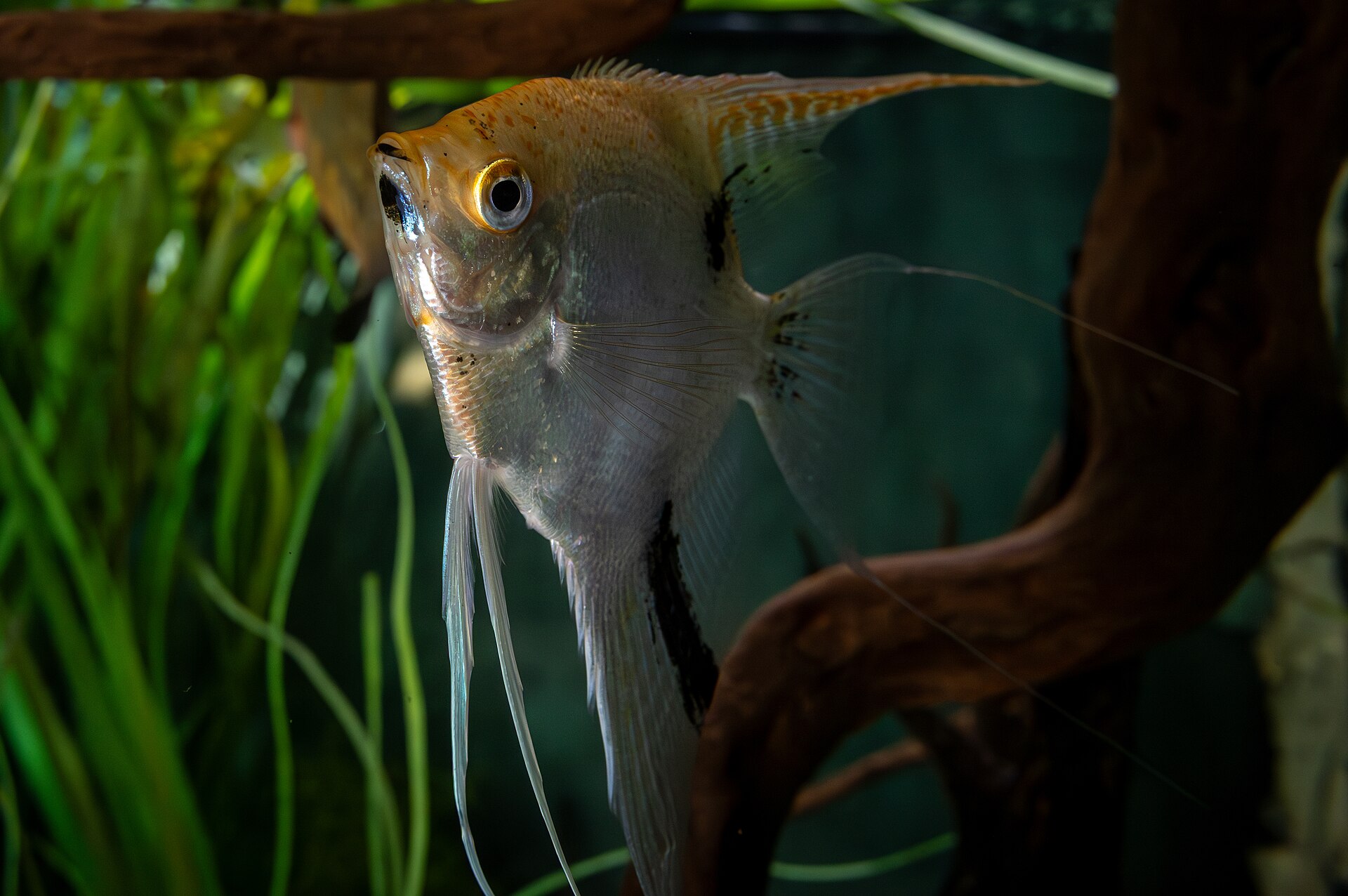
Silver
Domestic line-bred variety (wild type native to the Amazon basin)
Semi-aggressive cichlid; territorial when breeding
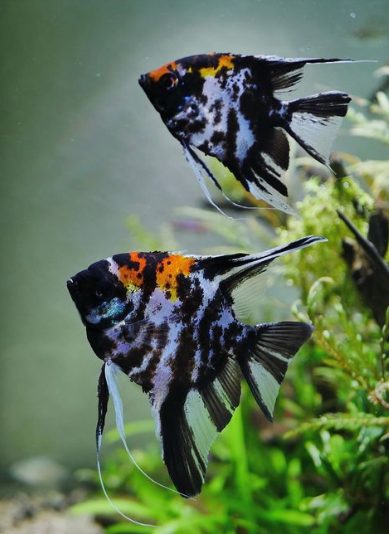
Marble
Domestic line-bred variety (wild type native to the Amazon basin)
Semi-aggressive cichlid; territorial when breeding
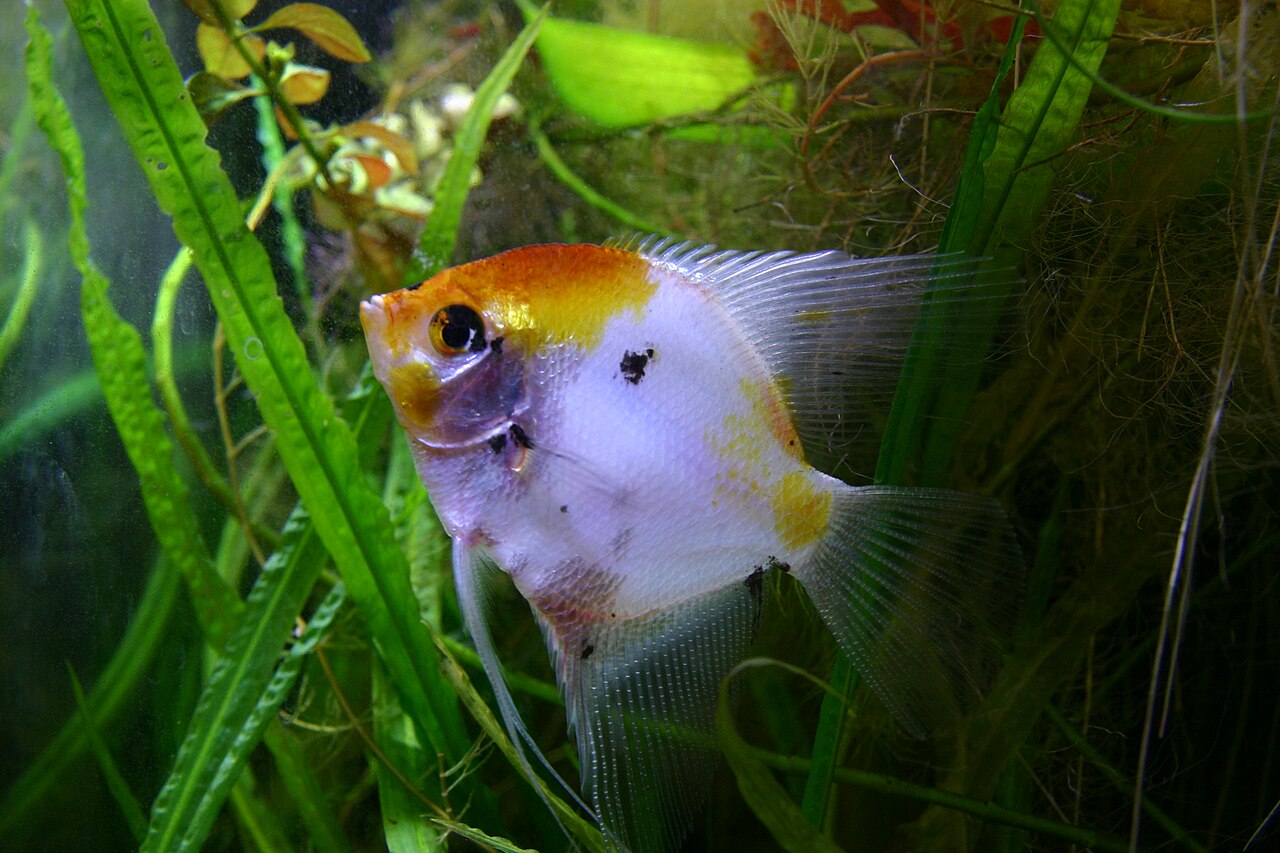
Koi
Domestic line-bred variety (wild type native to the Amazon basin)
Semi-aggressive cichlid; sociable in groups
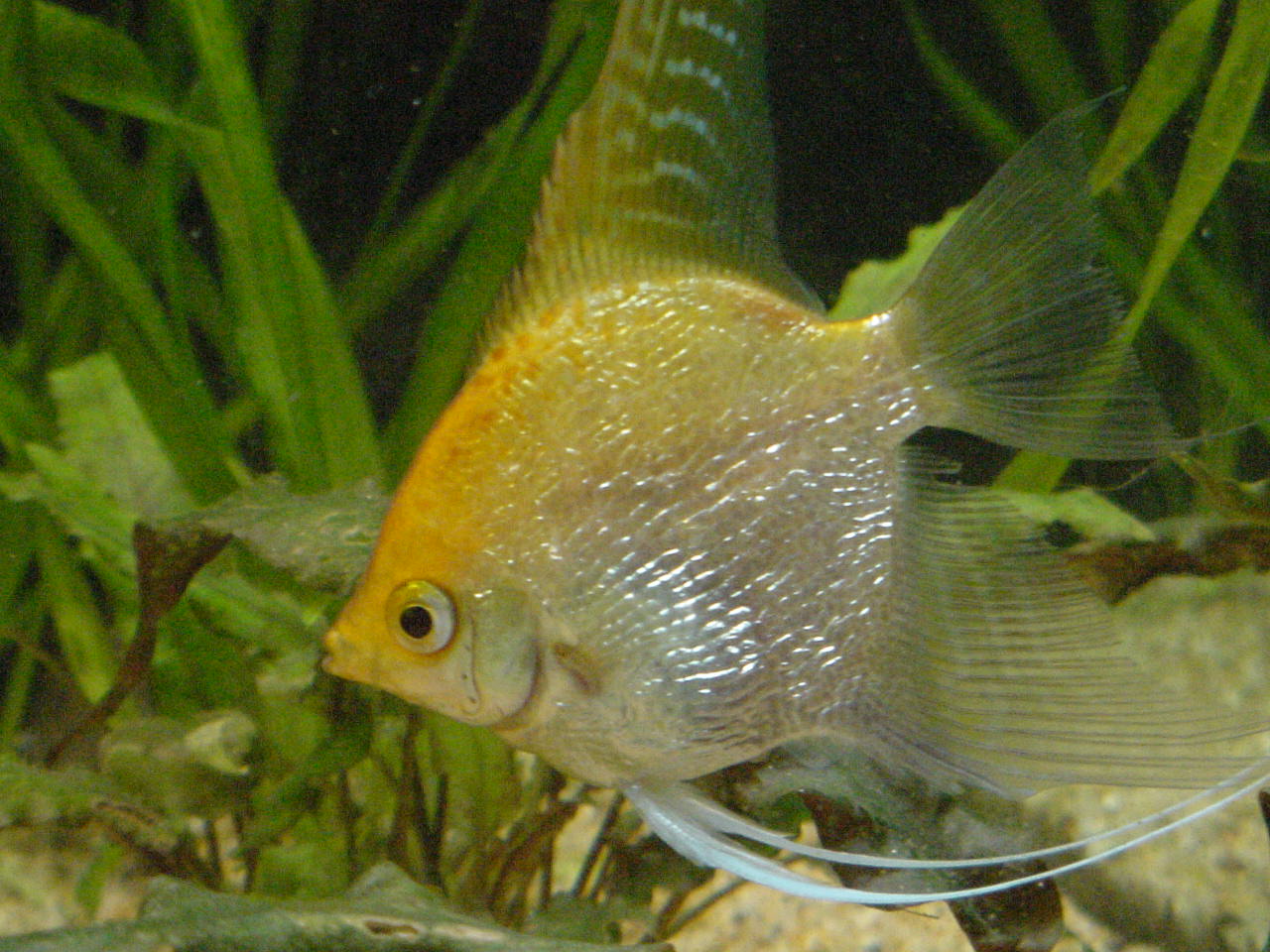
Gold
Domestic line-bred variety (wild type native to the Amazon basin)
Semi-aggressive cichlid; peaceful for a cichlid
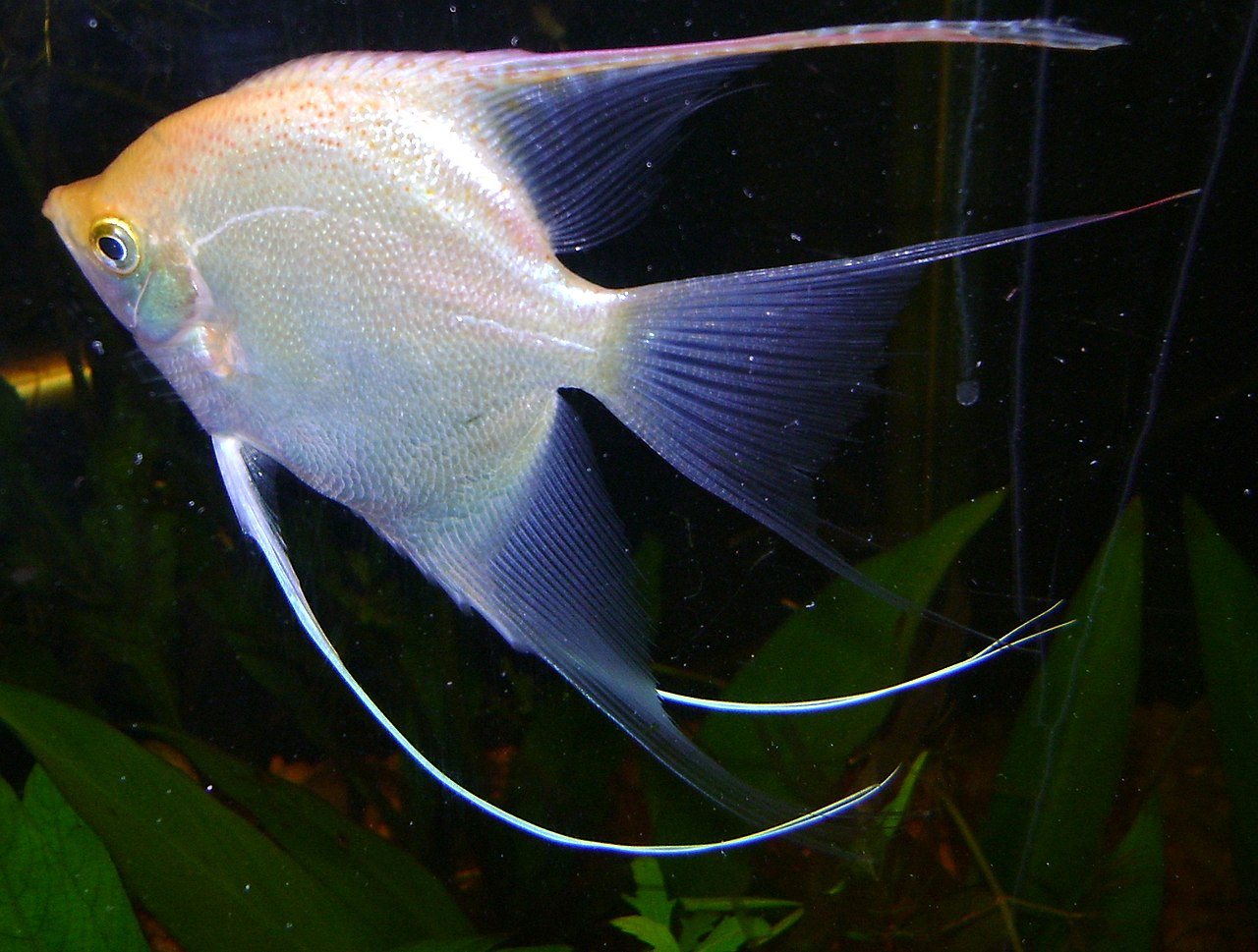
Platinum
Domestic line-bred variety (wild type native to the Amazon basin)
Semi-aggressive cichlid; territorial when breeding
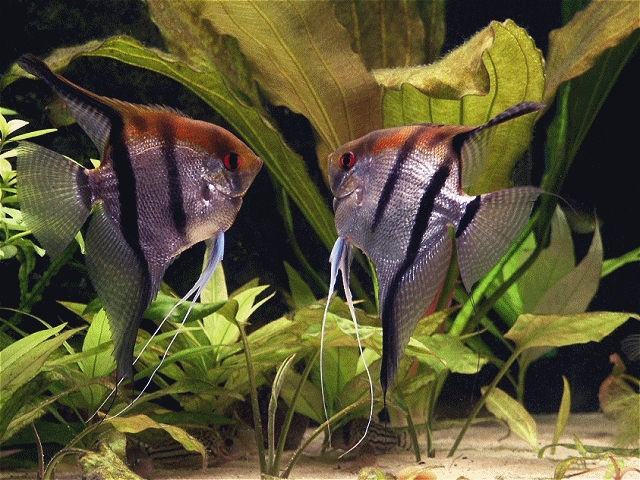
Veil
Domestic line-bred variety (wild type native to the Amazon basin)
Semi-aggressive cichlid; slow, graceful swimmer
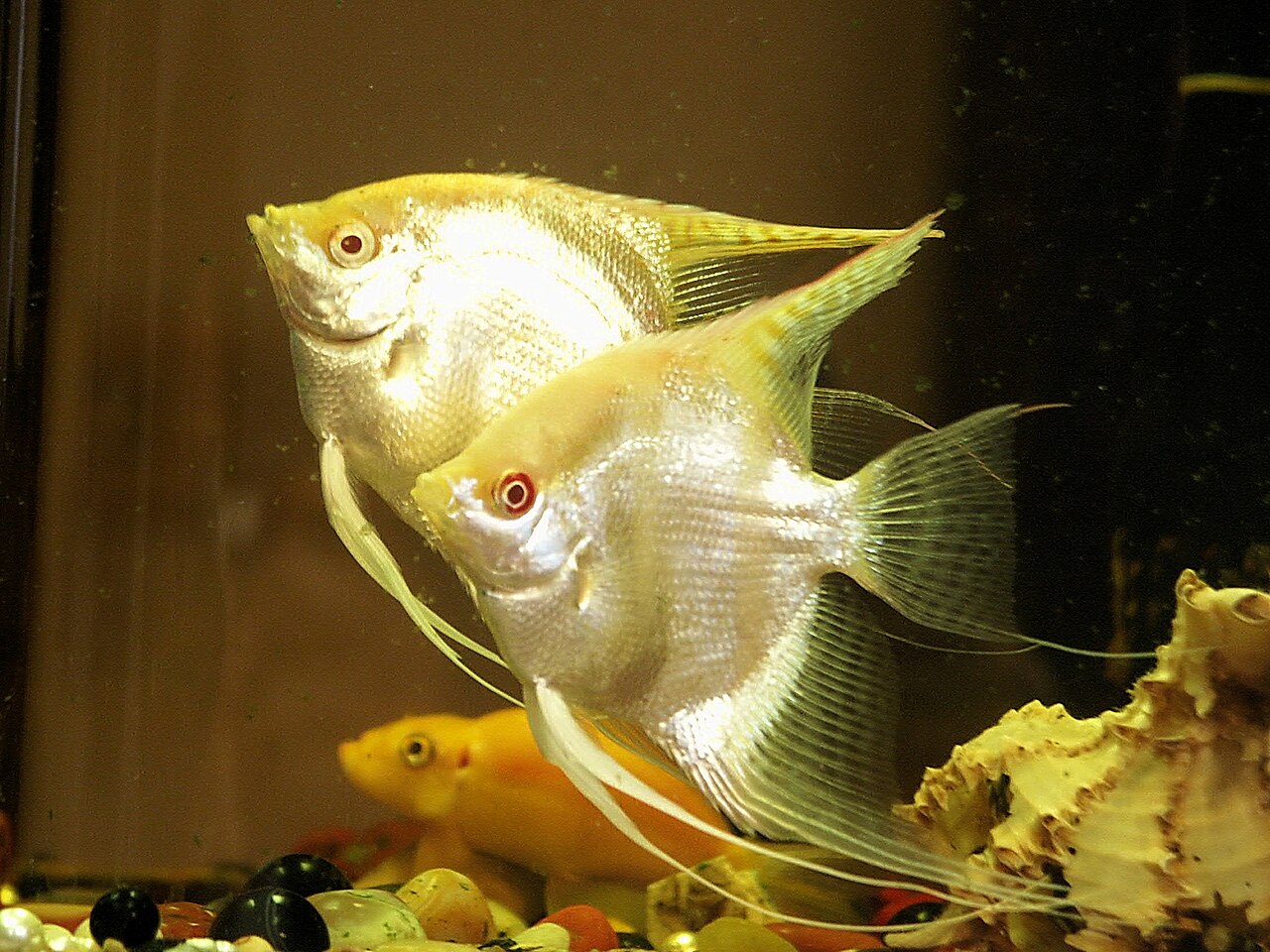
Albino
Domestic line-bred variety (wild type native to the Amazon basin)
Semi-aggressive cichlid; can be a little shy
What WARN Does
WARN publishes free companion-animal and aquarium welfare education. Understanding that fish are sentient animals with real environmental needs — not disposable decorations — is the first step to responsible fishkeeping and to refusing the wild collection and release that harm freshwater ecosystems.
If this guide helps you understand wildlife and the pressures it faces, a gift to WARN supports habitat protection and free public education in our partner countries.
Angelfish: Frequently Asked Questions
Are angelfish varieties different species?
What size tank do angelfish need?
Are angelfish aggressive?
How long do angelfish live?
What do angelfish eat?
Where can I read about angelfish varieties?
Where do freshwater angelfish live?
How big is a freshwater angelfish?
Sources & References
Population figures, conservation status and biological facts on this page are drawn from authoritative scientific and intergovernmental sources.
Explore more animals
Discover more animals, their habitats and their conservation status in the WARN wildlife-guide library.