Wildlife Guide · Tropics and subtropics worldwide
Crocodile
Order Crocodilia — crocodiles, alligators, caimans and gharials
Living dinosaurs of river and coast — apex reptiles unchanged for millions of years.
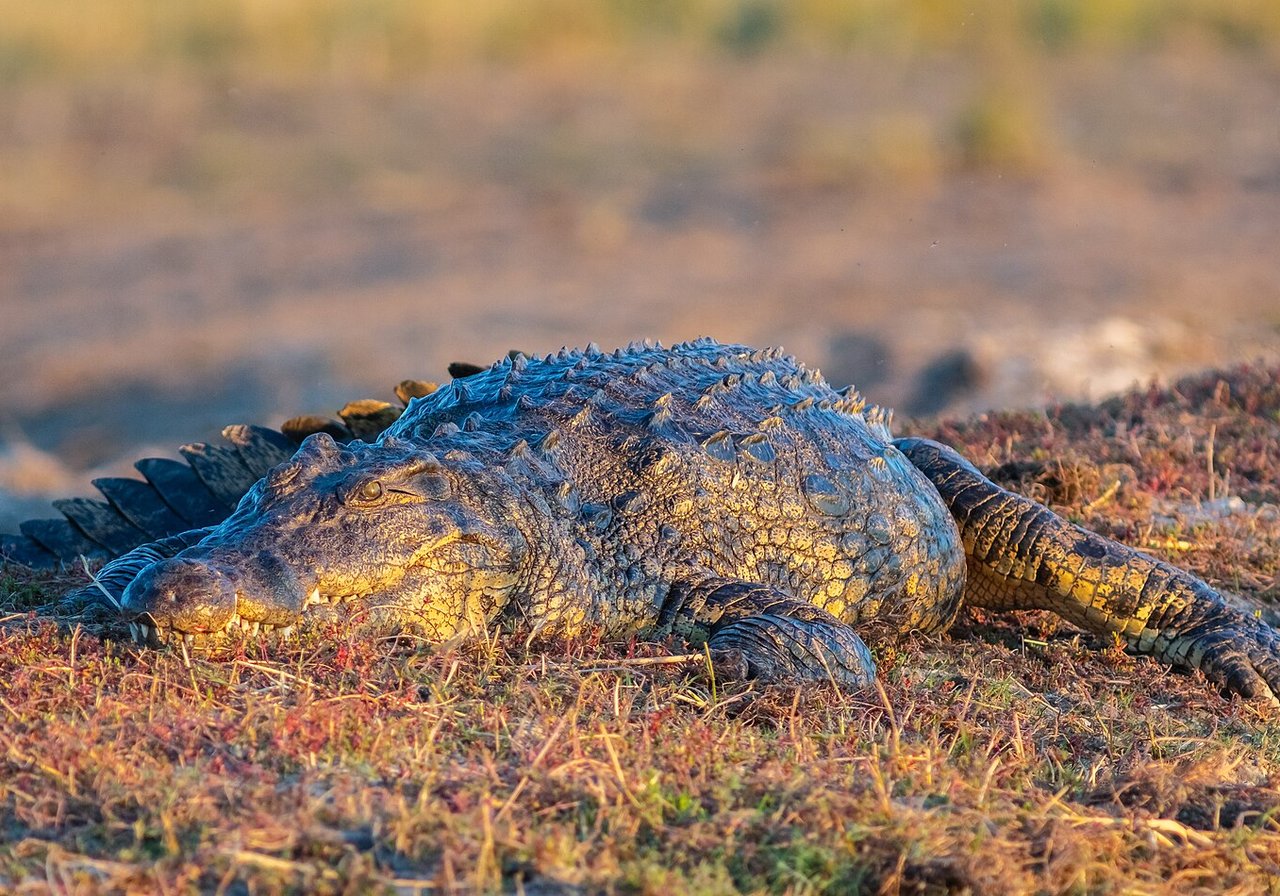
Source: Wikimedia Commons
In brief
Crocodilians are ~26 species of large aquatic reptiles — crocodiles, alligators, caimans and gharials — with status from Least Concern to Critically Endangered; WARN covers saltwater crocodile and alligator in detail.
Also in Animals A to Z · Animals that start with C
By WARN Research & Conservation TeamLast updated
Crocodilians are large aquatic reptiles of the order Crocodilia, including true crocodiles, alligators, caimans and gharials. They appeared over 80 million years ago and survive today as apex predators in tropical and subtropical wetlands. Roughly 26 species range from the 7-metre saltwater crocodile — the largest living reptile — to the Critically Endangered Cuban crocodile with fewer than 4,000 individuals. Crocodilians regulate body temperature by basking and cooling in water; mothers guard nests and carry hatchlings to water in some species. This page is the crocodile family hub — see WARN guides for saltwater crocodile and alligator.
26
Living crocodilian species
7 m
Maximum length — saltwater crocodile
Critically Endangered
Cuban crocodile, Philippine crocodile, gharial
CITES I/II
International trade regulated by species
Figures sourced from IUCN Red List — Crocodilia, Crocodile Specialist Group, CITES — Checklist of CITES Species .
Crocodile: Quick Facts
| Species | ~26 crocodilian species |
|---|---|
| Related guides | Saltwater crocodile, alligator, gharial |
| Largest | Saltwater crocodile — up to ~7 m |
| Groups | Crocodiles, alligators, caimans, gharials |
| Main threats | Habitat loss, hunting, conflict |
| CITES | Appendix I or II by species |
Scientific Classification
| Kingdom | Animalia |
|---|---|
| Class | Reptilia |
| Order | Crocodilia |
Conservation Status
- IUCN Status
- Varies. American alligator Least Concern; Chinese alligator and gharial Critically Endangered.
- Population
- Varies — American alligator 5 million+; Chinese alligator fewer than 150 wild
- Trend
- Increasing for recovered species; decreasing for Critically Endangered specialists
- Assessed
- Varies by species
- CITES
- Appendix I or II depending on species
Key Facts: Crocodile
- Crocodilians include crocodiles, alligators, caimans and gharials — one order, Crocodilia.
- Alligators have broad U-shaped snouts; crocodiles have narrower V-shaped snouts.
- Saltwater crocodiles are the largest living reptiles — up to 7 metres.
- Habitat loss and hunting devastated populations before legal protection.
- WARN guides cover saltwater crocodile and alligator.
- Crocodilians are keystone wetland species — their loss disrupts entire ecosystems.
Crocodiles, alligators and their relatives
True crocodiles (family Crocodylidae) include the saltwater crocodile of Australasia, Nile crocodile of Africa and American crocodile of the Neotropics. Alligators and caimans (family Alligatoridae) have broader snouts and slightly different jaw anatomy — the American alligator of the south-eastern United States and the Chinese alligator (Critically Endangered) are best known. Caimans inhabit Central and South America; the black caiman rivals saltwater crocodiles in size.
Gharials (Gavialis gangeticus) — fish-eating specialists with long thin snouts — are Critically Endangered in Indian and Nepalese rivers. Pakistan's Indus river system historically held gharials; WARN's gharial guide covers that species separately.
Distinguishing crocodile from alligator: when jaws close, a crocodile's fourth lower tooth remains visible outside the upper jaw; alligator snouts are wider and more U-shaped. This hub orients searchers before they choose WARN's saltwater crocodile or alligator guides.
Ecology and parental care
Crocodilians are ectothermic — basking to warm, retreating to water to cool. They are ambush predators, exploding from water to seize prey at the edge. Diet shifts with size: hatchlings eat insects and fish; adults take mammals, birds and other reptiles.
Nest guarding is sophisticated for reptiles. Females build mound or hole nests, guard eggs against predators and in some species assist hatchlings to water. Temperature during incubation determines sex in many species — a climate change concern.
As apex predators, crocodilians regulate prey populations and create habitat heterogeneity through wallowing and nest mound construction. Wetland drainage, pollution and entanglement in fishing gear threaten populations even where hunting is controlled.
Conservation and recovery
Commercial hunting for skins devastated crocodilian populations through the twentieth century. Legal protection, ranching programmes and CITES regulation enabled recovery for American alligators, Nile crocodiles in some regions and saltwater crocodiles in Australia.
Critically Endangered species persist on life support: Cuban crocodile, Philippine crocodile, Chinese alligator and gharial number in the low thousands. Habitat loss — dam construction, rice farming, mangrove clearance — removes nesting beaches and basking sites.
Human-crocodile conflict occurs where people fish and collect water at river edges. Non-lethal management — warning signage, exclusion fencing, community education — reduces retaliatory killing while respecting crocodilians' ecological role.
Crocodilians and people
Crocodilians appear in mythology from ancient Egypt to Aboriginal Australia — symbols of power and creation. Today sustainable ranching supplies legal leather for luxury markets while funding habitat protection in some countries.
Illegal trade in live animals and skins persists. Tourist attractions that mishandle crocodiles for photos create welfare problems and dangerous habituation.
Readers should explore WARN's saltwater crocodile guide for Indo-Pacific estuary detail and alligator guide for American wetland ecology.
What WARN Does
WARN publishes free education on wetland apex predators. Gharials and mugger crocodiles share river systems with partners in Pakistan and India — where habitat protection benefits entire freshwater communities.
If this guide helps you understand wildlife and the pressures it faces, a gift to WARN supports habitat protection and free public education in our partner countries.
Crocodile: Frequently Asked Questions
How many crocodilian species are there?
What is the difference between a crocodile and an alligator?
What is the largest crocodile?
Are alligators endangered?
What do crocodiles eat?
Where do crocodiles live?
Are crocodiles dangerous?
How big is a crocodile?
How long do crocodiles live?
Sources & References
Population figures, conservation status and biological facts on this page are drawn from authoritative scientific and intergovernmental sources.
Terms used on this page
Plain-English definitions, from our wildlife and conservation glossary.
Latest Crocodile Stories
Quick, fact-checked reads on the crocodile — amazing facts, key questions and the threats it faces.
Explore more animals
Discover more animals, their habitats and their conservation status in the WARN wildlife-guide library.