Reptiles & amphibians · 4 species guides
Crocodilians: Alligators, Crocodiles & Gharials
Crocodilians are large predatory reptiles in the order Crocodilia, including alligators, crocodiles, caimans and the gharial; they are archosaurs more closely related to birds than to lizards, and they dominate many tropical rivers and coasts.
- Snout shape
- Alligators have broad U-shaped snouts; crocodiles are typically more V-shaped; gharials have a long thin snout.
- Teeth when the mouth is closed
- In crocodiles a large fourth lower tooth often shows outside the upper jaw; in alligators it is usually hidden.
- Salt tolerance
- Crocodiles often have functional salt glands and use brackish or marine water; alligators are mainly freshwater.
- Size
- Saltwater crocodiles are the largest living reptiles; American alligators are large but typically smaller.
Crocodilians are living archosaurs — the same deep lineage that includes birds — with armour-like scales, powerful tails and a bite adapted for holding large prey. They are ambush hunters of rivers, wetlands and coasts. The identification people need most is alligator versus crocodile: snout shape, visible teeth and salt tolerance. The gharial adds a third silhouette with an extremely slender snout built for fish.
Skin hunting and wetland drainage removed crocodilians from large parts of their historic range in the twentieth century. Legal protection reversed some declines, while river specialists such as the gharial remain near the edge. Parental care — nest guarding and carrying hatchlings — is unusually elaborate among reptiles and is part of why nursery habitat matters as much as adult protection. This page separates the silhouettes; the linked guides document status species by species. WARN crocodilian guides linked from this page cover alligators, crocodiles, caimans and the gharial with status and identification notes. In regions where both alligators and crocodiles occur, snout shape and the visible fourth tooth remain the safest everyday separation for non-specialists.
Key facts
- Crocodilians are archosaurs — closer to birds than to lizards or snakes.
- Alligators usually show a broad U-shaped snout; crocodiles a narrower V-shape.
- Saltwater crocodiles are the largest living reptiles.
- Gharials are extreme fish specialists with slender snouts.
- Several species recovered under protection; others remain Critically Endangered.
- Habitat loss and hunting for skins drove twentieth-century collapses.
How to recognise them
The features that separate this group in the field, in the order they are usually most useful.
- Snout shape
- Alligators have broad U-shaped snouts; crocodiles are typically more V-shaped; gharials have a long thin snout.
- Teeth when the mouth is closed
- In crocodiles a large fourth lower tooth often shows outside the upper jaw; in alligators it is usually hidden.
- Salt tolerance
- Crocodiles often have functional salt glands and use brackish or marine water; alligators are mainly freshwater.
- Size
- Saltwater crocodiles are the largest living reptiles; American alligators are large but typically smaller.
- The confusion pairs
- Alligator versus crocodile: snout and tooth visibility. Crocodile versus gharial: broad versus needle snout.
4 crocodilians guides
Search or filter by conservation status. Every guide carries sourced facts, IUCN status and FAQs.
Common names, scientific names and places are searchable.
Showing 1–4 of 4 guides
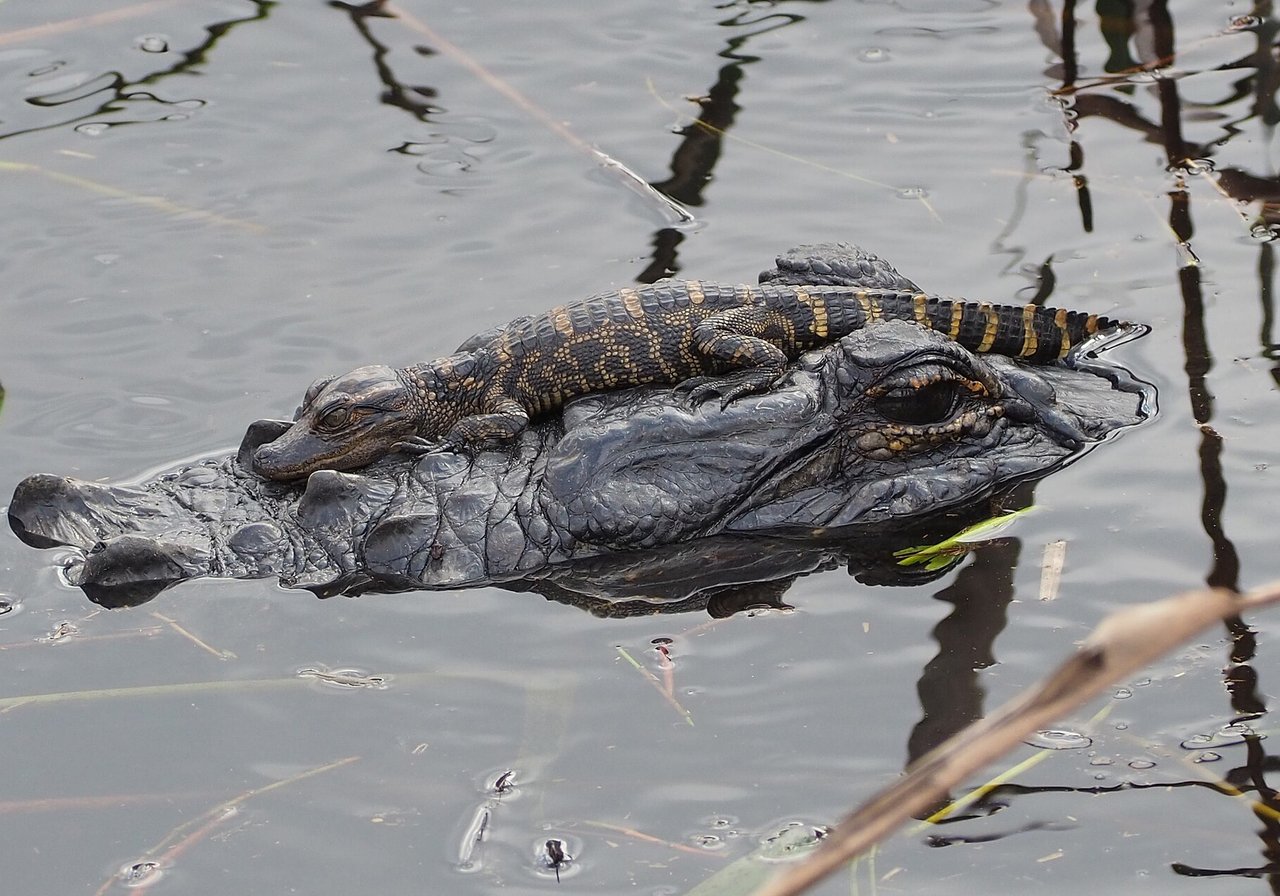
Reptiles
AAlligator
Alligator mississippiensis (Daudin, 1802) and Alligator sinensis (Fauvel, 1879)
Armoured survivors of ancient wetlands — powerful, patient and ecologically vital.
United States · China
Open guide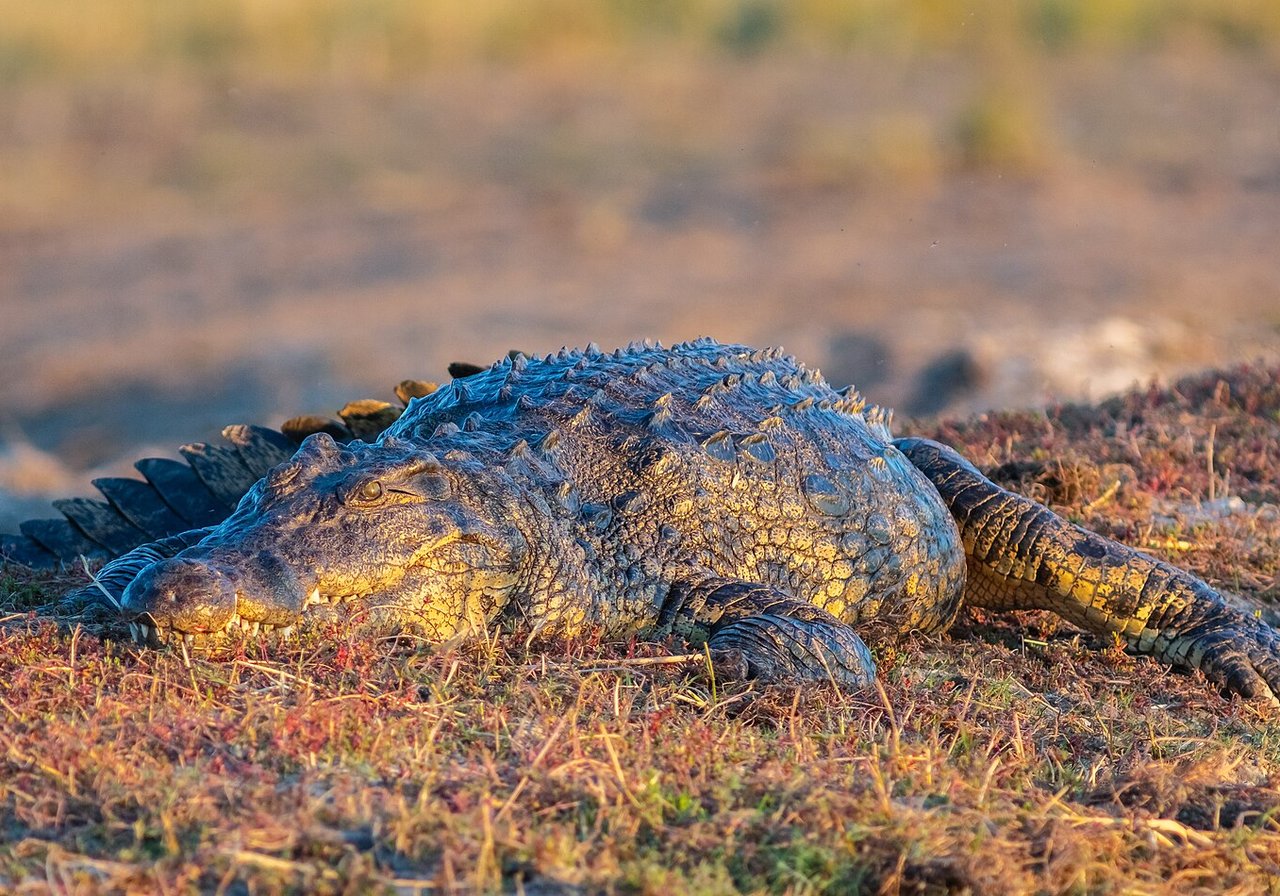
Reptiles
CCrocodile
Order Crocodilia — crocodiles, alligators, caimans and gharials
Living dinosaurs of river and coast — apex reptiles unchanged for millions of years.
Tropics and subtropics worldwide
Open guide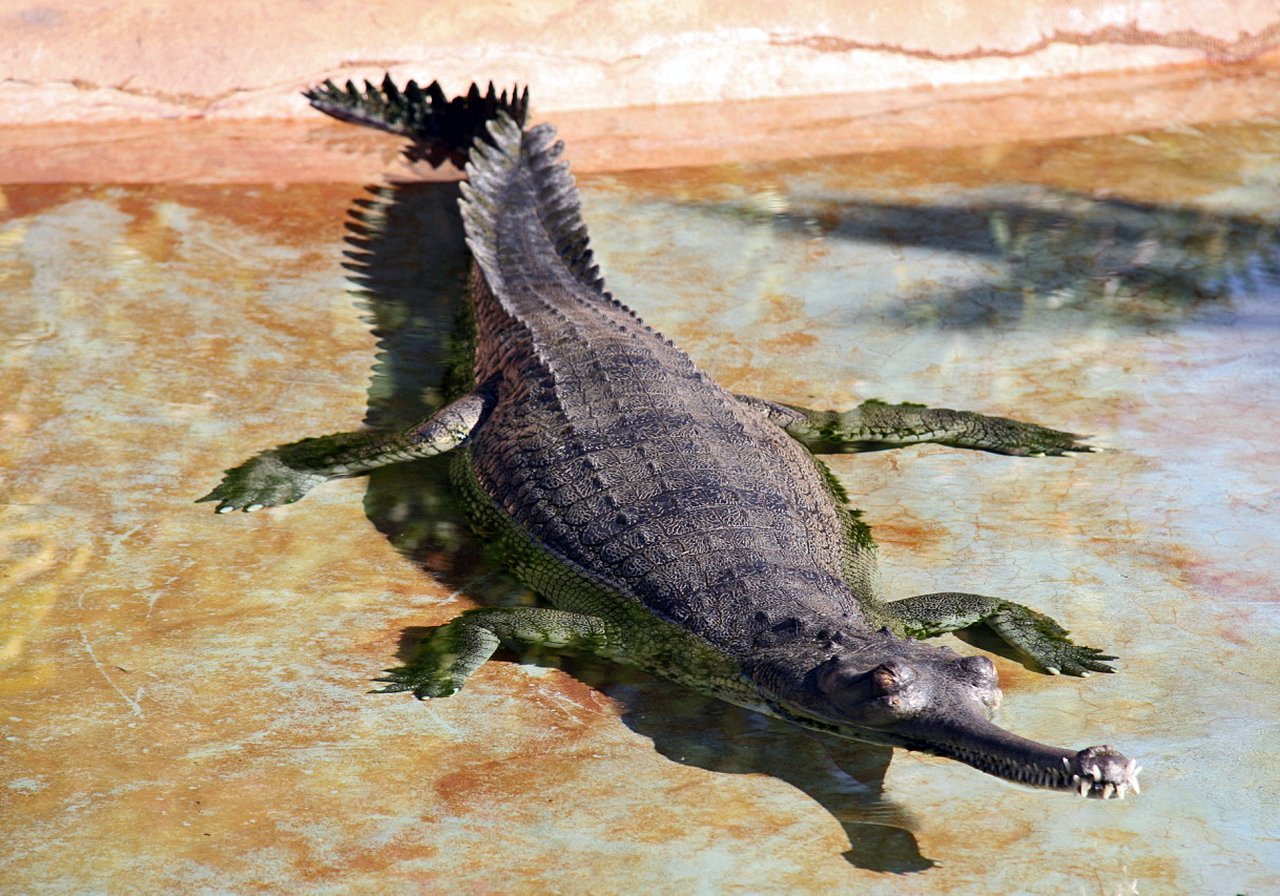
Reptiles
GGharial
Gavialis gangeticus (Gmelin, 1789)
The fish-eater of the Ganges — a crocodilian unlike any other, down to its last rivers.
India · Nepal
Open guide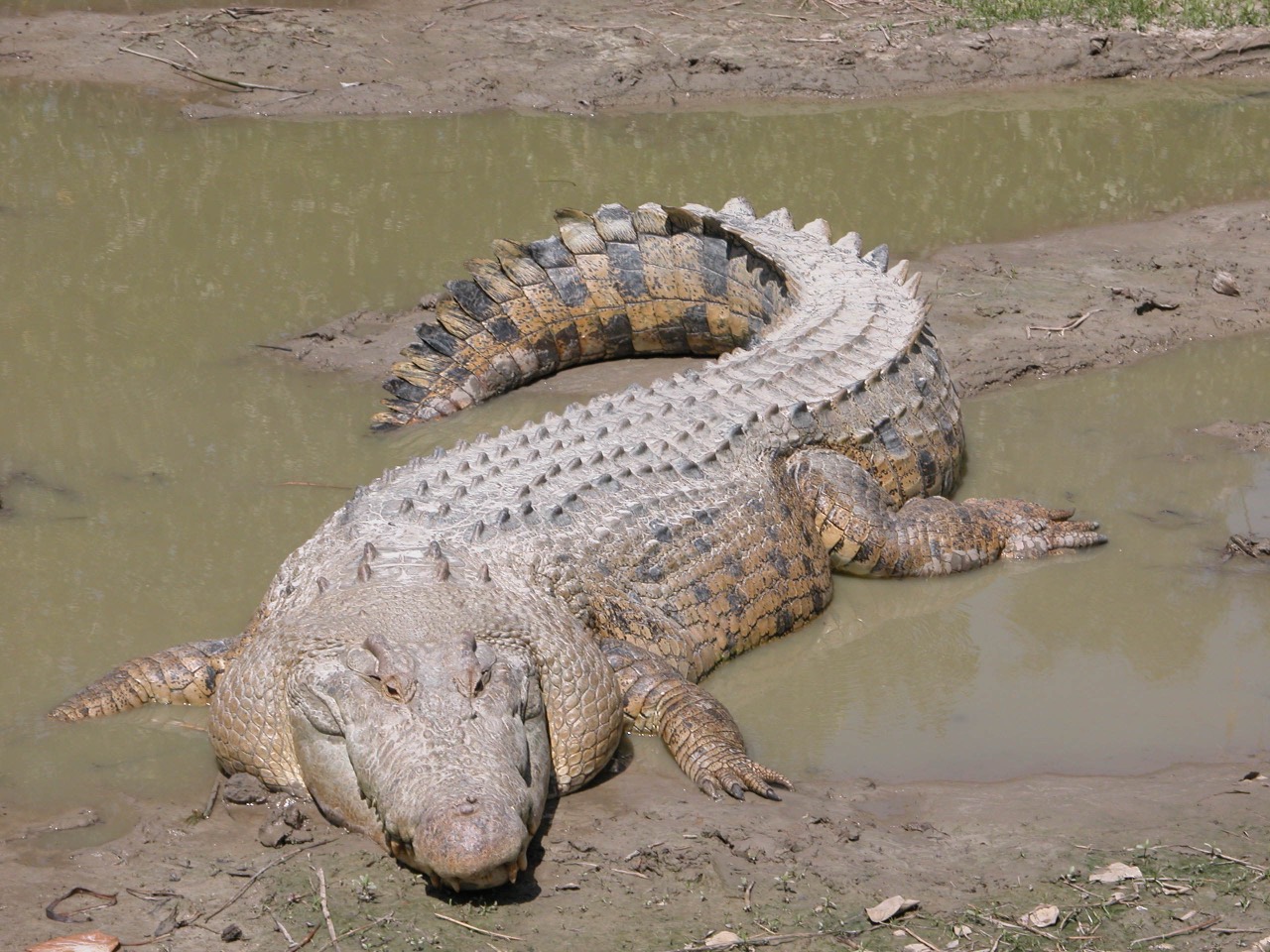
Reptiles
SSaltwater Crocodile
Crocodylus porosus
The largest living reptile, ruling the tidal rivers and estuaries of Southeast Asia and Australasia.
Indonesia · Malaysia
Open guideConservation: what this group faces
Crocodilians sit at the top of tropical freshwater food webs. Skin hunting and wetland drainage removed them from large parts of their range; legal protection reversed some declines, while river specialists such as the gharial remain near the edge.
Crocodilians: frequently asked questions
What is the difference between an alligator and a crocodile?
Are crocodiles dinosaurs?
What is a gharial?
What is the largest crocodile?
Are alligators endangered?
Do crocodilians care for their young?
Other types of reptiles & amphibians
-
Snakes
Limbless reptiles with fangs or constriction — vipers, cobras, pythons and sea snakes.
-
Lizards
Scaled reptiles with legs — geckos, skinks, monitors, chameleons and iguanas.
-
Turtles & tortoises
Shelled reptiles of land, freshwater and sea — from box turtles to leatherbacks.
-
Amphibians
Frogs, toads, salamanders and caecilians — moist-skinned vertebrates tied to water.