Reptiles & amphibians · 15 species guides
Snakes: Vipers, Cobras, Pythons & Identification
Snakes are limbless reptiles in the suborder Serpentes, including vipers, cobras, pythons, boas, mambas, rattlesnakes, sea snakes and grass snakes; they kill by venom or constriction, shed their skin, and are found on every continent except Antarctica.
- Scales and body
- Snakes lack eyelids and external ears; a single row of wide belly scales (ventrals) is typical. Lizards that look snake-like usually blink or have ear openings.
- Head shape
- Many vipers have triangular heads from venom glands; elapids such as cobras and mambas are more slender-headed. Head shape alone is not a safety test.
- Venom versus constriction
- Vipers and cobras inject venom; boas and pythons coil and squeeze. Some species do both poorly or not at all — grass snakes are neither dangerous to people.
- Sea snake versus eel
- Sea snakes are reptiles with scales and paddle-like tails; eels are fish with gills. Sea snakes surface to breathe.
Snakes are limbless squamates that move by lateral undulation, sidewinding or rectilinear crawling, and that sense prey with tongues, heat pits and vibration as much as with sight. The group spans blind fossorial species the length of a pencil to reticulated pythons that can exceed 6 m. Venomous and non-venomous lineages both matter for identification. Vipers and elapids deliver venom through fangs; boas and pythons kill by constriction. Confusion pairs — adder versus grass snake, cobra versus rat snake, sea snake versus eel — are the practical reason a dedicated type page exists.
Most snake species never threaten people, yet persecution remains a leading cause of local declines wherever fear outruns knowledge. Habitat loss, road kill and the pet trade remove specialists first. Learning the field marks that separate a venomous adder from a harmless grass snake, or a sea snake from an eel, is therefore both a safety skill and a conservation one. This page gathers those marks, then links every WARN snake guide that sits behind the everyday word.
Key facts
- Snakes are limbless reptiles found on every continent except Antarctica.
- Vipers and elapids are venomous; boas and pythons kill by constriction.
- Sea snakes are reptiles, not fish — they surface to breathe air.
- Most snake species are not dangerous to humans; a small set of families cause almost all serious bites.
- Habitat loss, persecution and the pet trade are the main modern pressures.
- Slow-worms are legless lizards, not snakes — they blink and can shed the tail.
How to recognise them
The features that separate this group in the field, in the order they are usually most useful.
- Scales and body
- Snakes lack eyelids and external ears; a single row of wide belly scales (ventrals) is typical. Lizards that look snake-like usually blink or have ear openings.
- Head shape
- Many vipers have triangular heads from venom glands; elapids such as cobras and mambas are more slender-headed. Head shape alone is not a safety test.
- Venom versus constriction
- Vipers and cobras inject venom; boas and pythons coil and squeeze. Some species do both poorly or not at all — grass snakes are neither dangerous to people.
- Sea snake versus eel
- Sea snakes are reptiles with scales and paddle-like tails; eels are fish with gills. Sea snakes surface to breathe.
- The confusion pairs
- Adder versus grass snake in Britain: adders have a dark zigzag; grass snakes usually show a yellow collar. Cobra hood versus rat-snake bluff: only cobras flatten a true hood.
15 snakes guides
Search or filter by conservation status. Every guide carries sourced facts, IUCN status and FAQs.
Common names, scientific names and places are searchable.
Showing 1–15 of 15 guides
Reptiles
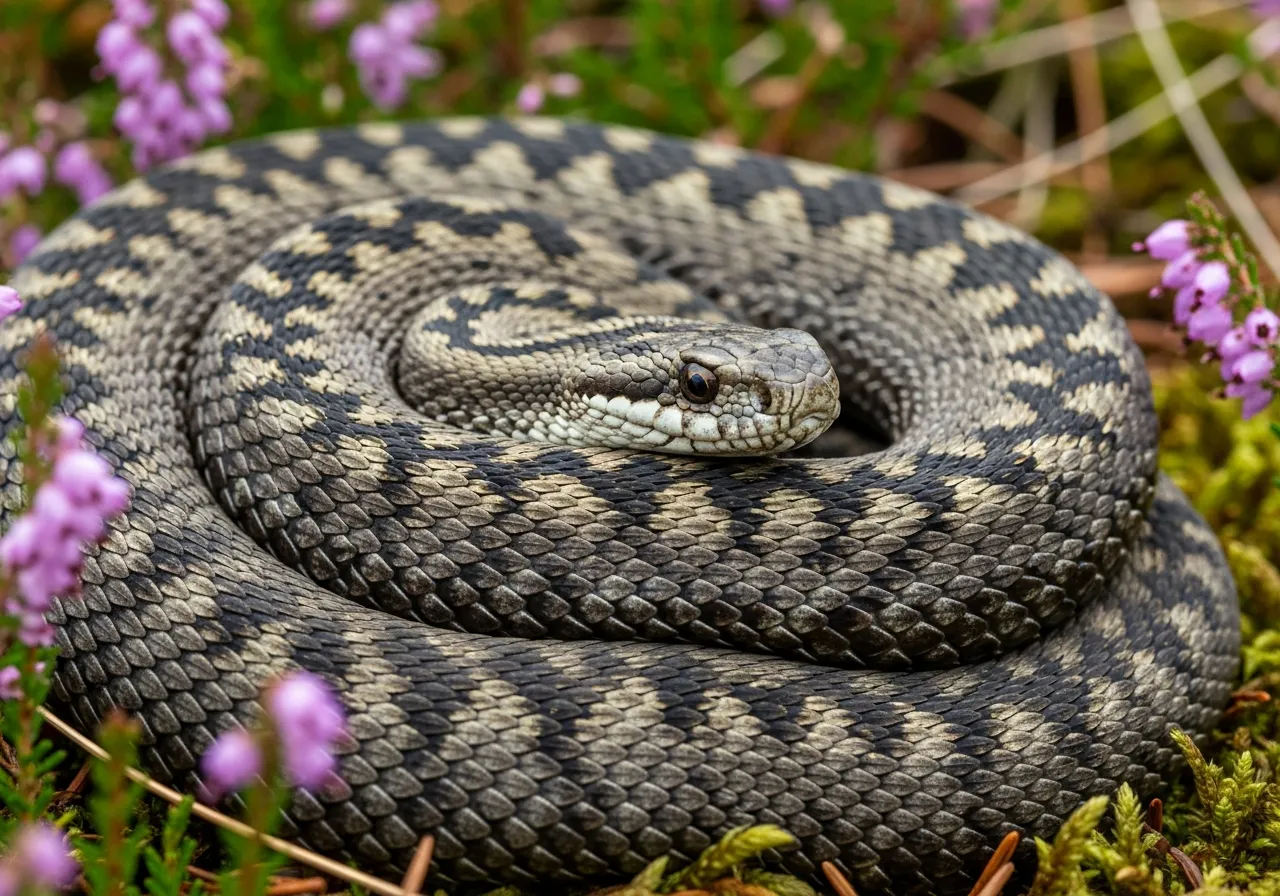
AAdder
Vipera berus
Britain's only venomous snake — a shy, cold-tolerant viper marked by an unmistakable zigzag.
United Kingdom · Scandinavia and northern Europe
Open guide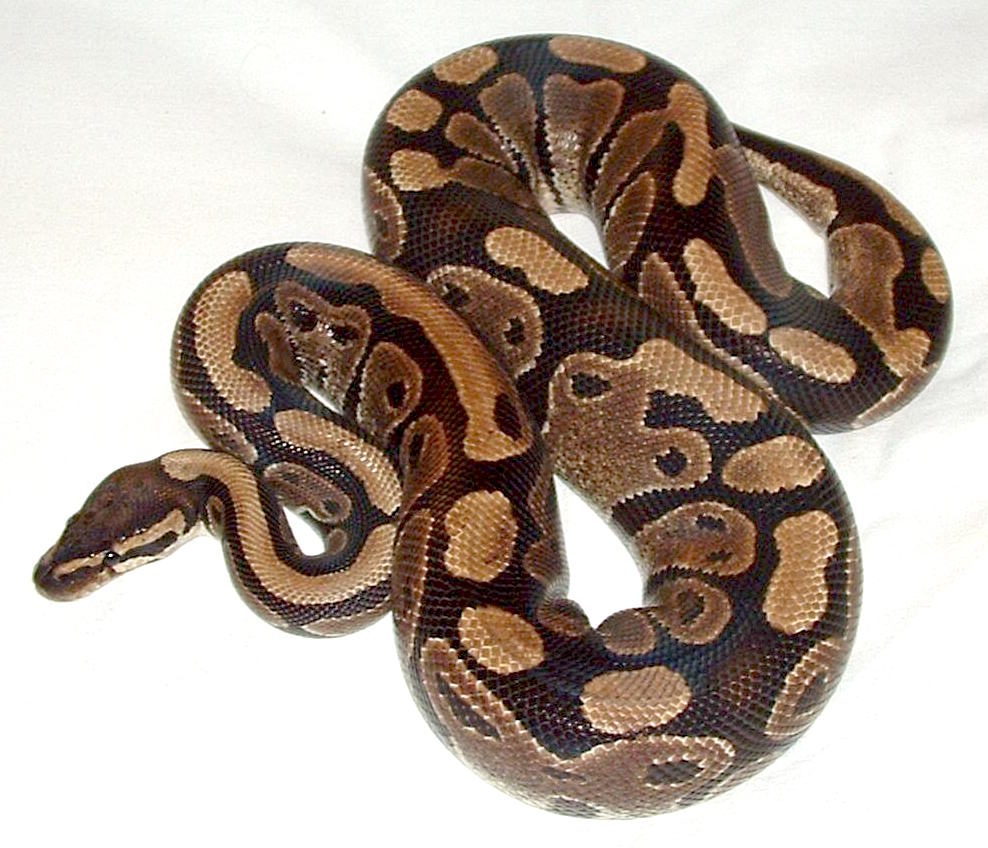
Reptiles
BBall Python
Python regius (Shaw, 1802)
Africa's gentle 'royal' python — the world's most popular pet snake, bred into thousands of morphs.
West & Central Africa (wild); kept worldwide
Open guide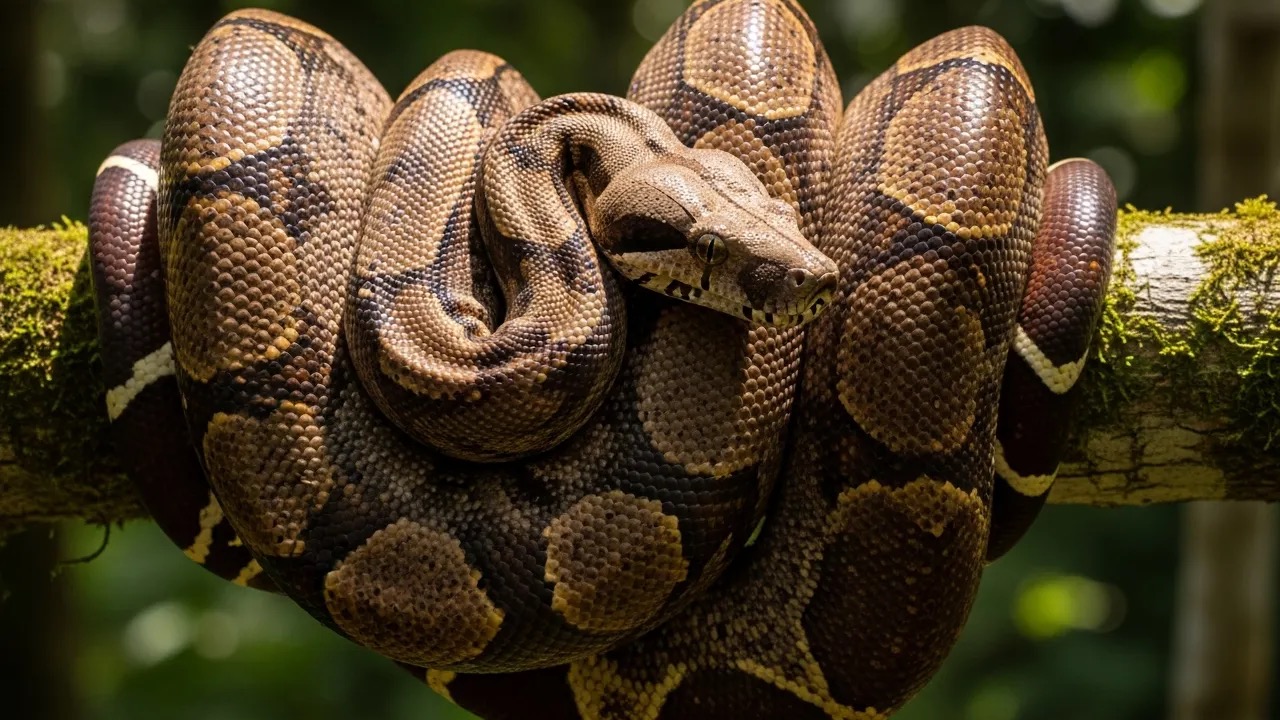
Reptiles
BBoa Constrictor
Boa constrictor
The powerful constricting snake of the Americas
North America · South America
Open guide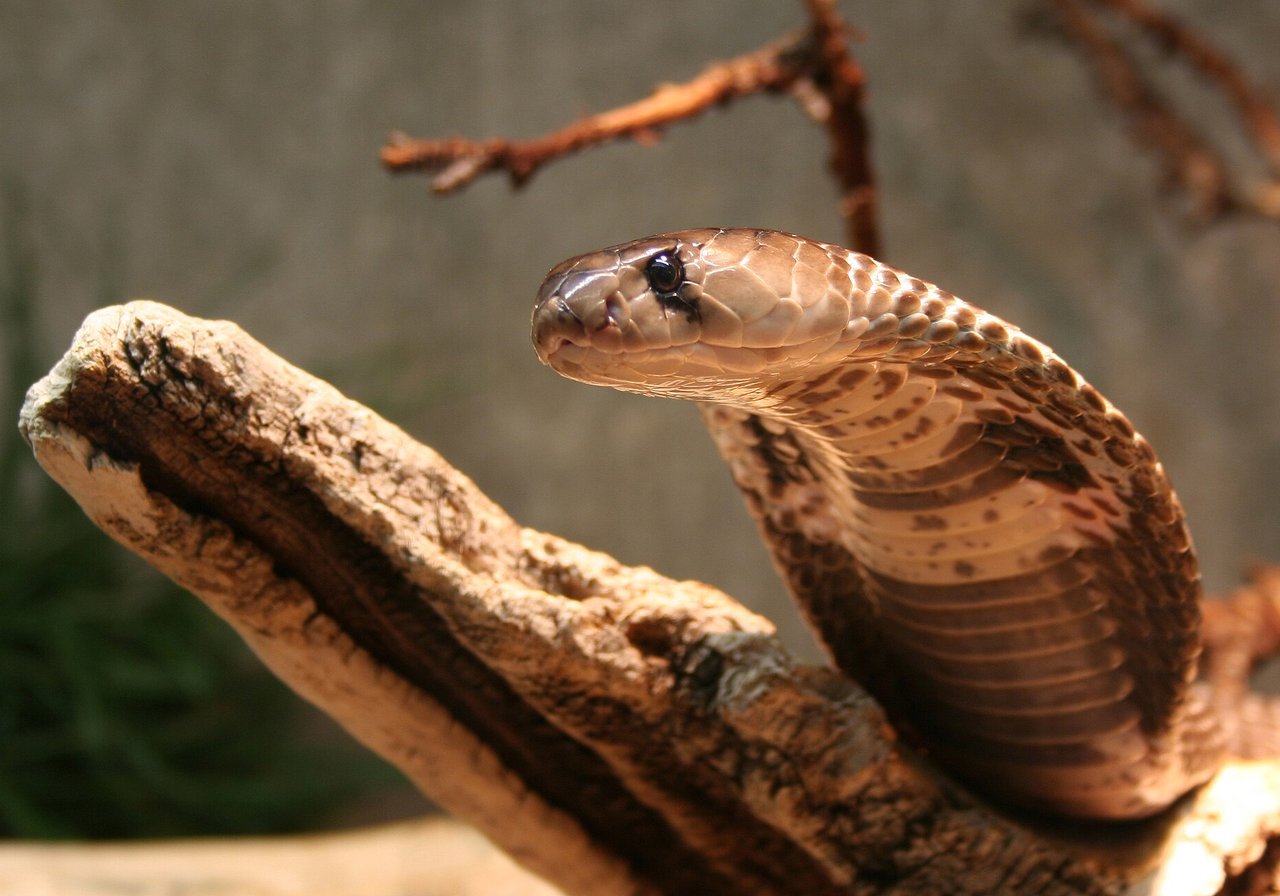
Reptiles
CCobra
Multiple elapid genera — Naja (true cobras), Ophiophagus (king cobra) and related hooded species
Hooded elapids of Africa and Asia — iconic, venomous and widely misunderstood.
Africa · Asia
Open guide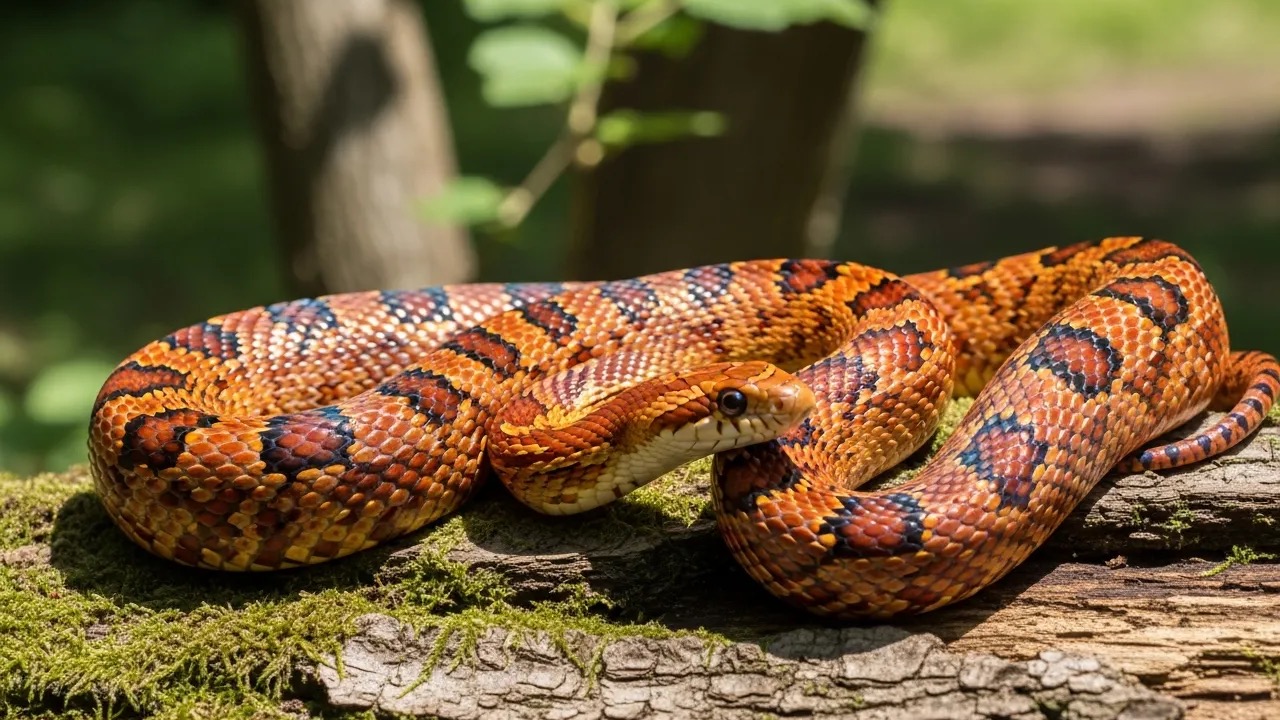
Reptiles
CCorn Snake
Pantherophis guttatus
The gentle, colorful beginner's pet snake
North America
Open guide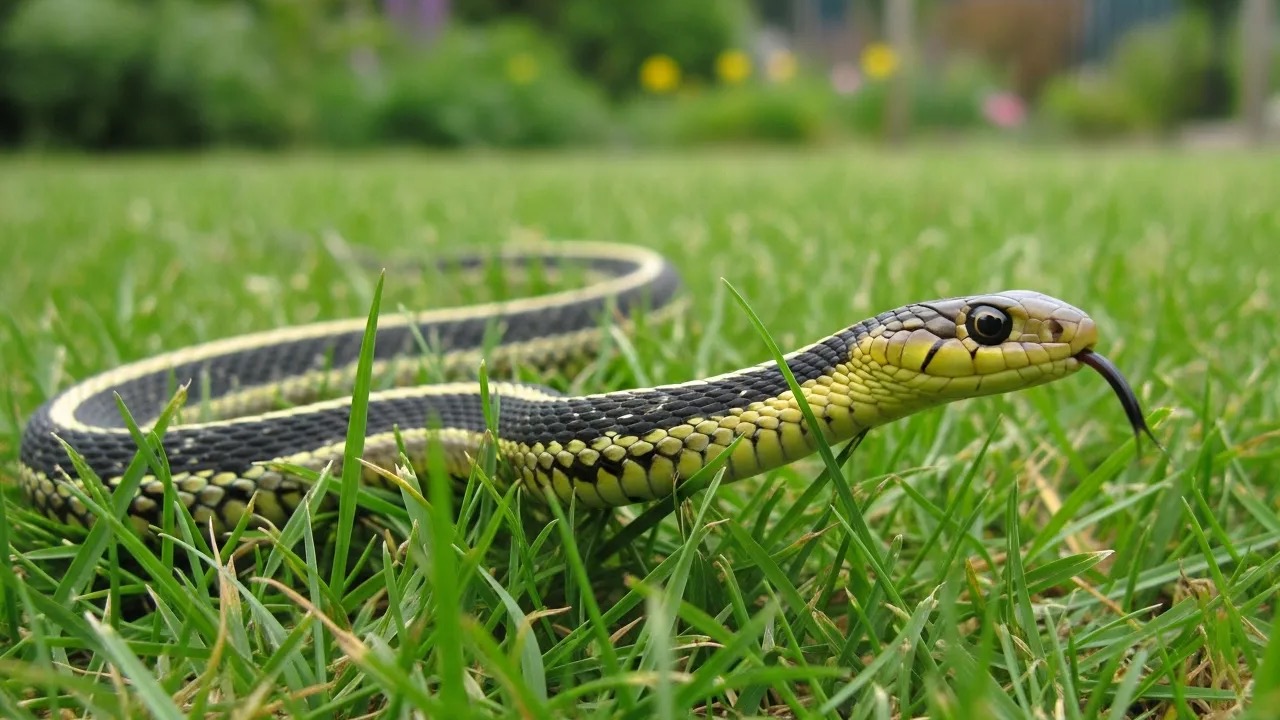
Reptiles
GGarter Snake
Thamnophis sirtalis
One of North America's most common and widespread snakes
North America
Open guide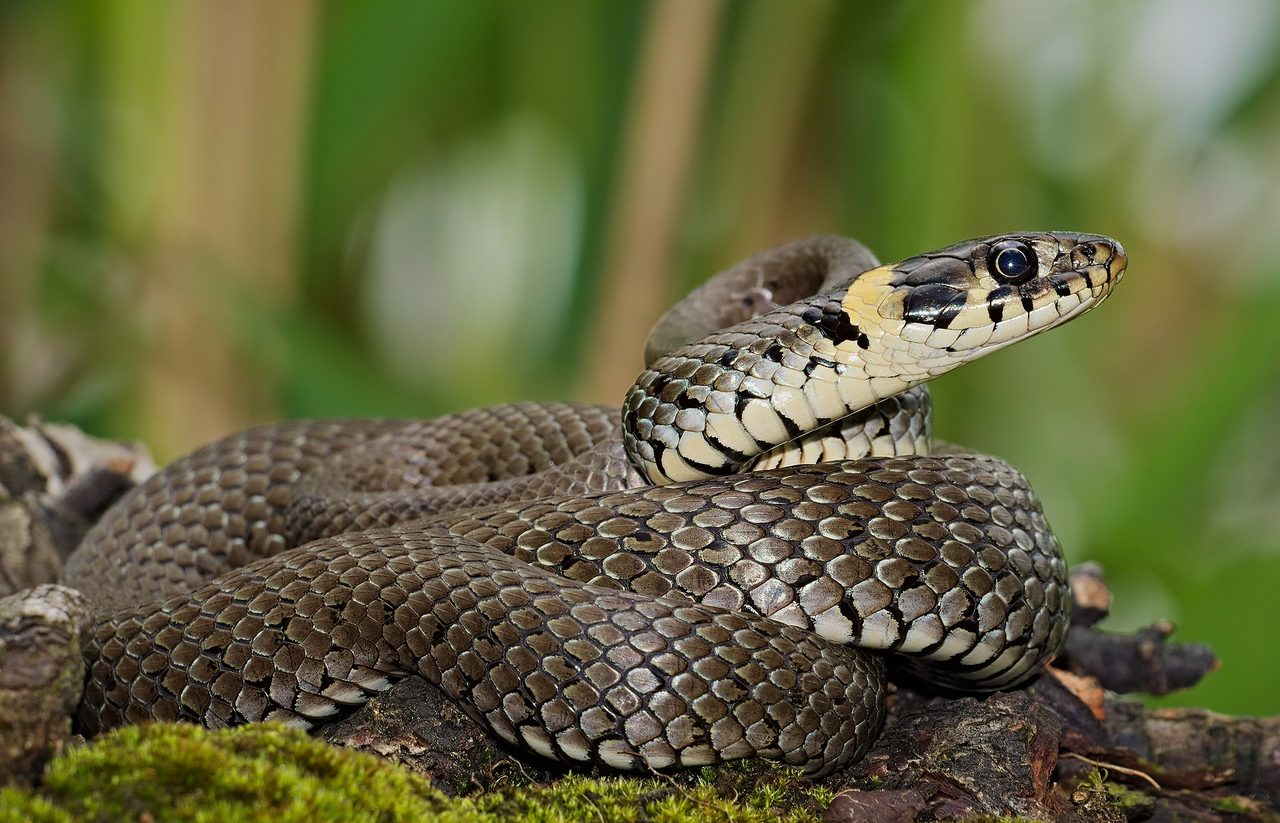
Reptiles
GGrass Snake
Natrix helvetica / Natrix natrix
Britain's largest snake — a harmless, water-loving hunter of frogs and toads.
United Kingdom · Continental Europe
Open guide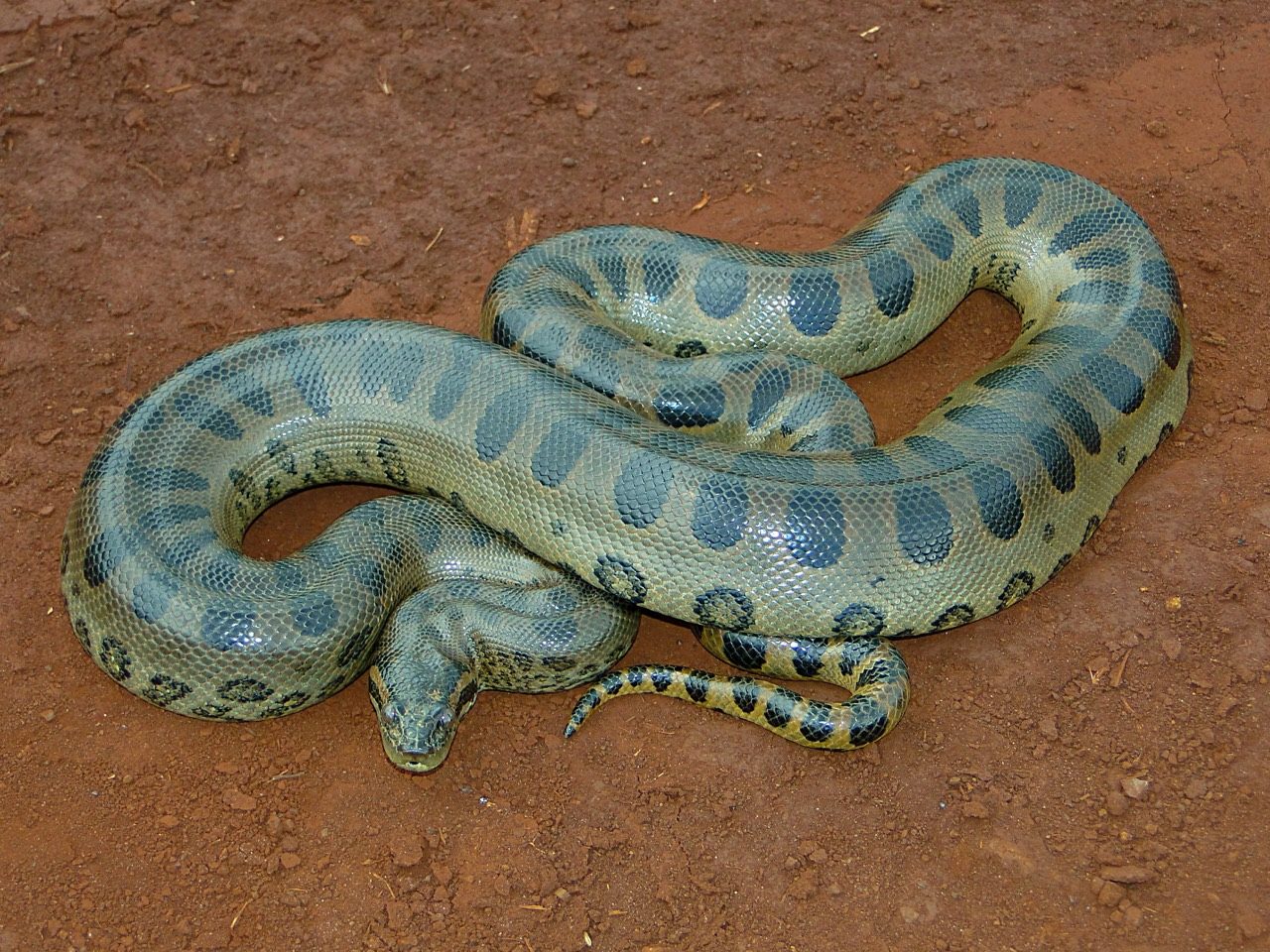
Reptiles
GGreen Anaconda
Eunectes murinus
The heaviest snake on Earth, a silent giant of South America's flooded forests.
Brazil · Colombia
Open guide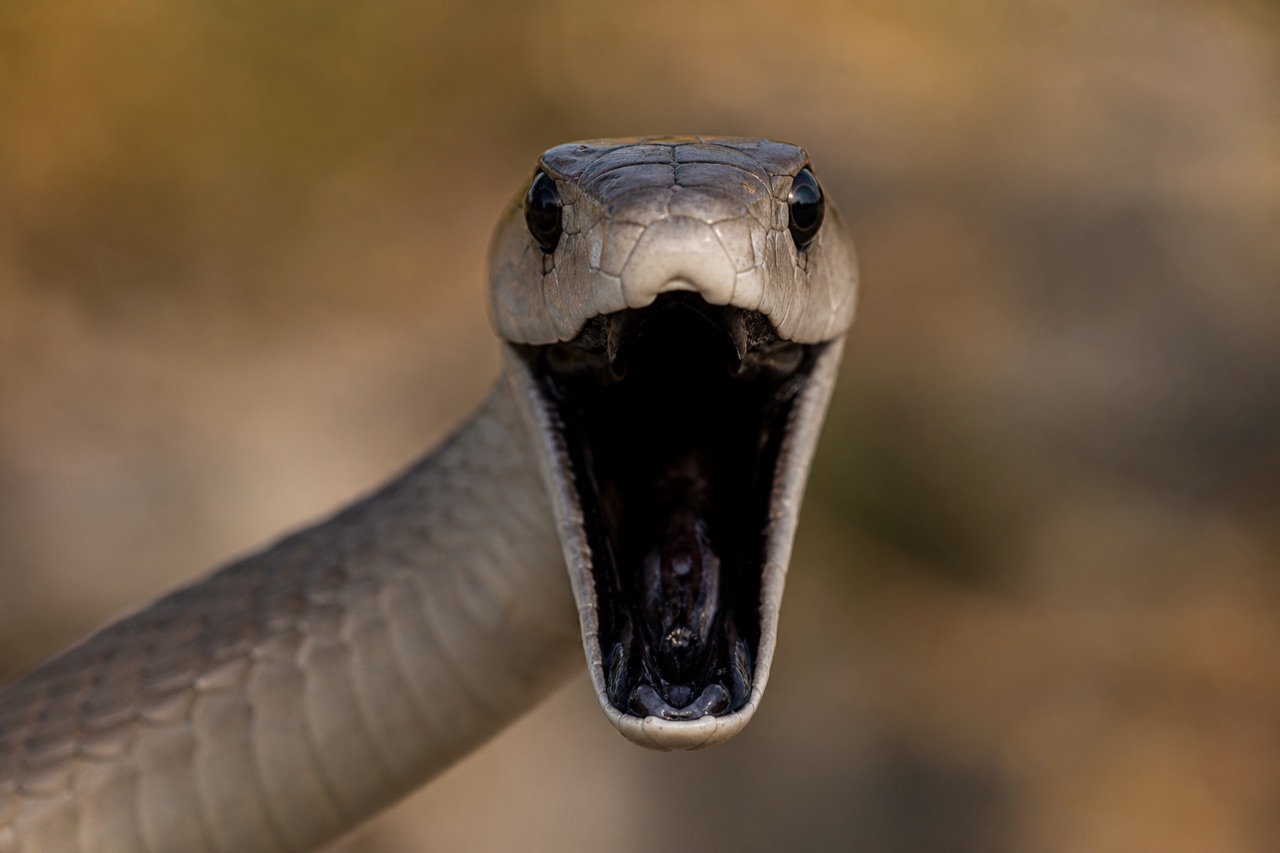
Reptiles
MMamba
Genus Dendroaspis — four species of African elapid; black mamba D. polylepis is the largest venomous snake in Africa
Not black — fast, long and elapid; the mamba name covers four species, one legend.
Sub-Saharan Africa · From Senegal and Eritrea south to Namibia and South Africa
Open guide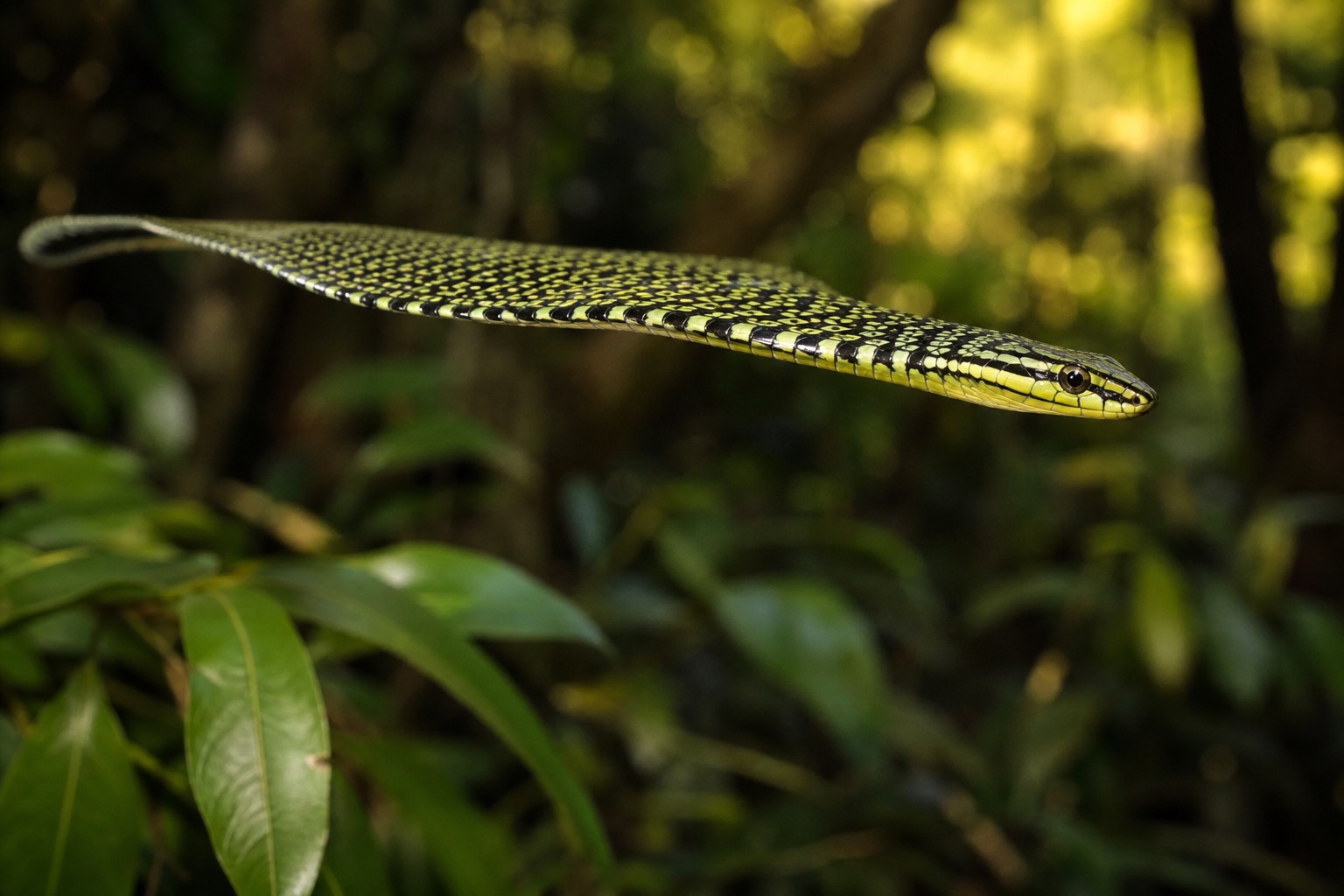
Reptiles
PParadise Flying Snake
Chrysopelea paradisi (Boie & Boie, 1827) — family Colubridae
A snake that glides by flattening its body into a concave wing and undulating in mid-air.
Thailand, Malaysia, Singapore, Indonesia including Borneo and Sumatra
Open guide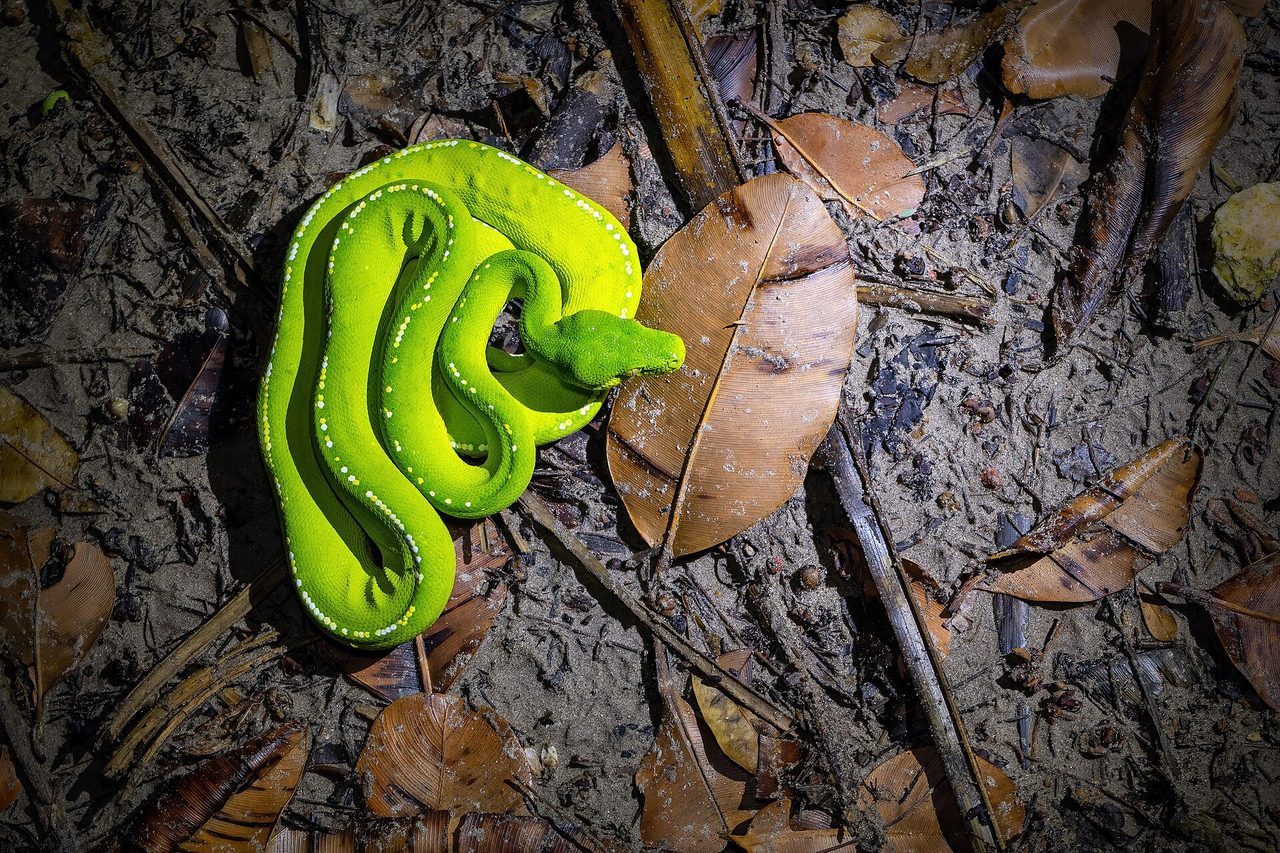
Reptiles
PPython
Family Pythonidae — ~40 species native to Africa, Asia and Australia
Non-venomous constrictors of three continents — powerful, slow and heavily traded.
Africa · Asia
Open guide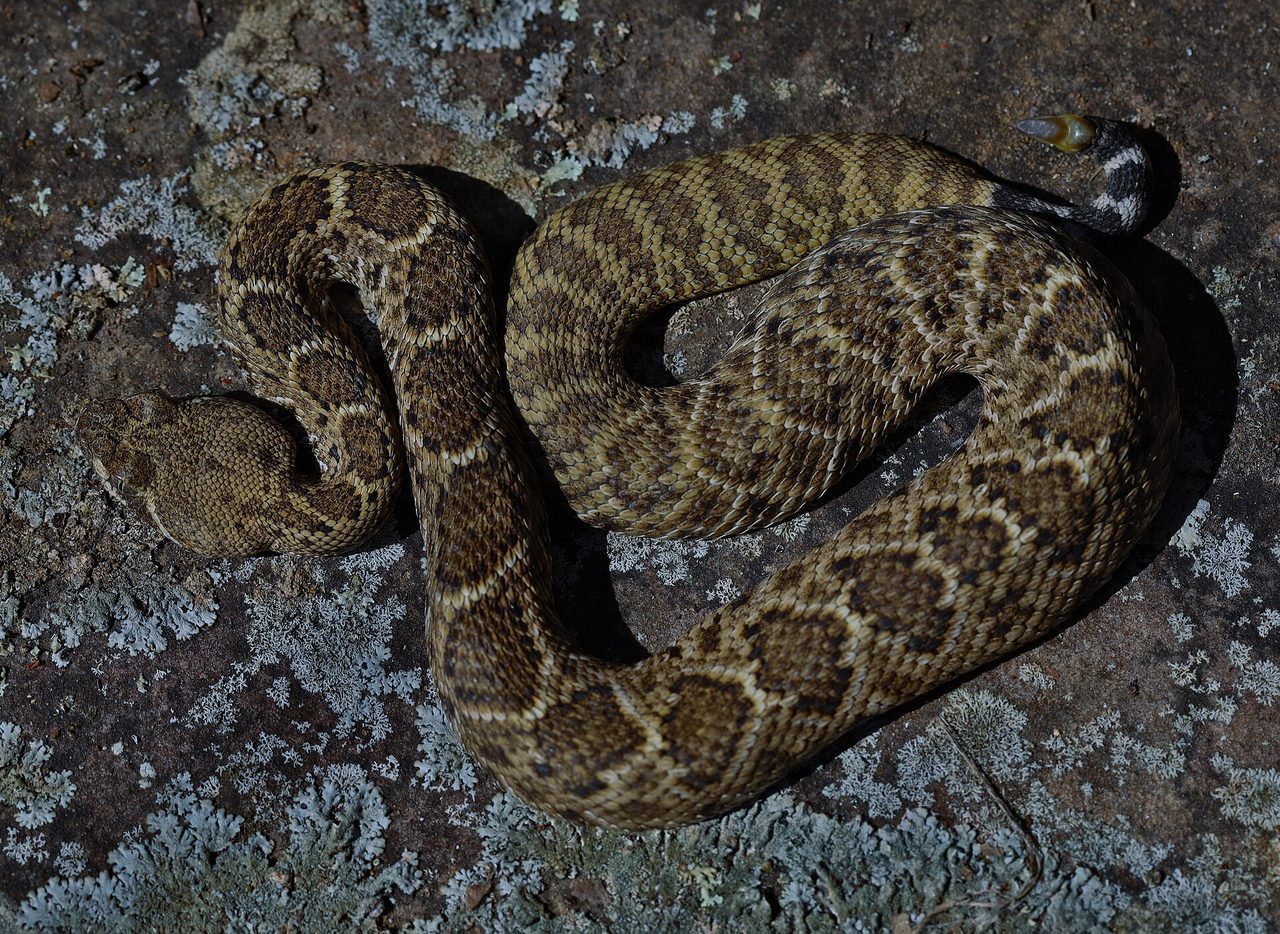
Reptiles
RRattlesnake
Genera Crotalus and Sistrurus — ~36 species in the Americas
Pit vipers of the Americas — rattling warning before the strike.
Americas — United States, Mexico, Central and South America
Open guide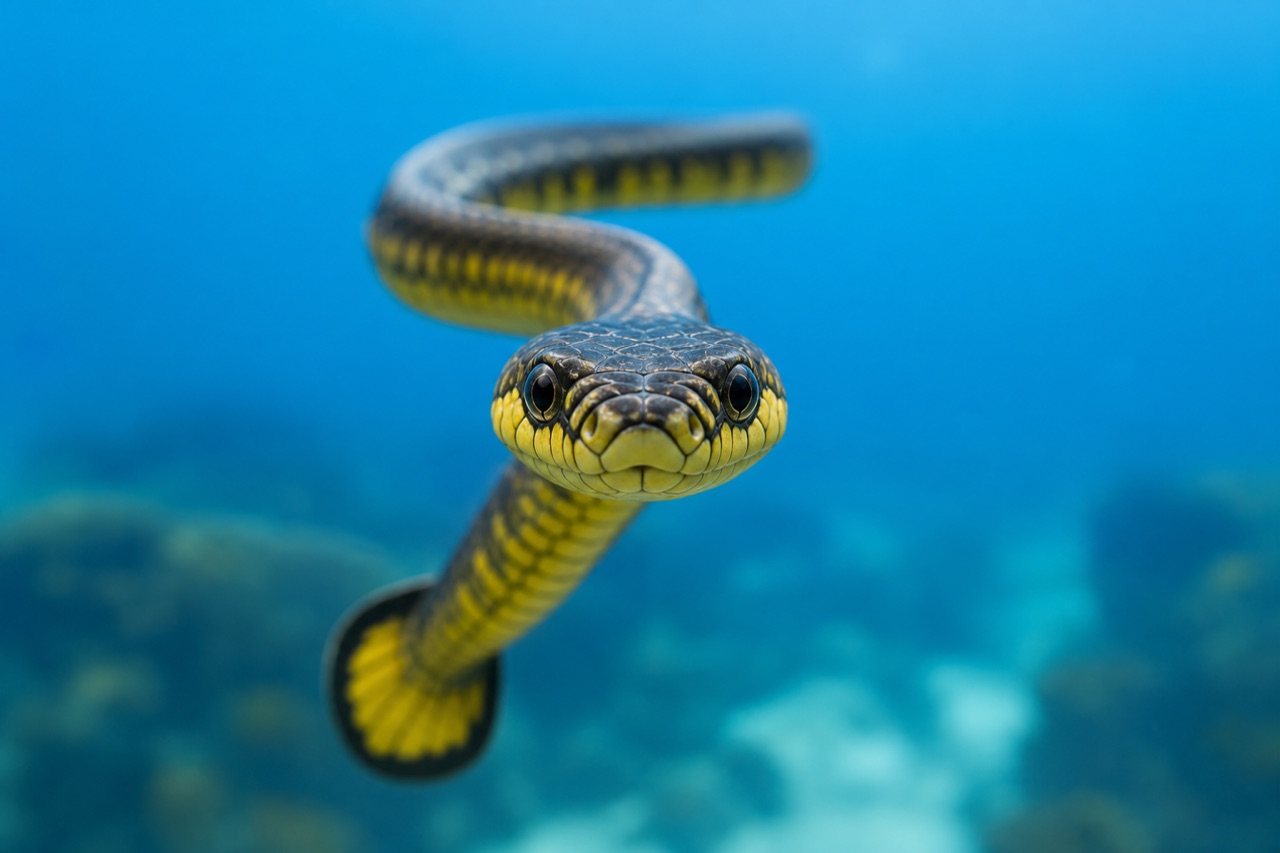
Reptiles
SSea Snake
Subfamily Hydrophiinae — roughly 70 species of fully marine elapid snakes
Elapids that never come ashore — paddle tails, salt glands and venom more potent than most cobras.
Indian Ocean and Pacific Ocean · Tropical and subtropical coastal waters; absent from the Atlantic
Open guide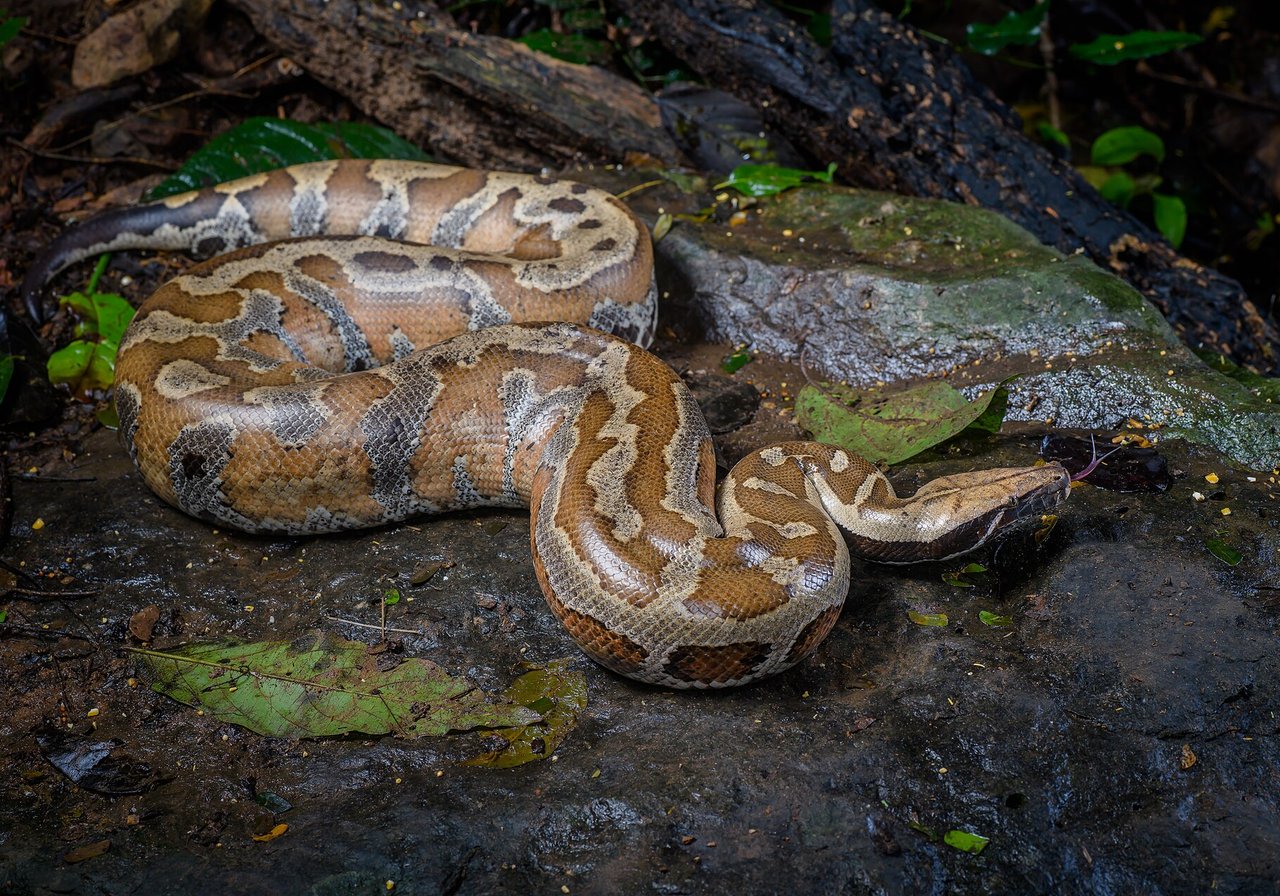
Reptiles
SSnake
Suborder Serpentes — ~3,900 species across most continents except Antarctica
Legless reptiles — about 3,900 species, mostly harmless, often killed out of fear.
Indonesia · Malaysia
Open guide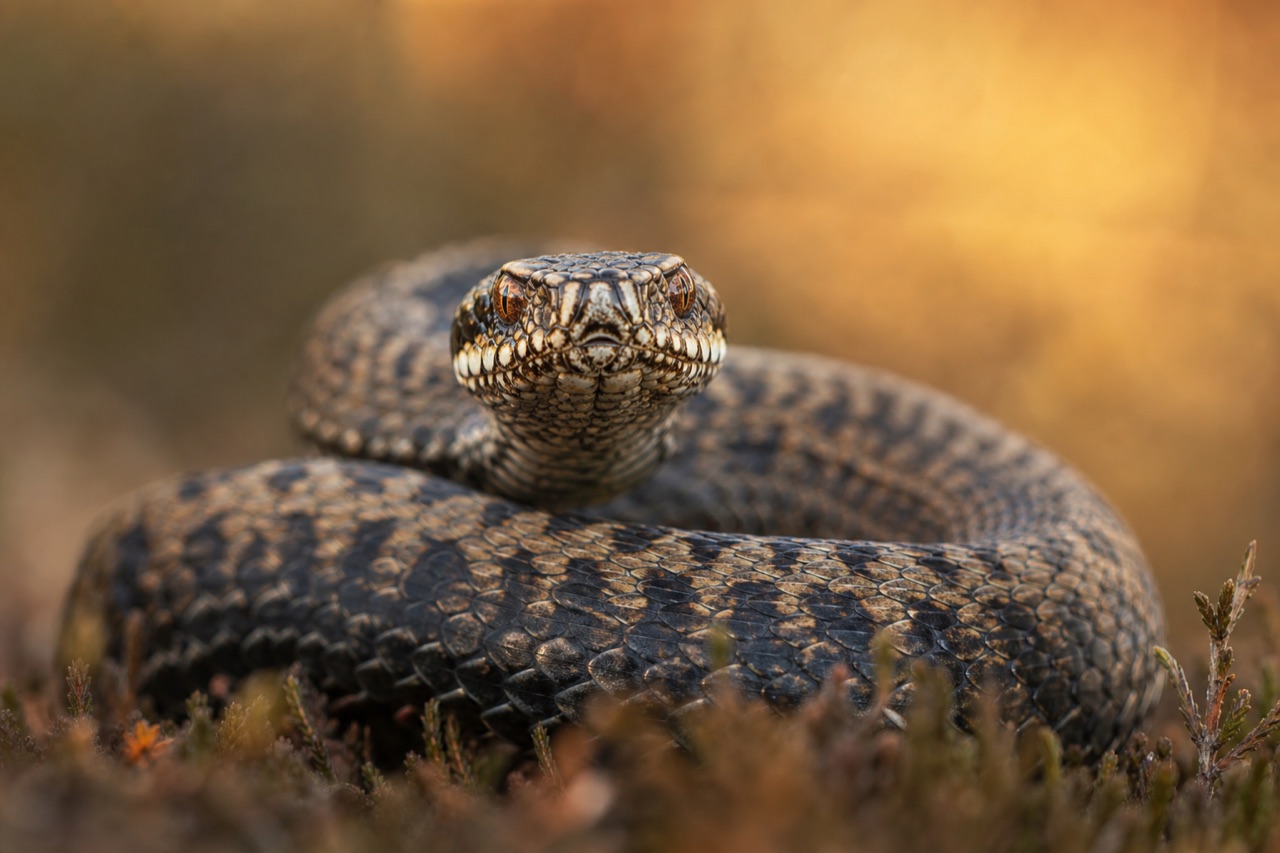
Reptiles
VViper
Family Viperidae — pit vipers and true vipers; roughly 350 species worldwide
Solitary, heavy-bodied venomous snakes — from adders on British moors to fer-de-lance in Neotropical forest.
Americas, Africa, Europe and Asia · Absent from Australasia and oceanic islands except where introduced
Open guideConservation: what this group faces
Snakes are killed out of fear far more often than they injure people. Habitat loss and collection remove specialists first. Accurate identification — venomous versus harmless, snake versus legless lizard — is the starting point for both safety and conservation.
Snakes: frequently asked questions
What is a snake?
Are all snakes venomous?
What is the difference between a python and a boa?
How do I tell an adder from a grass snake?
Are sea snakes dangerous?
Are snakes endangered?
Other types of reptiles & amphibians
-
Lizards
Scaled reptiles with legs — geckos, skinks, monitors, chameleons and iguanas.
-
Turtles & tortoises
Shelled reptiles of land, freshwater and sea — from box turtles to leatherbacks.
-
Crocodilians
Alligators, crocodiles and gharials — archosaur reptiles of rivers and coasts.
-
Amphibians
Frogs, toads, salamanders and caecilians — moist-skinned vertebrates tied to water.