Wildlife Guide · Worldwide
Rabbit
Leporidae (incl. Oryctolagus cuniculus)
The world's most familiar small herbivore, from backyard hutches to threatened wild burrowers.
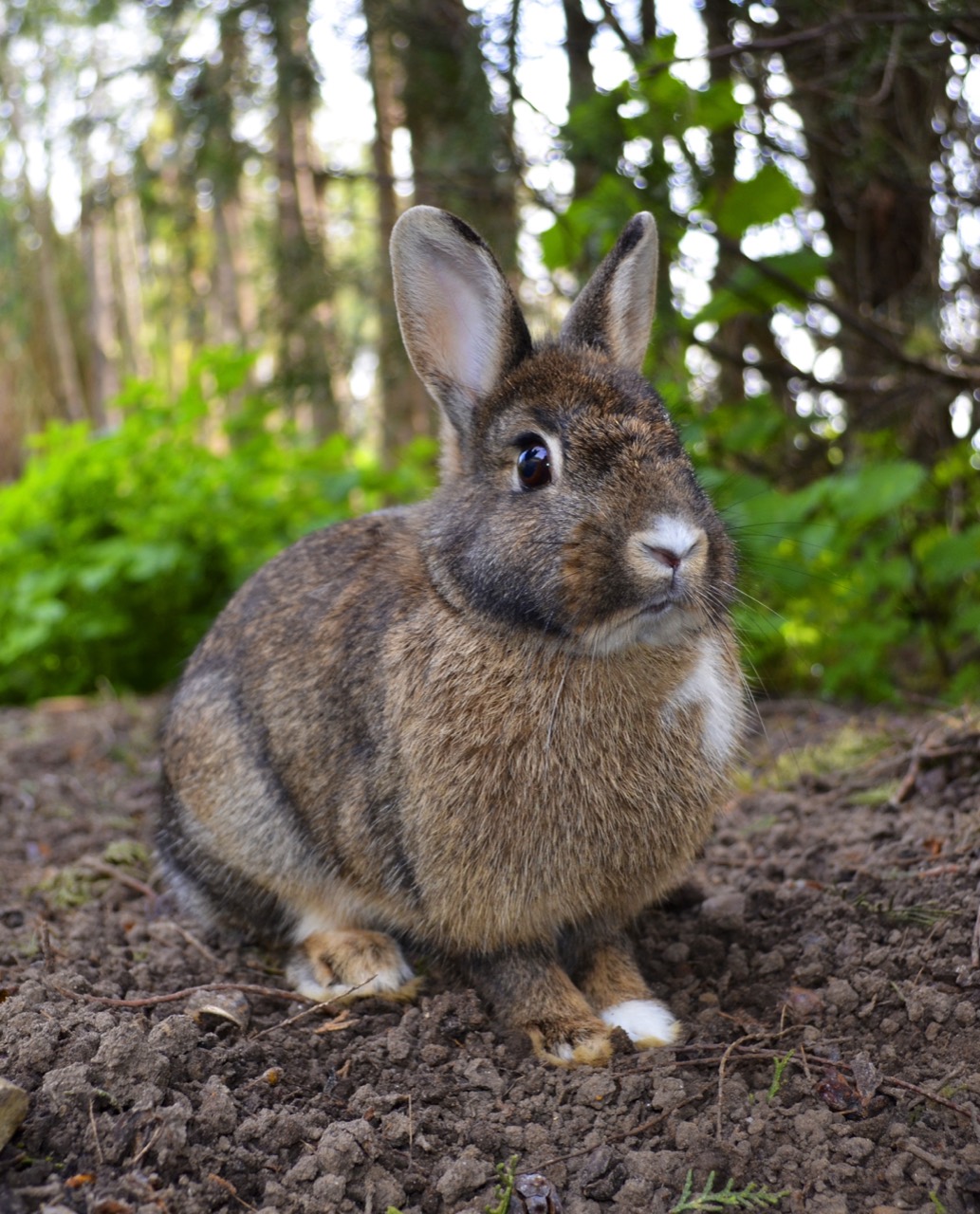
Source: Wikimedia Commons via Wikipedia “Rabbit”
In brief
Rabbits are small herbivorous mammals of the family Leporidae (over 70 species); most are common, but a few wild species such as the riverine and volcano rabbits are Critically Endangered or Endangered, and pet and farmed rabbits raise real welfare concerns.
Also in Animals A to Z · Animals that start with R · Types of rabbits
By WARN Research & Conservation TeamLast updated
Rabbits are small, long-eared herbivorous mammals in the family Leporidae, part of the order Lagomorpha. The group spans more than 70 species across about 11 genera, ranging from the abundant European rabbit, the ancestor of every domestic and farmed breed, to rare wild specialists found on a single mountainside. Famous for rapid breeding, near-360-degree vision, and a social burrow life, rabbits live on every continent except Antarctica, mostly through human introduction. Yet "rabbit" is not one conservation story: while many cottontails and the European rabbit remain common, a handful of wild species such as the riverine rabbit and the volcano rabbit are sliding toward extinction. This guide separates the everyday pet from the imperilled wild, and explains the welfare and habitat issues behind both.
70+
Species in family Leporidae
~11
Genera worldwide
~31 days
Average gestation
157-207
Mature riverine rabbits left
Figures sourced from Wikipedia: Rabbit, Wikipedia: Riverine rabbit, Wikipedia: Volcano rabbit and other references on this page.
Rabbit: Quick Facts
| Lifespan | 1-5 years wild; 8-12+ years domestic |
|---|---|
| Weight | Varies by species/breed; ~1-2.5 kg (European rabbit) |
| Size | Body roughly 20-50 cm, depending on species |
| Diet | Herbivore (grass, leafy plants, hay) |
| Gestation | About 28-31 days |
| Young per litter | 1-12 kits |
| Baby name | Kit (kitten) |
| Group name | Colony, nest or warren |
| Top speed | Up to ~35 mph (56 km/h) in the European rabbit |
| CITES | Not listed for most species; riverine rabbit not CITES-listed (IUCN Critically Endangered) |
Scientific Classification
| Kingdom | Animalia |
|---|---|
| Phylum | Chordata |
| Class | Mammalia |
| Order | Lagomorpha |
| Family | Leporidae (in part) |
| Representative genus | Oryctolagus |
| Representative species | Oryctolagus cuniculus |
Conservation Status
- IUCN Status
- Varies by species (Least Concern to Critically Endangered)
- Population
- Most species common; riverine rabbit only ~157-207 mature individuals
- Trend
- Stable to increasing for common species; declining for several threatened wild species
- Assessed
- 2019
- CITES
- Not listed for most rabbit species
Across the family the IUCN lists roughly 1 Critically Endangered, 9 Endangered and 8 Vulnerable species; the rest are mostly Least Concern. The Endangered status shown reflects notable threatened members such as the volcano rabbit.
Did you know?
Rabbits have nearly 360-degree vision, letting them spot a predator approaching from almost any direction, though they have a small blind spot right in front of their nose.
Key Facts: Rabbit
- "Rabbit" covers 70+ species in the family Leporidae, not a single animal, and conservation status ranges from Least Concern to Critically Endangered.
- The European rabbit (Oryctolagus cuniculus) is the wild ancestor of all domestic and farmed breeds.
- Rabbits are prolific breeders: a gestation of roughly 28-31 days and litters of 1-12 kits mean populations rebound fast.
- Young are called kits (or kittens), females are does, and males are bucks; a group is a colony, nest or warren.
- Some wild species are in serious trouble; the riverine rabbit is Critically Endangered with only around 150-200 mature adults left.
- Pet and farmed rabbits face welfare risks from poor housing, isolation and unsuitable diet, and are widely abandoned after impulse adoption.
One name, many species
The family Leporidae contains more than 70 living species grouped into roughly 11 genera. The most widespread are Oryctolagus (the single European rabbit species) and Sylvilagus (the 17 or so North and South American cottontails). Others are far more restricted: the pygmy rabbit (Brachylagus), the red rock-hares (Pronolagus) of Africa, the Amami rabbit of Japan, the hispid hare of South Asia, and the striped rabbits of Southeast Asia. Rabbits are distinguished from rodents by having a second, small pair of upper incisors tucked behind the front teeth, a hallmark of the order Lagomorpha. Their eyes sit high and wide on the head, giving close to 360-degree vision to watch for predators while grazing.
Built to breed and to flee
Rabbits are classic prey animals, and their biology reflects it. Gestation lasts only about 28 to 31 days, litters run from 1 to 12 kits, and females can conceive again almost immediately, so a single pair can found a large colony in a season. Kits are born blind and hairless in a fur-lined nest. To escape predators, the European rabbit can sprint in bursts of up to roughly 35 mph (about 56 km/h), zig-zagging toward the safety of its warren, a network of connected burrows shared by a social group. Rabbits are strict herbivores, eating grass and leafy vegetation, and they re-ingest soft night droppings to extract more nutrients, a process called caecotrophy.
The wild species at risk
While pet shops overflow with rabbits, several wild species are vanishing. The riverine rabbit of South Africa's Karoo is Critically Endangered, with recent estimates of only about 157 to 207 mature individuals, threatened by the loss of the riverside scrub it depends on. Mexico's volcano rabbit, one of the world's smallest, is Endangered, clinging to grassy pine slopes around volcanoes near Mexico City. Across the family, the IUCN lists roughly one species as Critically Endangered, nine as Endangered and eight as Vulnerable, driven mainly by habitat loss, agriculture and hunting. Even the European rabbit, abundant where introduced, has declined in its native Iberia, where it is a keystone prey for the Iberian lynx.
Pets, farms and welfare
Domestic rabbits descend entirely from the European rabbit and are among the most popular companion animals, yet they are also among the most misunderstood. They are social, intelligent and long-lived, reaching 8 to 12 years or more with good care, but are frequently confined to small hutches, kept alone, fed unsuitable pellet-only diets, or surrendered when novelty fades. Rabbits are also farmed in large numbers for meat and fur, where intensive cage systems raise significant welfare concerns. Responsible care means companionship, space to hop and stand upright, a hay-based diet, and never releasing pet rabbits into the wild, where they cannot survive or may disrupt local ecosystems.
Rabbit vs Hare
| Feature | Rabbit | Hare |
|---|---|---|
| Genus | Many genera (e.g. Oryctolagus, Sylvilagus) | Lepus |
| Young at birth | Blind, hairless, helpless (altricial) | Furred, eyes open, mobile (precocial) |
| Nesting | Often dig burrows or warrens | Nest in open shallow forms on the ground |
| Body and ears | Smaller body, shorter legs and ears | Larger body, longer legs and ears |
| Social life | Many are social and colonial | Mostly solitary |
| Domesticated | Yes (from European rabbit) | No |
Rabbit Breeds Guide
From the Holland Lop and Netherland Dwarf to the Flemish Giant, Mini Rex and 14 more — explore 17 of the world's most searched rabbit breeds with temperament, size, lifespan, common health issues and responsible care tips.
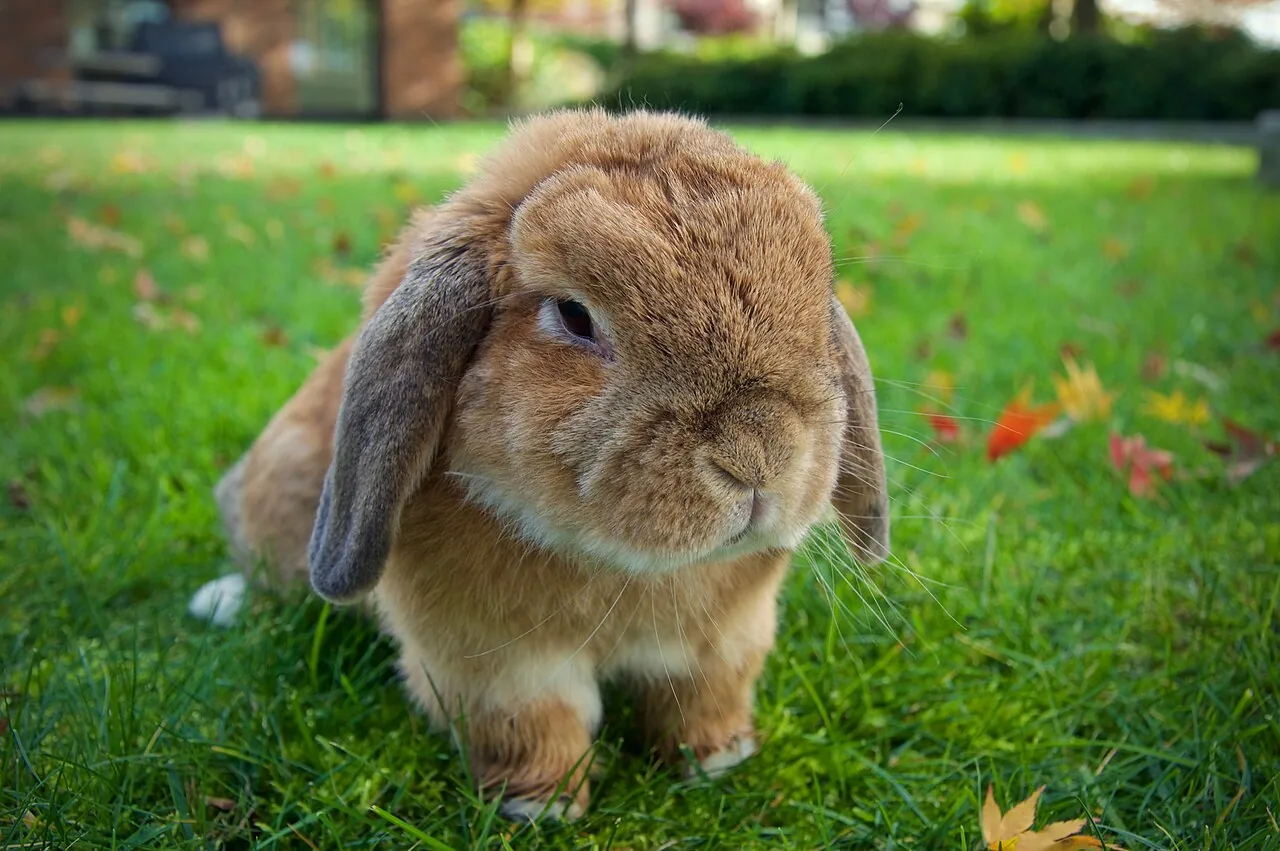
Holland Lop
Netherlands
Friendly, curious, sometimes shy
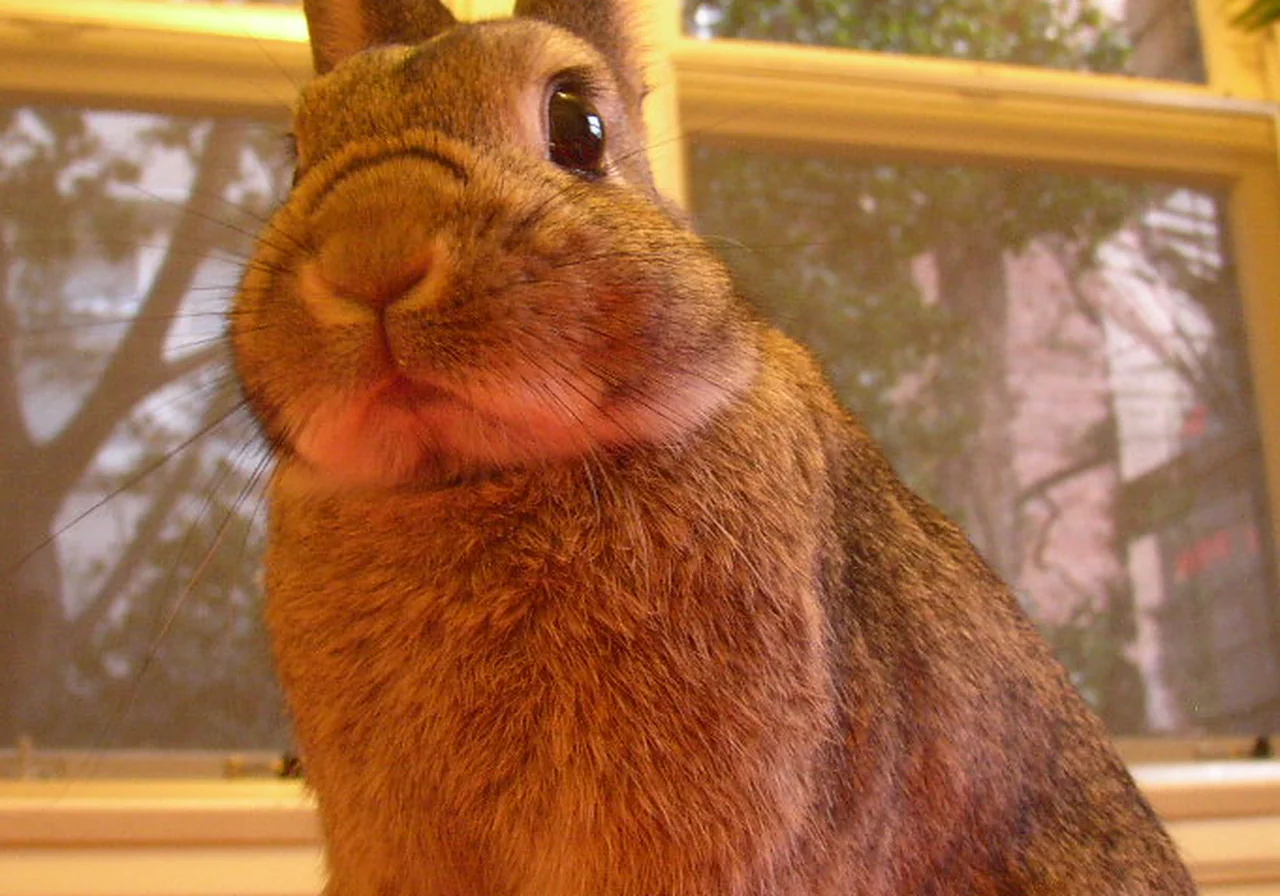
Netherland Dwarf
Netherlands
Energetic, bold, can be nippy if unsocialised
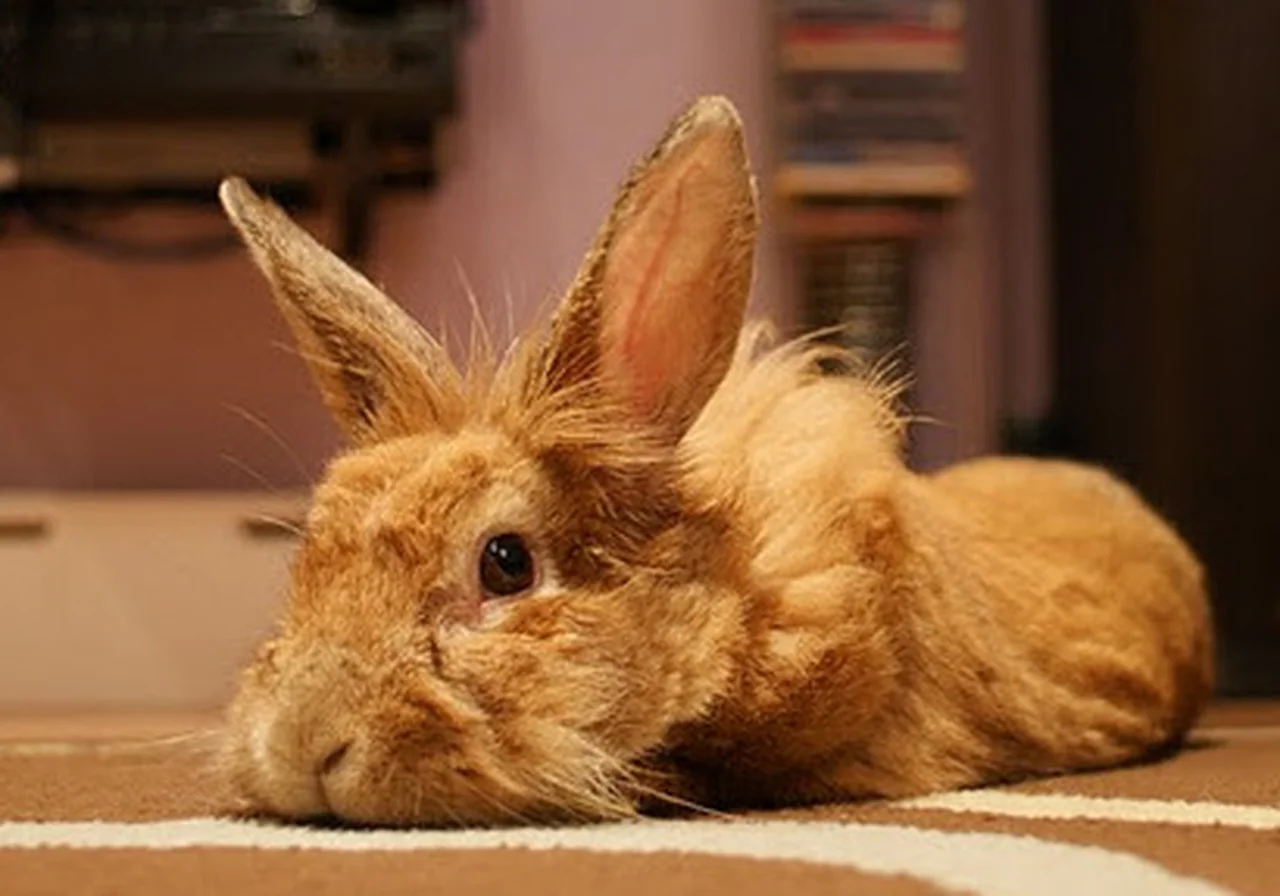
Lionhead
Belgium/France
Friendly, playful, confident
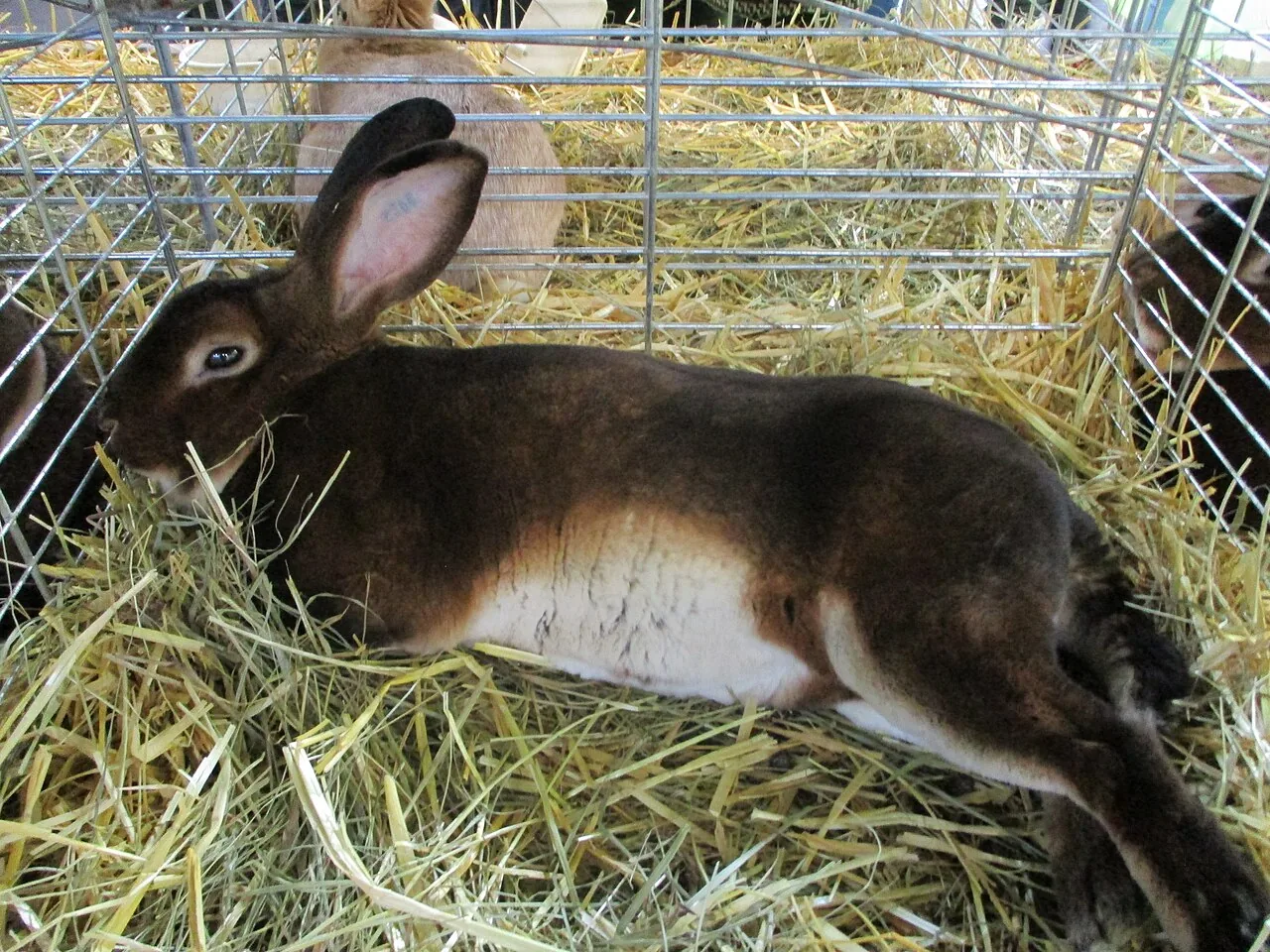
Mini Rex
United States
Calm, plush-coated, friendly
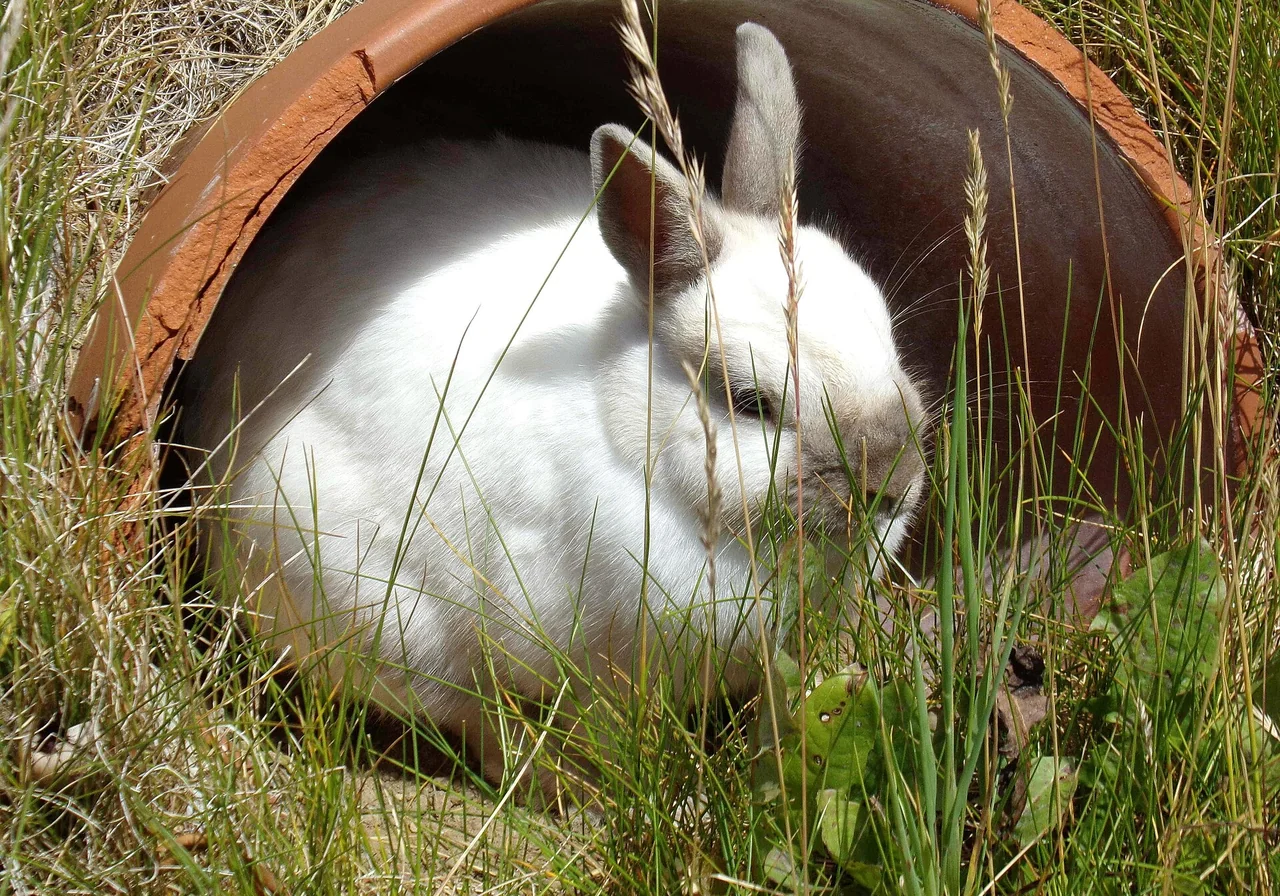
Flemish Giant
Belgium
Gentle, docile, laid-back
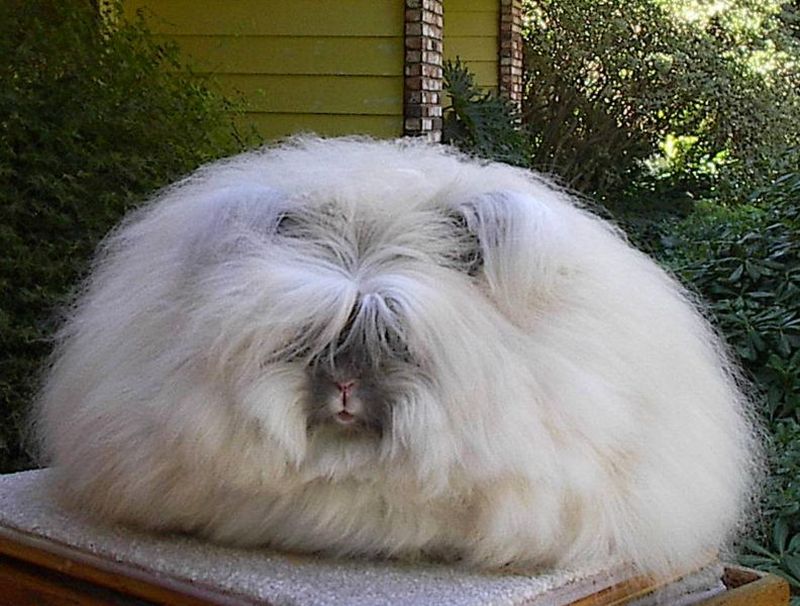
English Angora
England
Calm, wool-producing, needs grooming
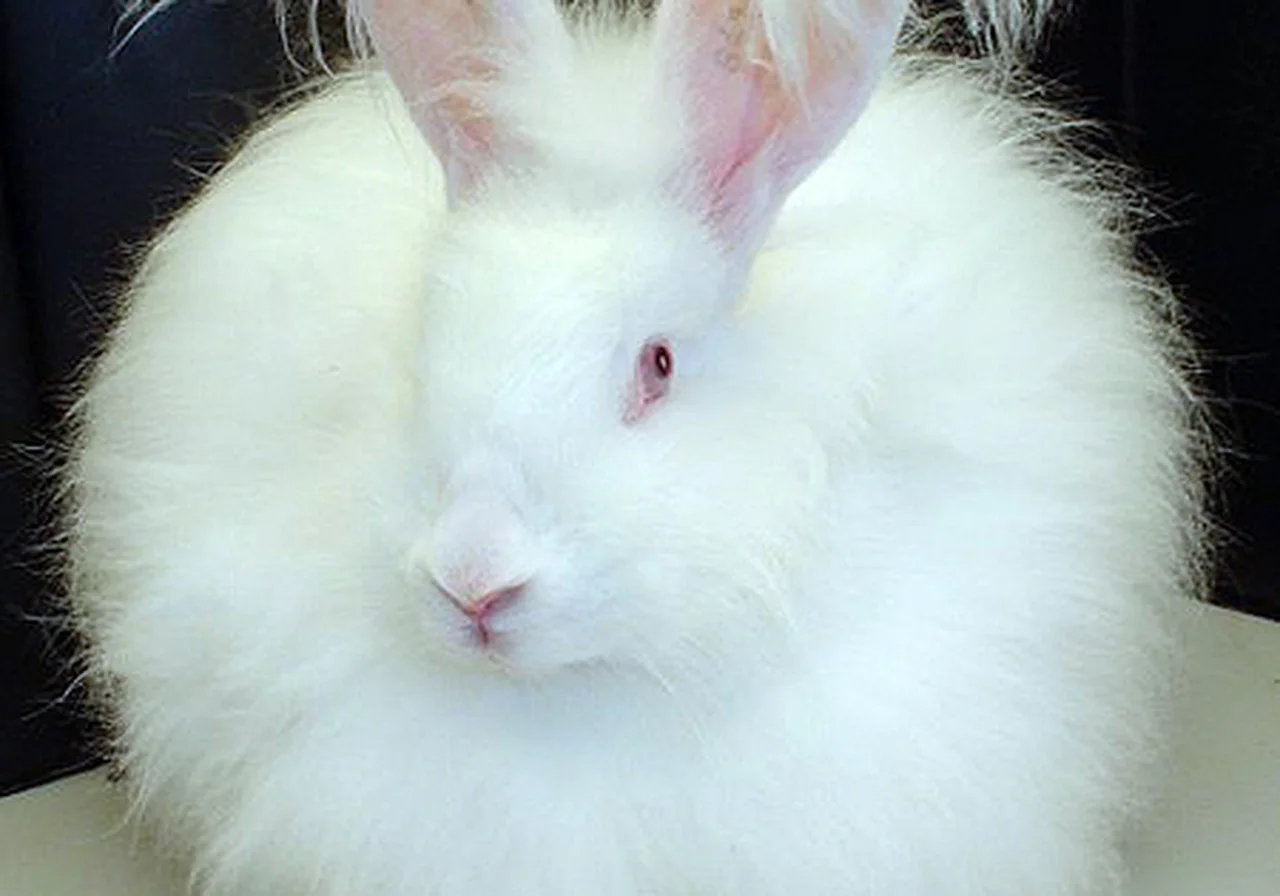
French Angora
France
Gentle, wool breed
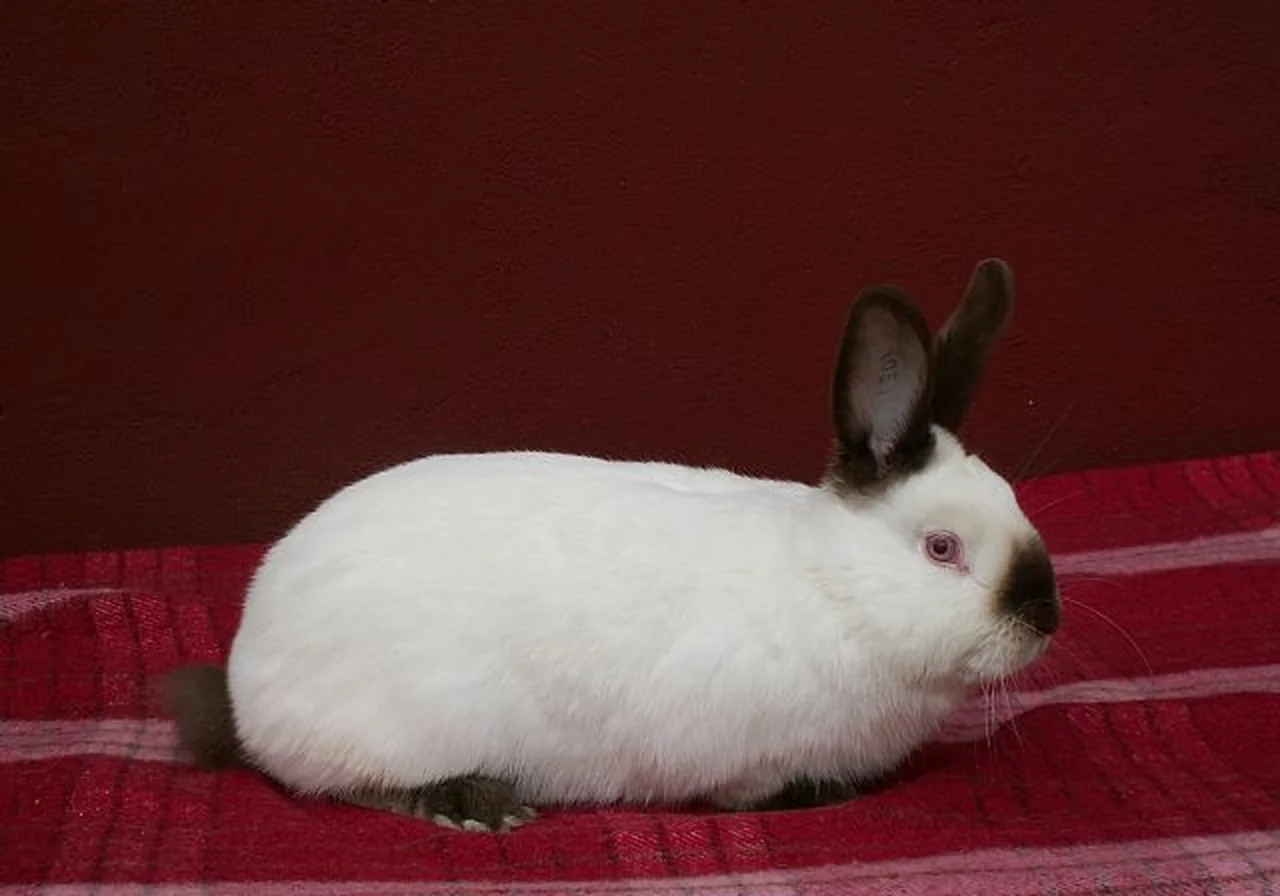
Californian
United States
Calm, hardy, commercial type
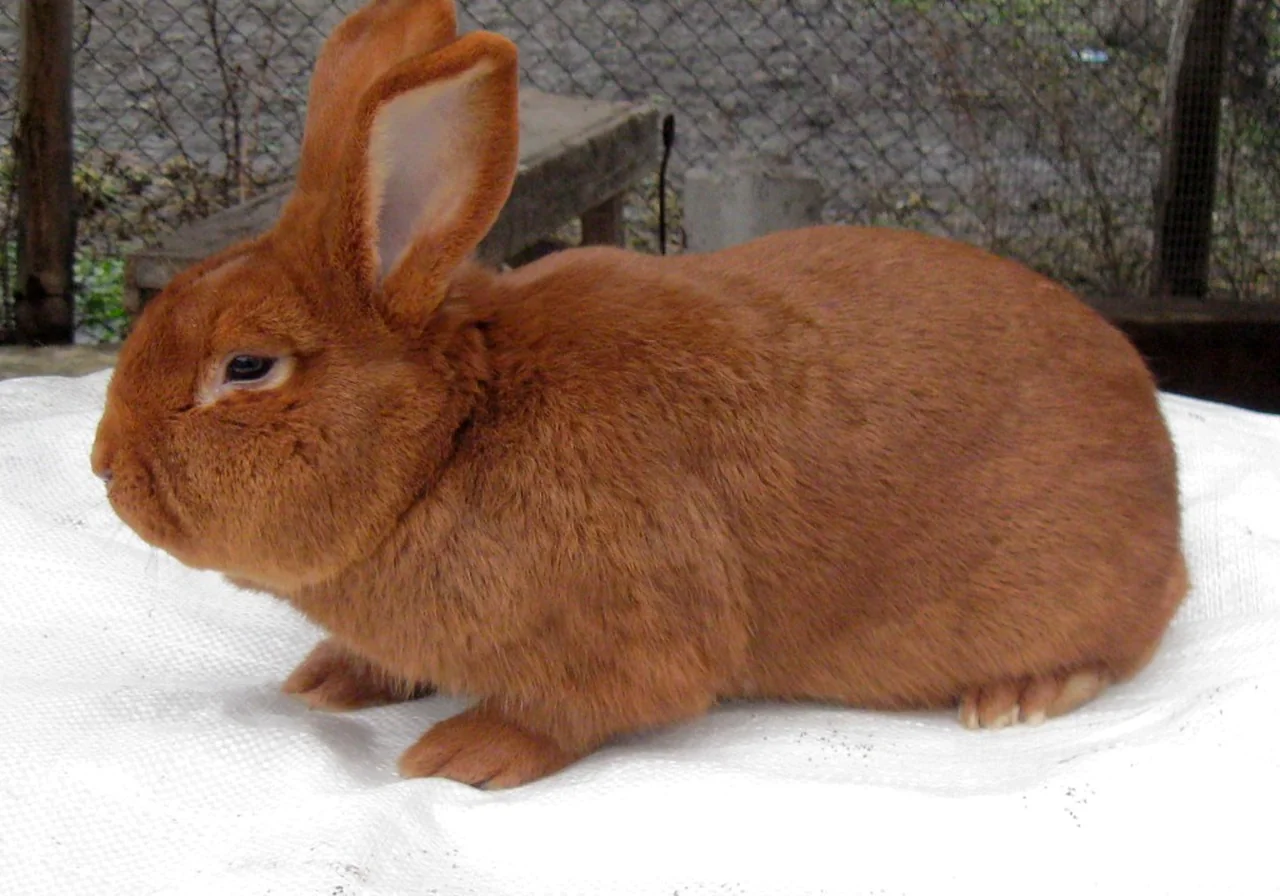
New Zealand
United States
Docile, hardy
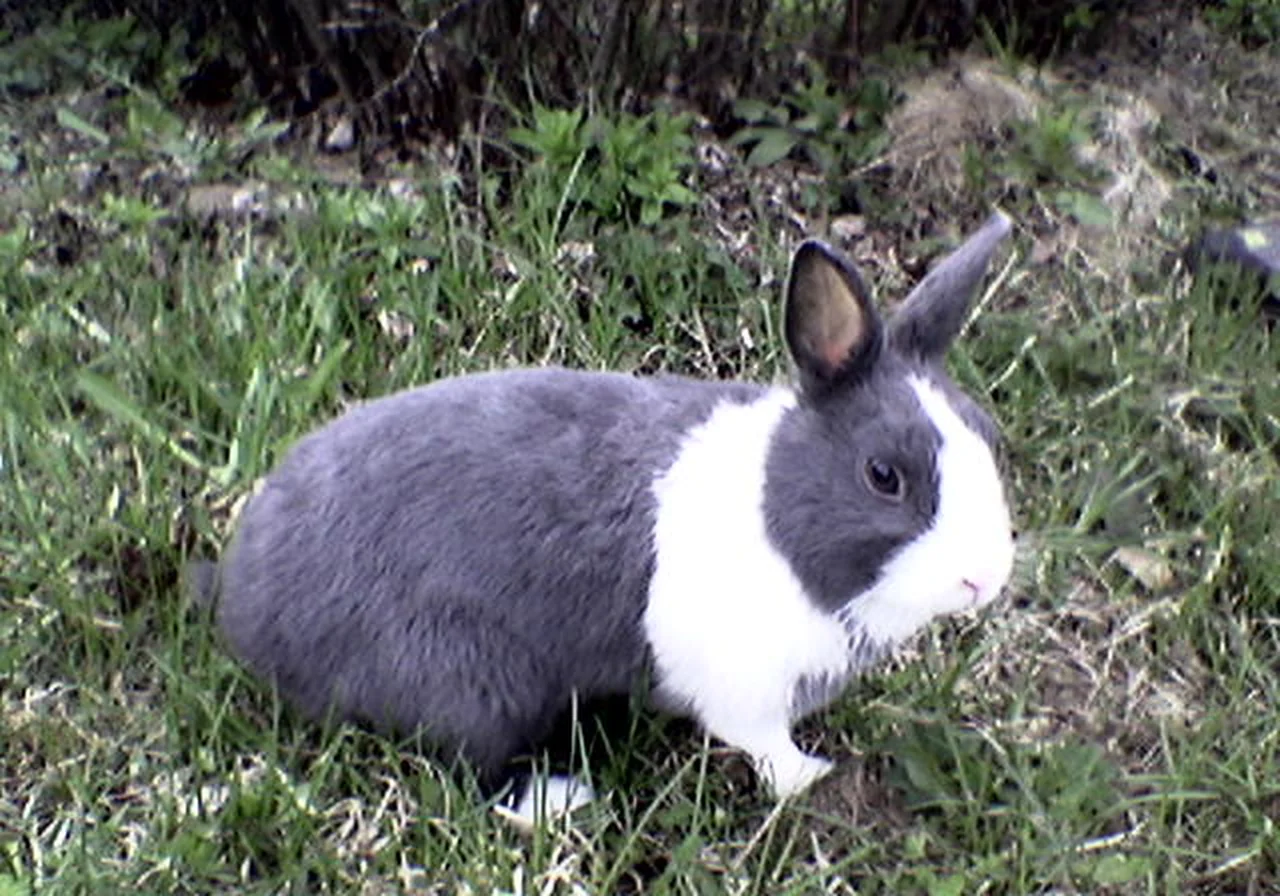
Dutch
Netherlands
Active, friendly, marked

Harlequin
France
Active, curious, colourful
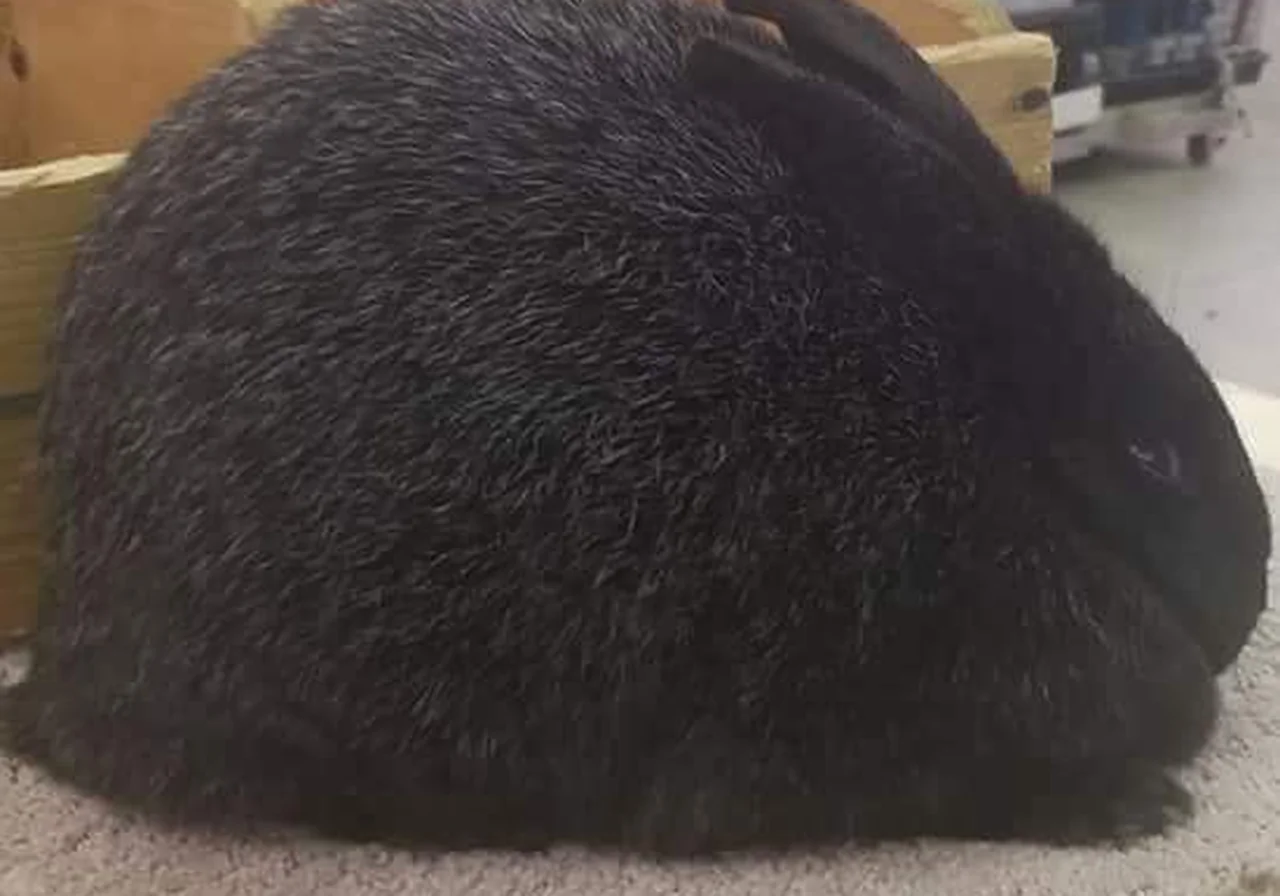
Silver Fox
United States
Gentle, rare, striking coat
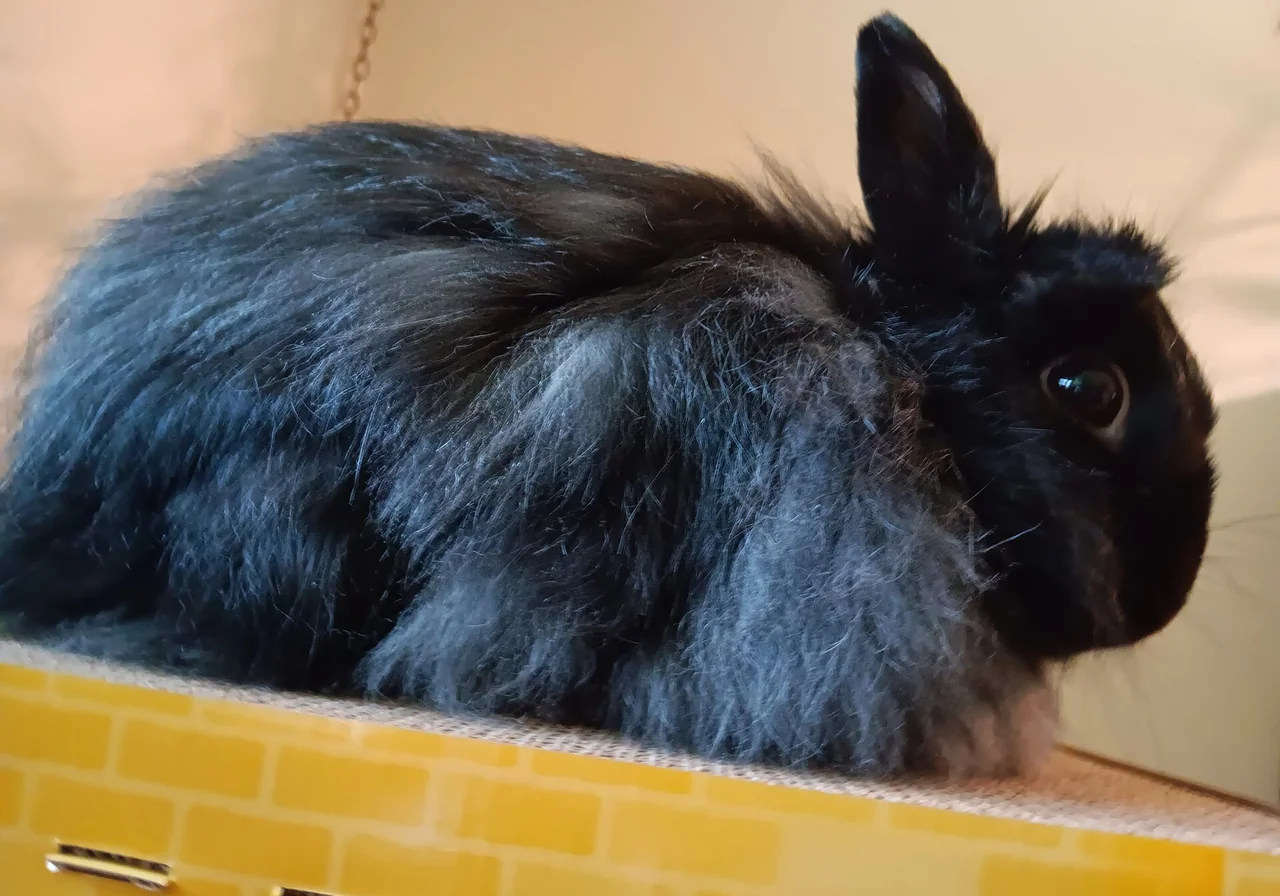
Jersey Wooly
United States
Gentle, fluffy, pet-sized
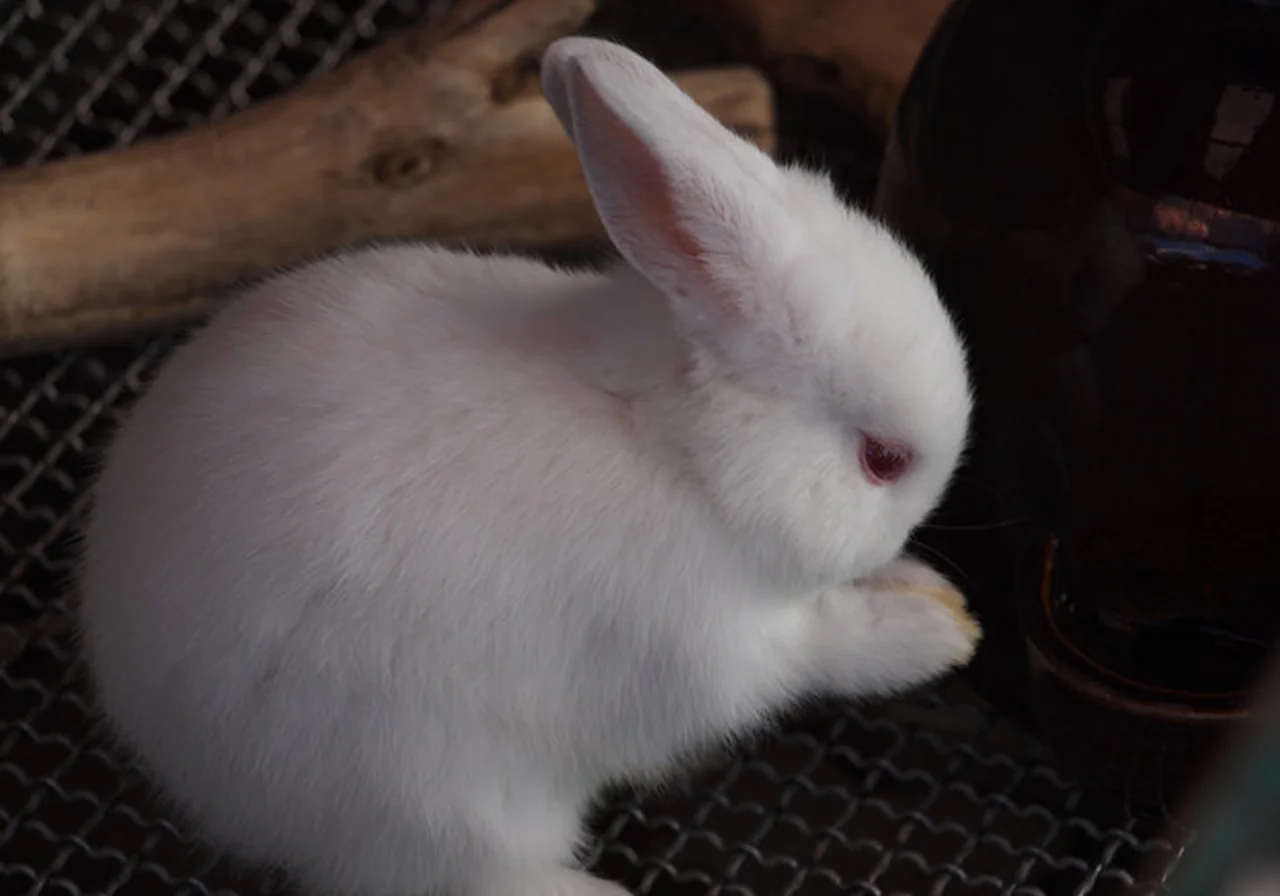
Polish
England
Active, fine-boned, showy
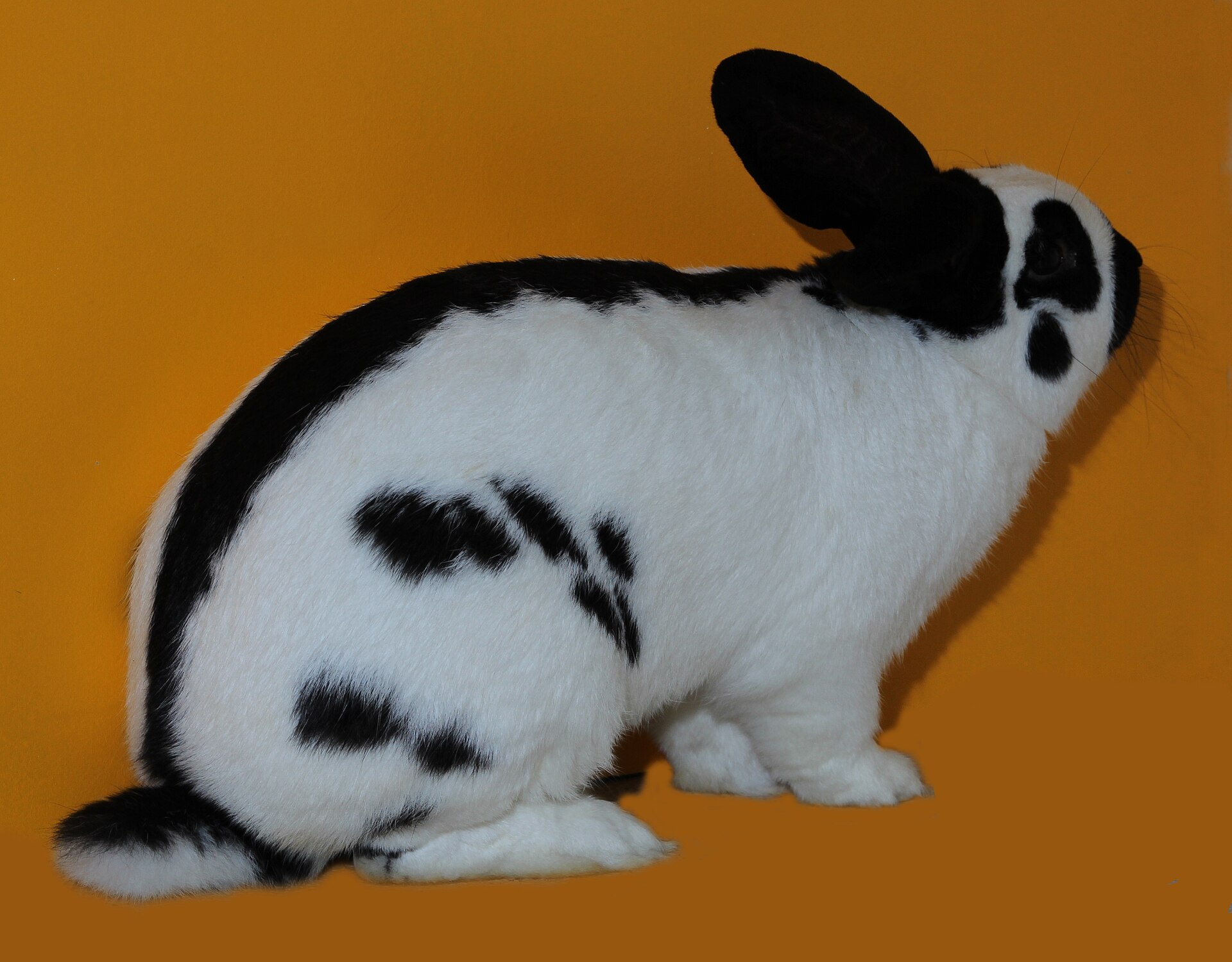
Checkered Giant
France/Germany
Active, athletic, marked

American Fuzzy Lop
United States
Playful, lop-eared, woolly
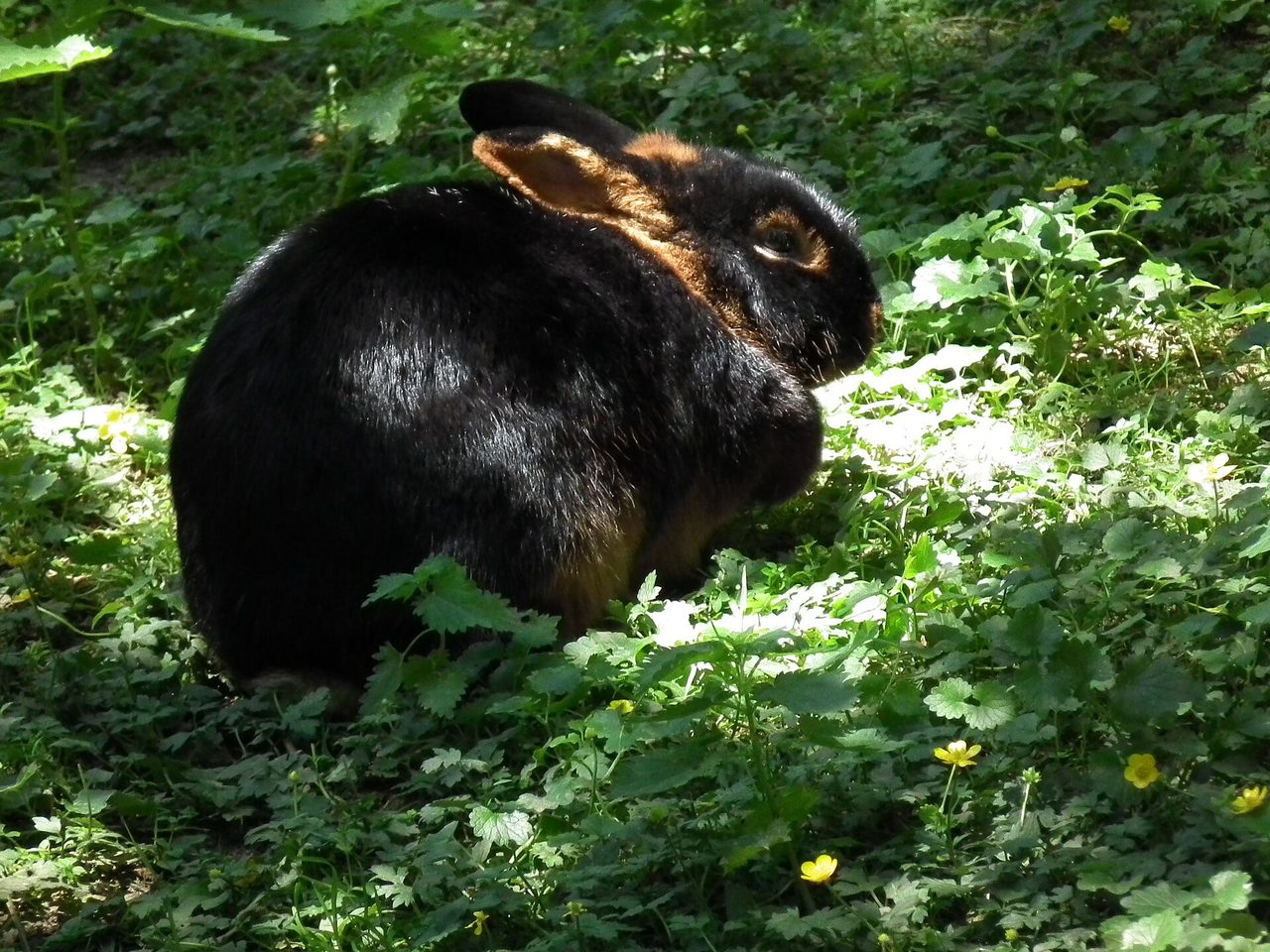
Tan
England
Active, arched, sleek
Looking for a breed to suit a particular household? These lists rank the same guides by popularity, size and role — and each one says how it was compiled.
What WARN Does
This is an educational guide, and it is important to be clear about scope. The World Animal Rescue Network's funded rescue and welfare programmes are at launch stage and currently concentrated in a network of partner countries. Rabbits are a globally distributed group, and WARN does not fund dedicated rabbit-specific projects. We publish this guide to support our broader mission of global animal-welfare awareness and accurate, accessible species information, and to point readers toward the closest relevant work we do support: protecting wild habitats that threatened species, including imperilled wild rabbits, depend on.
If you would like to help, read /appeals/ and choose a purpose that matches your intentions. WARN is raising funds towards assessed support; donations do not guarantee a treatment or rescue. Sharing accurate information is another welcome way to help.
Rabbit: Frequently Asked Questions
How many species of rabbit are there?
What are the types of rabbits?
What is a baby rabbit called?
How fast can a rabbit run?
How long do rabbits live?
Are any rabbits endangered?
What do rabbits eat?
Where do rabbits live?
Are rabbits dangerous?
How big is a rabbit?
Sources & References
Population figures, conservation status and biological facts on this page are drawn from authoritative scientific and intergovernmental sources.
Terms used on this page
Plain-English definitions, from our wildlife and conservation glossary.
Latest Rabbit Stories
Quick, fact-checked reads on the rabbit — amazing facts, key questions and the threats it faces.
Guides
Pet Adoption vs. Animal Rescue: How to Help When You Can't Adopt
Pet adoption, cat adoption, dog adoption, puppies for adoption — they all matter. But what about the animals you cannot bring home?
Read the storyGuides
Giving in Memory of a Pet: A Complete Guide to Tribute Donations and Pet Memorials
How to give in memory of a much-loved pet, what a tribute donation actually does, how memorial walls work, and how WARN matches your gift to the same species your animal belonged to.
Read the storySpecies
12 Amazing Facts About the Humpback Whale, the Ocean's Great Singer
From hours-long songs that only males sing to flippers longer than any other whale, here are 12 genuinely surprising facts about the humpback whale.
Read the storyExplore more animals
Discover more animals, their habitats and their conservation status in the WARN wildlife-guide library.