Rabbit Breed · United States
Silver Fox
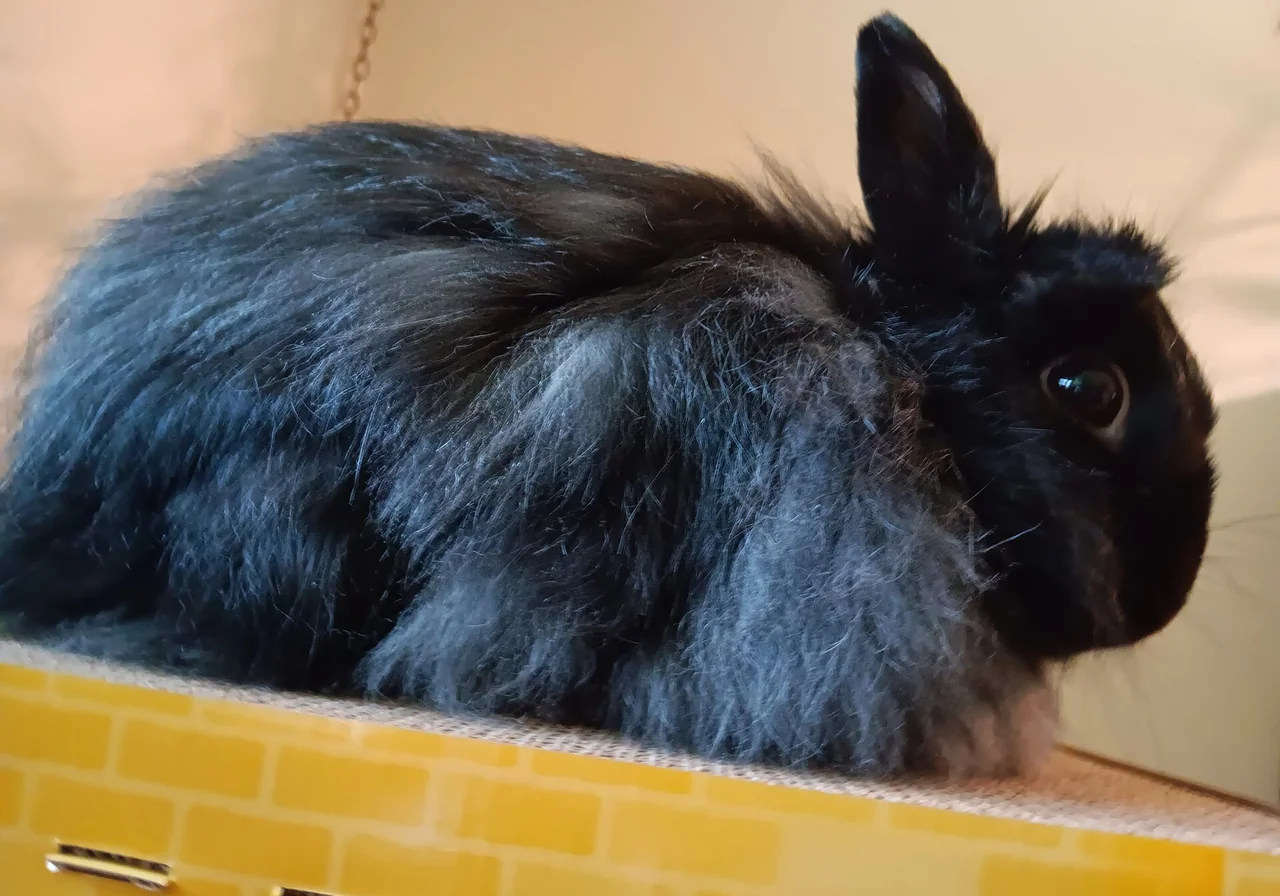
Silvery tipped fur that stands upright when stroked.
By WARN Research & Conservation TeamLast updated
In brief
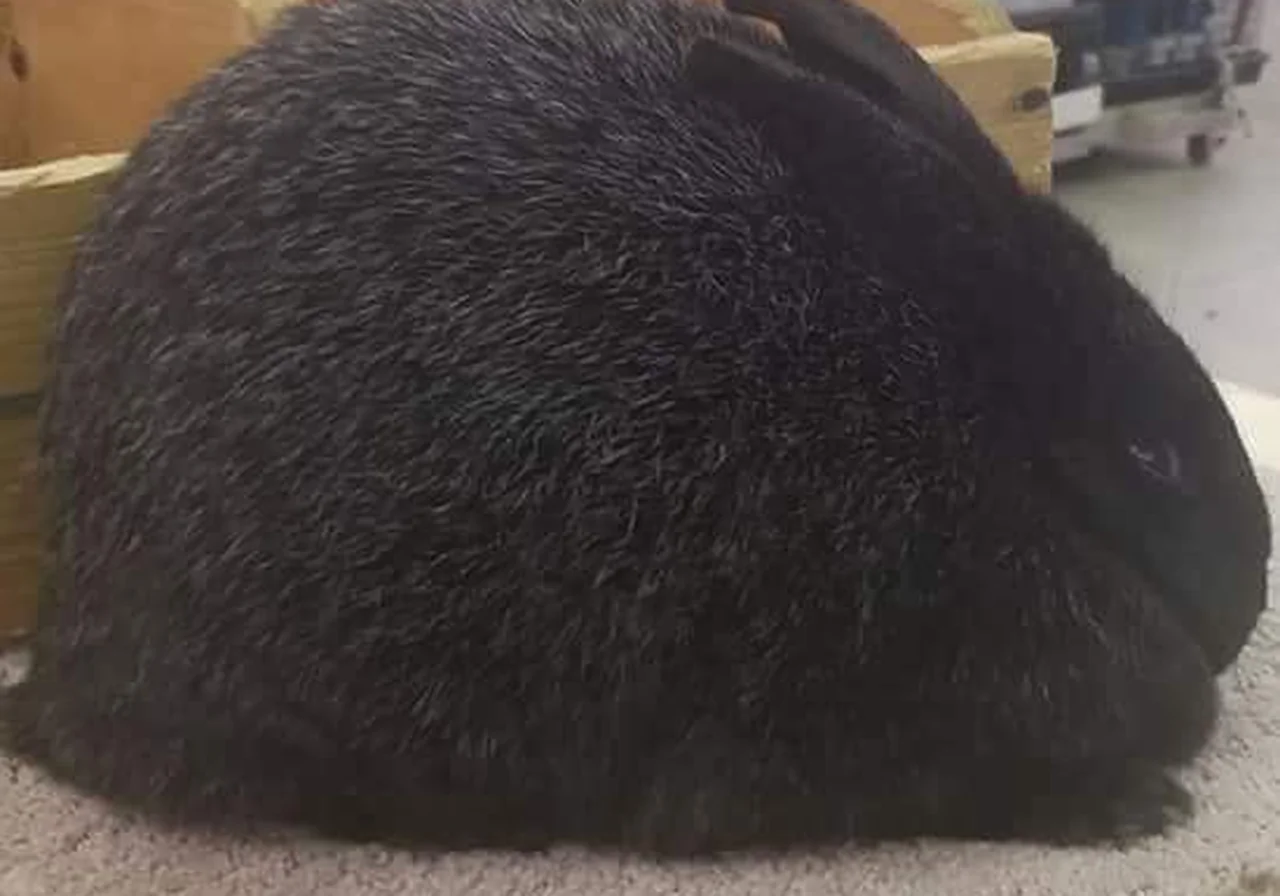
The Silver Fox is a rare American breed with long fur that stands upright when stroked forward — giving a silver-tipped, standing coat unique among rabbits. Its defining trait is striking pelage combined with a gentle, calm temperament.
What are the key facts about a Silver Fox?
The Silver Fox is a rabbit breed from United States: large (4–5.5 kg), gentle, rare, striking coat. Silvery tipped fur that stands upright when stroked.
| Origin | United States |
|---|---|
| Size | Large (4–5.5 kg) |
| Adult weight | 4–5.5 kg (9–12 lb); large frame |
| Lifespan | 7–12 years |
| Coat type | Medium-length fur with white or silver tipping on dark base hairs, creating a frosted appearance. When stroked from tail to head, fur stands erect — a breed hallmark. Groom weekly and thoroughly during moults to prevent fur block. Only black Silver Fox is recognised in current ARBA standards. |
| Temperament | Gentle, rare, striking coat |
| Best suited to | Ideal for owners seeking a large, calm rabbit with unusual coat character. Silver Fox rabbits suit indoor homes with soft flooring and owners who enjoy grooming. Their docile nature helps therapy and companion roles when socialised consistently. |
Is a Silver Fox a good rabbit for you?
A Silver Fox is a good rabbit when your home matches ideal for owners seeking a large, calm rabbit with unusual coat character. silver fox rabbits suit indoor homes with soft flooring and owners who enjoy grooming. their docile nature helps therapy and companion roles when socialised consistently.. It is a gentle, rare, striking coat large (4–5.5 kg) breed from United States.
Silvery tipped fur that stands upright when stroked. That one-line pitch is not a care plan. Factor grooming (Medium-length fur with white or silver tipping on dark base hairs, creating a frosted appearance. When stroked from tail to head, fur stands erect — a breed hallmark. Groom weekly and thoroughly during moults to prevent fur block. Only black Silver Fox is recognised in current ARBA standards.), typical adult size (4–5.5 kg (9–12 lb); large frame), and the health issues listed below before you pay a deposit.
Meet adults of the breed, not only puppies or kittens, and prefer rescue or health-screened homes. A Silver Fox that looks right in a photo can still be the wrong animal for a small flat, a full-time office job, or a household that wanted a low-energy companion.
What is a Silver Fox?
Silvery tipped fur that stands upright when stroked. Origin is United States; coat or markings are described as Medium-length fur with white or silver tipping on dark base hairs, creating a frosted appearance. When stroked from tail to head, fur stands erect — a breed hallmark. Groom weekly and thoroughly during moults to prevent fur block. Only black Silver Fox is recognised in current ARBA standards..
Kennel and registry labels describe a type. Individual Silver Foxs still vary, and rescue animals may be mixes.
Where does the Silver Fox come from?
Silver Foxs come from United States. Walter Garland developed Silver Fox rabbits in North Canton, Ohio, crossing Checkered Giants with other breeds to achieve silver-tipped standing fur.
The breed was recognised in the 1920s and nearly vanished before dedicated breeders rebuilt numbers. It remains listed on conservation priority lists due to small population size.
That origin still shows. A Silver Fox is large (4–5.5 kg) and gentle, rare, striking coat, typically living 7–12 years. Use the history as context for care and conservation, not as folklore to repeat without sources.
How much care does a Silver Fox need?
Plan 7–12 years of food, vet care, grooming and time. A Silver Fox is large (4–5.5 kg) (4–5.5 kg (9–12 lb); large frame) from United States, with coat care described as medium-length fur with white or silver tipping on dark base hairs, creating a frosted appearance. when stroked from tail to head, fur stands erect — a breed hallmark. groom weekly and thoroughly during moults to prevent fur block. only black silver fox is recognised in current arba standards..
Match daily exercise to the gentle, rare, striking coat temperament rather than to Instagram.
Grooming follows the coat, not a generic clip: Medium-length fur with white or silver tipping on dark base hairs, creating a frosted appearance. When stroked from tail to head, fur stands erect — a breed hallmark. Groom weekly and thoroughly during moults to prevent fur block. Only black Silver Fox is recognised in current ARBA standards.. Keep the animal lean; extra weight is a joint and heart tax, especially in a large rabbit.
Budget for unexpected vet bills. The health section below is why “cheap to buy” is not the same as cheap to keep.
What surprises people about the Silver Fox?
A few details about the breed, alongside the practical care information in this guide.
- Silver Fox fur stands upright when brushed toward the head — unlike any other breed.
- The breed was developed in Ohio, not related to silver fox canines.
- Silver Fox rabbits are on rare breed conservation watch lists.
- Only black variety is currently ARBA-recognised, though blue existed historically.
What health issues should you know about in a Silver Fox?
Health concerns to discuss with your vet, including changes to watch for and everyday care. This is general guidance, not veterinary advice — always speak to your vet.
Obesity
Large, calm rabbits gain weight when diet and exercise are not managed, stressing joints and organs.
Care: Feed hay-first rations and encourage daily movement. Weigh regularly with your vet's target in mind.
Dental malocclusion
Overgrown molars or incisors cause pain and reduced fibre intake.
Care: Schedule routine dental checks and address overgrowth promptly.
Gastrointestinal stasis
Fur ingestion during moults plus low fibre intake increases obstruction risk.
Care: Increase grooming during moults and seek emergency care if appetite drops.
Who should skip a Silver Fox?
Skip a Silver Fox if you are homes that cannot match a gentle, rare, striking coat large (4–5.5 kg) rabbit from United States. This United States rabbit is large (4–5.5 kg) and gentle, rare, striking coat — the mismatch is usually lifestyle, not a missing accessory.
This page is allowed to say no. Skip if you are homes that cannot match a gentle, rare, striking coat large (4–5.5 kg) rabbit from United States.
A different rabbit breed on this site may fit. Wanting “a Silver Fox” after a film or a colour photo is not a reason to ignore the skip list.
What are the hidden catches with a Silver Fox?
The hidden cost of a Silver Fox is usually not the purchase price. It is years of care, the health list on this page, and the mismatch between a gentle, rare, striking coat animal and a busy home.
The impulse-buy catch
A Silver Fox from United States is often sold on looks. Coat, colour and size are not a temperament test. Meet the adult animal, ask about health screening, and walk away from pressure sales.
The obesity catch
Large, calm rabbits gain weight when diet and exercise are not managed, stressing joints and organs. Feed hay-first rations and encourage daily movement. Weigh regularly with your vet's target in mind.
The dental malocclusion catch
Overgrown molars or incisors cause pain and reduced fibre intake. Schedule routine dental checks and address overgrowth promptly.
How does a Silver Fox compare with Jersey Wooly and Polish?
A Silver Fox is not interchangeable with Jersey Wooly and Polish. Compare origin, size, lifespan and temperament before you choose — those four lines prevent most regret.
| Rabbit fact | Silver Fox | Jersey Wooly | Polish |
|---|---|---|---|
| Origin | United States | United States | England |
| Size | Large (4–5.5 kg) | Small (1–1.6 kg) | Small (0.9–1.6 kg) |
| Lifespan | 7–12 years | 7–12 years | 7–12 years |
| Temperament | Gentle, rare, striking coat | Gentle, fluffy, pet-sized | Active, fine-boned, showy |
What is the verdict on the Silver Fox?
Choose a Silver Fox only if the care, skip-if and health sections still look like your life after a week of thinking. Otherwise pick a different rabbit or wait. Rescue is usually the better first door than a waiting-list puppy or kitten.
If the match is real, budget for 7–12 years of vet care and do not skip health screening. If it is not, walking away is the kind choice — for you and for the animal.
Rabbits deserve proper care
Pet rabbits are often misunderstood — confined alone, fed poorly, or abandoned when novelty fades. While WARN's funded rescue work focuses on our partner-network countries, these guides support responsible ownership and point toward our broader welfare mission.