Rabbit Breed · Netherlands
Holland Lop
The world's favourite lop — compact, floppy-eared and big on personality.
By WARN Research & Conservation TeamLast updated
In brief
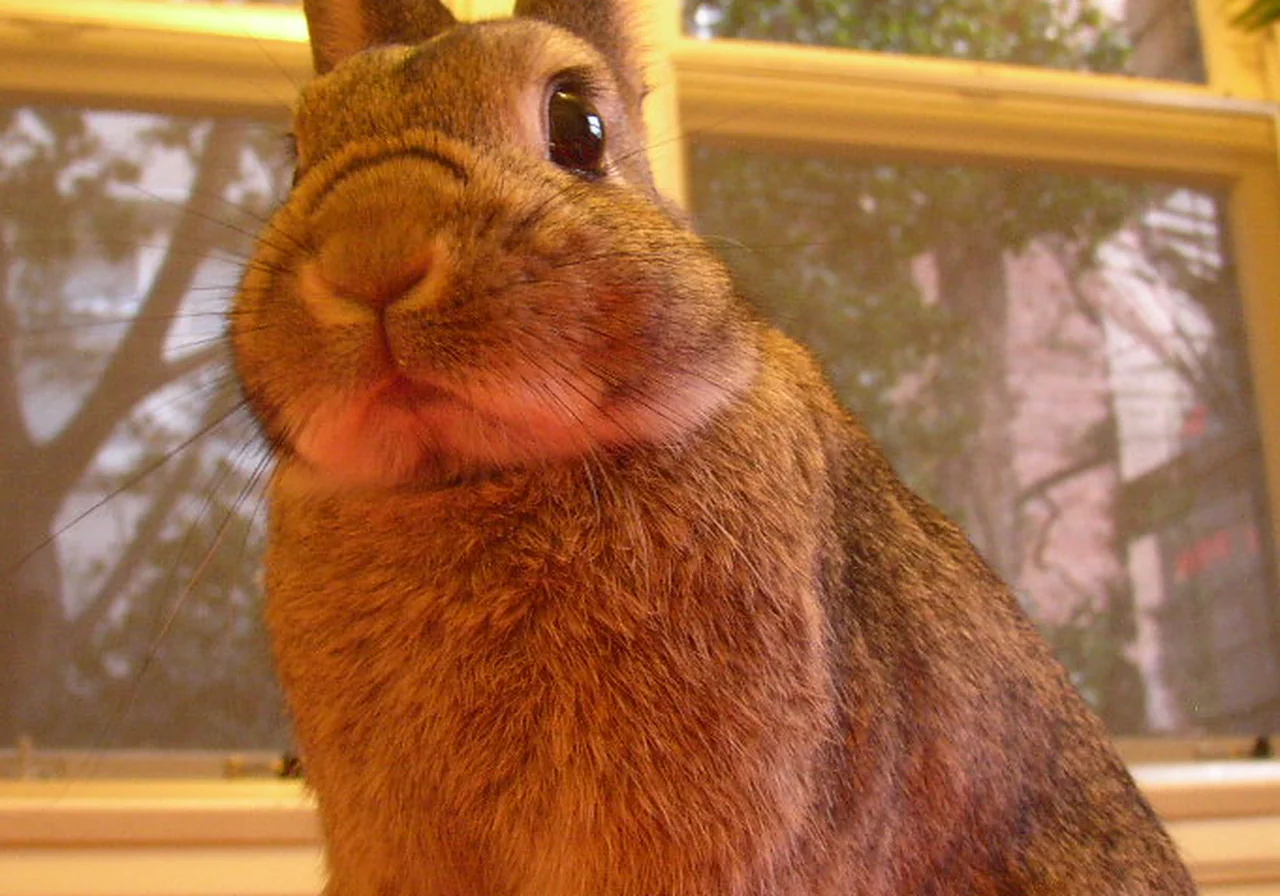
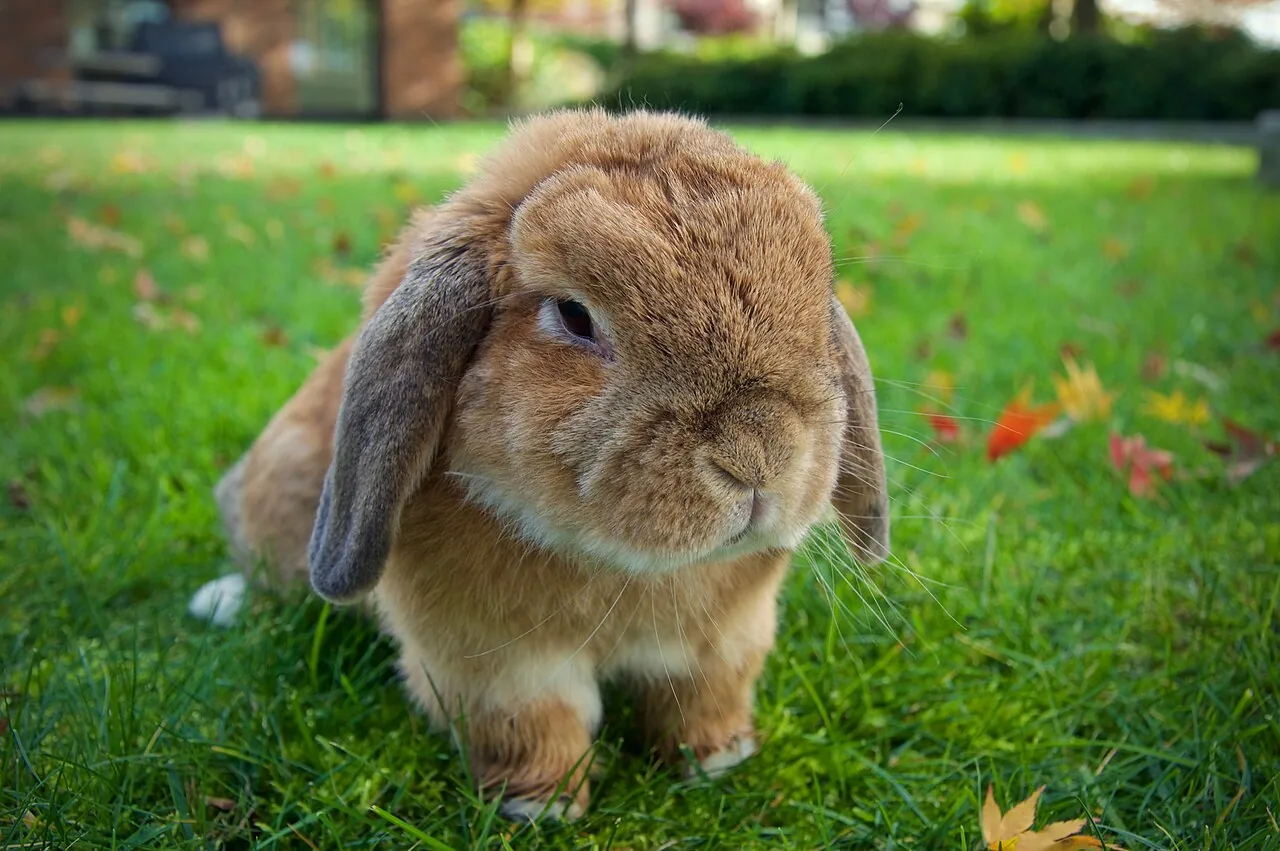
The Holland Lop is a small lop-eared rabbit breed from the Netherlands, prized as a pet for its compact size, floppy ears and affectionate temperament when well socialised.
What are the key facts about a Holland Lop?
The Holland Lop is a rabbit breed from Netherlands: small (1.4–1.8 kg), friendly, curious, sometimes shy. The world's favourite lop — compact, floppy-eared and big on personality.
| Origin | Netherlands |
|---|---|
| Size | Small (1.4–1.8 kg) |
| Adult weight | 1.4–1.8 kg (3–4 lb) |
| Lifespan | 7–12 years |
| Coat type | Short, dense rollback fur in many colours and patterns |
| Temperament | Friendly, curious, sometimes shy |
| Best suited to | Indoor homes, gentle owners, pairs or bonded companions with slow introductions |
Is a Holland Lop a good rabbit for you?
A Holland Lop is a good rabbit when your home matches indoor homes, gentle owners, pairs or bonded companions with slow introductions. It is a friendly, curious, sometimes shy small (1.4–1.8 kg) breed from Netherlands.
The world's favourite lop — compact, floppy-eared and big on personality. That one-line pitch is not a care plan. Factor grooming (Short, dense rollback fur in many colours and patterns), typical adult size (1.4–1.8 kg (3–4 lb)), and the health issues listed below before you pay a deposit.
Meet adults of the breed, not only puppies or kittens, and prefer rescue or health-screened homes. A Holland Lop that looks right in a photo can still be the wrong animal for a small flat, a full-time office job, or a household that wanted a low-energy companion.
What is a Holland Lop?
The world's favourite lop — compact, floppy-eared and big on personality. Origin is Netherlands; coat or markings are described as Short, dense rollback fur in many colours and patterns.
Kennel and registry labels describe a type. Individual Holland Lops still vary, and rescue animals may be mixes.
Where does the Holland Lop come from?
Holland Lops come from Netherlands. Holland Lops were developed by Adriann de Cock in the Netherlands by crossing French Lops with Netherland Dwarfs to create a miniature lop.
The breed spread rapidly through Europe and North America as a show and companion rabbit.
That origin still shows. A Holland Lop is small (1.4–1.8 kg) and friendly, curious, sometimes shy, typically living 7–12 years. Use the history as context for care and conservation, not as folklore to repeat without sources.
How much care does a Holland Lop need?
Plan 7–12 years of food, vet care, grooming and time. A Holland Lop is small (1.4–1.8 kg) (1.4–1.8 kg (3–4 lb)) from Netherlands, with coat care described as short, dense rollback fur in many colours and patterns.
Match daily exercise to the friendly, curious, sometimes shy temperament rather than to Instagram.
Grooming follows the coat, not a generic clip: Short, dense rollback fur in many colours and patterns. Keep the animal lean; extra weight is a joint and heart tax, especially in a small rabbit.
Budget for unexpected vet bills. The health section below is why “cheap to buy” is not the same as cheap to keep.
What surprises people about the Holland Lop?
A few details about the breed, alongside the practical care information in this guide.
- Holland Lops are one of the smallest lop-eared breeds.
- Their ears should hang evenly on both sides when relaxed.
- They can learn litter training and simple agility with positive reinforcement.
- Despite the name, the breed was refined in the Netherlands, not Holland as a modern country label alone.
What health issues should you know about in a Holland Lop?
Health concerns to discuss with your vet, including changes to watch for and everyday care. This is general guidance, not veterinary advice — always speak to your vet.
Dental malocclusion
Teeth grow continuously; misalignment causes drooling, weight loss or eye problems.
Care: Unlimited hay, regular vet dental checks and prompt treatment of overgrown teeth.
Gastrointestinal stasis
Slow gut motility is a life-threatening emergency causing reduced appetite and small droppings.
Care: Seek urgent vet care; prevention includes hay-rich diet, hydration and stress reduction.
Ear infections
Lop ears trap moisture and debris, increasing infection risk.
Care: Keep ears clean and dry; consult a vet if head shaking or odour occurs.
Who should skip a Holland Lop?
Skip a Holland Lop if you are homes that cannot match a friendly, curious, sometimes shy small (1.4–1.8 kg) rabbit from Netherlands. This Netherlands rabbit is small (1.4–1.8 kg) and friendly, curious, sometimes shy — the mismatch is usually lifestyle, not a missing accessory.
This page is allowed to say no. Skip if you are homes that cannot match a friendly, curious, sometimes shy small (1.4–1.8 kg) rabbit from Netherlands.
A different rabbit breed on this site may fit. Wanting “a Holland Lop” after a film or a colour photo is not a reason to ignore the skip list.
What are the hidden catches with a Holland Lop?
The hidden cost of a Holland Lop is usually not the purchase price. It is years of care, the health list on this page, and the mismatch between a friendly, curious, sometimes shy animal and a busy home.
The impulse-buy catch
A Holland Lop from Netherlands is often sold on looks. Coat, colour and size are not a temperament test. Meet the adult animal, ask about health screening, and walk away from pressure sales.
The dental malocclusion catch
Teeth grow continuously; misalignment causes drooling, weight loss or eye problems. Unlimited hay, regular vet dental checks and prompt treatment of overgrown teeth.
The gastrointestinal stasis catch
Slow gut motility is a life-threatening emergency causing reduced appetite and small droppings. Seek urgent vet care; prevention includes hay-rich diet, hydration and stress reduction.
How does a Holland Lop compare with Netherland Dwarf and Lionhead?
A Holland Lop is not interchangeable with Netherland Dwarf and Lionhead. Compare origin, size, lifespan and temperament before you choose — those four lines prevent most regret.
| Rabbit fact | Holland Lop | Netherland Dwarf | Lionhead |
|---|---|---|---|
| Origin | Netherlands | Netherlands | Belgium/France |
| Size | Small (1.4–1.8 kg) | Small (0.9–1.2 kg) | Small (1.1–1.7 kg) |
| Lifespan | 7–12 years | 7–10 years | 7–10 years |
| Temperament | Friendly, curious, sometimes shy | Energetic, bold, can be nippy if unsocialised | Friendly, playful, confident |
What is the verdict on the Holland Lop?
Choose a Holland Lop only if the care, skip-if and health sections still look like your life after a week of thinking. Otherwise pick a different rabbit or wait. Rescue is usually the better first door than a waiting-list puppy or kitten.
If the match is real, budget for 7–12 years of vet care and do not skip health screening. If it is not, walking away is the kind choice — for you and for the animal.
Rabbits deserve proper care
Pet rabbits are often misunderstood — confined alone, fed poorly, or abandoned when novelty fades. While WARN's funded rescue work focuses on our partner-network countries, these guides support responsible ownership and point toward our broader welfare mission.