Wildlife Guide · Every continent except Australia and Antarctica
Otter
Subfamily Lutrinae — 13 species of aquatic mustelids worldwide
River acrobats and kelp-forest hunters — mustelids built for water on every continent.
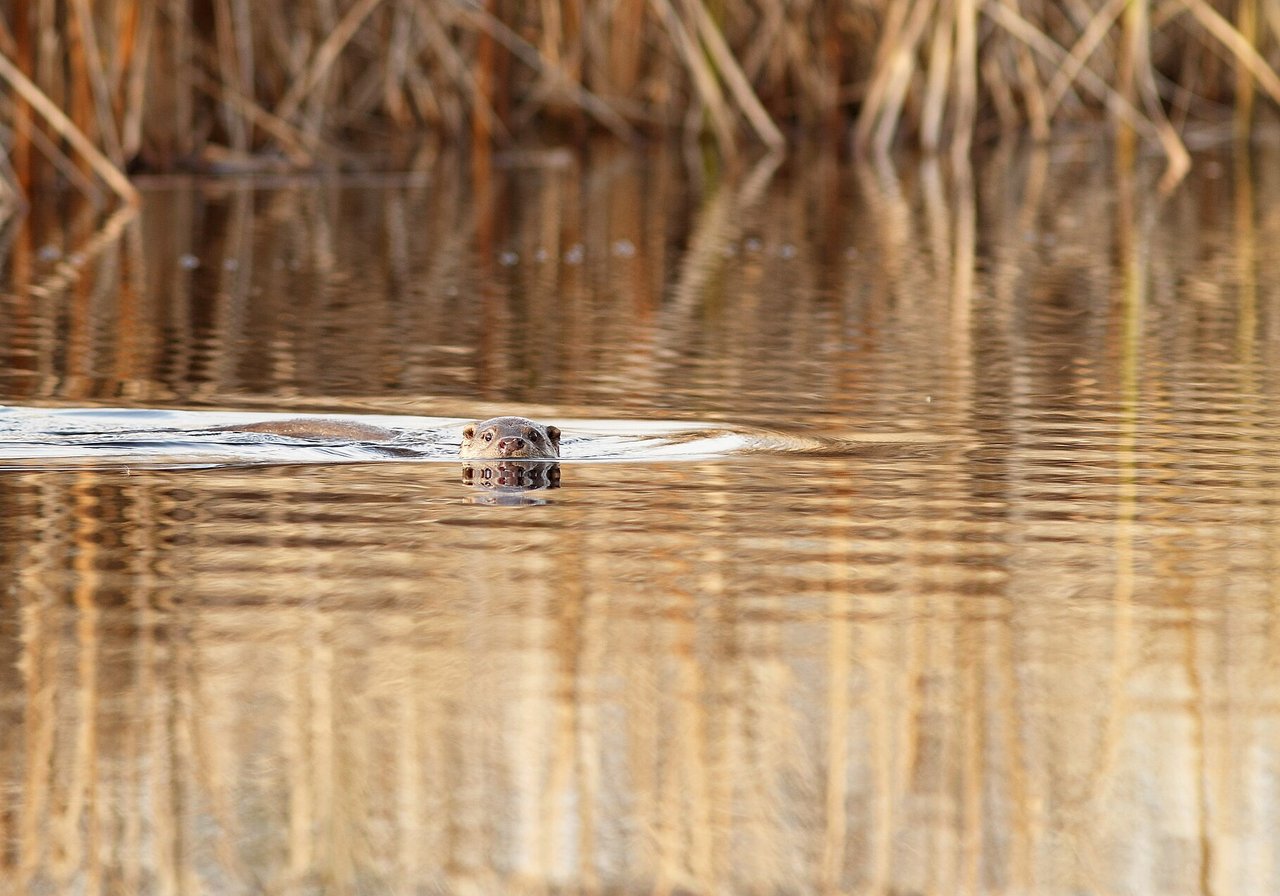
Source: Wikimedia Commons
In brief
Otters are 13 species of aquatic mustelids worldwide — from the Endangered giant otter of South America to the recovering sea otter of the Pacific; status ranges from Least Concern to Endangered.
Also in Animals A to Z · Animals that start with O
By WARN Research & Conservation TeamLast updated
Otters are semi-aquatic carnivorans of the weasel family (Mustelidae), subfamily Lutrinae. Thirteen species range from the giant otter of Amazonian rivers — the longest mustelid at up to 1.8 metres — to the sea otter of North Pacific kelp forests, a keystone predator that uses tools to crack shellfish. Otters have dense waterproof fur, webbed feet and sensitive whiskers for detecting prey underwater. Conservation status varies sharply: North American river otters are Least Concern after recovery, while the giant otter is Endangered and the hairy-nosed otter of South-east Asia is Endangered. This page is the otter family hub — see WARN guides for giant otter and sea otter.
13
Recognised otter species (Lutrinae)
1 million
Hairs per square inch in sea otter fur
Endangered
IUCN status — giant otter and hairy-nosed otter
CITES I/II
International trade regulated by species
Figures sourced from IUCN Red List — Lutrinae, International Otter Survival Fund, Monterey Bay Aquarium — sea otters .
Otter: Quick Facts
| Species | 13 otter species worldwide |
|---|---|
| Related guides | Giant otter, sea otter |
| Fur | Densest of any mammal — sea otter |
| Diet | Fish, crustaceans, molluscs |
| Main threats | Pollution, nets, fur trade, habitat loss |
| CITES | Appendix I or II by species |
Scientific Classification
| Kingdom | Animalia |
|---|---|
| Class | Mammalia |
| Order | Carnivora |
| Family | Mustelidae |
| Subfamily | Lutrinae |
Conservation Status
- IUCN Status
- Varies. Giant otter and hairy-nosed otter Endangered; North American river otter Least Concern.
- Population
- Varies — giant otter fewer than 5,000; sea otter roughly 100,000–150,000
- Trend
- Decreasing for giant and Asian otters; increasing for some recovered populations
- Assessed
- Varies by species
- CITES
- Appendix I or II depending on species
Key Facts: Otter
- Otters belong to the weasel family — not seals or beavers despite shared aquatic habits.
- Sea otters are keystone predators in kelp forests — their loss allows sea urchin overgrazing.
- The giant otter is the longest mustelid and Endangered across Amazonian river systems.
- Pollution, fishing nets and habitat loss threaten river otters globally.
- WARN publishes guides for giant otter and sea otter.
- Otter fur trade historically devastated populations; legal protection enabled partial recovery.
River otters, sea otters and giant otters
Otters divide into freshwater and marine specialists. River otters — Eurasian, North American, smooth-coated and spotted-necked otters — hunt fish, crayfish and amphibians in lakes, rivers and wetlands. They are playful, social in some species and occupy territories marked with spraint (scented droppings) on prominent rocks.
Sea otters (Enhydra lutris) live almost entirely at sea in North Pacific kelp forests, wrapping in kelp to sleep and using stones as anvils to break open sea urchins, clams and abalone. They lack the insulating blubber of seals, relying instead on the densest fur of any mammal — up to one million hairs per square inch.
The giant otter (Pteronura brasiliensis) of Amazonian and Pantanal rivers is a separate lineage — up to 1.8 metres long, living in family groups that hunt cooperatively. It is Endangered from gold mining pollution, overfishing and habitat loss. WARN's giant otter and sea otter guides cover these flagship species in detail.
Adaptations for aquatic life
Otter bodies are streamlined for swimming: short limbs, webbed feet, muscular tails and nostrils and ears that close underwater. Whiskers detect prey movement in murky water. River otters can hold breath for several minutes; sea otters dive for food but surface frequently because their fur traps air for insulation.
Pup rearing differs by species. Sea otter mothers float with pups on their chests, grooming constantly to maintain buoyancy and warmth. Giant otter families share pup care within the group. River otter pups are born in holts — burrows or cavities — along riverbanks.
These adaptations make otters sensitive barometers of water quality. Pesticide runoff, mercury from gold mining and entanglement in fishing gear kill otters directly and remove prey.
Threats and conservation
Historically, otter fur drove commercial hunting that eliminated sea otters from much of their range and reduced river otter populations across Europe and North America. Legal protection and reintroduction programmes recovered North American river otters and parts of the sea otter population, though the southern sea otter remains below historical numbers.
Today, giant otters face mercury from artisanal gold mining in the Amazon, conflict with fishermen and habitat fragmentation. Asian otters — smooth-coated, hairy-nosed and small-clawed — are trapped for the illegal pet trade and fur. Entanglement in fishing nets kills otters on every continent.
Wetland protection, clean-water regulation and anti-poaching patrols in protected areas are the most effective measures. Brazil and Colombia — WARN partner countries — hold giant otter populations needing intact river systems.
Otters and people
Otters appear in folklore from Native American trickster tales to Japanese river spirits. Today they are popular in media — but wild otters are not pets. Social-media demand for Asian small-clawed otters as exotic pets drives illegal trapping with high mortality in transit.
Responsible engagement means supporting clean rivers, avoiding otter cafés and pet purchases, and learning about species-level conservation needs. Ecotourism that respects distance can fund habitat protection where giant otters persist in Brazil's Pantanal.
What WARN Does
WARN publishes free education on aquatic mammals and habitat health. Giant otters share Amazonian rivers with partners in Brazil and Colombia — where clean water and anti-poaching work benefit entire freshwater ecosystems.
If this guide helps you understand wildlife and the pressures it faces, a gift to WARN supports habitat protection and free public education in our partner countries.
Otter: Frequently Asked Questions
How many otter species are there?
What is the biggest otter?
Are sea otters endangered?
Why do sea otters hold hands?
What do otters eat?
Where do otters live?
Are otters dangerous?
How long do otters live?
How big is an otter?
Sources & References
Population figures, conservation status and biological facts on this page are drawn from authoritative scientific and intergovernmental sources.
Terms used on this page
Plain-English definitions, from our wildlife and conservation glossary.
Explore more animals
Discover more animals, their habitats and their conservation status in the WARN wildlife-guide library.