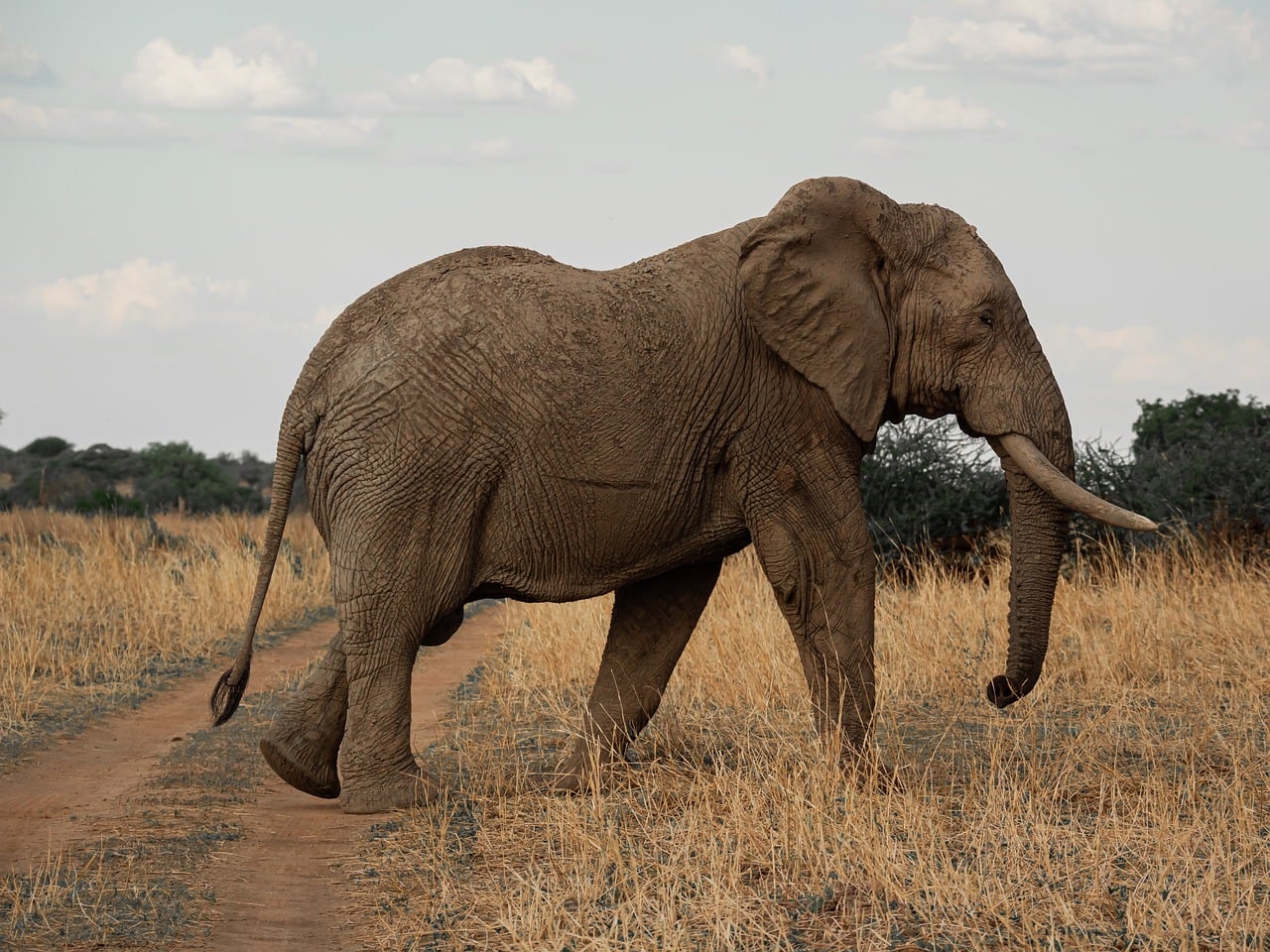
For most of modern conservation history, "the African elephant" was treated as one species. In 2021, the IUCN formally recognised what genetic and morphological evidence had long suggested: two distinct species. The African savanna elephant (Loxodonta africana) is now listed as Endangered. The smaller, rounder-eared African forest elephant (Loxodonta cyclotis) of Central and West African forests is listed as Critically Endangered.
WARN is preparing to operate in Kenya and Tanzania, two countries that between them host one of the largest remaining savanna elephant populations in the world.
How many African elephants are left?
The most recent IUCN estimates put the total wild population at around 415,000 across both species — down from an estimated 1.3 million in 1979. Savanna elephant declines have averaged around 60% over the last 50 years; forest elephant declines have averaged around 86% over 30 years.
The threats
- Ivory poaching. UNODC's World Wildlife Crime Report describes elephant ivory trafficking as one of the largest and most professionalised wildlife-crime supply chains. Demand markets are concentrated in East and Southeast Asia, with seizure data implicating Vietnam, China and several transit countries.
- Habitat loss. Conversion of savanna to farmland and forest to plantations is squeezing both species into smaller, increasingly disconnected areas. Forest elephants in particular are sensitive to road-building and habitat fragmentation.
- Human-elephant conflict. Crop-raiding elephants are speared, shot or poisoned. Elephant retaliation against humans causes dozens of deaths in East Africa each year.
- Snaring. Wire snares set for bushmeat regularly catch elephants — particularly juveniles — as bycatch. Veterinary darting and snare removal are core anti-snaring fieldwork.
What is working
Anti-poaching has materially reduced ivory-driven mortality in Kenya, Tanzania, Botswana and Namibia over the last decade, even as overall numbers continued to fall. Community-based conservancies that share tourism income with pastoralist communities have produced measurable reductions in retaliatory killing in northern Kenya in particular.
How WARN fits in
Elephants are not yet a stand-alone WARN appeal. Our planned work in Kenya and Tanzania will address one of the major non-poaching causes of elephant injury — wire snares set for bushmeat — and our long-term ambition is to support partner work on the welfare end of the wider East African elephant crisis as our country operations mature.
Sources: IUCN Red List, UNEP-WCMC, CITES, UNODC World Wildlife Crime Report.
We need your support to make this happen
World Animal Rescue Network is at the launch stage of this work. We do not yet have rescue numbers to share — and that is exactly why your support matters now. Every donation helps us put trained teams on the ground, secure veterinary supplies and equipment, and reach the first animals before they are lost.
Donate today to fund our first deployments, or sponsor an animal to back a specific species through rehabilitation. You can also join the network as a volunteer, fundraiser, or monthly supporter.