The African wild dog (Lycaon pictus) — increasingly called the painted wolf in conservation literature — is one of the most socially cooperative and most steeply declining of Africa's carnivores. Where lions and elephants get the photographs, wild dogs get the snares.
WARN is preparing to operate in Kenya and Tanzania, two countries that hold meaningful African wild dog populations — and that have some of the most active anti-snaring rescue work on the continent.
How many wild dogs are left?
The IUCN Red List estimates around 6,600 mature individuals across all of Sub-Saharan Africa, in fragmented populations. Strongholds include the Selous-Niassa ecosystem (Tanzania and Mozambique), the Okavango (Botswana), Kruger (South Africa), Zimbabwe's lowveld and northern Kenya.
Why wild dogs are Endangered
- Snaring. Wide-ranging pack carnivores are disproportionately exposed to snare lines set for bushmeat species. Snares are the leading non-disease cause of wild-dog pack disruption documented by long-term studies.
- Habitat fragmentation. Wild dogs need extremely large home ranges — a single pack can use 500-2,000 km². As savannas are fenced and converted, pack viability drops.
- Retaliatory killing. Packs that take livestock are shot, speared or poisoned. Wild dogs are highly visible during daytime hunts, which makes them easier to kill than nocturnal carnivores.
- Vaccine-preventable disease. Canine distemper and rabies — both transmissible from domestic dogs — have repeatedly wiped out small wild-dog populations. This is one of the few wildlife-rescue problems with a direct solution: vaccinate domestic dogs in adjacent communities.
What is working
Snare-removal patrols, rapid-response veterinary teams that can dart and treat snared dogs, and domestic-dog vaccination programmes in communities adjacent to wild-dog range are the three interventions with the strongest evidence base. Tourism conservancies that share revenue with pastoralist communities have repeatedly reduced retaliatory killing.
How WARN fits in
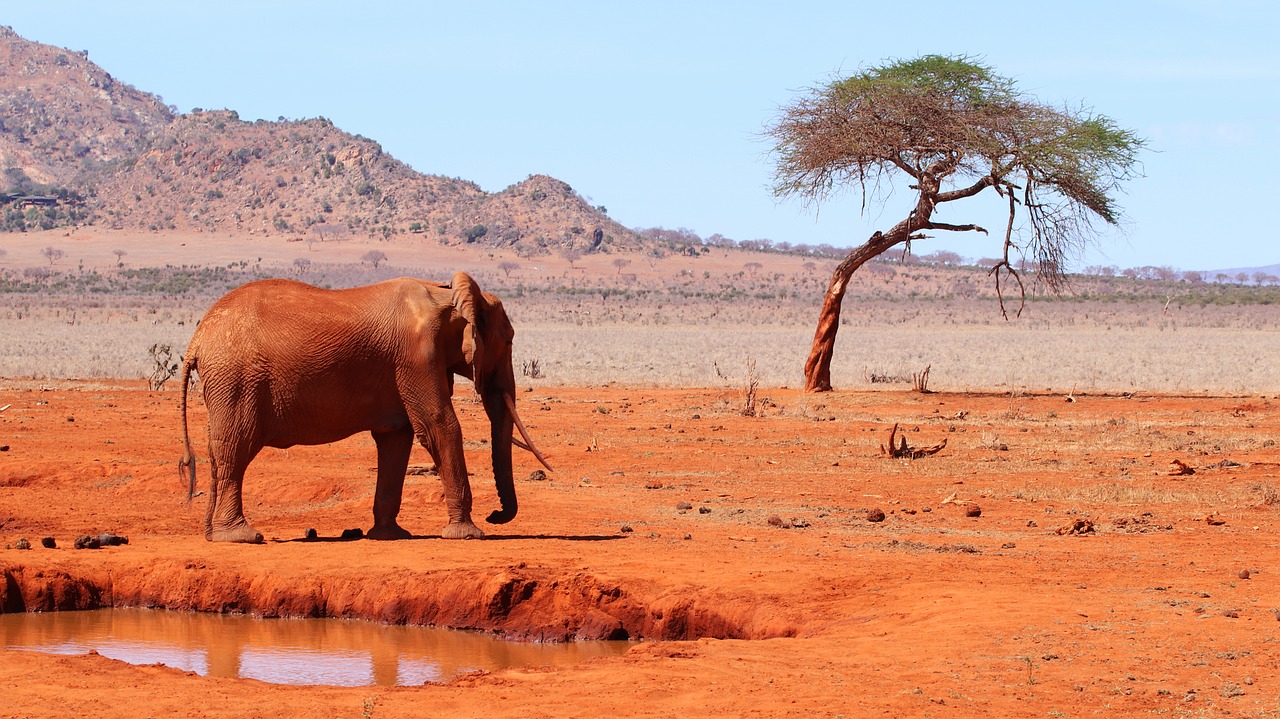
Wild dogs are one of the species our Elephant Appeal is most directly designed to help. Snare-removal patrols and snared-animal veterinary response are core to the appeal, and African wild dogs benefit as much as any other species from this work — possibly more.
Sources: IUCN Red List, UNEP-WCMC, CITES Appendix II listing.
We need your support to make this happen
World Animal Rescue Network is at the launch stage of this work. We do not yet have rescue numbers to share — and that is exactly why your support matters now. Every donation helps us put trained teams on the ground, secure veterinary supplies and equipment, and reach the first animals before they are lost.
Donate today to fund our first deployments, or sponsor an animal to back a specific species through rehabilitation. You can also join the network as a volunteer, fundraiser, or monthly supporter.