The African lion (Panthera leo) is the most recognisable of all African wildlife, and one of the most steeply declining. The IUCN's most recent assessment estimates that lion numbers have fallen by approximately 43% over three lion generations — roughly 21 years. The species is now extinct across more than 90% of its historic range, and the West African subpopulation is listed as Critically Endangered.
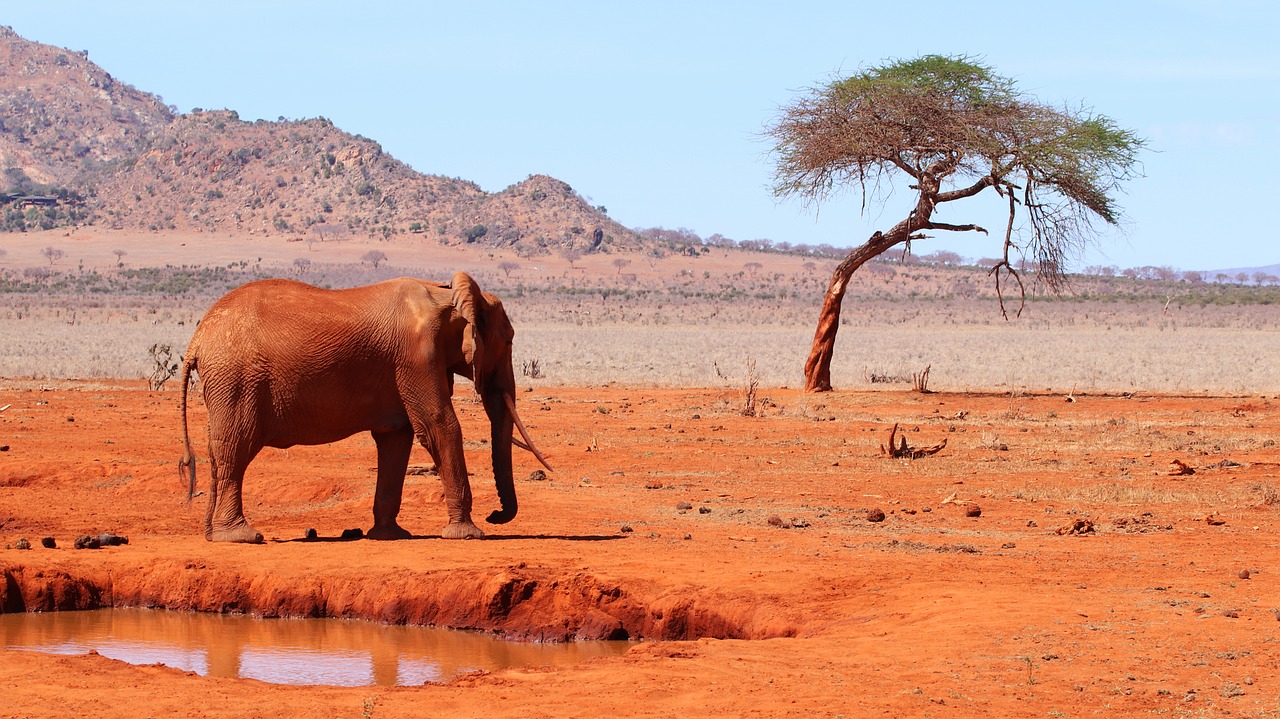
WARN is preparing to operate in Kenya and Tanzania, two of the East African strongholds that together hold a meaningful proportion of the remaining global wild lion population.
How many wild lions are left?
The IUCN Red List gives a global wild population estimate of 23,000-39,000 individuals. The bulk are in East and Southern Africa — Tanzania, Kenya, Botswana, South Africa, Zambia, Zimbabwe and Mozambique — with smaller populations in Central and West Africa.
The drivers of lion decline
- Habitat loss and prey depletion. Lion ranges are being converted to farmland and grazing land for cattle, and the wild ungulates lions depend on are being replaced by livestock.
- Retaliatory killing. Lions that take cattle are routinely poisoned or speared. Poisons, particularly agricultural carbamates, kill not only the offending lion but vultures and scavengers that feed on the carcass.
- Snaring. Wire snares set for bushmeat species — wildebeest, zebra, antelope — regularly catch lions as bycatch. This is the exact problem WARN's Elephant Appeal is designed to address.
- Illegal wildlife trade. Lion bones, claws and teeth are trafficked into the same Southeast Asian markets that drive tiger and snow leopard demand. CITES has tightened controls on lion-bone exports.
What is working
Predator-proof "boma" corrals, community-based conservancies that share tourism revenue with pastoralist communities, and verified livestock-compensation schemes have all produced measurable reductions in retaliatory lion killing in Kenya. Anti-snaring patrols and rapid-response veterinary darting are the standard tools for lions caught in snares.
How WARN fits in
Lions are not WARN's main programme — we are not building lion-specific rescue capacity from scratch. But our Elephant Appeal in Kenya and Tanzania directly addresses one of the largest causes of non-targeted lion injury and death, and our partner work supports the wider East African anti-poaching and welfare ecosystem in which lion recovery happens.
Sources: IUCN Red List, UNEP-WCMC, CITES Appendix II listing, UNODC World Wildlife Crime Report.
We need your support to make this happen
World Animal Rescue Network is at the launch stage of this work. We do not yet have rescue numbers to share — and that is exactly why your support matters now. Every donation helps us put trained teams on the ground, secure veterinary supplies and equipment, and reach the first animals before they are lost.
Donate today to fund our first deployments, or sponsor an animal to back a specific species through rehabilitation. You can also join the network as a volunteer, fundraiser, or monthly supporter.