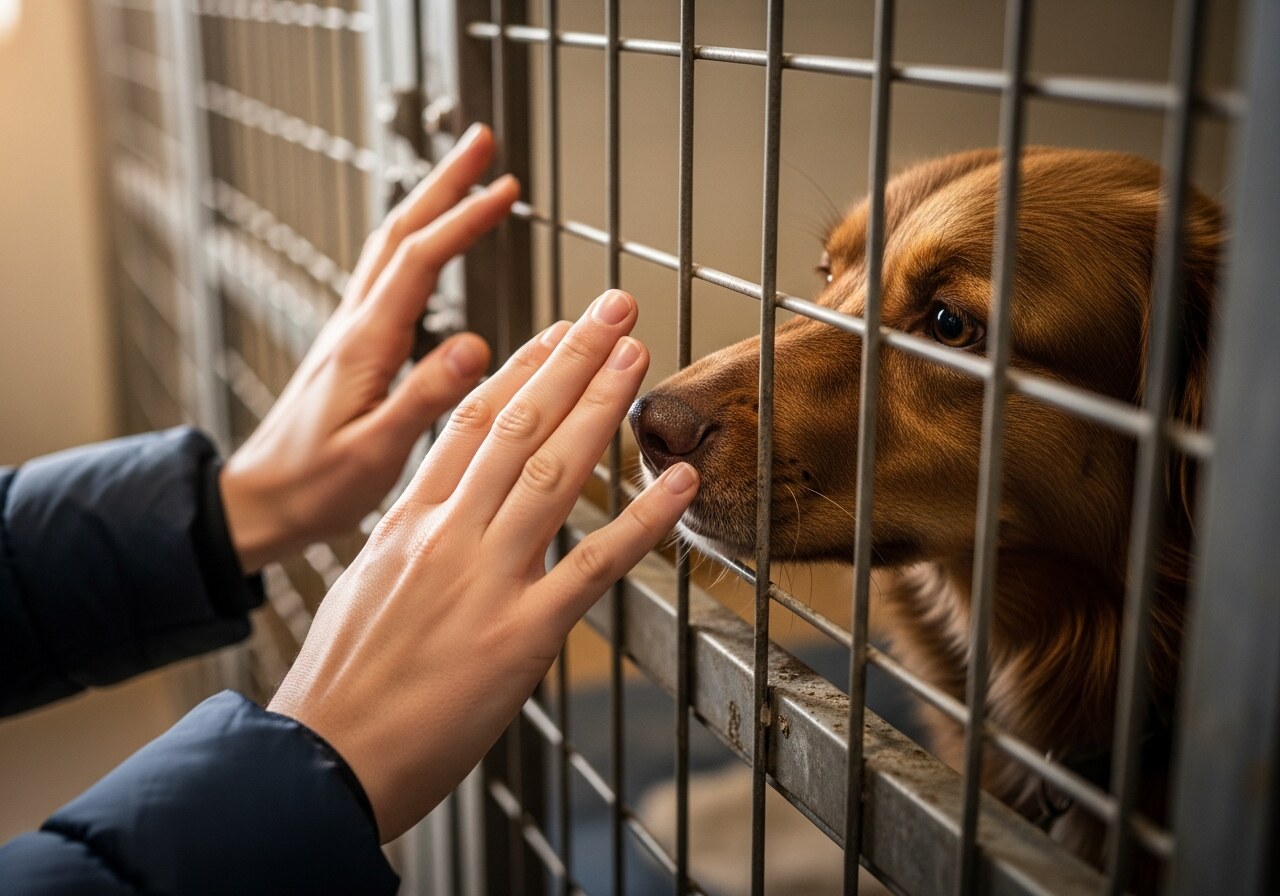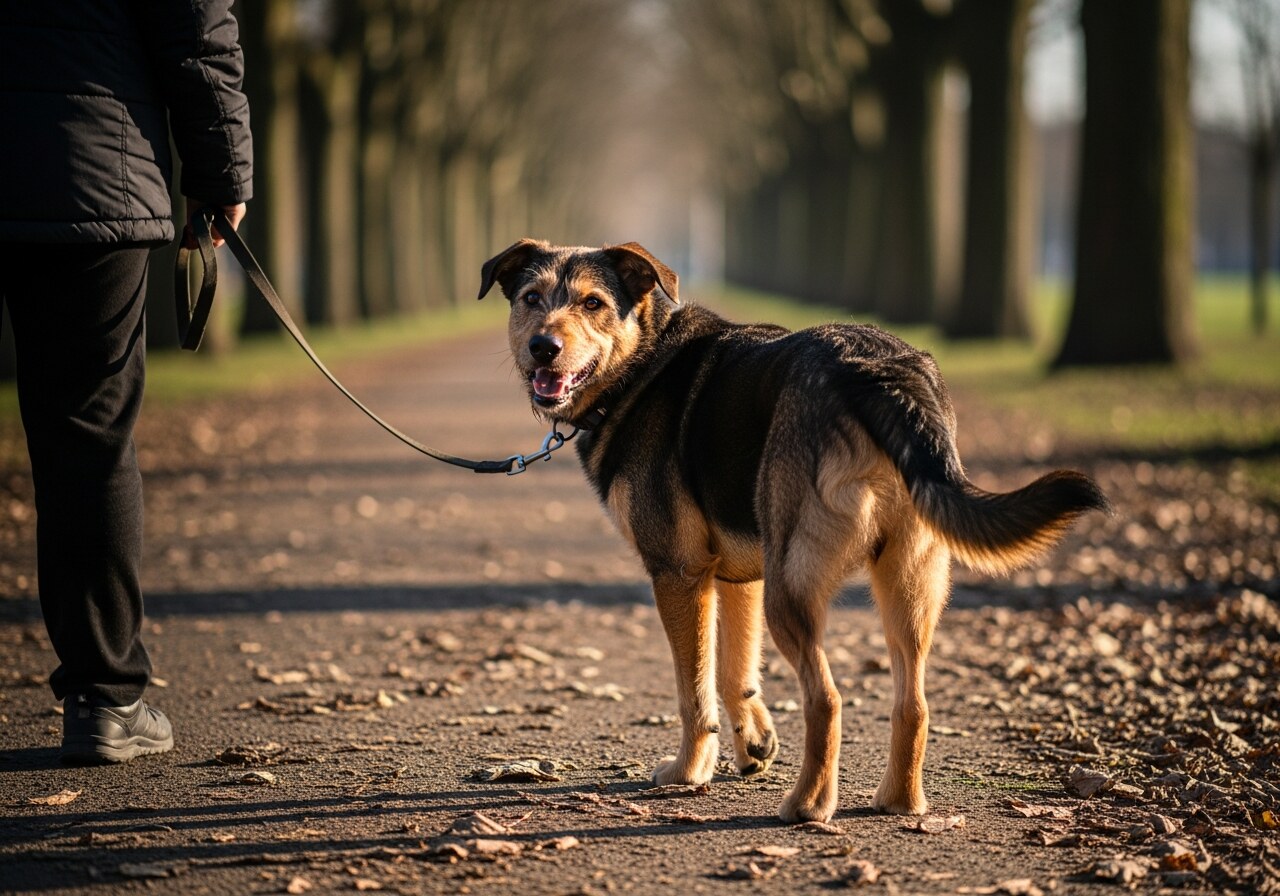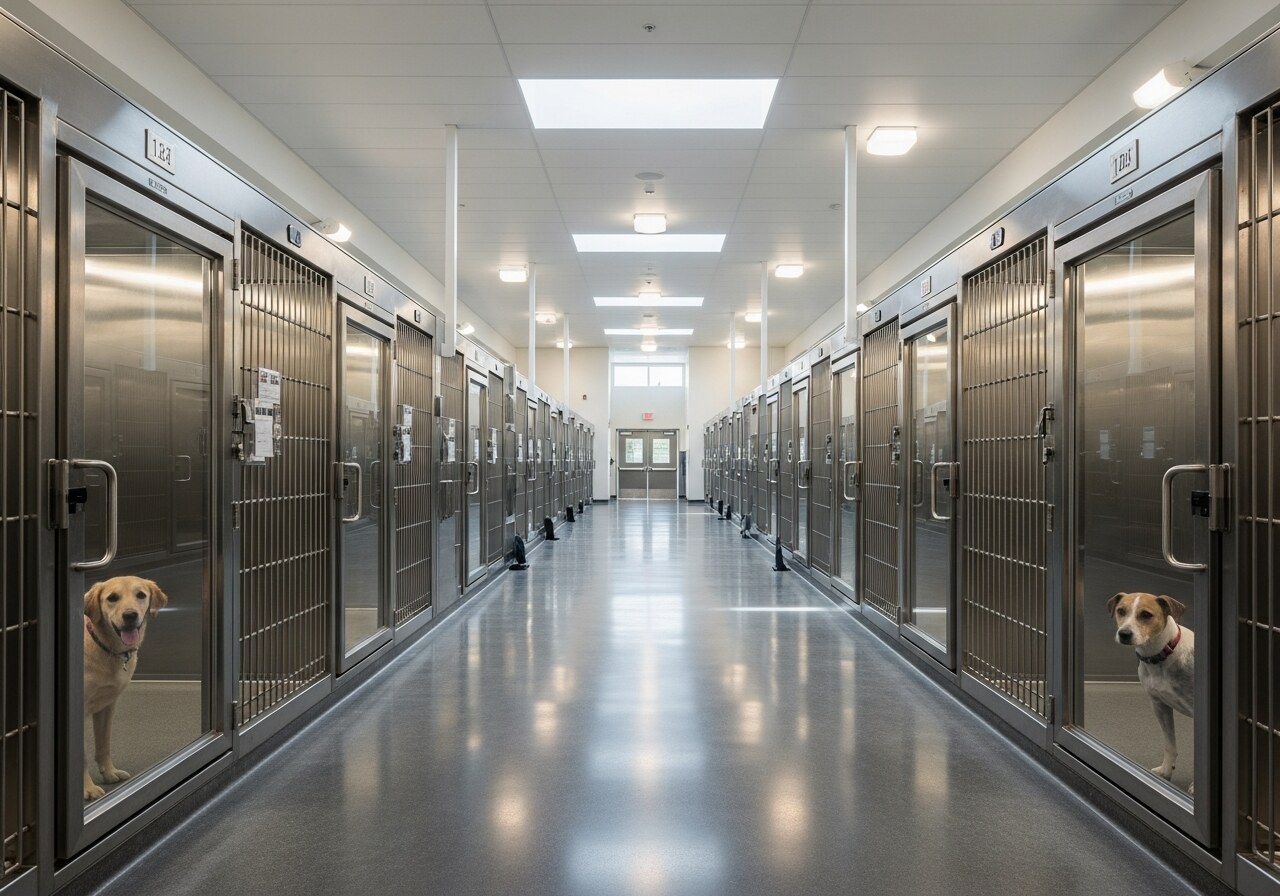
Searching for dog shelters, an animal shelter or local dog rescues can feel surprisingly confusing. The words are used interchangeably, every organisation calls itself "the best", and not all of them are what they appear. This guide explains the differences, what to look for, and how to find a credible animal shelter near me or dog rescues near me — whether you want to adopt, foster, volunteer or donate.
Dog shelter vs animal shelter vs dog rescue
The three terms overlap, but there are some real differences in practice:
- Animal shelter. The broadest term. An animal shelter takes in any species — dogs, cats, rabbits, sometimes wildlife — and typically operates from a single physical site with kennels and a veterinary room. Council pounds, large national rescue charities and many municipal facilities fall under this label.
- Dog shelter. An animal shelter that specifically focuses on dogs. In day-to-day language, "dog shelter" and "animal shelter" are used interchangeably.
- Dog rescues. Smaller organisations, often volunteer-led and foster-home-based. Many dog rescues specialise in a particular breed (greyhound rescues, lurcher rescues, ex-racing dog rescues) or a particular situation (medical-need dogs, ex-pound dogs, international rescue dogs). They tend to be slower, more selective and more personal than a large animal shelter.
How to find dog shelters near you
The fastest legitimate way to find a credible animal shelter near me or dog rescues near me is Google Maps. Type the search exactly as you would say it — "dog shelters near me", "animal shelter near me", "dog rescues near me" — and Maps surfaces the nearest options with reviews, opening hours and websites. From there:
- Filter to registered charities. Look for "Charity Commission" or a registered charity number on the organisation's website.
- Check independent reviews. Read Google reviews, not just testimonials on the rescue's own page.
- Look at their current dogs. A real, working dog shelter or animal shelter will have a regularly updated adoption list with photos, names and honest descriptions.
- Read their adoption policy. The presence of a home check, an application form and a contract are all good signs.
What a good dog shelter looks like
Whether you call it a dog shelter, an animal shelter or a dog rescue, the markers of a credible organisation are the same:
- Registered as a charity or non-profit. In the UK that means a current Charity Commission listing with up-to-date accounts.
- A clear veterinary policy. Vaccinations, microchipping, neutering and a vet check should be standard before any rescue dog leaves the shelter.
- A real adoption process. Application form, home check, meet-and-greet, contract — none of these are bureaucracy for its own sake. They protect both you and the dog.
- Honesty about their dogs. A trustworthy animal shelter will tell you which dogs cannot live with cats, which need experienced homes, and which need quiet households. Vagueness is a red flag.
- Transparent statistics. "No-kill" is only a meaningful claim if the organisation publishes its intake, adoption and euthanasia numbers.
What to look out for
Unfortunately, not every operation calling itself a dog rescue is the real thing. Avoid any "dog shelter", "animal shelter" or "dog rescue" that:
- Has no charity registration and no listed address.
- Pressures you into a same-day adoption or a cash payment.
- Cannot tell you who the dog's vet is.
- Sells puppies regularly — almost no genuine rescue has a constant supply of puppies.
- Refuses any kind of home check or aftercare.
The animal shelter problem WARN is being built for
The UK has thousands of well-run dog shelters, animal shelters and dog rescues. Many countries do not. In Karachi, Pakistan, hundreds of thousands of free-roaming dogs share the city with people, and the small network of local dog rescues and partner animal shelter teams who try to look after them are chronically under-resourced.
World Animal Rescue Network is a UK charity in launch stage. We do not run dog shelters in the UK and we do not arrange UK adoptions. Where we focus is funding the partner dog rescues and animal shelter capacity in countries where there simply is not enough. In Karachi, our planned programme will fund veterinary care for street dogs, expand local animal shelter capacity, and back the catch-neuter-vaccinate-return work the World Health Organization recommends for cities with large free-roaming dog populations.
If you are looking for an animal shelter near you for adoption, please adopt locally. If you can also support the dogs in cities with almost no shelter at all, please consider backing our Karachi appeal below.
Remembering a dog who has died
If you are reading this in memory of a dog rather than to adopt one, WARN's in memory giving page explains how a tribute for a dog is directed to street-dog welfare overseas. Our pet loss support guide may also help.
Help the rescue dogs WARN is being built for
WARN's launch programme in Karachi will fund partner dog rescues and the animal shelter capacity they urgently need — humane catch-neuter-vaccinate-return work, veterinary care for injured street dogs, and responsible in-country adoption of rescue dogs into safe Pakistani homes.
Read the Karachi street dogs appeal for the full plan, or donate today to fund our first surgeries, vaccinations and shelter weeks. Every pound helps another rescue dog get a fair start.