If you are thinking about how to adopt a dog, you are not alone. Every year, hundreds of thousands of people search for "adopt a dog near me" or "dog adoption near me" and end up changing a rescue dog's life — and their own. This guide explains how dog adoption actually works, what to expect from rescue dogs, and how to make sure you choose a rescue you can trust.
What "rescue dogs" actually means
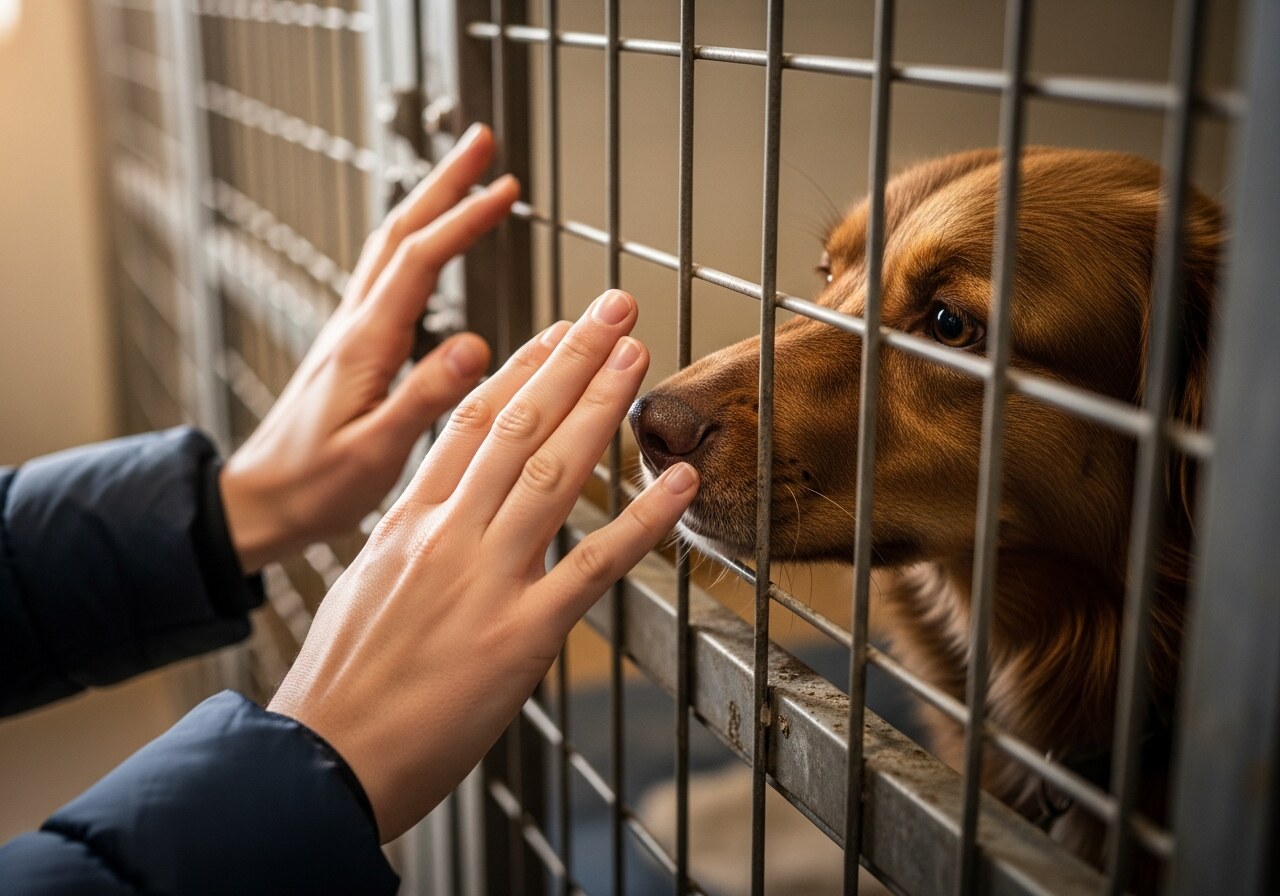
The phrase rescue dogs covers any dog who has come into the care of a rescue organisation, an animal shelter or a council pound and is waiting for a permanent home. Some are owner-surrendered. Some are strays. Some are seized from cruelty cases or hoarding situations. A small minority are international rescue dogs flown in from countries with severe street-dog welfare problems. They are not "broken" — they are just dogs who need a second chance.
How to adopt a dog: the step-by-step process
- Search "adopt a dog near me" or "dog adoption near me". Google Maps will surface your nearest registered rescues, council pounds and breed-specific organisations. Make a shortlist of three to five.
- Read the rescue's listings honestly. Look at the rescue dogs they have right now. A good rescue is candid about energy levels, training needs and any history of nervousness, dog-aggression or separation anxiety. Vague listings are a warning sign.
- Apply. A serious rescue will ask about your home, your hours, your family, any other pets, your garden and your previous dog experience. The application is not a test — it is a match.
- Home check. Most reputable rescues do a short home visit or video call to make sure the environment is safe. This is normal and a sign of a careful rescue, not a suspicious one.
- Meet the dog. Spend real time with the rescue dog before you commit. If you have other dogs at home, the rescue will arrange a structured meet-and-greet.
- Pay the adoption fee and sign the contract. Fees typically range from £150 to £400 and cover vaccinations, microchipping, neutering and an initial vet check.
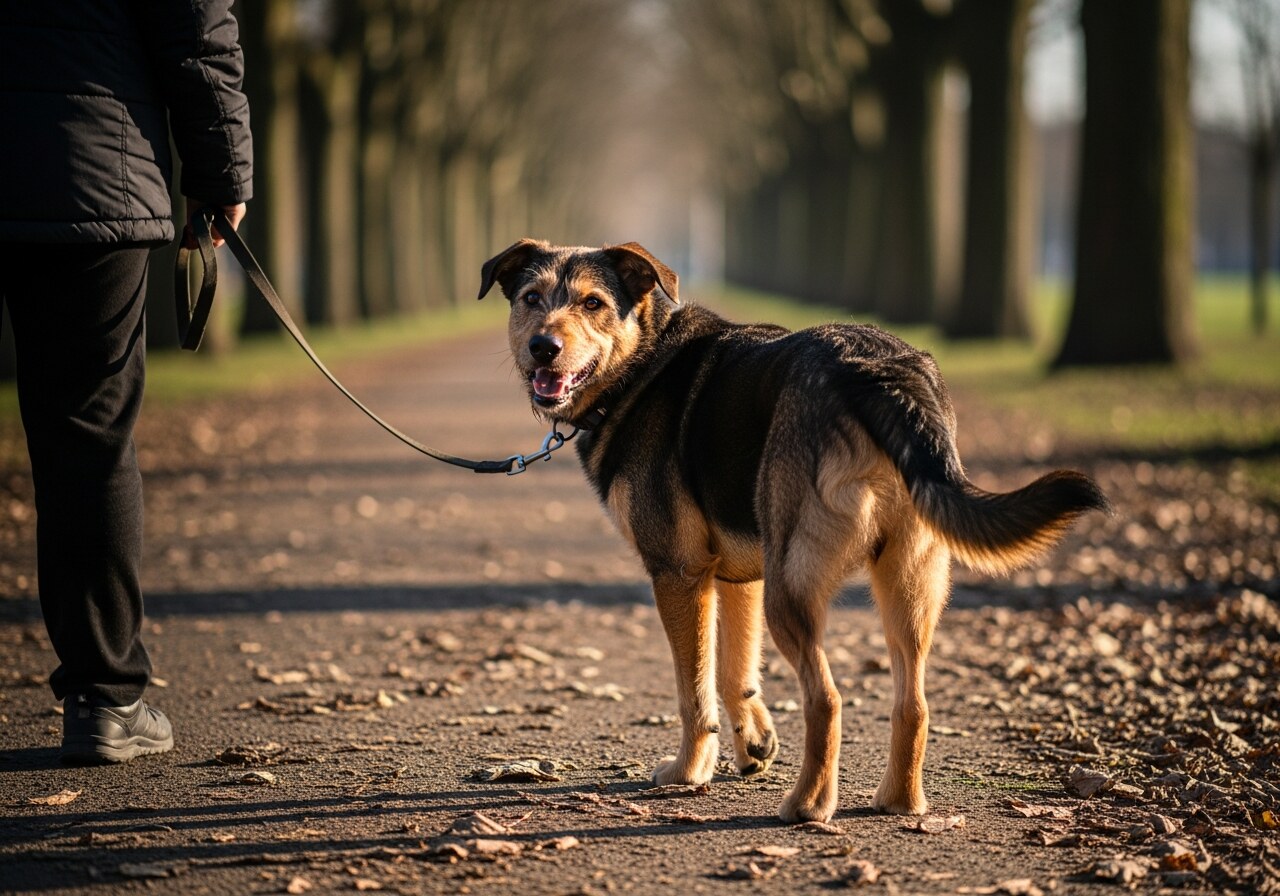
- Take your rescue dog home. Use the 3-3-3 rule: 3 days of decompression, 3 weeks of settling in, 3 months to fully relax. Patience pays off.
Where to find a dog to adopt near you
If you live in the UK, three categories of organisation are worth searching for when you look up dog adoption near me:
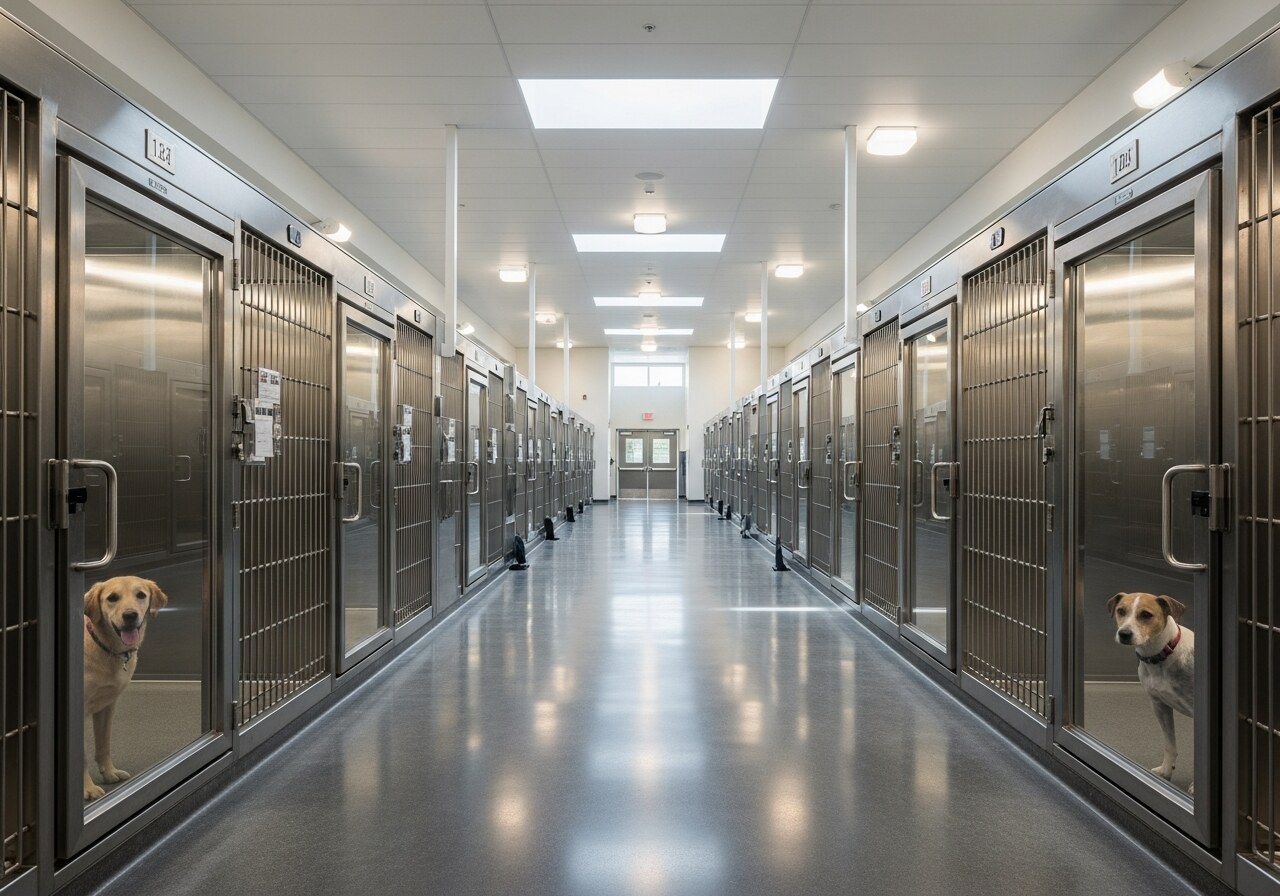
- Local registered rescues and animal shelters. Small, often volunteer-led, usually with a handful of rescue dogs in foster homes at any one time. Personal, careful, slow — in a good way.
- Council pounds and stray dog services. Hold lost and abandoned dogs for a statutory period before making them available for adoption.
- Breed-specific rescues. If you have your heart set on a particular breed or type, breed-specific rescues focus on adopting out exactly those dogs.
Whichever route you choose, only adopt from an organisation registered as either a UK charity or a non-profit. Check their Charity Commission listing and look for transparent veterinary policies before you apply to adopt a dog.
What to expect from a rescue dog
Rescue dogs come with a history. That history is rarely as dark as people imagine — most have been loved at some point — but it does mean the first few weeks at home need patience. Expect a quiet, slightly withdrawn dog for the first 72 hours, gradual emergence over the first three weeks, and the dog's real personality only fully appearing at around the three-month mark. Do not invite friends over to meet your new rescue dog on day one. Let them settle.
Adopt, foster, sponsor — or fund field rescue
Not everyone can adopt a dog right now. There are still meaningful ways to help rescue dogs:
- Foster. A short-term foster home saves more rescue dogs per slot than a single adoption, because it keeps shelter capacity flowing.
- Sponsor. Most rescues let you sponsor a specific dog for a small monthly amount.
- Volunteer. Dog walking, transport runs, photography for adoption listings — every animal shelter is short of hands.
- Fund overseas field rescue. In some cities there is almost no rescue capacity at all, and the dogs there cannot be adopted out of trouble — they need someone to fund the rescue itself.
The dogs no one can adopt: how WARN fits in
World Animal Rescue Network is a UK charity, currently in its launch stage. We do not arrange UK pet adoptions — if you searched "adopt a dog near me" or "dog adoption near me", the best thing we can do is point you to your nearest registered animal shelter or breed rescue. Adopt locally.
Where we focus is the dogs no UK rescue can adopt out: street dogs in cities like Karachi, where hundreds of thousands of dogs live without veterinary care, without rabies vaccination and without any path to a safe home. Our planned Karachi programme will fund partner dog rescues, expand animal shelter capacity in Pakistan, and back humane catch-neuter-vaccinate-return work that has been proven to reduce both dog suffering and dog-mediated human rabies at city scale.
If you are about to adopt a rescue dog, congratulations. If you can also spare a little to fund the rescue dogs who are too far away for adoption to reach, please consider supporting the Karachi appeal below.
If you have just lost a dog
Some readers find this page in the weeks after losing a dog, when adoption isn't yet right. If that is you, please take your time. Our pet loss support guide covers what to do in the first hours and weeks, and our in memory giving page explains how a tribute donation for a dog directly helps street dogs that cannot be adopted out of trouble.
Help the rescue dogs WARN is being built for
WARN's launch programme in Karachi will fund partner dog rescues and the animal shelter capacity they urgently need — humane catch-neuter-vaccinate-return work, veterinary care for injured street dogs, and responsible in-country adoption of rescue dogs into safe Pakistani homes.
Read the Karachi street dogs appeal for the full plan, or donate today to fund our first surgeries, vaccinations and shelter weeks. Every pound helps another rescue dog get a fair start.