Reforestation — the deliberate replanting of trees in degraded or cleared land — is one of the most effective interventions available for wildlife recovery. When done with the right species, in the right places, and with sustained management, it can restore habitat corridors, recover biodiversity and give rescued and rehabilitated animals somewhere viable to return to.
Why reforestation matters for wildlife
The loss of forest and natural habitat is the single largest driver of wildlife decline globally. Reforestation directly addresses this by:
- Restoring habitat connectivity — linking isolated forest patches so that animals can move, find mates, access seasonal food sources and disperse genetically.
- Recovering food sources — native fruiting trees, insect-supporting plants and nesting-site trees that animals need and cannot access in degraded land.
- Reducing human-wildlife conflict — animals with adequate forest habitat are less likely to enter farmland in search of food, reducing the retaliatory killing that is a leading cause of death for many species WARN works to protect.
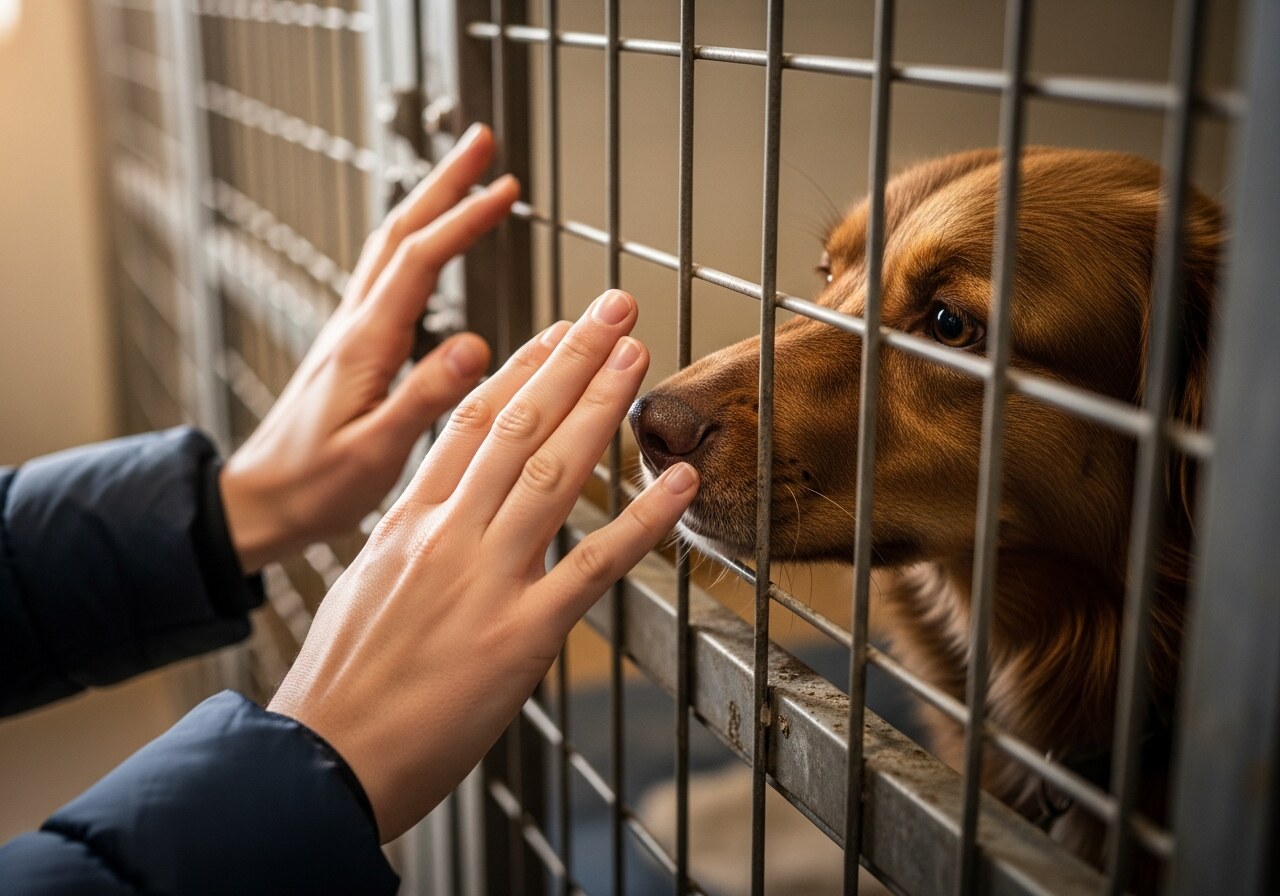
- Creating viable release environments — rescued and rehabilitated animals can only be successfully released if there is functional habitat to release them into. Without reforestation, rescue becomes a permanent sanctuary burden rather than genuine recovery.
Native trees vs monoculture plantations: why it matters
Not all tree planting is equally valuable for wildlife. The key distinction is between:
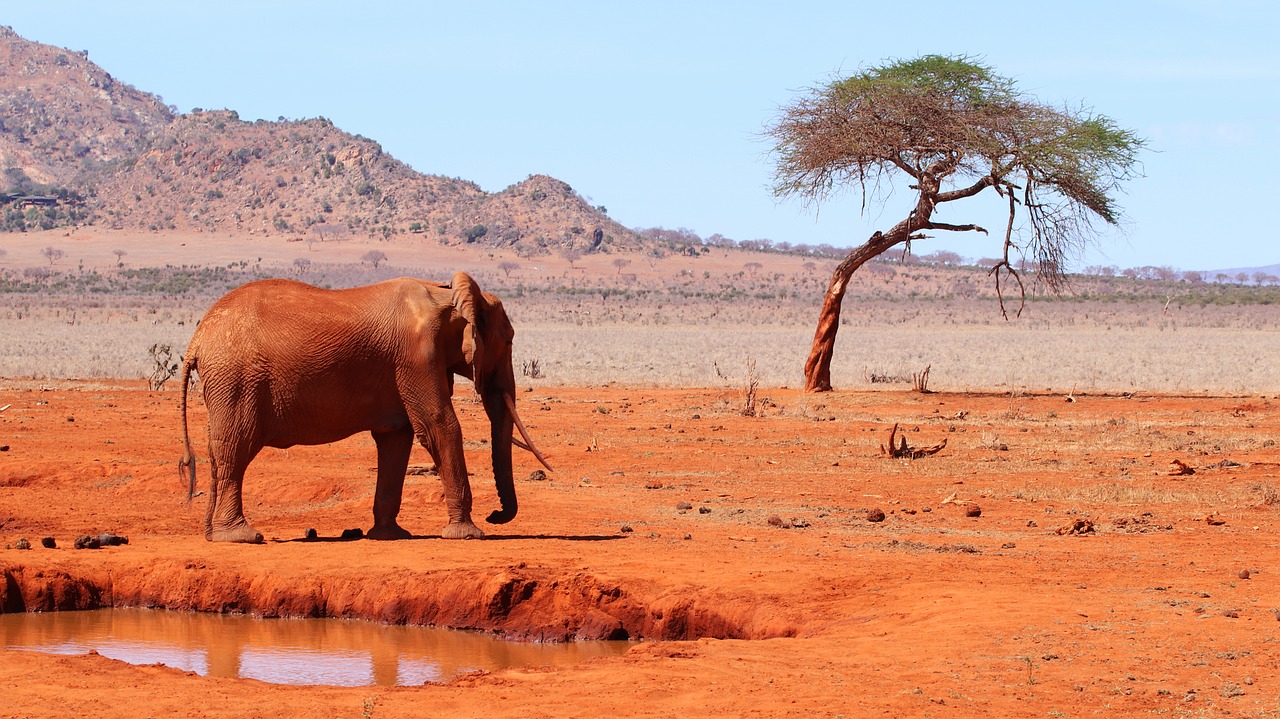
- Native species reforestation — planting the tree species that historically dominated the ecosystem, which support the specific insect communities, nesting sites and food sources that local wildlife evolved alongside. In Borneo, this means dipterocarp forest species. In East Africa, native acacia species. In the Amazon, dozens of native canopy species.
- Monoculture plantation forestry — fast-growing single-species plantations of non-native trees (eucalyptus, pine, oil palm) that produce timber or fibre but support far lower biodiversity and do not function as wildlife habitat.
WARN's habitat programme exclusively funds native species reforestation — planting the trees that the specific animals in each operational country need, not the trees that grow fastest.
How quickly does reforestation benefit wildlife?
The timeline varies by ecosystem and species, but the evidence is consistently encouraging:
- Camera-trap monitoring of reforestation corridor projects in Southeast Asia and East Africa routinely records initial wildlife use within 18–24 months of tree planting.
- Insect diversity — the foundation of forest food webs — begins recovering within the first few years in native-species plantings.
- For larger mammals, meaningful population recovery takes a decade or more, but population movement into restored corridors begins earlier.
- Released orangutans have been documented using restored forest corridors within months of habitat planting beginning in adjacent areas.
The community-based model
The most durable and cost-effective reforestation model is community-based: local people are employed as planters, patrollers and monitors, creating both an economic incentive and a community stake in the success of the restored habitat. Communities that have participated in planting are far more likely to protect their investment against illegal clearance. This is the model WARN's habitat appeal funds — working through locally-registered community forestry organisations in each of our ten operational countries.
Reforestation tied to rescue data
What distinguishes WARN's approach from general reforestation is that it is data-driven. The corridors and buffer zones we fund are selected based on where WARN's partner organisations rescue and release animals — matching habitat restoration directly to the animals that need it. A rehabilitated orangutan released in Kalimantan needs a specific corridor to survive. A snared lion released in Tanzania needs a specific savannah buffer. WARN's habitat appeal funds the reforestation that closes those gaps.
Help WARN restore the habitats our rescued animals need
WARN's Restore Natural Habitats appeal funds native tree planting, forest corridor protection and reforestation projects across all ten of our operational countries — giving the animals we rescue somewhere safe to return to after rehabilitation.
Read the appeal or donate today to fund your first trees planted and your first corridor protected. Every pound goes directly to on-the-ground habitat work in Borneo, the Amazon, East Africa or Southeast Asia.