Most British travellers who end up unwittingly trafficking an illegal wildlife product do so as a souvenir buyer in a foreign market. Customs seizures at UK airports include carved ivory, tortoiseshell jewellery, big-cat teeth, traditional-medicine packages and reptile-skin handbags every week of the year.
This guide is a practical primer. The legal authority is CITES — the Convention on International Trade in Endangered Species — which controls trade in 38,000+ animal and plant species through three Appendices.
The high-risk product categories
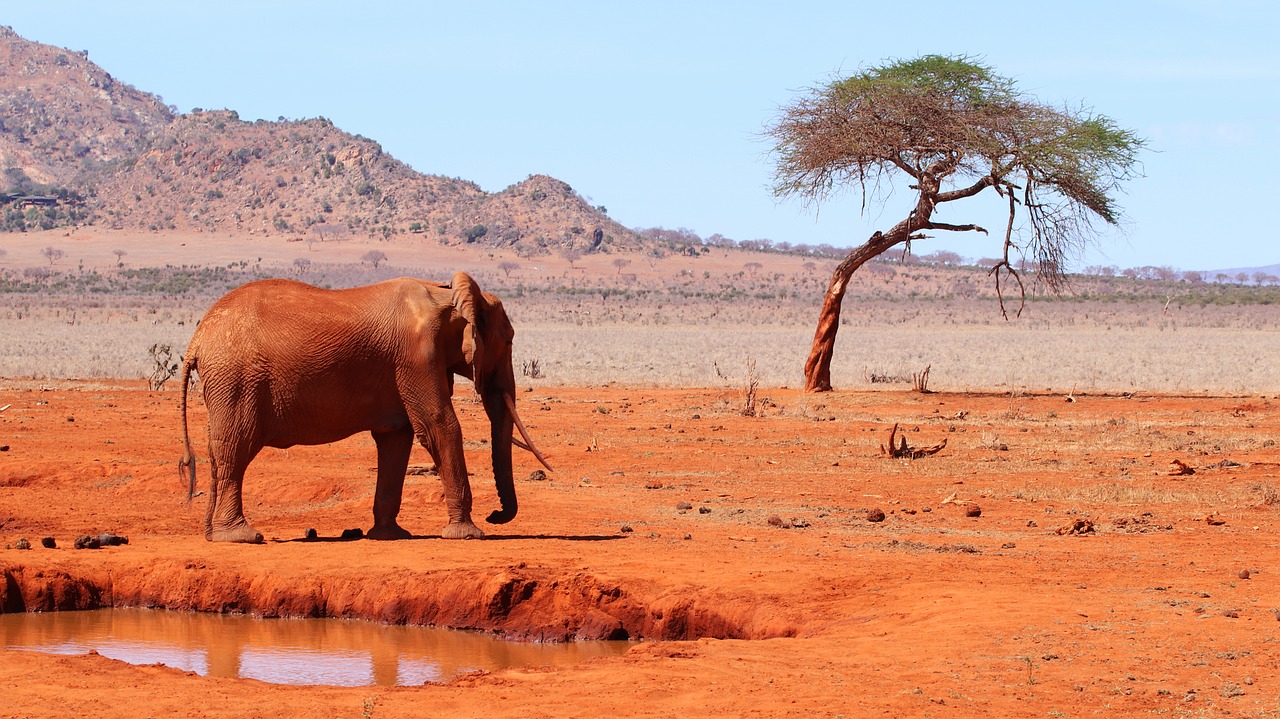
- Ivory. Elephant, hippo, walrus, narwhal. The UK Ivory Act 2018 makes most ivory sales illegal even within the UK. Antique-claim ivory is almost always either modern or from another protected species.
- Tortoiseshell. Real tortoiseshell jewellery is from the Hawksbill sea turtle — Critically Endangered, CITES Appendix I. Any honey-amber-coloured "tortoiseshell" item should be assumed illegal.
- Big-cat parts. Skins, teeth, claws, bones. All major big cats (tiger, leopard, snow leopard, jaguar, cheetah) are CITES-listed; trafficking is a UNODC enforcement priority.
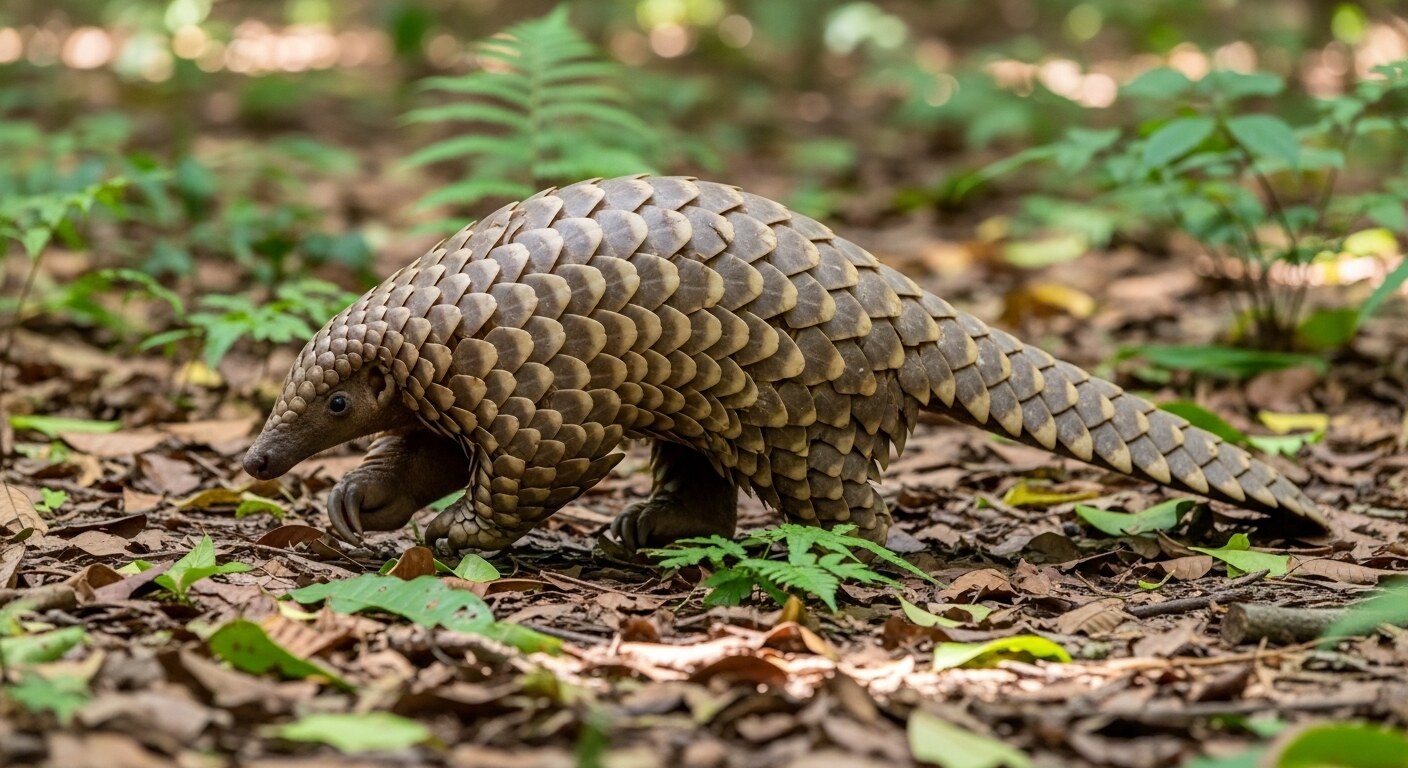
- Traditional-medicine animal parts. Bear-bile products, tiger-bone wine, pangolin scales, rhino-horn powder. Almost universally illegal to import.
- Coral, shell and marine items. Several coral species and many large molluscs are CITES Appendix II. The giant clam is restricted.
- Hardwood and rosewood. Many tropical hardwoods used in carvings and musical instruments are CITES Appendix II.
- Exotic leather. Crocodile, python, monitor lizard — most CITES Appendix II and require export permits.
- Live wildlife and eggs. Parrots, reptiles, primates, eggs — almost never legal to remove from a country without permits.
How to handle it on the day
If a vendor cannot produce a CITES permit, do not buy. If you have already bought something and are unsure, declare it on arrival in the UK — declared and surrendered items typically result in confiscation only; undeclared items can mean fines and prosecution.
If you see organised trafficking
See our guide to reporting wildlife trafficking for the practical steps.
Sources: CITES, UNODC, UK Border Force, NWCU.
We need your support to make this happen
World Animal Rescue Network is at the launch stage of this work. We do not yet have rescue numbers to share — and that is exactly why your support matters now. Every donation helps us put trained teams on the ground, secure veterinary supplies and equipment, and reach the first animals before they are lost.
Donate today to fund our first deployments, or sponsor an animal to back a specific species through rehabilitation. You can also join the network as a volunteer, fundraiser, or monthly supporter.